Reptiles and insects discovery tours
The island's smallest inhabitants tell its evolutionary story better than anything else — and 95% of them exist nowhere else.
Madagascar is a true sanctuary of biodiversity — a natural world unlike anywhere else on Earth. Among its most captivating inhabitants are its reptiles and insects, which together showcase the island's extraordinary evolutionary story.
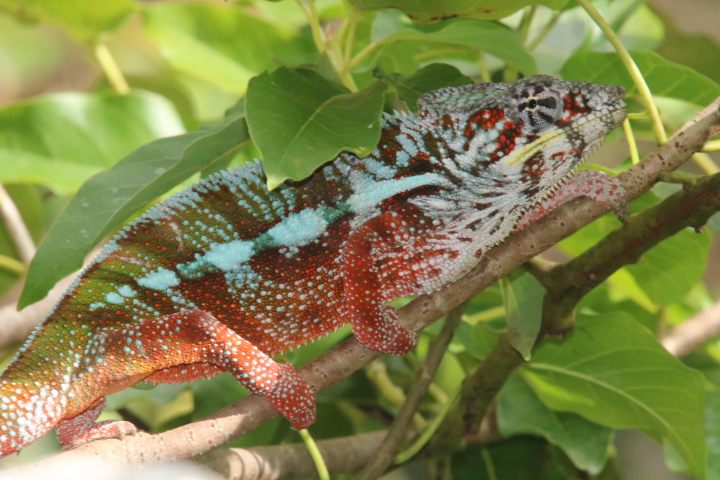
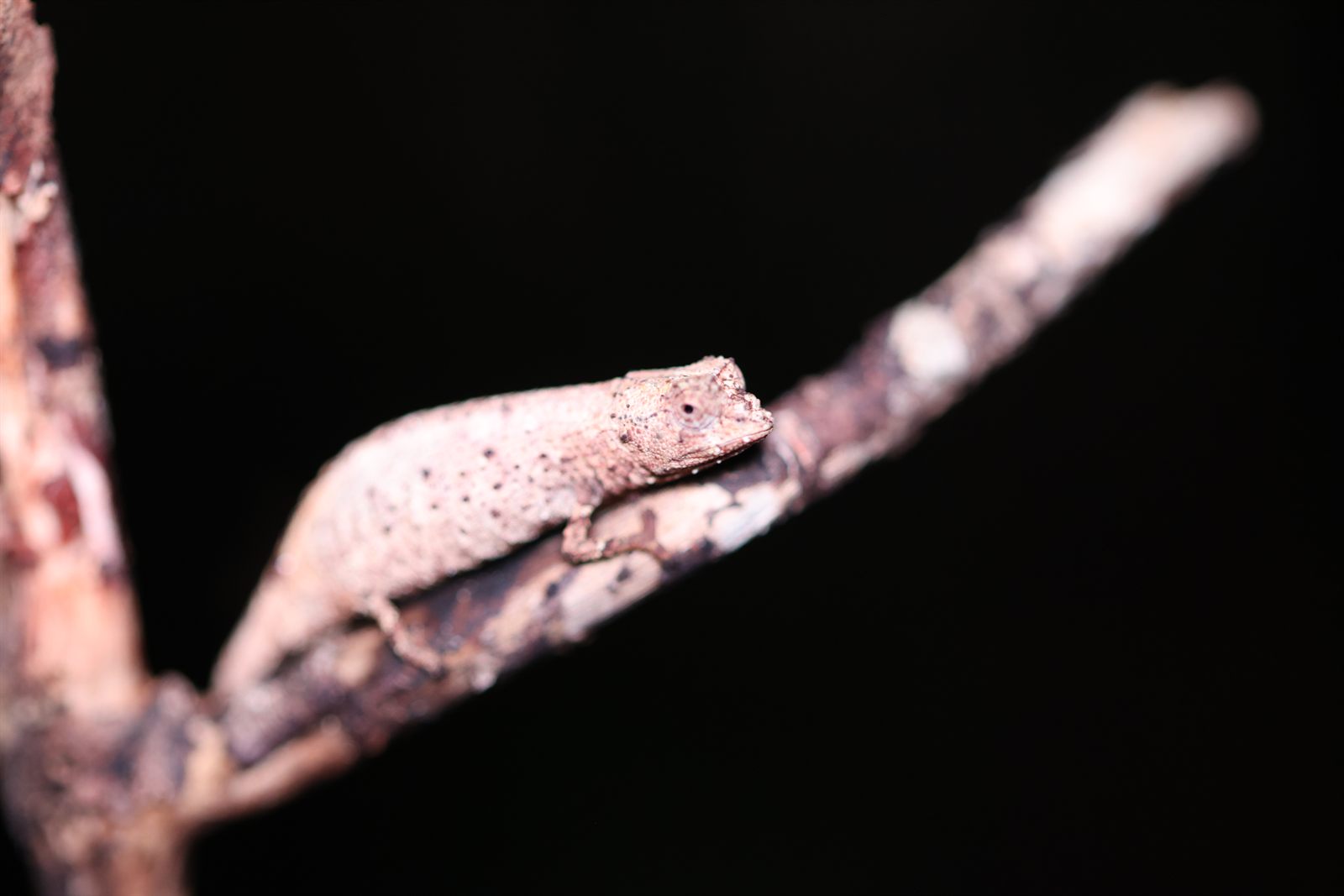
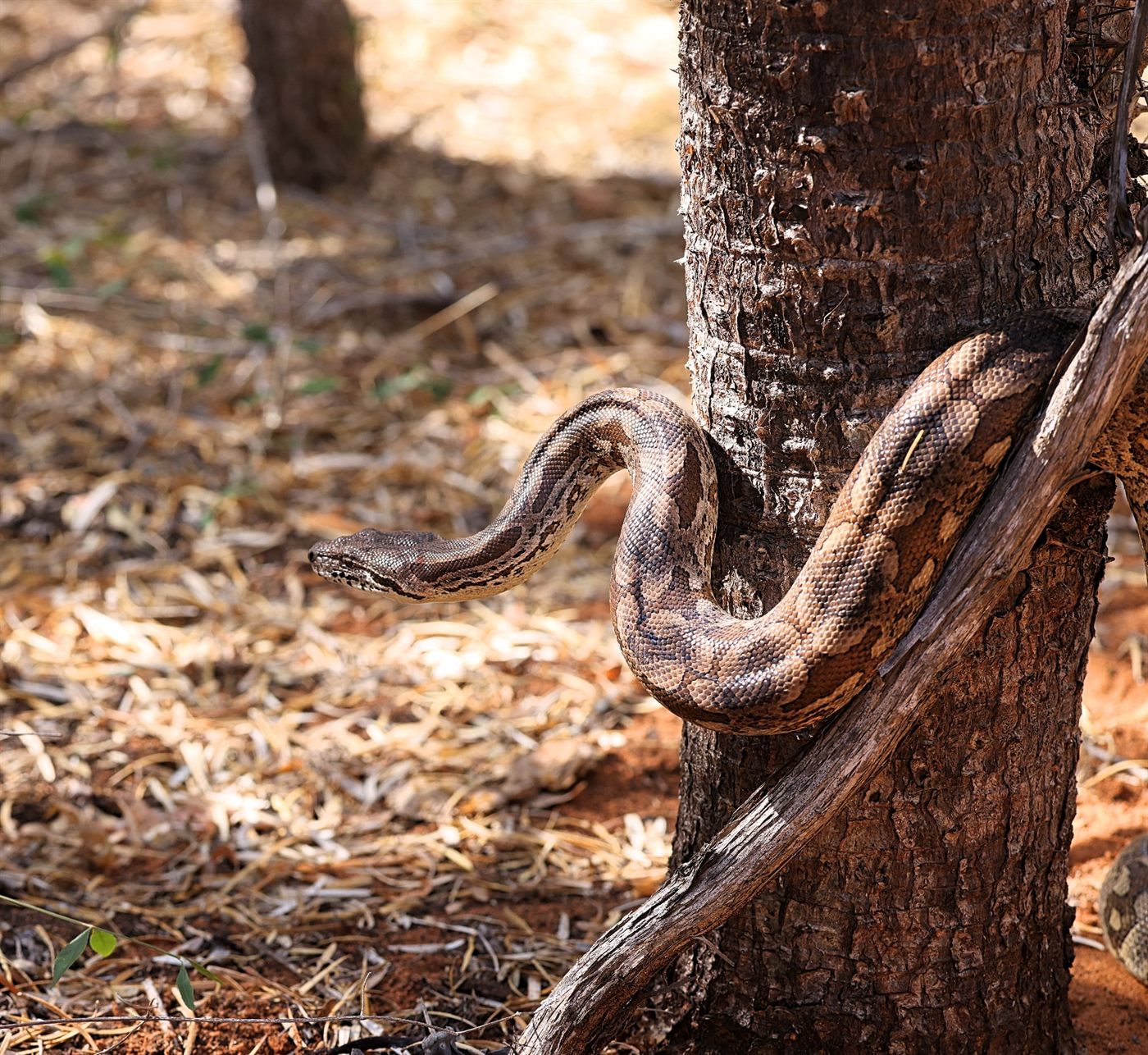
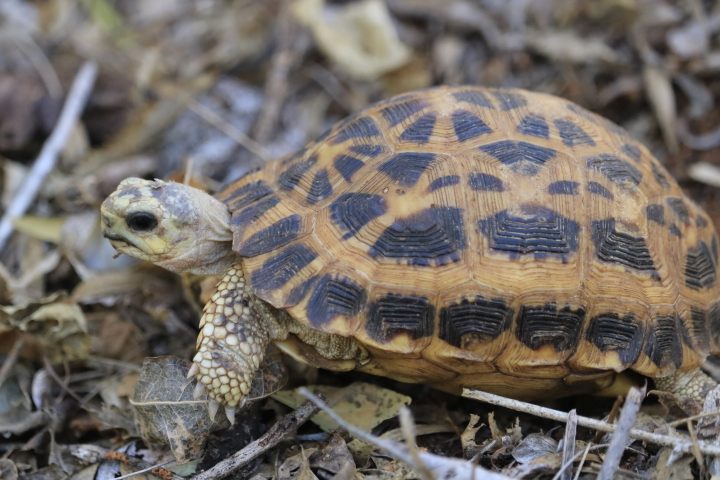
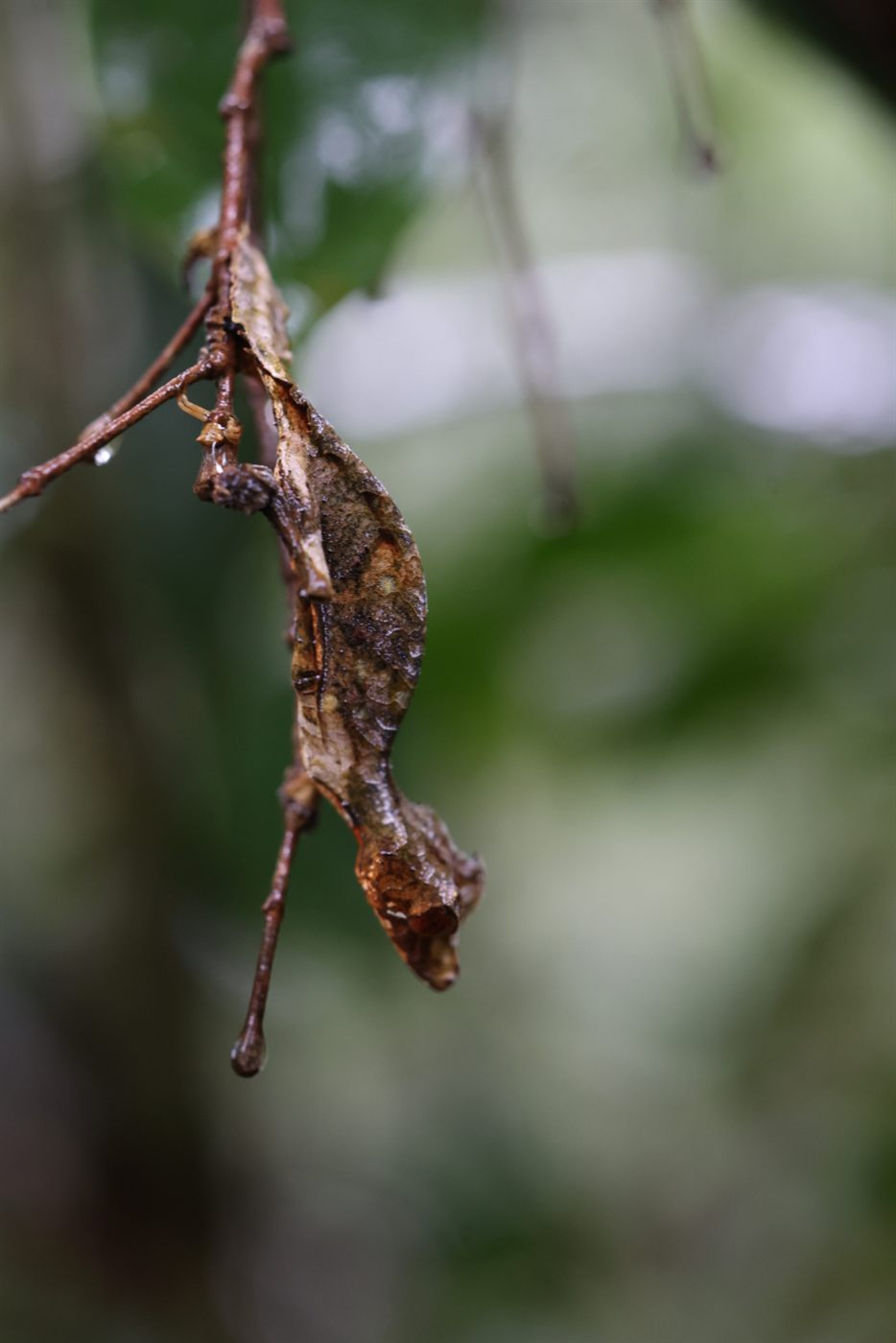
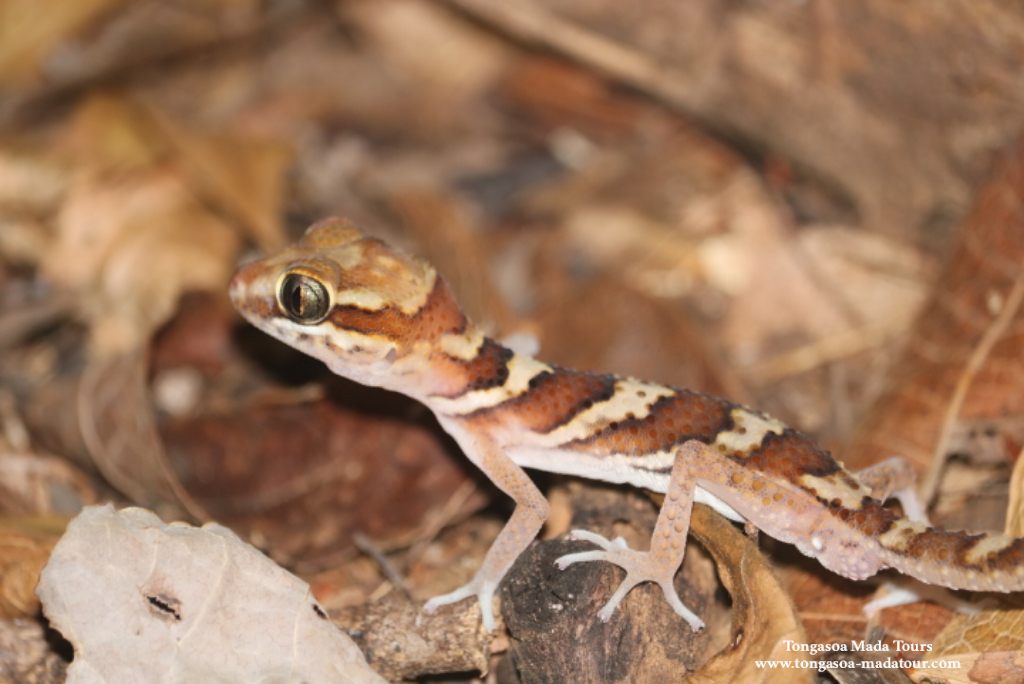
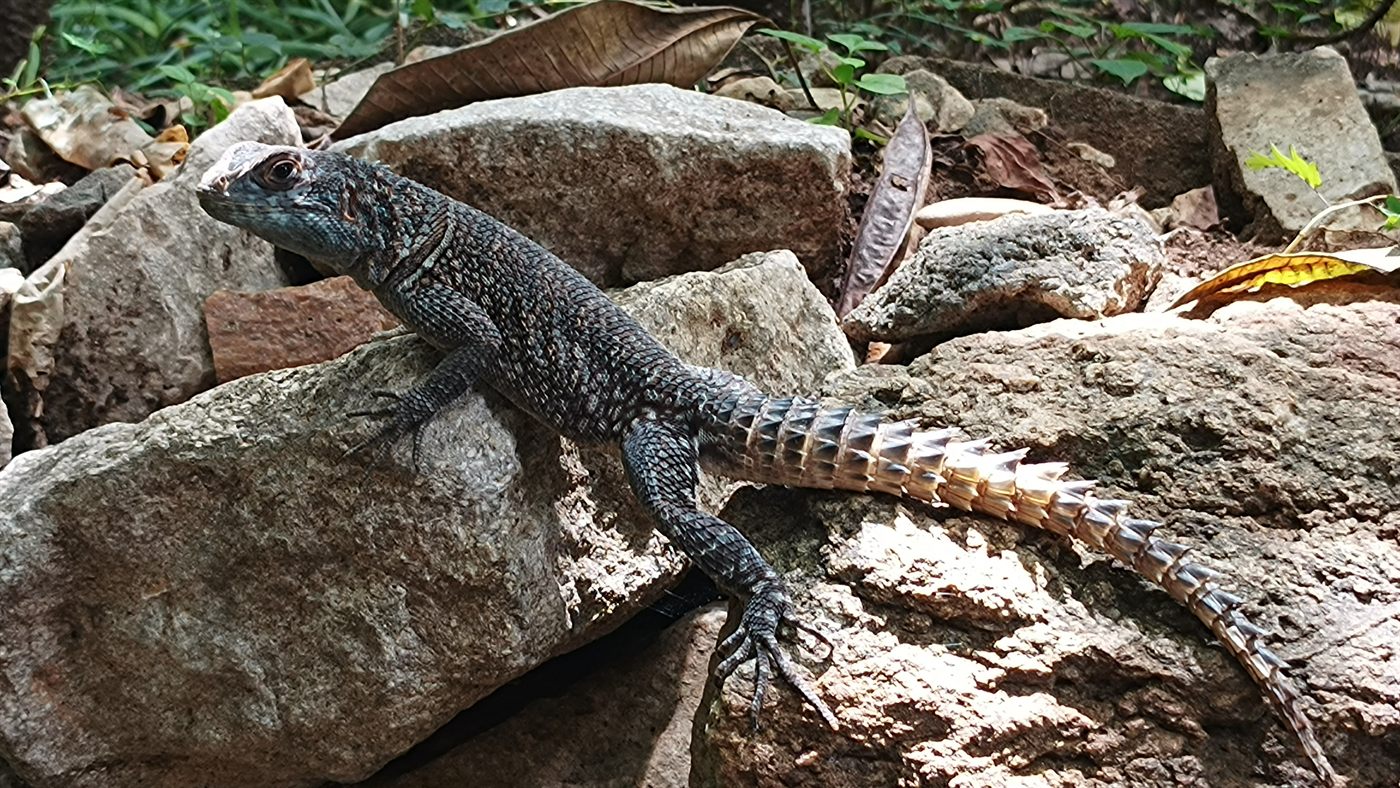
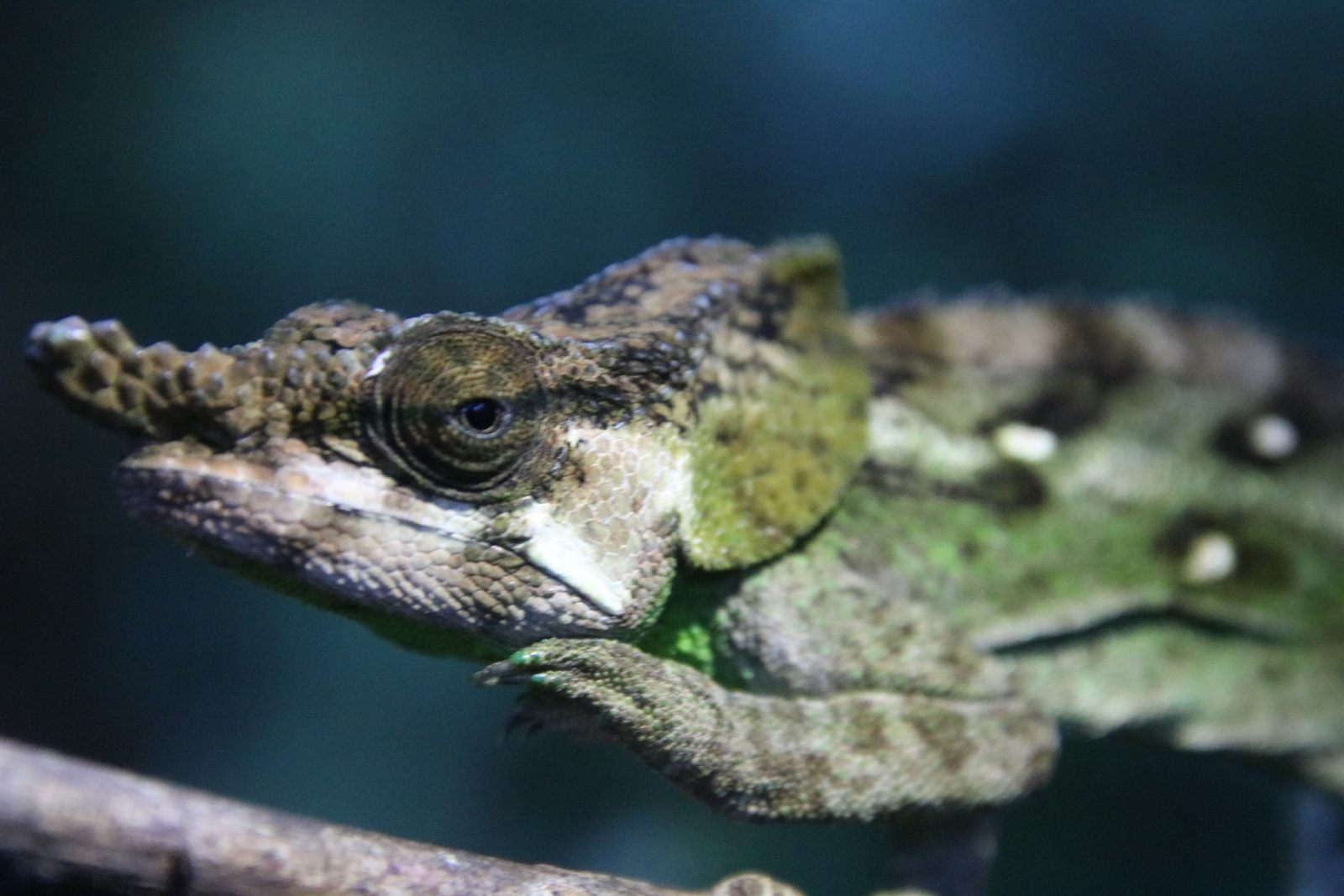
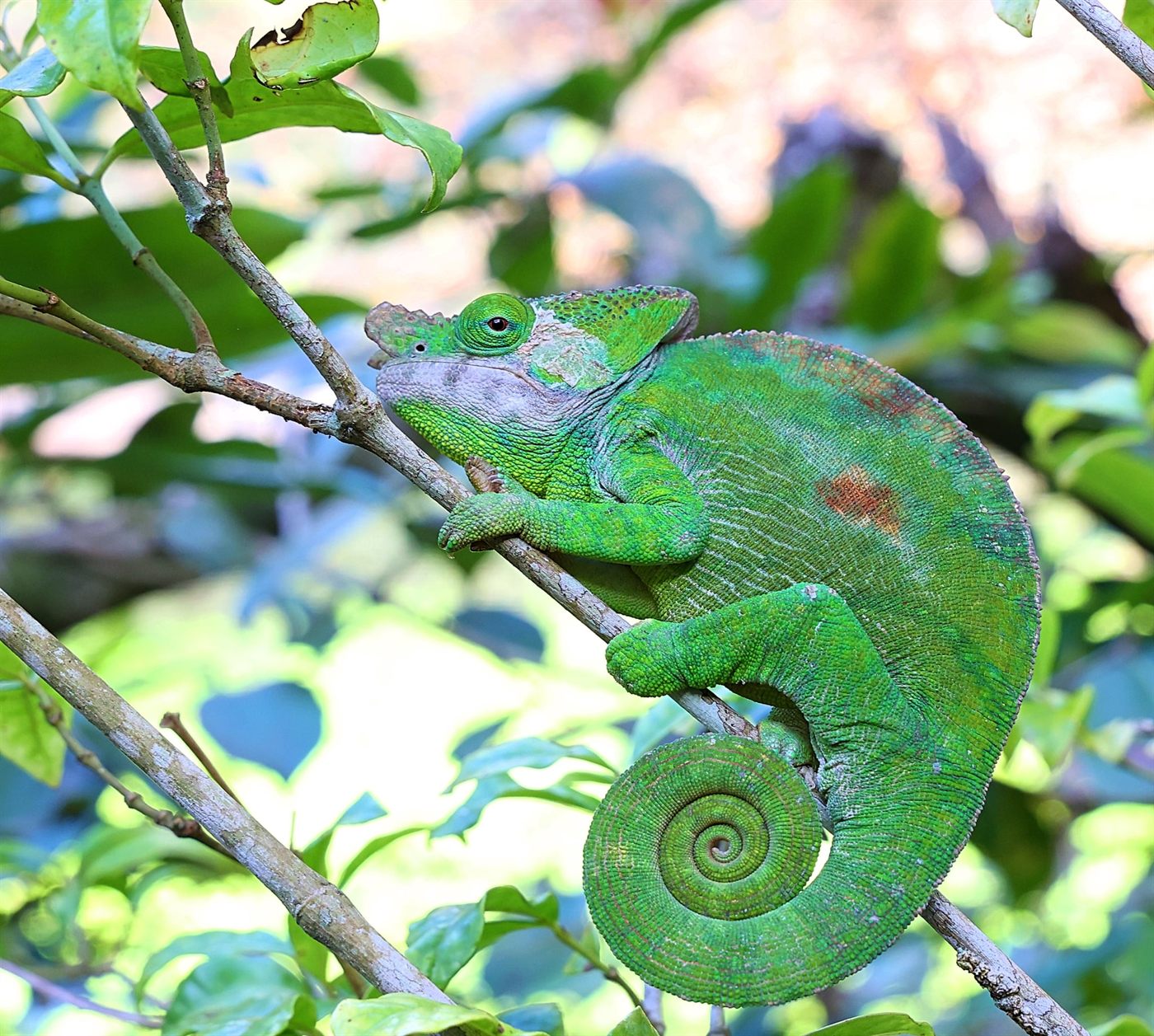
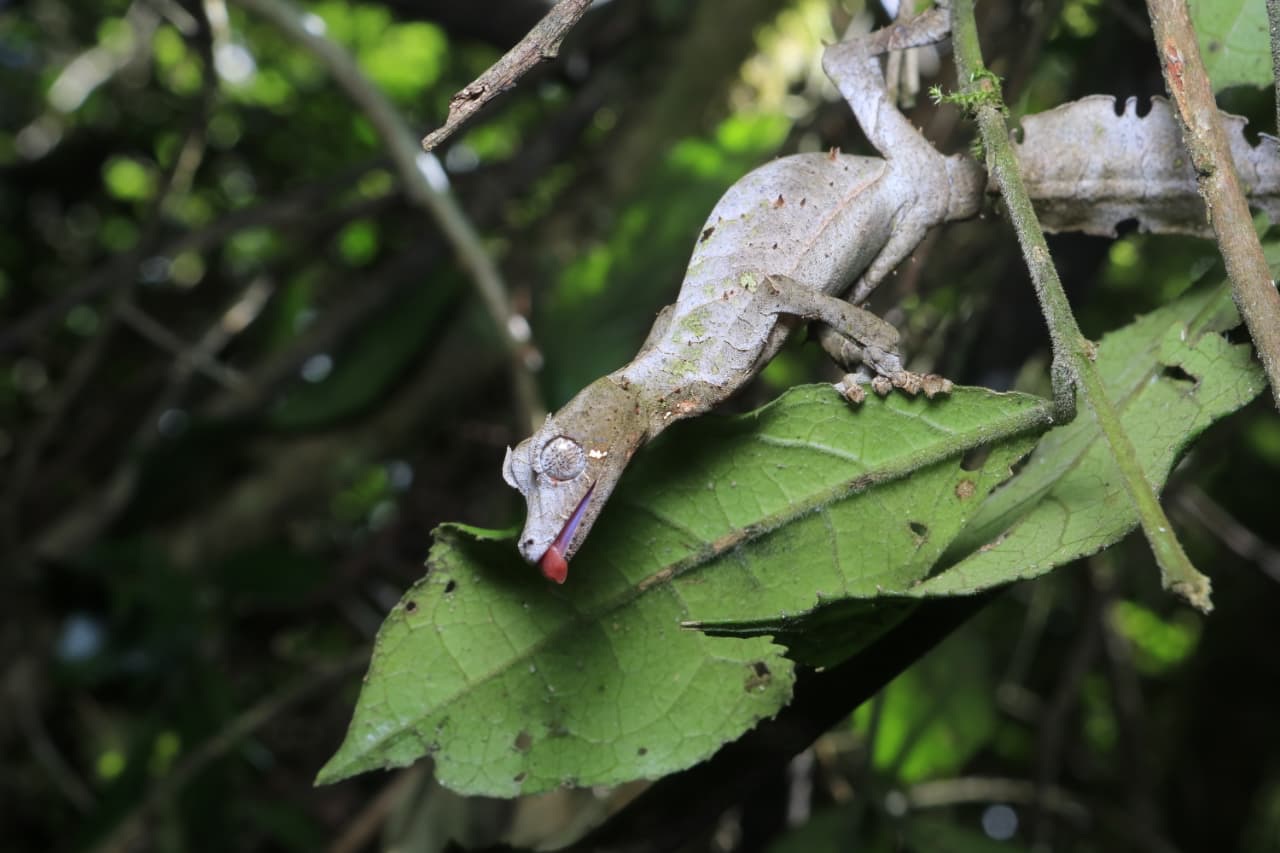
The island is home to over 360 species of reptiles, an incredible 95% of them endemic. From dazzling panther chameleons that shift colour in mesmerising hues to the elusive leaf-tailed geckos that blend perfectly into the forest, every encounter reveals nature's unmatched creativity and adaptation.
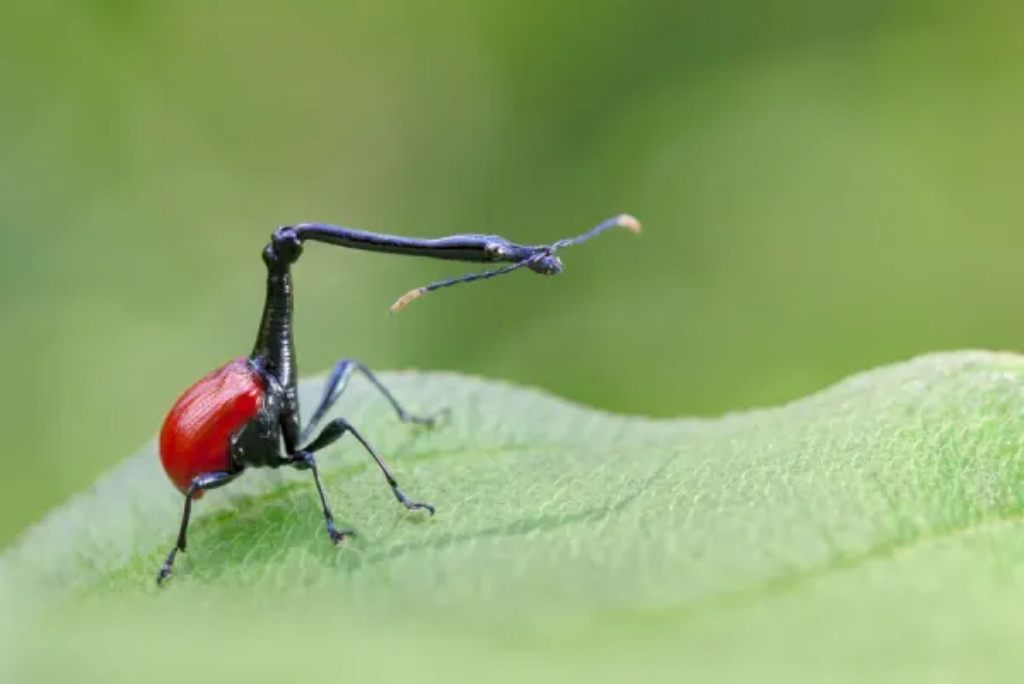
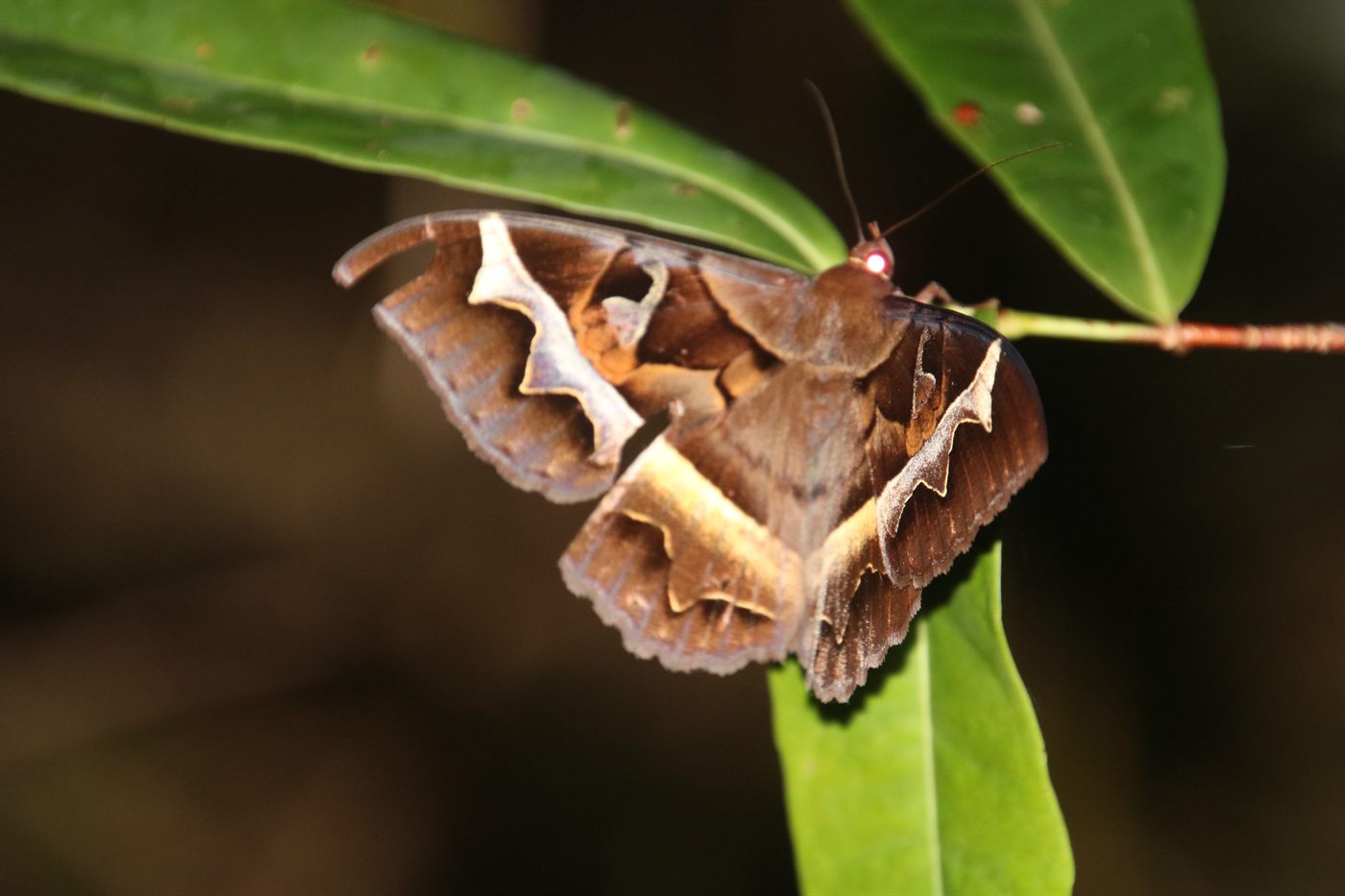
Madagascar also shelters countless species of insects, about 95% of them native only to the island. From delicate butterflies and shimmering beetles to graceful mantises and ingenious stick insects, these small creatures play a vital role in maintaining the ecological balance — pollinating plants, recycling organic matter and supporting the natural food chain.
Step into connection
With Tongasoa Mada Tours, you're invited to step beyond observation and into connection. Walk through lush rainforests where chameleons shift their colours like living jewels, and pause to admire butterflies dancing above wildflowers.
Guided by our passionate local team, you'll unveil the secrets of these miniature wonders. You will not just learn about Madagascar's ecosystems; you'll feel them, breathe them, and carry them with you long after your journey with us.
Why November to March is the perfect season
From November to March, Madagascar comes alive. Warm rains awaken the forests and the island's smallest creatures — chameleons, geckos, butterflies, mantises and countless insects — step out in full colour. This is when reptiles are most active, using the heat and humidity to hunt, move and reveal the brilliant patterns they hide during cooler months.
It's also the breeding season, when newborn chameleons cling to leaves, insects multiply, and rare species appear that stay hidden the rest of the year.
The landscapes turn lush and green, giving you the perfect backdrop to observe wildlife at its most vibrant.
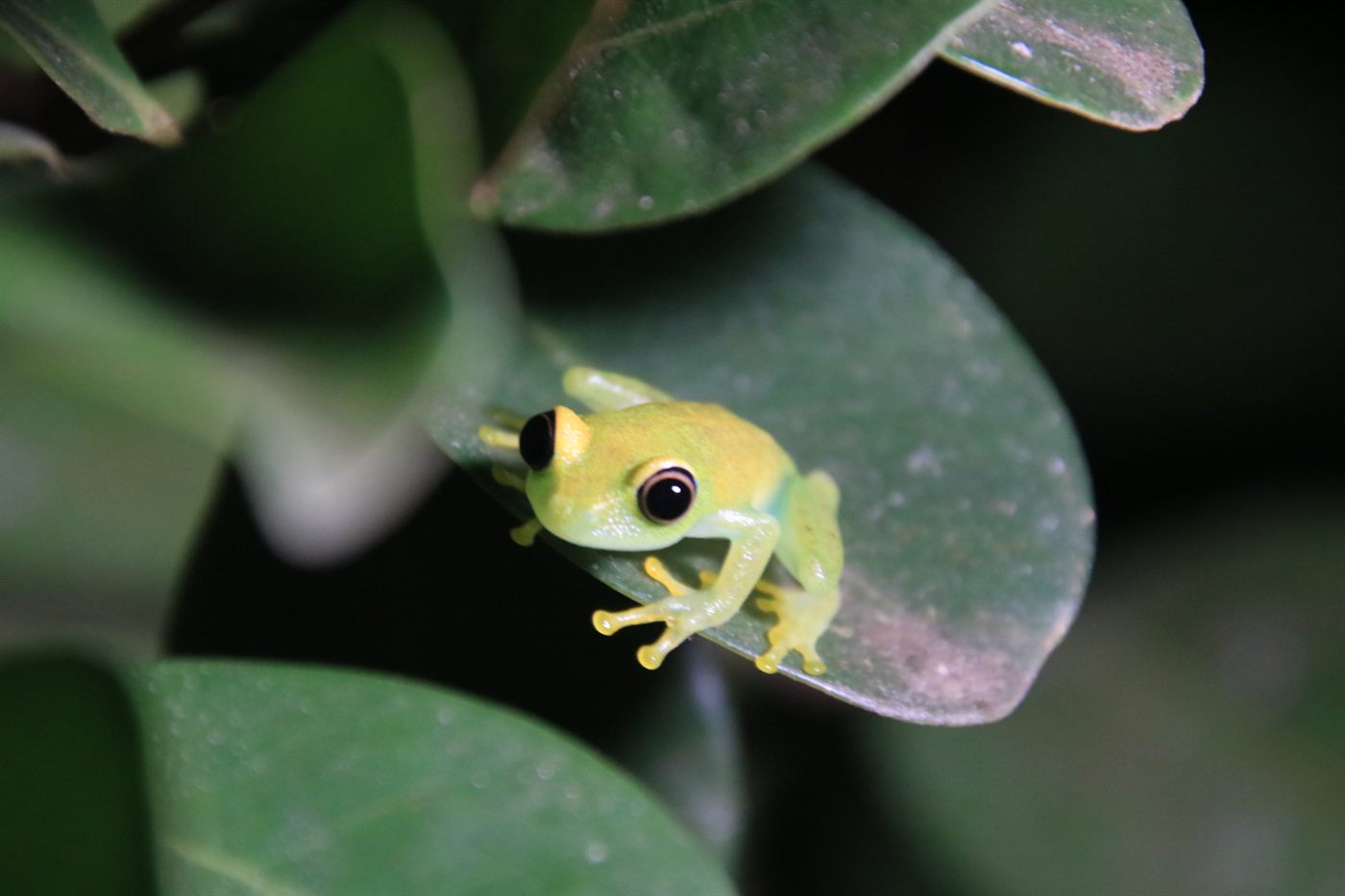
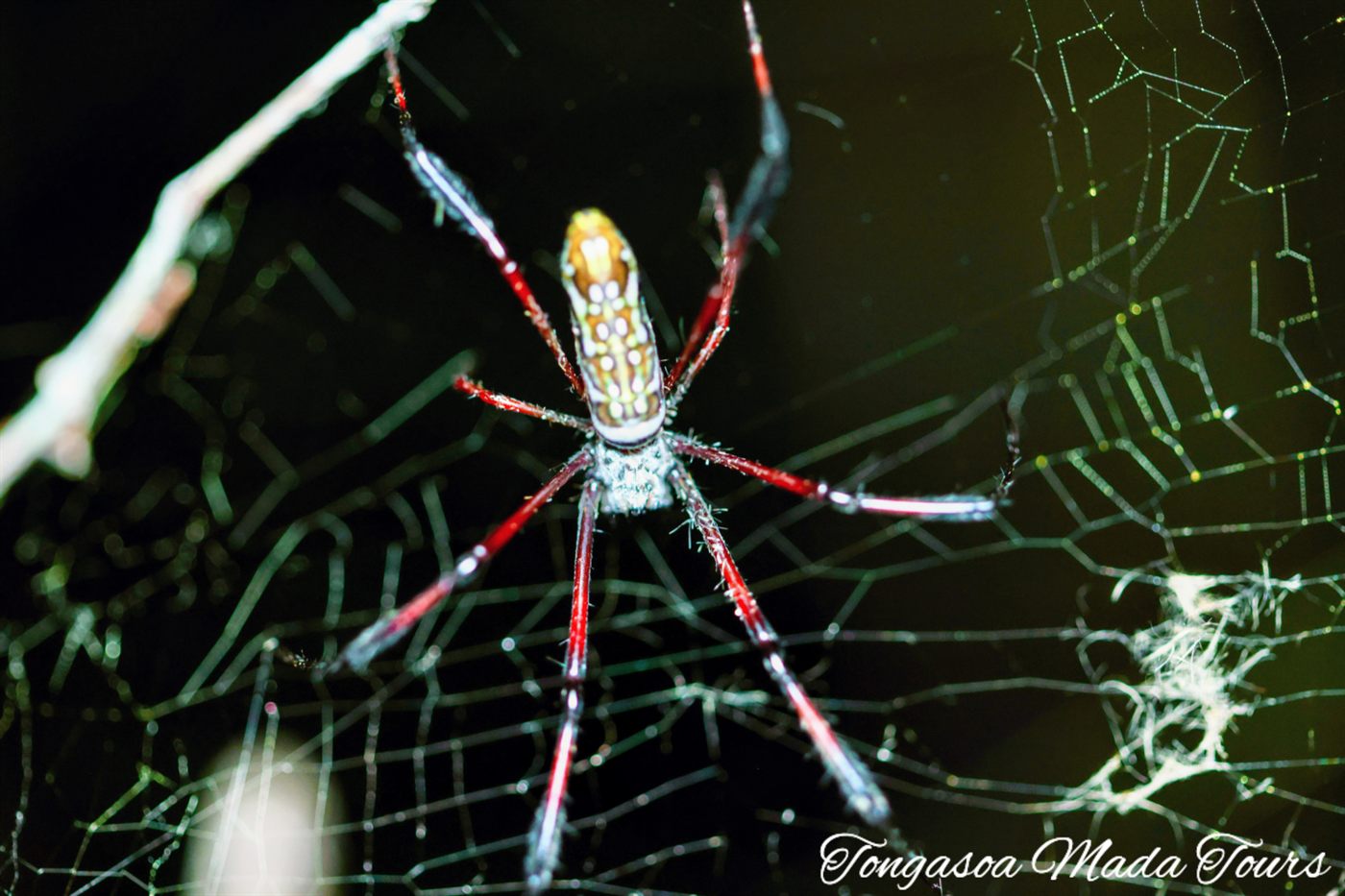
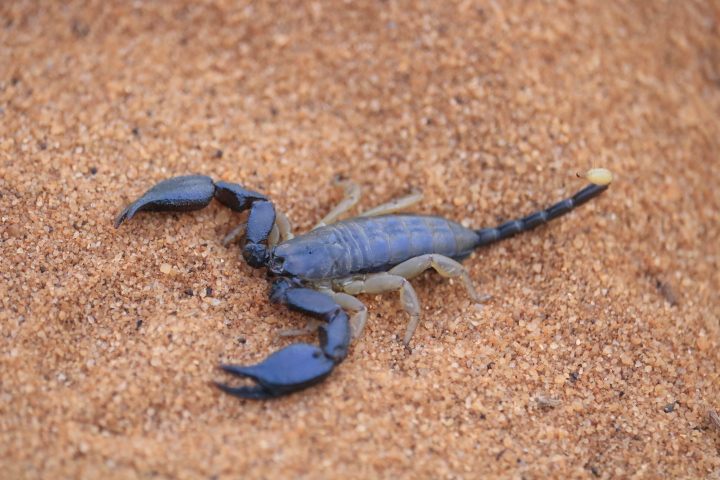
Some of what we have found
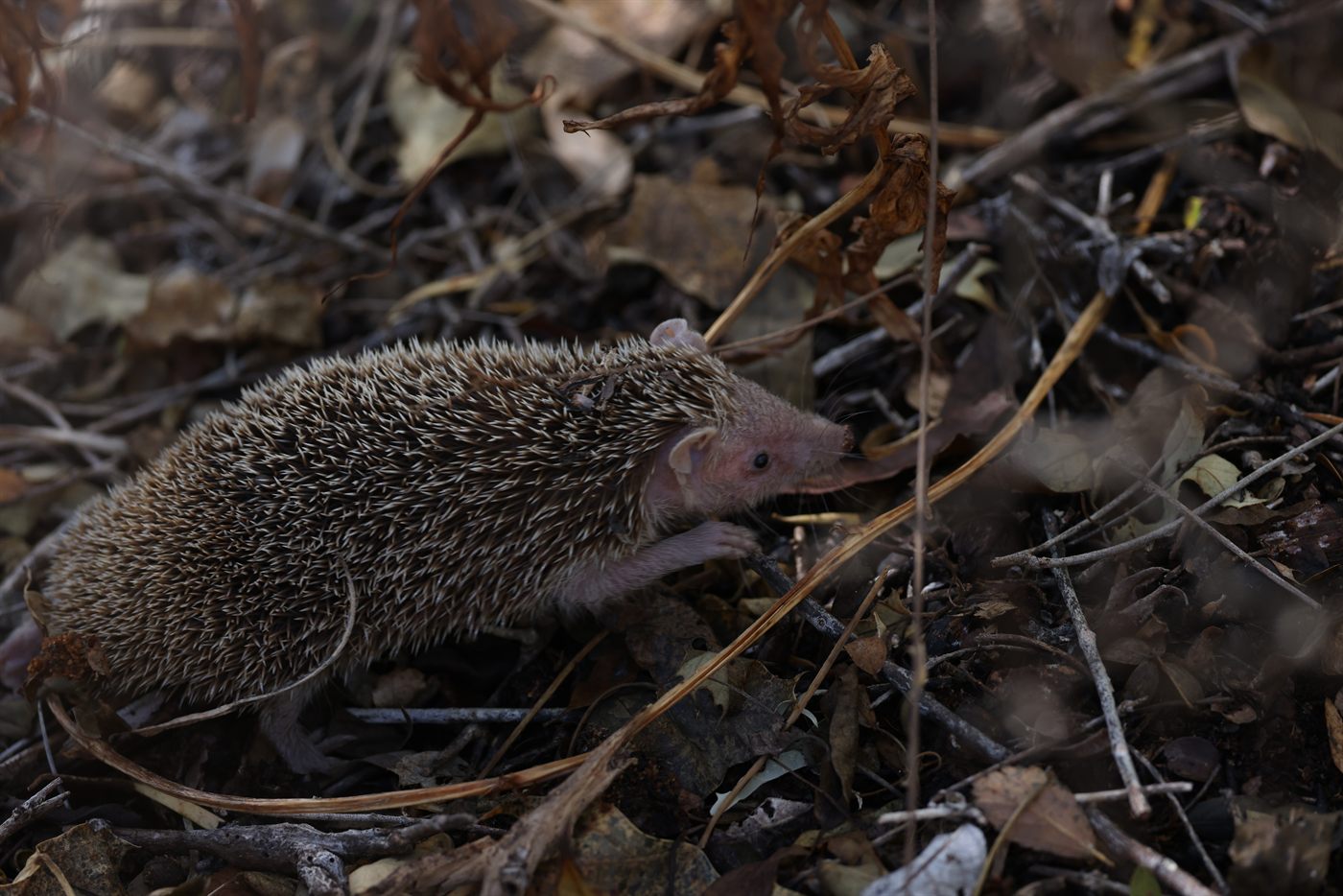
Every photograph below was taken by our guides and guests in the field, on the trips we run.