
11 days · South

Classic South, Expanded Version
The classic route done properly: Andasibe, Ranomafana, Anja's ring-tailed lemurs, the canyons of Isalo and the reef at Ifaty.
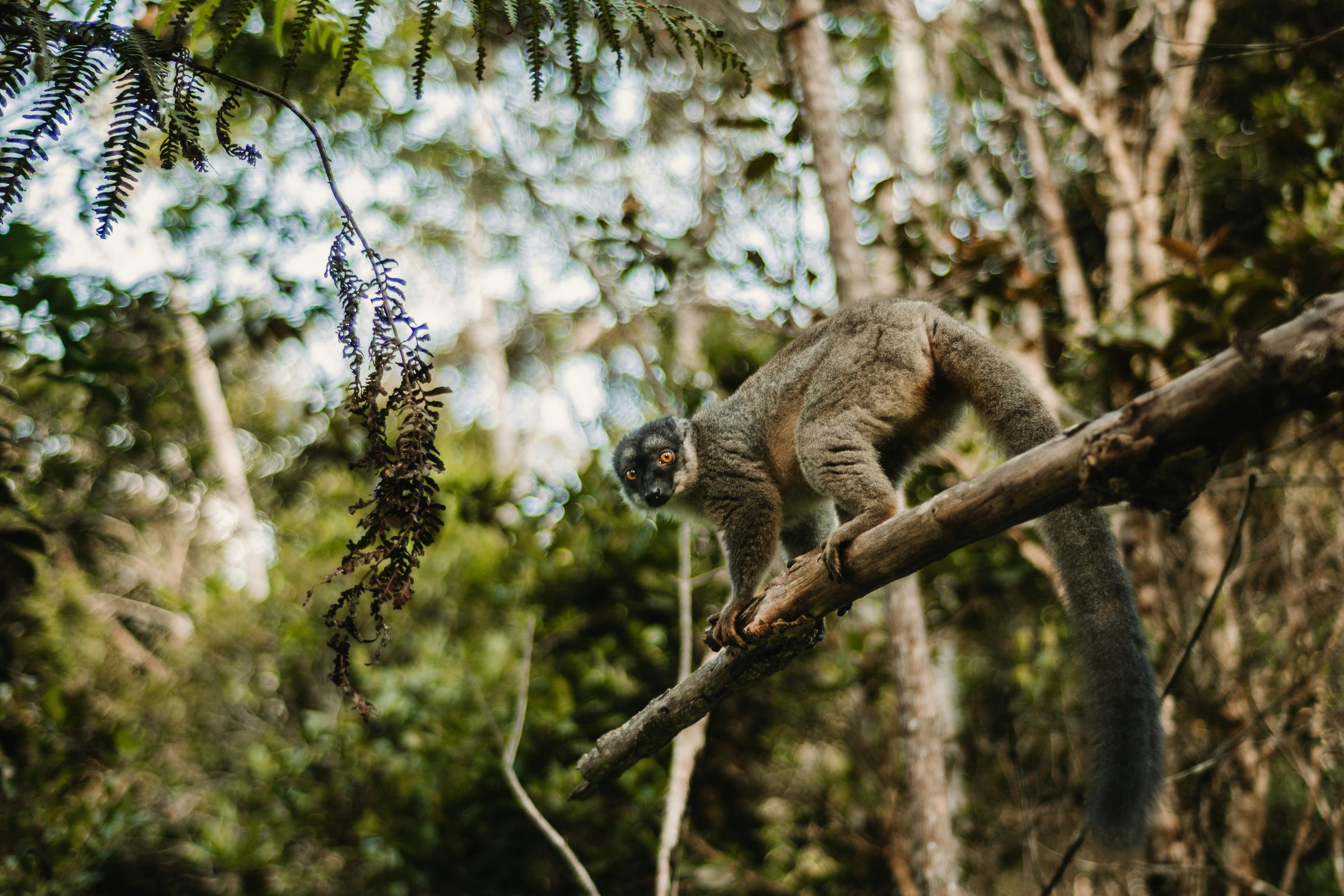
Two very different wildlife trips, compared by a Malagasy operator that tries to be fair to both: the animals, how you watch them, the roads and the lodges, costs and seasons as of October 2026, and how to fit both into one trip.
Go to Tanzania for big animals on open plains: lions, elephants, giraffes and the wildebeest herds, watched from a safari vehicle. Go to Madagascar for animals that live nowhere else, more than 100 kinds of lemur and many chameleon species, found on foot in the forest, by day and after dark. Almost nothing overlaps, so the real question isn't which is better. It's which trip you want first, and with three weeks you can do both.
We're a Malagasy operator, so we're hardly neutral. But Tanzania does things Madagascar can't, and if lions are the picture in your head, we'd rather you knew before you book.
Tanzania's Serengeti is known for its migration: wildebeest by the hundreds of thousands, with zebras and gazelles, moving in a long loop between the Serengeti and Kenya's Maasai Mara. Nobody quite agrees on the count. Tanzania's 2023 aerial survey came to about 1.3 million wildebeest, and a satellite study published in 2025 found roughly half a million. Either way, it's a lot of wildebeest.
Madagascar has none of that. You won't find native lions, elephants, rhinos or giraffes here. The wildlife people travel for is different:
Apart from some of the birds, the Nile crocodile is one of the few animals you could meet in both countries. Our guide to where to see lemurs says which forest holds which species.
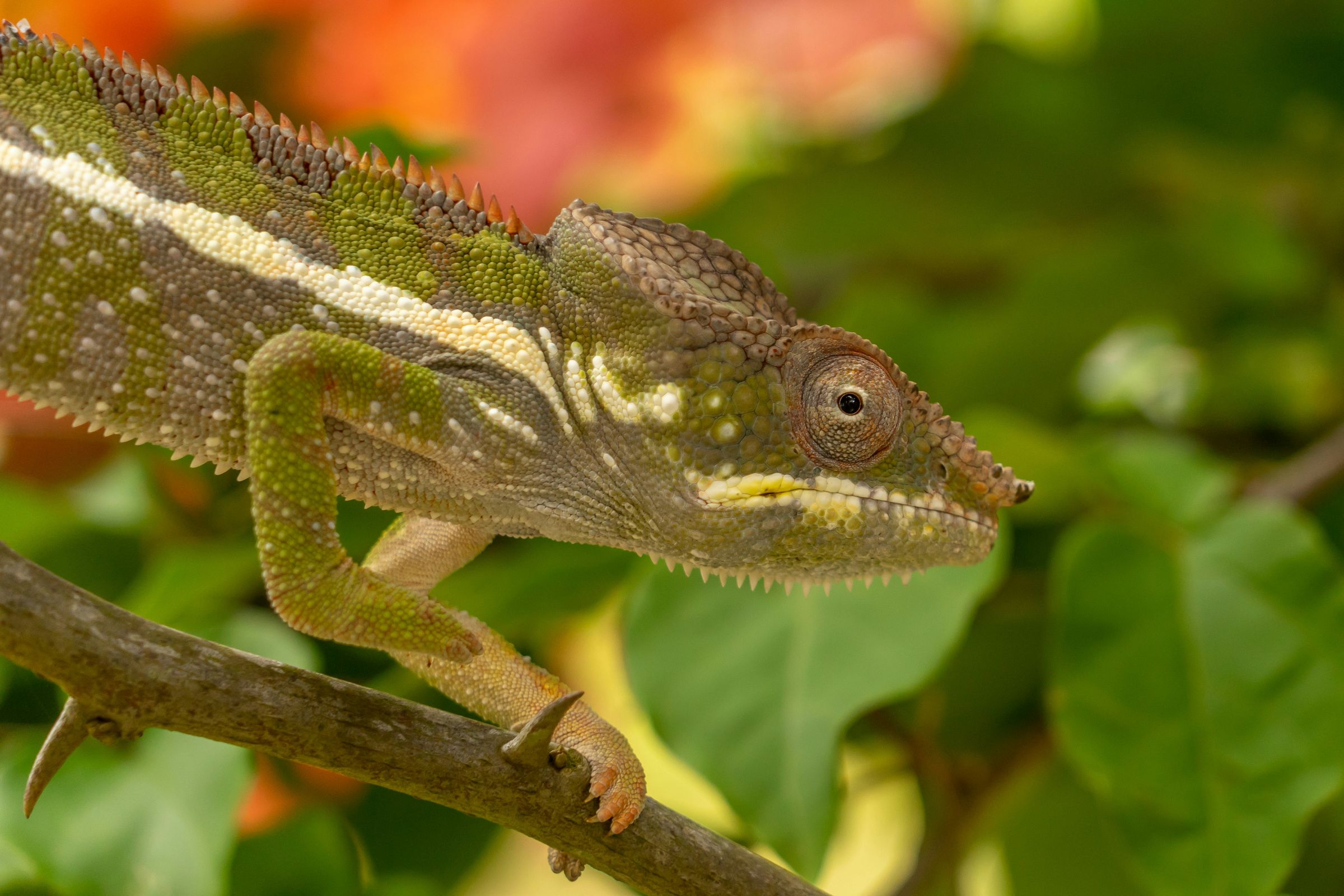
On a Tanzanian safari most of the watching happens from the vehicle, on game drives across open country. Tanzania's national parks also sell guided walks, for adults and children aged 12 and over, and night game drives in some parks.
Our Madagascar park visits centre on walking, and in the national parks a local guide is compulsory. A morning in a rainforest park usually means three or four hours on narrow trails, muddy and steep in places, with leeches after rain. You look up for lemurs and down at the twigs for chameleons, and the guide's eyes do half the work. The park lemurs are wild and keep their distance, while in private reserves such as Vakona and the Palmarium habituated lemurs come down to meet you. Our trips include both.
After dark comes the night walk, with torches, looking for the eyes of mouse lemurs and for chameleons asleep on the twigs. Our trips have night walks at Andasibe, along the forest edge at Ranomafana, at Kirindy, and at Ankanin'ny Nofy, where the walk looks for the aye-aye.
If you can't walk for a few hours on uneven ground, or would rather not, Tanzania is the easier wildlife trip. Of all the differences, that's the most practical.
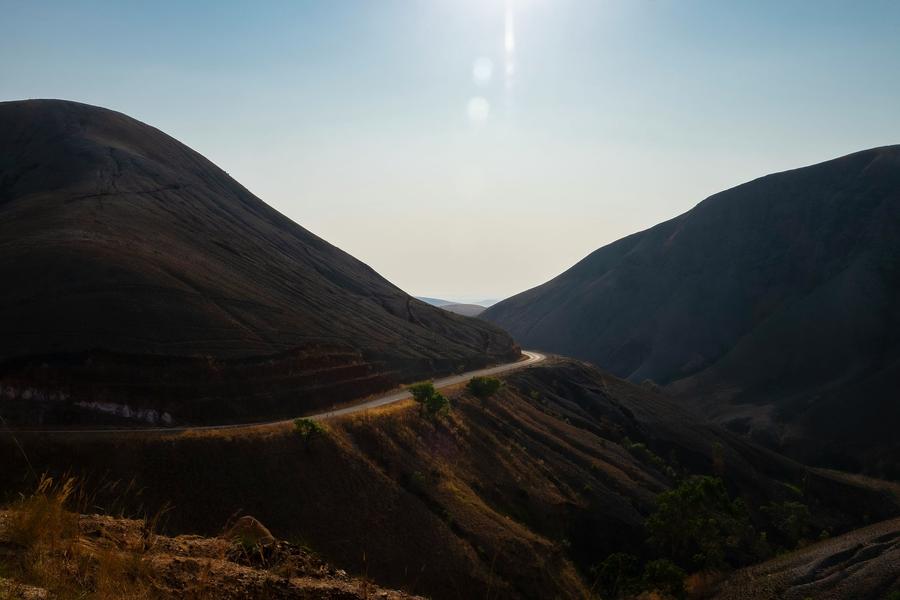
Madagascar is slow going. Andasibe, the nearest rainforest park to Antananarivo, is 140 km and three to four hours away by road. The RN7 south runs more than 900 km to Tulear, and our Classic South has a long drive on seven of its eleven days. In the west, the 200 km from Morondava to the Tsingy de Bemaraha is mostly unpaved and takes most of a day. The UK Foreign Office advises against driving after dark, so long drives have to fit into daylight.
So Madagascar needs time: ten days for one region, two weeks for a first trip. Our itinerary guide shows what fits in each length.
Tanzania suits a shorter trip. Scheduled light aircraft fly into airstrips inside the Serengeti, and a week on safari is a common length. With only eight or nine days, that's a real point in Tanzania's favour.
Tell us your dates and what you would like to see. We reply within 24 hours with a written itinerary and a firm price.
Tanzania sells safaris at every level, and from mid-range up a package usually comes full board, with vehicle, guide, park fees and game drives in one price.
Madagascar's hotels are more uneven, and knowing them is part of our job: we drive these roads every season and know which lodge has hot water. Our trips are bed and breakfast in the hotels and lodges named in each itinerary, moved up or down to suit your budget. Lunches and dinners are usually extra.
Some nights are simpler on purpose: the 20-day Ultimate Madagascar camps on the bank of the Tsiribihina River. At the time of writing, the UK Foreign Office advises seeking alternative routes there after armed robberies on boats, and we can reshape the trip without the river (more in our safety guide).
Tanzania's park fees set a high floor. At the time of writing, a foreign adult pays roughly 70 to 85 dollars a day, tax included, just to be inside the Serengeti, and lodges inside the park add a concession fee of about 60 to 70 dollars per person a night. One safari company's 2026 price guide for Tanzania puts a mid-range lodge safari at about 450 to 800 dollars per person per day, with full board and park fees.
Madagascar's parks cost far less. As an October 2026 planning range, Madagascar park entry has been about 45,000 to 65,000 ariary for foreign adults at the parks discussed here, before guide fees. Check the current tariff for your dates. On our trips the fees are in the price, with your own vehicle, an English-speaking driver-guide, the park guides and bed and breakfast:
Add roughly 25 to 45 euros a day each for meals, drinks and tips. That meal allowance belongs beside the tour price when comparing with a full-board safari. Hotel level and flights can change the result substantially. Madagascar needs more days, though, so compare whole trips. Our trip cost guide has the rest of the bill.
Both countries are at their best in the same months.
So June to October suits both. The catch is February: the calving draws people to Tanzania just as Madagascar is deep in its rains, when long road trips are a gamble and short ones such as Andasibe work best. Our month-by-month guide has the detail.
Ask how each itinerary handles busy stops. A river crossing on safari and sunset at the Avenue of the Baobabs can draw other visitors. A private vehicle gives you control over the day, but it doesn't reserve a wildlife sighting or a public viewpoint.
With three weeks, you can give ten or eleven days to Madagascar and a week to a Tanzanian safari, leaving room for the connecting travel. Our trips are in Madagascar, so compare the safari booking separately and make sure both operators have the same flight plan.
The Eastern trip and the Classic South both end with a domestic flight back to Antananarivo, which isn't in the tour price. Leave at least a night there before flying on. The Ultimate Madagascar trip uses almost the whole three weeks by itself, so it needs a longer holiday if you want Tanzania too.
Compare routes through Nairobi or Addis Ababa for your actual dates. A route on a map doesn't tell you whether the connection works on the day you need it, and a short flying time can still use a full travel day.
Two checks belong before the booking. Madagascar's yellow fever certificate rule depends on your travel history, including certain airport transits of more than 12 hours. Its Ebola entry measures can affect recent travel through an affected country. Show the whole journey to a travel clinic and ask the airline to confirm the entry rules. Don't assume that visiting the countries in a different order removes them.
Our flights guide covers the Madagascar gateways. Send both sets of dates with your request and we'll say which Madagascar route fits around them.
Photos: Sandy Ravaloniaina and Hans-Jurgen Mager on Unsplash.
Neither: they're different trips. Tanzania is for big savanna mammals, such as lions, elephants, giraffes and the wildebeest migration, watched from a vehicle. Madagascar is for animals found nowhere else, including more than 100 lemur species and many chameleons, found on foot. For a first safari with lions in mind, choose Tanzania. If you've done a safari before, or would rather walk than sit in a vehicle, choose Madagascar.
No. Madagascar has no native Big Five populations. Its wildlife trips centre on forest animals rather than savanna game. Its native mammals are mostly lemurs, tenrecs, small rodents, bats and a few carnivores, the biggest of which is the fossa, at under 9 kg. You come for the lemurs and chameleons instead.
Per day, usually yes. In October 2026 a foreign adult pays roughly 70 to 85 dollars a day to be in the Serengeti, while the October 2026 planning range for Madagascar parks discussed here was about 45,000 to 65,000 ariary before guide fees. As one worked example, our 10-day Eastern Madagascar trip starts at €1,620 per adult, including vehicle, driver-guide, park fees and bed and breakfast. Madagascar needs more days, though, so compare whole trips.
Yes, in about three weeks, and June to October suits both. Compare connections through Nairobi or Addis Ababa for your dates, and leave room for transfers and a spare night before international flights. Ask a travel clinic and the airline to check the entire route for yellow fever certificates and current health entry restrictions.
The same answer holds. Kenya's Maasai Mara is the northern end of the Serengeti migration, with the herds usually arriving in late July or August, and like Tanzania it's a game-drive trip. To combine Kenya and Madagascar, have the whole route checked for current health entry restrictions before booking.
Private trips with your own vehicle and driver-guide. Every one can be reshaped around your dates.
The classic route done properly: Andasibe, Ranomafana, Anja's ring-tailed lemurs, the canyons of Isalo and the reef at Ifaty.

Indri at Analamazaotra, the Palmarium's approachable lemurs, boat rides on the Pangalanes Canal, then island time on Sainte Marie.
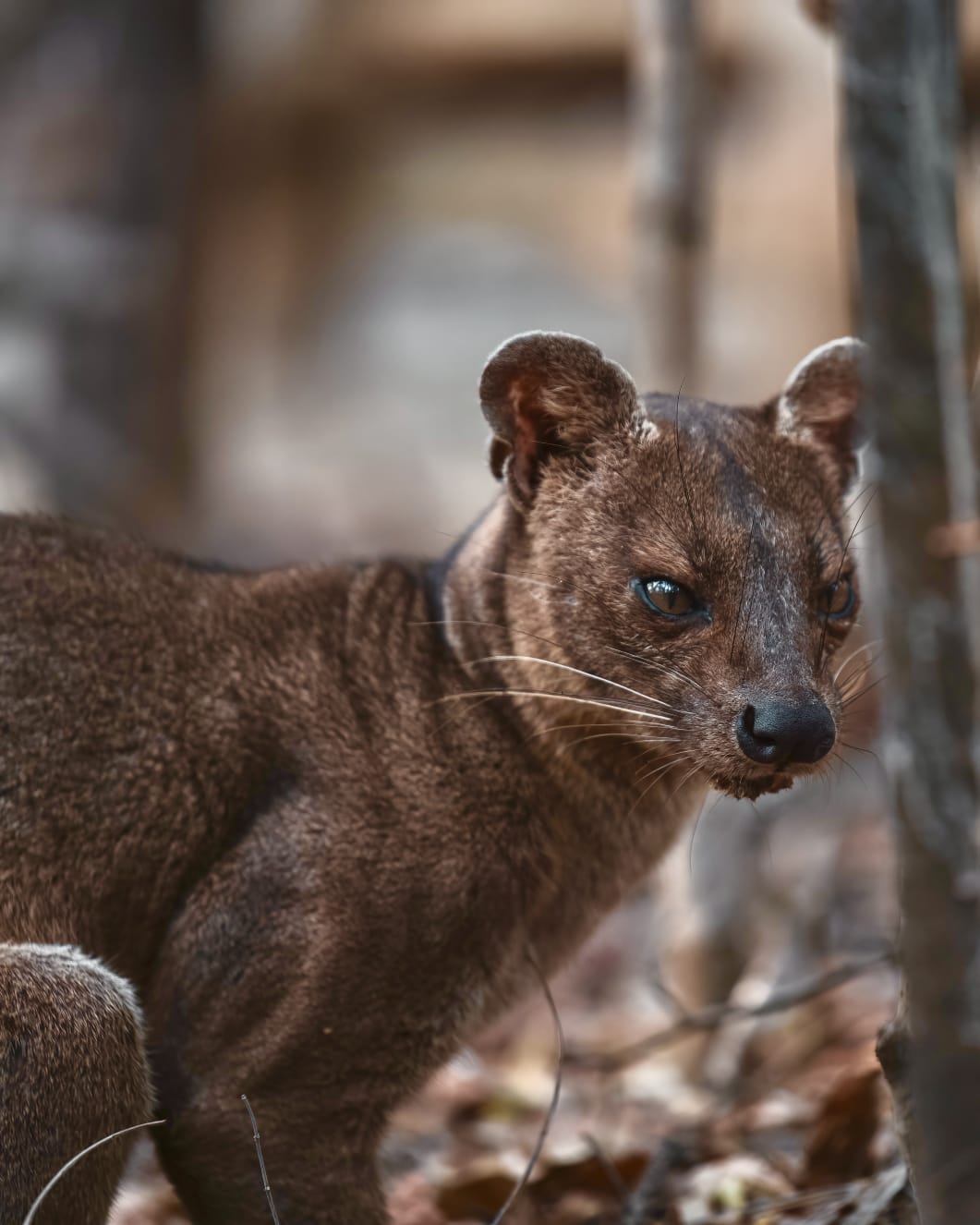
Three weeks and nearly every landscape the island has: river cruise, Tsingy, baobabs, remote Vezo coast and the southern parks.
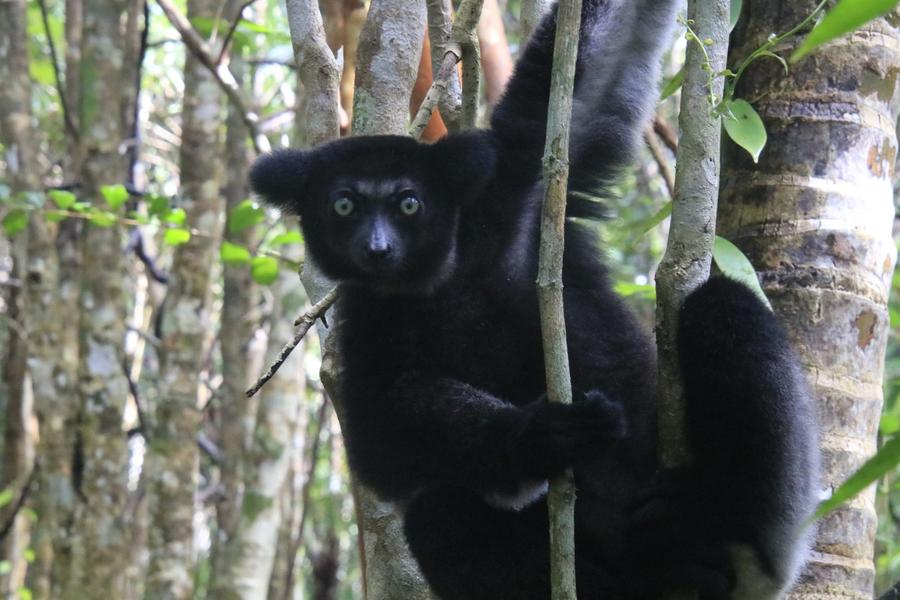
Lemurs, tenrecs, chameleons, frogs, birds, whales and, with luck, the fossa: what you can realistically see in Madagascar, where each lives, and how close you get.
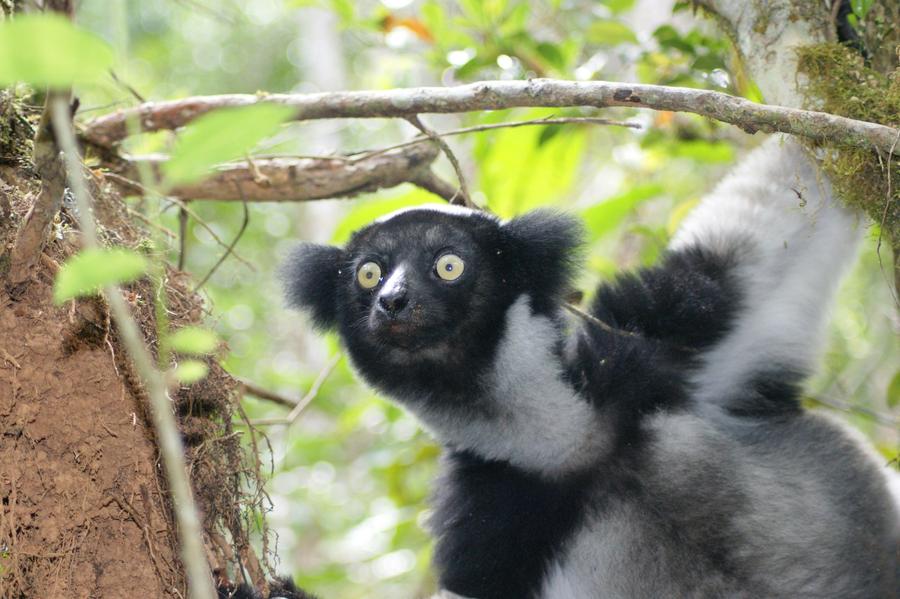
Indri, ring-tails, sifakas, the aye-aye and mouse lemurs: where each one lives, when to go, and how close you really get.
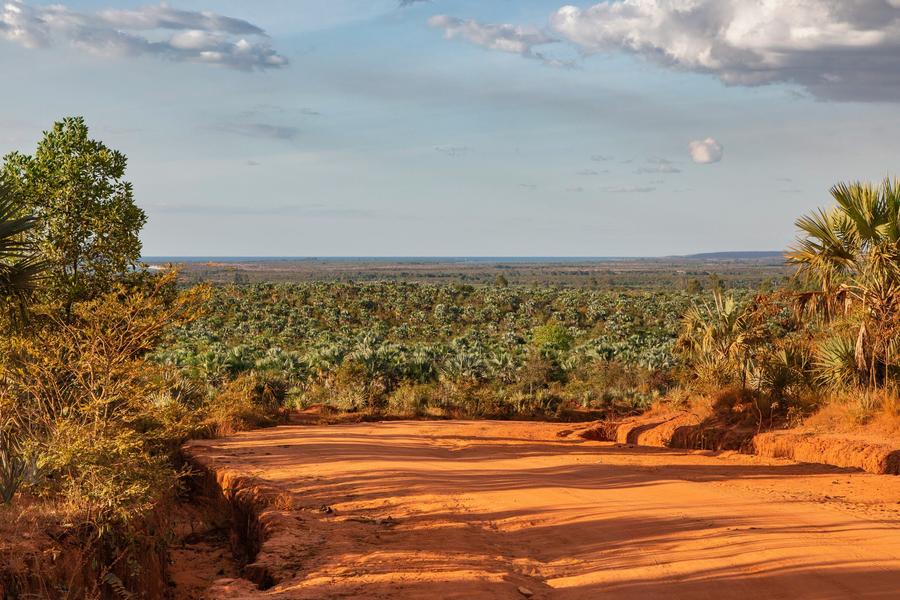
What a private Madagascar trip costs, what our prices include, and what goes on top: flights, the visa, meals and tips, plus park fees if you travel on your own.
What fits in one, two or three weeks, with real drive times and the combinations that waste days on the road.

Send your dates and a rough idea. We reply within 24 hours with a written itinerary and a firm price. No deposit to ask a question.