
11 days · South

Classic South, Expanded Version
The classic route done properly: Andasibe, Ranomafana, Anja's ring-tailed lemurs, the canyons of Isalo and the reef at Ifaty.
The old spa town 170 km south of Antananarivo, its pousse-pousses and family workshops, the walk round the crater at Lake Tritriva, how cold the nights get, and where Antsirabe falls on our trips south and west.
Antsirabe is a highland town about 170 km south of Antananarivo on the RN7, at around 1,500 m, and the usual first night on the road south or west. It's Madagascar's third-largest city by the 2018 census, built up around its thermal springs, and best known for its pousse-pousses, the rickshaws that fill its wide avenues. One night is enough for most people: an afternoon for the old spa quarter and the family workshops, and a few hours at Lake Tritriva, a crater lake 15 to 20 km out of town.
That's how our trips use it. The Classic South stops here on its first day down the RN7, and the West Adventure and the Ultimate Madagascar both spend their first night here before turning west for the Tsiribihina river. Pack something warm. In July the nights average 6 to 7 °C.
For a night, yes, and you'll probably need one anyway. Driving straight from Antananarivo to Ranomafana or Miandrivazo makes a long day, so Antsirabe is a useful place to break the journey. It earns its place. It's cooler and calmer than the capital, the centre takes an hour or two by pousse-pousse, and Tritriva gives you a crater rim to walk round before the next long day in the car.
What it isn't is a wildlife stop. There's no national park here, and the lemurs come later, at Ranomafana on the way south or at Kirindy in the west. If you're short of days, give them to a park and treat Antsirabe as the comfortable night in between.
The name means "where there is much salt", after the minerals in its springs. Norwegian missionaries settled here in the early 1870s, and in 1878 one of them, Pastor Rosaas, found the first big thermal spring. The samples he sent to Europe were compared with the water of Vichy. Rosaas also laid out the town's first grand avenue, and the colonial years filled in the rest: the Hôtel des Thermes opened in 1922 and the railway from Antananarivo arrived a year later.
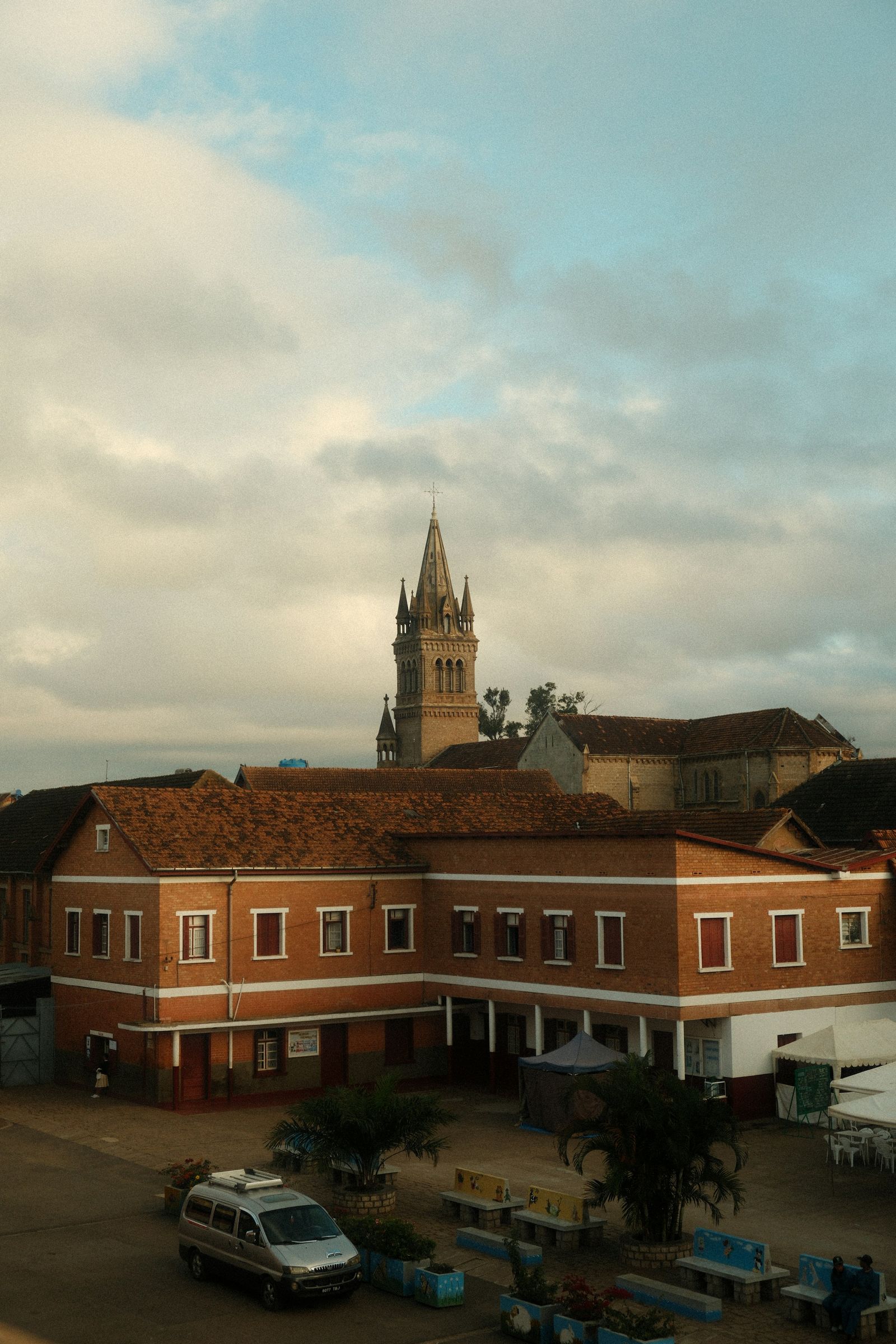
That's still the shape of the centre. Wide avenues, low brick buildings and a big red-brick church at the middle of town, which is often locked outside services.
Walk up to the Hôtel des Thermes for the view over town from its gardens. Check recent room information if you're considering staying; the historic building and gardens can be a visit in their own right. Morocco's exiled sultan, later King Mohammed V, lived there with his family in the mid-1950s.
The thermal centre has a history of pools and treatment rooms, but published information about opening is inconsistent. Confirm directly before planning a visit for the baths. The Ultimate's short city tour takes in the thermal area.
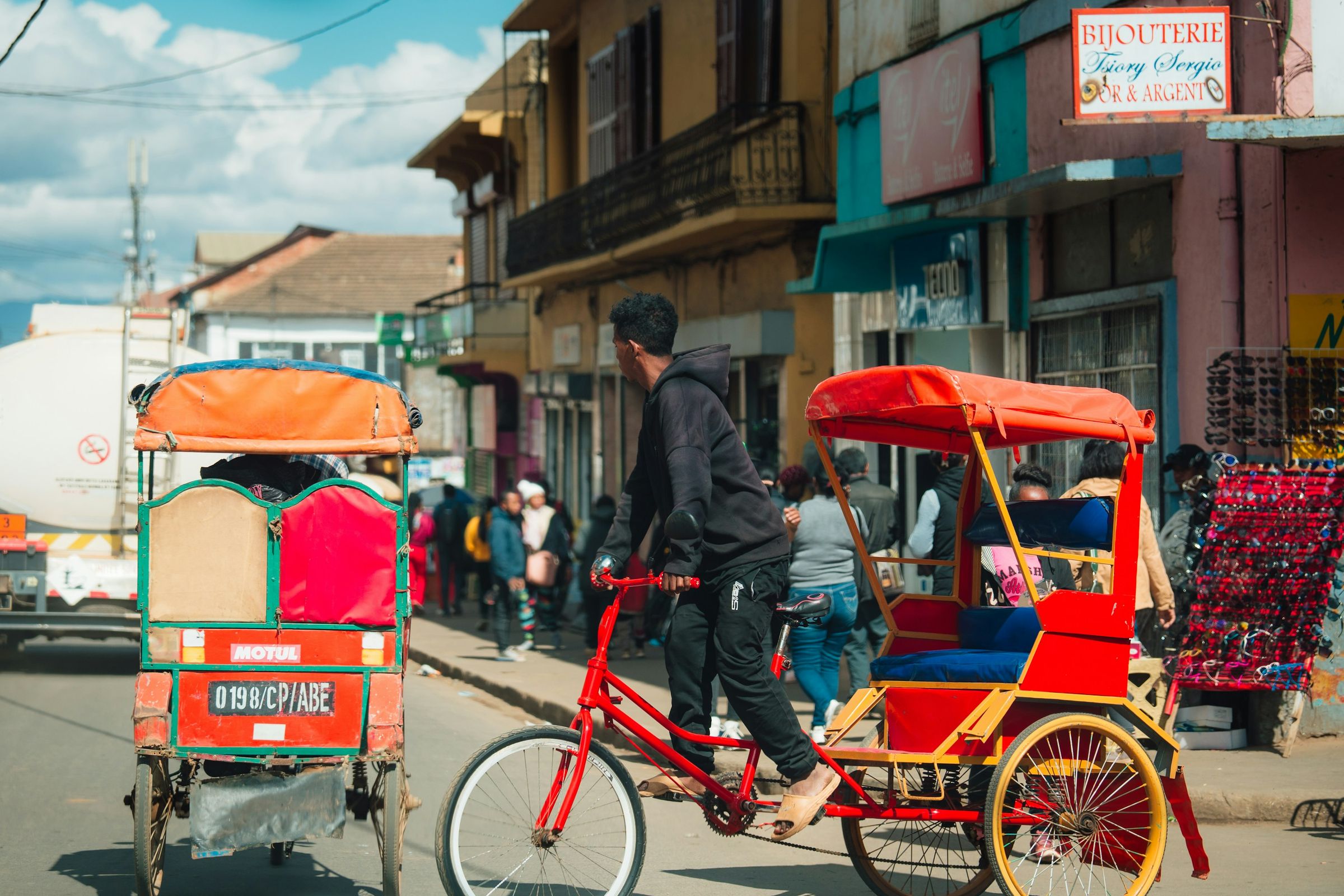
Antsirabe is the pousse-pousse town. The classic version is a cart pulled by a man on foot. The cyclo-pousse is pedalled, and motorised versions are turning up too. Rough Guides describes large numbers of pousse-pousses among the centre's traffic.
A short ride is the easiest way round the centre. Agree the fare before you get in, and say whether it covers waiting time or an extra stop. If being pulled by a man on foot sits badly with you, take a cyclo-pousse instead. Either way the fare is his living, so pay what you agreed and round it up.
Antsirabe's crafts come from small family workshops where you watch the whole job before you buy anything. The city tours on our West Adventure and Ultimate both include artisan workshops. On the Classic South you arrive for lunch, so if you'd rather spend the afternoon in the workshops than at Tritriva, tell us when you book.
Woodcarving belongs to Ambositra, the Classic South's next stop, which our Ranomafana guide covers.
Tell us your dates and what you would like to see. We reply within 24 hours with a written itinerary and a firm price.
Asabotsy means Saturday, but the big market runs every day, in a walled compound on the western edge of town. Lonely Planet compares it to a souk, with separate areas for clothes, food, jewellery and more. Keep your phone and wallet out of reach in the crowds, as in any busy market in Madagascar.
Antsirabe is also where Three Horses Beer comes from. The Star brewery is in town. If you'd like to visit, confirm whether tours are running and what clothing is required.
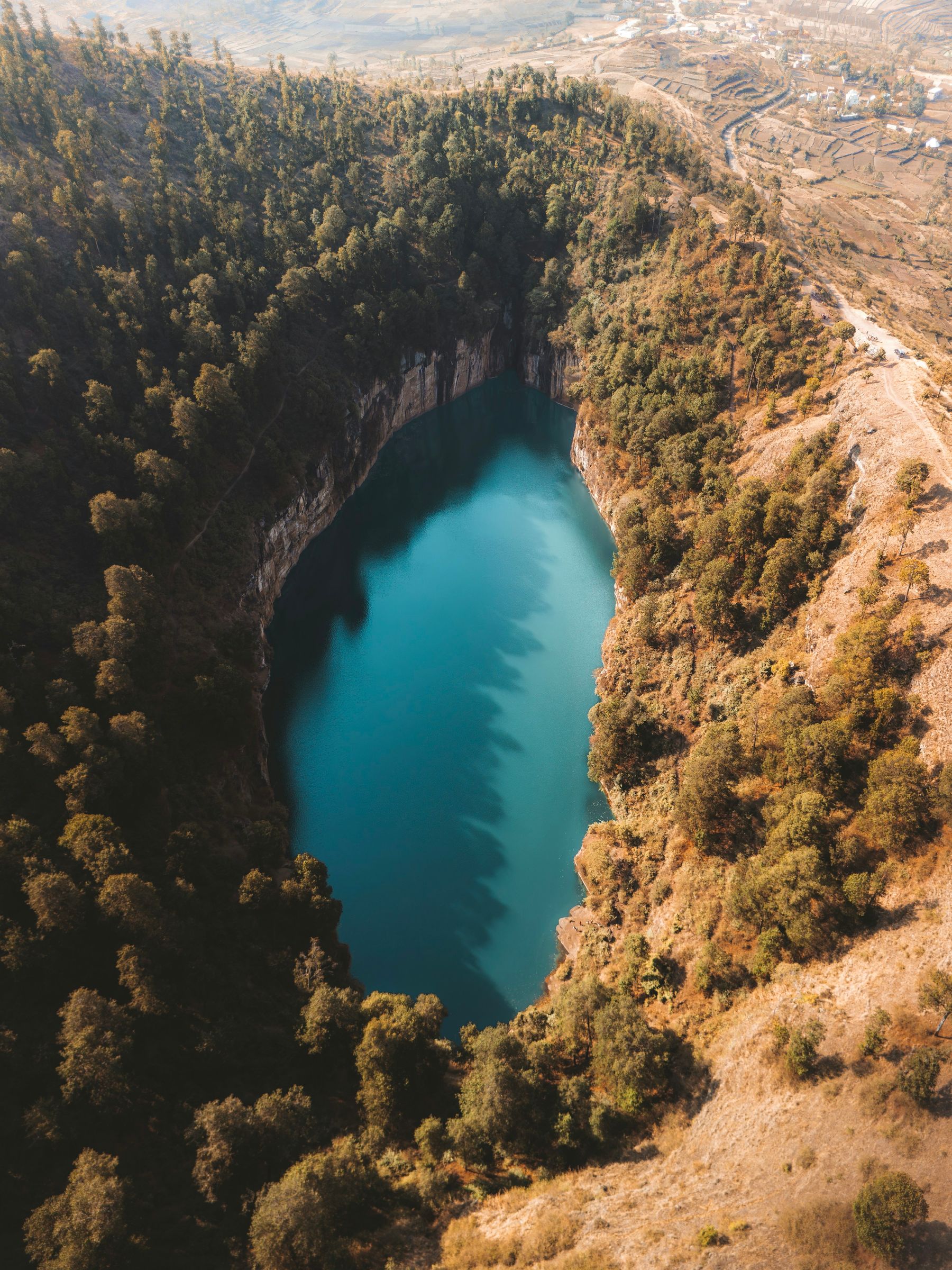
Tritriva fills the crater of an extinct volcano 15 to 20 km south-west of Antsirabe, depending on whose count you use. The road runs west on the RN34, then up a rough track past Lake Andraikiba to the village of Belazao, and from there a short climb brings you to the rim. The tourist office puts the lake at 1,880 m. It's small and dark, blue-green beneath steep crater walls and pines.
A path goes round the crater, and the circuit takes under an hour at an easy pace. Visits usually go with a local guide, who'll tell you the legend. Two lovers whose parents forbade the match jumped from the cliff together. In some tellings they came back as a tree on the shore whose branches bleed red when cut. Those are local stories, rather than established history.
Don't plan a swim. The lake is treated as sacred, accounts of its fady (taboos) differ, and the CDC advises avoiding untreated fresh water in Madagascar. Follow your local guide's instructions about approaching the shore.
The West Adventure and the Ultimate both visit Tritriva on the morning of day 2 for a short walk and photos before the drive west. On the Classic South it's an optional afternoon visit on day 3. Ask us whether the guide's fee at the lake is covered on your route.
Lake Andraikiba is the easy one, about 7 km west of Antsirabe on the way to Tritriva. The tourist office calls it ideal for a walk and a quiet place to sit, which is the appeal after the climb at Tritriva. It's a stop on the way, not a reason to stay longer.
At 1,500 m Antsirabe is mild by day all year and cold at night in the southern winter. World Meteorological Organization averages give July days of about 21 °C and nights of 6 to 7 °C, with June and August much the same. Those months are almost dry, with about 10 mm of rain or less in each. From December to February it's the opposite: roughly 220 to 300 mm a month, with rain on about 16 to 19 days, in the WMO's 1991 to 2020 normals.
So bring a fleece for the evenings and an early start at Tritriva, even if the rest of the trip is beach and dry forest. From June to August this is usually the coldest night on the road south, which is when hot water matters, and we know which hotels have it. Our where to stay guide goes night by night, and the month-by-month guide covers the rest of the island.
At the time of writing, the UK Foreign Office says armed criminals have boarded boats on the Tsiribihina and robbed passengers, and it advises seeking alternative routes. We can reshape either western trip without the river. Our safety guide has the details.
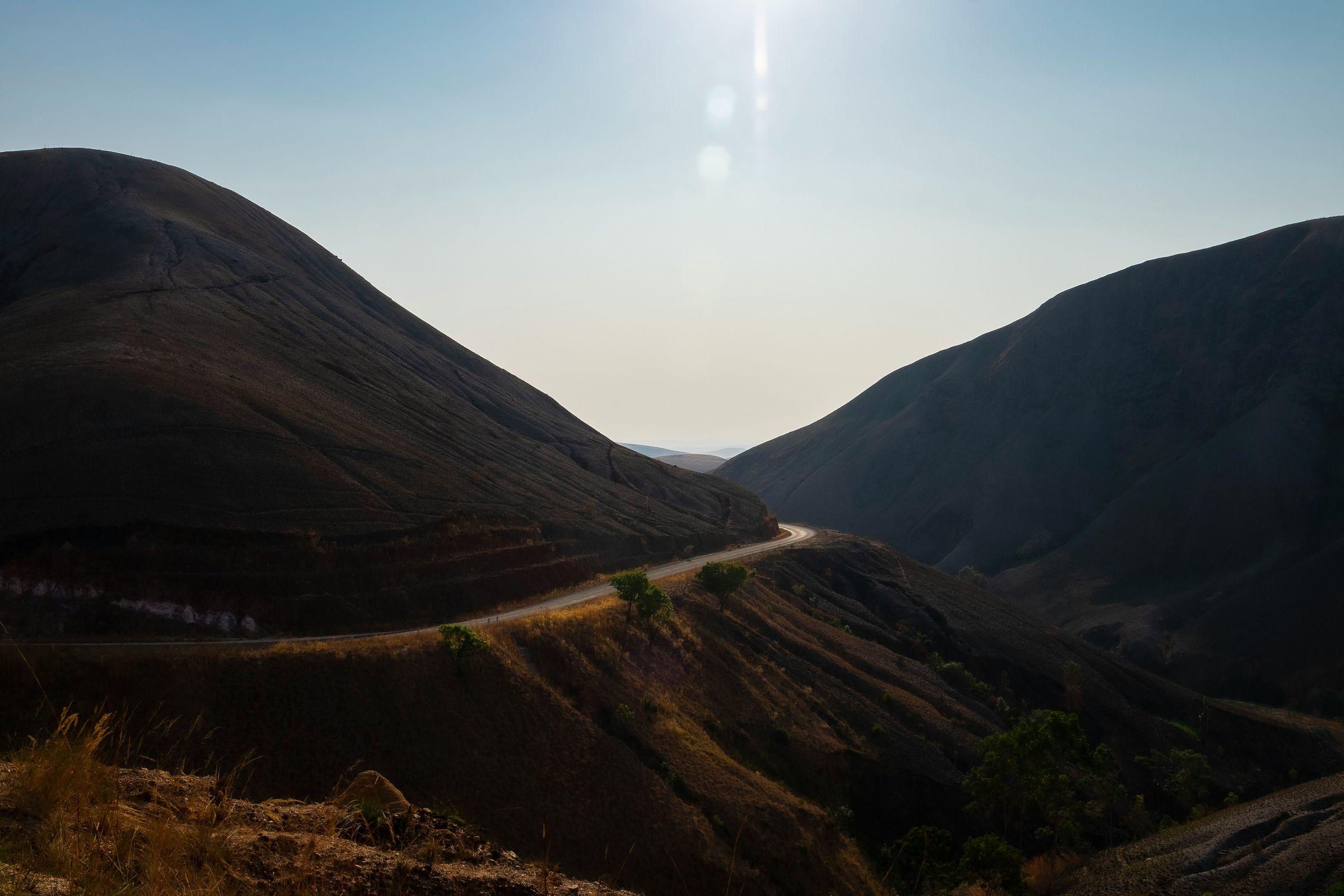
From Antananarivo it's about 170 km on the RN7, usually four to five hours, and longer when roadworks or the traffic leaving the capital slow things down. The road runs through rice fields and small villages most of the way. On the Classic South and the Ultimate you reach Antsirabe in time for lunch. Going on, Ranomafana is five to seven hours south through Ambositra, and Miandrivazo about 220 km and roughly six hours west on the RN34. Our RN7 road trip guide takes the road south stop by stop, with the latest drive times.
One night suits most people, and it's what all three of our routes do. Stay two if you want to cycle out to the lakes, spend a proper morning in the workshops or simply take a slower day after the drive. Tell us on the booking form or WhatsApp, and a real person in Antananarivo will reply with a written itinerary and a firm price, usually within 24 hours.
Photos: Sitraka, Manoa Angelo, Guillaume Auceps and iAko Randrianarivelo on Unsplash.
About 170 km south on the RN7, usually four to five hours by road, and longer when roadworks or traffic leaving the capital slow it down. Antsirabe sits at about 1,500 m and is the usual first overnight stop on the way south to Ranomafana, another five to seven hours, or west to Miandrivazo and the Tsiribihina river, about six.
Its thermal springs, which gave the town its name ("where there is much salt"), its pousse-pousses, and the wide avenues and Hôtel des Thermes from its colonial spa years. Family workshops make things from zebu horn and recycled tins, and boiled sweets by hand. Lake Tritriva, a crater lake, and Lake Andraikiba are close by, and the Star brewery, maker of Three Horses Beer, is in town.
By car. The lake is 15 to 20 km south-west of Antsirabe: west on the RN34, then a rough track past Lake Andraikiba to the village of Belazao, and a short climb to the crater rim. A path round the crater takes under an hour, and visits usually go with a local guide. Allow a morning or an afternoon, or cycle out if you have a spare day.
Don't plan a swim. The lake is treated as sacred, local fady differ, and the CDC advises avoiding untreated fresh water in Madagascar because of schistosomiasis. Follow your guide's instructions about approaching the shore.
Cold at night. World Meteorological Organization averages give July lows of 6 to 7 °C and days of about 21 °C, and June and August are much the same. It's almost dry then, with about 10 mm of rain a month or less. Bring a fleece for the evenings and an early start at Lake Tritriva, and ask for an extra blanket if you need one.
One night is enough for most people: an afternoon for a pousse-pousse ride, the old spa quarter and a workshop or two, and a few hours at Lake Tritriva. That's what our Classic South, West Adventure and Ultimate trips do. Stay two nights if you want to cycle out to the lakes or take a slow day after the drive from Antananarivo.
Private trips with your own vehicle and driver-guide. Every one can be reshaped around your dates.
The classic route done properly: Andasibe, Ranomafana, Anja's ring-tailed lemurs, the canyons of Isalo and the reef at Ifaty.
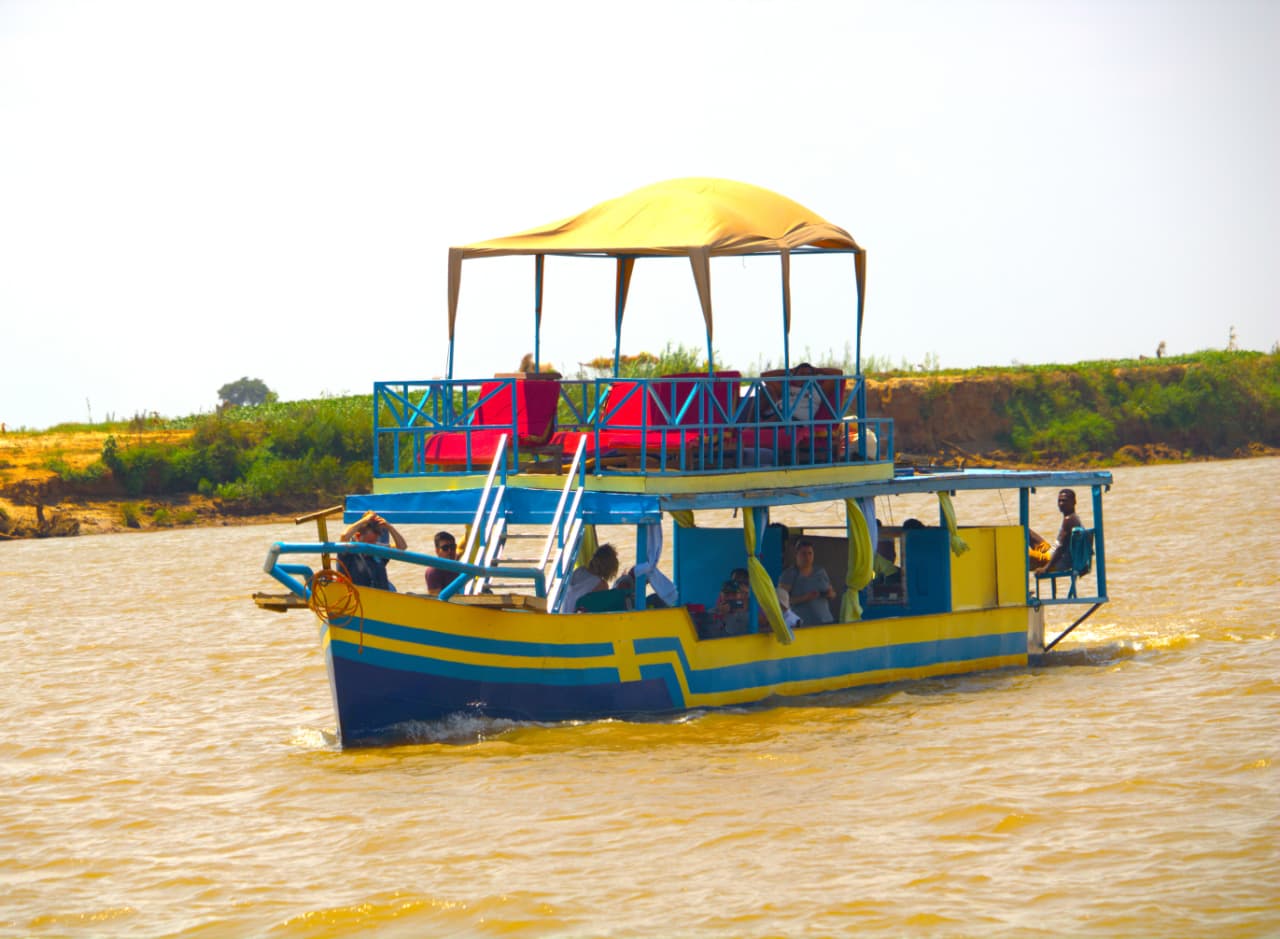
Four days drifting down the Tsiribihina with camps on the riverbank, then the Grand Tsingy, Kirindy's nocturnal forest and the baobabs.
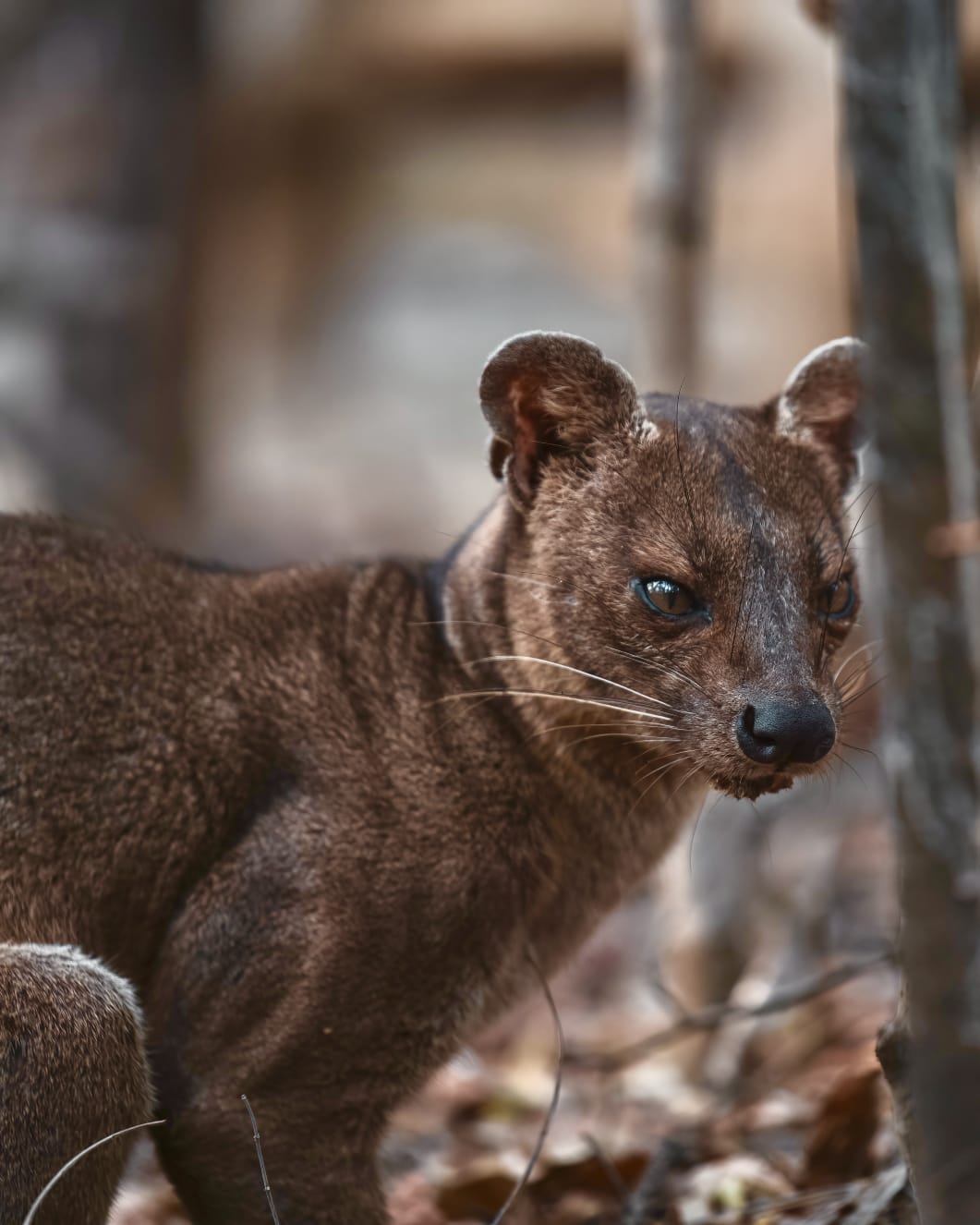
Three weeks and nearly every landscape the island has: river cruise, Tsingy, baobabs, remote Vezo coast and the southern parks.
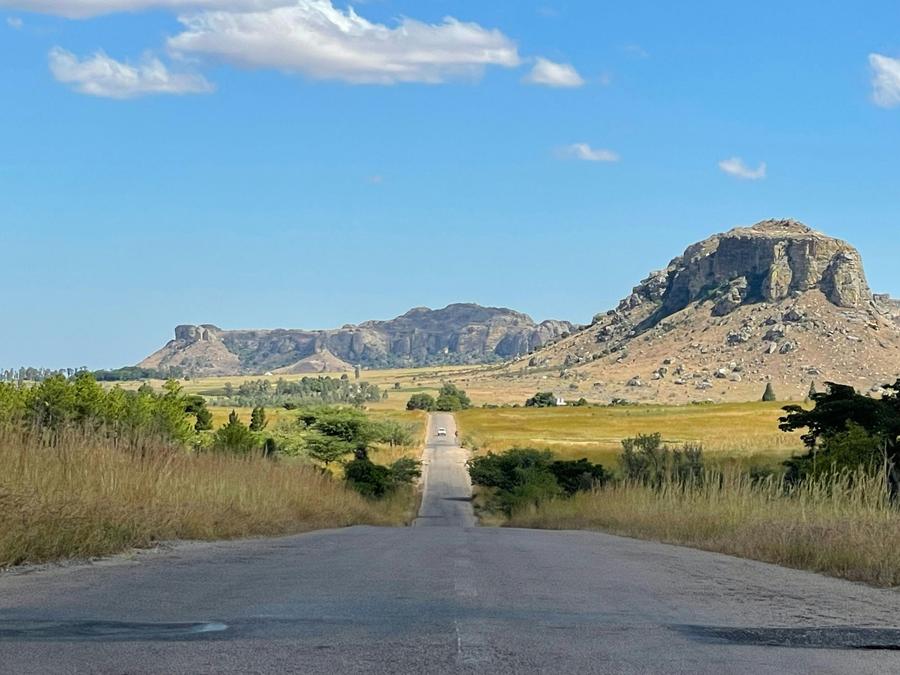
Antsirabe to Ifaty stop by stop: 2026 road times, the zebu market day, Ilakaka and Zombitse, night driving, self-drive or a driver-guide, and how many days to allow.
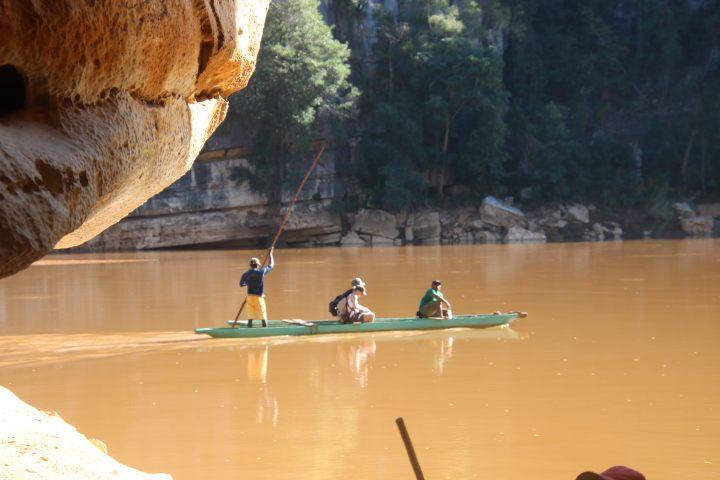
The Tsiribihina descent from near Miandrivazo to Belo: barge or pirogue, sandbank camps, the gorge, the season, the safety advice and how it leads to the Tsingy.
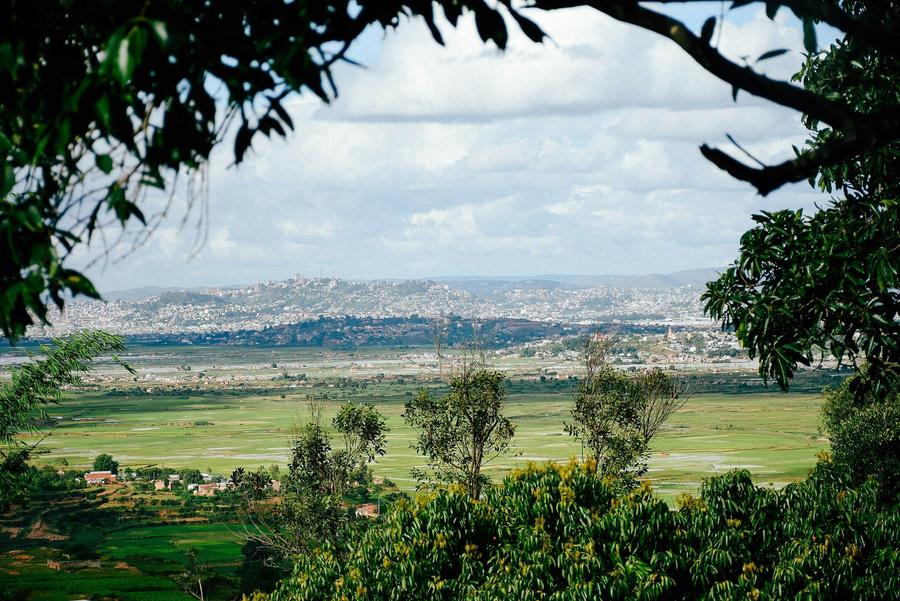
What to see in Antananarivo, from the Rova to the craft market, the half-day trips out of town, the airport drive, where to stay, and why one night is usually enough.
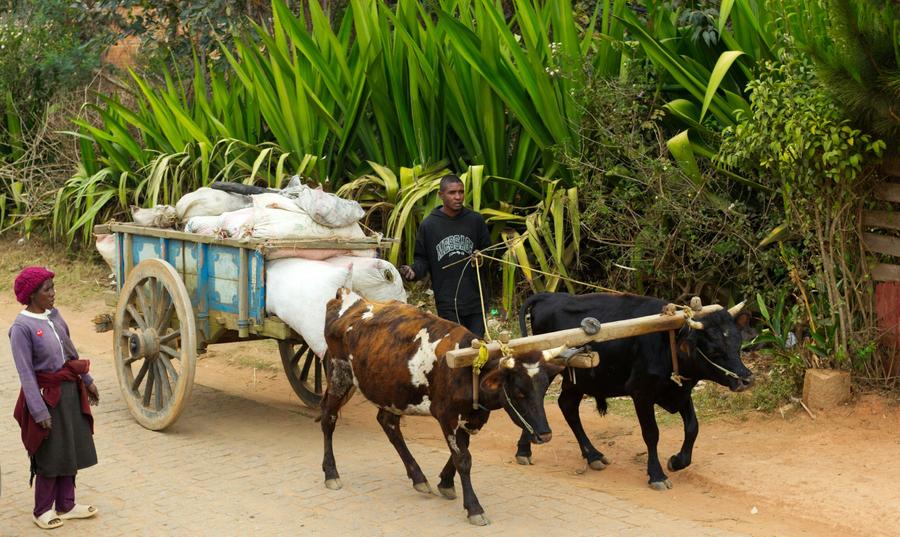
The ancestors and famadihana, fady, the lamba and other dress, savika and the zebu, religion, crafts to bring home, and the manners that matter on a trip.

Send your dates and a rough idea. We reply within 24 hours with a written itinerary and a firm price. No deposit to ask a question.