
11 days · South

Classic South, Expanded Version
The classic route done properly: Andasibe, Ranomafana, Anja's ring-tailed lemurs, the canyons of Isalo and the reef at Ifaty.
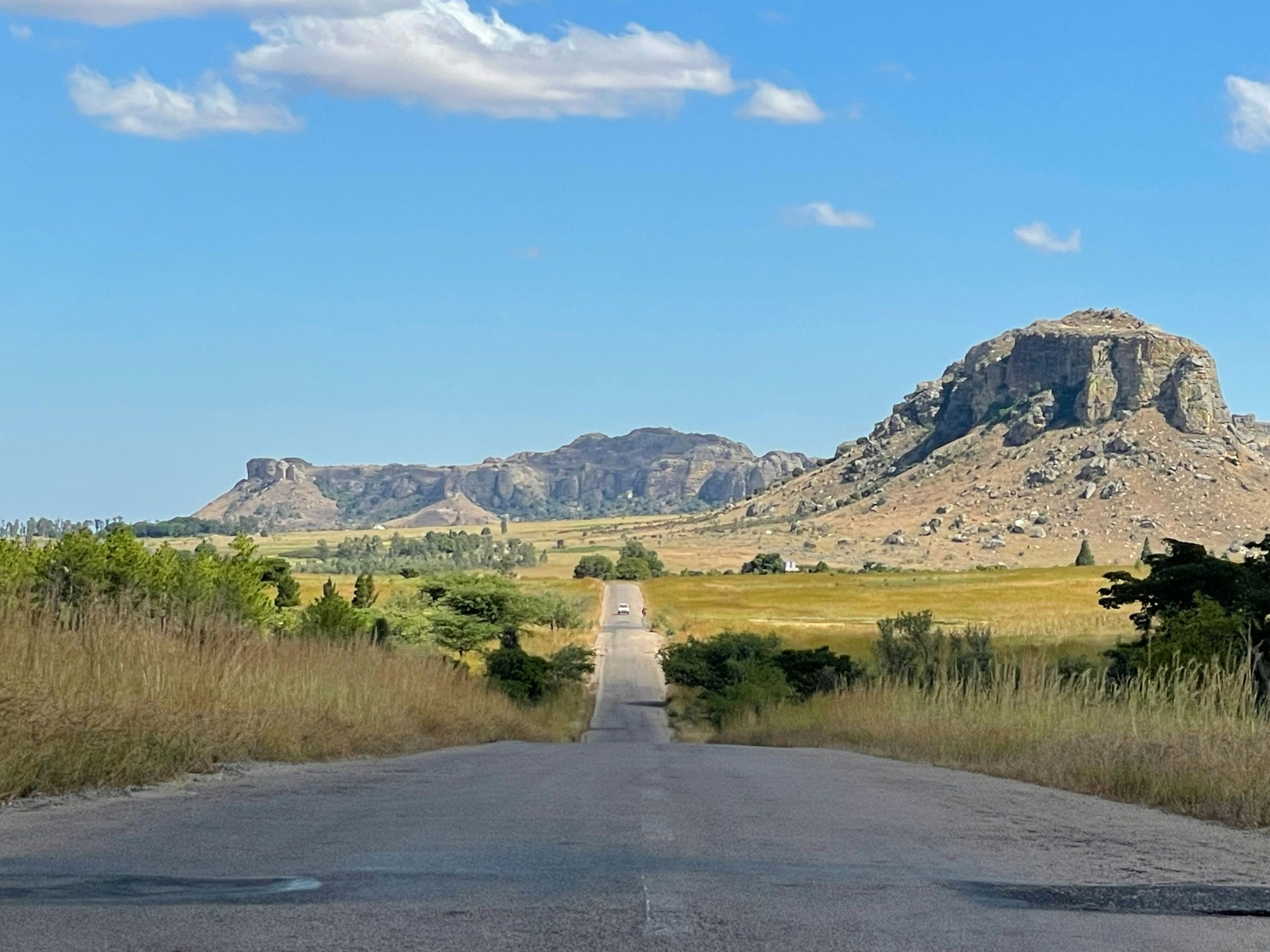
Every stop on the road from Antananarivo to the sea, in the order our Classic South drives it, with 2026 road times, the stretches to take care on and how many days to give it. From a Malagasy team that drives it every season.
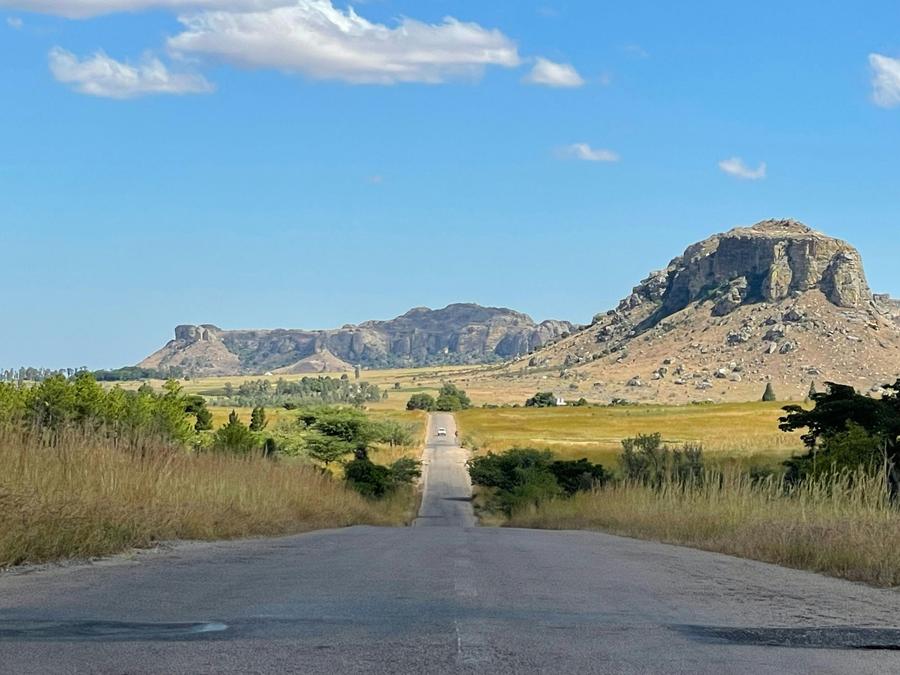
The RN7, the Route nationale 7, runs south from Antananarivo to Toliara (Tulear) on the south-west coast, a little over 920 km by its kilometre posts. It's Madagascar's classic road trip: highland rice terraces, the rainforest of Ranomafana, ring-tailed lemurs at Anja, the sandstone of Isalo, then spiny forest and the sea. It's paved and slow. Give it about a week from the capital to the coast if you want time for the parks, then consider flying back.
Our Classic South is an RN7 tour with time to enjoy it: 11 days from €1,730 per adult, private, with your own vehicle and driver-guide. The Ultimate Madagascar Adventure drives the same road north at the end of three weeks. Here it is as the Classic South runs it.
The kilometre posts start in the capital. Antsirabe is at about km 170, Fianarantsoa about 410, Ambalavao about 460, Ihosy about 600 and Ranohira, the town for Isalo, about 700. It ends at Toliara's seafront around km 926.
It's tarmac all the way, in very different states. Reports of repairs don't make every stretch fast. L'Express de Madagascar documented severe delays on the southern RN7 in late 2025, and conditions can change again with works and rain. Confirm the driving plan close to departure.
Rough planning distances and driving allowances, without long stops. These aren't a timetable:
On the Classic South the RN7 starts on day 3, after the night back in Antananarivo from Andasibe. It climbs past rice terraces to Antsirabe, a spa town at 1,500 m full of pousse-pousse rickshaws, where July nights average 6 to 7 °C. Lake Tritriva, a crater lake, is the optional afternoon. Our Antsirabe guide has the rest.
Day 4 stops in Ambositra, the capital of Malagasy woodcarving, at workshops in the tradition of the nearby Zafimaniry villages. UNESCO added Zafimaniry woodcraft to its intangible heritage list in 2008: the patterns are strictly codified, yet no two pieces come out the same. If you buy, skip rosewood. The UK Foreign Office warns that buying or exporting it is illegal.
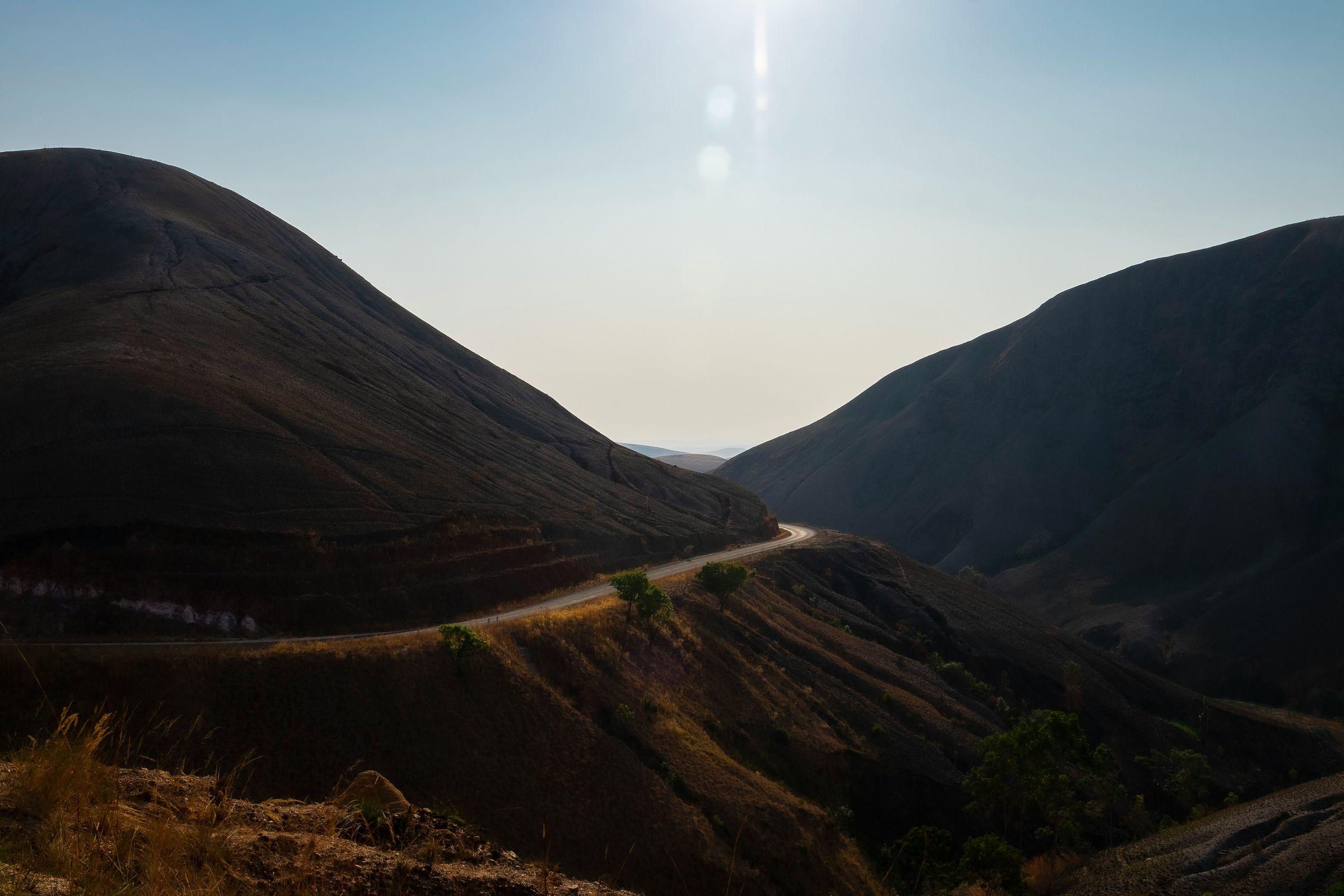
Ranomafana isn't on the RN7. You turn east off it north of Fianarantsoa into steep mountain forest, the one big rainforest on the way south, and the Classic South gives it two nights: a night walk along the forest edge, then a morning in the park looking for the golden bamboo lemur and lunch at Centre ValBio, the research station. Our Ranomafana guide covers the trails and fees.
Day 6 rejoins the RN7 and stops in Fianarantsoa, the big town of the southern highlands, for its old upper town: steep cobbled lanes, houses packed tight, a lot of churches and a view over the city. The World Monuments Fund, which put it on its 2008 watch list, calls it the only place in Madagascar where nineteenth-century buildings still stand together as a whole.
Ambalavao is about 55 km on. Its Antemoro paper is made from the bark of a local bush with flowers pressed into it, and the Classic South visits the workshop after lunch.
The zebu market here is the country's second biggest, after Tsiroanomandidy, says Rough Guides. It starts before dawn on Wednesday and runs until Thursday morning, with herds walked in from as far as Toliara. The Classic South sleeps in Ambalavao on day 6, so if that night is a Tuesday or a Wednesday you can go early next morning. Our trips start on any date, so ask us to time it.

Anja Community Reserve is on the RN7 about 12 km south of Ambalavao: 30 hectares or so of forest and granite boulders, run since 1999 by a village association that won the UN's Equator Prize in 2012. Its ring-tailed lemurs are used to people and often sun themselves on the rocks. On the Classic South it's the late afternoon of day 6.
Ring-tails give birth in August and September, and after about three weeks the babies ride on their mothers' backs, so from about September you may see them. More in where to see lemurs.
Tell us your dates and what you would like to see. We reply within 24 hours with a written itinerary and a firm price.
On day 7 the country changes. Ihosy, about 140 km past Ambalavao, is the de facto capital of the Bara, zebu herders whose cattle you'll often meet on the road. Then the RN7 crosses the open grassland of the Horombe plateau, long and nearly empty, until Isalo's sandstone rises out of it.
At Ranohira the Classic South has a free afternoon and sunset at the Window of Isalo, then spends day 8 in the park among canyons and natural pools. Although swimming appears on the published trip, the CDC advises avoiding untreated fresh water in Madagascar because of schistosomiasis. Ring-tailed lemurs and sifakas are often seen on the trails. Our Isalo guide compares the walks.
The travel advice sharpens here. At the time of writing, the UK Foreign Office calls the triangle between Ihosy, Toliara and Fort Dauphin tense, with greater risks at night, and advises a recognised tour operator there. It reports attacks by cattle raiders in the commune of Ilakakabe, near Isalo, though not on tourists. More in Is Madagascar safe?
Day 9 is the drive to the sea. The first town after Ranohira is Ilakaka, which changed for good in 1998, when one of the world's biggest sapphire deposits was found around it. The rush built a main street of stone-buying counters. Drive through by day, and if you stop, stay on the main street with your driver-guide. Unless you know stones, look rather than buy.
Further on, the road runs beside Zombitse-Vohibasia National Park, where Madagascar National Parks counts eight lemur species and Appert's tetraka, a bird found in this corner of the south-west and almost nowhere else. Circuits take 30 minutes to two and a half hours, and dawn is best for birds. It isn't on the Classic South's plan, so ask us whether a walk fits.
Sakaraha to Toliara was the worst stretch of the RN7 in late 2025, so leave early. Near the coast the country turns to spiny forest and baobabs.
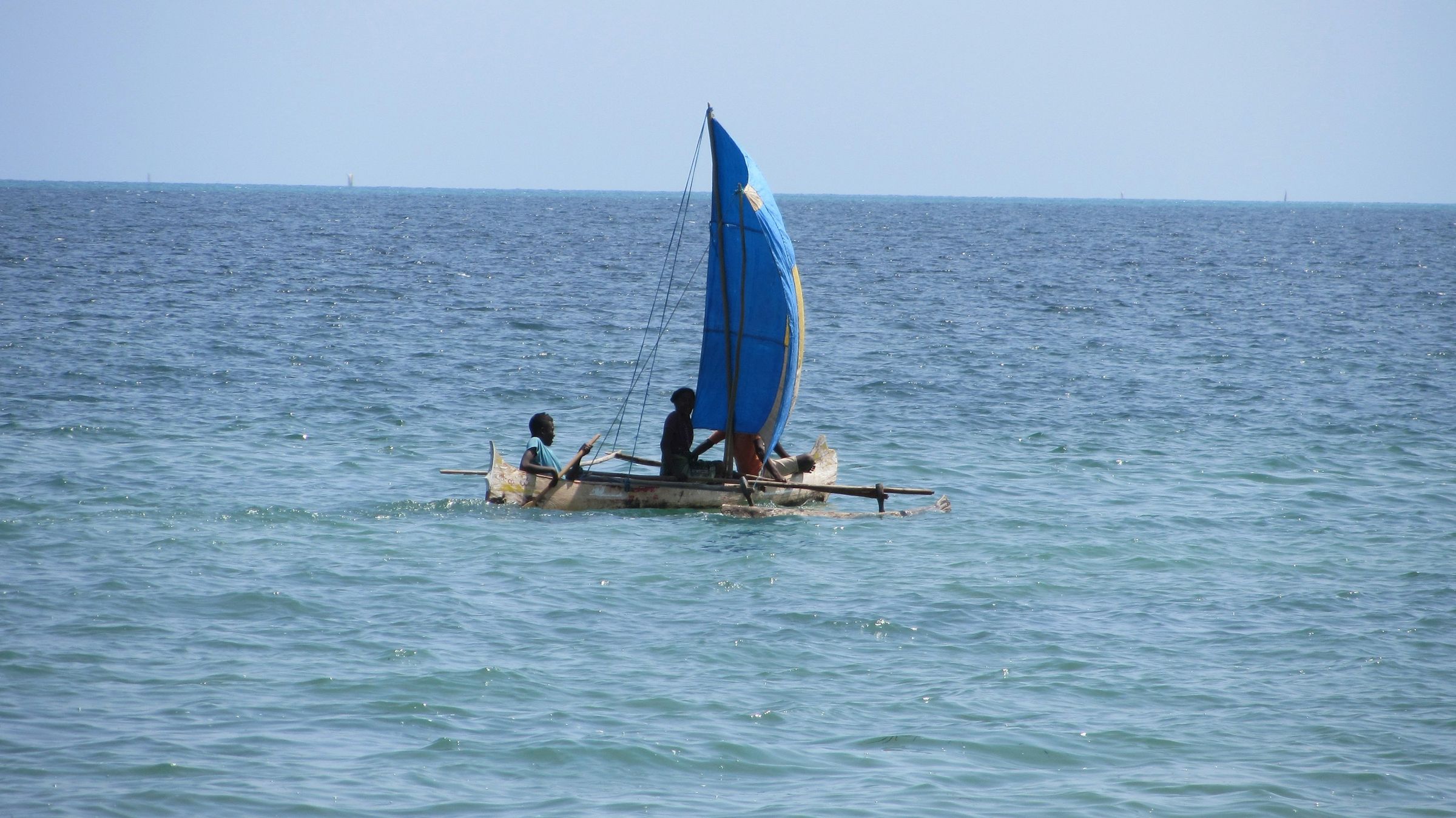
The RN7 stops at the seafront in Toliara, a kilometre past the Sanfily taxi-brousse station. The Classic South goes straight on to Ifaty, about 25 km up the coast: a lagoon behind the reef, Vezo fishermen in outrigger pirogues and spiny forest full of baobabs in the Reniala reserve.
The trip stays two nights. Humpbacks visit the wider south-west coast in the southern winter, but we wouldn't choose Ifaty specifically for whale watching. The sourced departure point is Anakao, south of Tulear. On day 11 we take you to Tulear airport for the flight to Antananarivo, which isn't in the price but which we can book.
A direct drive would mean several long days. Give the stops their own nights. Allow two nights at Ranomafana, one at Ambalavao for Anja and two at Ranohira for Isalo. That makes a week to the coast, the Classic South's pace on days 3 to 9, then a flight back from Tulear instead of two or three more days on the same road. Any faster and you'll see the RN7 mostly through the windscreen. More in Madagascar itineraries.
The UK, Canada and France all advise against driving after dark. The Foreign Office says vehicles often have no lights and few roads are lit, and France lists what you meet on the tarmac: people on foot, broken-down vehicles, herds of zebu and carts. The UK also reports frequent armed robberies on main roads, particularly at night and outside the major towns.
Plan the long legs to start early enough to finish before dark. A five-hour leg that turns into eight is how people end up driving in the dark. With your own driver-guide you set the departure time, so the long days can end in daylight.
Of Madagascar's long roads, the RN7 is the most realistic one to drive yourself: it's paved, though the right vehicle still depends on current conditions and side trips. Traffic drives on the right, and you need your licence and an International Driving Permit, which UK drivers must get before they leave home.
Against it: potholes, trucks, map apps that don't know which stretch is under repair, and the southern third, where the Foreign Office advises a recognised tour operator. A one-way hire usually means paying for the car's drive back too. Our guide to getting around has the costs.
A driver-guide plans each day around the road and does the talking in Malagasy or French. For a first time on the RN7 we'd take one. We would say that, of course.
More in the best time to visit Madagascar.
Tell us your dates, and which stops matter most, on the booking form or WhatsApp. A real person in Antananarivo replies, usually within 24 hours, with a written itinerary and a firm price.
Photos: Marcelo Delgado, iAko Randrianarivelo and Antonio Sánchez on Unsplash.
A little over 920 km by its kilometre posts, from Antananarivo to Toliara (Tulear) on the south-west coast, though some sources give up to 980 km. It's paved, but conditions vary greatly. Allow about a week to include the parks and consider flying back from Tulear.
About a week from Antananarivo to the coast: two nights at Ranomafana, one at Ambalavao for the ring-tails at Anja and two at Ranohira for Isalo. Our Classic South takes 11 days, with two days at Andasibe first and two nights at Ifaty at the end, then a flight back from Tulear.
There are road and security risks. At the time of writing the UK Foreign Office says criminal gangs have attacked vehicles travelling in convoy on the RN7, and advises a recognised tour operator between Ihosy, Toliara and Fort Dauphin. Canada reports armed attacks between Fianarantsoa and Toliara, especially at night. Drive only in daylight, with a driver or operator who knows the road.
April to November, the dry season. June to August is the coolest and busiest, with cold nights in the highlands. We'd pick September to early November, when it's warmer and the main rains are still to come. The cyclone season normally runs from November to April.
Every week, from before dawn on Wednesday until Thursday morning. It's one of Madagascar's biggest zebu markets. On our Classic South you sleep in Ambalavao on day 6, so if that night is a Tuesday or a Wednesday you can go early the next morning. Ask us to time the trip for it.
Private trips with your own vehicle and driver-guide. Every one can be reshaped around your dates.
The classic route done properly: Andasibe, Ranomafana, Anja's ring-tailed lemurs, the canyons of Isalo and the reef at Ifaty.

Three weeks and nearly every landscape the island has: river cruise, Tsingy, baobabs, remote Vezo coast and the southern parks.
Car hire with a driver-guide, self-drive, domestic flights or taxi-brousse: the trade-offs, drive times in 2026, and why the west needs a 4x4.
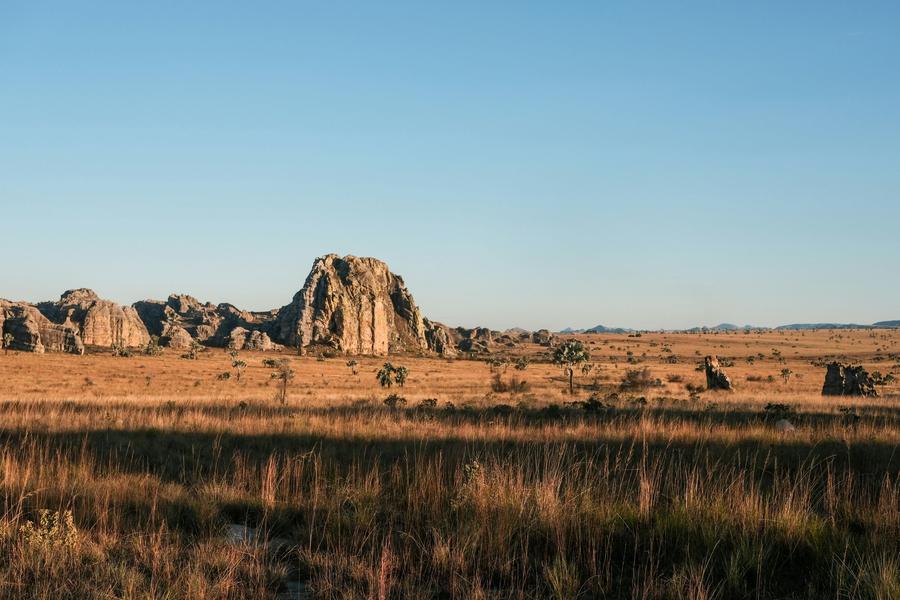
How the Isalo walks compare, how many days to give it, when the heat bites, the 2026 park fees and where it fits between Anja and the coast.
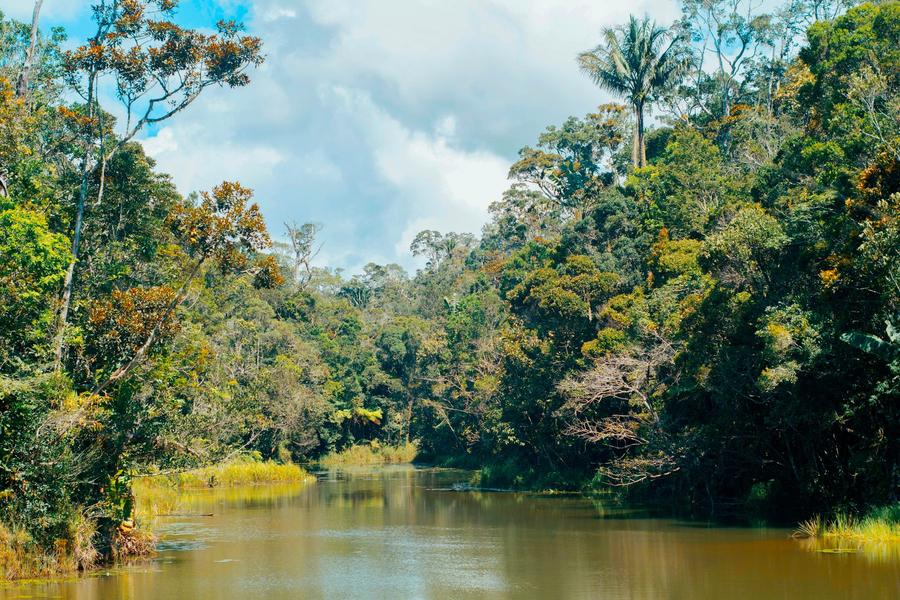
The golden bamboo lemur and Ranomafana's other lemurs, how hard the trails are, guided night walks, the fees, Centre ValBio and how many nights to stay.
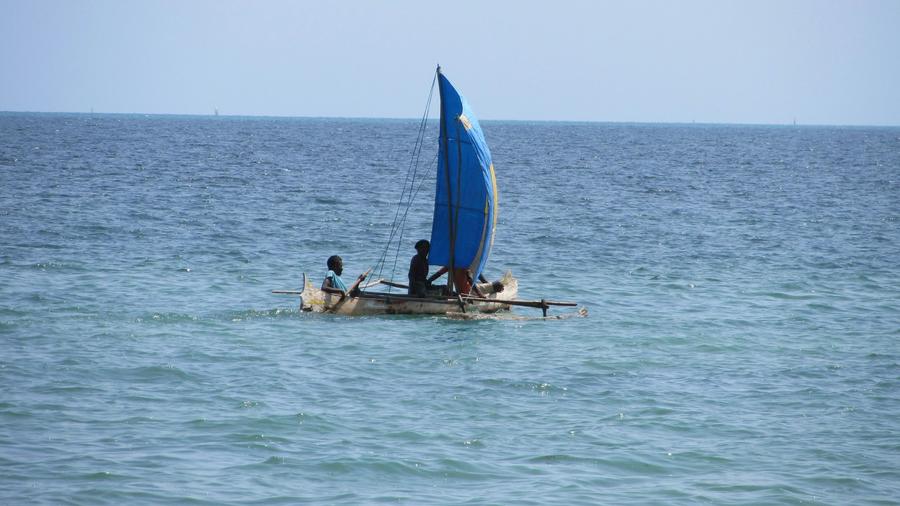
Ifaty's lagoon and reef, the baobabs and birds of the Reniala spiny forest, Tulear and its flights, Anakao by boat, the heat and whale months, and how many nights to stay.

Send your dates and a rough idea. We reply within 24 hours with a written itinerary and a firm price. No deposit to ask a question.