
10 days · East

Eastern Madagascar: Forests, Lakes & Islands
Indri at Analamazaotra, the Palmarium's approachable lemurs, boat rides on the Pangalanes Canal, then island time on Sainte Marie.
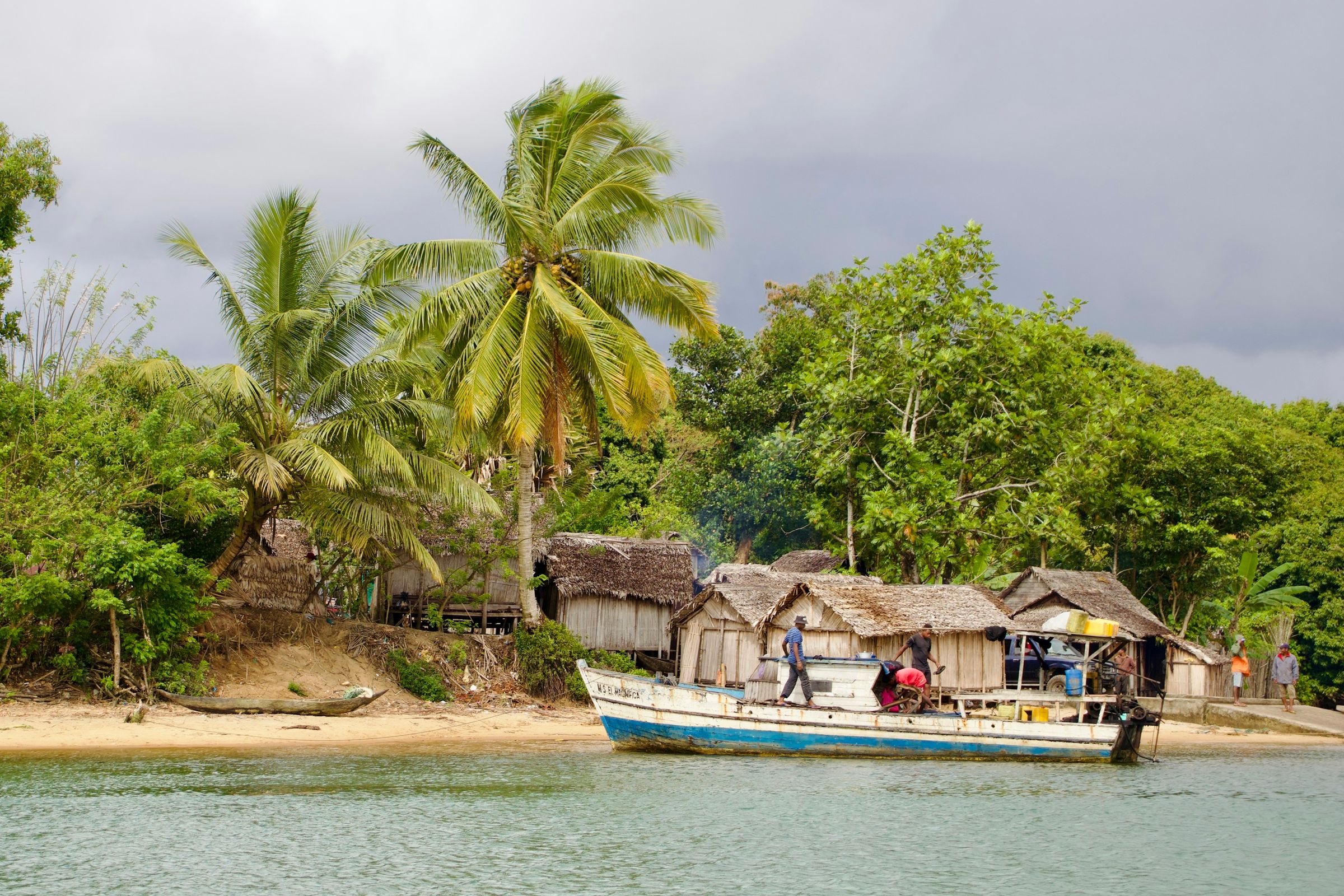
A long, thin island off the east coast, also called Nosy Boraha. When the humpbacks come and the rules the boats follow, Île aux Nattes and the pirate cemetery, how much it really rains, the flight or the boat across, and how it fits after Andasibe and the Pangalanes.
Île Sainte-Marie, also called Nosy Boraha, is a long, thin island off Madagascar's east coast, about 50 km from end to end and nowhere more than 7 km wide. It's best known for the humpback whales that gather in the channel between the island and the mainland from July to September, to mate and give birth. The rest of the year it's a quiet place of palm-backed beaches and small bungalow hotels, with Île aux Nattes off its southern tip. You get there on a flight of about an hour from Antananarivo, or by road to the coast and a boat across.
Two things to know before you book. It rains a lot, even in whale season. And the boat across is an open-sea crossing: the UK Foreign Office advises getting local advice on these ferries and checking the weather before you sail. Our 10-day Eastern Madagascar trip ends here with three nights on the island, after Andasibe and the Pangalanes Canal: private, with your own vehicle and driver-guide, from €1,620 per adult.
Humpbacks spend the southern summer feeding in Antarctic waters, then swim thousands of kilometres north to breed. The channel off Sainte-Marie is one of their calving grounds, and a 2018 study notes that the first observation of a humpback birth was documented here. On our Eastern trip, whale watching is an option from July to September, with the first whales from June.
If you can pick your dates, the order of the season matters. A study of nearly 900 whale-watching trips in the channel found that groups without calves dominate the first month, and mothers with calves become more common after that, keeping mostly to shallow water within about 6 km of the coast. The rain eases off as the season goes on: July averages about 290 mm over some 22 days, August about 130 mm and September about 80 mm. So if whales are the reason you're coming, we'd aim for August or the first half of September, when there are usually more calves about and far less rain than in July.
Nobody can promise you a whale, and some days the sea is too rough to go out, so give yourself more than one chance.
Outings leave from the island by boat with a guide, and most last a few hours. Madagascar has a national code of conduct for watching whales, under a 2023 government order, and Cetamada, a marine mammal association with an office on Sainte-Marie, has trained guides and boat operators since 2013. The main rules:
Before you go out, ask whether the boat follows the code and whether the guide has done Cetamada's training. A skipper who races up to a mother and calf for your photograph is breaking the rules, and it's fair to ask for the boat to back off.
Our trips reach three whale coasts.
Let the rest of your trip decide. Andasibe and the Pangalanes point to Sainte-Marie, and the RN7 to the south-west. If you want whales and dry weather together, the north and the south-west are far drier than Sainte-Marie in these months. Our Nosy Be guide covers the north.
Tell us your dates and what you would like to see. We reply within 24 hours with a written itinerary and a firm price.
By air. The airport is in the south of the island, and the flight from Antananarivo takes about an hour. Schedules change and late cancellations happen, so don't book it for the same day as your flight home. On the Eastern trip you fly back to Antananarivo on day 10. That flight isn't included in the trip price, but we can book it for you, and our trip cost guide shows roughly what domestic flights add.
By road and boat. The other way is the RN2 to Toamasina, then north up the coast on the RN5 to Soanierana-Ivongo, about 160 km, where the ferries leave. Some boats also go from Mahambo, about 95 km north of Toamasina. At the time of writing, crossing times run from about an hour to three and a half, depending on the port, the boat and the sea, and boats don't always run every day. From Antananarivo in one go that's a very long day, and the UK, Canadian and French governments all advise against driving after dark. The Eastern trip breaks it up with a night at Mahambo and crosses on the morning of day 7, and that boat is included in the price.
What the travel advice says. The UK Foreign Office advises getting local advice on the ferries to Sainte-Marie and checking the weather locally before travelling, because there have been accidents caused by overcrowding, poor maintenance, poor crew training and unexpected squalls. Canada adds life jackets for every passenger, and no boat that looks overloaded. So ask any operator, us included, which boat they use and what happens if the crossing is cancelled. If you get badly seasick, fly both ways instead.
Île aux Nattes (Nosy Nato) sits off the southern tip, across a channel about 200 m wide: five minutes or so by pirogue. There are no cars. Bradt's guidebook calls it "even more delightful" than the main island, and it makes an easy day out, or a quieter place to stay.
The pirate cemetery. Around 1700, Sainte-Marie was a pirate base, close to the shipping routes home from the East Indies and full of sheltered bays. The cemetery looks over the Baie des Forbans, just south of Ambodifotatra, the island's only real town, and one grave still shows a clear skull and crossbones. The path in is an isolated track across tidal creeks and slippery logs. Men at a hut by the start charge to show you round, but Lonely Planet says they aren't sanctioned by the tourist office, so go with someone who knows the history.
Beaches and snorkelling. There's coral in the lagoon, and the Eastern trip's island days leave time for snorkelling and boat trips as well as the whales. In the north, the natural pools at Ambodiatafana are sacred, with fady (taboos), so a guide is compulsory. Lonely Planet says the sea there is too rough to swim from June to September, right through whale season.
Canada lists Sainte-Marie among places where violent assaults have been reported and advises not visiting beaches alone. The UK's advice for any beach in Madagascar is to get local advice or go with an experienced operator. Canada also says riptides are common, so ask at your hotel where it's safe to swim. More in Is Madagascar safe?
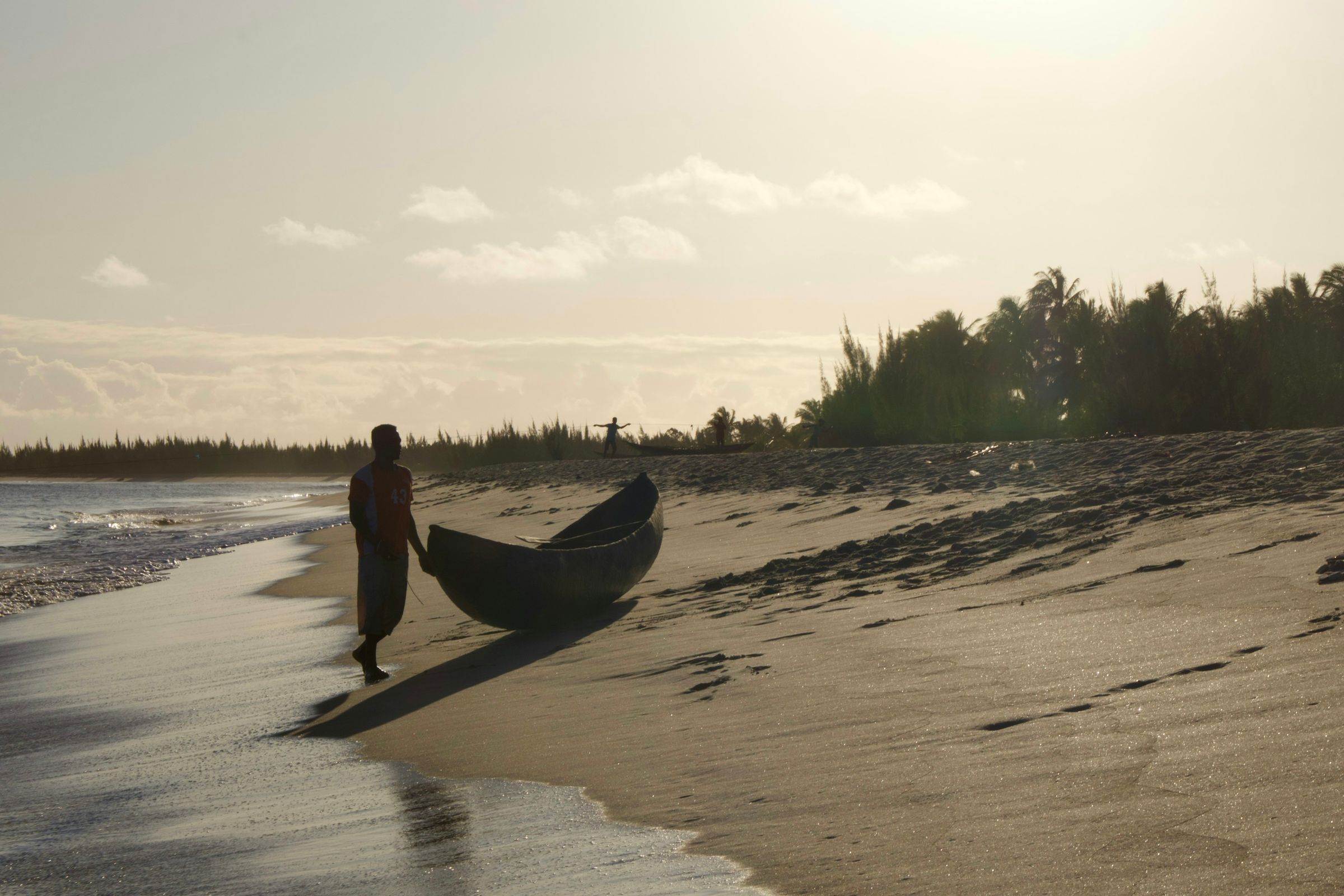
Sainte-Marie is on the wet side of Madagascar: about 3,200 mm of rain a year on roughly 200 days, on the 1991 to 2020 averages. Bradt's advice is to expect several days of rain and wind at any time of year, with calm, sunny weather in between.
January to May is the wettest stretch, with 350 to 470 mm a month. June and July are wet too, with more than 20 rainy days each, right in whale season. August is drier, and September to November are the driest months, with 80 to 100 mm on roughly 10 to 12 rainy days. It's warm all year, with average highs of about 25 °C in July and 30 °C in January.
Cyclone season normally runs from November to April, and the east coast takes most of the hits, especially in February and March. Bradt says cyclones damage Sainte-Marie every few years, and in 2026 Cyclone Gezani made landfall at Toamasina, on this coast, on 10 February. If you travel between December and April, leave spare days. Month by month, see the best time to visit Madagascar.
Three nights is the least we'd give it, as on the Eastern trip: the day you arrive, two full days, and out on the fourth morning. If whales are why you're coming, add a night or two, because one rough day can cost you an outing.
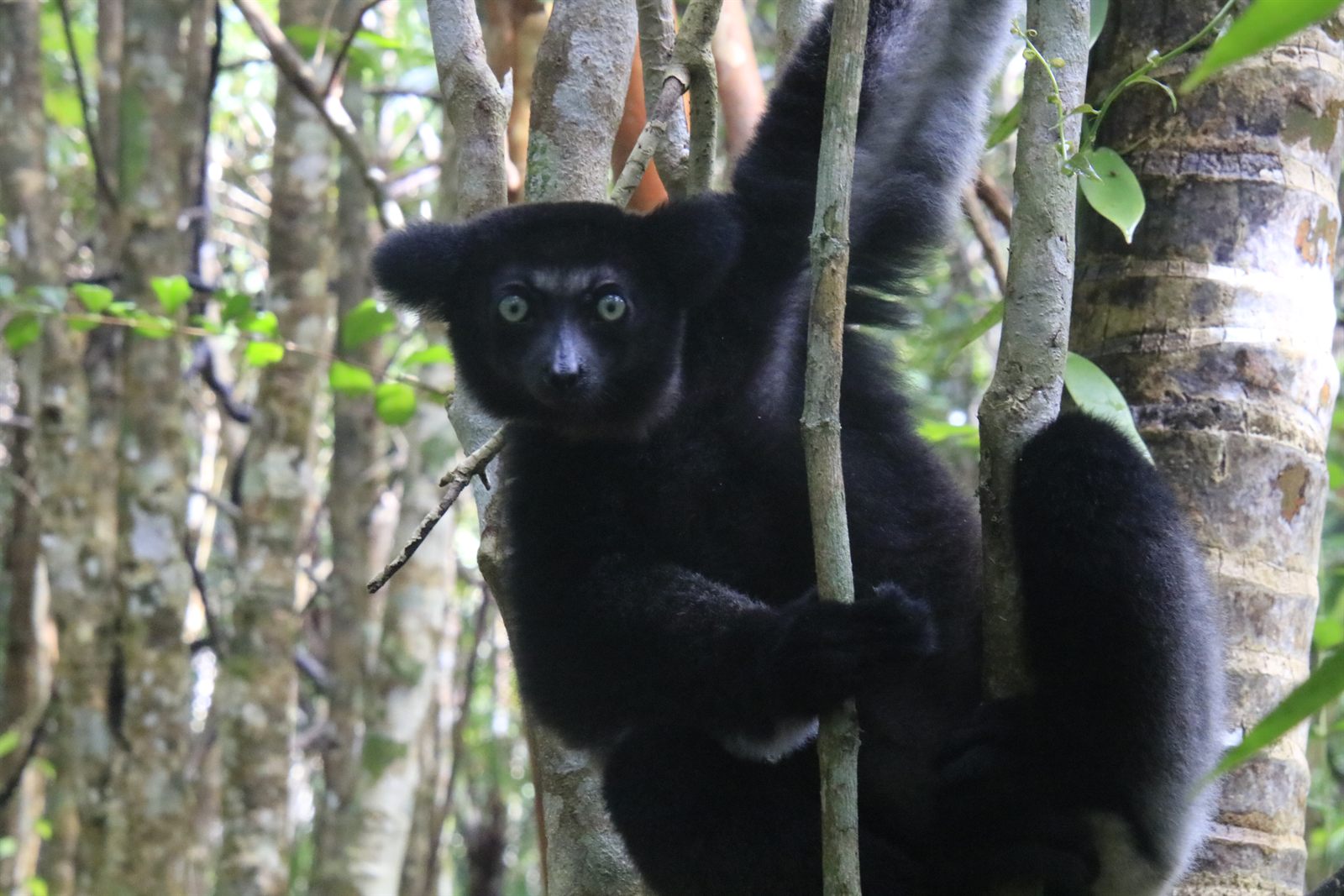
Sainte-Marie works best at the end of a trip through the east. The Eastern trip gives Andasibe two nights for the indri (more in our Andasibe guide), then two at Ankanin'ny Nofy on the Pangalanes Canal, with a night walk that looks for the aye-aye and a morning in the Palmarium reserve. On day 6 a boat runs up the canal to Toamasina and you drive on to Mahambo. Days 7 to 9 are on Sainte-Marie, and day 10 is the flight back.
Every trip can be reshaped, including extra nights on the island. Short on time? The 2-day Andasibe trip, from €320 per adult, gives you a night walk and an early morning looking for the indri, and a flight the next day, schedules permitting, can take you on to Sainte-Marie. Ending a trip down the RN7 here adds two flights through Antananarivo, so most people are better off finishing at Ifaty.
Send us your dates on the booking form or WhatsApp, and we'll tell you honestly what the sea and the season look like. A real person in Antananarivo replies, usually within 24 hours.
Photos: Sandy Ravaloniaina on Unsplash.
By air, it's a domestic flight of about an hour. By land, you drive the RN2 to Toamasina and the RN5 north to Soanierana-Ivongo or Mahambo, then cross by boat, which takes about one to three and a half hours, depending on the port, the boat and the sea. Our 10-day Eastern trip includes the boat across. The flight back to Antananarivo isn't in the trip price, but we can book it for you.
Humpbacks are in the channel from July to September, with the first from June. Mothers with calves become more common after the first month, and the island gets far less rain in August and September than in July. If you can choose, August or the first half of September is a good bet. Whales are wild, so no one can promise a sighting.
It's an open-sea crossing. The UK Foreign Office advises getting local advice on the ferries to Sainte-Marie and checking the weather locally before travelling, because there have been accidents caused by overcrowding, poor maintenance, poor crew training and unexpected squalls. Canada advises making sure there are life jackets for every passenger and not boarding a boat that looks overloaded. If you'd rather not go by sea, the flight from Antananarivo takes about an hour.
No. Madagascar's whale-watching code, under a 2023 government order, doesn't allow it. Boats must stay at least 100 m away, with no more than three around one group, and they can stay at most an hour with adult whales and 30 minutes with a mother and calf.
Three nights suits most people: two full days for snorkelling, Île aux Nattes and, in season, a whale outing. If whales are the main reason, four or five nights leave a spare day for a rough sea.
Yes. It's a small island off the southern tip of Sainte-Marie, about five minutes away by pirogue, with no cars. Bradt calls it "even more delightful" than Sainte-Marie itself. It's an easy day out, and you can stay the night there.
Private trips with your own vehicle and driver-guide. Every one can be reshaped around your dates.
Indri at Analamazaotra, the Palmarium's approachable lemurs, boat rides on the Pangalanes Canal, then island time on Sainte Marie.
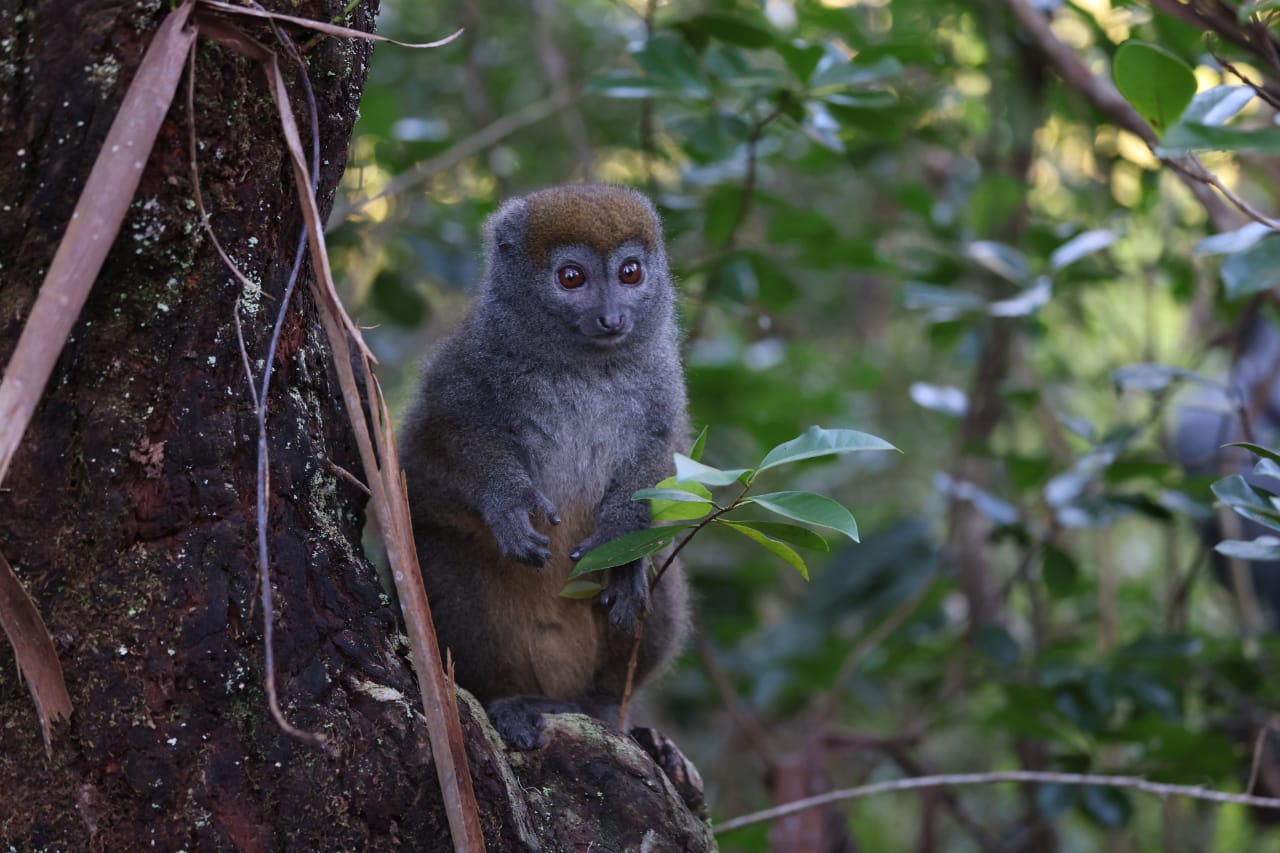
Chameleons at Peyrieras, a walk among the lemurs at Vakona, a guided night walk, and an early start in Analamazaotra, where the indri call most mornings.
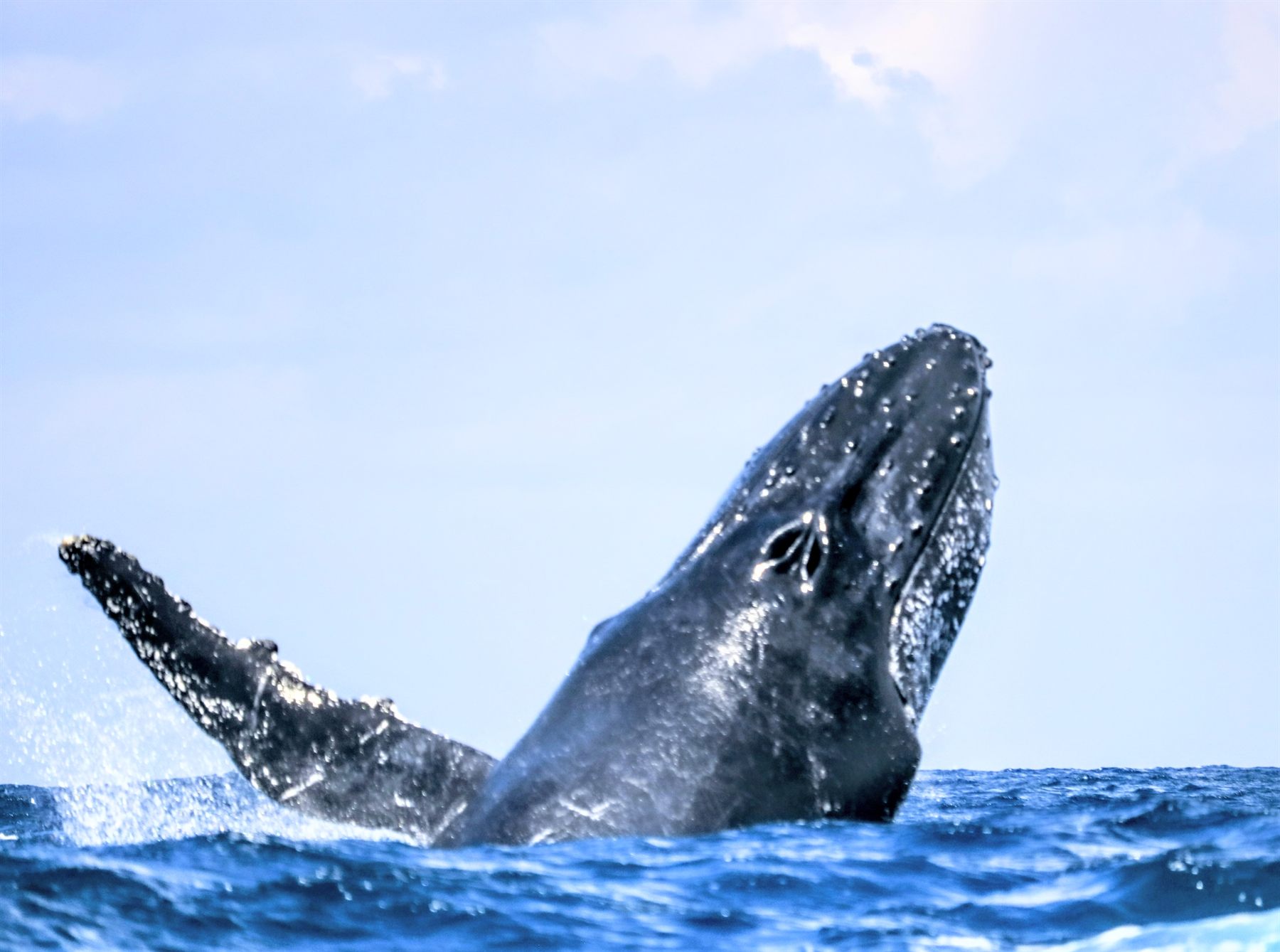
Everything the north has, plus the sea: Ankarana's caves, snorkelling at Sakatia, and a day out looking for humpback whales in migration season.
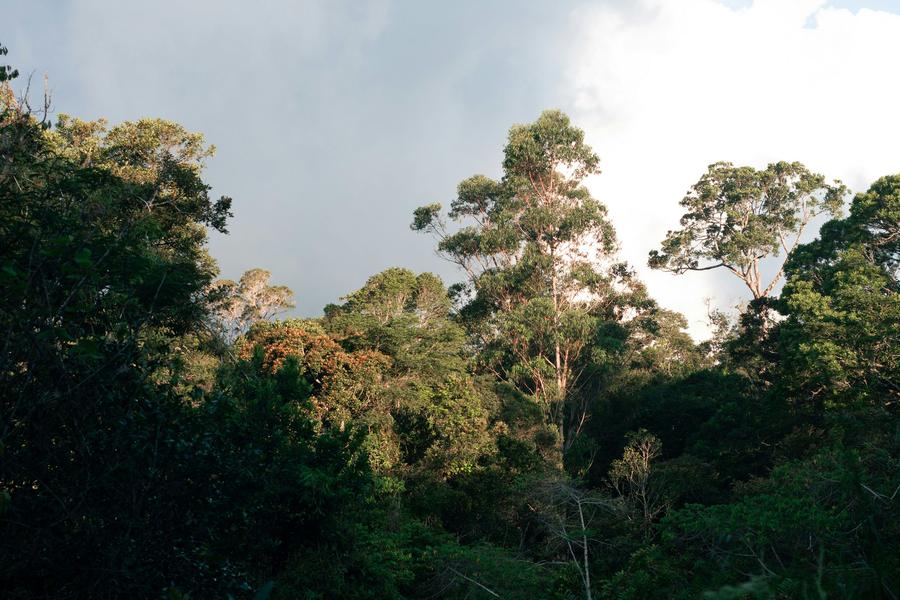
The indri, the night walk rules since 2025, Mantadia, Vakona and Peyrieras, rain and leeches, and how many days to give Andasibe.
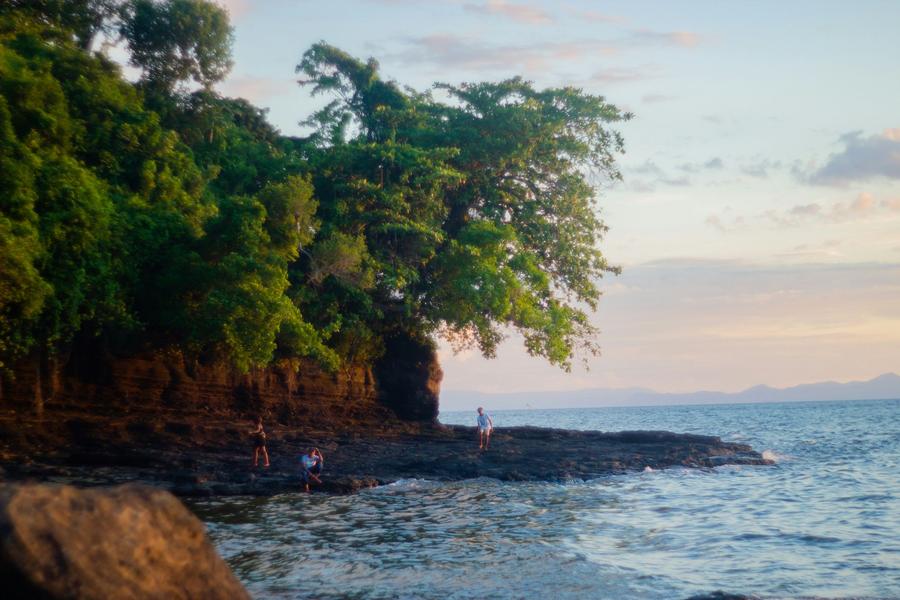
Lokobe, Nosy Komba, Tanikely and Iranja, when the rains and the whales come, flights and the Ankify boat, and how many nights to give Nosy Be.
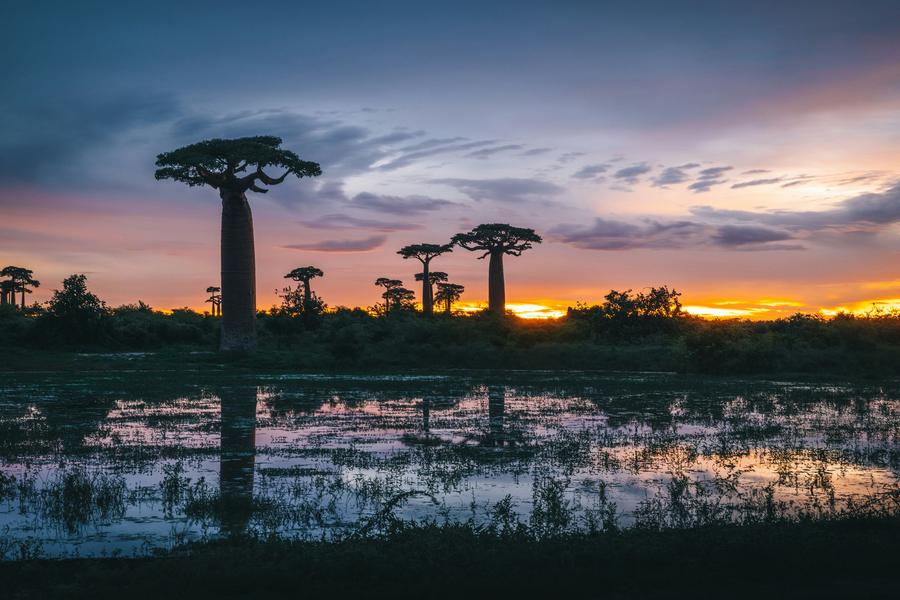
Month by month and region by region: dry roads, cyclones, the Tsingy's short season, whales, lemur babies, birds and chameleons.

Send your dates and a rough idea. We reply within 24 hours with a written itinerary and a firm price. No deposit to ask a question.