
11 days · North
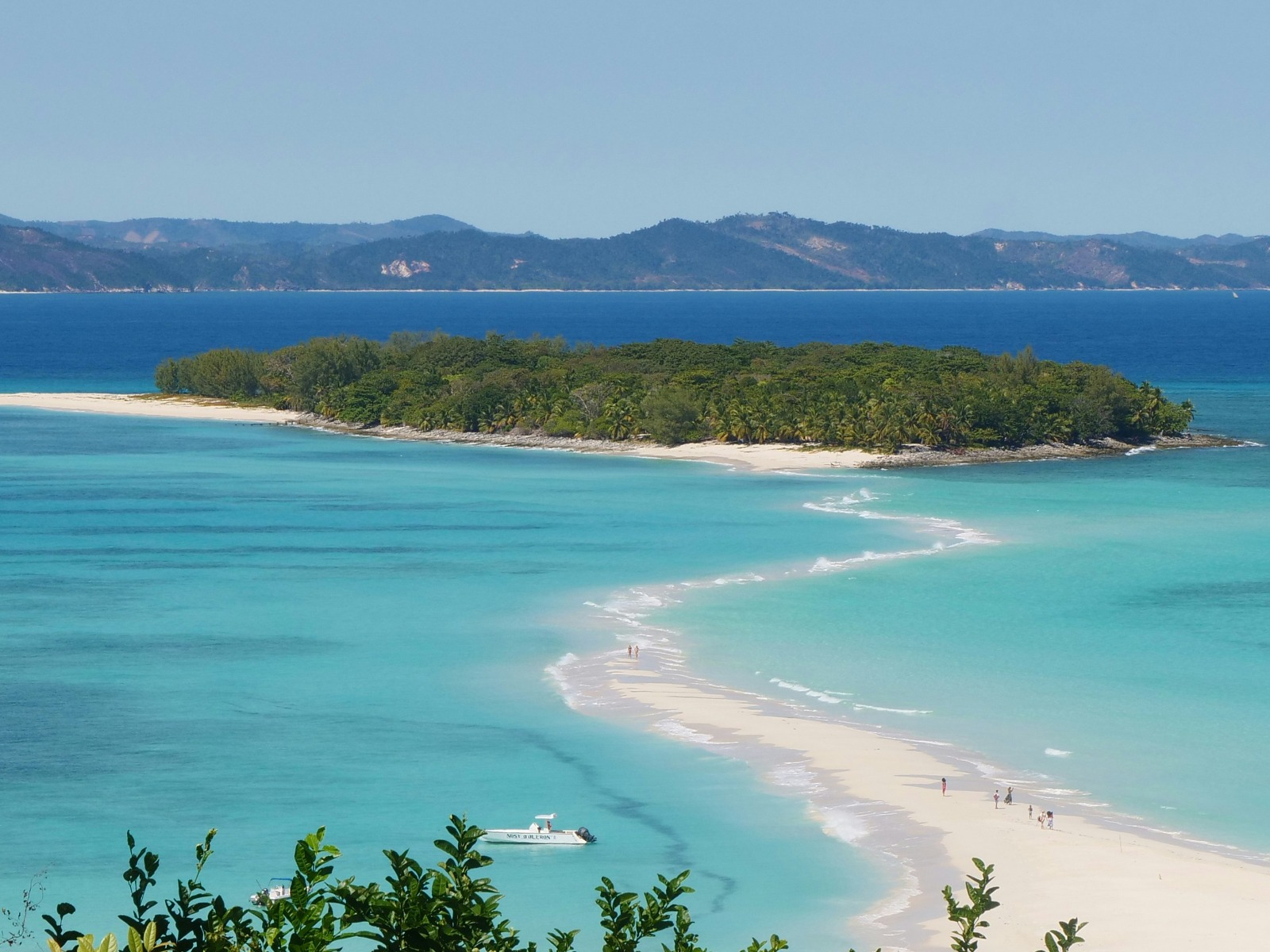
Northern Madagascar: Beaches, Tsingy & Wildlife
The Three Bays, Montagne d'Ambre, the red Tsingy and a full day in Ankarana's caves, then Lokobe and the sand of Nosy Iranja.
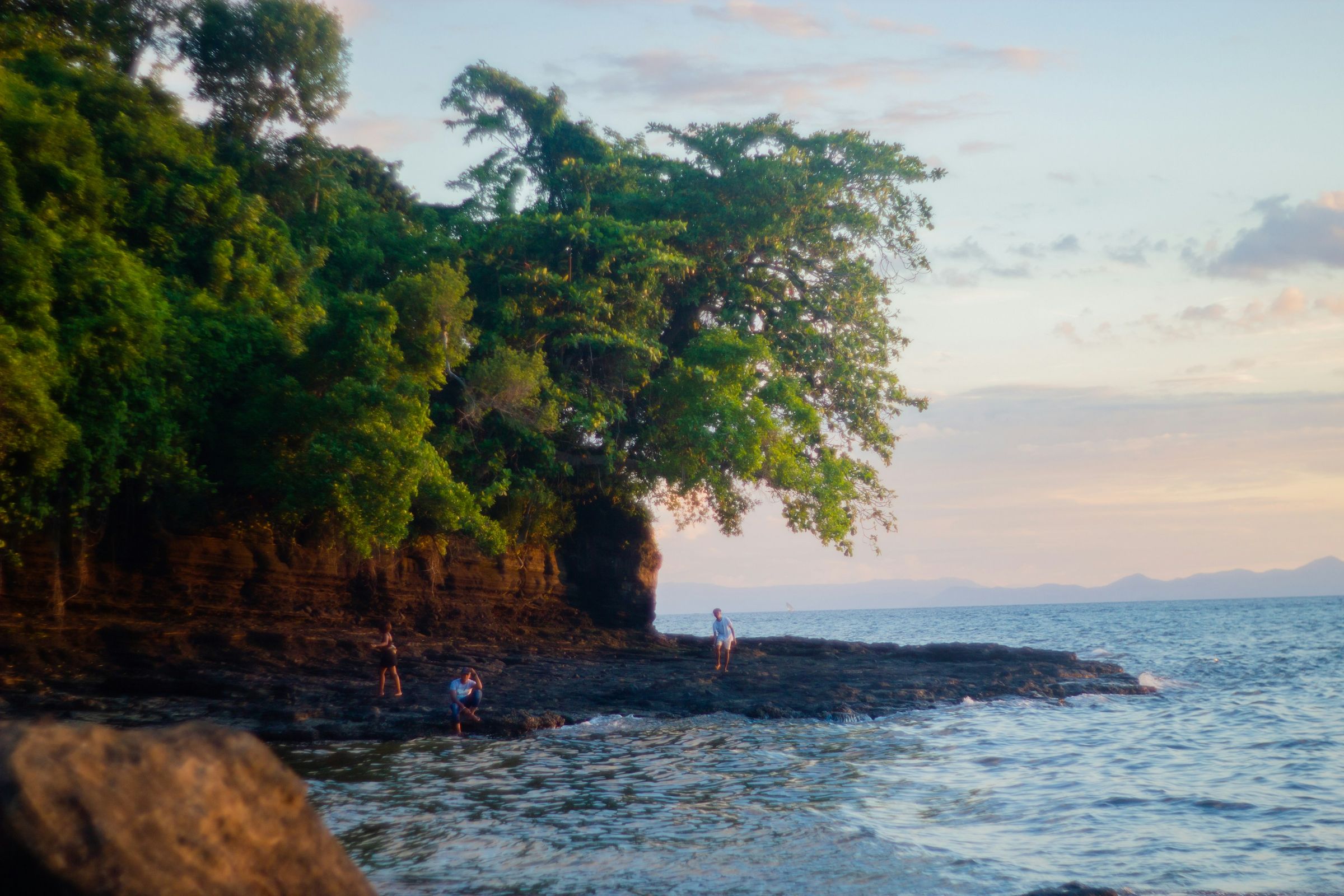
Lokobe and its black lemurs, the islands you reach by boat, the dry months and the cyclone months, the flight or the boat from Ankify, and how Nosy Be fits on the end of a trip through the north.
Nosy Be (the name means "big island" in Malagasy) is Madagascar's best-known island, off the north-west coast. It's 30 to 45 minutes by fast boat from Ankify on the mainland, or under two hours by air from Antananarivo to Fascene airport. Go for beaches and boat days more than wildlife: black lemurs in Lokobe forest, snorkelling at Nosy Tanikely, the sandbar at Nosy Iranja and sunset from Mont Passot. May to October, the dry season, suits it best, and three or four nights is about right.
Both of our north trips finish with four nights here, after Diego Suarez and the Tsingy of Ankarana: the 11-day Northern Madagascar trip, from €1,790 per adult, and the 12-day Northern Madagascar Adventure, priced on request. Both are private and can be reshaped.
For a few days at the end of a trip, yes. But it's the most developed tourist area in Madagascar, and most of what you'll do there happens on the water.
The wildlife is real but limited: black lemurs, chameleons, turtles around the smaller islands and, in season, whales and whale sharks offshore. If lemurs are why you're coming, the mainland forests matter more (see where to see lemurs), and the north trips give Montagne d'Ambre and Ankarana a full day each on the way.
The beaches on Nosy Be itself are pleasant rather than remarkable. Ambatoloaka is the busiest resort, and Andilana, in the north-west, tends to have the clearest water. The whiter sand and better snorkelling are out on the small islands, and the reef close to Nosy Be is degraded in places, so build the stay around the boat days.
We're a private-trip operator, not a resort seller. If all you want is a week at one beach hotel, booking it directly is simplest. Where we help is getting you here through the north, with Lokobe and the boat days arranged, or fitting Nosy Be onto the end of a longer trip.
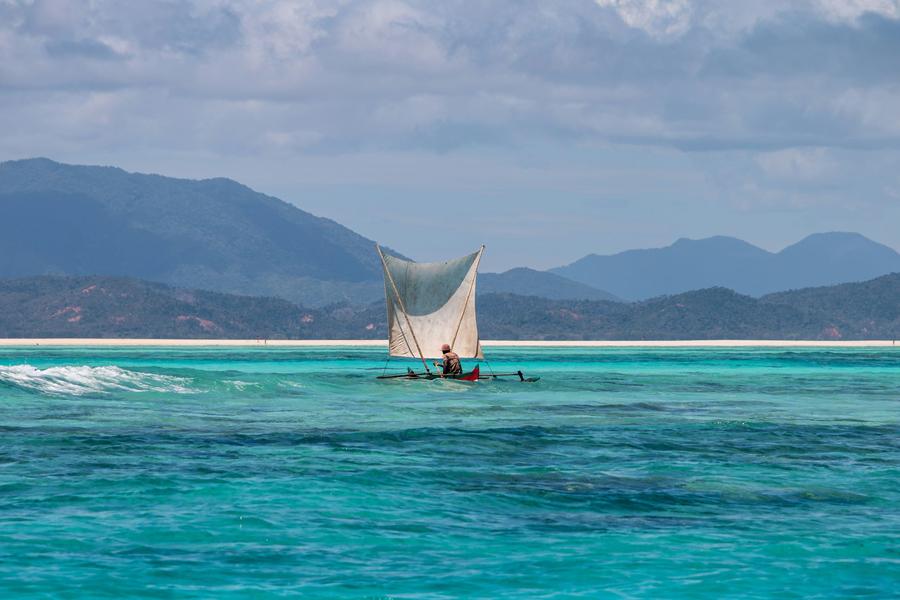
Lokobe takes up the south-east corner of Nosy Be: 862 hectares of forest and sea, protected since 1927 and a national park since 2011. Madagascar National Parks calls it one of the last refuges of primary forest in Madagascar. Most visits start in the morning with a pirogue, an outrigger canoe, paddled past the mangroves to Ampasipohy, a small village a short walk from the forest. From there you go in on foot with a local guide.
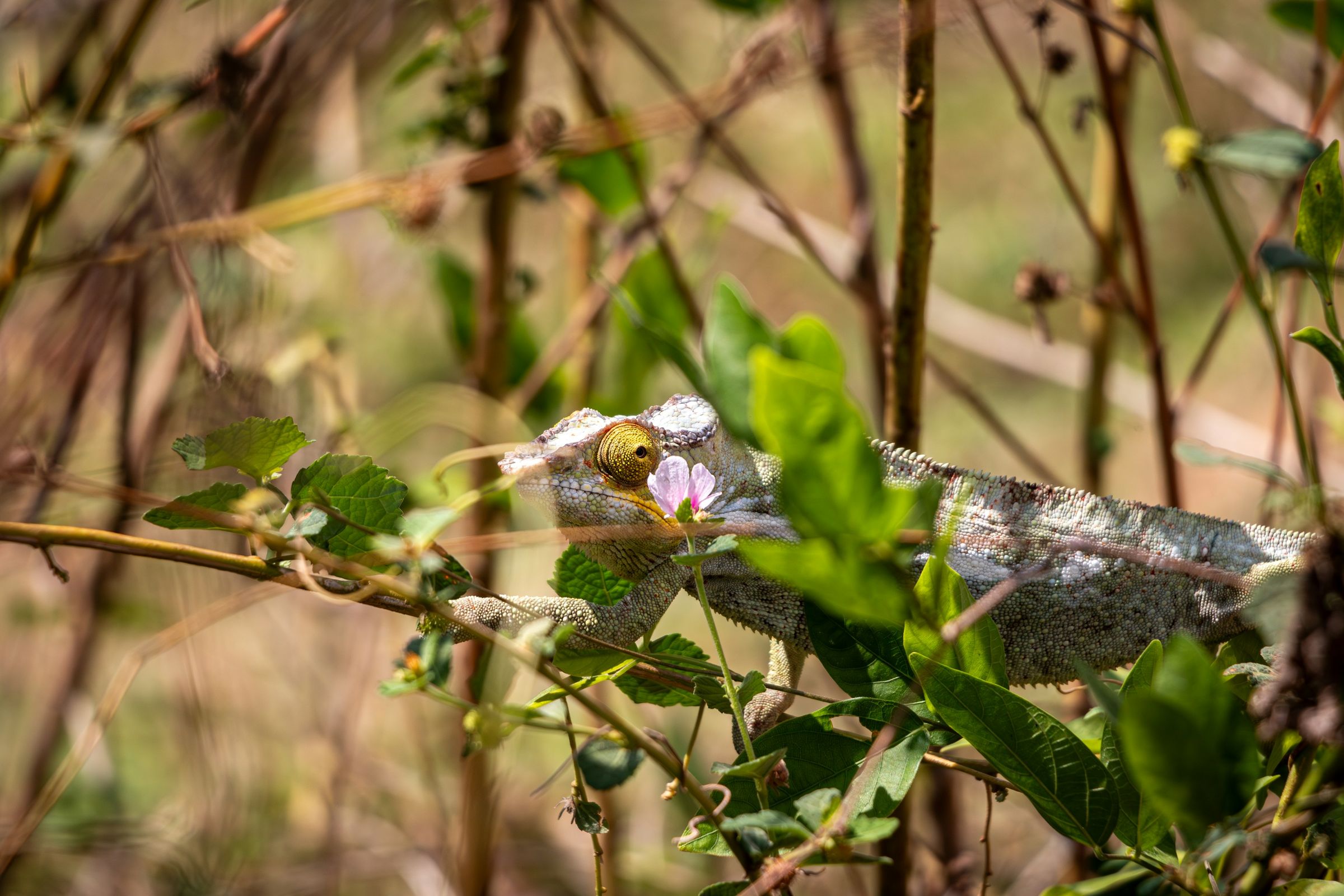
The animal everyone comes for is the black lemur, and only the males are black. The females are chestnut to golden brown with white ear tufts, so a family can look like two species sharing a tree. They're Endangered. For reptiles there are panther chameleons, usually blue or blue-green here, tiny Brookesia leaf chameleons and tree boas.
Since September 2025 Lokobe has also been one of six national parks with official night visits, from 18:30 to 20:00 with a local guide. They're new, so check on the spot that they're running.
On both north trips day 8 is Lokobe: the canoe in, a guided walk, lunch near the park and a free afternoon. Park fees and the local guide are in the trip price.
Nosy Komba and Nosy Tanikely aren't on our set trips. Every trip can be reshaped, so if you'd rather swap a day for them, or add a day or two of diving, tell us and we'll look at it.
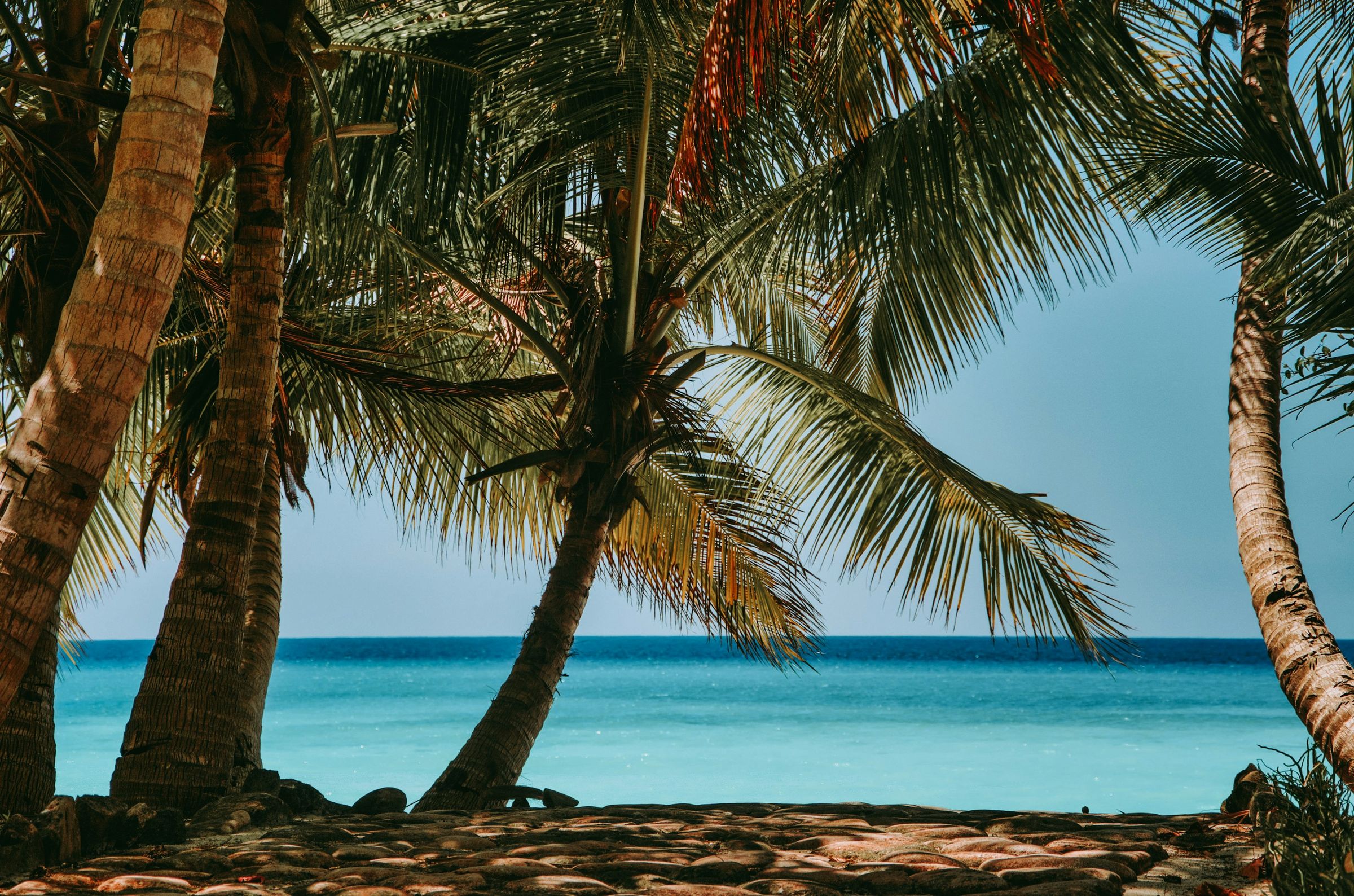
Nosy Iranja is two islands south-west of Nosy Be, roughly an hour to an hour and a half away by speedboat: Nosy Iranja Be, which is inhabited, and tiny Nosy Iranja Kely. At low tide a sandbar about 1.5 km long surfaces between them and you can walk from one to the other. At high tide it's gone, so the day is planned around the tide. Sea turtles lay their eggs on the beaches.
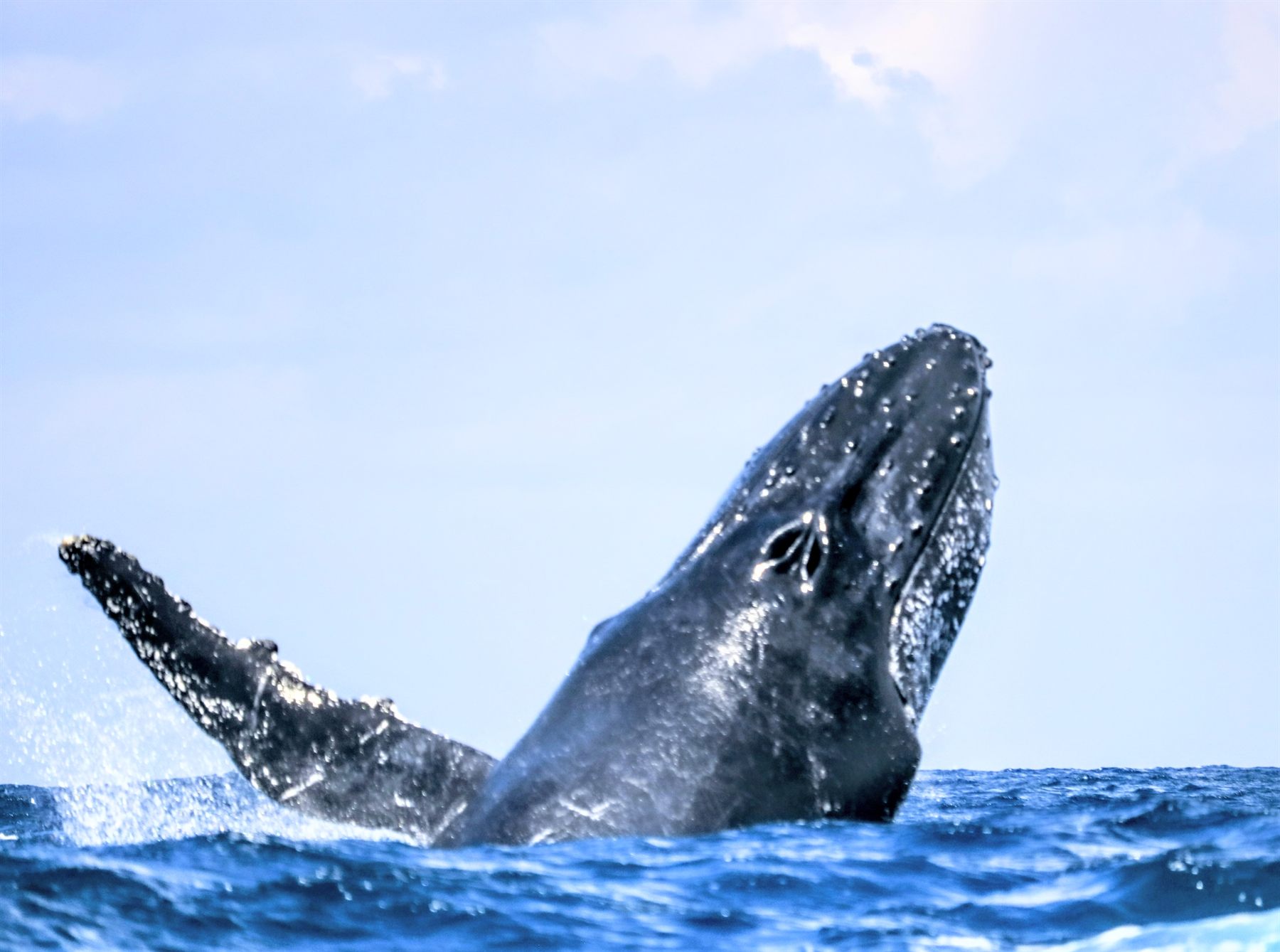
The 11-day trip gives Nosy Iranja two full days, for swimming and snorkelling, with both nights back on Nosy Be, so each day starts and ends with that boat ride. The 12-day trip spends one day there, and in whale season that day includes a boat trip into open water to look for humpbacks, with an experienced guide. Whales are wild, so no one can promise you one.
Tell us your dates and what you would like to see. We reply within 24 hours with a written itinerary and a firm price.
Nosy Be is hot all year, with average highs of 30 to 32 °C in every month. What changes is the rain (World Meteorological Organization averages, 1991 to 2020):
Our north trips list April to December as their season, which suits the mainland, but on Nosy Be December is already wet. The wildlife keeps its own calendar:
More on the seasons across the island in the best time to visit Madagascar.
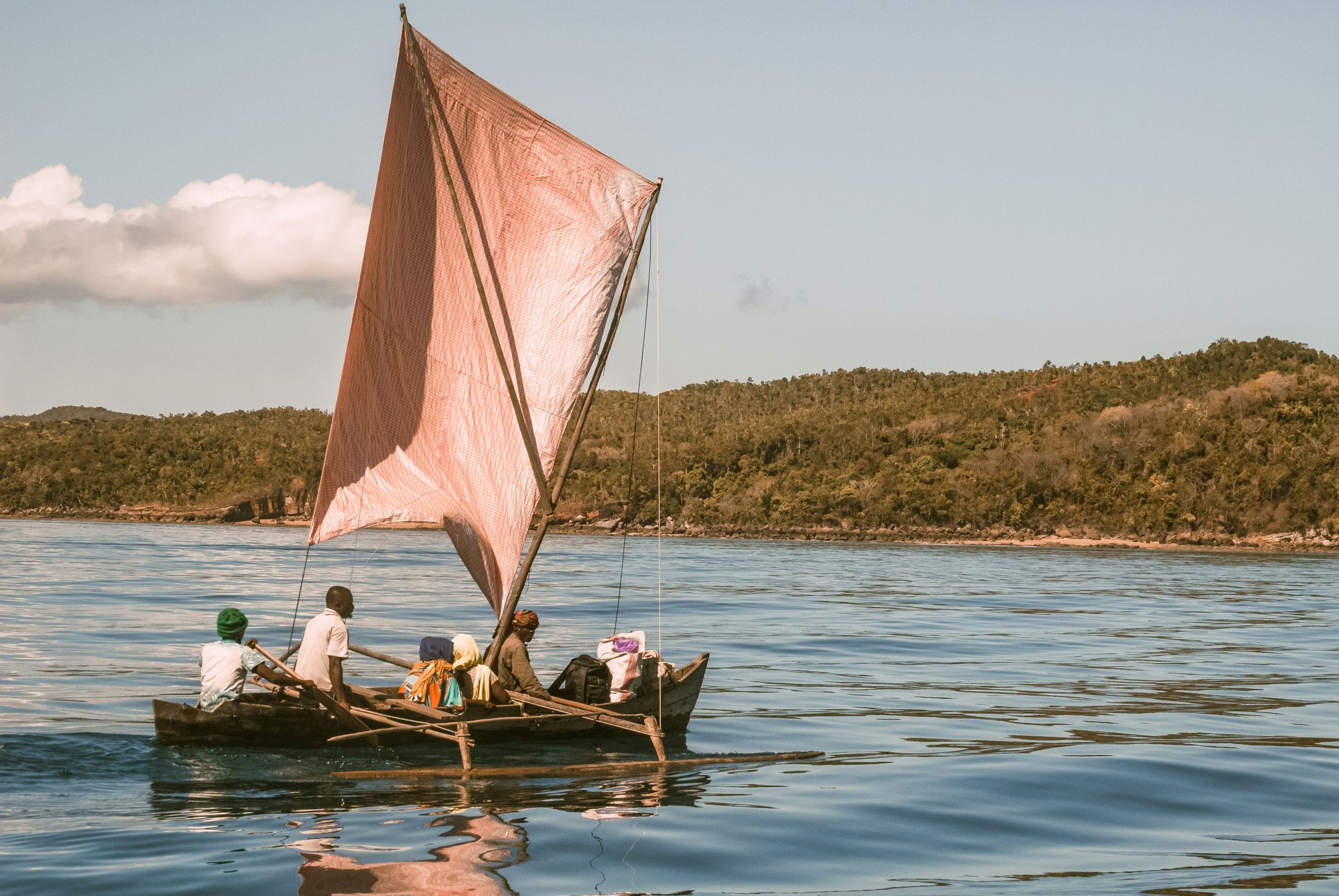
The UK Foreign Office says to get local advice on ferries, after accidents caused by overcrowding, poor maintenance and sudden squalls. Canada adds: check for life jackets, and don't board a boat that looks overloaded.
Three or four nights suits most people: a day for Lokobe, one or two boat days, and a day with nothing planned, which doubles as the spare if the sea moves a boat day.
In practice: don't walk empty beaches alone, take hotel transport after dark, and go out with the guides your hotel or operator has booked, not someone who walks up to you on the sand. Canada also warns that riptides are common off Madagascar's coasts, so ask locally where it's safe to swim. For crime, roads and health across the country, see Is Madagascar safe?
Tell us your dates, and whether you want the north first or just the island, on the booking form or WhatsApp. A real person in Antananarivo replies, usually within 24 hours, with a written itinerary and a firm price.
Photos: Hannova Beats, David Bruyndonckx, Sandy Ravaloniaina and Alessandro Zanini on Unsplash.
By air or by sea. Madagascar Airlines flies from Antananarivo to Fascene airport on the island in under two hours. Overland, you drive to the port of Ankify, about 20 km from Ambanja, and the fast boat to Hell-Ville takes 30 to 45 minutes. Both of our north trips arrive by boat.
May to October, the dry season, with only 20 to 35 mm of rain a month on average. April and November are showery, December to March is wet (nearly 400 mm in January), and cyclone season normally runs from November to April. Humpback whales arrive from late July, and whale sharks usually visit from September to December.
Three or four nights: a day for Lokobe and its black lemurs, one or two boat days to islands such as Nosy Iranja or Nosy Komba, and a free day in case the sea moves a boat trip. Both of our north trips give Nosy Be four nights.
Yes, black lemurs, though no one can promise a sighting. You look for them with a local guide in Lokobe National Park, reached by pirogue in the morning. Only the males are black: the females are chestnut to golden brown with white ear tufts. On Nosy Komba, the black lemurs near the village are used to people. For more species, Montagne d'Ambre and Ankarana on the mainland are the better bet.
Mostly, with care. As of October 2026 the UK warns of violent robberies on isolated beaches, even in daylight, and names Nosy Be, Ankify and Ambanja among places where they could happen. Canada lists the same three for reported violent assaults, and France says things have improved but to stay vigilant. Don't walk empty beaches alone, take hotel transport after dark, and use guides your hotel or operator has booked.
Malagasy, the national language, and French, which is Madagascar's other official language. French goes further than English, which across the country is mostly limited to tourism and business. On our trips your driver-guide speaks English, and you can plan the trip with us in English, French or Spanish.
Private trips with your own vehicle and driver-guide. Every one can be reshaped around your dates.
The Three Bays, Montagne d'Ambre, the red Tsingy and a full day in Ankarana's caves, then Lokobe and the sand of Nosy Iranja.
Everything the north has, plus the sea: Ankarana's caves, snorkelling at Sakatia, and a day out looking for humpback whales in migration season.
Andasibe, the Tsingy, Isalo, Nosy Be and the rest, region by region: what each place is like and how long it needs.
Month by month and region by region: dry roads, cyclones, the Tsingy's short season, whales, lemur babies, birds and chameleons.
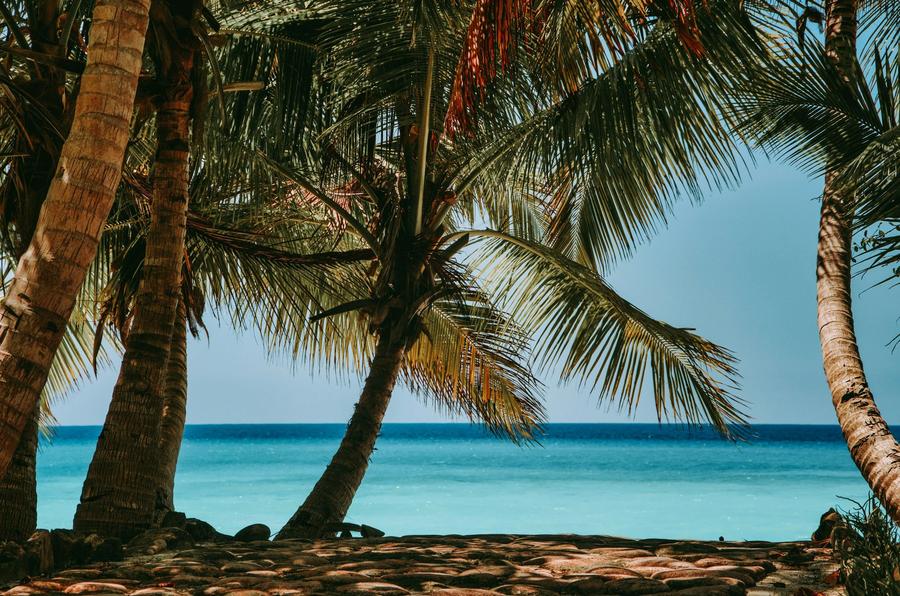
Three private routes that end on a beach, the months to pick and avoid, how long, rough costs, and an honest comparison with Mauritius and the Seychelles.

Send your dates and a rough idea. We reply within 24 hours with a written itinerary and a firm price. No deposit to ask a question.