
2 days · East
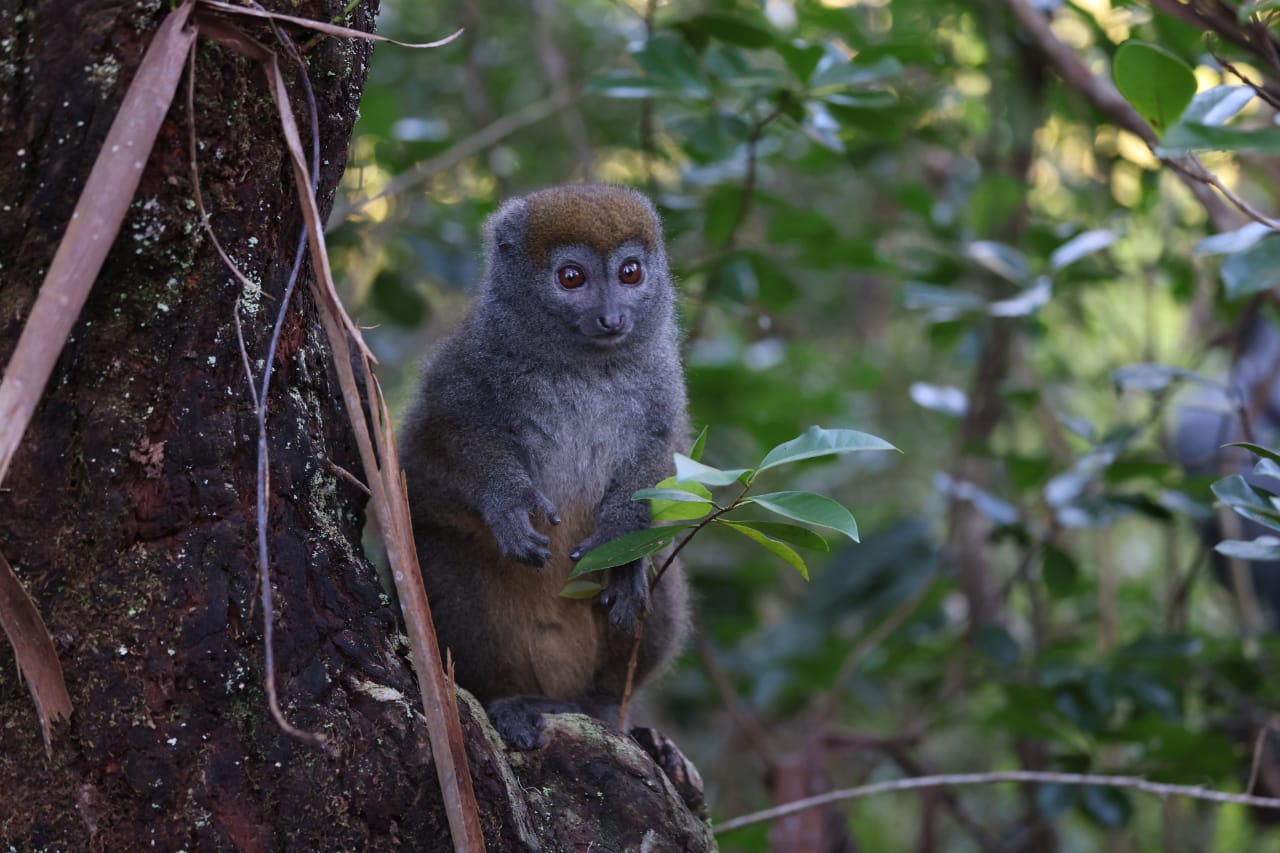
Andasibe: Lemurs & Rainforest Trails
Chameleons at Peyrieras, a walk among the lemurs at Vakona, a guided night walk, and an early start in Analamazaotra, where the indri call most mornings.
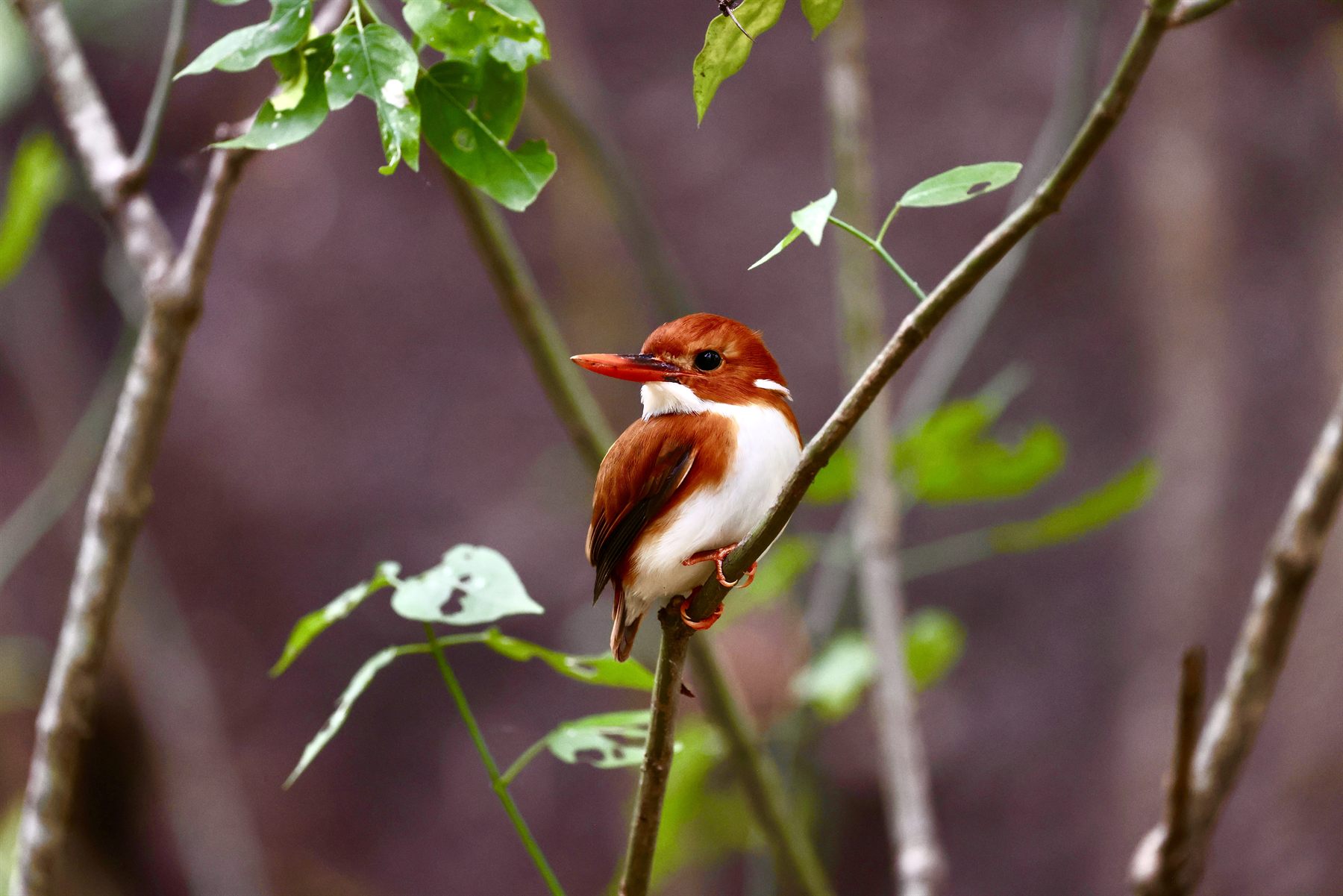
The families found only here, the birds you'll notice without trying, the forests that hold the rare ones, from Andasibe to the spiny forest at Ifaty, and why September to November is the season. Checked in October 2026.
Madagascar has about 300 recorded bird species, and more than 100 of them live nowhere else on Earth. Birders don't come for a long list. They come for four families found only here (the ground-rollers, mesites, asities and tetrakas), for the cuckoo-roller, which shares its one-species family only with the Comoros, and for the vangas and couas, which evolved here into a whole range of bills and habits. The best season is September to November, when many forest birds are breeding and calling.
The classic route runs through the eastern rainforest at Andasibe-Mantadia and Ranomafana, then south-west to Isalo, the Zombitse forest and the spiny forest around Ifaty. Kirindy in the west, Ankarafantsika in the north-west and Masoala in the north-east add birds the south doesn't have. None of our set trips is a dedicated birding tour, but the Classic South follows most of that route, and we can add birding days and a specialist guide to any trip.
Checklist totals depend on the date, taxonomy and whether they include vagrants and introduced birds. Use "about 300 recorded, over 100 endemic" as a rounded planning figure, rather than expecting a trip list of that length. A rainforest morning might add only a few species you particularly wanted.
If you've birded in East Africa, expect fewer species a day and far more of them new. Many are shy and call more than they show themselves, so a guide who knows the calls makes a big difference.
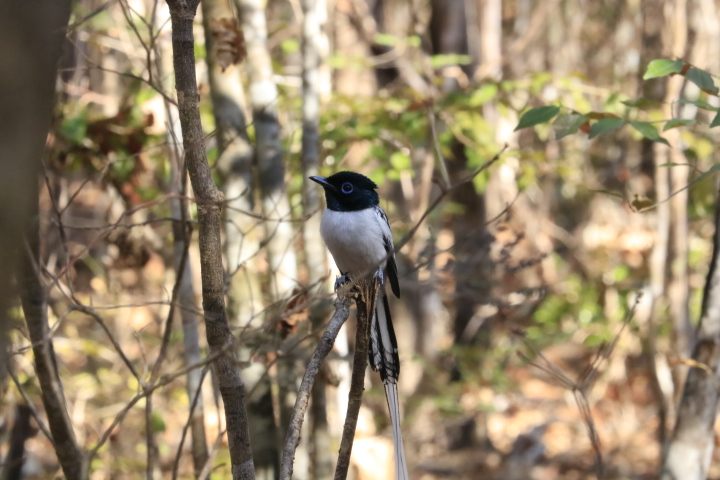
Four of the five ground-rollers live in the east, so this is where a birding trip usually starts.
Andasibe-Mantadia, three to four hours east of Antananarivo, has about 110 species on its list. Around Analamazaotra, the small part of the park where most visitors see the indri, look for the red-breasted coua, the blue coua and the Madagascar crested ibis. Mantadia, 15 to 20 km north, is the bigger, wilder forest, and it's where you have a chance of the rarer birds: ground-rollers, the helmet vanga and, if you're lucky, the Madagascar serpent eagle. Rough Guides says you're much less likely to see those in Analamazaotra, where our set trips spend their Andasibe mornings, so for birders we'd add a day for Mantadia.
Ranomafana, on the road south, is higher and cooler mountain rainforest, with 125 bird species on the national park's list. Birders come for the pitta-like and short-legged ground-rollers, the velvet asity, Pollen's vanga and the very secretive brown mesite. The rufous-headed ground-roller, a bird of mountain forest above about 800 m, is another one to try for here.
On our trips, the 2-day Andasibe trip, from €320 per adult, spends its second morning in Analamazaotra. The Eastern trip, from €1,620, gives Andasibe a full day, and adding a birding guide makes the east a very different trip. The Classic South, from €1,730, has a morning at Andasibe and two nights at Ranomafana.
Tell us your dates and what you would like to see. We reply within 24 hours with a written itinerary and a firm price.
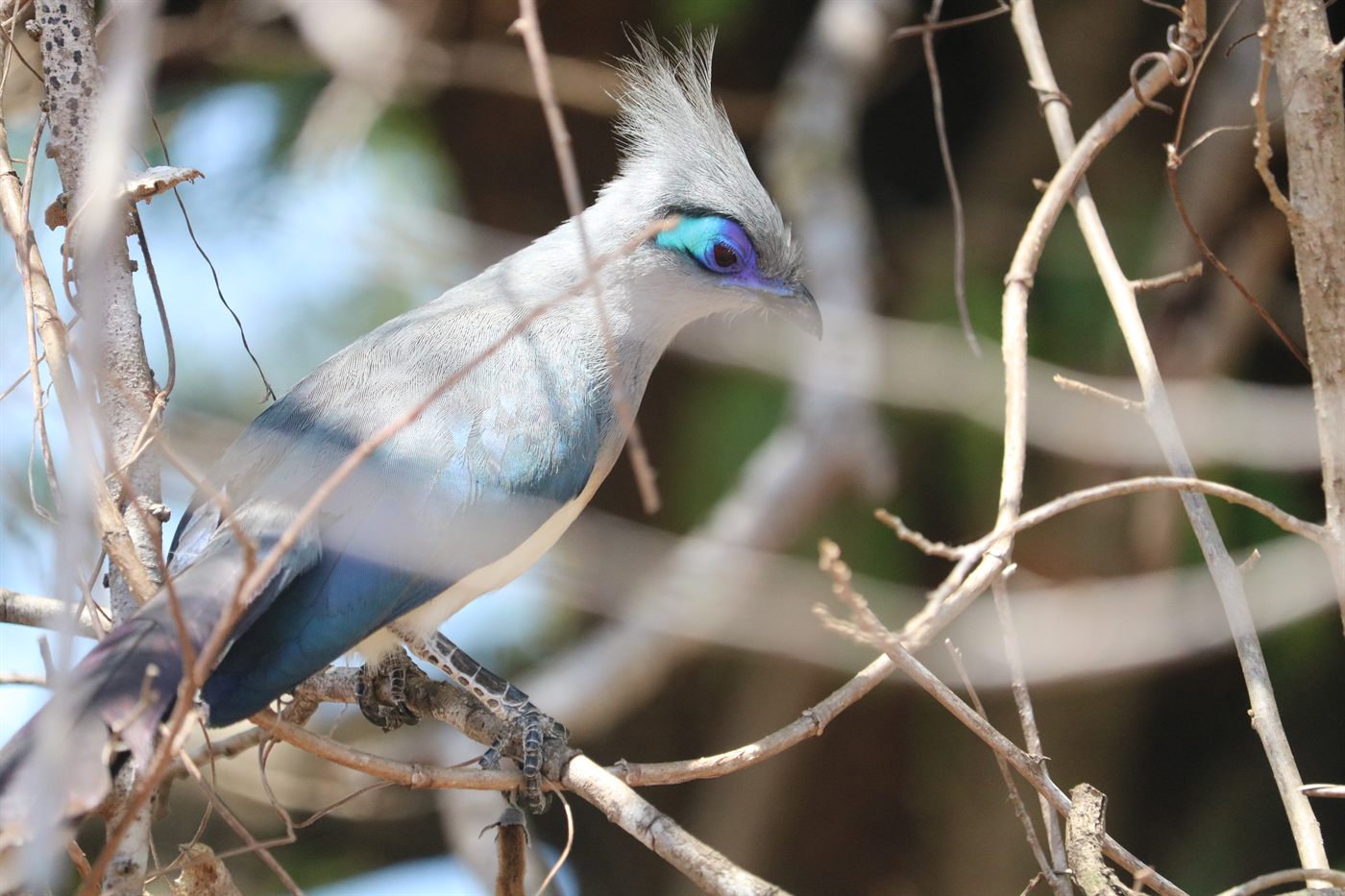
Down the RN7, the forest dries out and the birds change.
The Classic South ends at Ifaty with a free day for snorkelling or the spiny forest. If the ground-roller is the bird you've come for, tell us, and we'll plan that morning around it with a local guide.
How these parks compare for everything else: Madagascar's national parks.
Our birdwatching page recommends September to November. It's the end of the dry season, and many forest birds start breeding and calling: the pitta-like ground-roller breeds mostly from October to February, the long-tailed ground-roller from about October. A calling bird is a bird you can find.
The catch: October and November are hot in the south-west, so the spiny forest is a dawn job. From December the rains build: the eastern forests get wet and the leeches come out, and the Tsingy and much of the west close as the roads turn to mud. May to August still works, especially in the west, where the bare understorey helps, but there's less song. Our month-by-month guide has the rest of the year.
A birding day starts at first light, when the forest birds are busiest, and often ends with a night walk, when owls call. Middays are for driving or resting. Bring good binoculars, which Madagascar National Parks lists for Andasibe.
Every national park visit is with a local park guide, included on our set trips. For a proper birding trip we can plan the route with an ornithologist guide around the species you're after. Ask us what that adds to the price.
Every trip we run is private, from two people, and can be reshaped with extra days for birding or a park swapped. For a birder we'd start from the Classic South and add a day at Mantadia, an early walk at Zombitse on the way to the coast and a dawn in the spiny forest at Ifaty. Send your dates and target list on the booking page or WhatsApp, and we'll reply within 24 hours with a written itinerary and a firm price. For lemurs and chameleons you may meet on the way, see Madagascar's animals.
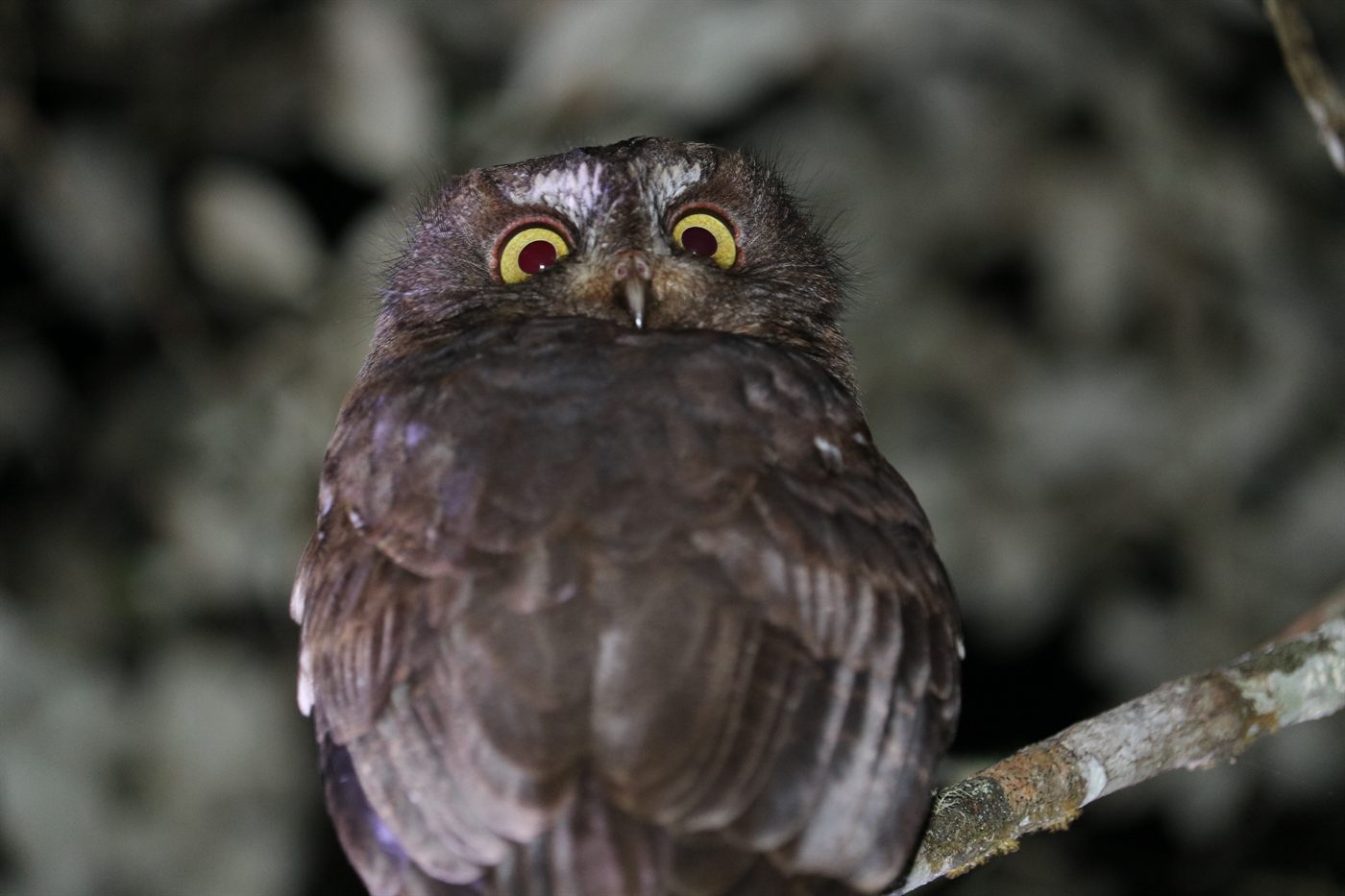
About 300 species have been recorded, and more than 100 of them are found nowhere else. The total changes with taxonomy and the inclusion of migrants and vagrants. Four bird families live only in Madagascar: the ground-rollers, mesites, asities and tetrakas.
Bring binoculars, a light rain jacket for the eastern forests and shoes with grip. Give your guide a short target list before the trip. Several nights in one area can be more useful than a rushed visit to another park, especially when you are trying to find a shy forest species.
September to November, at the end of the dry season, when many forest birds are breeding and calling, which makes the shy ground-rollers easier to find. Some birding operators stretch it into early December. It's hot in the south-west by October, and from December the rains close much of the west.
The classic route covers the eastern rainforest at Andasibe-Mantadia and Ranomafana, then Isalo, the Zombitse forest beside the RN7 and the spiny forest around Ifaty in the south-west. Kirindy, Ankarafantsika and Masoala add species the south doesn't have. Our Classic South trip follows most of the southern route.
Sometimes, with luck and an early start. The long-tailed ground-roller lives only in the spiny forest of the south-west coast, between the Fiherenana and Mangoky rivers, which takes in Mangily by Ifaty. It's a shy bird, so a target on a list is no promise of a sighting. Go at dawn with a local guide, and don't count on it.
Yes. Every trip we run is private and can be reshaped, with extra days for birding and a specialist guide if you want one. Tell us the species you're hoping for, and we'll send a route and a firm price, usually within 24 hours.
Private trips with your own vehicle and driver-guide. Every one can be reshaped around your dates.
Chameleons at Peyrieras, a walk among the lemurs at Vakona, a guided night walk, and an early start in Analamazaotra, where the indri call most mornings.

The classic route done properly: Andasibe, Ranomafana, Anja's ring-tailed lemurs, the canyons of Isalo and the reef at Ifaty.

Indri at Analamazaotra, the Palmarium's approachable lemurs, boat rides on the Pangalanes Canal, then island time on Sainte Marie.
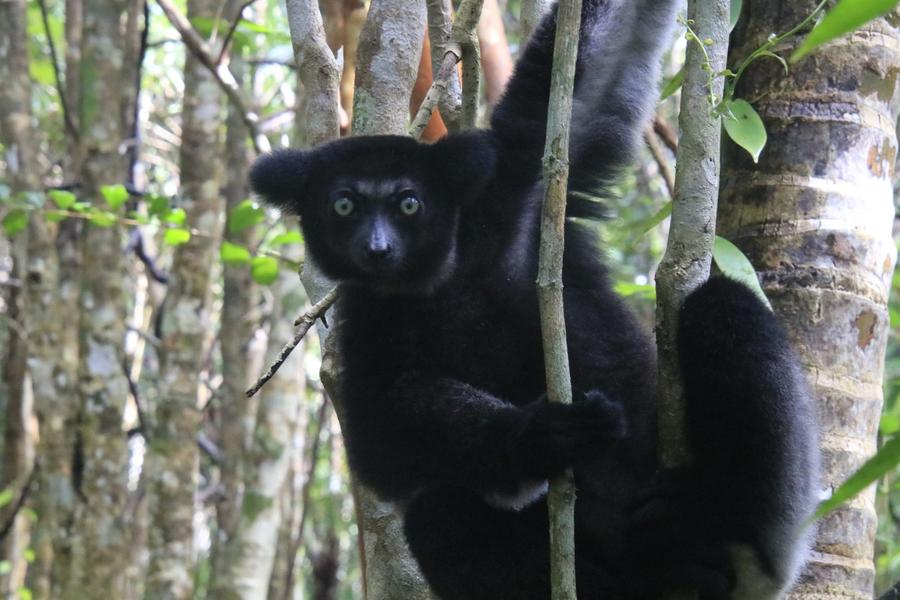
Lemurs, tenrecs, chameleons, frogs, birds, whales and, with luck, the fossa: what you can realistically see in Madagascar, where each lives, and how close you get.
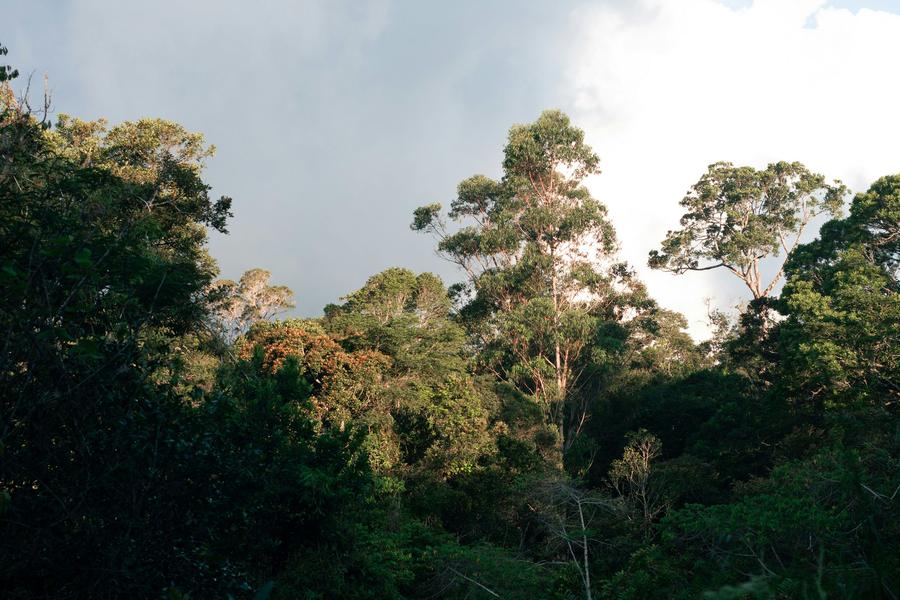
The indri, how to arrange a guided night walk, Mantadia, Vakona and Peyrieras, rain and leeches, and how many days to give Andasibe.
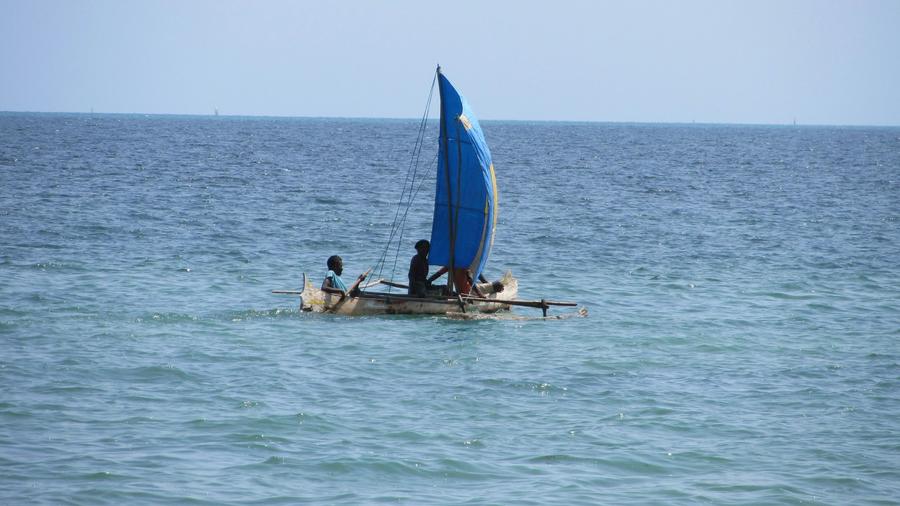
Ifaty's lagoon and reef, the baobabs and birds of the Reniala spiny forest, Tulear and its flights, Anakao by boat, the heat and whale months, and how many nights to stay.
Where Madagascar's rainforest grows, how much is left, what lives in it, the forests you can walk in and how hard each one is, plus the leeches and the best months.

Send your dates and a rough idea. We reply within 24 hours with a written itinerary and a firm price. No deposit to ask a question.