
2 days · East
Andasibe: Lemurs & Rainforest Trails
Chameleons at Peyrieras, a walk among the lemurs at Vakona, a guided night walk, and an early start in Analamazaotra, where the indri call most mornings.
Snakes, crocodiles, spiders, scorpions, leeches, the fossa and the sea, one at a time: what can actually hurt you, how likely it is, and the habits that keep it unlikely. Checked against official and scientific sources in October 2026.
Madagascar has animals that deserve care, including Nile crocodiles, biting or stinging invertebrates and disease-carrying mosquitoes. There are no native big cats, but that doesn't make wildlife safe to handle. Leave snakes and other animals alone, avoid fresh, unchlorinated water and ask a travel clinic about malaria prevention before you go.
The animals worth planning around are small. The CDC identifies malaria transmission throughout the country, with rare transmission in Antananarivo, and stray dogs can carry rabies. After those come a few things that bite or sting, from widow spiders to stonefish, and the currents off some beaches.
Madagascar has more than 80 kinds of snake found nowhere else, and no vipers or cobras. A 2015 paper in the Journal of Venomous Animals and Toxins calls them comparatively harmless and notes that none has venomous front fangs.
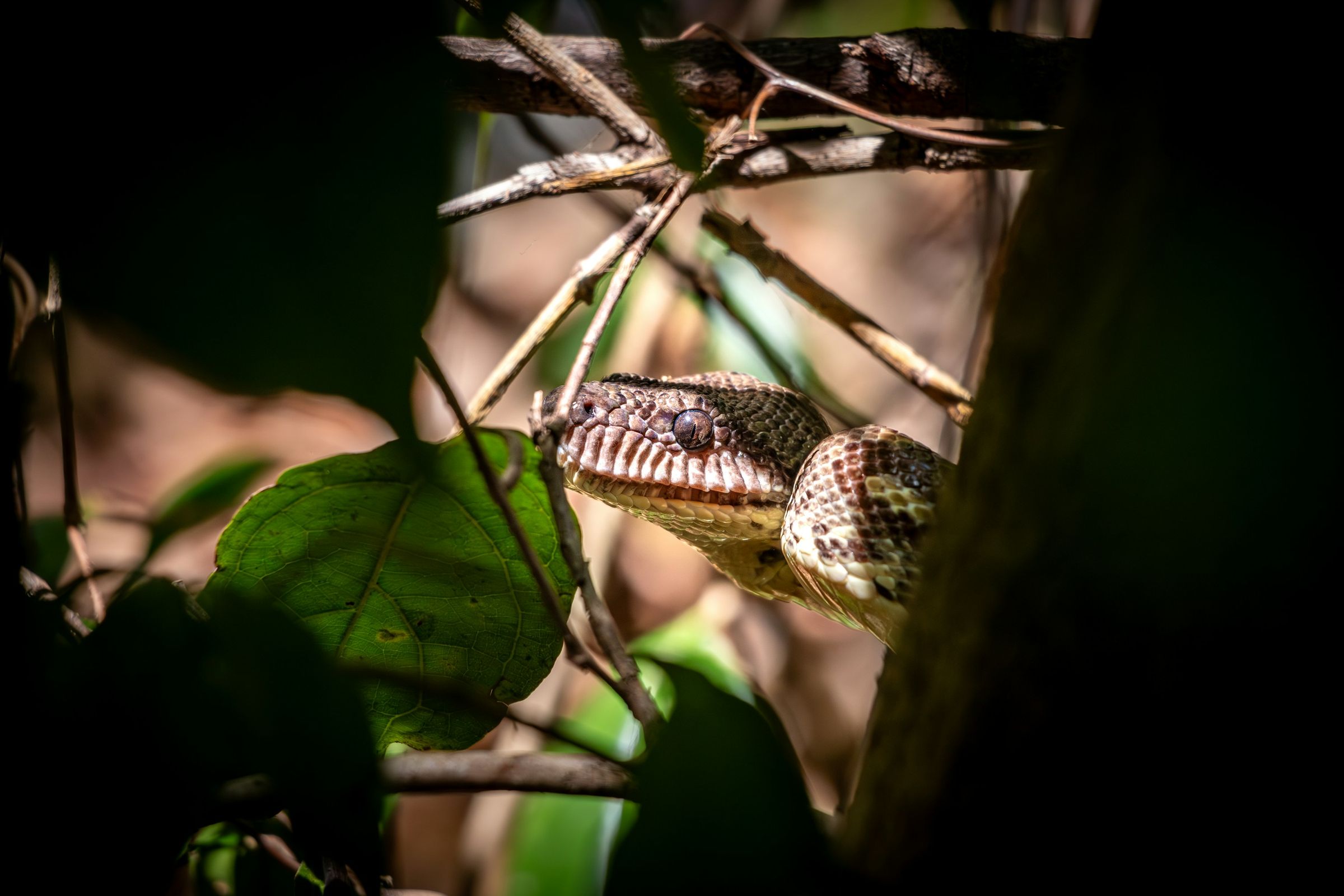
The ones you're likeliest to see are the boas. Like all boas they have no venom and kill small animals by squeezing them. The biggest, the Madagascar ground boa, averages about 2.4 m. On a night walk or in Lokobe on Nosy Be, your guide may find one coiled in a tree or on the forest floor.
A few other snakes have enlarged teeth at the back of the mouth and a mild venom. The same paper describes a bite its authors count among the most serious reported from Madagascar. A herpetologist was holding a giant hognose snake by the neck when it bit his thumb three times. The thumb bled and swelled for five days, and the pain took nine to go. The symptoms stayed local: no fever, no headache.
The yellow-bellied sea snake is venomous and is recorded in Madagascar's waters. On land or at sea, don't handle a snake. A bite needs prompt medical assessment, even when the species is thought to be of low medical importance.
Nile crocodiles live in rivers and lakes across Madagascar. The IUCN's Crocodile Specialist Group names the river and lake systems on the western and north-western sides of the central highlands, and the north-east, as their main areas. They even live underground: at Ankarana, a Madagascar National Parks circuit leads to the Grotte des Crocodiles, along a dark river with Nile crocodiles in it. On Nosy Be they live in some of the crater lakes on the way up Mont Passot.
Hunting has made them scarce, but they still attack people. The specialist group's 2019 account of the species counts 388 attacks documented in Madagascar from 1892 to 2015. People are attacked while swimming, bathing, washing clothes, collecting water, fishing and crossing rivers.
Don't enter water that may contain crocodiles. Local knowledge helps identify hazards, but it doesn't remove the CDC's advice to avoid fresh, unchlorinated water because of schistosomiasis.
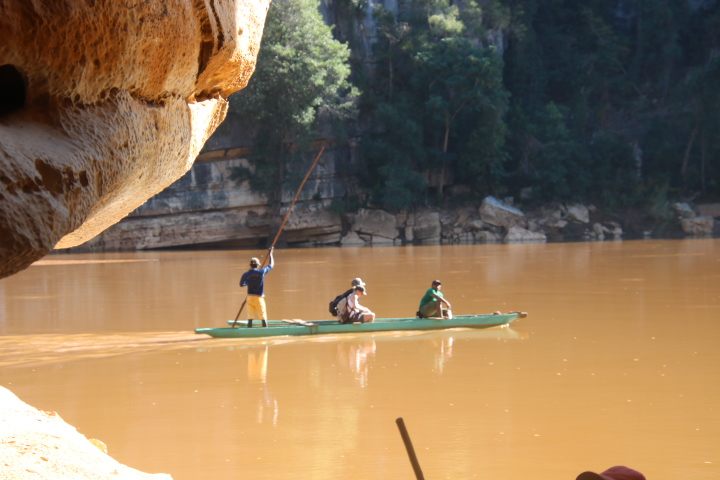
Fresh water has a second catch: bilharzia, a parasite that gets in through the skin. The CDC says it's found in Madagascar and advises against swimming in lakes and rivers. The sea doesn't carry it.
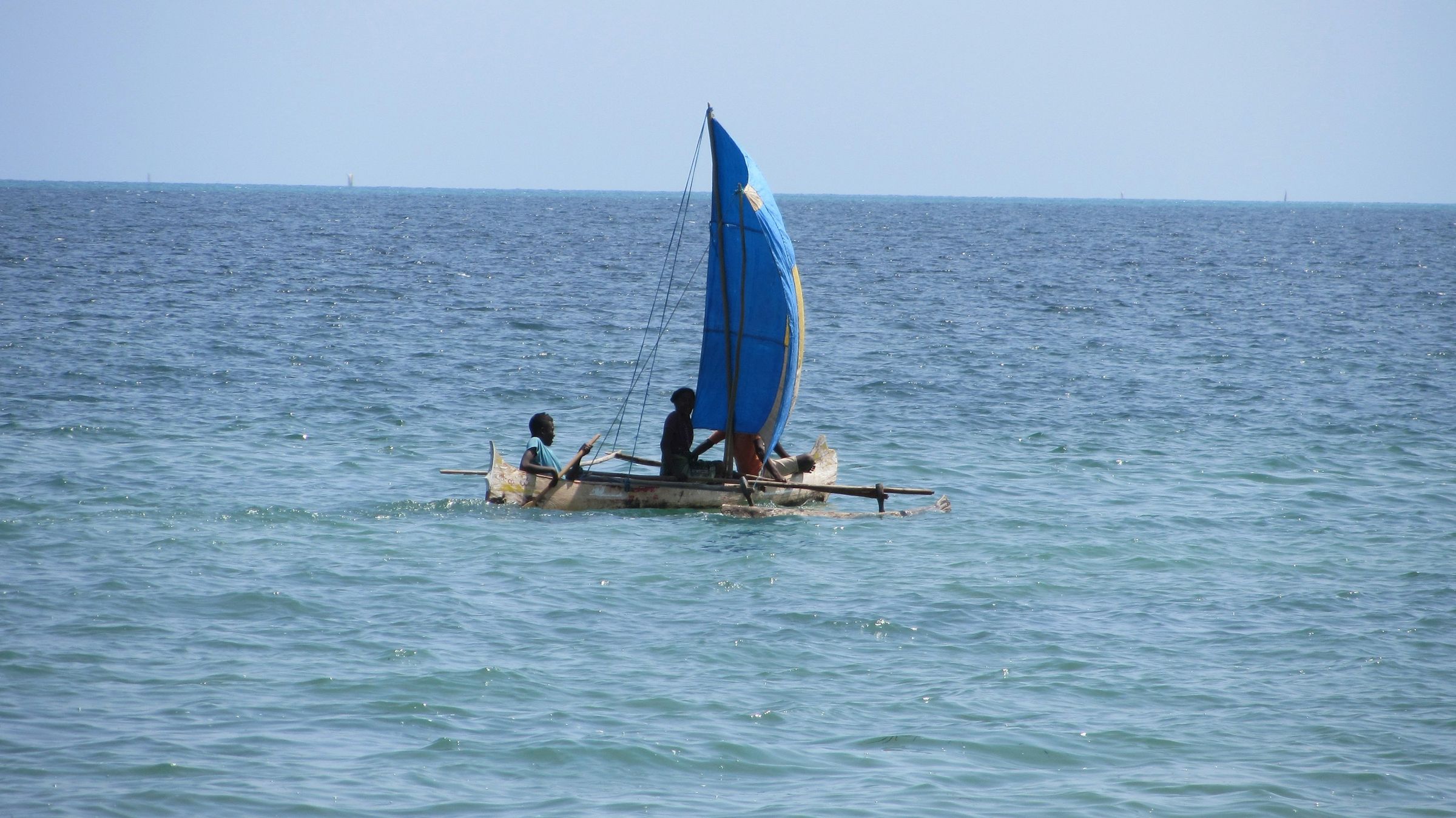
The West Adventure stops to swim in natural pools on its four days down the Tsiribihina, and the Classic South offers a swim at Isalo. The CDC advises avoiding fresh, unchlorinated water even if an itinerary mentions swimming. You can enjoy the walk without getting in. At the time of writing, the UK Foreign Office also advises seeking alternative routes on the Tsiribihina after armed robberies on boats, and we can reshape that trip without the river. Our safety guide has the current advice.
Lions never reached Madagascar, and nor did any other big cat. The biggest native carnivore is the fossa, a slim, cat-like hunter with a tail nearly as long as its body. Males weigh 6.2 to 8.6 kg, and lemurs often make up more than half of what it catches. The island's other carnivores, such as the narrow-striped mongoose, are smaller still.
Keep your distance from any wild carnivore and never feed it. Fossas can take poultry near villages, and fossas are killed when they go after livestock and hunted for meat, and the IUCN lists the species as Vulnerable. Our Kirindy night walk on the West Adventure looks for mouse lemurs, sportive lemurs and possibly the fossa, and "possibly" is the honest word. Our guide to where to see a fossa explains where you'd have the best chance to see one, and Madagascar animals covers the rest.
Tell us your dates and what you would like to see. We reply within 24 hours with a written itinerary and a firm price.
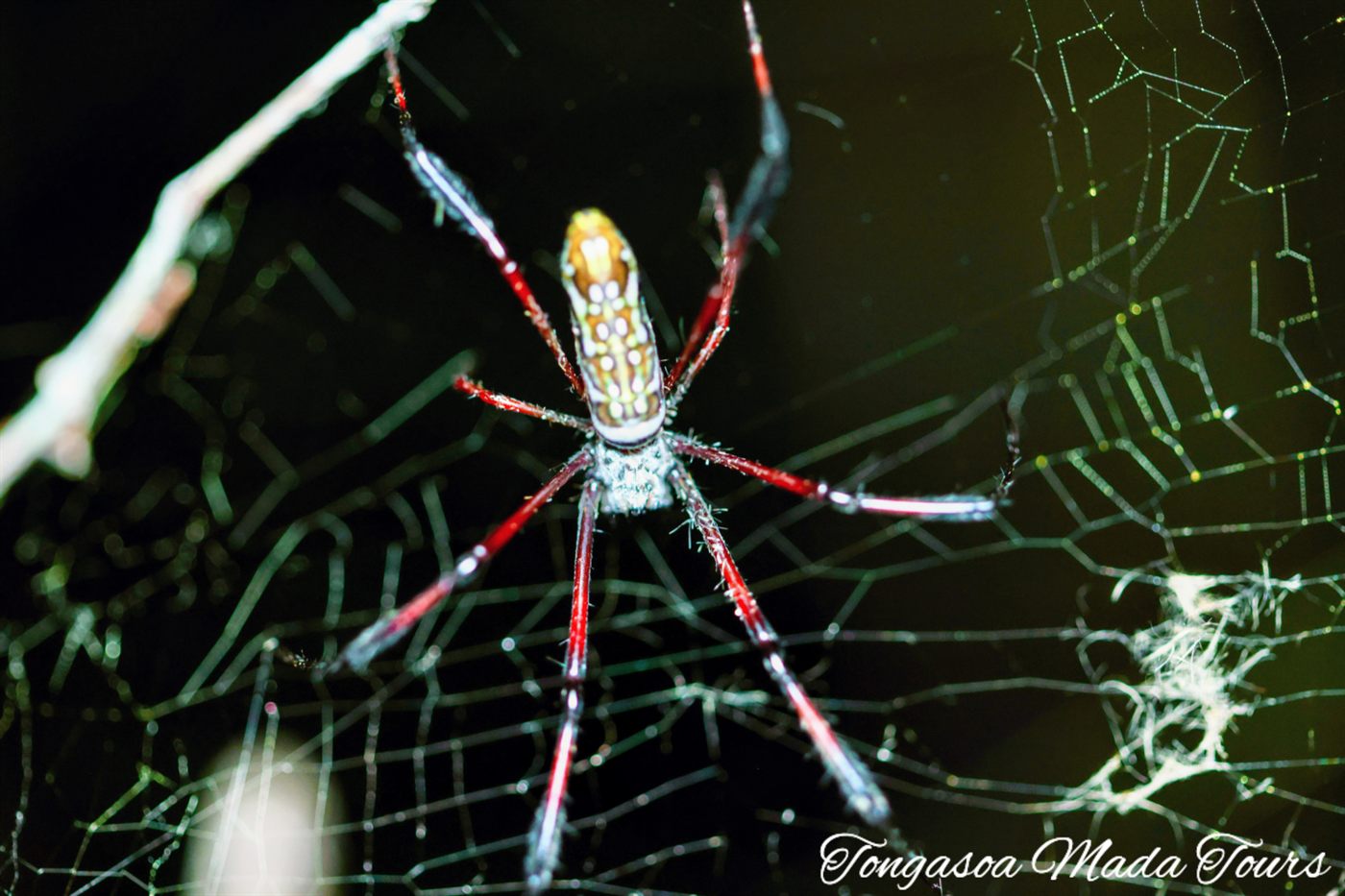
The spider in this photo is a golden orb-weaver. A large web doesn't tell you how medically important a spider is. The Australian Museum describes golden orb-weavers as reluctant to bite, but its advice concerns Australian species, so don't treat it as a guarantee about every spider here.
Madagascar also has widow spiders. Avoid handling any spider and don't put your hands into dark gaps, under rocks or into stored equipment without looking. Shake out shoes left on the floor overnight.
If a bite causes severe or spreading pain, cramps, breathing difficulty or other symptoms, seek medical help promptly. Don't delay while trying to identify the animal or obtain a photograph.
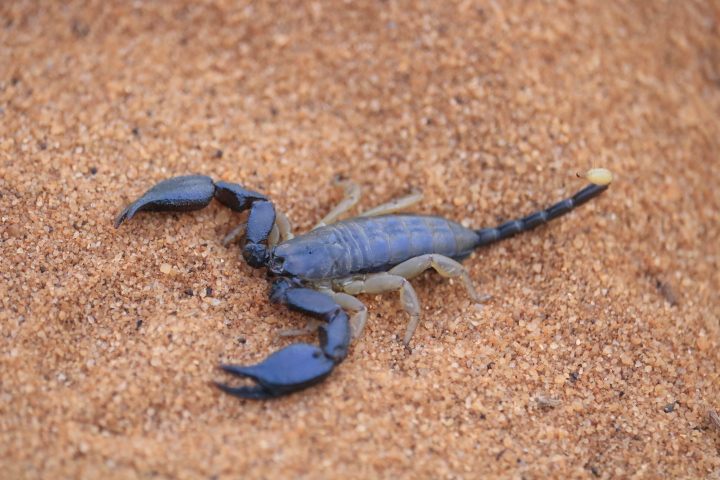
Scorpions and large centipedes are another reason to keep your hands out of holes and shake out your shoes. Don't handle one because a guide or website calls it harmless.
The Scorpion Files, a database hosted by the Norwegian University of Science and Technology, warns that its list of medically important species is incomplete as a guide to every possible risk. Absence from that list doesn't prove that a species cannot cause a serious reaction.
When camping, keep the tent zipped and bags closed. If someone is stung, ask for medical advice promptly, particularly for a child or if symptoms go beyond the sting site. Let a clinician decide what treatment is needed.
Leeches can be an irritation after rain in the eastern forests, including Andasibe and Ranomafana. Long trousers, closed shoes and socks that cover the ankles make a walk more comfortable. Check yourself after the trail.
Avoid scratching bites and keep the skin clean. Ask for medical advice if a wound becomes inflamed or you feel unwell. Our Andasibe and Ranomafana guides cover the walking conditions.
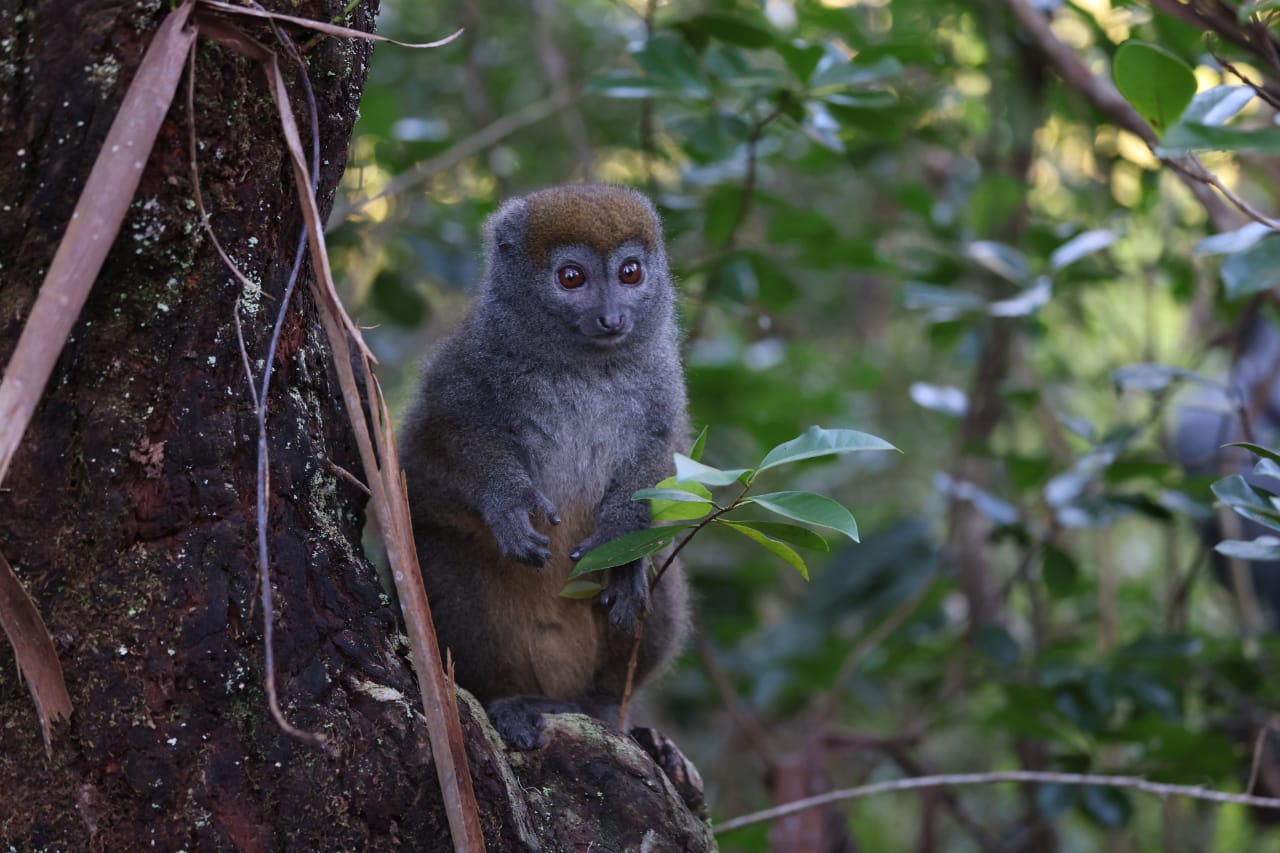
Watch wild lemurs from a distance. Habituation doesn't make an animal safe to touch. Trouble starts where lemurs have learned that people mean food, as some have around the Namaza campsite at Isalo. At Vakona, the private reserve on our 2-day Andasibe trip, habituated lemurs come close on their own.
Madagascar National Parks prohibits feeding wildlife, and the IUCN's primate specialists say not to feed or touch lemurs anywhere: habituated ones can bite, and diseases pass both ways. They suggest staying at least 7 m away. More in where to see lemurs.
Canada's travel advice warns of dangerous coastal waters and common riptides. It also notes sharks, particularly around Toamasina (Tamatave) and Manakara. Follow local-authority warnings and ask about the particular beach before entering the water.
Don't assume a quiet-looking bay has no current. Ask the boat crew or hotel where swimming is permitted, and go with a guide for activities that need one. On a snorkelling trip, say if you're an uncertain swimmer before leaving shore.
Keep your hands and feet off the seabed and reef. Urchins and venomous fish can injure swimmers, and coral is easily damaged. Footwear doesn't make it safe to walk on a reef. A serious sting or puncture wound needs prompt medical assessment.
Give turtles and other marine animals space. A good photograph isn't a reason to block an animal's route to the surface.
Mosquito bite prevention deserves a place in every itinerary. As checked on 17 October 2026, the CDC's Madagascar advice recommends prescription malaria prevention for travel outside Antananarivo. Transmission in the capital is rare, but bite precautions still apply there.
Talk to a travel clinician about the right medicine for your route and medical history. Take it on the prescribed schedule, including any doses before and after the trip. A short forest visit still needs that discussion.
Use insect repellent as directed, wear long sleeves and trousers, and choose screened or air-conditioned rooms or a suitable bed net. Some mosquito-borne infections involve daytime bites, so protection isn't only for evenings.
Seek urgent medical advice for fever during or after the trip and mention that you've been in Madagascar. Our vaccinations and malaria guide explains what to discuss with the clinic.
None of this should keep you out of the forest. Our 2-day Andasibe trip, from €320 per adult, is the short way in: Peyrieras for chameleons, the lemurs at Vakona, a night walk, then the indri in Analamazaotra next morning. Send your dates on the booking page, and a real person in Antananarivo replies, usually within 24 hours.
Photos: David Bruyndonckx and Antonio Sánchez on Unsplash.
Yes. Nile crocodiles occur in some rivers and lakes, mosquitoes can transmit malaria, and bites or stings need care. Don't handle wildlife. The CDC advises avoiding fresh, unchlorinated water because of schistosomiasis, regardless of whether local people swim there.
Some land snakes have rear fangs and can cause painful bites. A published Malagasy hognose snake case involved local swelling and pain, so 'comparatively harmless' doesn't mean safe to handle. The boas are non-venomous. The venomous yellow-bellied sea snake is also recorded in Madagascar's waters. Any snakebite needs prompt medical assessment.
Yes. Nile crocodiles live in rivers and lakes, mostly in the west, the north-west and the north-east, and even in caves at Ankarana. Hunting has made them scarce, but the IUCN's Crocodile Specialist Group counts 388 attacks on people documented in Madagascar from 1892 to 2015. Avoid entering fresh, unchlorinated water. Local reassurance doesn't remove crocodile hazards or the CDC's schistosomiasis precaution.
Madagascar has widow spiders, so don't assume every spider is harmless. Avoid handling spiders, shake out shoes and look before putting a hand into a dark gap. Seek prompt medical help after a bite that causes severe pain, cramps, breathing problems or other symptoms.
Treat it as a wild carnivore. Keep your distance, don't feed or approach it, and follow the guide's instructions. A glimpse of a fossa on a Kirindy walk comes with luck. Its usual prey includes lemurs and other animals, but that isn't a reason to approach it.
Conditions vary by beach and day. Canada's travel advice says riptides are common and sharks are present, particularly around Toamasina and Manakara, so ask your hotel where it's safe. Fresh water is different: crocodiles live in some rivers and lakes, and the CDC advises against swimming in them because of bilharzia.
For planning a trip, mosquito-borne disease deserves particular attention. The CDC recommends malaria prevention medicine for travel outside Antananarivo, where transmission is rare. Ask a travel clinician about your itinerary, use repellent as directed and protect against bites during the day as well as in the evening.
Private trips with your own vehicle and driver-guide. Every one can be reshaped around your dates.
Chameleons at Peyrieras, a walk among the lemurs at Vakona, a guided night walk, and an early start in Analamazaotra, where the indri call most mornings.

The classic route done properly: Andasibe, Ranomafana, Anja's ring-tailed lemurs, the canyons of Isalo and the reef at Ifaty.
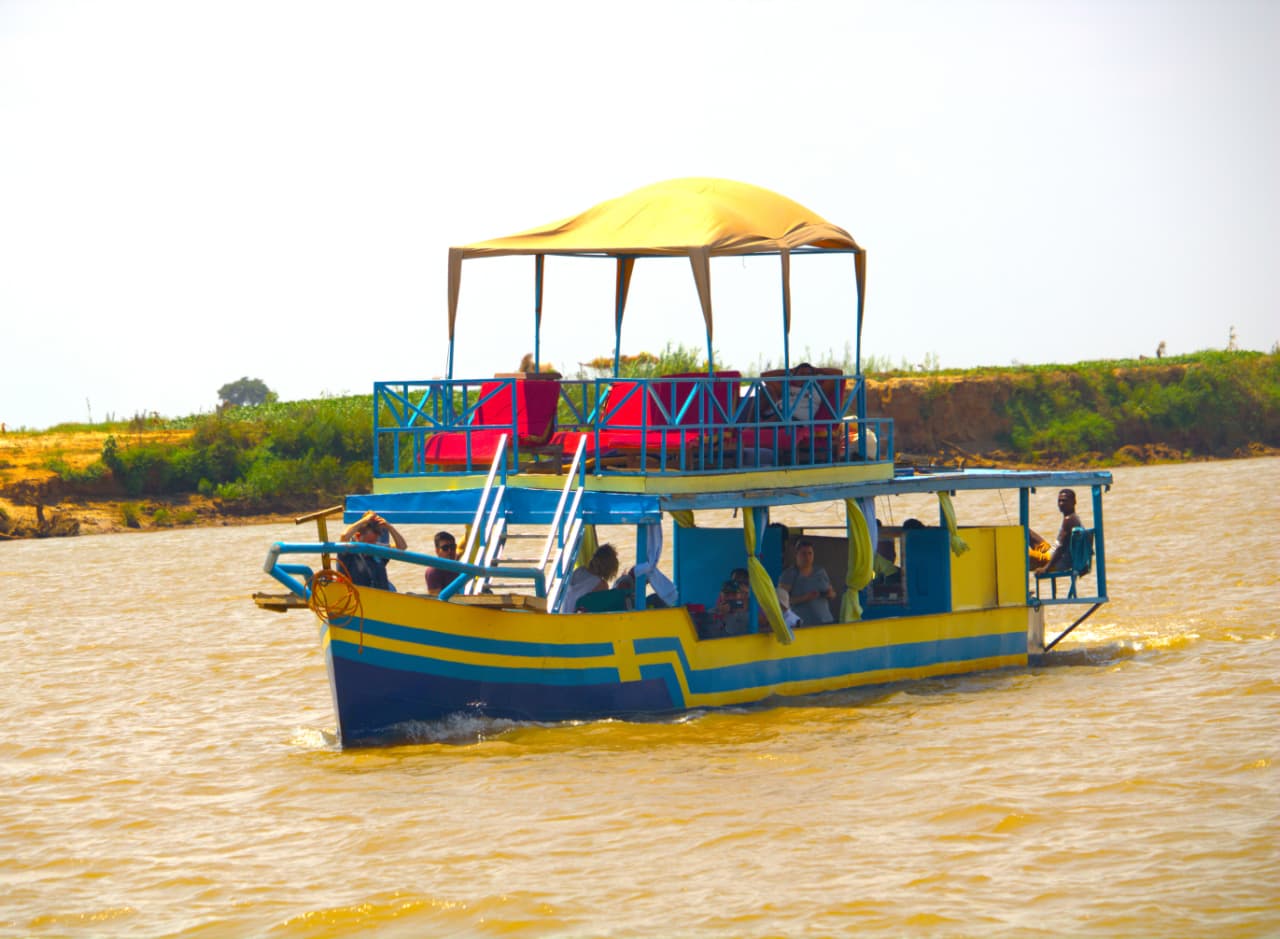
Four days drifting down the Tsiribihina with camps on the riverbank, then the Grand Tsingy, Kirindy's nocturnal forest and the baobabs.
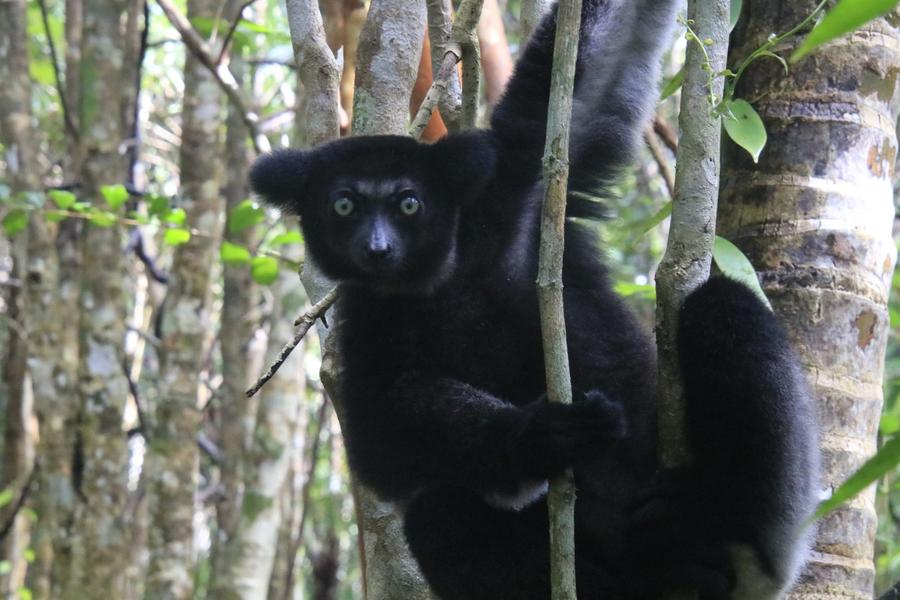
Lemurs, tenrecs, chameleons, frogs, birds, whales and, with luck, the fossa: what you can realistically see in Madagascar, where each lives, and how close you get.
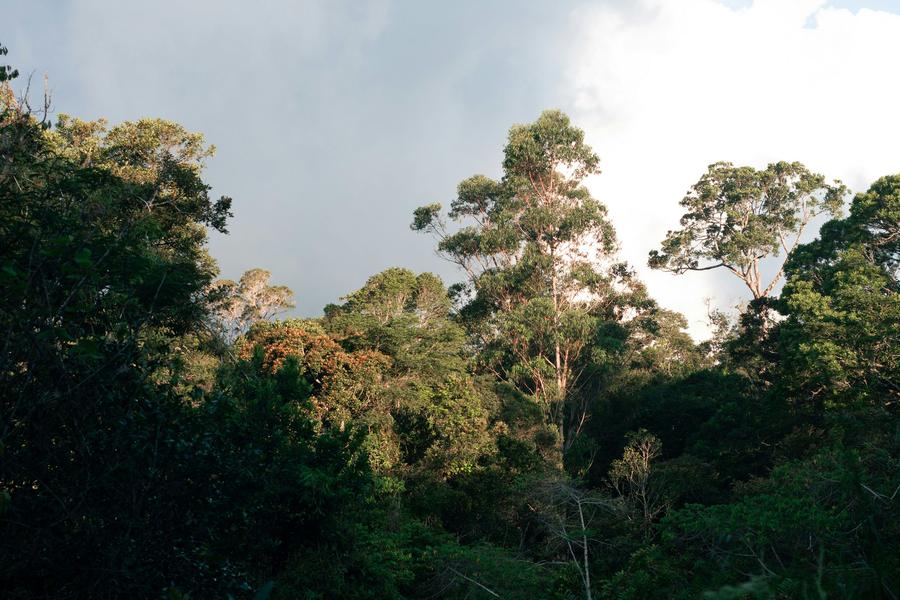
The jabs the CDC and the UK recommend, the yellow fever certificate rule, malaria by region and season, the tablets, rabies, bilharzia, plague and evacuation cover.
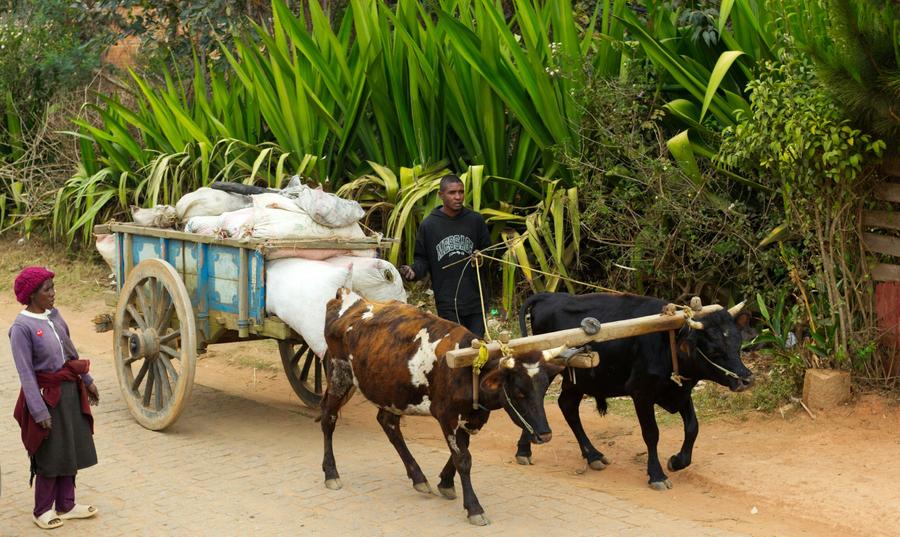
What the US, UK, Canadian and French advisories say (October 2026), and what to actually do about crime, night roads, malaria and cyclones.
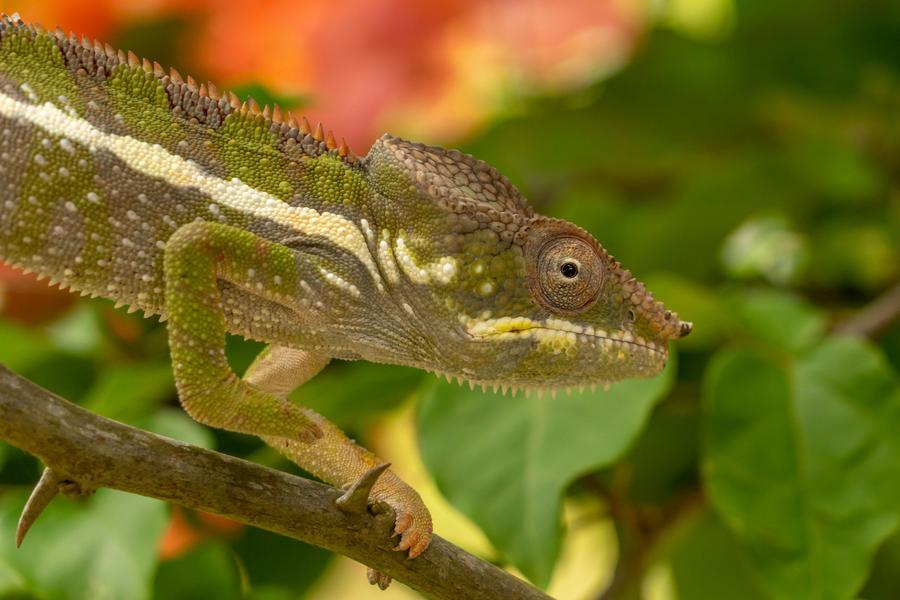
Panther, Parson's and leaf chameleons: where to find them, how the night walks work, what the colours really mean, and the months they're most active.

Send your dates and a rough idea. We reply within 24 hours with a written itinerary and a firm price. No deposit to ask a question.