
2 days · East
Andasibe: Lemurs & Rainforest Trails
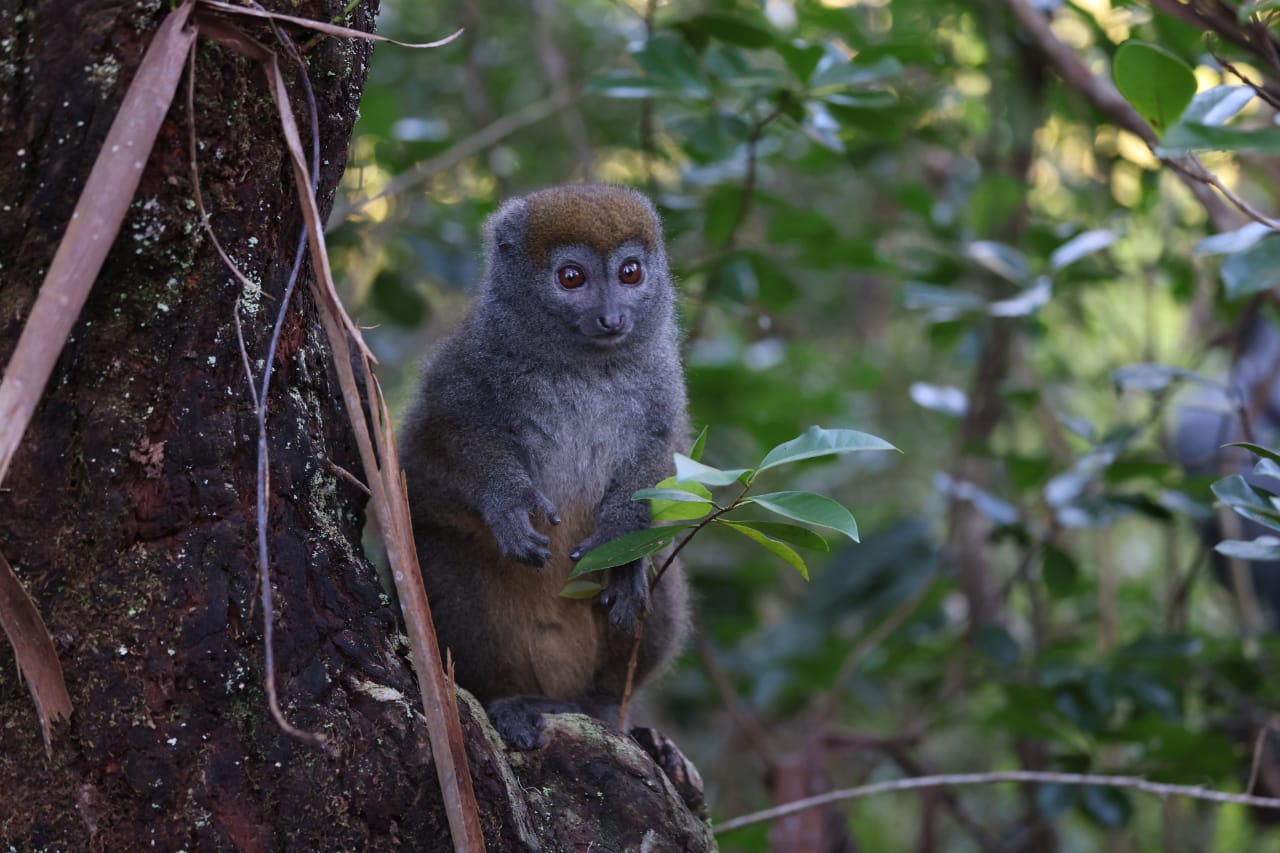
Chameleons at Peyrieras, a walk among the lemurs at Vakona, a guided night walk, and an early start in Analamazaotra, where the indri call most mornings.
What the US CDC and the UK's TravelHealthPro advised in October 2026, set against the regions and months our trips cover. We're a tour operator, not doctors, so take this to a travel clinic six to eight weeks before you fly.
Entry certificates depend on your route and circumstances: yellow fever rules apply to some arrivals, and the FCDO also flags a possible polio certificate requirement. The US CDC and the UK's TravelHealthPro advise checking routine vaccines and discussing hepatitis A and typhoid, with hepatitis B and rabies depending on your circumstances. Malaria is the bigger decision: the CDC describes transmission throughout Madagascar, with rare transmission in Antananarivo, and recommends tablets for the rest of the country. In practice, that means any trip that leaves the capital.
This is where the official advice stood on 17 October 2026, next to the places our trips go. It isn't medical advice. See a travel clinic or your GP six to eight weeks before you leave, and take your itinerary.
What the CDC and TravelHealthPro (the UK's National Travel Health Network and Centre, NaTHNaC) recommended in October 2026:
In the UK, hepatitis A, typhoid and polio jabs are free on the NHS from your GP, while hepatitis B, rabies and yellow fever aren't routinely available on the NHS, so you'll usually pay a travel clinic. Some need doses spaced days or weeks apart, which is why the UK Foreign Office says to check at least eight weeks before you go.
There's no yellow fever in Madagascar, but there is a certificate rule. You need proof of vaccination if you're nine months or older and arriving from a country with yellow fever risk, or after more than 12 hours in transit at an airport in one, say the CDC, WHO and TravelHealthPro. A journey from Europe through Paris, Réunion or Mauritius normally doesn't trigger the yellow fever rule, but earlier travel history can change that.
The routes to check run through Africa. Ethiopia and Kenya are both on the CDC's list of risk countries, so under the rule as written a short connection in Addis Ababa or Nairobi doesn't count, but a layover of more than 12 hours does, and so does a safari in Kenya first. The yellow fever certificate is valid for life, but starts 10 days after a first vaccination. Ask the clinic whether vaccination is suitable for you. Our visa guide covers the rest of the arrival paperwork.
Polio is the one to watch. The UK Foreign Office says a polio certificate may be needed "in some circumstances", but in October 2026 TravelHealthPro listed no polio requirement for visitors and said that could change. Its advice for now is a booster for a few groups, such as long stays by people who can't have the oral vaccine, recorded on the same yellow certificate.
The CDC lists malaria transmission throughout Madagascar, with rare transmission in Antananarivo. It's mostly P. falciparum, and resistant to chloroquine. TravelHealthPro calls the risk high, and France says cases have been rising since 2012 and are most common on the coasts.
A study of Madagascar's surveillance data (Howes and colleagues, 2016) found the highest transmission on the east and west coasts, all year round, and lower levels broken by outbreaks in the central highlands and the dry south. Season matters less than people hope. Cases rise with the rains, which run roughly November to March. In that study the high season ran from December to April, with the peak in April and May across most of the island and around February on the east coast. The dry months are quieter, but the CDC's advice doesn't change with them.
Along a typical route:
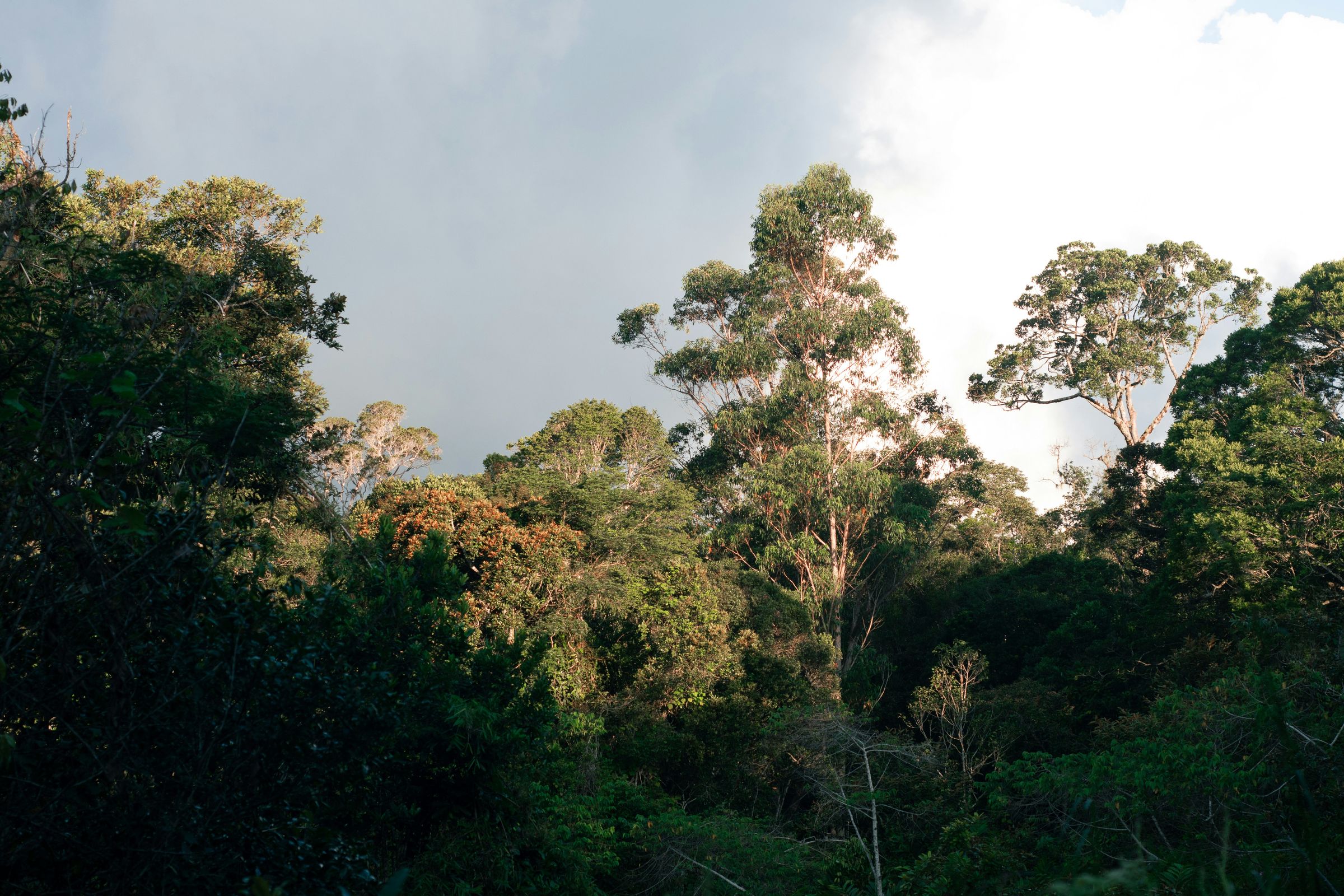
Our Classic South shows how it works. It starts in the rainforest at Andasibe and ends on the coast at Ifaty, so you'd be on tablets for the whole trip, and for as long after as your course runs.
The CDC lists atovaquone-proguanil, doxycycline, mefloquine and tafenoquine for Madagascar. TravelHealthPro lists the first three. They aren't interchangeable: your clinician chooses according to your age, medical history and other medicines. Some are daily and others weekly, and the start and finish dates differ.
Ask the clinic to write down when you start, what you take each day or week, and how long you continue after leaving the risk area. Tell them about every part of the route, including a few beach days after the tour. Don't stop the course because the road trip has ended.
Children need a separate assessment and doses based on weight. Pregnancy also changes the decision. Don't use another traveller's prescription as a guide.
Bring the full course from home. No tablet gives complete protection, so bite avoidance matters too. A fever during the trip or in the year after travel needs urgent medical attention, with your Madagascar travel history explained.
Tell us your dates and what you would like to see. We reply within 24 hours with a written itinerary and a firm price.
The mosquitoes that carry malaria feed mainly between dusk and dawn, the CDC says, which is exactly when the night walks happen. The ones that spread dengue and chikungunya bite by day, and TravelHealthPro reported chikungunya cases in Mahajanga and Toamasina in early 2026.

Dogs infected with rabies are common in Madagascar, according to the CDC, and treatment after exposure may only be available in larger towns. That makes distance from care part of the vaccination decision. Show your clinic the route, including remote lodges and the time spent away from Antananarivo.
Pre-travel vaccination doesn't remove the need for treatment after a bite or scratch. Wash the wound thoroughly with soap and water and seek medical care immediately. Don't wait until you reach the next planned overnight stop.
Leave animals alone, including habituated lemurs. A close encounter at a private reserve doesn't make handling or feeding safe. Our lemur safari page explains the difference between forest visits and habituated animals.
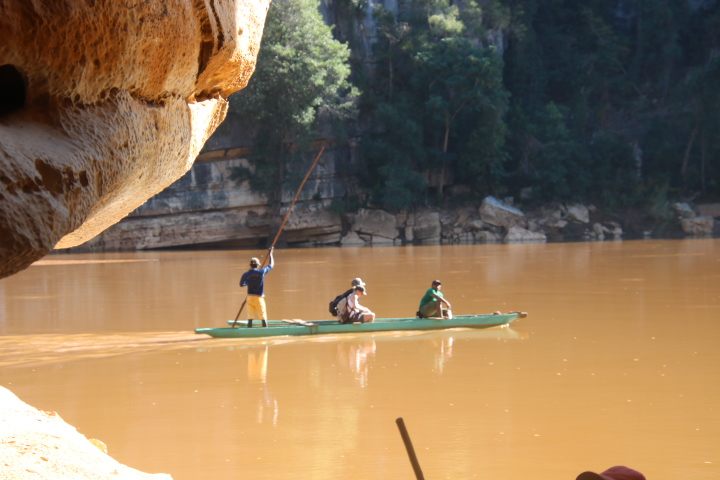
Schistosomiasis, or bilharzia, is found in Madagascar. The parasite gets in through the skin, and the CDC advises against swimming in fresh water that isn't chlorinated, lakes and rivers included. The parasite isn't transmitted in salt water, and the CDC says to treat any local claim that a fast-flowing river is free of it with scepticism.
The honest trade-off: our Classic South includes a swim in one of Isalo's natural pools, and the 10-day West Adventure stops at natural pools along the Tsiribihina. The health advice still applies to these pools. Plan to skip freshwater swimming and discuss any exposure with your clinic. If you do swim, TravelHealthPro advises a health check when you get home. Bilharzia isn't transmitted in the sea at Ifaty, although swimming and boat safety still need care.
The CDC lists plague among Madagascar's health risks. Infection can follow an infected flea bite or contact with infected animals, and the pneumonic form can spread between people. Use bite precautions and keep away from sick or dead animals. A fever or other worrying illness needs prompt assessment, with your travel history explained.
TravelHealthPro also carried an ongoing mpox alert when checked for this guide. Its outbreak page is more useful than a case count copied here, because the picture changes. Ask your clinician whether your activities call for vaccination or other precautions.
The FCDO says all arrivals complete a health declaration and undergo screening under Madagascar's Ebola measures. Recent travel through an affected country can mean refusal of entry, subject to exemptions. Check the rule against your full journey before buying tickets, including any stopover or safari.
Your airline and a travel clinic should check the route with you. Our visa guide covers the paperwork and our safety guide links to current government advice.
Tap water isn't safe, says the UK Foreign Office: drink bottled or boiled water and skip the ice. For food, Canada uses the old rule: boil it, cook it, peel it or leave it. Pack your own medicines for the whole trip, with some spare, and check the rules on each, which the FCDO says can differ from the UK's.
Sort this out first. Hospitals in Antananarivo can only handle routine operations, says the FCDO, and for complex surgery patients are flown to Mauritius, South Africa or Réunion. Canada calls care limited in the capital and extremely limited outside it, and says a serious illness or accident will mean evacuation. Private clinics expect cash up front.
So buy travel insurance that covers medical evacuation by air, with any existing conditions declared, and keep some money you can reach quickly. For an ambulance, the FCDO gives 117 from a mobile. On a private trip the vehicle and driver-guide are yours every day, so if someone feels unwell, changing the plan or heading for the nearest town is your call, not a bus timetable's.
Travelling with us, your written itinerary gives the route day by day, which is what the clinic needs. Still choosing? Send your dates on WhatsApp or by email and we'll tell you which regions a trip would cover.
Photos: Sandy Ravaloniaina, Ingeborg Korme and Brent Ninaber on Unsplash.

A yellow fever certificate is required for some arrivals, including after more than 12 hours in transit in a yellow fever risk country. The FCDO also says a polio certificate may be required in some circumstances, so check your route with a travel clinic. For a direct journey from Europe through Paris, Réunion or Mauritius, the yellow fever rule normally doesn't apply; earlier travel history can change that. Recommended vaccines are a separate question from entry certificates. Ask a clinic to check routine vaccines, hepatitis A and typhoid, and any other vaccines relevant to you. See a travel clinic six to eight weeks ahead.
For most trips, yes. The CDC says malaria transmission is rare in Antananarivo and occurs throughout the rest of the country, and recommends tablets (atovaquone-proguanil, doxycycline, mefloquine or tafenoquine) for the rest of the country, in every month. That includes two days in the rainforest at Andasibe. Risk is highest on the coasts and rises with the rains. A travel clinic will help you choose.
Very little. The CDC says transmission in the capital is rare and recommends no tablets for Antananarivo itself, only protection against bites. Once you leave the city, though, it recommends tablets everywhere else in the country.
Ask your clinic. Dogs infected with rabies are common in Madagascar and treatment may be hard to reach outside larger towns. Your route and activities affect the case for pre-travel vaccination. Vaccination doesn't remove the need for urgent treatment after a bite or scratch.
Plague is among the risks listed by the CDC for Madagascar. Avoid flea bites and contact with sick or dead animals. Seek prompt medical care if you become unwell and tell the clinician where you've travelled. Check current alerts with your travel clinic before departure.
Private trips with your own vehicle and driver-guide. Every one can be reshaped around your dates.
Chameleons at Peyrieras, a walk among the lemurs at Vakona, a guided night walk, and an early start in Analamazaotra, where the indri call most mornings.

The classic route done properly: Andasibe, Ranomafana, Anja's ring-tailed lemurs, the canyons of Isalo and the reef at Ifaty.
What the US, UK, Canadian and French advisories say (October 2026), and what to actually do about crime, night roads, malaria and cyclones.
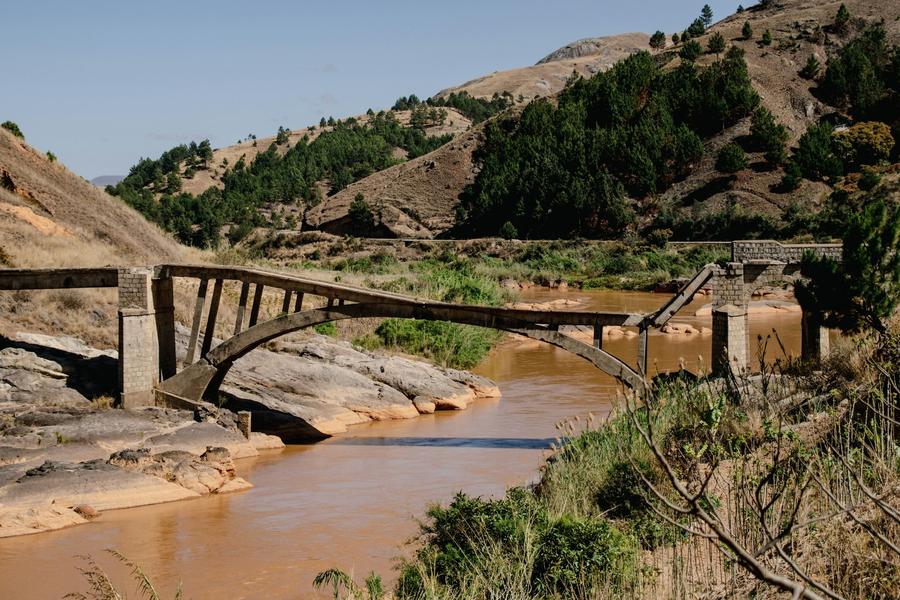
The visa, cash and the ariary, malaria and water, slow roads, power cuts and SIM cards, fady and photos, packing, tipping and the seasons: what to know before a first trip.
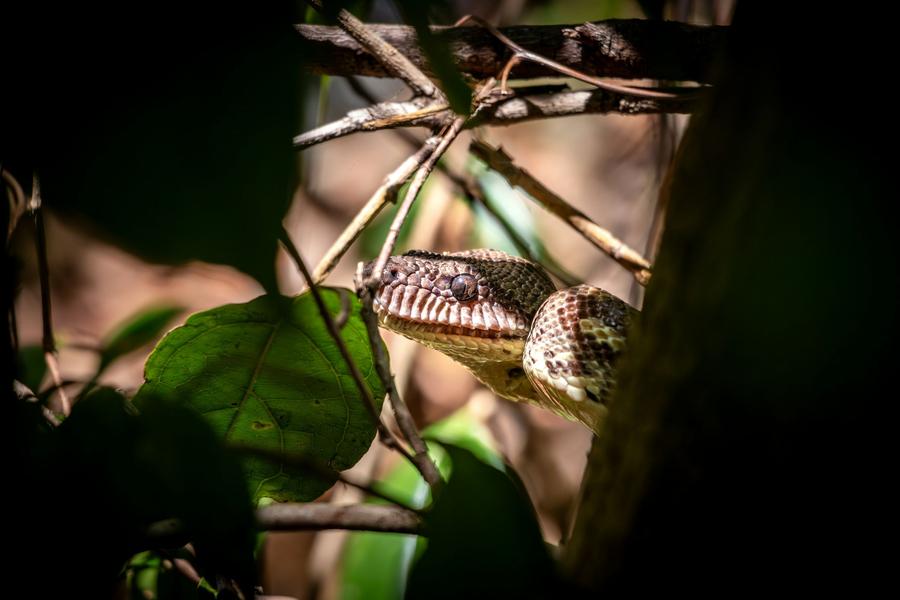
Snakes and boas, crocodiles, spiders, scorpions, leeches, the fossa, the sea and the mosquito: what can actually hurt you in Madagascar, and the habits that prevent it.

Send your dates and a rough idea. We reply within 24 hours with a written itinerary and a firm price. No deposit to ask a question.