
2 days · East
Andasibe: Lemurs & Rainforest Trails
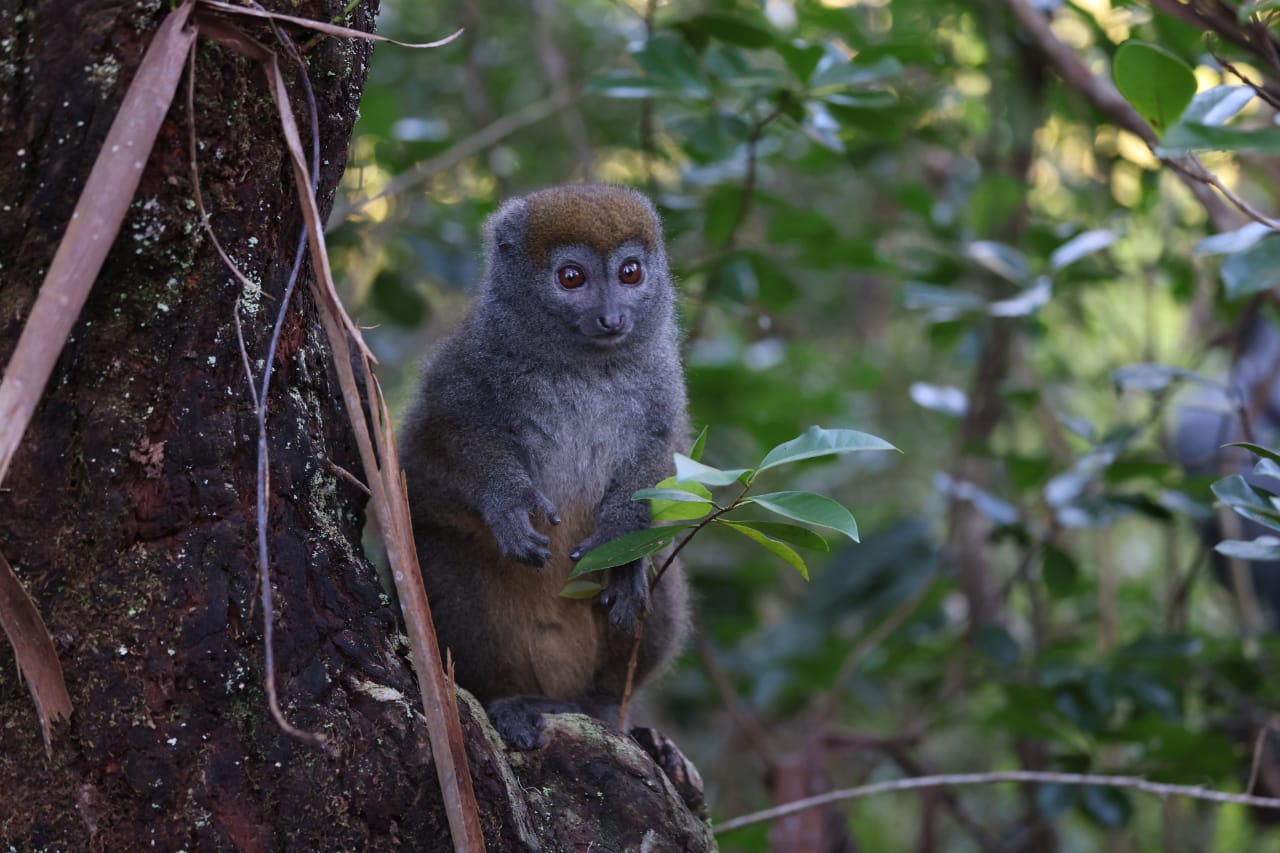
Chameleons at Peyrieras, a walk among the lemurs at Vakona, a guided night walk, and an early start in Analamazaotra, where the indri call most mornings.
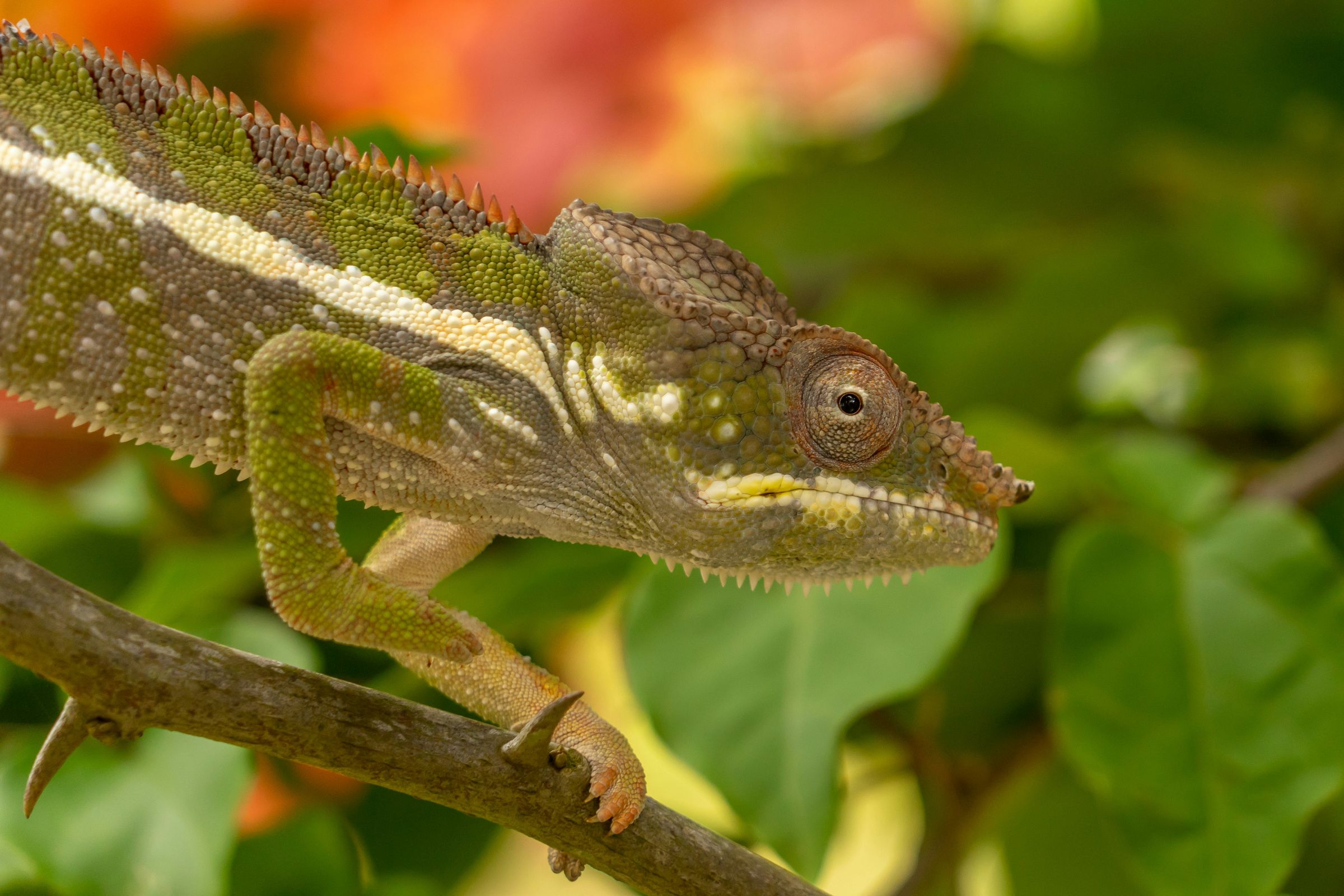
Nearly half the world's chameleon species live in Madagascar. The ones you're likely to meet, where to look, from Peyrieras and Andasibe to Lokobe on Nosy Be, how the night walks work, what the colours mean and the months they're most active.
Nearly half the world's chameleon species occur in Madagascar. The easiest place to see them is Andasibe, three to four hours east of Antananarivo: stop at the Peyrieras reserve on the way for close-ups, then go out on a night walk, when chameleons sleep at the ends of twigs and show up in the torchlight. In the north, look for panther chameleons at Montagne d'Ambre and Lokobe on Nosy Be, and for some of the smallest leaf chameleons known there and at Ankarana. They're most active in the warm, wet months, November to March.
Chameleons move slowly, which helps, but nobody can promise you a particular species. Our 2-day Andasibe trip is the short version: Peyrieras on the way out, a guided night walk, and Analamazaotra, the indri's park, next morning. It's private, from €320 per adult. For the north, the 11-day Northern Madagascar trip gives a day each to Montagne d'Ambre and Ankarana, then a morning at Lokobe.
The Reptile Database's totals change as scientists describe and reclassify species. Nearly half occur in Madagascar: Brookesia nana, which may be the smallest reptile in the world, was only named in 2021.
The main groups visitors hear about are Calumma, which includes Parson's chameleon, Furcifer, which includes the panther chameleon and Oustalet's, and the small leaf chameleons, Brookesia. Learn those names before trying to memorise a long species list.
For the lemurs, frogs and everything else, see our guide to Madagascar's animals.
The leaf chameleons, genus Brookesia, are a Madagascar speciality. By day they keep low, some of them on the ground among the dead leaves, and at night they climb onto low twigs to sleep, some species only 5 to 10 cm off the ground. Researchers look for them the way you will: at night, with torches and headlamps.
The tiniest live in the far north. Brookesia nana, from the Sorata massif, may be the smallest reptile on earth: the male is 21.6 mm long, tail included. You won't meet that one, but close relatives live where you can:
Peyrieras is a private reserve at Marozevo, about 70 to 75 km from Antananarivo on the road to Andasibe. Most of its animals live in large caged buildings, enclosures and greenhouses, so it works more like a zoo or breeding centre than a forest, which is why the close-ups are easy. It's a good way to learn what you'll look for later, but it isn't a wild sighting. Our 2-day trip, the Eastern trip and the Classic South all stop there.
Andasibe is the rainforest most people start with. Madagascar National Parks counts 51 reptile species in the park and lists Parson's chameleon in both Analamazaotra and Mantadia. Night walks in the reserves around the village can reveal sleeping chameleons. Confirm the actual reserve and circuit when booking. Our 2-day trip and the Classic South include a guided night walk here, and it's an option on the Eastern trip. Our Andasibe National Park guide has the rules and the road.
Ranomafana, the rainforest on the way south, is the other big night-walk park in the east, with chameleons asleep at the ends of the twigs along the forest edge. The Classic South walks there on day 4. See our Ranomafana guide.
Tell us your dates and what you would like to see. We reply within 24 hours with a written itinerary and a firm price.
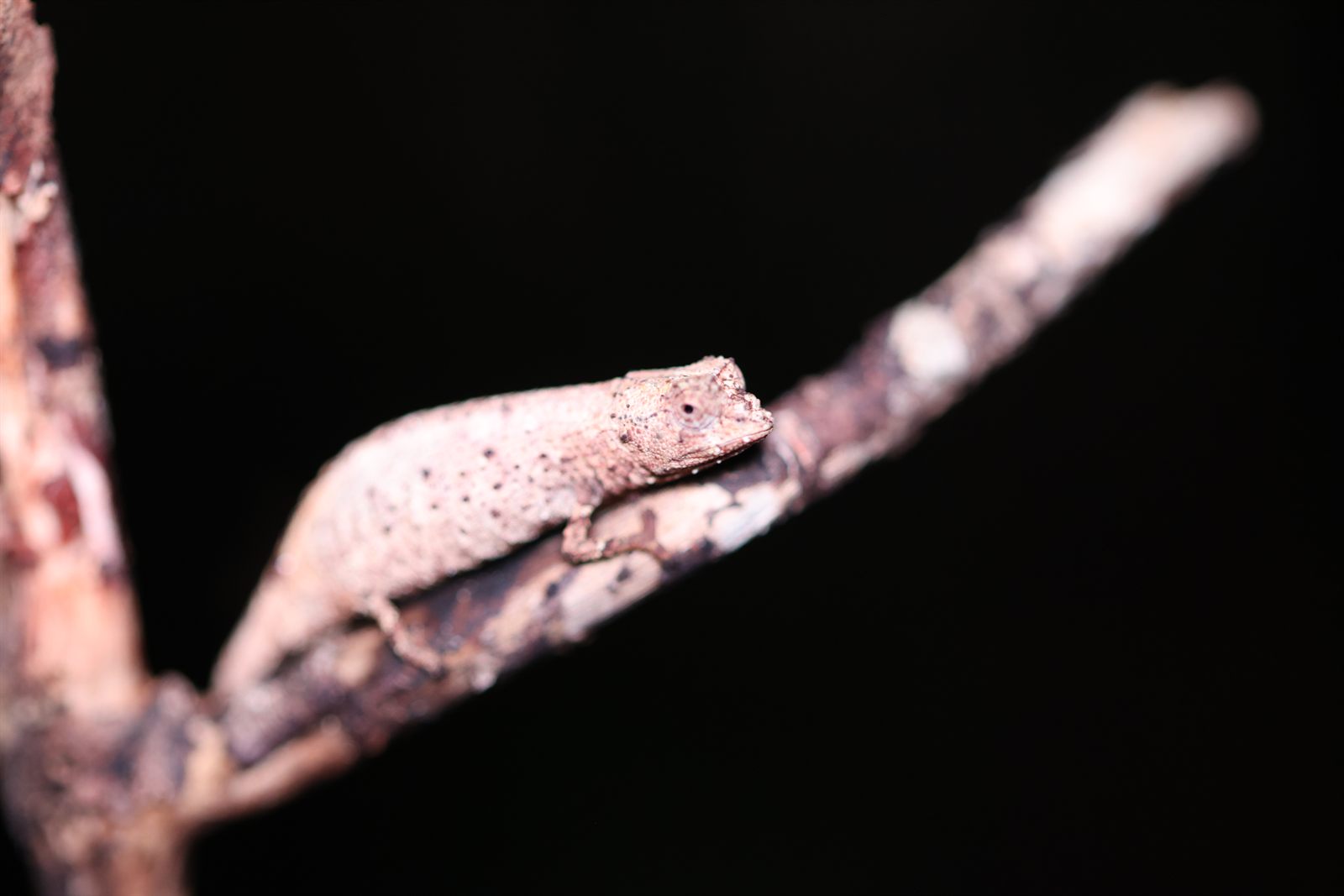
At night, many chameleons sleep on twigs or leaves where a guide's torch can pick them out against the dark. Tiny leaf chameleons may roost close to the ground. Walk slowly and let the guide search at different heights.
Ask which reserve the walk uses. Community reserves, private reserves and national parks have different arrangements, and availability can change. Our trips list night walks at Andasibe, along the forest edge at Ranomafana, at Kirindy and at Ankanin'ny Nofy. A night walk in a tour description doesn't automatically mean an after-dark visit inside a national park.
Bring closed shoes, a warm layer and your own head torch, preferably with a red setting. Keep the beam on an animal only briefly. Never move a sleeping chameleon onto a clearer branch or accept an offer to hold it for a photograph.
A camera that can focus close is useful for the small species, while a larger chameleon may be above you. Let the guide's instructions decide the distance, rather than stretching across branches for a closer shot.
The old idea that chameleons change colour to match whatever they sit on is mostly wrong. A study of African dwarf chameleons linked the evolution of strong colour change to social signalling. That study concerns those species; it doesn't mean camouflage has no role in any chameleon.
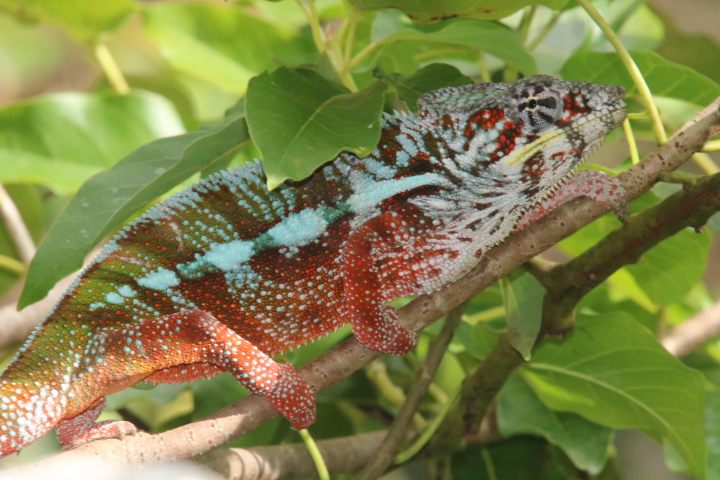
The panther chameleon has been studied most closely. Its skin holds a layer of cells packed with tiny guanine crystals. By changing the spacing between them, a male shifts the colour his skin reflects within a couple of minutes, when he meets a rival male or a receptive female. Females and young ones have less of that layer, which is one reason the males are the showy ones.
Females use colour too: a female panther chameleon carrying eggs switches to colours that tell males she isn't receptive. Colour also helps a chameleon manage its body temperature.
You can see chameleons in any month, but they're most active from November to March, in the warm rains. Breeding and hatching vary by species, so don't expect every chameleon to follow the same calendar. In the dry south-west, Labord's chameleon goes further. Its eggs hatch together in November, as the rains start. The young grow up and breed within a few months, the adults die off by the end of the season, and the species spends eight or nine months of the year as eggs.
The catch is the weather. The warmer months also bring rain and possible cyclones. The Tsingy de Bemaraha and western approach roads can close. Andasibe receives visitors throughout the year, but a storm can still disrupt a particular trip.
If chameleons matter most, aim for November. The rains have started, our north trips are still in their season (April to December), and the first half of the month still falls in the best lemur window, May to mid-November. From June to August, the cool, dry months, you'll still find chameleons on night walks, but usually fewer. More in the best time to visit Madagascar.
Madagascar National Parks forbids touching animals in Analamazaotra, Mantadia and Ankarana, and at Lokobe it asks you to keep your distance, feed nothing and take nothing away. We'd ask the same outside the parks: if someone offers to put a chameleon on your arm for a photo, say no, and photograph it on its own branch instead.
The pet trade is the other reason for care. The panther chameleon is one of the most sought-after chameleons in the international pet trade. It's on Appendix II of CITES, the treaty on the trade in wild animals and plants, along with Parson's chameleon and most leaf chameleons, so none can leave the country without an export permit. Brookesia perarmata of the Tsingy de Bemaraha, a popular pet in the 1980s and 1990s, is on Appendix I, where commercial trade in wild animals is banned. Don't buy a chameleon here, and don't try to take one home.
For a trip built around reptiles, see our reptiles and insects page, then send your dates and the chameleons you're hoping for on the booking form or WhatsApp. We reply within 24 hours with a written itinerary and a firm price.
Photo: Hans-Jurgen Mager on Unsplash.
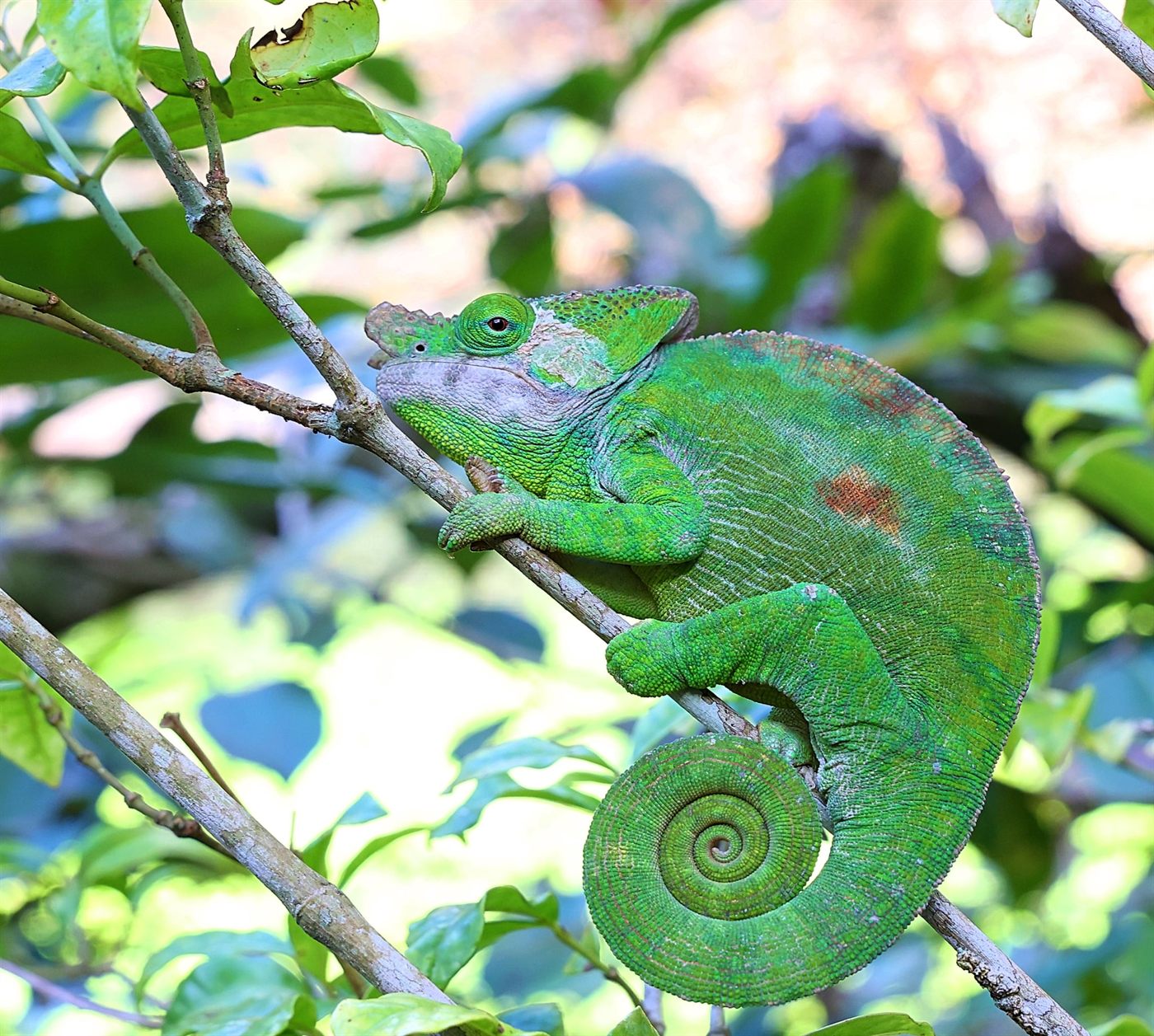
Nearly half the world's chameleon species occur in Madagascar. Exact totals change as new species are described. They range from Parson's and Oustalet's chameleons, which reach about 60 cm and more, to leaf chameleons such as Brookesia nana, whose male is 21.6 mm long, tail included.
For most visitors, Andasibe, three to four hours east of Antananarivo, on a night walk, when chameleons sleep at the ends of twigs. The private Peyrieras reserve on the way gives close-ups, though most of its animals are kept in enclosures. In the north, look for panther chameleons at Montagne d'Ambre and Lokobe on Nosy Be, and for some of the smallest leaf chameleons known there and at Ankarana.
In Lokobe National Park, in the south-east of the island, usually reached by pirogue in the morning with a local guide. Madagascar National Parks lists the panther chameleon there, and the males around Nosy Be are usually blue, blue-green or turquoise. They're wild, so nobody can promise one.
November to March, the warm, wet months, when chameleons are most active and breeding. That's also the rainy season, when the Tsingy closes and cyclones are possible, so November is a good compromise: it can combine warmer conditions with easier access than the wettest months, though weather and roads still need checking.
Colour change has several roles, including social signalling and temperature regulation. A study of African dwarf chameleons linked strong colour changes to signalling rather than improved camouflage. Male panther chameleons change colour within a couple of minutes when they meet a rival or a receptive female, by changing the spacing of tiny crystals in their skin.
Not in the national parks: Madagascar National Parks forbids touching animals at Andasibe-Mantadia and Ankarana, and asks visitors at Lokobe to keep their distance. We'd say no anywhere else too, even if someone offers you one to hold for a photo. The panther, Parson's and most leaf chameleons are also listed under CITES, the treaty on the wildlife trade, so never buy one or try to take one home.
Private trips with your own vehicle and driver-guide. Every one can be reshaped around your dates.
Chameleons at Peyrieras, a walk among the lemurs at Vakona, a guided night walk, and an early start in Analamazaotra, where the indri call most mornings.

Indri at Analamazaotra, the Palmarium's approachable lemurs, boat rides on the Pangalanes Canal, then island time on Sainte Marie.
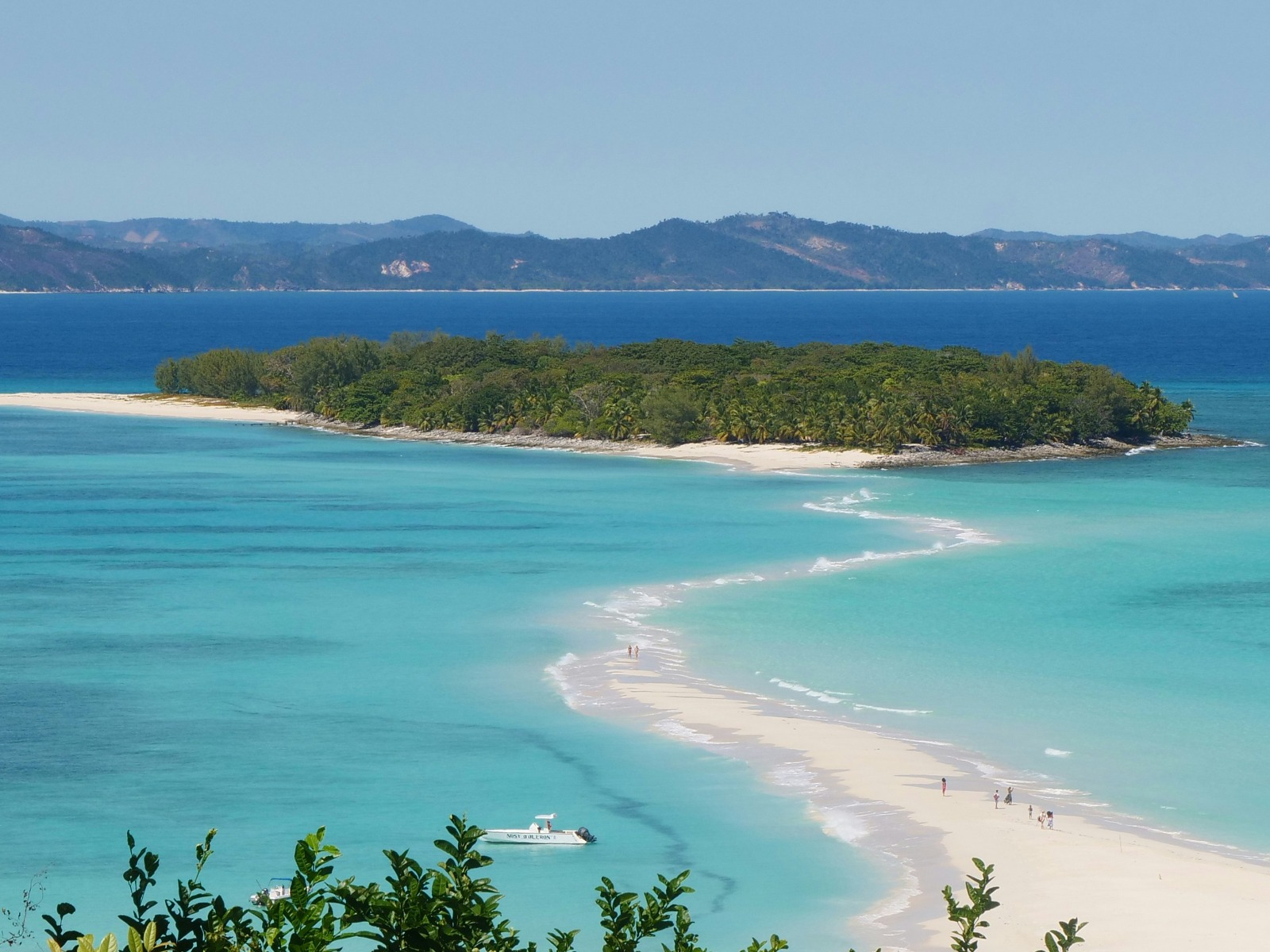
The Three Bays, Montagne d'Ambre, the red Tsingy and a full day in Ankarana's caves, then Lokobe and the sand of Nosy Iranja.
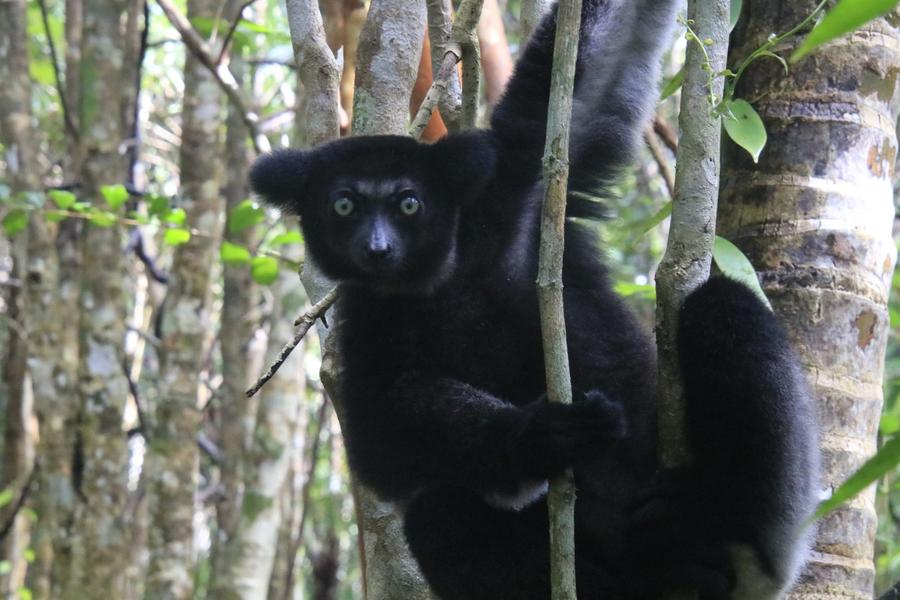
Lemurs, tenrecs, chameleons, frogs, birds, whales and, with luck, the fossa: what you can realistically see in Madagascar, where each lives, and how close you get.
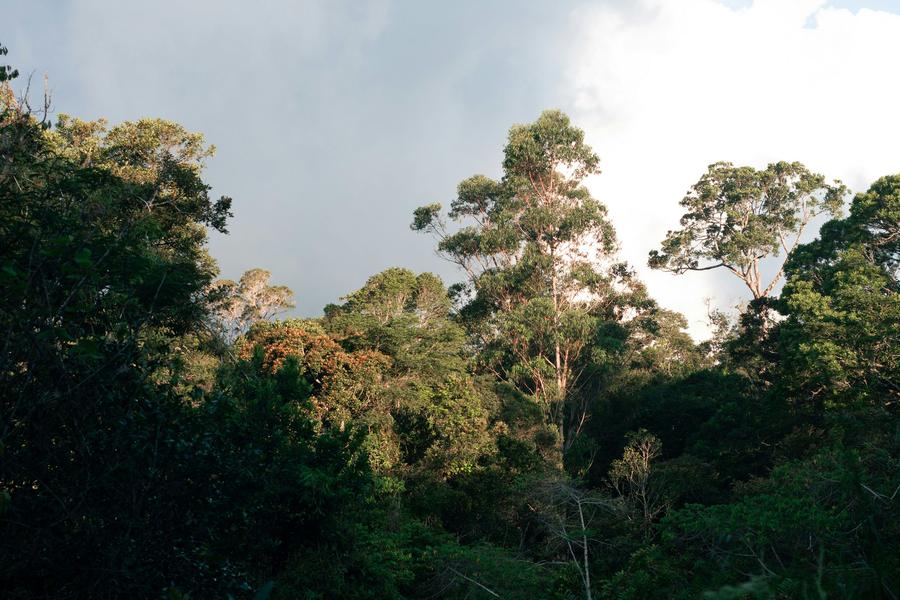
The indri, how to arrange a guided night walk, Mantadia, Vakona and Peyrieras, rain and leeches, and how many days to give Andasibe.
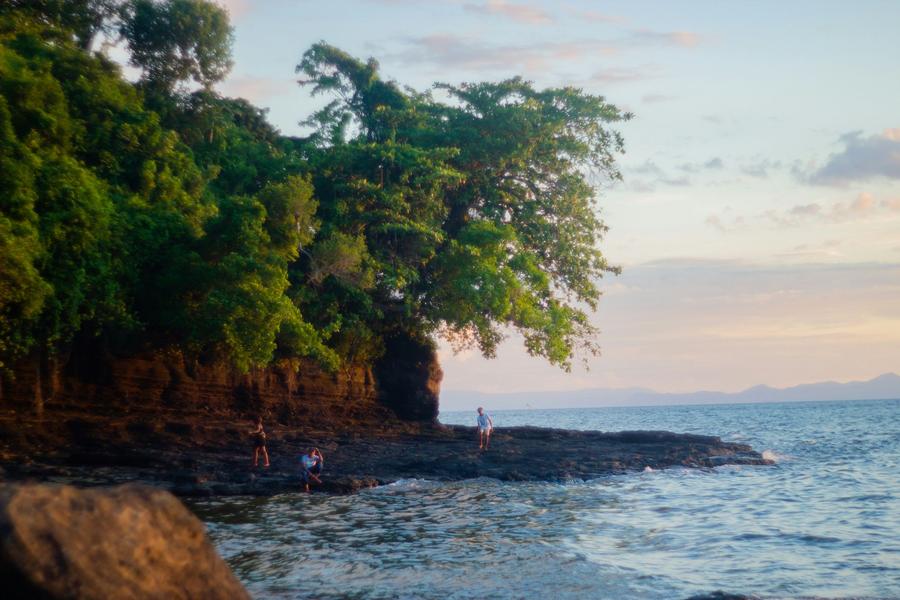
Lokobe, Nosy Komba, Tanikely and Iranja, when the rains and the whales come, flights and the Ankify boat, and how many nights to give Nosy Be.
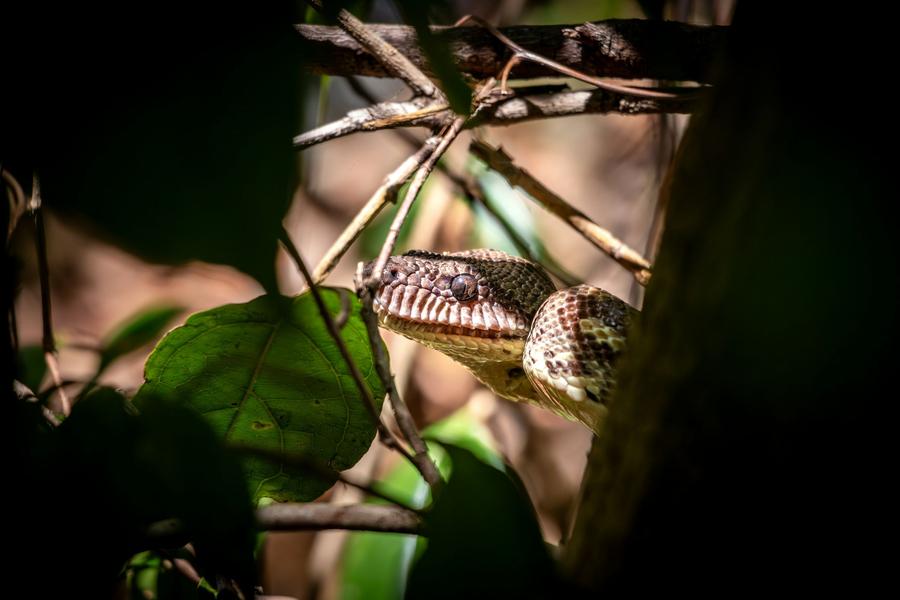
Snakes and boas, crocodiles, spiders, scorpions, leeches, the fossa, the sea and the mosquito: what can actually hurt you in Madagascar, and the habits that prevent it.

Send your dates and a rough idea. We reply within 24 hours with a written itinerary and a firm price. No deposit to ask a question.