
11 days · South

Classic South, Expanded Version
The classic route done properly: Andasibe, Ranomafana, Anja's ring-tailed lemurs, the canyons of Isalo and the reef at Ifaty.
The ancestors and their tombs, famadihana, fady, the lamba, kabary and hira gasy, savika and the zebu, the crafts along the RN7, and the manners that matter in a village. Checked in October 2026.
Respect for ancestors and local taboos, called fady, matters on a visit to Madagascar. Customs differ between regions and families, so ask before photographing a ceremony, approaching a tomb or entering a sacred place. In parts of the highlands, some families practise famadihana, a ceremony in which ancestors' remains are rewrapped in new shrouds.
The island is usually counted as having 18 ethnic groups, and customs and dress change from one to the next. For a visitor the rules are simple, though. Greet people before you ask for anything, ask before you photograph anyone, keep away from tombs, and when you're not sure whether something is fady, ask your guide.
Razana means ancestor. The ancestors are thought to go on shaping a family's luck, so the tomb matters more than the house. Zebu are sacrificed to honour them, and the horns often end up on the tomb.
You'll see tombs from the road. On the drive from Antananarivo to Antsirabe, Merina family tombs stand in the fields, often painted with geometric designs. In the south they get bigger. Mahafaly tombs, in the Tulear region, are painted with scenes from the dead person's life and topped with zebu horns and carved posts called aloalo. Antandroy tombs are big and rectangular, with elaborate decoration that can express family status.
Some burial places are in the rock. The Bara bury their dead in caves in the Isalo massif, which they hold sacred, and on the Manambolo river below the Tsingy de Bemaraha, the canoe on our 5-day western trip passes caves with old tombs.
Famadihana is a Merina and Betsileo ceremony. A family takes its dead out of the tomb, wraps them in new shrouds, tells them the family news and carries them around the tomb to music before putting them back. It comes round every five to seven years or so, can last several days and costs a great deal, one reason it's becoming rarer. By law it may only take place in the dry season, June to September, and it's in the highlands that you'd come across one.
It isn't sombre: there's music, dancing and plenty to drink. Participation differs between families and religious communities; don't assume everyone practises it.
It's a family occasion, not a show. If you're invited, go with your guide, follow the family's lead and ask before you take a single photo. Driving through the highlands between June and September you may pass one, and your guide will know whether it's all right to stop.
Fady are taboos, and in much of Madagascar they shape daily life. Some hold island-wide. Others belong to one region, one village or one family, so what's fine in one valley can be forbidden in the next. Nobody expects a visitor to know them. A few you're likely to meet:
The UK Foreign Office suggests asking your tour operator or a local guide before you go into remote rural areas, and that's the whole method. On a trip with us, start with your driver-guide.
The count of 18 is the usual one, though it's debated. All the groups speak Malagasy, in its many dialects (more in our guide to the languages of Madagascar).
The Classic South starts in Merina country, runs through the Betsileo highlands to the Bara's Isalo and ends on the Vezo coast at Ifaty.
Tell us your dates and what you would like to see. We reply within 24 hours with a written itinerary and a firm price.
The lamba is a rectangle of cloth worn in several ways by men and women. It's wrapped around the waist like a sarong or draped over the shoulder as a shawl. It also wraps the dead: the burial shroud is the lambamena, "red lamba", though shrouds come in many colours.
What you'll see most is the lambahoany, printed cotton with a proverb along the border. Older Merina and Betsileo women still wear a narrow white lamba around the shoulders as a sign of dignity and respect for tradition. The fine Merina silk lamba, woven with geometric patterns, is worn as a shawl and used as a shroud.
A lambahoany makes a good souvenir, and on the trip it does duty as a skirt for a village visit or a cover-up on the boat.
Kabary is the Malagasy art of speech, oratory built from proverbs and wordplay, usually by two speakers, at funerals and official ceremonies as well as celebrations. Once the preserve of older men, it's now taken up by young people and women too. UNESCO put it on its intangible heritage list in 2021.
Hira gasy is the open-air folk theatre of the highlands around Antananarivo. Two troupes in red costumes and white lamba shawls compete for the crowd with song, dance, drumming and kabary, and each show carries a moral lesson. UNESCO listed it in 2023. Neither is on our set itineraries, so if you'd like to see one, tell us when you plan.
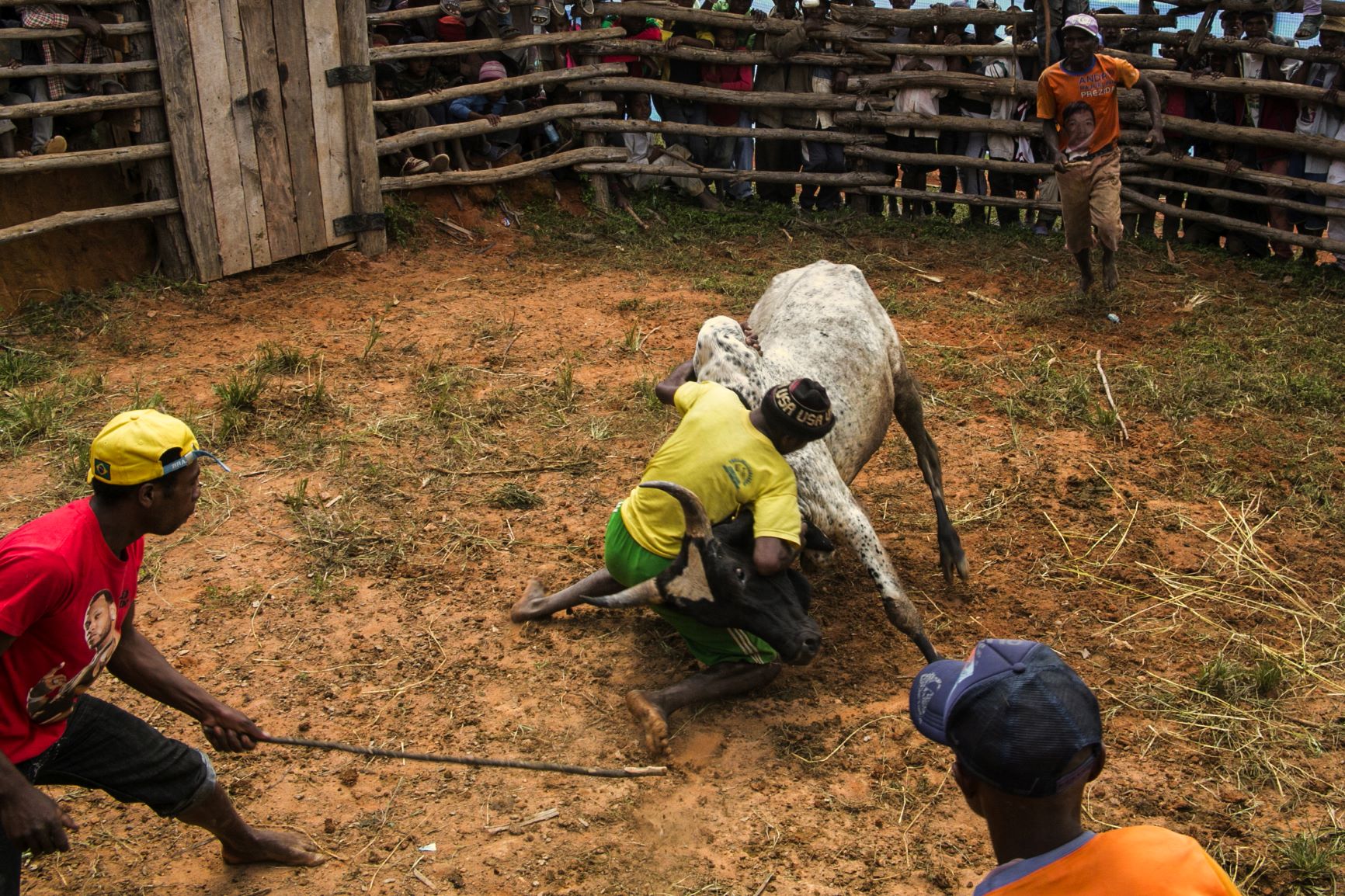
Savika is the zebu wrestling of the Betsileo. Young men leap at a charging zebu and hang on to its hump for as long as they can, while the village cheers from behind the fence. No weapons are used and the zebu isn't killed. It's physically demanding for the participants. It usually goes with festivals and family ceremonies, so it isn't something you can book.
Moraingy is the bare-fisted fighting of the north and west, short bouts in a ring of spectators, to drums and singing.
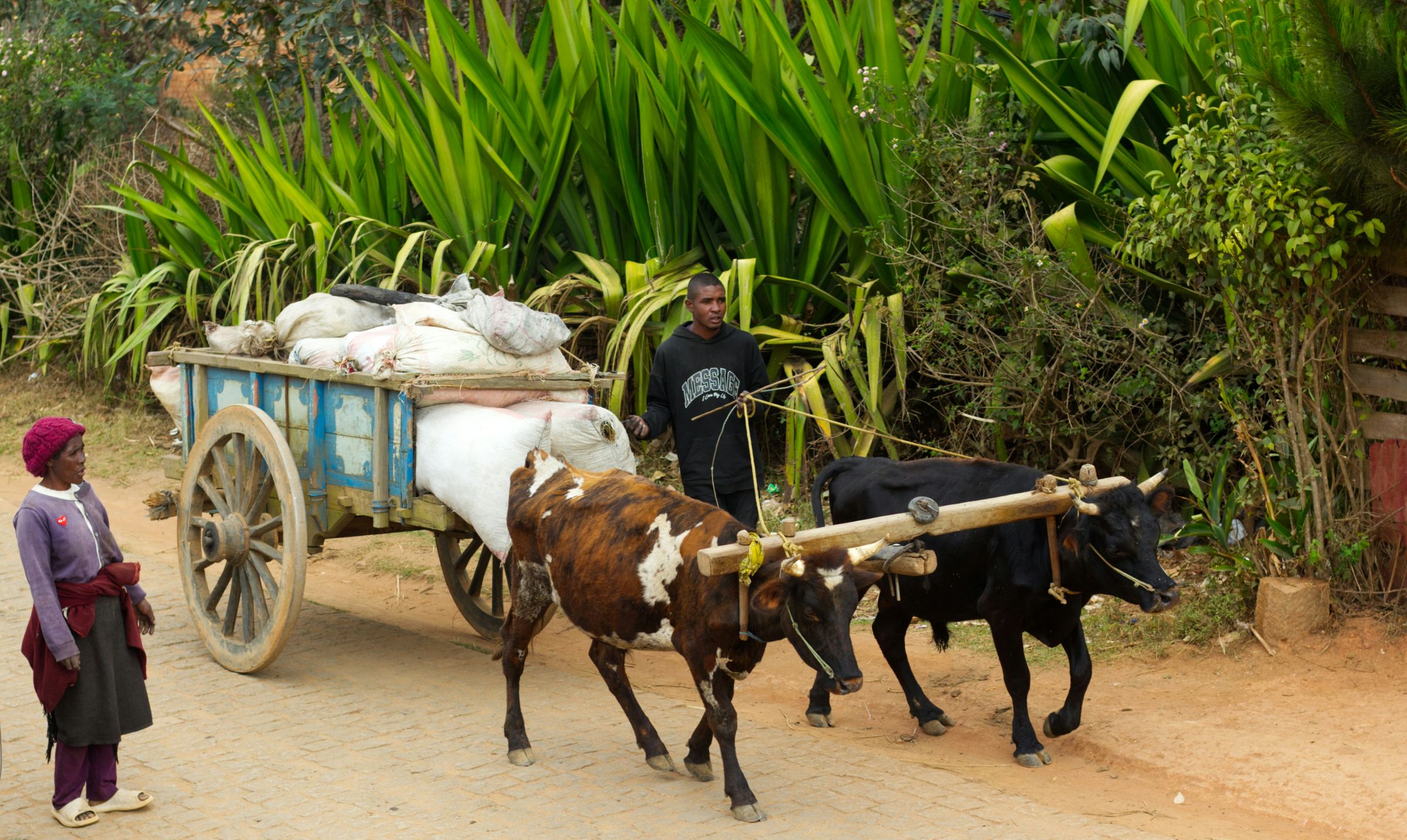
Madagascar has an estimated 7 to 10 million zebu, and you'll see some pulling carts. A zebu is a family's wealth on four legs and the animal sacrificed for the ancestors, and the national tourism office calls it "the symbol of all values". The cattle market at Ambalavao, one of the biggest, runs from before dawn on Wednesday until Thursday morning. The Classic South spends its sixth night there, so go and look if the day falls right.
Christian churches have a large presence, alongside Muslim communities and ancestral religious practices. The US State Department's 2023 religious-freedom report describes how some people combine church membership with traditional observances. A label alone doesn't tell you how a family worships.
Christianity spread with 19th-century missionaries, and the Merina upper classes became Protestant in the middle of that century. In the highlands a family may well go to church on Sunday and still hold a famadihana.
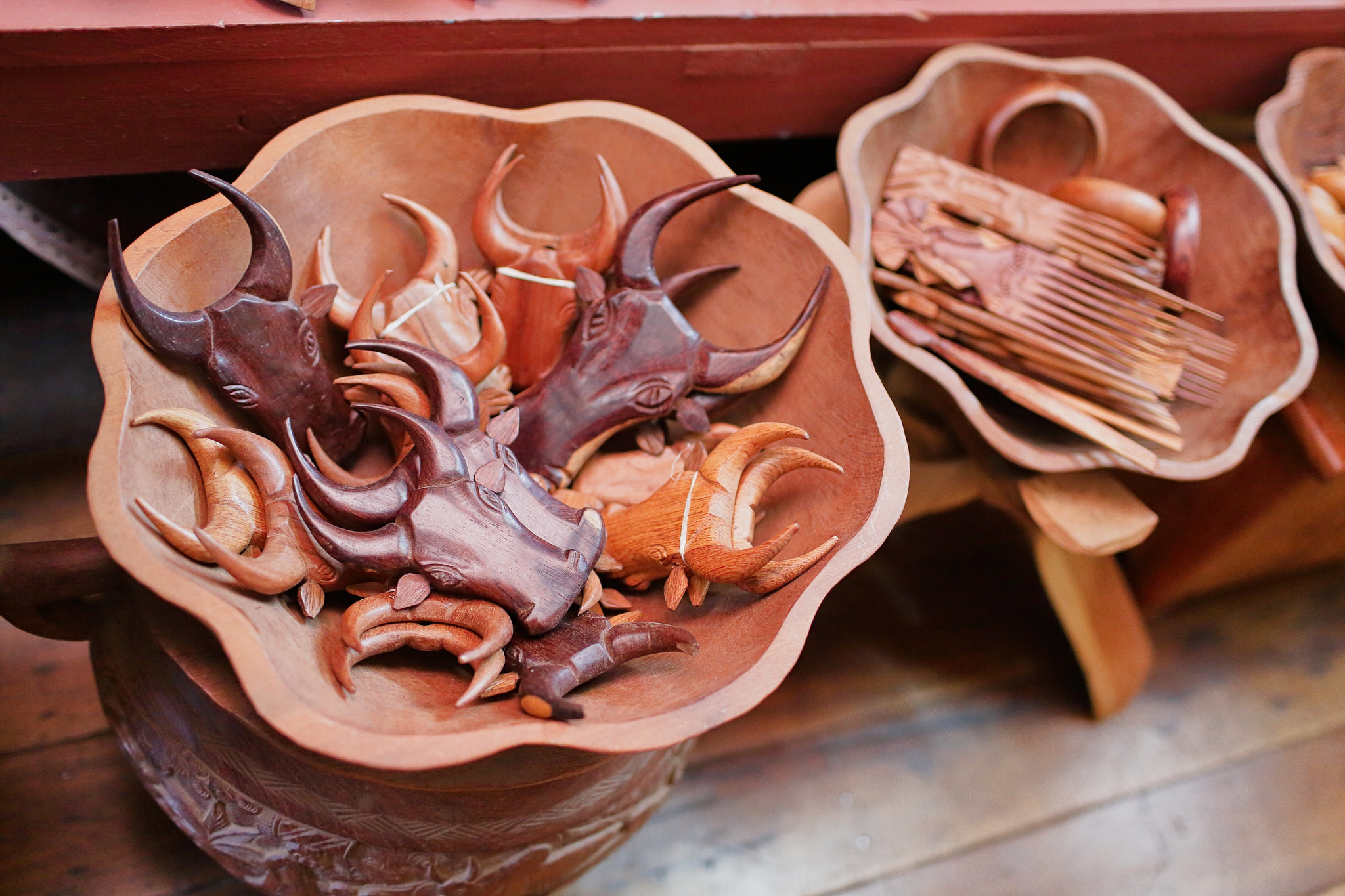
Bargain in ariary, and skip rosewood and tortoise shell: the UK Foreign Office says buying or exporting protected plants, animals or products made from them is illegal.
What the trip pages list:
Both of the last two include the Tsiribihina river, where at the time of writing the UK Foreign Office advises seeking alternative routes. We can reshape either without it (more in Is Madagascar safe?). We can also add a Malagasy cooking class or visits to local artisans, and our guide to Malagasy food covers what you'll eat. Tick "Culture & villages" on the booking form, and a real person in Antananarivo replies, usually within 24 hours.
Photo: Sitraka Mamy Tantely Andriamialijaona on Unsplash.
Famadihana, the turning of the bones, is a Merina and Betsileo ceremony in the highlands. A family takes its dead out of the tomb, wraps them in new shrouds, dances with them around the tomb to music and puts them back. It happens about every five to seven years for a tomb, and by law only in the dry season, June to September. It's a family event: go only if invited, with a guide, and ask before taking photos.
Fady are taboos, many of them tied to the ancestors. Some apply across the island, others to one region, village or family, so they change as you travel. Pointing at a tomb is fady in much of the country, and some lakes and pools are sacred. Ask your guide before you visit a village or a sacred site.
The lamba, a rectangle of cloth worn by men and women, wrapped around the waist or draped over the shoulder as a shawl. The most common today is the printed cotton lambahoany, with a proverb along its border. Older women in the highlands often wear a narrow white lamba around the shoulders, and the dead are wrapped in a shroud called the lambamena.
Christianity, especially Protestant and Catholic churches, has a large presence. There are also Muslim communities and ancestral religious practices. Some people combine church membership with traditional observances, so treat beliefs as something to ask about respectfully rather than assume from a label.
Usually 18, though the count is debated and some lists give more. The Merina of the highlands around Antananarivo are the largest. Others include the Betsileo, the Sakalava of the west coast, the Vezo fishermen of the south-west and the Antandroy of the dry south. All of them speak Malagasy.
Private trips with your own vehicle and driver-guide. Every one can be reshaped around your dates.
The classic route done properly: Andasibe, Ranomafana, Anja's ring-tailed lemurs, the canyons of Isalo and the reef at Ifaty.
Three weeks and nearly every landscape the island has: river cruise, Tsingy, baobabs, remote Vezo coast and the southern parks.
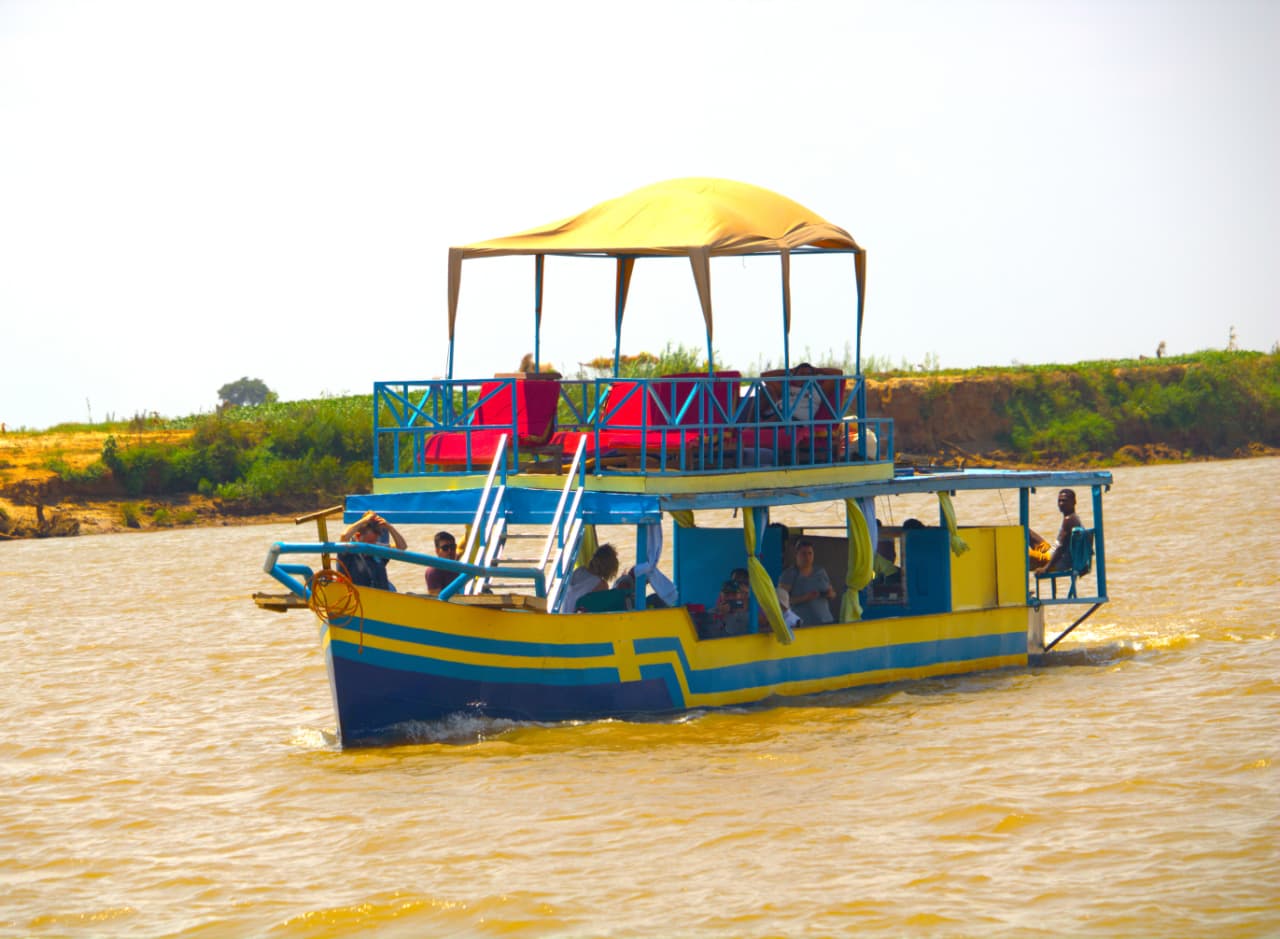
Four days drifting down the Tsiribihina with camps on the riverbank, then the Grand Tsingy, Kirindy's nocturnal forest and the baobabs.
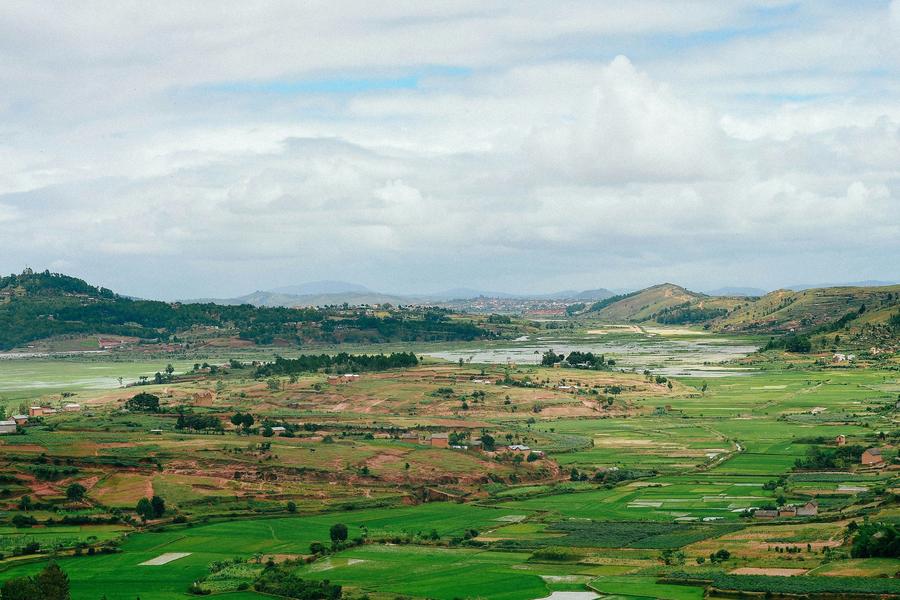
Malagasy, French and how much English you'll hear, the link to Borneo, the Malagasy words worth knowing, with rough pronunciation, and the place names visitors get wrong.
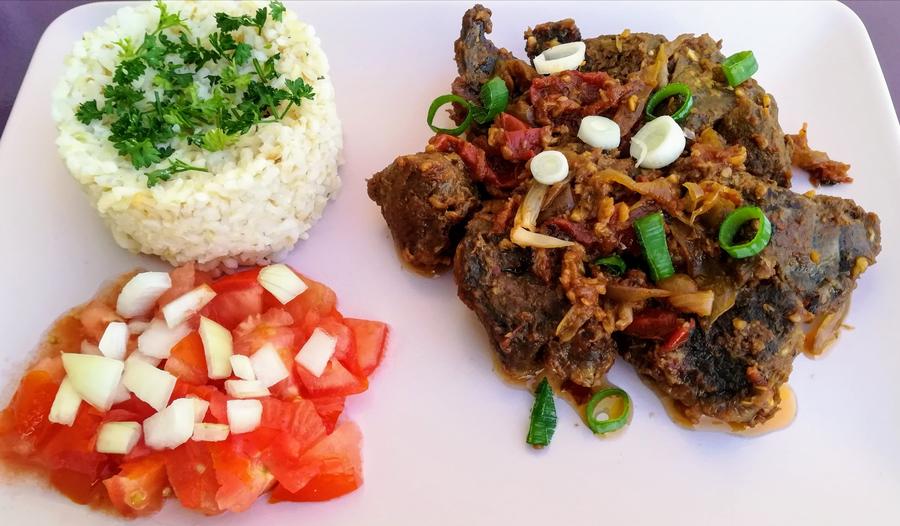
Rice and laoka, romazava, ravitoto and zebu, mofo gasy and koba from the street stalls, seafood on the coast, lychees, THB and rum, and what meals cost in 2026.
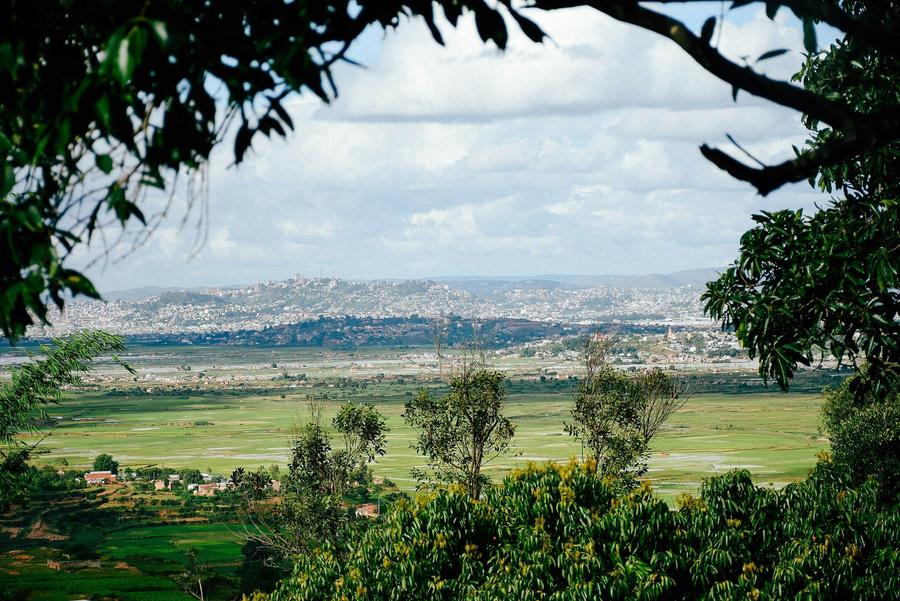
What to see in Antananarivo, from the Rova to the craft market, the half-day trips out of town, the airport drive, where to stay, and why one night is usually enough.

Send your dates and a rough idea. We reply within 24 hours with a written itinerary and a firm price. No deposit to ask a question.