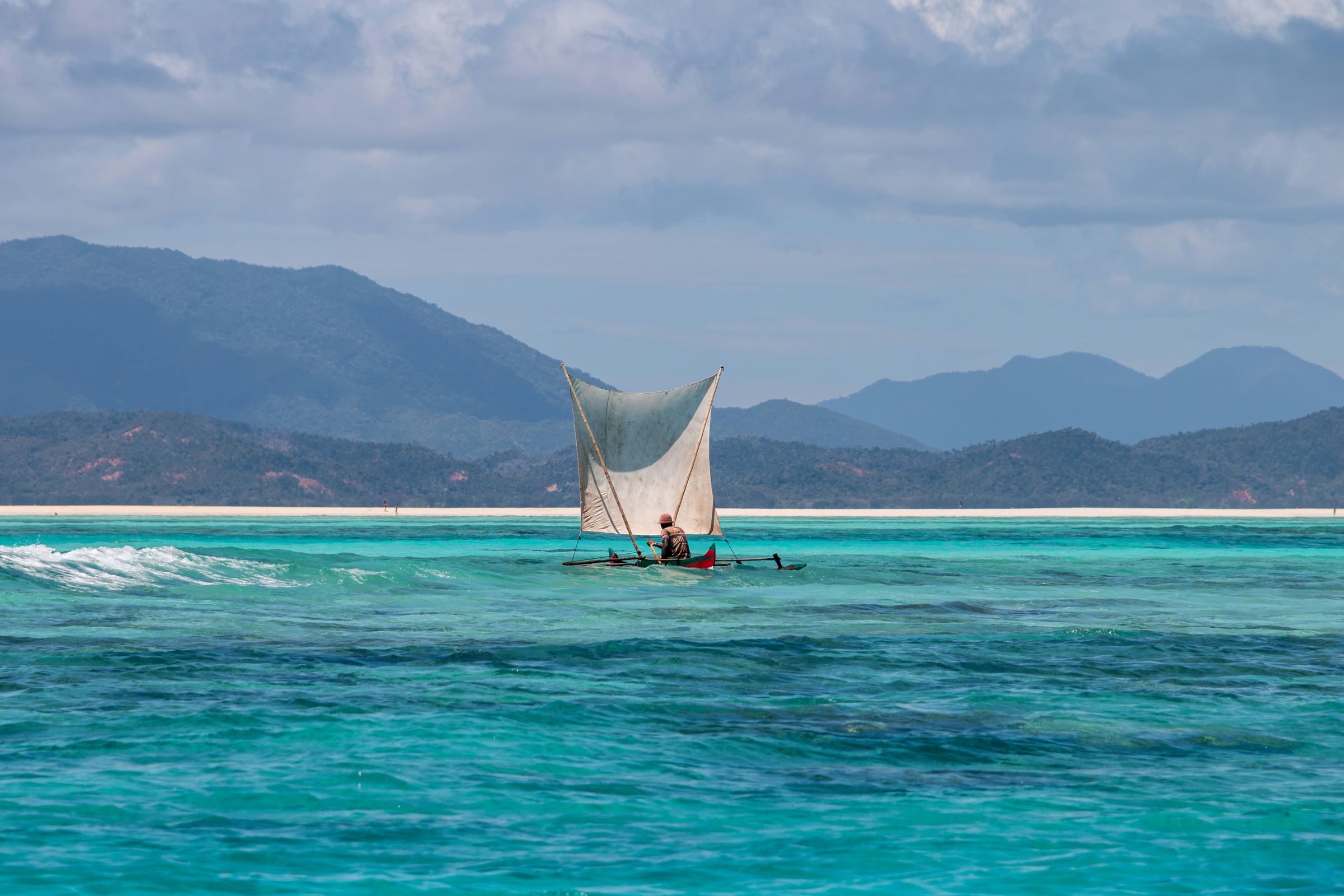
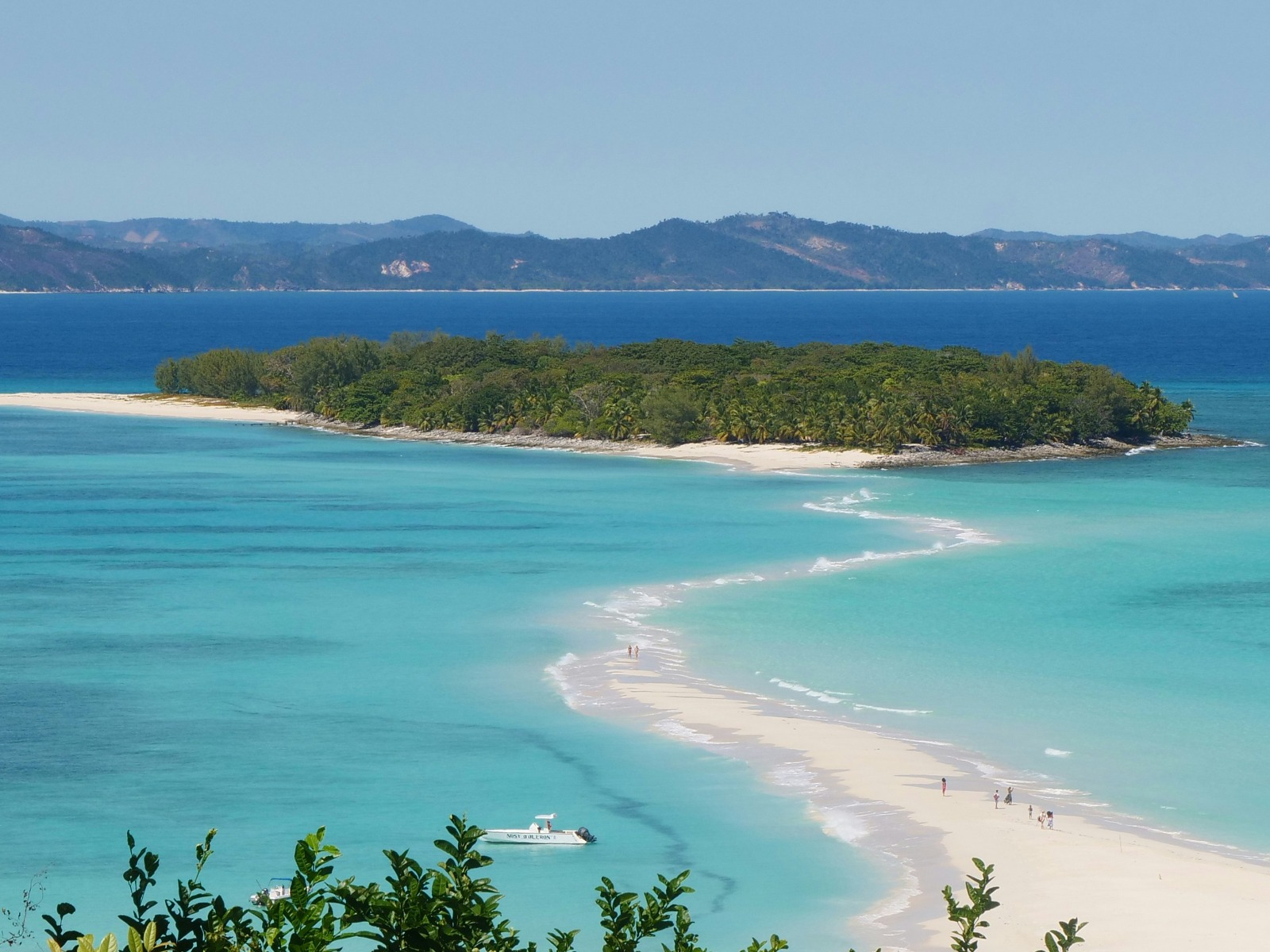
A fisherman sailing a pirogue over turquoise water near Nosy Iranja
Planning guide

The best places to visit in Madagascar

What to see in Madagascar, grouped by region, because the region you pick decides the trip. Each place comes with how long it needs and the private trips that go there.

For a first trip, the places worth building around are Andasibe for the indri, the Avenue of the Baobabs and the Tsingy de Bemaraha in the west, Isalo and Ranomafana along the RN7, and the far north from Diego Suarez to Nosy Be. Madagascar's main attractions are spread across an island nearly 1,600 km long, so you're really choosing a region, and each region fills a week or more on its own.

All eight of our trips are private, with your own vehicle and driver-guide, and park fees and local guides are included.

Antananarivo and the highlands

Nearly every trip starts in the capital, and the first drive out of it is through rice paddies and highland villages.

  • Antananarivo. A day at the start or the end is about right. The Rova, the old royal compound on a hilltop, looks out over the city, and the La Digue craft market is the place for raffia baskets, hats and mats. Ambohimanga, a royal hill about 24 km north-east, is a UNESCO World Heritage Site. On our eastern trip you can see the Rova on day 1, if your flight lands early enough.
  • Antsirabe. A cool spa town at 1,500 m, with pousse-pousse rickshaws and old colonial buildings. Nearby Lake Tritriva fills a volcanic crater at 1,880 m, and the legend says two lovers whose parents forbade the match jumped from its cliffs together. One night is enough, on the way south or west: the Classic South, the West Adventure and the Ultimate all stop here.

The west: baobabs, Kirindy and the Tsingy

The west is dry forest and red dirt roads, and it only works in the dry season, roughly April or May to November. Morondava on the coast is the base, an hour's flight from Antananarivo. Three of our trips cover it: the 5-day loop from Morondava (from €810 per adult), the 10-day West Adventure and the 20-day Ultimate. At the time of writing, the UK Foreign Office advises using a recognised tour operator between Besalampy and Morombe, a stretch that takes in Morondava and the Tsingy road, because of violent highway robbery, particularly at night.

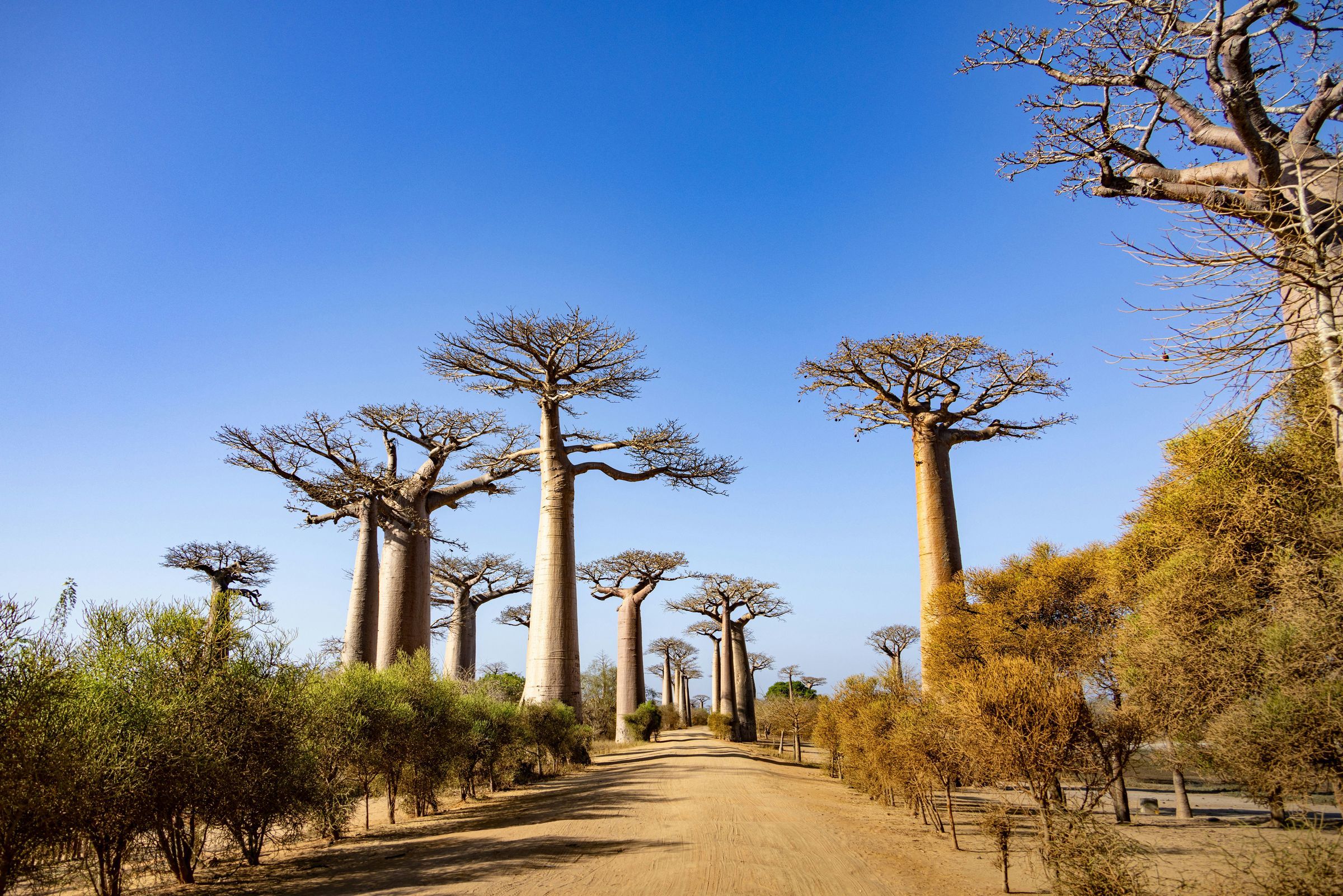
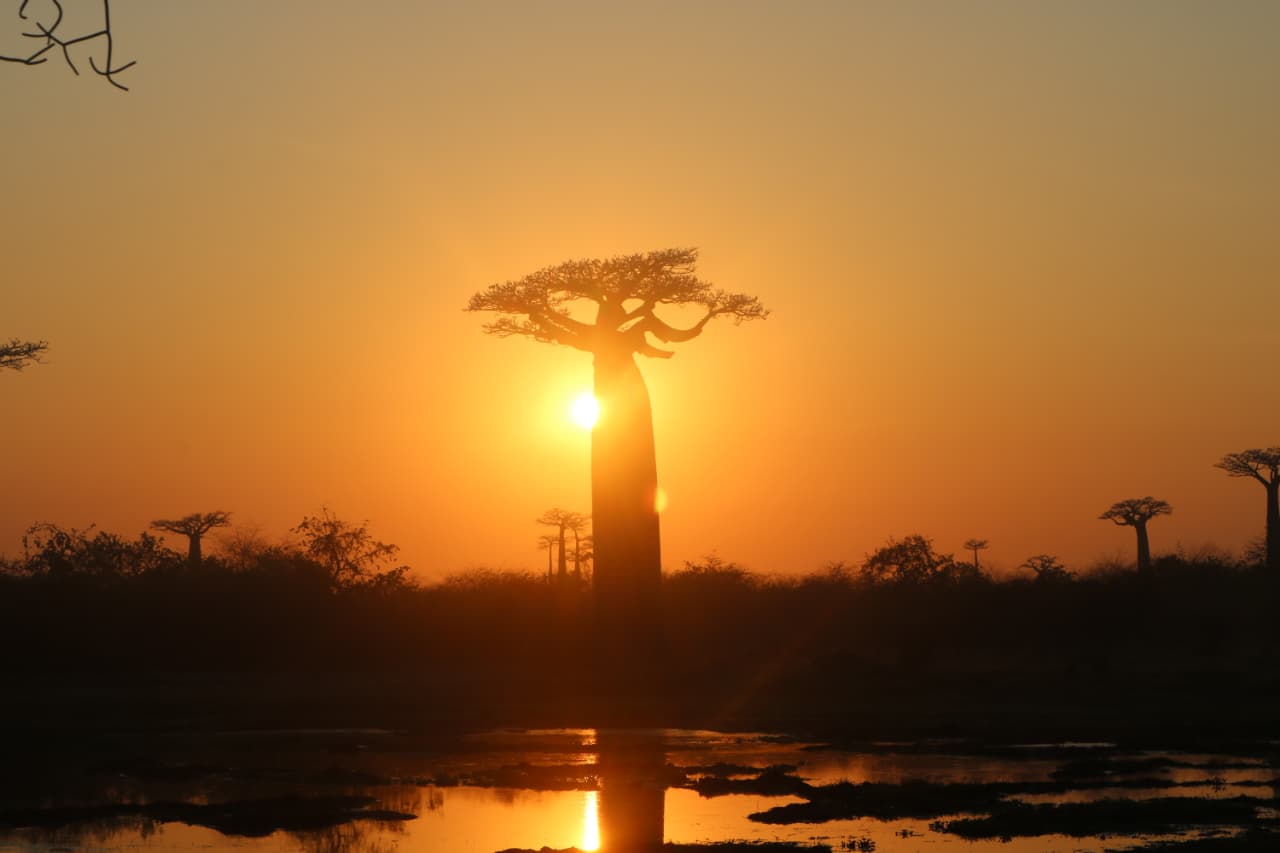
  • The Avenue of the Baobabs. A stretch of dirt road 15 to 20 km from Morondava, lined with Grandidier's baobabs, an endangered species and one of six baobabs that grow only in Madagascar. Sunset is the busy hour, especially from July to September. An hour is enough for photographs, and the Baobab Amoureux, two trunks twisted round each other, is a short detour. All three trips stop here, and the two longer ones add a sunrise, optional on the Ultimate.
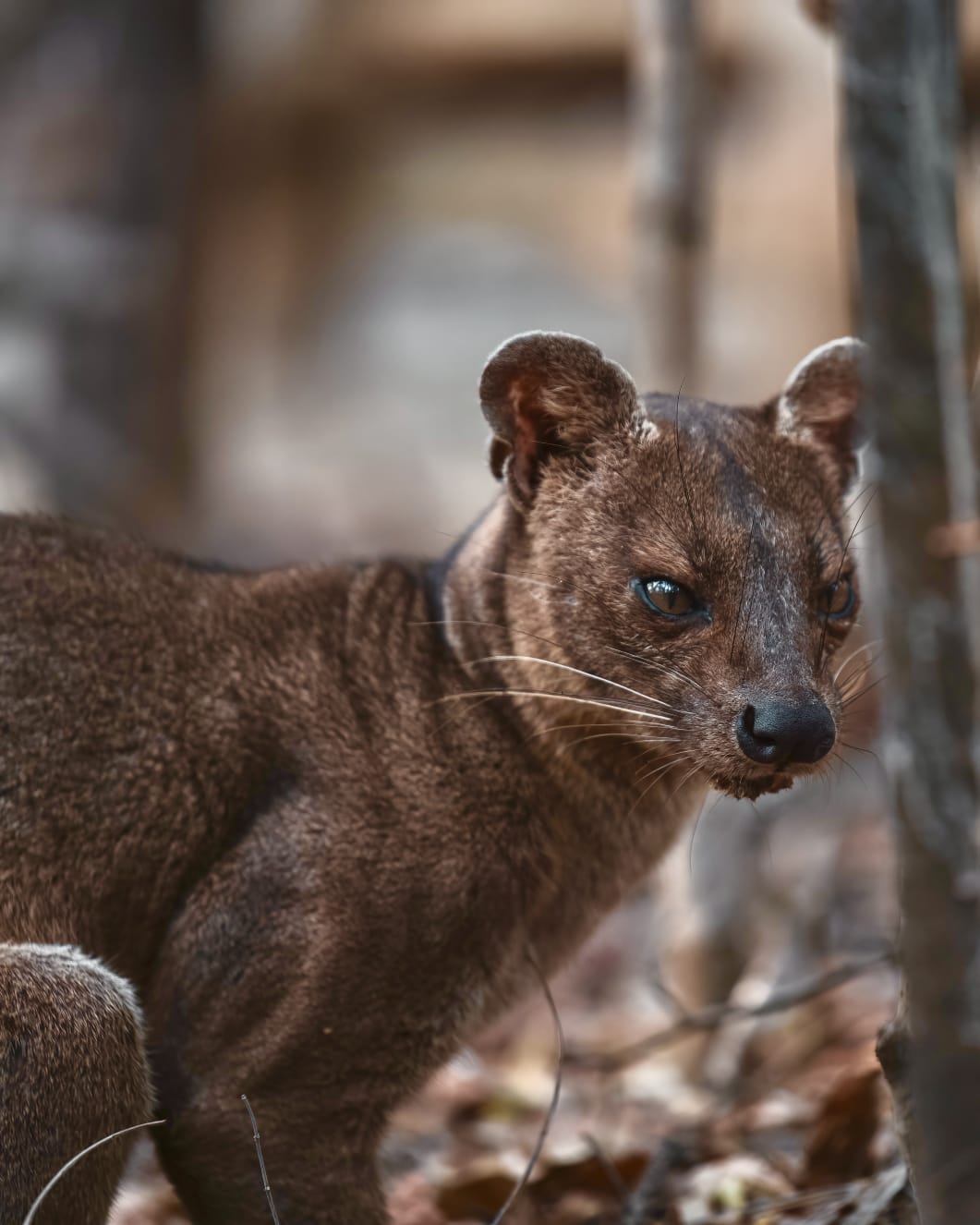
  • Kirindy. Dry forest about 60 km north-east of Morondava, with a research station run by the German Primate Center. By day you look for Verreaux's sifakas, at night for mouse lemurs. Madame Berthe's mouse lemur, at about 30 g the smallest primate in the world, lives only in this region. Lonely Planet calls Kirindy one of the few places where you're very likely to see the fossa, and with luck you will. One night, on all three trips.
  • The Tsingy de Bemaraha. A UNESCO-listed forest of razor-edged limestone. Tsingy means "where one cannot walk barefoot". The Grand Tsingy is a hike of 4 to 7 hours on forest trails, ladders, narrow passages and suspension bridges, sometimes in a harness, so it suits people who don't mind heights. The Petit Tsingy, by the village of Bekopaka, is easier, and a canoe on the Manambolo passes caves with old tombs. Bekopaka is a full day by 4x4 from Morondava. The park reopens after the rains around April or May, and the Grand Tsingy is most reliably open from June to mid-October, so check with us for earlier or later dates. Give it two or three nights.
  • The Tsiribihina River. The slow way west: three or four days drifting from near Miandrivazo to Belo-sur-Tsiribihina, camping on the riverbank, with herons, kingfishers and now and then lemurs in the trees. Nights are simple, so it suits people who like camping. Four days on the West Adventure, three on the Ultimate. At the time of writing, the UK Foreign Office says armed criminals have boarded boats on the Tsiribihina and robbed passengers, and it advises seeking alternative routes. We can reshape either trip without the river, for example by flying to Morondava and joining the western route there, as the 5-day loop does, and our safety guide has the current advice.
Grandidier's baobabs along the dirt road of the Avenue of the Baobabs, under a blue sky
Plan it with us

Want us to plan it for you?

Tell us your dates and what you would like to see. We reply within 24 hours with a written itinerary and a firm price.

The eastern rainforest and coast

The east is the wet, green side of the island, with the closest rainforest to the capital. Eastern Madagascar (from €1,620) covers all three places below in ten days.

  • Andasibe. Three to four hours east of Antananarivo, and home of the indri, the largest living lemur. You usually hear one before you see it: the song carries about 2 km. Attempts to keep indri in captivity have failed, so forests like this one are the only place to see them. Analamazaotra, the indri's park, is small at 874 ha. Mantadia, further north up a rough track, is much bigger, with diademed sifakas and black-and-white ruffed lemurs. Private reserves fill the gaps: Vakona for lemurs that come close, Peyrieras on the way in for chameleons. Give it at least one night: a night walk, then an early start in the park. Our 2-day trip (from €320) does exactly that, and the Classic South starts here too.
  • The Pangalanes Canal and the Palmarium. The canal links lakes and lagoons for more than 600 km down the east coast, and you reach Ankanin'ny Nofy by boat. The Palmarium there is a private reserve where habituated lemurs walk right up to you, though some of its species were brought in and don't naturally live in this forest. The evening walk looks for the aye-aye. Two nights.
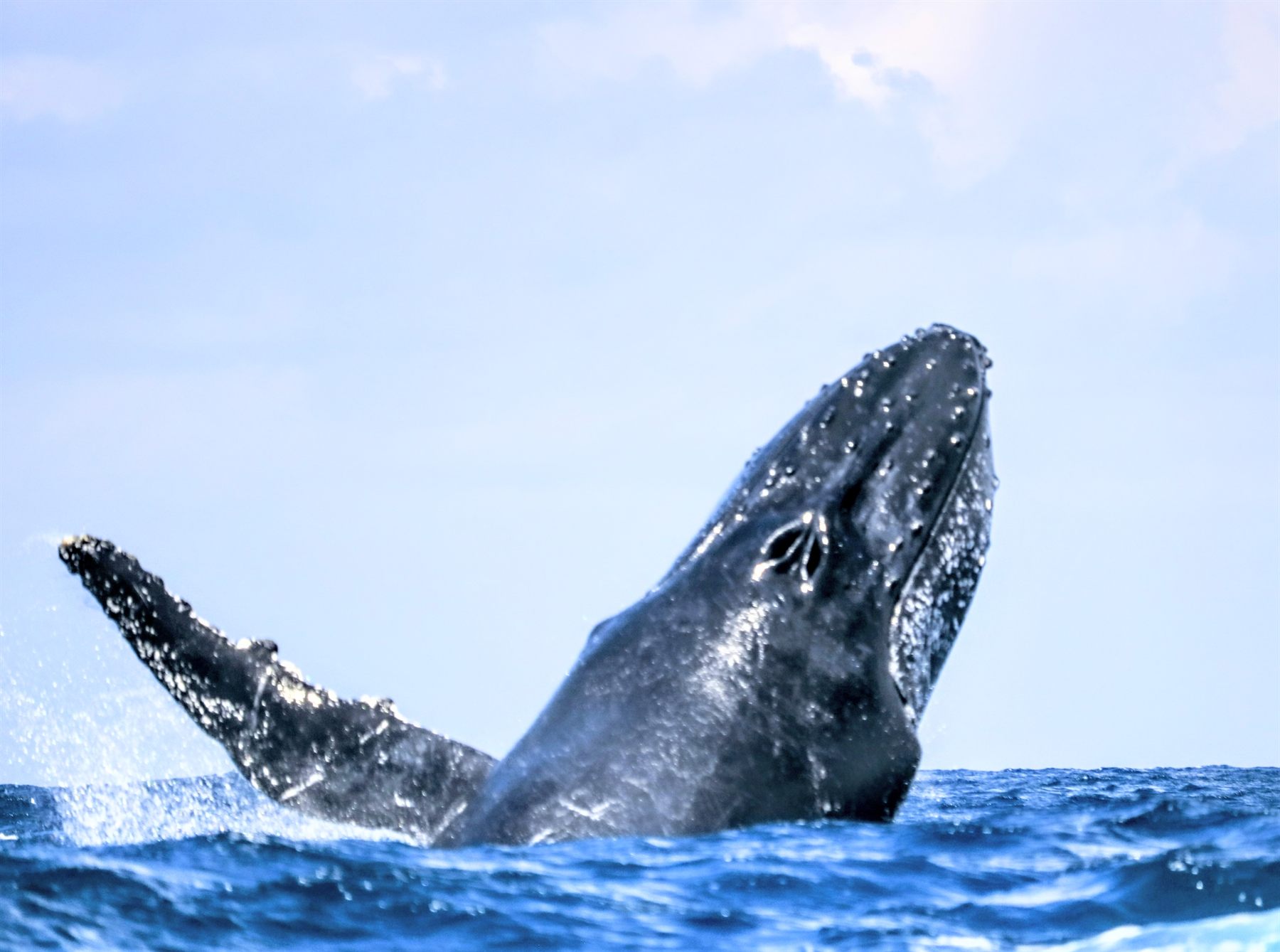
  • Sainte Marie. A long, narrow island off the east coast, about 50 km end to end, with beaches backed by palms and a pirate cemetery above the Baie des Forbans. The channel between it and the mainland is where humpback whales come to calve, usually from July to September, the first from June. It's the wetter coast, and cyclones are most likely from January to March. Three nights.
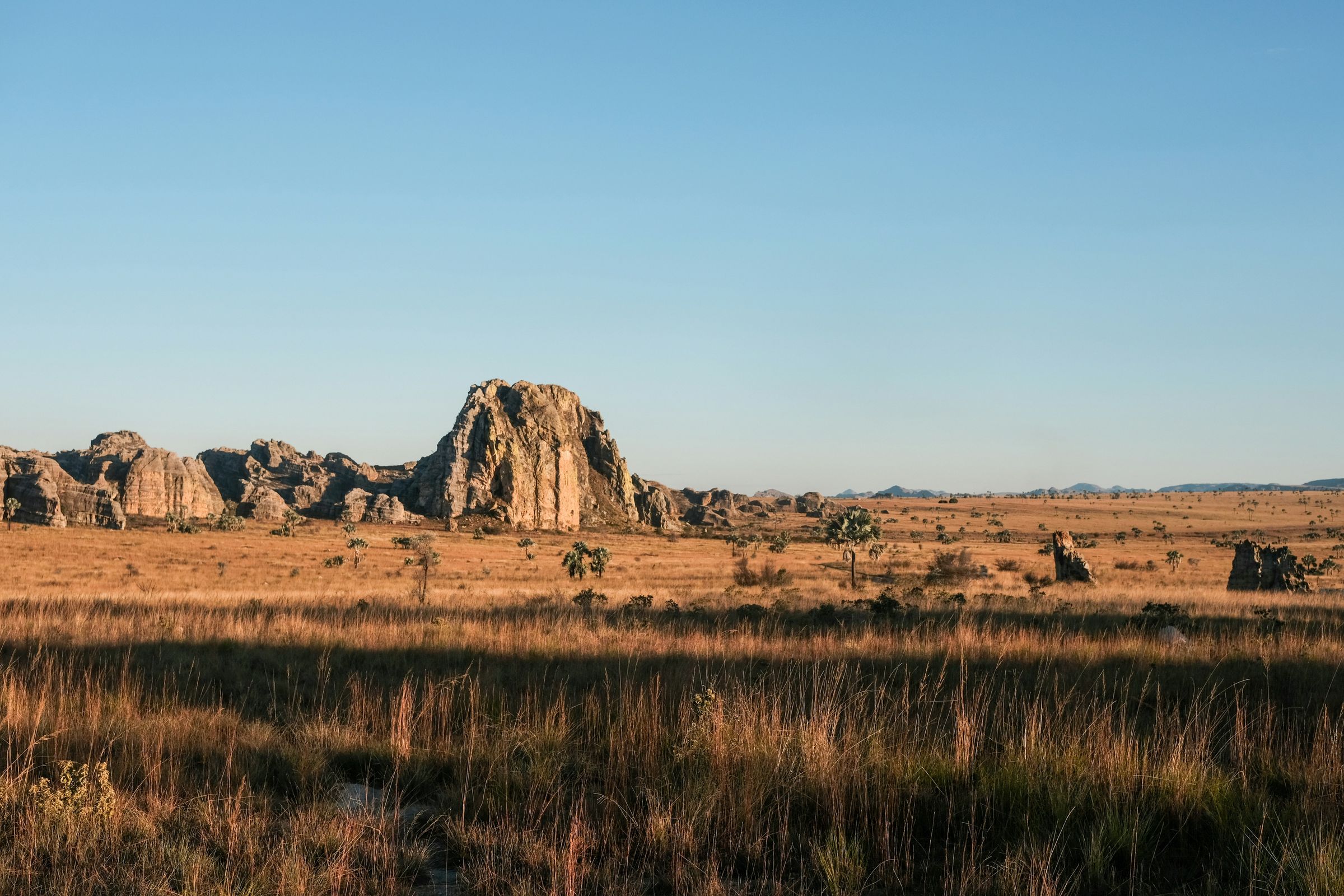
The sandstone massif of Isalo above golden grass and Bismarckia palms

Along the RN7 to the south-west coast

The RN7 runs south from Antananarivo through the highlands to the sandstone of Isalo and the coast near Tulear, with Ranomafana's rainforest a detour to the east. The Classic South (from €1,730) drives it in 11 days, and the Ultimate comes back up it.

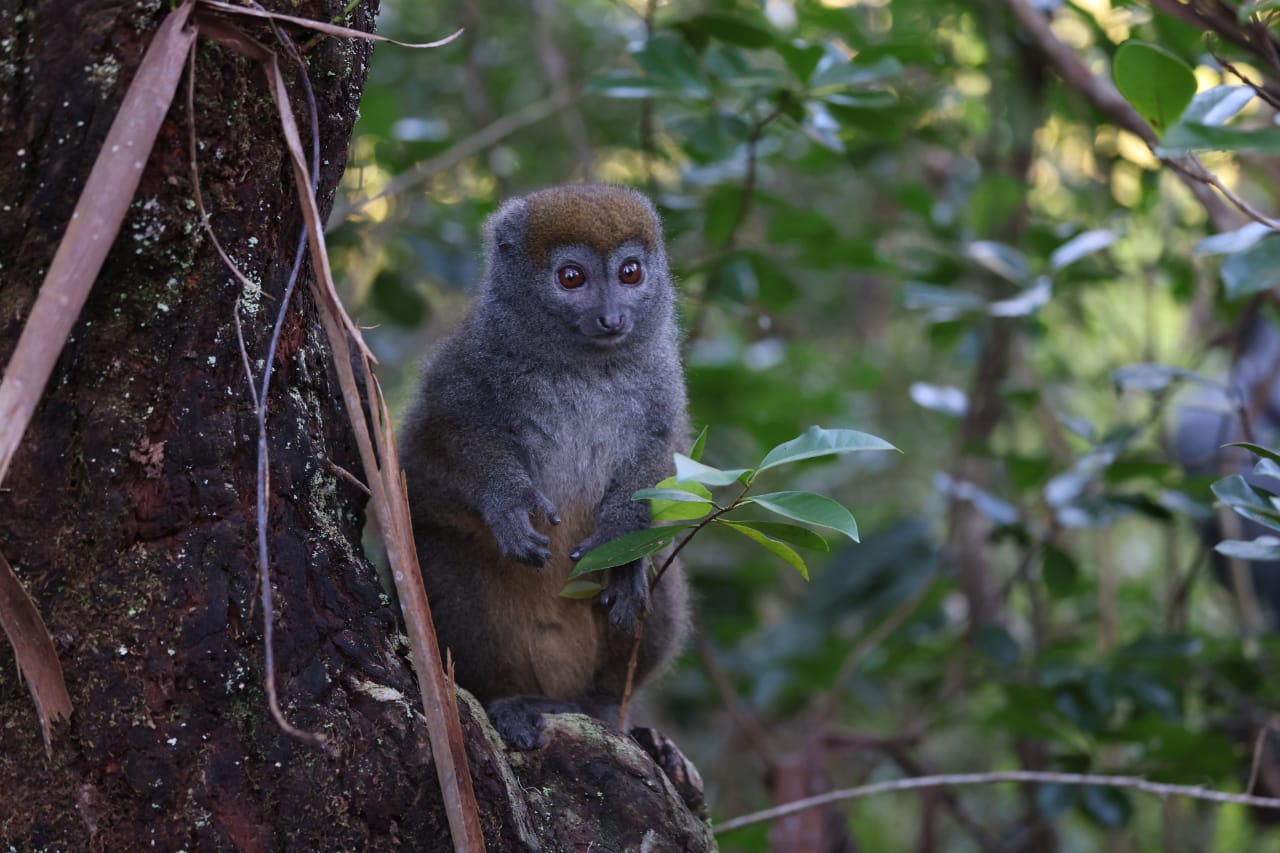
  • Ranomafana. Misty mountain rainforest, part of the Rainforests of the Atsinanana World Heritage Site. The park was created after the golden bamboo lemur was found here in 1986, and the name means "hot water", after the springs in the village. Give it two nights: a night walk along the forest edge, then a morning in the park and lunch at Centre ValBio, the research station.
  • Anja. A community reserve about 12 km south of Ambalavao, run by a village association, where ring-tailed lemurs sun themselves on granite boulders. It's small, so a late-afternoon visit is enough, and what you pay keeps it going. Both trips pair it with the Antemoro paper workshop in Ambalavao.
  • Isalo. A sandstone massif rising out of golden grassland, cut by canyons with palm-shaded pools. You can swim in the Piscine Naturelle or the Black and Blue Pools, ring-tailed lemurs and sifakas are often seen on the trails, and the sunset spot is the Window of Isalo, a rock arch just off the RN7. The park is open all year, but in the rainy season France's travel advice warns against the canyons, especially in the afternoon, because of sudden floods. Two nights, with a full day inside.
  • Ifaty. The end of the Classic South, 25 to 30 km north of Tulear: a lagoon and reef with Vezo fishing villages along the shore, and spiny forest full of baobabs in the Reniala reserve. Two nights on the Classic South, one on the Ultimate.

The far north

The north starts with a flight of about two hours to Diego Suarez. Both northern trips cover everything below and run from April to December: the 11-day trip from Diego (from €1,790) and the 12-day trip from Antananarivo (price on request).

  • Diego Suarez and the Three Bays. East of town, the Baie des Pigeons, the Baie des Dunes and Sakalava Bay have quiet beaches and steady wind. The tourism office says the north is windy on most days from April to November: Sakalava Bay's kitesurfing season runs from May to October, and the swell can make the Baie des Dunes rough for swimming. One or two days.
  • Montagne d'Ambre. A rainforest on an old volcano, with crater lakes, waterfalls, crowned and Sanford's brown lemurs, and Brookesia tuberculata, one of the world's smallest chameleons. Created in 1958, it was one of Madagascar's first national parks, and it's cooler than the coast, so bring a layer. A full day.
  • Tsingy Rouge. Red pinnacles carved by erosion, 50 to 65 km south of Diego, at the end of a dirt track that can be impassable in the rainy season. A short, easy walk.
  • Ankarana. Limestone tsingy riddled with caves and underground rivers, set in dry forest 108 km south of Diego, home to ten lemur species including crowned lemurs. The eastern side is open all year, the western side only from July to November. A full day, with two nights nearby.

Nosy Be and its islands

  • Nosy Be. Madagascar's best-known island, about 30 minutes by boat from Ankify on the mainland, nicknamed the Perfumed Isle for its ylang-ylang. It's the base for boat days: snorkelling in the Nosy Tanikely marine park, and whale sharks, which usually visit from September to December. Both north trips spend four nights here.
  • Lokobe. One of the last areas of primary forest on the island. You go in by pirogue through the mangroves in the morning, then walk to look for black lemurs: the males are black, the females chestnut with white ear tufts. Half a day.
  • Nosy Iranja. Two islets about an hour to an hour and a half by boat from Nosy Be, joined at low tide by a sandbar about 1.5 km long. Turtles nest on the beaches. The 11-day trip gives it two days, and on the 12-day trip it's the whale-watching day, from late July.
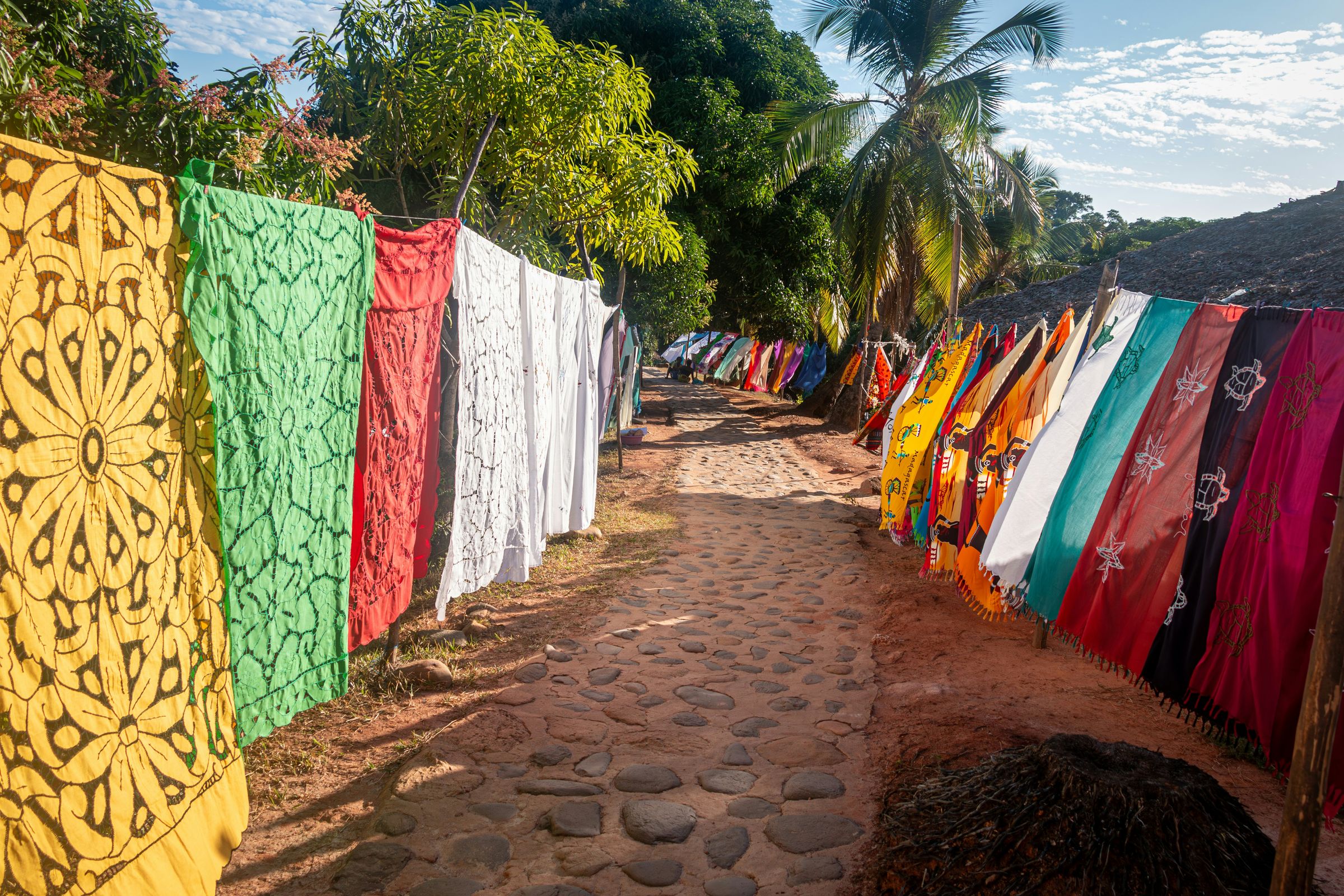
Pareos for sale hanging along a path on Nosy Iranja

Two well-known places our set trips don't visit

  • Masoala. Rainforest running down to the sea in the north-east, in a park of 240,000 ha that includes marine reserves. It's the only place the red ruffed lemur lives, and the wettest corner of Madagascar, with more than 5 m of rain a year in places. Getting there takes a flight to Maroantsetra, which doesn't run every day, then a boat of a couple of hours across the bay. It needs four days or more on its own, ideally from about September to December.
  • Andringitra. Granite peaks 47 km off the RN7 from Ambalavao, and the climb to Pic Boby (2,658 m), Madagascar's second-highest peak, which Madagascar National Parks calls the highest accessible summit in the country. The summit takes about two days with a night at altitude, and from April to September it drops well below freezing up there. Two days of hiking here fit in the middle of the Classic South.

Things to do in Madagascar, and when

If you'd rather start from what you want to do, these are the months we suggest:

For how these places fit into one, two or three weeks, see our Madagascar itinerary guide.

Photos: David Bruyndonckx, Rafael Peier and Falco Negenman on Unsplash.

Questions

Frequently asked questions

What are the best national parks in Madagascar?

For a first trip: Andasibe-Mantadia for the indri, Ranomafana for mountain rainforest and the golden bamboo lemur, Isalo for canyons and natural pools, the Tsingy de Bemaraha for its limestone pinnacles, and in the north Montagne d'Ambre, with the Ankarana reserve nearby. Masoala in the north-east is the big wild one, but it's hard to reach. Madagascar National Parks manages 49 protected areas in all, so there's plenty beyond this list.

Do you need a guide to visit Madagascar's national parks?

Yes. Madagascar National Parks requires every visit to be accompanied by a guide, and most parks are open from 8:00 to 17:00. Fees vary by park. On our trips the park entrance fees and local guides are included in the price, and we book and pay the guides directly.

Can you see the Avenue of the Baobabs and the Tsingy on one trip?

Yes. Both are reached from Morondava on the west coast. The Avenue is 15 to 20 km out of town, and Bekopaka, the village by the Tsingy de Bemaraha, is a full day's drive north on about 200 km of dirt road with two river ferries. Allow five days from Morondava: our 5-day west trip (from €810 per adult) covers the baobabs, a night walk in Kirindy, and both the Grand and Petit Tsingy. It runs in the dry season, roughly April to November, though the Grand Tsingy is most reliably open from June to mid-October, so ask us about early or late dates.

Nosy Be or Sainte Marie?

They're on opposite coasts, so the answer usually follows the rest of your trip. Nosy Be is off the north-west coast and goes with a trip through the north: boat days out to Nosy Iranja and Nosy Tanikely, and black lemurs in Lokobe. Whale sharks usually visit from September to December. Sainte Marie is off the east coast and goes with Andasibe and the Pangalanes. It's on the wetter side of the island, and its big draw is the humpback whales, from July to September.

Which places can you visit in the rainy season?

Andasibe works all year, and Madagascar National Parks keeps Isalo and Montagne d'Ambre open all year too, though France's travel advice warns against Isalo's canyons in the rains, especially in the afternoon, because of sudden floods. The Tsingy de Bemaraha closes in the rains, usually from November until April or May, and from January to March floods can cut roads in the west and north. Cyclones are possible from about November to April, mostly on the east coast. Our best time to visit guide goes month by month.

Our trips

Trips that take you there

Private trips with your own vehicle and driver-guide. Every one can be reshaped around your dates.

2 days · East Indri lemur in the rainforest at Andasibe

Andasibe: Lemurs & Rainforest Trails

Chameleons at Peyrieras, a walk among the lemurs at Vakona, a guided night walk, and an early start in Analamazaotra, where the indri call most mornings.
From €320 per adult Details Book
5 days · West Avenue of the Baobabs in western Madagascar

West: Baobabs and Tsingy

Sunset on the Avenue of the Baobabs, a night walk in Kirindy, the Grand Tsingy hike and a canoe on the Manambolo River.
From €810 per adult Details Book
11 days · South Eroded sandstone ridges and rock formations in Isalo National Park

Classic South, Expanded Version

The classic route done properly: Andasibe, Ranomafana, Anja's ring-tailed lemurs, the canyons of Isalo and the reef at Ifaty.
From €1,730 per adult Details Book
12 days · North Humpback whale breaching off northern Madagascar

Northern Madagascar Adventure

Everything the north has, plus the sea: Ankarana's caves, snorkelling at Sakatia, and a day out looking for humpback whales in migration season.
Price On request per adult Details Book
20 days · Island-wide Western Madagascar landscape with river and baobabs

Ultimate Madagascar Adventure

Three weeks and nearly every landscape the island has: river cruise, Tsingy, baobabs, remote Vezo coast and the southern parks.
From €3,070 per adult Details Book
Keep planning

More guides for your trip

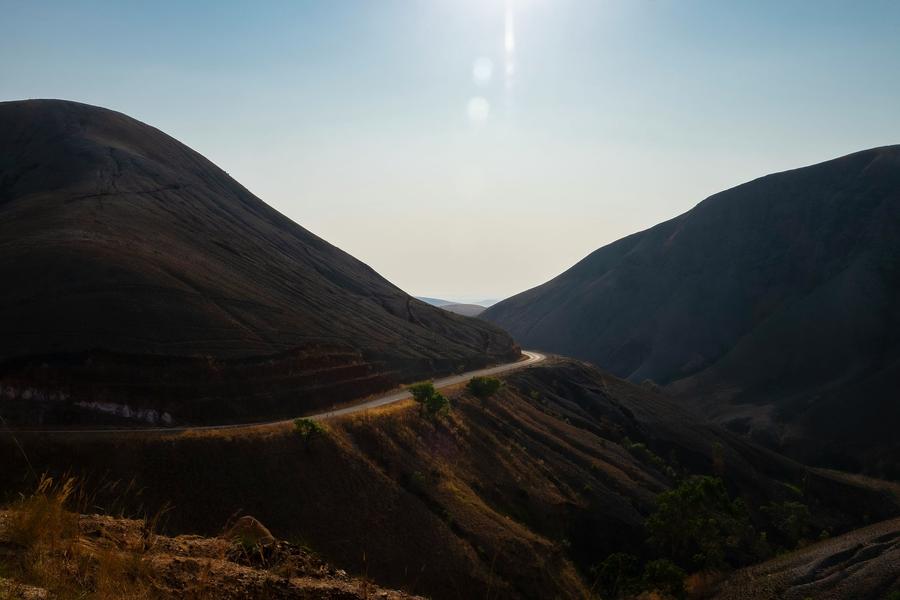
A road curving through bare highland hills on the way south

Madagascar itineraries for 1, 2 or 3 weeks

What fits in one, two or three weeks, with real drive times and the combinations that waste days on the road.
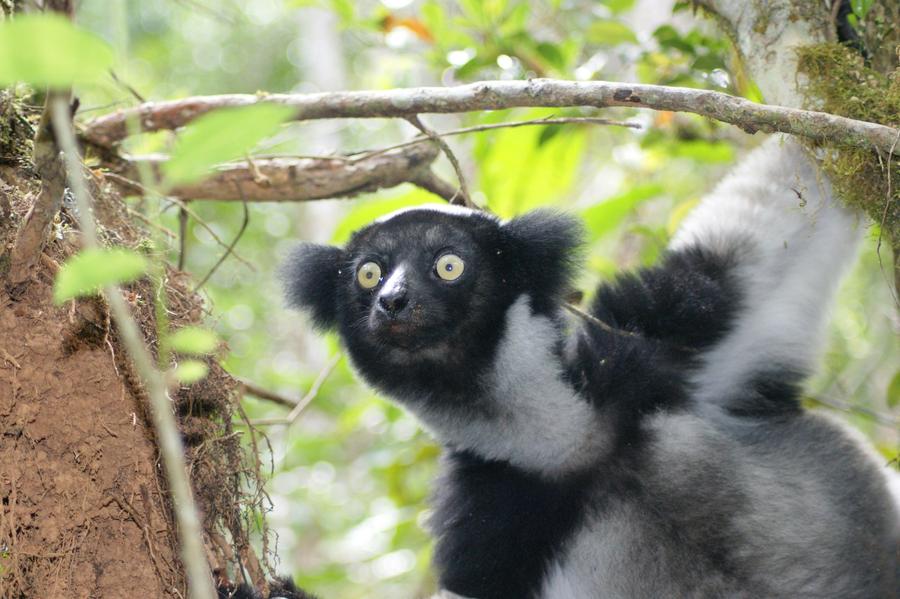
Close portrait of an indri in the eastern rainforest

Where to see lemurs in Madagascar

Indri, ring-tails, sifakas, the aye-aye and mouse lemurs: where each one lives, when to go, and how close you really get.
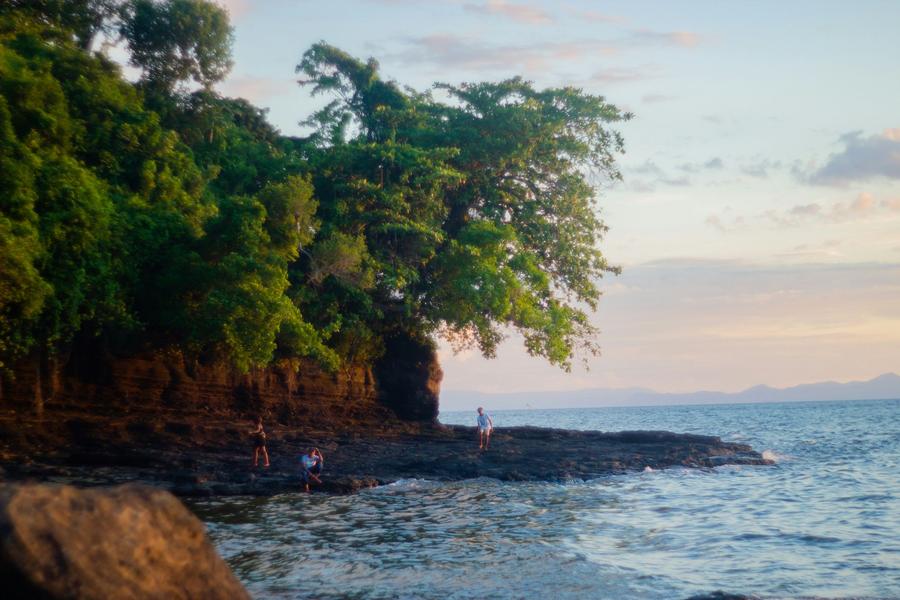
Rocks and trees on the coast of Nosy Be in late-afternoon light

Nosy Be: things to do, when to go and how to get there

Lokobe, Nosy Komba, Tanikely and Iranja, when the rains and the whales come, flights and the Ankify boat, and how many nights to give Nosy Be.

Zebu herd drinking at a river in western Madagascar
Ready when you are

Tell us what you want to see

Send your dates and a rough idea. We reply within 24 hours with a written itinerary and a firm price. No deposit to ask a question.

WhatsApp us