
2 days · East
Andasibe: Lemurs & Rainforest Trails
Chameleons at Peyrieras, a walk among the lemurs at Vakona, a guided night walk, and an early start in Analamazaotra, where the indri call most mornings.
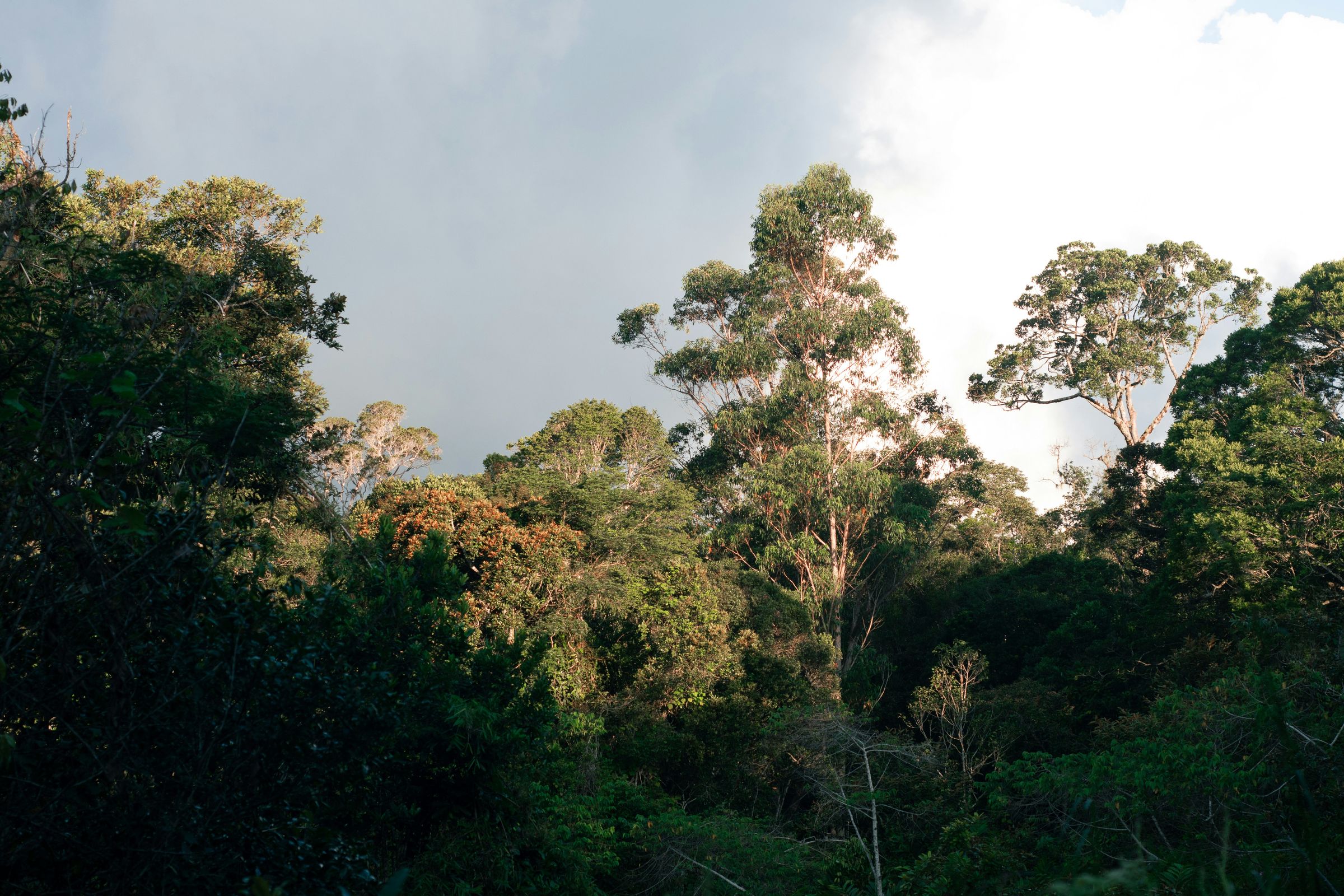
How Analamazaotra, Mantadia and the reserves around them fit together, how to arrange a guided night walk, what to wear for the leeches, and whether it works as a day trip from Antananarivo.
Andasibe National Park, also called Andasibe-Mantadia, is the easiest rainforest to reach from Antananarivo: about 140 km east on the RN2, three to four hours by road. It's also the easiest place to see the indri, the largest living lemur, which lives only in the wild. The habituated families in Analamazaotra, the small southern part of the park, are used to people on the trails.
Give it at least one night. The indri sing mostly in the morning and the night walk starts after dark, so a day trip misses the best of both. Our 2-day Andasibe tour is built around exactly that: private, with your own vehicle and driver-guide, from €320 per adult.
Andasibe is the village. The national park has two parts:
Around them are smaller reserves, several of them run by local communities. Mitsinjo, across the road from the park office, was set up by local guides. VOIMMA, a community reserve that Andasibe villagers set up in 2012, has its own indri and diademed sifakas. Maromizaha, managed by the primate research group GERP, has a dozen or more lemur species, and you can camp inside the rainforest. Vakona is different: a private reserve at Vakona Forest Lodge, between the two park entrances. We book park guides and community reserves and pay them directly, which is how the reserves stay funded.
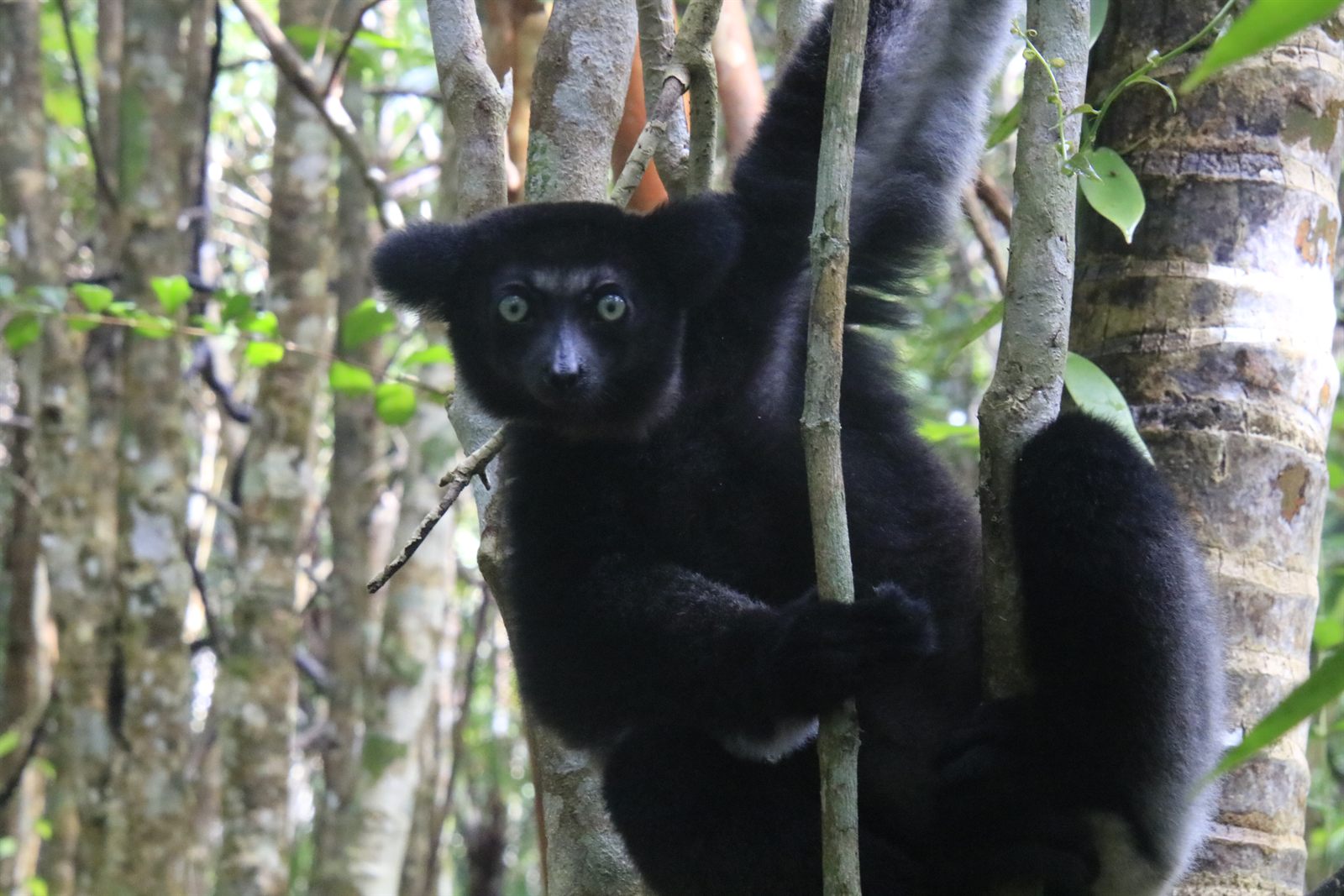
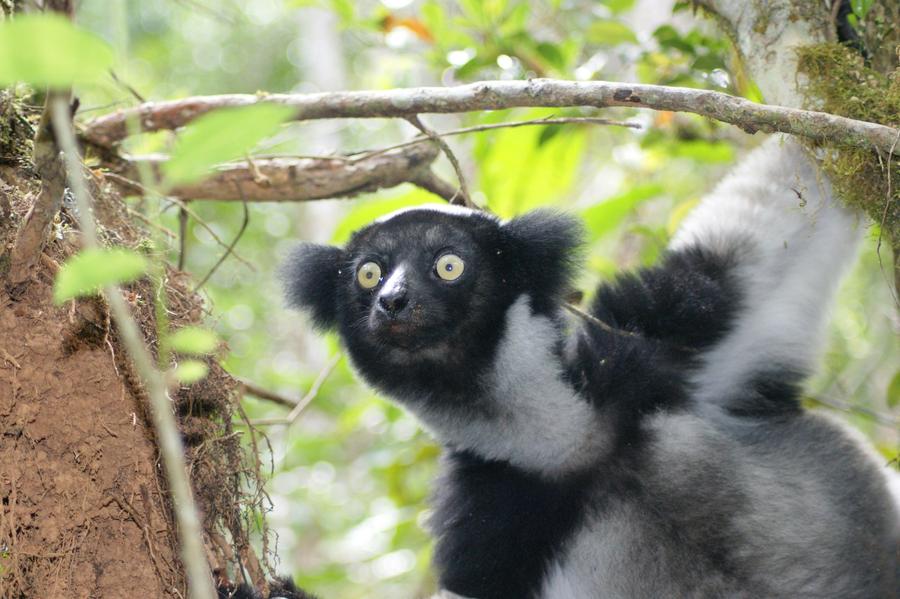
An adult indri weighs 6 to 9.5 kg. It's black and white with a stubby tail, and Critically Endangered. We go into Analamazaotra early, when the indri sing most, and the song carries about 2 km, so most mornings you'll hear them long before you see them. A local park guide walks with you (it's compulsory, and included on our trips).
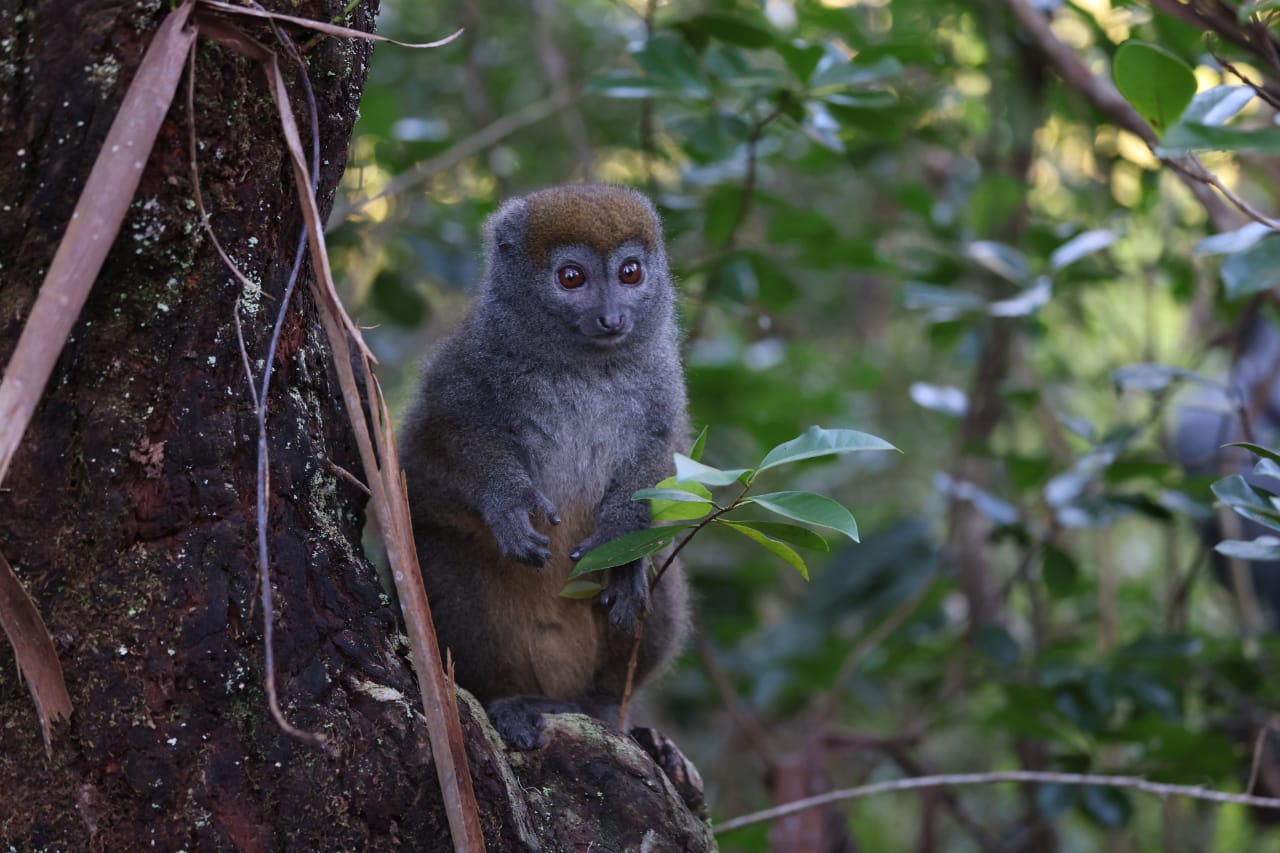
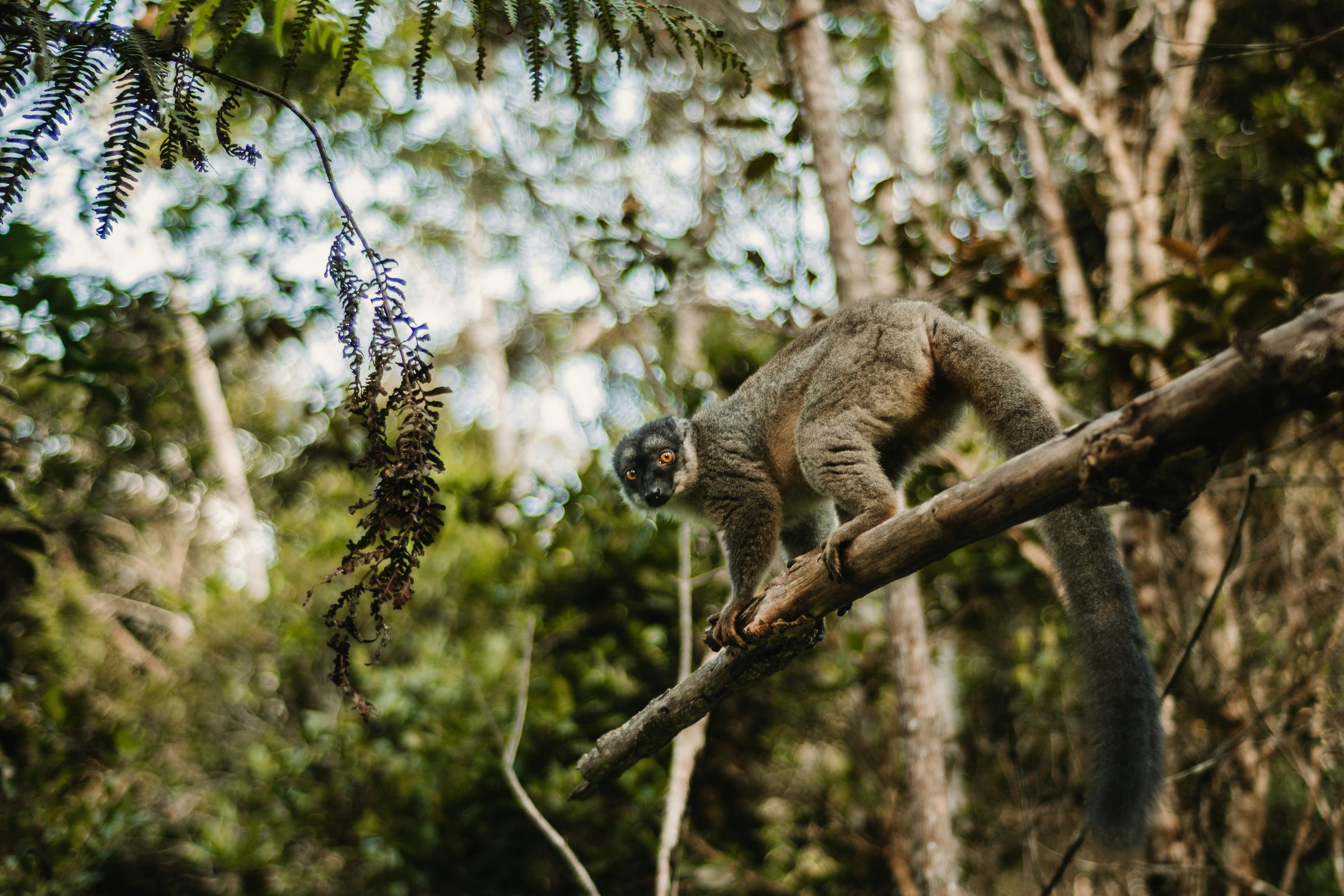
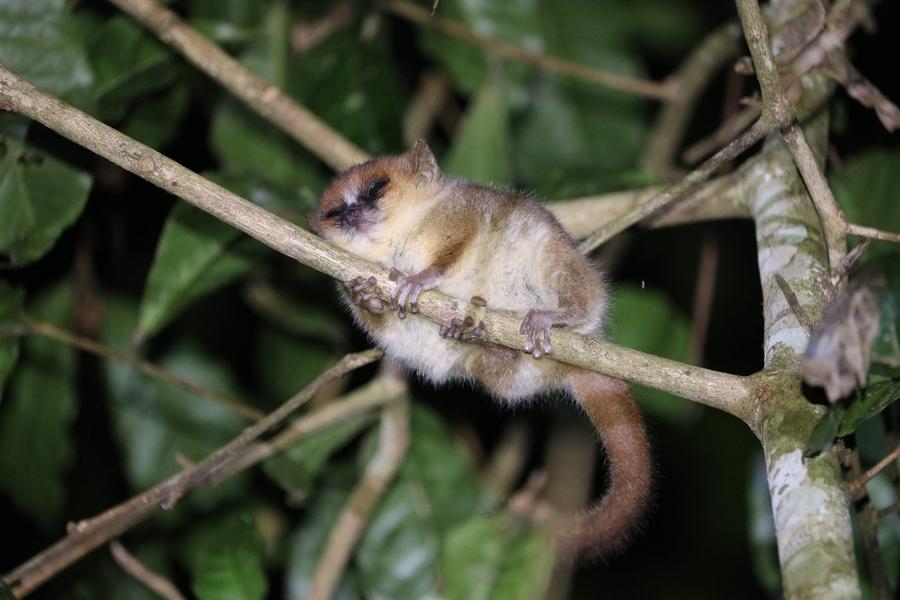
Fourteen lemur species have been recorded in the park. In Analamazaotra you may also see common brown lemurs, grey bamboo lemurs and diademed sifakas. The sifakas and the black-and-white ruffed lemurs had died out there, and from 2006 a reintroduction project moved groups of both back in from disturbed forest elsewhere. After dark come the small ones: woolly lemurs, dwarf lemurs and mouse lemurs, including Goodman's mouse lemur, first identified here in 2005. For the island's other lemurs, region by region, see where to see lemurs in Madagascar.
Mantadia has Parson's chameleon, one of the heaviest chameleons in the world, and satanic leaf-tailed geckos can turn up on night walks. Over 100 bird species have been recorded here too. Add a birding guide and the east becomes a very different trip: see our birding tours.
Two private reserves give you the close-ups you won't easily get in the park.
Peyrieras, at Marozevo in the Mandraka area, is about 70 to 75 km from Antananarivo. It's a small private reserve that works more like a zoo or breeding centre: most of its animals live in large caged buildings, enclosures and greenhouses, which is exactly why you can photograph them up close. Our Andasibe trips stop there on the way out.
At Vakona, Lemur Island is a set of small islands reached by a short canoe crossing, home to habituated lemurs such as brown lemurs, bamboo lemurs, black-and-white ruffed lemurs and diademed sifakas. Visitors may no longer touch or feed them, though the staff still put food out, and the guides discourage the lemurs from jumping on people's shoulders. Bradt's guidebook updates reported fewer lemurs there in 2024.
Along with the Palmarium further east, Vakona is where most of our guests get the photograph they take home. The Classic South already offers Mitsinjo instead, and every trip can be reshaped, so if you'd rather spend that afternoon with wild lemurs, tell us and we'll look at it.
Tell us your dates and what you would like to see. We reply within 24 hours with a written itinerary and a firm price.
Night walks around Andasibe take place in community and private reserves, as well as along some forest-edge routes. Access inside the national park depends on the current authorised circuits. Confirm the exact reserve, starting time and fee when booking, and follow the guide's rules for torch use and photography. Our 2-day trip and the Classic South include a guided night walk on the first evening, and it's an option on the Eastern trip.
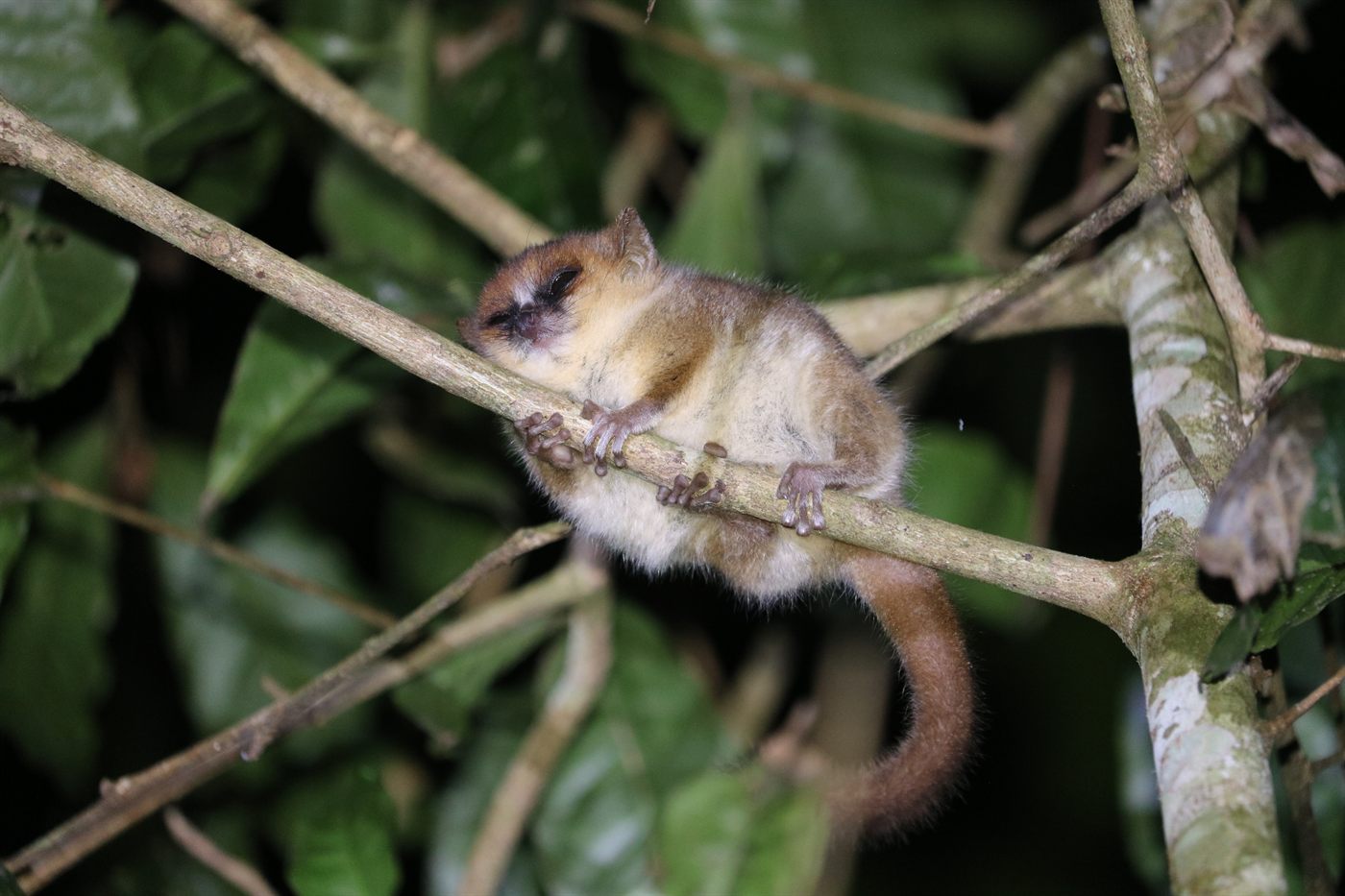
Look for mouse lemurs' eyeshine in the torchlight, woolly lemurs, frogs, chameleons asleep at the ends of twigs and, with luck, a leaf-tailed gecko. Night walks are livelier in the warm, wet months, roughly September to March, as the dwarf lemurs come out of hibernation.
Andasibe is about 140 km east of Antananarivo on the RN2, the paved road to Toamasina. Allow three to four hours, longer if traffic is heavy getting out of Antananarivo. The village is 26 km past Moramanga, and Peyrieras is roughly halfway, so it's an easy place to stop. Taxi-brousse minibuses run the road too, but they're often late and overcrowded, and they won't wait while you photograph a chameleon.
A day trip is possible, but it's six to eight hours in the car for a few hours in the forest, and no night walk. We'd stay the night.
From Andasibe you can carry on east to the Pangalanes Canal and the coast, as our 10-day Eastern Madagascar trip does, or go back through Antananarivo and south on the RN7, like the Classic South. Andasibe isn't on the RN7 itself. Road times for the rest of the island are in getting around Madagascar.
Our trips are private and can be reshaped, so if you want that extra night for Mantadia, ask.
Andasibe works in any month. Madagascar National Parks calls May to October the ideal time for wildlife and November to April the lush, flowering season, with more rain. Don't expect a real dry season, though: the park's own page says there isn't one, so rain is possible in any month.
At around 1,000 m it's cooler than you might expect: about 19°C on average, and nights can drop to around 10°C. July to October is the busy season, when the main circuits in Analamazaotra are at their fullest. Mantadia and the community reserves are the quiet alternative. October and November are good months for lemur babies.
Leeches come out after rain, which here can mean any month: a writer for Audubon picked them up in a cold drizzle in August. Tuck your trousers into your socks and check your ankles after the walk. More on the seasons in the best time to visit Madagascar.
Photos: Sandy Ravaloniaina on Unsplash.
You can, but it's six to eight hours on the road from Antananarivo for a few hours in the forest, and you miss both the night walk and the early morning, when the indri sing most. One night makes a far better visit. Our private 2-day Andasibe trip (from €320 per adult) includes Peyrieras, Vakona, a guided night walk and an early morning in Analamazaotra.
No one can promise it. But the indri families in Analamazaotra are habituated, the circuits are laid out through their territories, and their song carries about 2 km, so most mornings you'll at least hear them. Go in early, when they sing most. Seeing one up close depends on where the family is feeding that day.
Fourteen lemur species have been recorded in Andasibe-Mantadia National Park. The indri, the largest living lemur, is the one most visitors come for. In Analamazaotra you may also see common brown lemurs, grey bamboo lemurs and diademed sifakas, and Mantadia is the better bet for black-and-white ruffed lemurs. After dark come woolly lemurs, dwarf lemurs and mouse lemurs, including Goodman's mouse lemur, first identified here in 2005. They're all wild, so we can't promise any of them.
Check with Madagascar National Parks and your guide for the current authorised circuits. Guided night walks also run in community and private reserves around Andasibe, such as Mitsinjo and Maromizaha. Confirm the location, permission and fee before planning the evening; a night walk in the area does not automatically mean entry to the national park.
Yes, if you have a second night. Mantadia, the bigger northern part of the park, lies 15 to 20 km north of the village, an hour or more each way on a muddy track, and its trails are steeper than Analamazaotra's. In return you get waterfalls, a natural pool on the short Rianasoa circuit, black-and-white ruffed lemurs and diademed sifakas, and far fewer people. Our 2-day trip doesn't go there, but every trip can be reshaped, so ask if you want the extra night.
On your own you pay a daily park entry fee, a park guide and any extras. At the time of writing a foreign adult pays 45,000 ariary a day for Analamazaotra or Mantadia, about 9 euros. Treat these as dated figures and confirm the current tariff for your visit. Any separately booked night circuit can have its own fee; confirm local taxes as well. On our trips, entry fees and park guides are included in the price: from €320 per adult for the 2-day trip.
Private trips with your own vehicle and driver-guide. Every one can be reshaped around your dates.
Chameleons at Peyrieras, a walk among the lemurs at Vakona, a guided night walk, and an early start in Analamazaotra, where the indri call most mornings.

Indri at Analamazaotra, the Palmarium's approachable lemurs, boat rides on the Pangalanes Canal, then island time on Sainte Marie.

The classic route done properly: Andasibe, Ranomafana, Anja's ring-tailed lemurs, the canyons of Isalo and the reef at Ifaty.
Indri, ring-tails, sifakas, the aye-aye and mouse lemurs: where each one lives, when to go, and how close you really get.
Whale season and the rules boats follow, Île aux Nattes and the pirate cemetery, the rain and cyclones, the flight or the boat, and how many nights to give Sainte-Marie.
Mouse lemurs, sportive lemurs, sleeping chameleons and frogs: where night walks run, access rules, what to bring and the months when there's most to find.
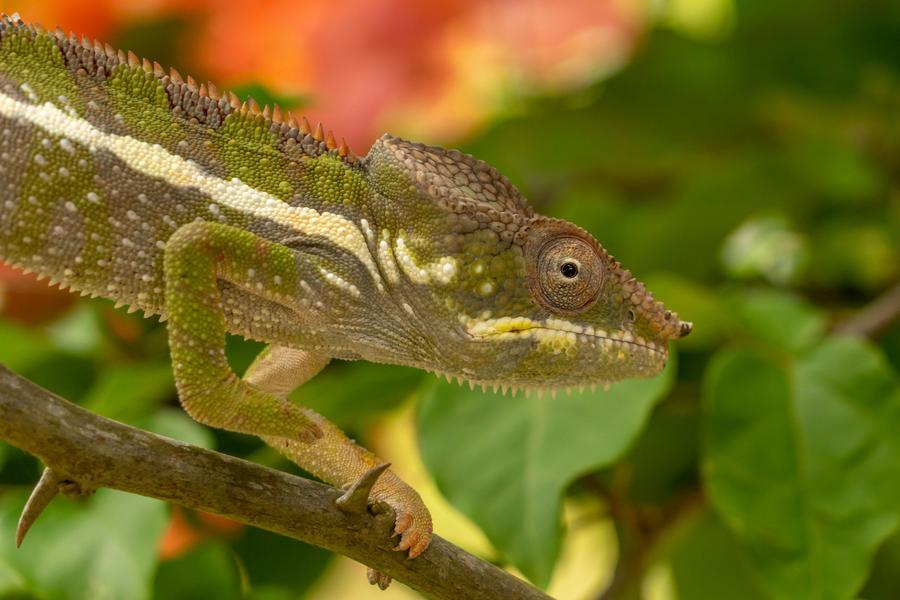
Panther, Parson's and leaf chameleons: where to find them, how the night walks work, what the colours really mean, and the months they're most active.

Send your dates and a rough idea. We reply within 24 hours with a written itinerary and a firm price. No deposit to ask a question.