
11 days · North
Northern Madagascar: Beaches, Tsingy & Wildlife
The Three Bays, Montagne d'Ambre, the red Tsingy and a full day in Ankarana's caves, then Lokobe and the sand of Nosy Iranja.
Nosy Iranja and the islands off Nosy Be, Sainte-Marie and Île aux Nattes, Mahambo, Ifaty and Anakao, Ramena and the Emerald Sea, and the remote west coast. What each beach is like, its dry months, what to check before swimming, and which of our trips end on one.
Madagascar's best beaches are on its small islands and its dry south-west coast: Nosy Iranja and the islands around Nosy Be in the north-west, Île Sainte-Marie and Île aux Nattes in the east, and Ifaty and Anakao near Tulear. Which one suits you depends on the month. The south-west is dry almost all year and the north-west from about May to October, while Sainte-Marie is wet most of the year and driest from September to November. Cyclones are possible from November to April, mostly on the east and north coasts.
The beach usually comes last, after the forests and the long drives, and that's how we'd plan it. Four of our private trips end with days by the sea: both north trips on Nosy Be, the Eastern trip on Sainte-Marie and the Classic South at Ifaty.
Madagascar is big enough that some coast is usually dry. These are the World Meteorological Organization's averages for 1991 to 2020:
Canada's travel advice gives the cyclone season as November to April, worst from January to March. In those months we'd point you south-west, for the reasons in our cyclone season guide.
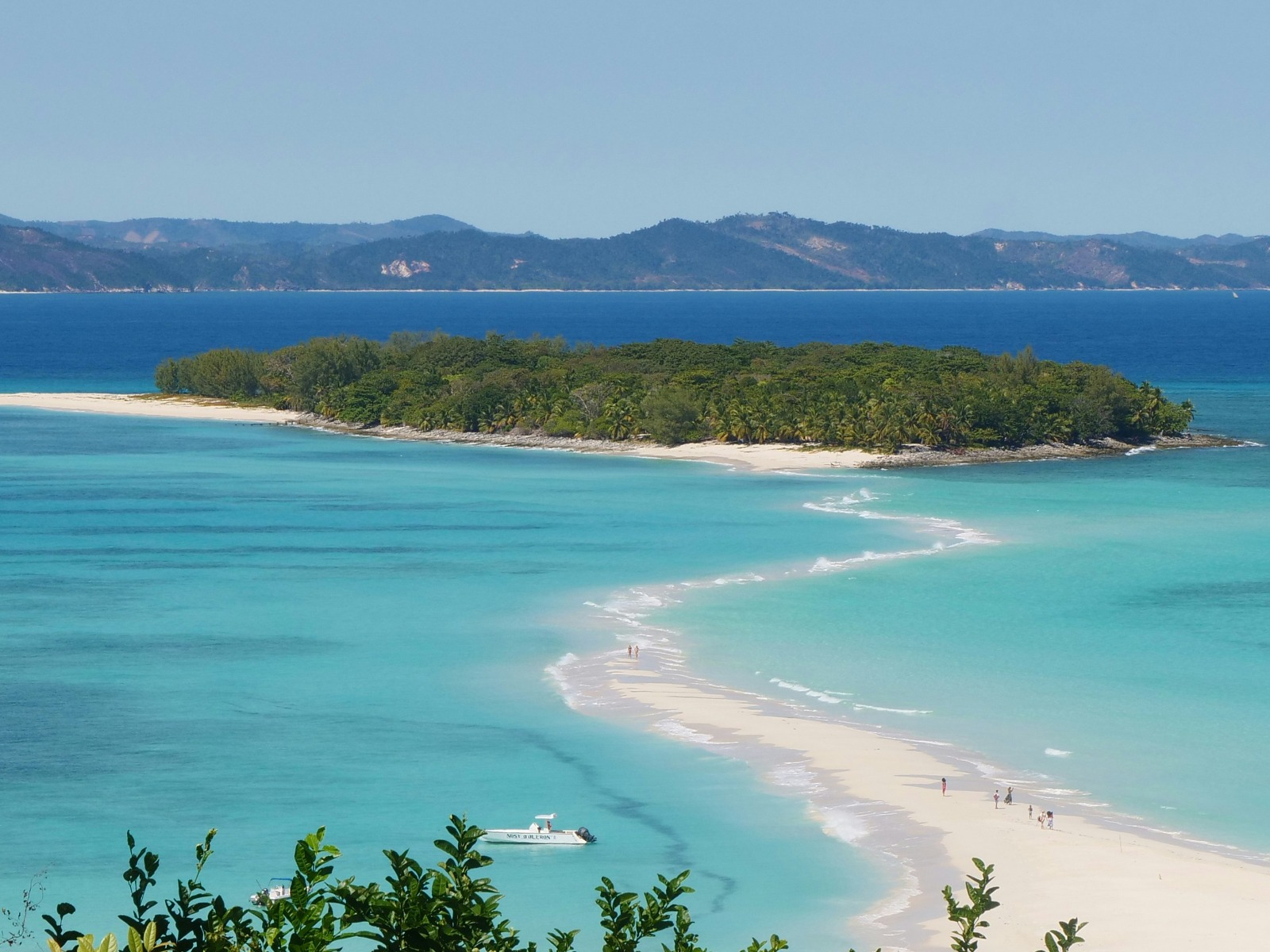
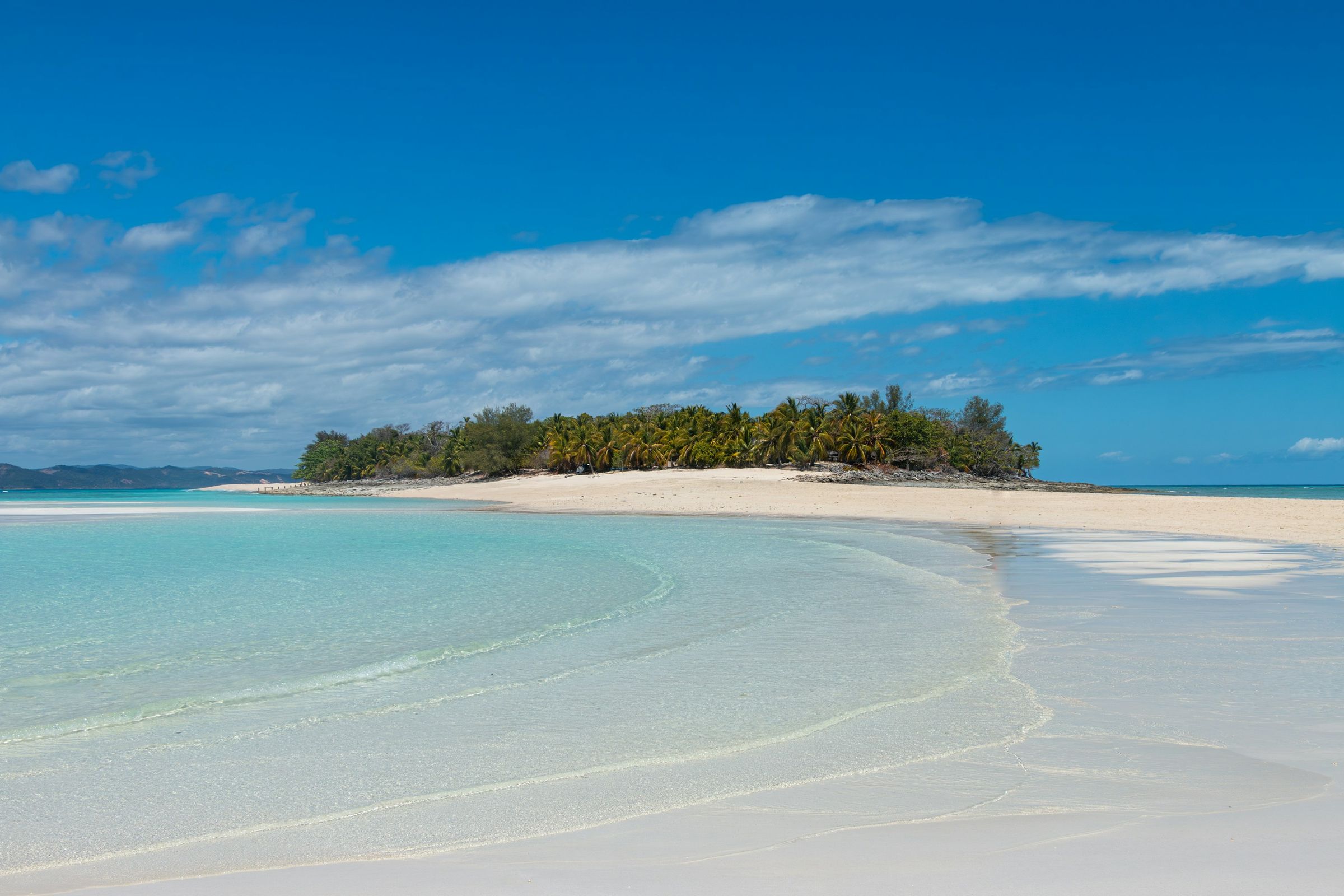
Nosy Iranja is two small islands off the north-west coast, joined by a sandbar about 1.5 km long that surfaces at low tide. You walk from Nosy Iranja Be, which has a village, to tiny Nosy Iranja Kely, and at high tide the sand goes under. Sea turtles lay their eggs on the beaches.
On our trips it's a day out by boat from Nosy Be. The 11-day Northern Madagascar trip gives it two full days for swimming and snorkelling. On the 12-day Northern Madagascar Adventure it's one day. We wouldn't choose Iranja specifically for whale watching: the records for the wider Nosy Be area don't establish it as a whale site. Go between May and October. Our Nosy Iranja guide covers the tides.
Nosy Be's own beaches are pleasant rather than remarkable. Ambatoloaka is the busiest resort. Andilana, whose beaches face north, tends to have the clearest water, Rough Guides says, and the west-coast beaches have warm tidal lagoons behind a reef that is degraded in places.
The better water is around the small islands. Nosy Tanikely, a marine national park about 8.5 km south, is the usual snorkelling trip and gets busy in high season. Nosy Sakatia, about ten minutes by boat, has some of the most important turtle-nesting beaches around Nosy Be, and on our 12-day trip it's the snorkelling day: with a bit of luck you may find yourself swimming alongside sea turtles. Whale sharks usually visit from September to December. Avoid the island's crater lakes, where Nile crocodiles live. For the sea, ask for current advice about the beach and conditions.
Both north trips give Nosy Be four nights. It's under two hours by air from Antananarivo, so we can add it to the end of any of our trips. See our Nosy Be guide.
Ramena is a fishing village 18 to 20 km from Diego Suarez, with about 3 km of white beach. Boats leave from it for the Emerald Sea, a shallow lagoon near the mouth of Diego's bay, where a clear sandy bottom turns the water emerald and turquoise. Organised trips usually include snorkelling gear and lunch on one of the small islands around it.
The Three Bays run from Ramena to Sakalava Bay, a walk of about 20 km. Our 11-day trip spends two days there and the 12-day trip one. The tourism office counts 95% of days from April to November as windy in the north, and from May to October the trade wind blows almost without a break. Ideal for kitesurfing, less so for lying still on the sand.
Ramena and the Emerald Sea aren't fixed days on our trips, but both leave your first afternoon in Diego free. Ask us about swapping a Three Bays day for the lagoon.
Tell us your dates and what you would like to see. We reply within 24 hours with a written itinerary and a firm price.
Sainte-Marie is a long, thin island off the east coast, about 50 km end to end, known for its palm-fringed beaches. From July to September, with the first from June, humpback whales gather in the channel between the island and the mainland.
Île aux Nattes, off the southern tip, is about five minutes across by pirogue and has no cars. Rough Guides recommends its west coast, from the northern tip, for snorkelling. Ask locally about conditions before going in.
It's wet. July, in the middle of whale season, averages about 290 mm of rain on 22 days, September about 80 mm, so aim for August or September if you can. Our Eastern Madagascar trip ends with three nights here, and the boat across from Mahambo is included. The UK Foreign Office advises getting local advice and checking the weather before that open-sea crossing. More in our Île Sainte-Marie guide.
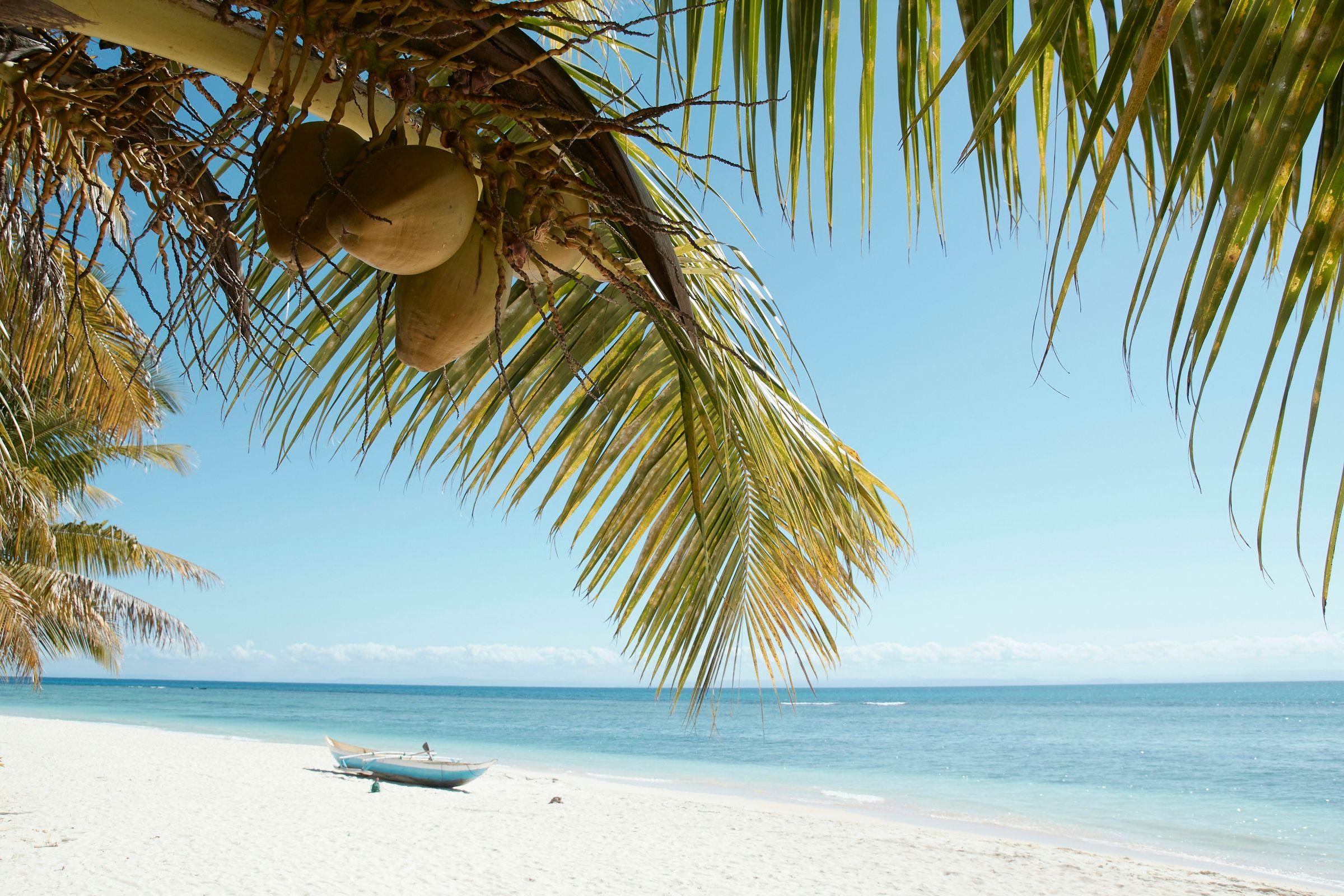
Mahambo is a village north of Toamasina on the RN5, with a beach and reefs offshore. On the Eastern trip it's the night before the boat to Sainte-Marie, with the afternoon free on the beach.
It earns the stop because much of this coast is poor for swimming. Canada's travel advice says sharks are present, especially around Toamasina (Tamatave) and Manakara, and Rough Guides says to take local advice before swimming off Toamasina. Get current local advice before entering the water. A reef doesn't remove the risk of currents.
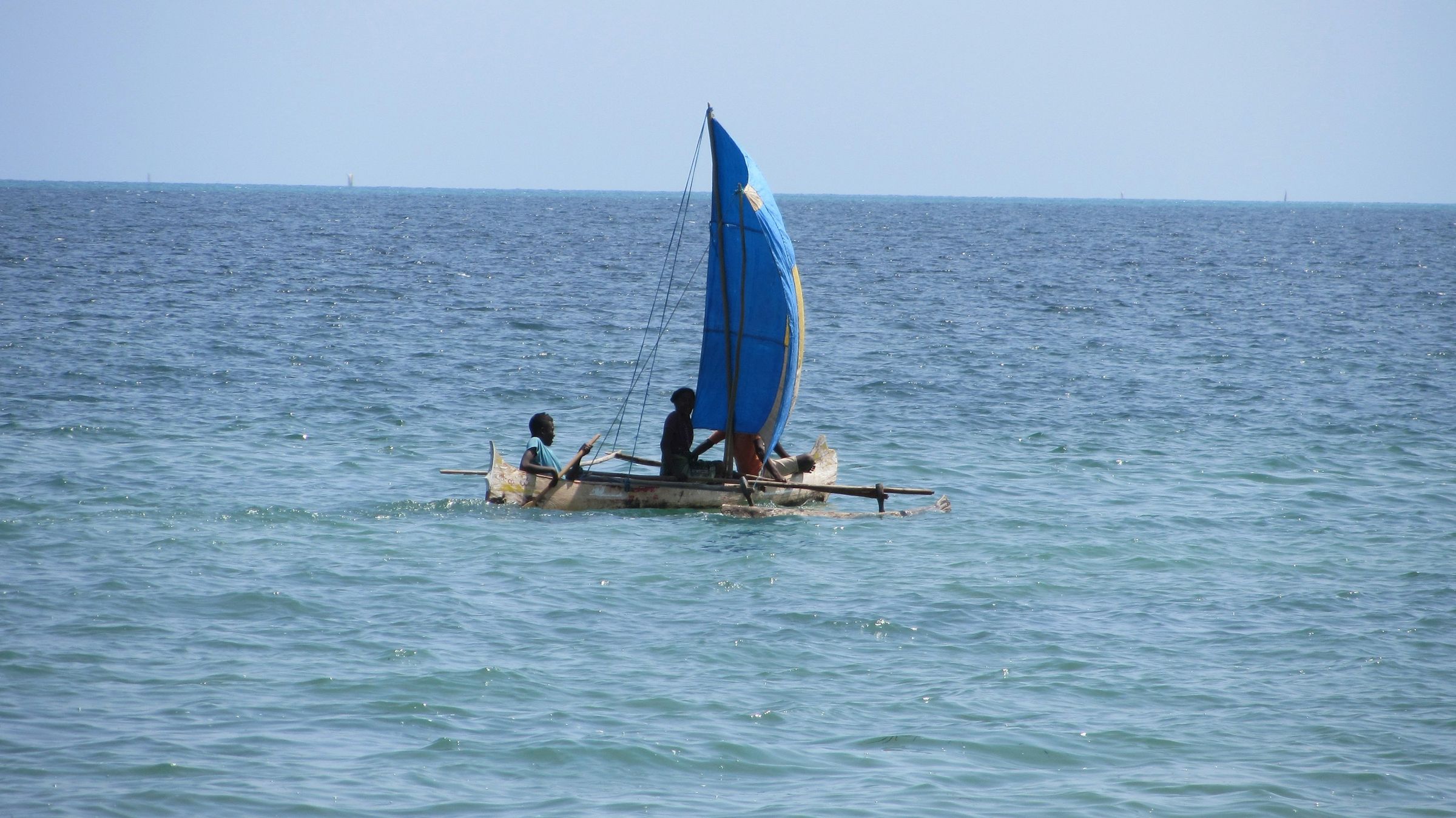
Ifaty is a fishing village about 25 km north of Tulear, beside a lagoon that runs for some 26 km behind an extensive barrier reef. Come for the snorkelling, the diving and the spiny forest of the Reniala reserve. As a beach, Rough Guides says, it plays second fiddle to Anakao, and the beach sellers can be a nuisance.
Anakao is a Vezo fishing village of white sand and turquoise water across Saint Augustin Bay, south of Tulear. The road is poor, so you go by boat from Tulear, one to two hours depending on the boat. Nosy Ve, nearby, is uninhabited and visited by day. Whale watching here runs from about mid-June to September.
This is the coast for the wet months: in January Tulear gets about 130 mm of rain to Nosy Be's nearly 400. It's hot, though, at 33 °C by day.
Our Classic South ends with two nights at Ifaty and a free day, then flies back from Tulear (we can book the flight, which isn't in the price). Anakao isn't on our set trips, but it's reached from the same town, so ask. The UK Foreign Office warns of violent robberies on beaches north and south of Tulear, even in daytime, so keep to the beach in front of your hotel.
North of Ifaty the coast empties out. Our Ultimate Madagascar Adventure spends four days on it: Belo sur Mer, a village of boat builders about 90 km south of Morondava, then remote tracks past dunes, mangroves and Vezo villages to Morombe, then two nights at Ambatomilo, a quiet beach with turquoise water and white sand, before Ifaty.
It's the hardest coast to reach. Belo sur Mer can be cut off by road for up to five months of the rains, which is one reason the Ultimate runs from May to November. The UK Foreign Office lists the west coast between Belo-sur-Tsiribihina and Tulear among the places where attacks have happened. Our safety guide has the detail, and the Ultimate can be shortened or split if you'd rather leave this stretch out.
Morondava's broad white beach doubles as a working fishing beach and, Rough Guides says, an ad hoc toilet. Kimony, about 8 km north, is less spoilt. Come for the Avenue of the Baobabs at sunset, 15 to 19 km out of town, and treat the beach as a bonus. Our 5-day West trip starts and ends here, and the Avenue of the Baobabs guide covers the trees.
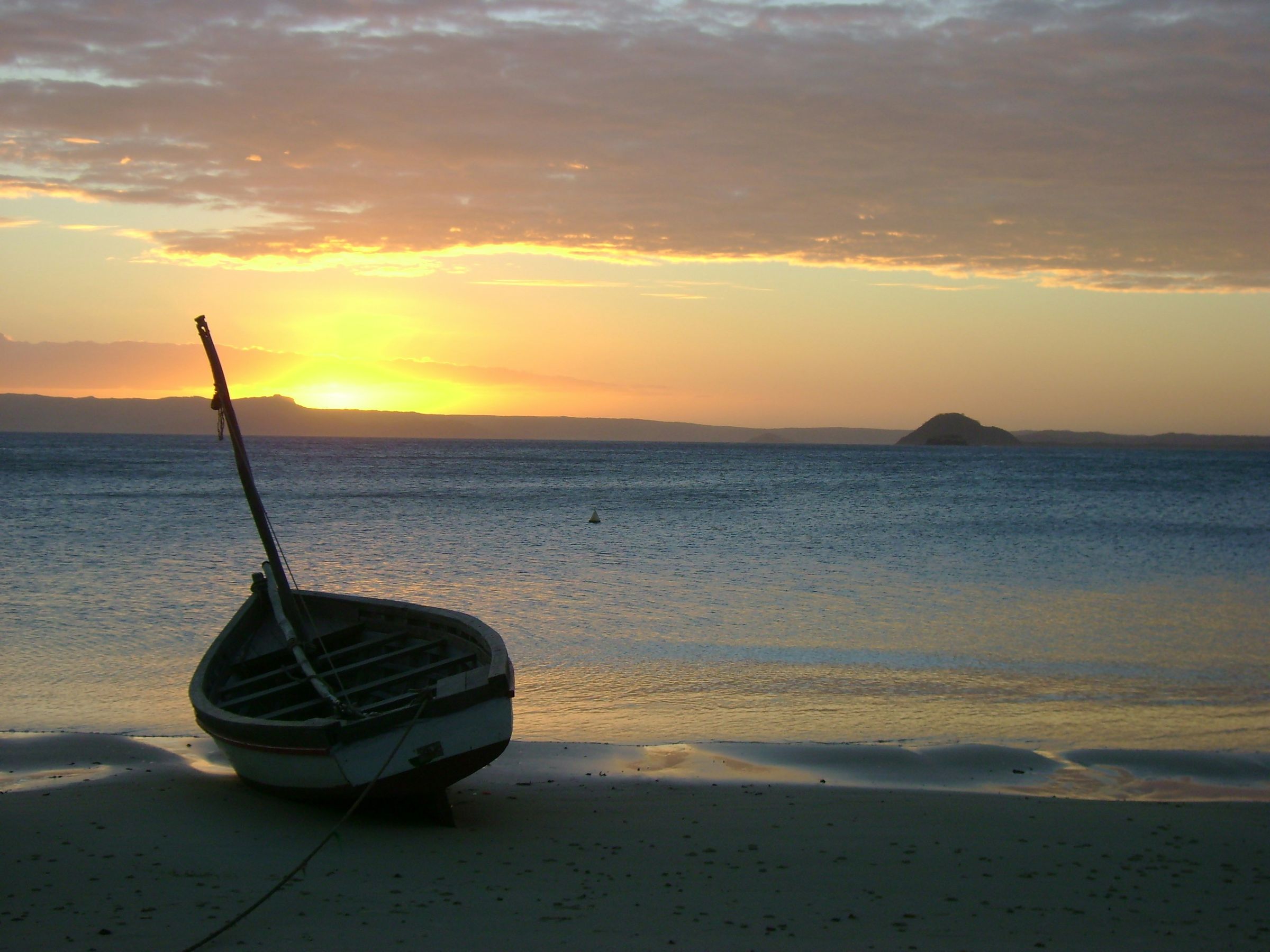
All are private, with your own vehicle and driver-guide, and can be reshaped.
For a honeymoon built around one of these, see our honeymoon guide. Send your dates on the booking form or WhatsApp and we'll tell you honestly which coast suits them. A real person in Antananarivo replies, usually within 24 hours.
Photos: David Bruyndonckx, iAko Randrianarivelo, Antonio Sánchez and Marine Lacourie on Unsplash.
For one day of white sand and clear water, Nosy Iranja, two islands off the north-west coast joined at low tide by a sandbar about 1.5 km long. For a longer stay it depends on the month: Ifaty and Anakao near Tulear work almost all year, Nosy Be from May to October, and Sainte-Marie is driest from September to November.
May to October suits most coasts: Nosy Be gets only 20 to 35 mm of rain a month then. Sainte-Marie, on the wet east coast, is driest from September to November. Cyclones are possible from November to April, worst from January to March, and the south-west around Tulear, with about 360 mm of rain a year, has much lower average rainfall.
It depends on the beach and the conditions that day. Canada's travel advice says riptides are common and several people drown each year, and that sharks are present, especially around Toamasina and Manakara on the east coast. Ask for current local advice about swimming, follow warnings and wear reef shoes on reef flats, where sea urchins can cause painful wounds.
Andilana, whose beaches face north, tends to have the clearest water, and Ambatoloaka is the busiest resort. The whiter sand and better snorkelling are on the small islands, such as Nosy Iranja and Nosy Tanikely, which you reach on boat days. Go between May and October, when Nosy Be is dry.
Yes, and it's the usual way: wildlife first, beach at the end. Our Eastern trip goes from the indri at Andasibe to Sainte-Marie, the Classic South down the RN7 to Ifaty, and the 11-day north trip from Montagne d'Ambre and Ankarana to Nosy Be, where Lokobe has black lemurs.
Private trips with your own vehicle and driver-guide. Every one can be reshaped around your dates.
The Three Bays, Montagne d'Ambre, the red Tsingy and a full day in Ankarana's caves, then Lokobe and the sand of Nosy Iranja.
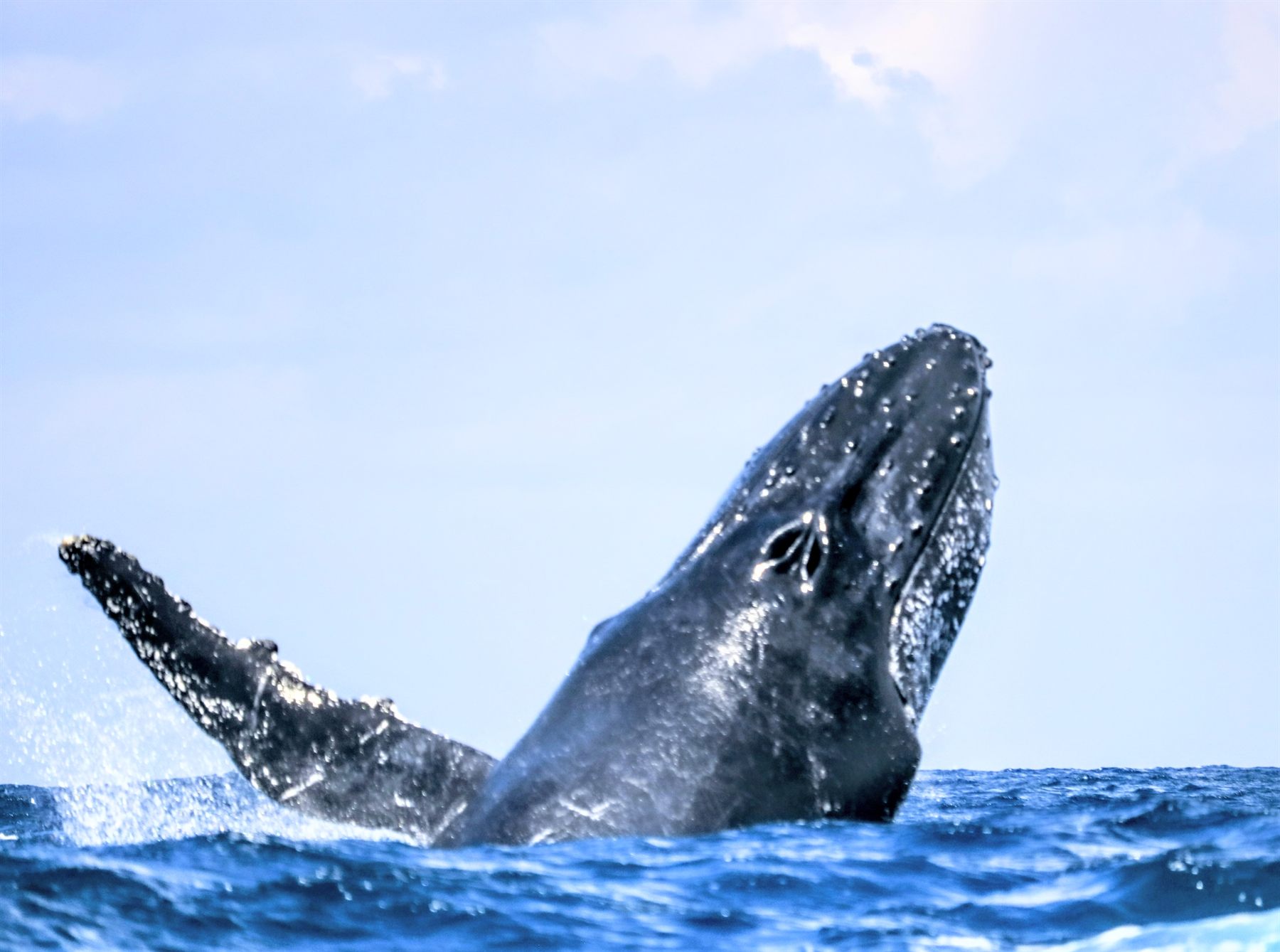
Everything the north has, plus the sea: Ankarana's caves, snorkelling at Sakatia, and a day out looking for humpback whales in migration season.

Indri at Analamazaotra, the Palmarium's approachable lemurs, boat rides on the Pangalanes Canal, then island time on Sainte Marie.

The classic route done properly: Andasibe, Ranomafana, Anja's ring-tailed lemurs, the canyons of Isalo and the reef at Ifaty.
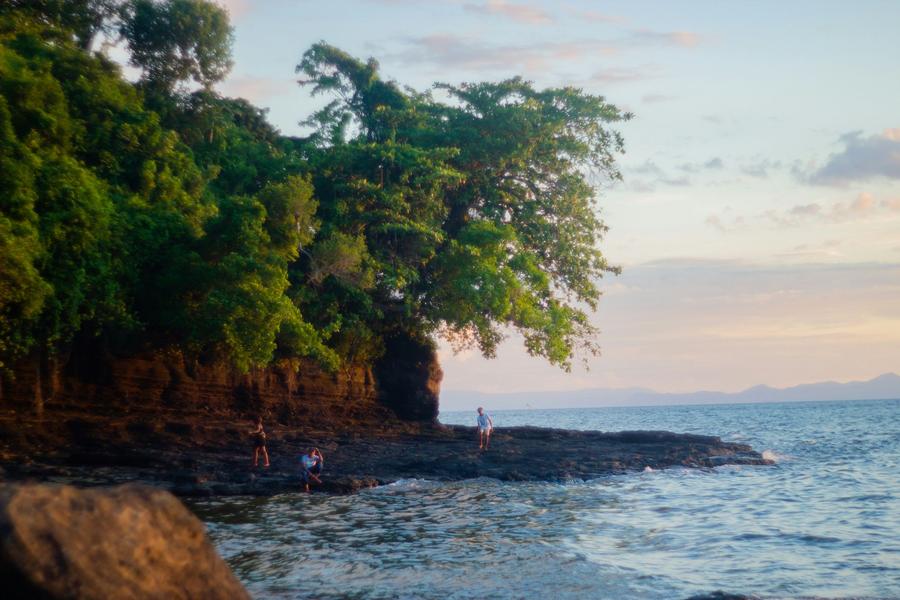
Lokobe, Nosy Komba, Tanikely and Iranja, when the rains and the whales come, flights and the Ankify boat, and how many nights to give Nosy Be.
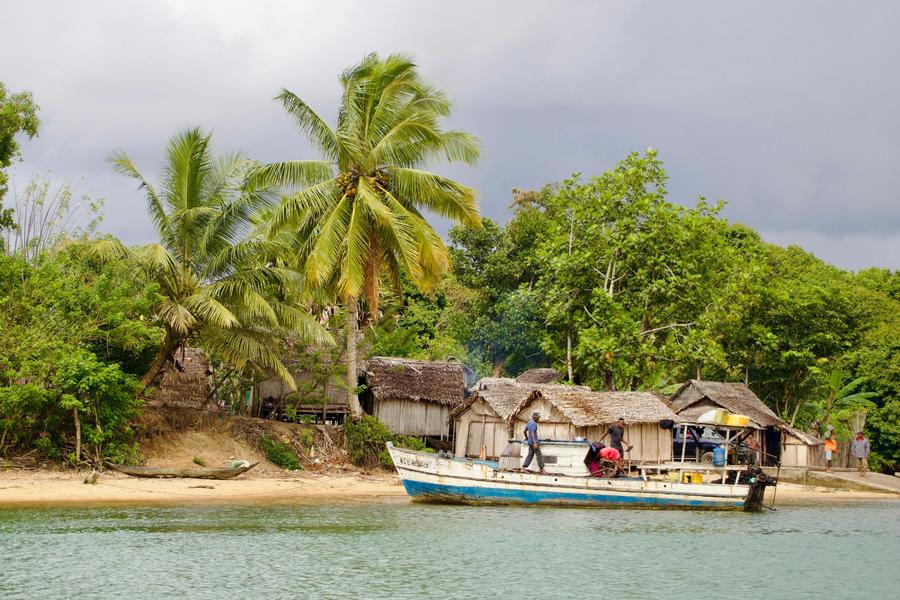
Whale season and the rules boats follow, Île aux Nattes and the pirate cemetery, the rain and cyclones, the flight or the boat, and how many nights to give Sainte-Marie.
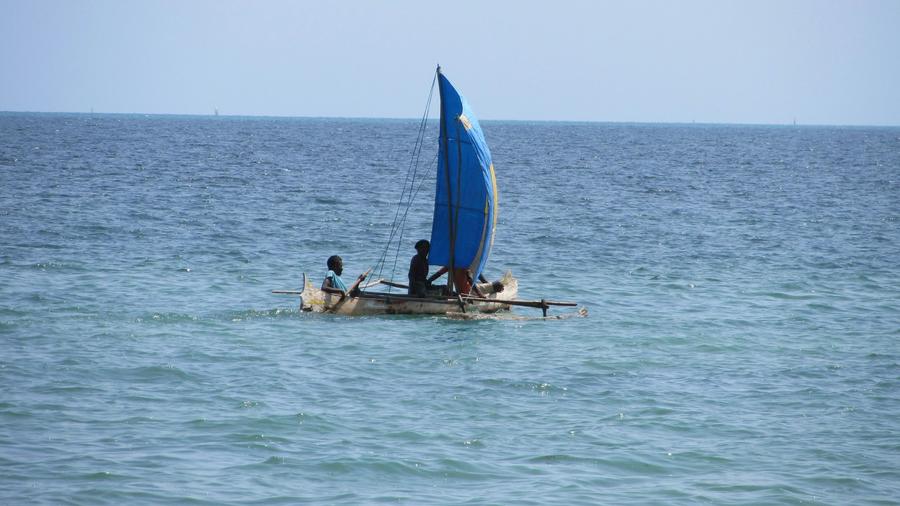
Ifaty's lagoon and reef, the baobabs and birds of the Reniala spiny forest, Tulear and its flights, Anakao by boat, the heat and whale months, and how many nights to stay.
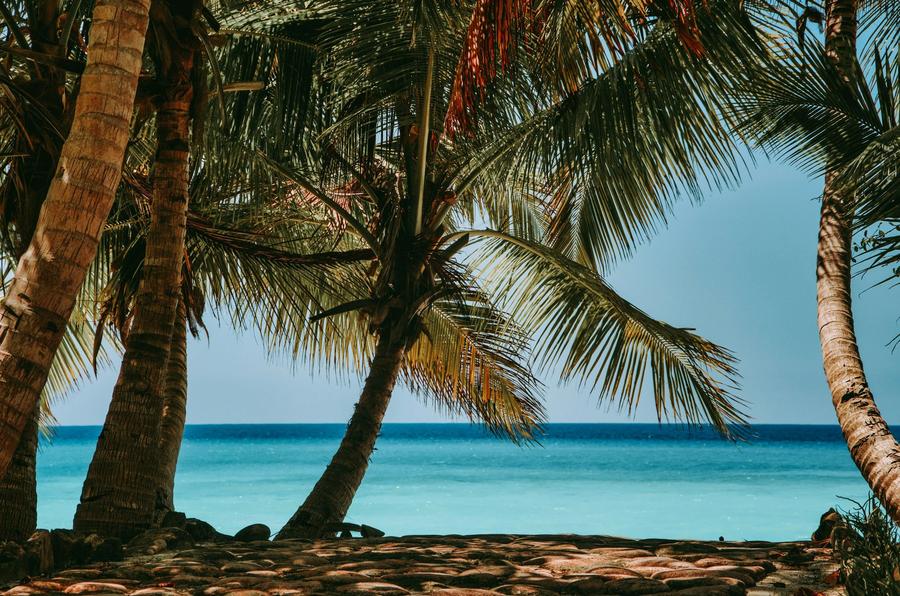
Three private routes that end on a beach, the months to pick and avoid, how long, rough costs, and an honest comparison with Mauritius and the Seychelles.

Send your dates and a rough idea. We reply within 24 hours with a written itinerary and a firm price. No deposit to ask a question.