
5 days · West
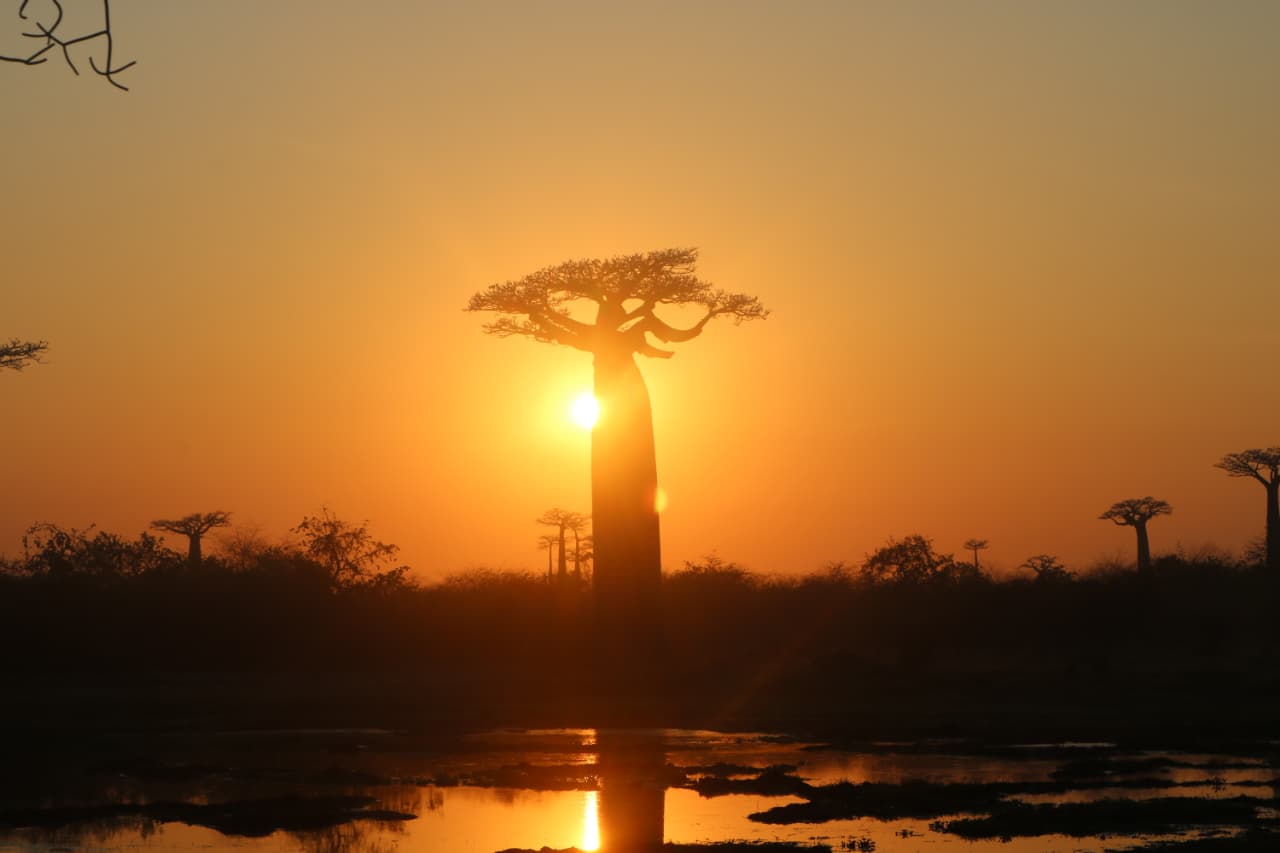
West: Baobabs and Tsingy
Sunset on the Avenue of the Baobabs, a night walk in Kirindy, the Grand Tsingy hike and a canoe on the Manambolo River.
Cyclones are possible from about November to April, but most of the rainy season is heat and heavy rain, not storms. Which coasts get hit, what recent cyclones did, which regions still work in the wet months, and how we'd plan around it. Checked on 17 October 2026.
Madagascar's cyclone season normally runs from November to April, and the risk is highest from January to March. The east and north coasts are exposed, but western Madagascar can be hit too. Fytia reached the north-west in January 2026 and Gezani the east coast in February. For most road trips, May to October gives more scope for a route with fewer rain-related access problems.
If your dates fall in the rains, a trip can still work. The Tsingy de Bemaraha normally closes for the rains, while Andasibe trips operate year-round subject to local conditions, and Île Sainte-Marie is a gamble from January to March. We're Malagasy and we drive these roads every season, so here's how the storms and the rains change a trip, region by region.
The UK Foreign Office gives the season as November to April, and France's travel advice says the violent cyclones come between January and April. The heart of it is the southern summer, January to March. Météo-France, whose centre on Réunion tracks every storm in the south-west Indian Ocean, has also seen mature cyclones there as early as October and as late as May. December storms do happen: Belna came ashore near Soalala, on the north-west coast, on 9 December 2019.
A normal season brings about ten named storms to the whole basin, and about five reach cyclone strength. Most never touch Madagascar. ACAPS, a humanitarian analysis group, counts 47 tropical storms and cyclones that hit the island between 2000 and 2023, about two a year.
A seasonal forecast describes the wider basin, not the weather on your beach or the condition of one road. Use it for broad planning, then check local alerts close to departure.
The east and north coasts are the most exposed, and France's travel advice says most cyclones arrive from the east. ACAPS's list of the regions hit most often from 2000 to 2023 bears that out: Analanjirofo, which includes Sainte-Marie, Atsinanana around Toamasina, Vatovavy Fitovinany in the south-east, Sava in the north-east and Sofia in the north-west. The surprise is Menabe, the region around Morondava and the Avenue of the Baobabs, on the west coast.
The dry south-west isn't exempt from storms or their rain. A region's low average rainfall doesn't make a boat trip or a canyon walk safe during a warning.
Météo-France's review of the 2025 to 2026 season records Fytia making landfall in north-western Madagascar on 31 January 2026, followed by Gezani on the east coast on 10 February. Two different coasts were affected in less than a fortnight.
That matters when choosing a route. A west-coast beach is not a guaranteed escape from a storm forecast for the wider island, and damage to a connecting road can affect a lodge far from the landfall.
The immediate question is whether to travel. After that comes whether the road, hotel and next transfer are operating. A spare night helps with a delay, but it doesn't make a closed road passable. Ask for a revised route and any extra costs in writing before setting off.
On most days of the rainy season the weather is simply wet and warm, and hot on the coasts. The long-term averages for 1991 to 2020:
The rains have their rewards: from November to March reptiles are at their most active and newborn chameleons cling to the leaves, as our reptiles and insects page says. The cost is on the roads. From December to April, the UK Foreign Office warns, many secondary roads are impassable except in a 4x4, and bridges are often washed away.
Tell us your dates and what you would like to see. We reply within 24 hours with a written itinerary and a firm price.
Tsingy de Bemaraha opens only in the dry season, usually from April or May to November. Opening dates depend on road access and river conditions, so treat the first and last weeks of the advertised season as provisional. Don't plan a wet-season visit on the strength of an old access description.
France advises against river trips in the rainy season, January to April, which rules out a trip down the Tsiribihina. Belo-sur-Mer, on the coast south of Morondava, can be cut off by road for up to five months of the rains.
That's why our 5-day West trip runs from April to November, and the 10-day West Adventure from May to November. Near either end of that window, ask us what's open. Our Tsingy de Bemaraha guide has the detail.
The RN7 is the main road south and tarred for most of its length, but tarred doesn't mean storm-proof, as Alvaro showed near Fianarantsoa. Rain makes the worst stretches worse: in November 2025, as the rains began, L'Express found no tarmac at all between Vineta and Mahaboboka, on the way to Tulear, and rainwater hiding how deep the holes were. In Isalo, France advises against walking the canyons in the rains, especially in the afternoon, because sudden downpours can bring deadly floods.
At the end of the road, the south-west coast is the driest part of the island, so on the rainfall figures Ifaty is worth comparing with the wetter east coast for a beach stay between December and March, subject to the local forecast. Our Classic South page puts the wet season at November to March: send us your dates and we'll tell you honestly what to expect.
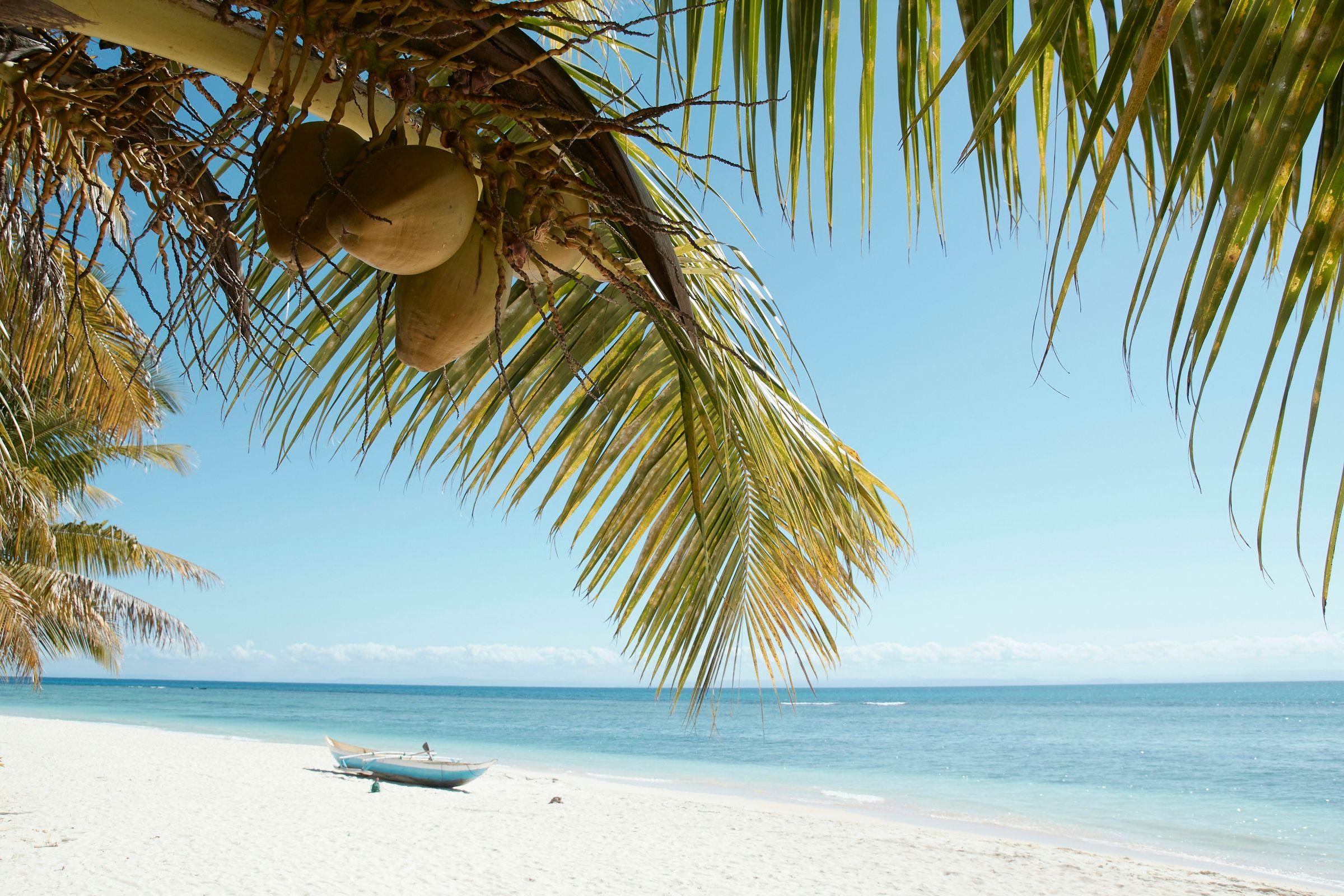
This is the coast most cyclones hit, and it's wet all year. Inland, the rainforest at Andasibe is three to four hours from Antananarivo on the RN2, and our 2-day Andasibe trip runs in every season.
The coast itself is the gamble from January to March. The boat to Sainte-Marie crosses open sea, and the UK Foreign Office advises getting local advice and checking the weather before you sail, after accidents caused partly by sudden squalls.
Our Eastern Madagascar trip ends with three nights on Sainte-Marie. Its page calls May to mid-November the most comfortable months for forest walks. If your dates fall between December and April, tell us and we'll be honest about whether they work. More in our Île Sainte-Marie guide.
Diego Suarez averages about 30 mm of rain in November and about 130 mm in December, but Nosy Be, off the north-west coast, gets about 300 mm in December. From January to March, swollen rivers can cut off remote places in the north, and cyclones reach the north-east coast often enough: Dikeledi came ashore near Vohémar on 11 January 2025.
Our 11-day Northern Madagascar trip runs from April to December. By December, though, Nosy Be is in its wet season, and the trip ends there with four nights and boat days that depend on the sea. Our Nosy Be guide has the months.
Flights can stop when a storm is close. As Batsirai came ashore in February 2022, Air France cancelled its Saturday flight from Paris to Antananarivo. Domestic flights, run at the time of writing by Madagascar Airlines, can be grounded the same way. Several of our trips start or end with one, at Morondava, Diego Suarez, Sainte-Marie or Nosy Be. Never book a domestic flight on the same day as your flight home.
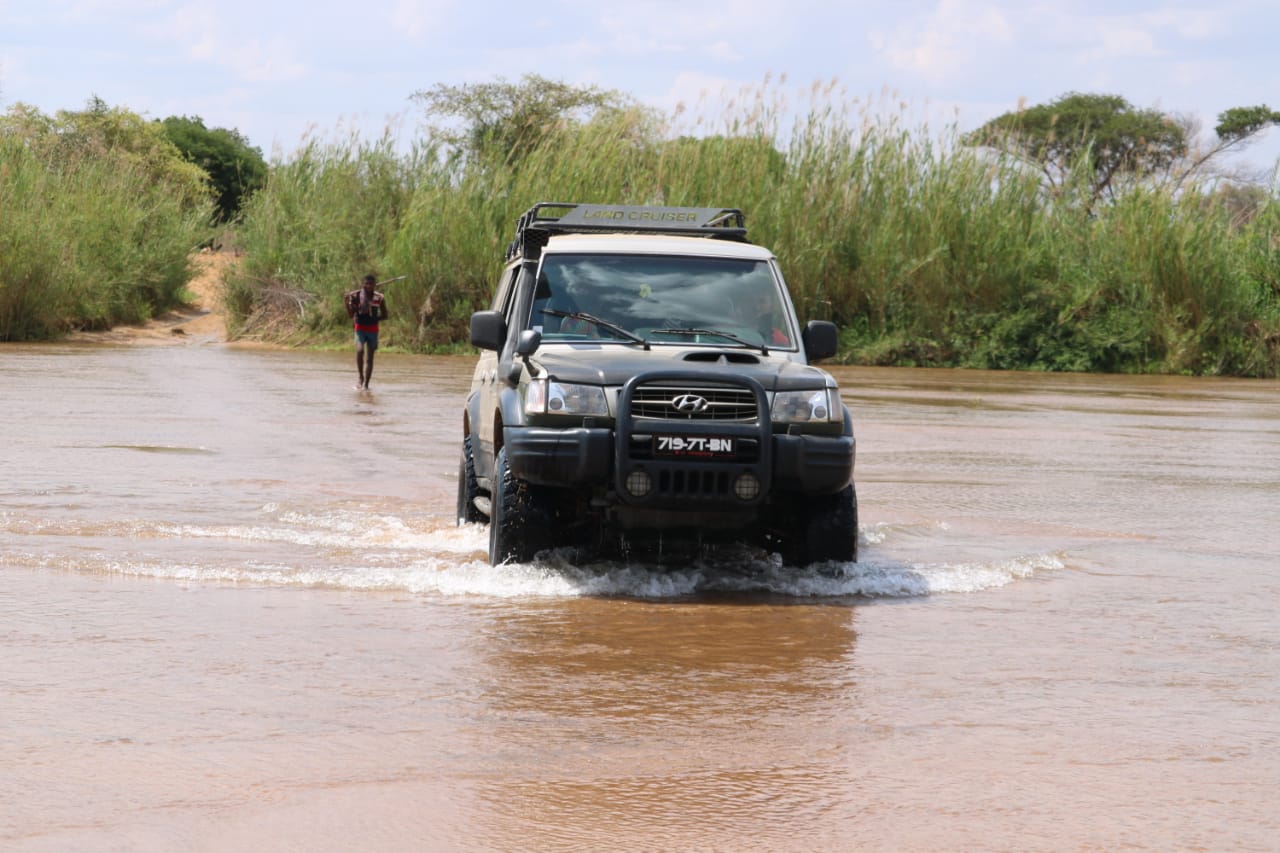
Nobody can promise a storm-free fortnight, and we won't. What a private trip gives you is room to move. You have your own vehicle and driver-guide and you set the departure times, so the day can follow the forecast. The person who answers your first message arranges the trip and checks in while you're here. And our set trips are starting points, not fixed departures: if your dates fall between January and March, reshape the route and build in spare days before you go.
What nobody controls is a lodge that shuts or a boat that doesn't sail. So before you book, with us or anyone, ask who pays for an extra night if a storm closes a road, and get the answer in writing. Send your dates on the booking form and we'll say honestly whether they work. We reply within 24 hours.
Photos: Sandy Ravaloniaina and iAko Randrianarivelo on Unsplash.
Cyclone season normally runs from November to April, and the risk is highest from January to March. Storm numbers vary greatly from year to year, and a seasonal forecast doesn't predict conditions for one holiday. Most of the rainy months are hot and wet rather than stormy.
The east and north coasts. From 2000 to 2023 the regions hit most often included Analanjirofo, with Île Sainte-Marie, Atsinanana around Toamasina, Sava in the north-east and Sofia in the north-west, plus Menabe, around Morondava on the west coast. No coast is immune: in 2026 Fytia reached the north-west and Gezani the east coast near Toamasina.
Roughly November to March across most of the island, and heaviest from January to March. The highlands and the west are dry from about May to October, the south-west is dry for most of the year, and the east coast gets rain in every month.
It depends on the route and the current warnings. A short inland trip is a different decision from an exposed boat crossing or a remote road itinerary. Météo Madagascar puts districts on alert as a storm approaches. For most visitors the bigger risk is disruption, from cut roads to cancelled flights. Leave spare days, buy insurance when you book, and avoid the east coast from January to March if you can.
No. The park opens only in the dry season, usually from April or May to November. Exact opening and closing dates depend on access and river conditions, so confirm them before booking. Our west trips run from April or May to November.
On a private trip you have your own vehicle and driver-guide and set the departure times, so the plan can follow the forecast. Nobody can stop a storm closing a road or a ferry, so before you book, ask who pays for an extra night if that happens, and buy travel insurance at the same time.
Private trips with your own vehicle and driver-guide. Every one can be reshaped around your dates.
Sunset on the Avenue of the Baobabs, a night walk in Kirindy, the Grand Tsingy hike and a canoe on the Manambolo River.
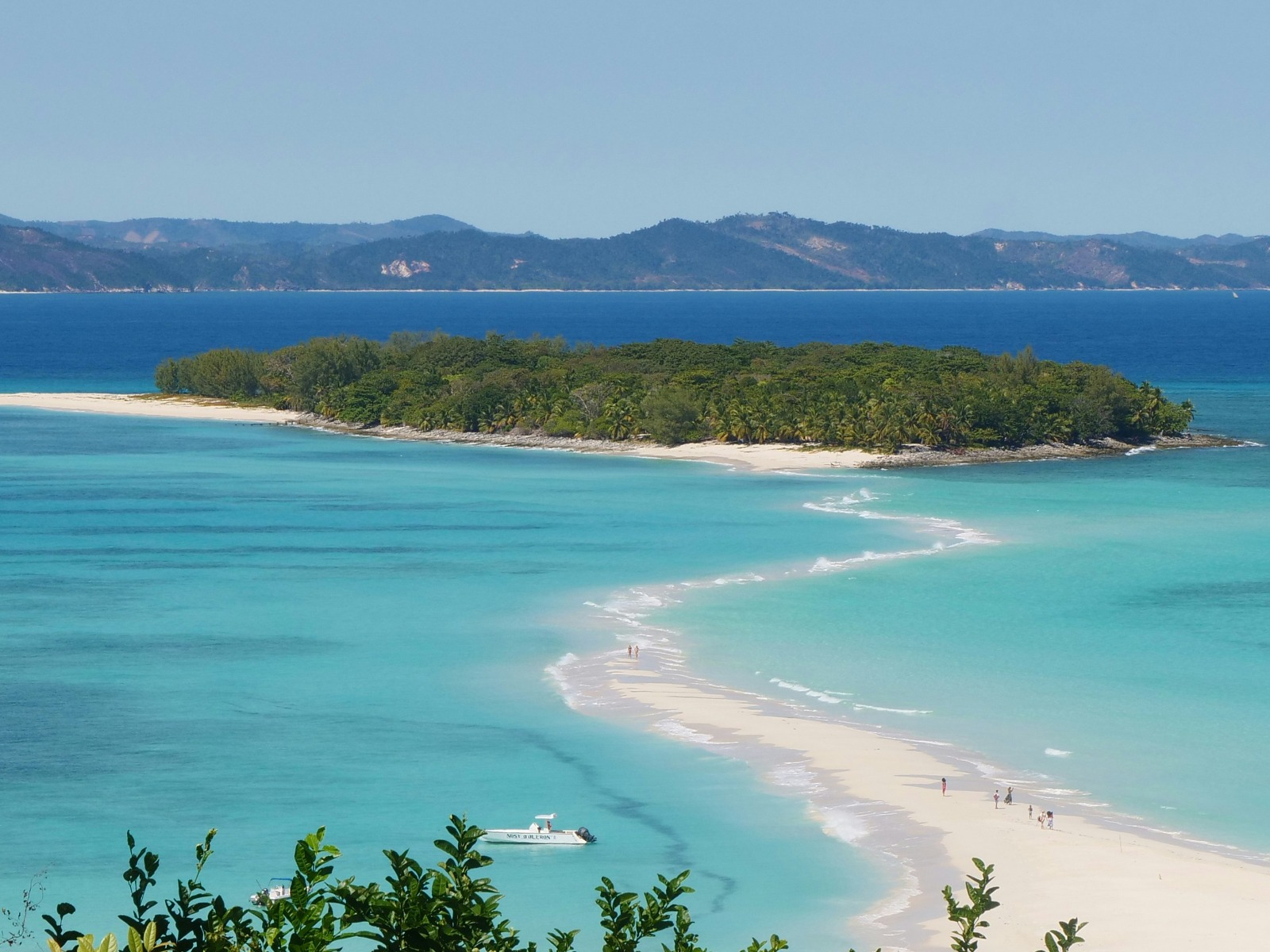
The Three Bays, Montagne d'Ambre, the red Tsingy and a full day in Ankarana's caves, then Lokobe and the sand of Nosy Iranja.

Indri at Analamazaotra, the Palmarium's approachable lemurs, boat rides on the Pangalanes Canal, then island time on Sainte Marie.
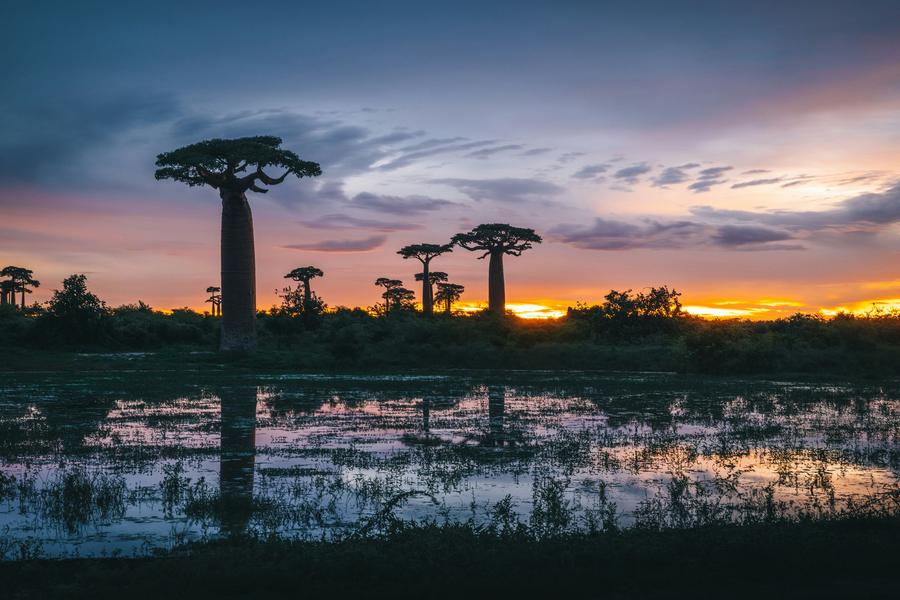
Month by month and region by region: dry roads, cyclones, the Tsingy's short season, whales, lemur babies, birds and chameleons.
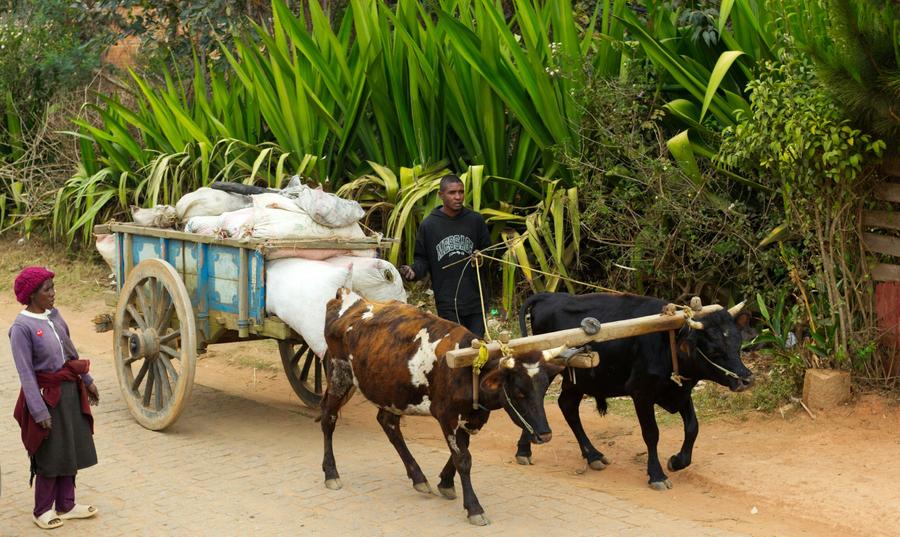
What the US, UK, Canadian and French advisories say (October 2026), and what to actually do about crime, night roads, malaria and cyclones.
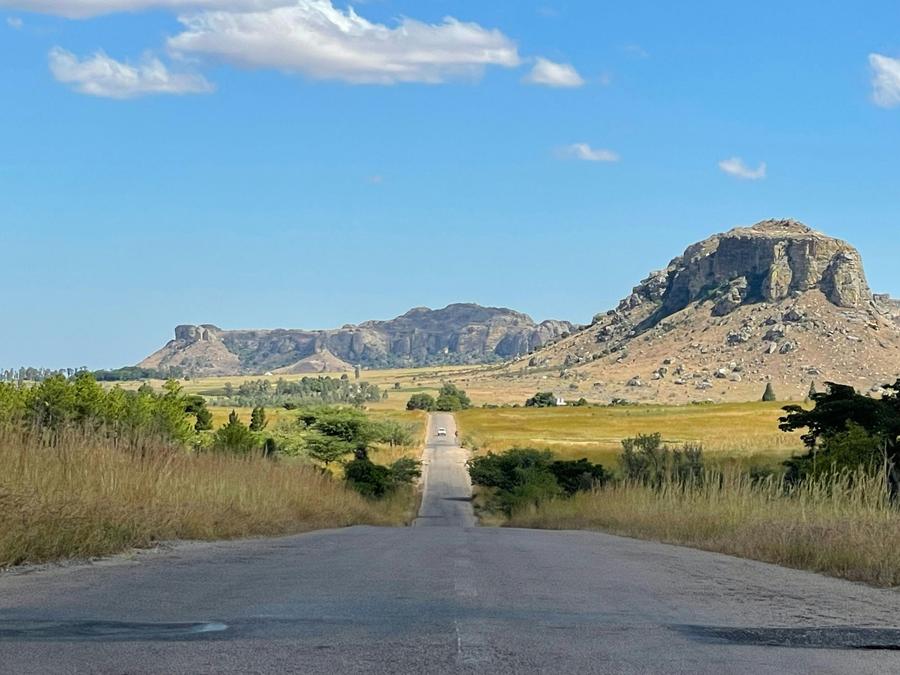
Car hire with a driver-guide, self-drive, domestic flights or taxi-brousse: the trade-offs, drive times in 2026, and why the west needs a 4x4.

Send your dates and a rough idea. We reply within 24 hours with a written itinerary and a firm price. No deposit to ask a question.