
2 days · East
Andasibe: Lemurs & Rainforest Trails
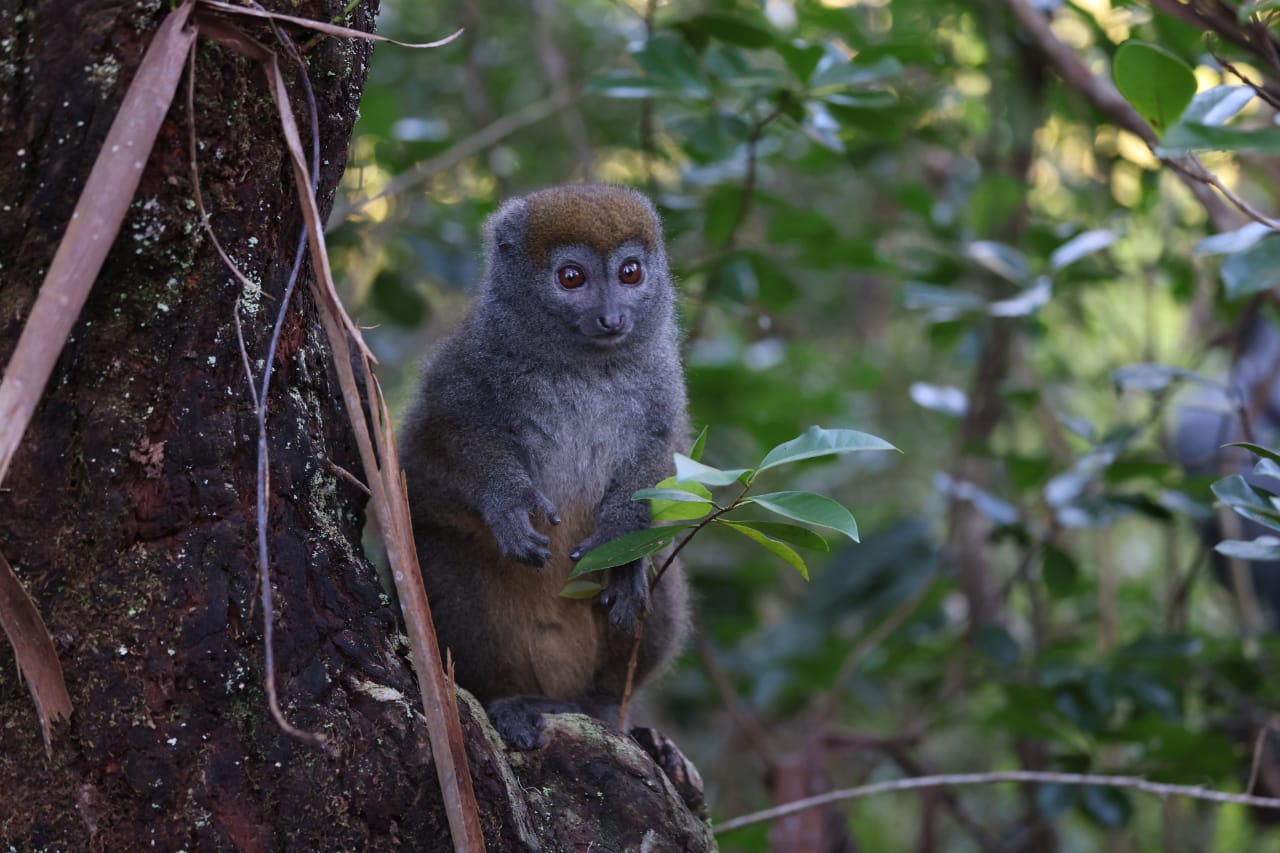
Chameleons at Peyrieras, a walk among the lemurs at Vakona, a guided night walk, and an early start in Analamazaotra, where the indri call most mornings.
Mostly yes, with care. The unrest of late 2025 has calmed, but robbery in towns and on some rural roads, weak medical care and malaria are real. This is the picture on 17 October 2026: what four governments say, and what we'd actually do.
Madagascar is safe enough for most visitors who plan with care, and as of 17 October 2026 none of the four governments we checked advises against visiting the country as a whole. The US rates it Level 2 of 4, "exercise increased caution", though it asks travellers to reconsider six areas. The risks are specific: crime, from pickpockets in town to armed robbery on some rural roads after dark, road accidents, malaria, and medical care that's limited in Antananarivo and thinner still outside it.
None of that rules a trip out. It shapes how you travel: no driving at night, no bush taxis, a licensed guide in the parks, and insurance that covers medical evacuation. Advice changes, so check your own government's page before you book and again before you fly.
Read the US advisory and the UK's advice in full before you book, or your own government's.
Protests over water and power cuts began in Antananarivo on 25 September 2025 and grew into a youth-led movement. The UN counted at least 22 deaths. In October an army unit, CAPSAT, sided with the protesters, President Andry Rajoelina left the country and was impeached, and Colonel Michael Randrianirina was sworn in as president on 17 October 2025. He has promised a new constitution and elections, now planned for 2027.
Things have calmed since. France noted in September 2026 that order had held for several months in the capital and the provinces, and Canada calls conditions calm. Visitors kept coming: just over 150,000 foreign arrivals in the first half of 2026, about the same as a year earlier, by the tourism ministry's provisional count. But the politics aren't settled, and France reports protests over water and power cuts, sometimes with roadblocks, mostly after dark in parts of the capital. Keep away from gatherings, leave some slack in your days in Antananarivo, and expect more tension as the 2027 votes approach: the US and Canada both say unrest tends to rise around elections.
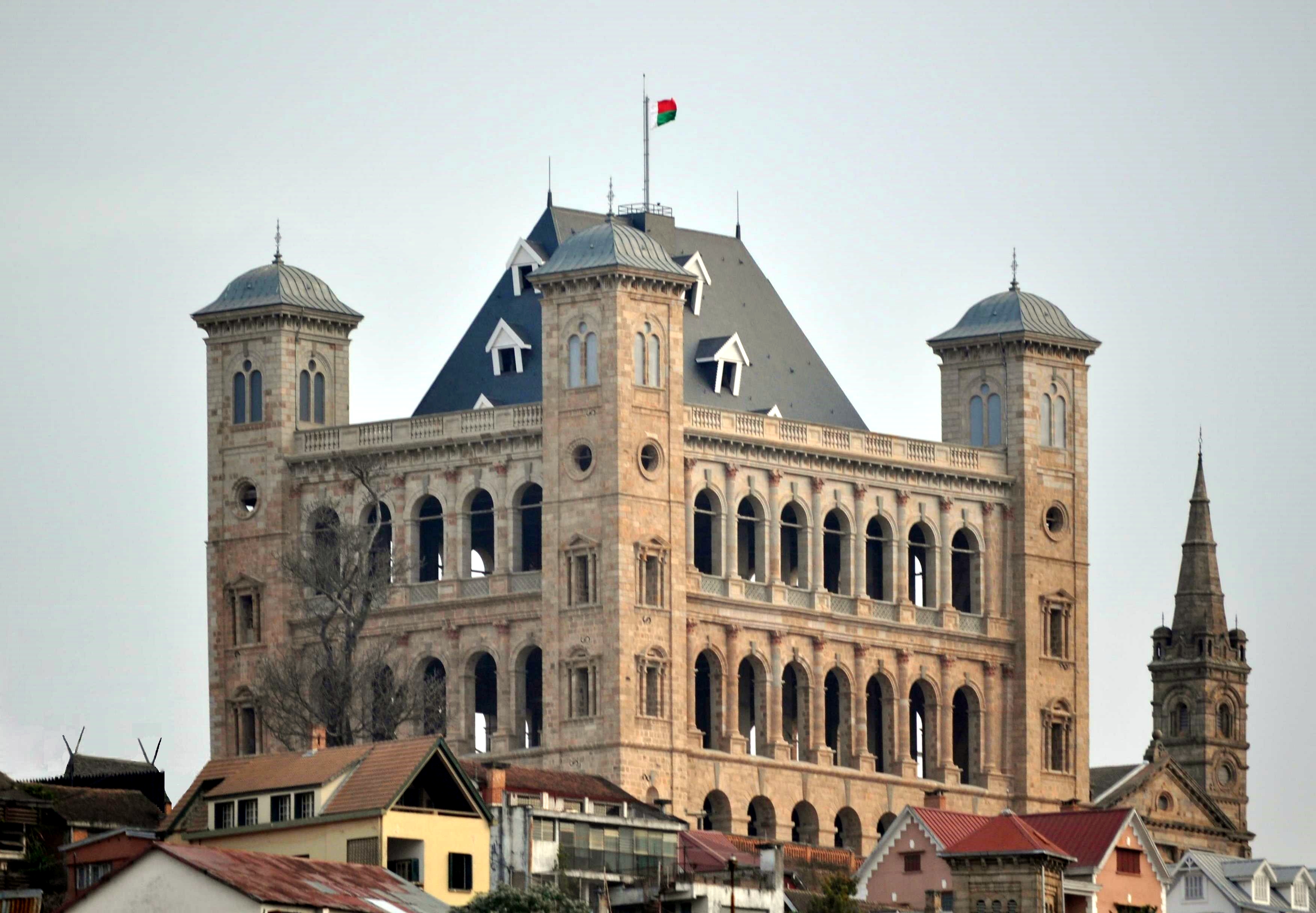
Petty crime is common, the US says, especially where tourists go. In Antananarivo, pickpockets and bag snatchers work the busy places, and Canada and France both name Analakely market, the Avenue de l'Indépendance and the steps up to the Rova. Thieves also reach into cars stuck in traffic, so keep the doors locked and windows up in the capital.
Violent crime is rarer, and visitors aren't exempt. Armed robbery happens mostly at night, in remote areas and on main roads in the south and west, but not only there. In January 2026 a French visitor was stabbed to death when a gang attacked the Antananarivo home of relatives he was visiting, the Malagasy and French press reported. Isolated beaches have seen robberies even in daylight: the FCDO names Nosy Be, Ankify, Ambanja and the beaches north and south of Tulear, and Canada's list of places with violent assaults adds Sainte-Marie and Isalo. Canada and France both warn that armed gangs attack people in isolated places, national parks included. The FCDO says the occasional kidnappings for ransom normally target Malagasy people seen as wealthy.
What helps:
Tell us your dates and what you would like to see. We reply within 24 hours with a written itinerary and a firm price.
The road is a hazard in its own right. Canada calls road safety "a major security risk": potholes, livestock and pedestrians on the road, and vehicles driving without lights. The UK, Canada and France all advise against driving after dark. On a private trip you set the departure times, so that part is up to you. Bush taxis (taxi-brousses) crash often and are sometimes robbed, and the UK and Canada both say to avoid them. Our guide to getting around Madagascar covers the alternatives.
The places to know about:
Malaria is present everywhere except Antananarivo, where transmission is rare, and the CDC recommends preventive tablets for the rest of the country. France notes that it has been rising since 2012 and is most common on the coasts. See a travel clinic six to eight weeks before you go.
Medical care is the real gap. Hospitals in Antananarivo handle routine operations, but complex surgery means a flight to Réunion, Mauritius or South Africa, and private clinics expect cash up front. Insurance that covers medical evacuation isn't optional here.
Because of the Ebola outbreak in the Democratic Republic of the Congo, everyone arriving fills in a health declaration and is screened, the FCDO says. Anyone who has been in or through an affected country in the previous 21 days may be refused entry, and those allowed in, such as residents, are quarantined for 21 days at their own cost. Madagascar itself had no reported cases in mid-October 2026, but Kenya confirmed its first cases in October. If your flights connect through Nairobi or elsewhere in East or Central Africa, check the current rules with your airline before you fly.
Cyclone season normally runs from November to April, and the east coast takes most of the hits, especially from January to March. In 2026 Fytia came ashore in the west on 31 January, and Gezani hit Toamasina on 10 February and killed at least 59 people. Storms usually come with warning, but they cut roads and close parks, and from December to April many secondary roads are impassable without four-wheel drive. If you travel then, leave spare days, insure for disruption and follow Météo Madagascar's forecasts. Our guide to the best time to visit Madagascar goes month by month.
Canada says women travelling alone may face harassment and verbal abuse, and France says harassment and sexual assault of women are increasingly reported, including recent attacks on beaches. Avoid isolated places, especially after dark, and don't end up alone with people you don't know, in a vehicle, a hotel or on a walk. Use hotel or pre-booked transport, tell someone your plans each day, and if a person or a place feels wrong, tell your driver-guide.
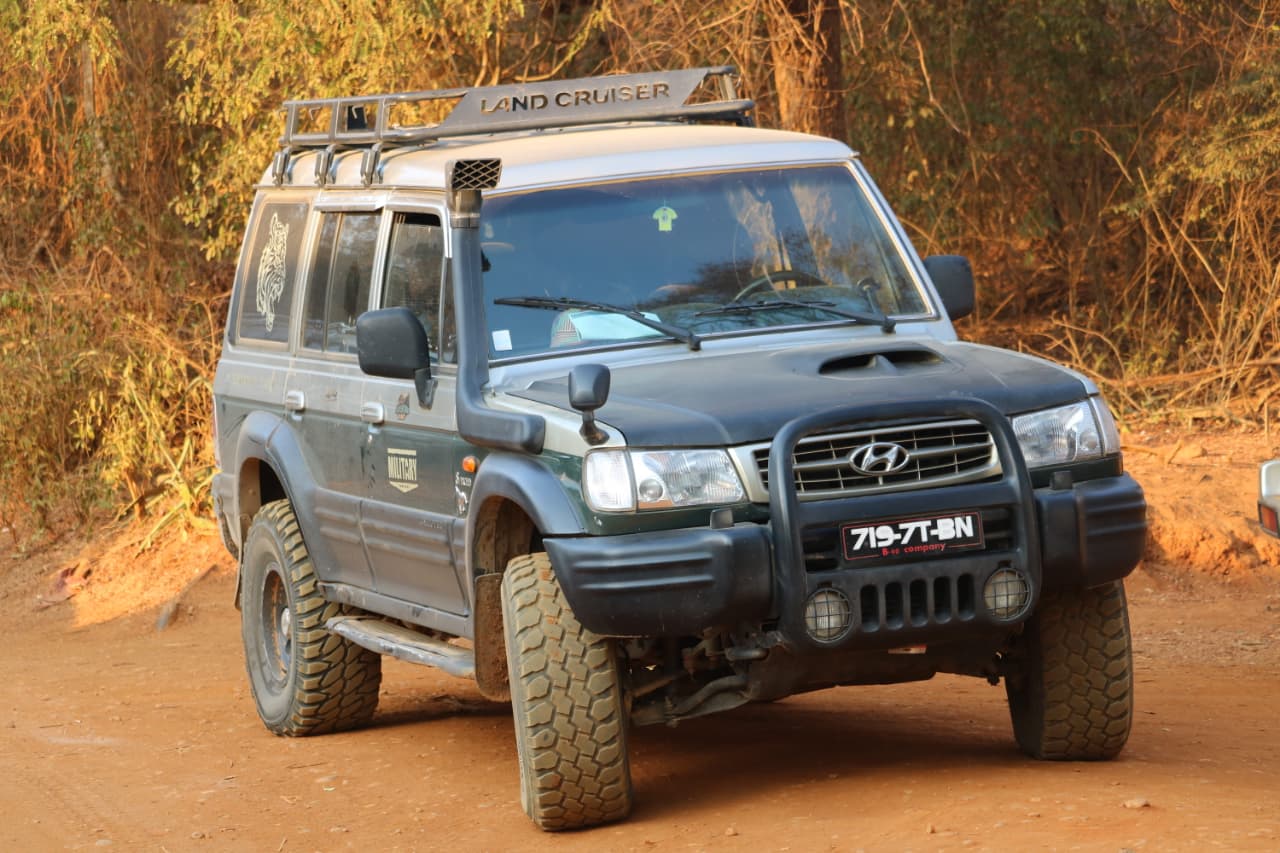
For the riskier parts, the advisories' answer is a recognised operator, pre-booked transport and an official guide. On our trips:
What it can't do is promise that nothing will happen. The pickpockets on the Rova steps don't check who booked your trip, and nobody controls a cyclone. So ask any operator, us included:
Send us those questions on WhatsApp or by email. We reply within 24 hours, and we'd rather tell you that a route doesn't work than sell you a bad week.
Photo: Sitraka Mamy Tantely Andriamialijaona on Unsplash.
As of 17 October 2026, yes for most visitors who plan with care. The US rates Madagascar Level 2 ("exercise increased caution"), the UK doesn't advise against travel, and Canada and France ask for extra caution. The main risks are crime, from theft in towns to armed robbery on some rural roads after dark, road accidents, malaria and limited medical care. Check your government's latest advice before you go.
Level 2, "Exercise increased caution", issued in early December 2025, when it came down from Level 3, and still current on 17 October 2026. It cites crime, unrest and health. Six areas are at Level 3, "Reconsider travel", among them the Menabe region south of Morondava and the RN34 between Miandrivazo and Malaimbandy. Check travel.state.gov for the current text.
By day, with care. Pickpockets and bag snatchers work busy places such as Analakely market, the Avenue de l'Indépendance and the steps up to the Rova, and violent crime, though rarer, happens in the city too. Don't walk around after dark, use hotel or pre-booked transport, keep car doors locked, and stay away from demonstrations.
For most trips, yes. CDC describes rare transmission in Antananarivo and recommends mosquito-bite prevention there, with preventive medicine for the rest of the country. A travel-health clinician should choose any medicine for your route and medical history. France notes that cases have been rising since 2012 and are most common on the coasts. See a travel clinic six to eight weeks before you go, and use repellent as well.
No. The UK, Canadian and French advice all warn against driving after dark, and the US says violent crime happens particularly after dark. Few roads are lit and vehicles often have no lights, the UK notes, so plan long drives to finish in daylight.
With care. Canada says women travelling alone may face harassment and verbal abuse, and France says harassment and sexual assault of women are increasingly reported, including on beaches. Avoid isolated places after dark, don't end up alone with strangers, use hotel or pre-booked transport, and let someone know your plans each day.
Private trips with your own vehicle and driver-guide. Every one can be reshaped around your dates.
Chameleons at Peyrieras, a walk among the lemurs at Vakona, a guided night walk, and an early start in Analamazaotra, where the indri call most mornings.

Indri at Analamazaotra, the Palmarium's approachable lemurs, boat rides on the Pangalanes Canal, then island time on Sainte Marie.

The classic route done properly: Andasibe, Ranomafana, Anja's ring-tailed lemurs, the canyons of Isalo and the reef at Ifaty.
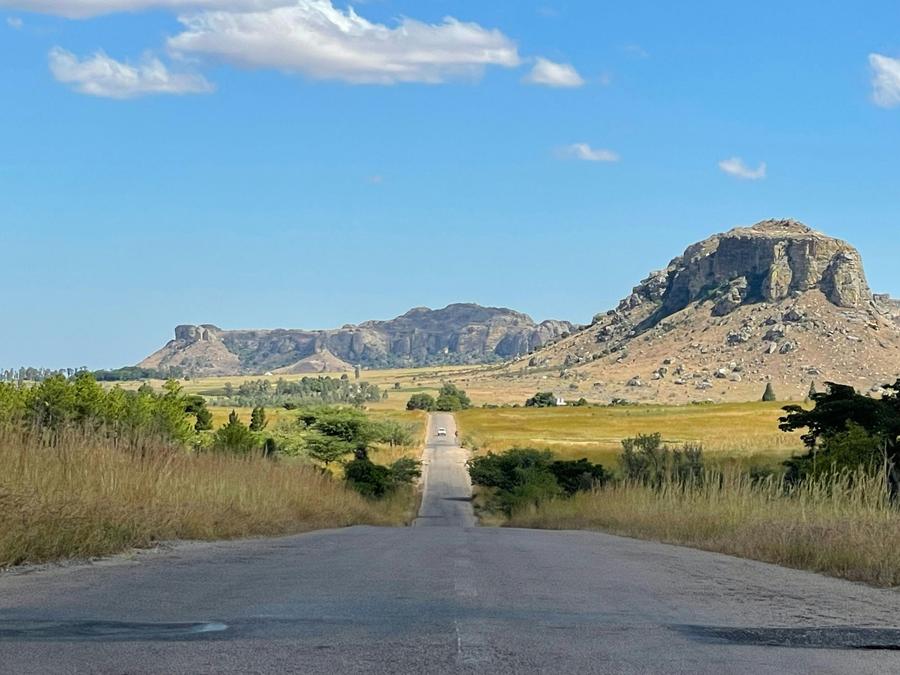
Car hire with a driver-guide, self-drive, domestic flights or taxi-brousse: the trade-offs, drive times in 2026, and why the west needs a 4x4.
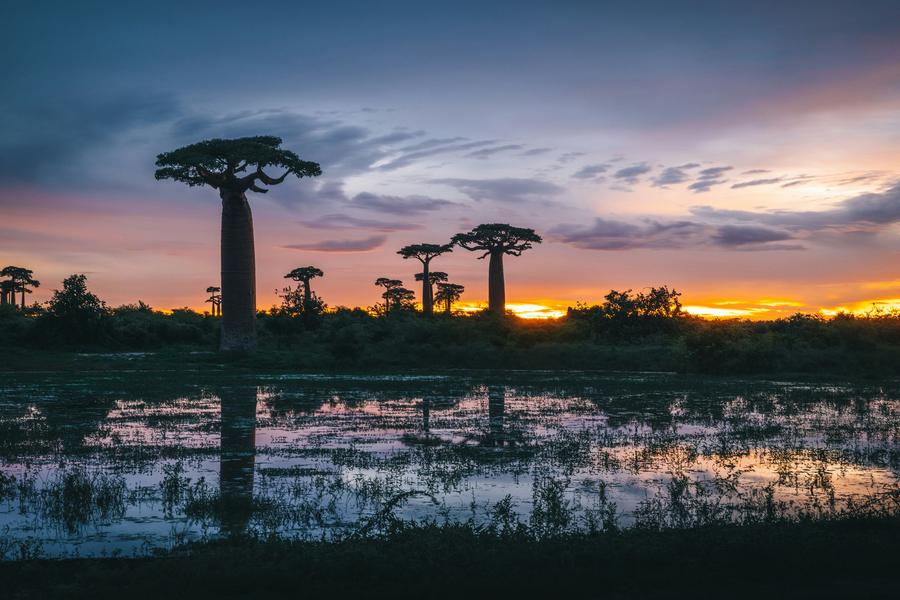
Month by month and region by region: dry roads, cyclones, the Tsingy's short season, whales, lemur babies, birds and chameleons.
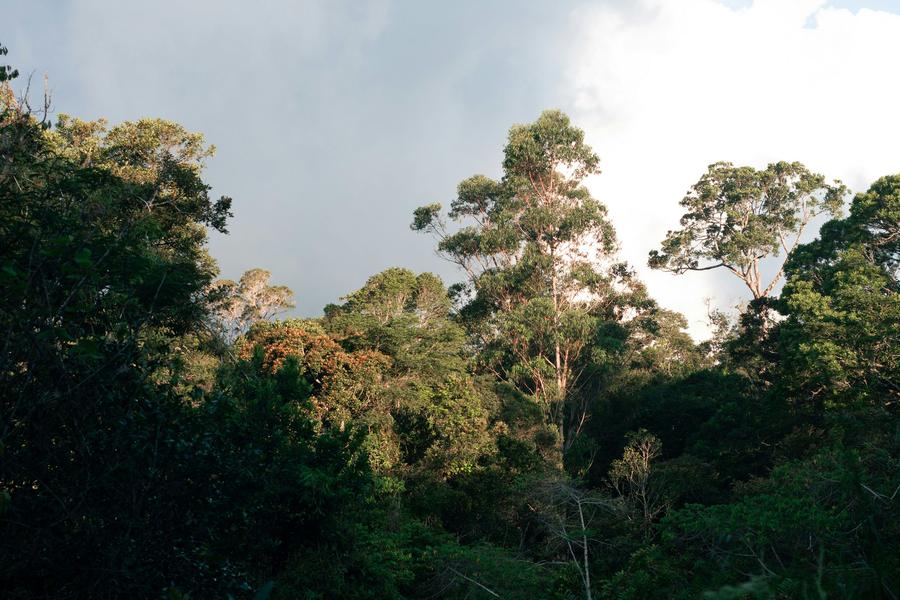
The jabs the CDC and the UK recommend, the yellow fever certificate rule, malaria by region and season, the tablets, rabies, bilharzia, plague and evacuation cover.
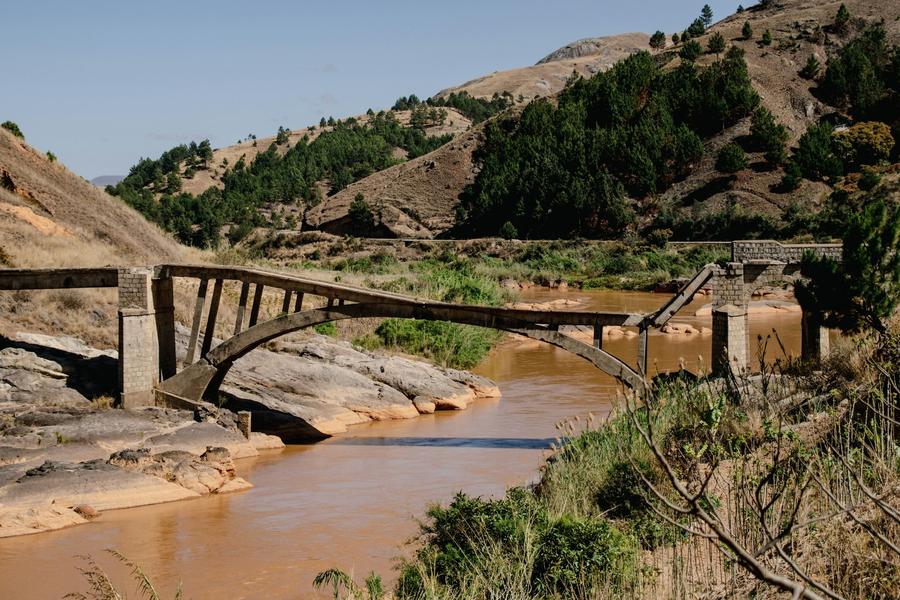
The visa, cash and the ariary, malaria and water, slow roads, power cuts and SIM cards, fady and photos, packing, tipping and the seasons: what to know before a first trip.

Send your dates and a rough idea. We reply within 24 hours with a written itinerary and a firm price. No deposit to ask a question.