
11 days · South

Classic South, Expanded Version
The classic route done properly: Andasibe, Ranomafana, Anja's ring-tailed lemurs, the canyons of Isalo and the reef at Ifaty.
The practical things first-timers get wrong, from the visa fee and the cash machines to why a 140 km drive takes half a day. Short answers from a Malagasy team in Antananarivo, each with a link to the full guide. Checked on 17 October 2026.
Travelling to Madagascar takes a little more preparation than most trips. Plan the entry permission before travel: the eVisa portal lists 30 to 40 euros online, while official short-stay arrival advice differs. The CDC recommends malaria tablets for travel outside Antananarivo, and almost everywhere you need cash in ariary, because cards work in few places beyond the bigger hotels.
A 140 km drive can take four hours. Leave room for slower days and finish driving before dark. We're based in Antananarivo and drive these roads every season.
Buy the visa online through the official eVisa site or on arrival at Ivato airport in Antananarivo. The portal lists 30, 35 and 40 euros online for up to 15, 30 and 60 days in October 2026. It says arrival fees match, but the FCDO describes a 10-euro charge for British visitors staying up to 15 days. Confirm the applicable arrival rule before travel. Your passport must be valid for at least six months after you arrive, with two blank pages, and you should be ready to show an onward or return ticket.
At the time of writing there's one more step. Because of the Ebola outbreak, everyone fills in a health declaration and is screened on arrival, and the UK Foreign Office says anyone who has been in or changed planes in an affected country in the previous 21 days may be refused entry. If your flights connect in East or Central Africa, check with your airline before you book.
Paris is the European connection to compare for a nonstop Air France leg to Antananarivo. Other common hubs include Addis Ababa, Nairobi and Johannesburg, while some services make an intermediate stop without changing flight number. Our guides to the Madagascar visa and flights to Madagascar have the details, and Antananarivo covers the capital, where most trips begin.
Plan to pay cash, in ariary, except where a hotel or restaurant confirms it accepts your card. Through 2026 a euro has bought roughly 5,000 ariary, and a dollar about 4,500. The biggest note is 20,000 ariary, worth roughly four euros, so cash comes in thick bundles.
You usually can't buy ariary before you leave home, so change euros at the airport or a bank, or use a cash machine. Machines are in the larger towns, but each withdrawal is capped, usually at 400,000 to 800,000 ariary (about 80 to 160 euros), some machines run dry, and Visa works in more of them than Mastercard. Take out what you need before a long drive. If you bring money from home, euros are easier to change than dollars.
On our trips the park fees, local guides and breakfasts are already paid, so your cash is for lunches and dinners, drinks, tips and shopping. More in money in Madagascar and what a trip costs.
The CDC describes malaria transmission as rare in Antananarivo and present elsewhere in Madagascar, and the CDC recommends preventive tablets for the rest of the country. See a travel clinic six to eight weeks before you go, and ask about typhoid and hepatitis A, both recommended by the CDC for most travellers who haven't had the jabs.
Tap water isn't safe. The UK Foreign Office says to drink and use only boiled or bottled water and to avoid ice in drinks. Don't swim in lakes or rivers either, because the CDC warns of schistosomiasis, a parasite in fresh water. Dogs with rabies are common, so leave the village dogs alone.
Medical care is limited, and thinner still outside Antananarivo, so take travel insurance that covers medical evacuation. Our guide to vaccinations and malaria goes through the jabs and the tablets.
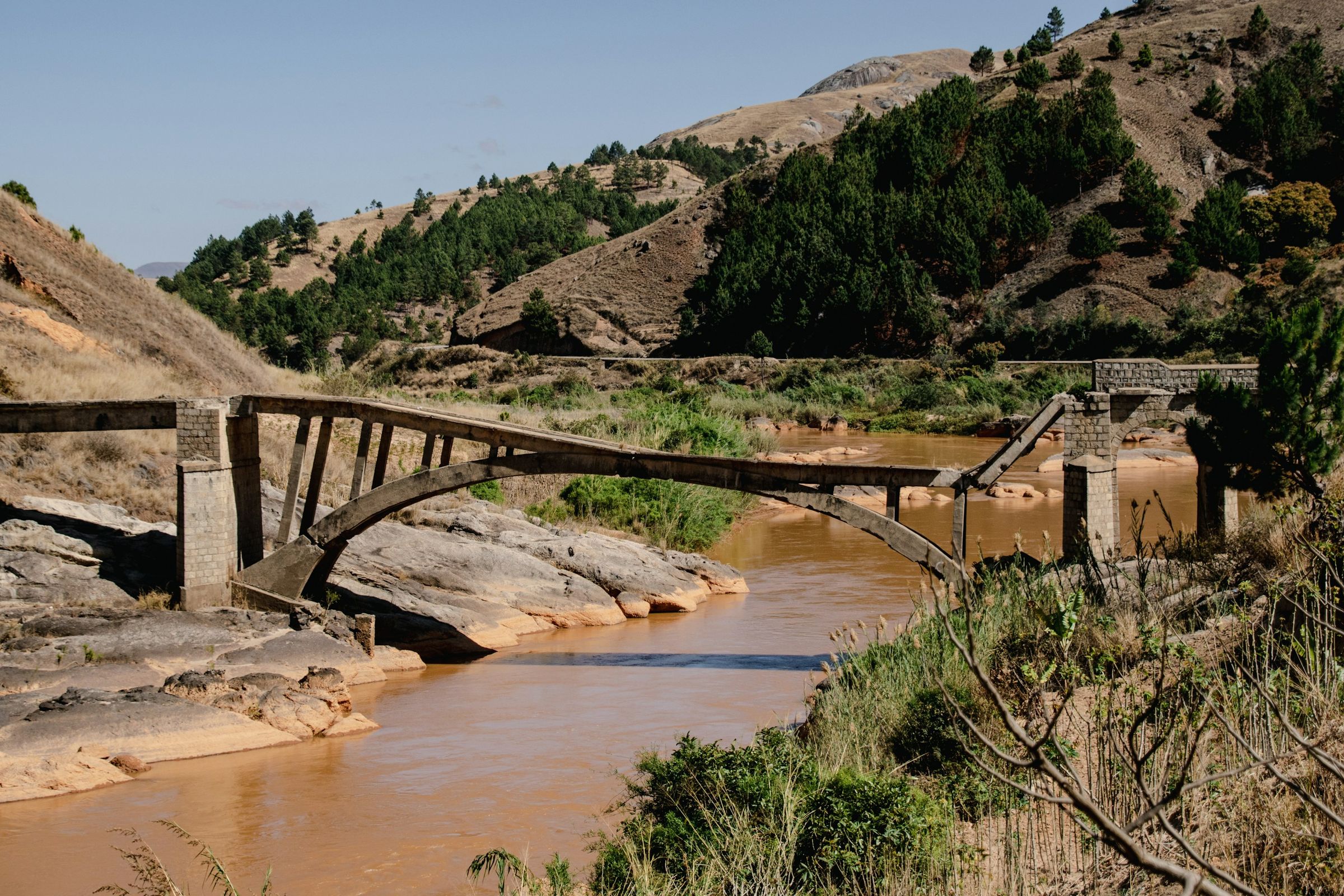
Andasibe is 140 km east of Antananarivo on a paved road and still takes three to four hours. The RN7 south to Toliara (Tulear) is more than 900 km, and Ranomafana alone is 10 to 12 hours from the capital, which is why our Classic South breaks the drive at Antsirabe. In the west, the road from Morondava to the Tsingy de Bemaraha is about 200 km, nearly all of it unpaved, with river ferries on the way.
Don't drive after dark. The UK Foreign Office advises against it because vehicles often have no lights and few roads are lit, and daylight is limited. A five-hour leg that turns into seven still has to finish in daylight, so driving days start straight after breakfast. The taxi-brousse minibuses are cheap but slow, and the Foreign Office advises against them too, because of road deaths and robberies.
Domestic flights save days on the long legs, but schedules change often enough that we'd never put one on the same day as a flight home. Our guide to getting around Madagascar has the drive times. The usual mistake is trying to see the whole island in two weeks, and Madagascar itineraries shows what fits in one, two or three.
Tell us your dates and what you would like to see. We reply within 24 hours with a written itinerary and a firm price.
Check each park's opening hours and permitted circuits. Madagascar National Parks requires a local guide, and the walking time depends on the circuit you choose. Our Grand Tsingy day starts early and usually involves four to seven hours on foot.
The 2-day Andasibe trip gives a short introduction: the road east, private reserves, a guided night walk and an early visit to Analamazaotra in search of the indri. Other routes add different forests and longer drives.
A road lunch is often at a hotely, a simple eatery serving rice with laoka, the dish alongside it. Our food guide explains the meals, while where to see lemurs covers the forest visits.

Malagasy and French are the official languages. Don't expect English everywhere. French is used in administration and business, and English is easier to find in hotels used to overseas visitors. On our trips the driver-guide speaks English, and you can plan the trip with Christian, who runs Tongasoa, in English, French or Spanish.
A few words of Malagasy go down well: salama (hello), misaotra (thank you), veloma (goodbye) and azafady, which does for both please and excuse me and is often translated as "may it not be taboo to me". The final vowel is usually swallowed, so misaotra sounds closer to "mi-sotr". More in the languages of Madagascar.
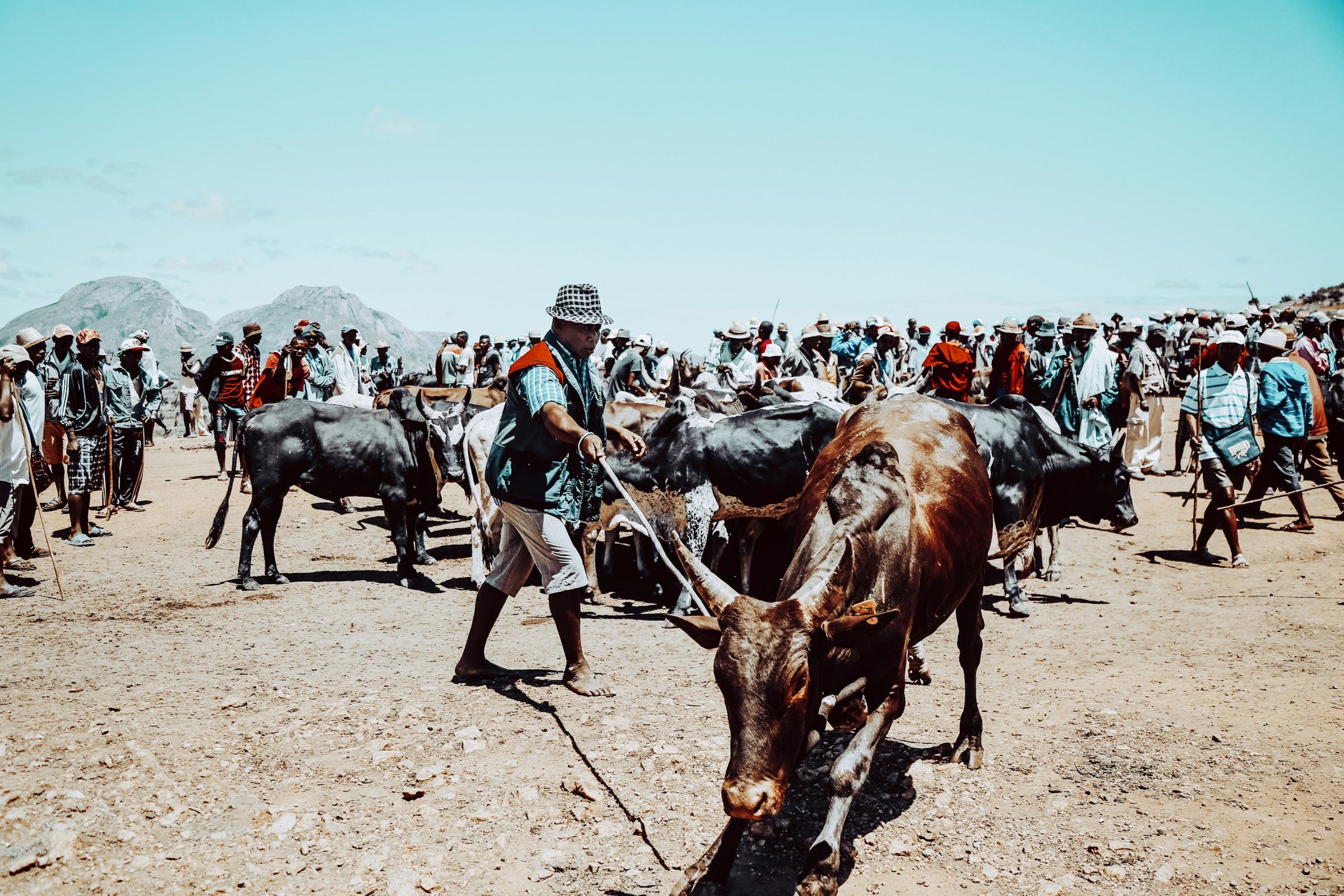
Fady are local taboos, and they vary from one region to the next, and breaking one can be taken seriously. Ask your guide what applies before entering a village or sacred site. At tombs and sacred sites, ask your guide what applies before approaching or taking a photograph.
Ask before you photograph people, especially in villages and at ceremonies, and take no for an answer. Don't photograph soldiers, police or government buildings. Skip photos with captive pet lemurs offered at roadside stalls or hotels.
And greet people before you ask for anything. Say hello and ask how they are, and only then get to the question. More in Malagasy culture and customs.
Sockets take the round two-pin European plugs, types C and E, at 220 volts. Visitors from the UK and North America need an adaptor. Check the voltage printed on every appliance, but anything from North America that isn't marked 100 to 240 V needs a converter as well.
The power itself is less reliable than the sockets suggest. Cuts affect towns as well as remote stops, and a hotel having a generator doesn't tell you which hours it runs. Many lodges run a generator, some only at set hours. Charge everything while the power is on, and carry a power bank.
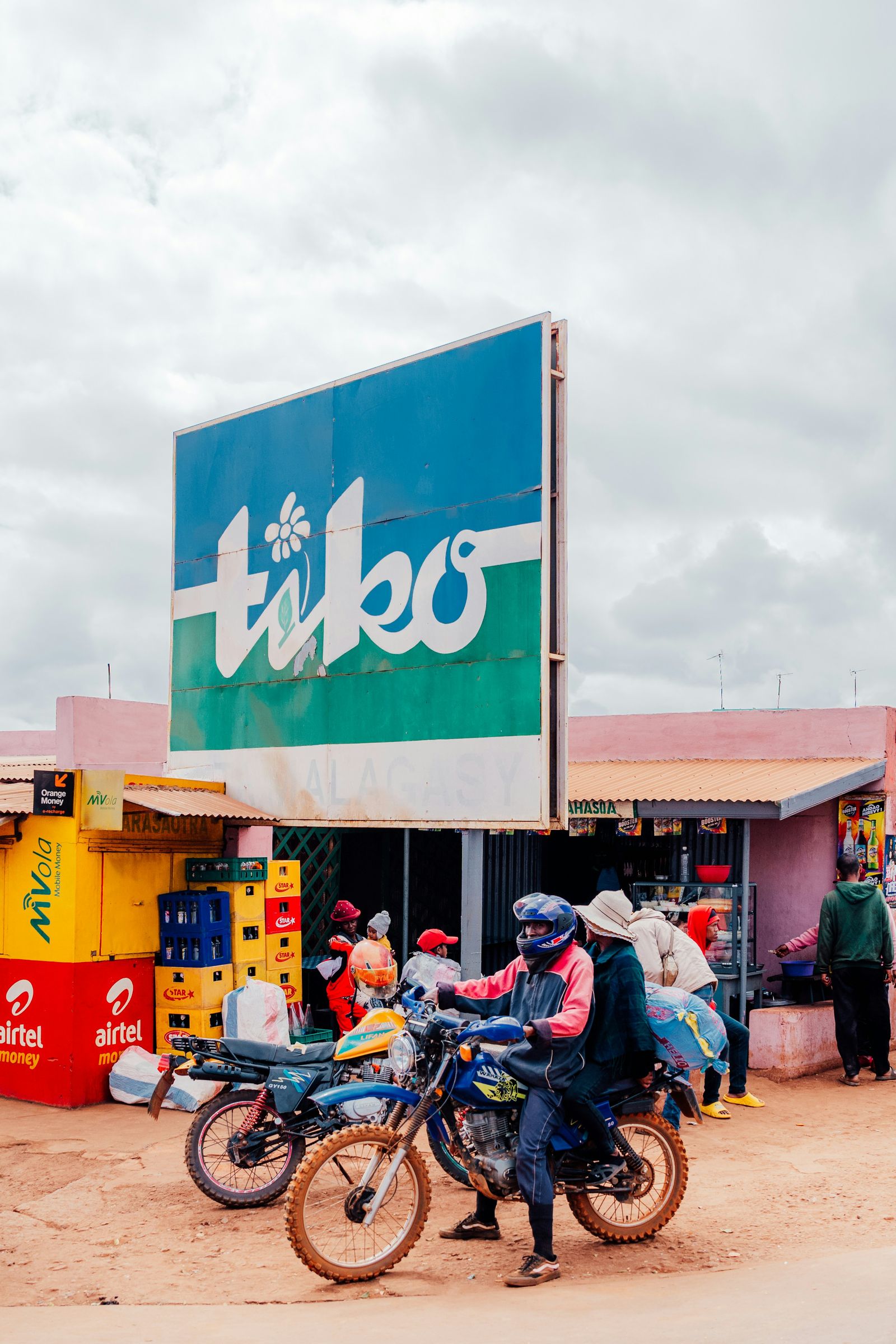
Compare a local SIM from Yas, Orange or Airtel with your roaming plan. You'll need your passport to register it, and a phone that isn't tied to your home network. Check eSIM compatibility before paying.
Don't count on a signal in remote parks or on the back roads, so download offline maps before you set off. WhatsApp is usually the fastest way to reach us, before the trip and while you're here.
Bring layers for highland nights, a waterproof for the eastern rainforest and shoes with grip. Add a head torch for night walks and power cuts, a hat, sun cream and the repellent your clinic recommends. Binoculars help with animals high in the canopy.
The packing guide covers the Tsingy, boats and domestic baggage allowances. Pack to the lowest allowance printed on your tickets.
Tips aren't included in our prices, and there's no fixed rule, so treat these as a starting point: around 5 to 10 euros a day from the group for a driver-guide on a multi-day trip, handed over at the end, and 2,000 to 10,000 ariary per person for a park guide after a good day. In restaurants, 5 to 10 per cent.
For most trips, May to October: the dry season, with firm roads and mild highland days. July and August are the busiest months, so book early for them. The rains run from about November to March and close much of the west, the Tsingy de Bemaraha included, and cyclones are possible from November to April, most of all from January to March. The rainforest at Andasibe has year-round departures, subject to conditions.
Our best time to visit guide goes month by month, and cyclone season explains how to plan around the storms. We'd rather tell you honestly that a route doesn't work in February than sell you a bad week.
Plan around the current government advice and the risks on your specific route. The real risks are pickpockets in Antananarivo, armed robbery on some roads after dark, road accidents and weak medical care. The Foreign Office's advice is practical: don't drive at night, don't take taxi-brousses, use pre-booked transport, and carry your passport, because police make random ID checks and don't always accept copies. On a private trip you set the departure times, so the first of those is easy.
At the time of writing, the Foreign Office also says armed criminals have boarded boats on the Tsiribihina River and robbed passengers, and advises seeking alternative routes. Our 10-day West Adventure spends four days on that river, and we can reshape it without the river, for example by flying to Morondava and joining the western route there. More in Is Madagascar safe?
Every trip we run is private, with your own vehicle and English-speaking driver-guide. The Classic South is the RN7 with time to enjoy it, and the Eastern trip is the gentlest way to see a lot of the east in ten days. Send your dates on the booking page and a real person in Antananarivo replies, usually within 24 hours.
Photos: Guillermo Suarez, Graphic Node and Sitraka on Unsplash.
Most trips need a tourist visa. The eVisa portal lists 30, 35 and 40 euros online for up to 15, 30 and 60 days in October 2026, but official sources disagree on short stays on arrival. Confirm the applicable fee and procedure before travel. Your passport must be valid for six months after you arrive and have two blank pages, and you may be asked for an onward or return ticket.
Only in a few hotels, restaurants and bars used to tourists. Everything else is paid in cash, in ariary. Cash machines are in the larger towns, take Visa more often than Mastercard and cap each withdrawal, usually at 400,000 to 800,000 ariary (about 80 to 160 euros), so bring euros as a back-up and take out cash before long drives.
You can find it in some hotels and visitor services, but shouldn't expect it everywhere. French is more widely used in administration and business. On a guided trip your driver-guide bridges the gap.
No. The UK Foreign Office says to drink and use only boiled or bottled water and to avoid ice in drinks.
The round two-pin European plug, types C and E, at 220 volts, so visitors from the UK or North America need an adaptor. Power cuts are common, even in Antananarivo, and many lodges run their generators only at set hours, so bring a power bank and a head torch.
Two weeks suits a first trip, if you pick one or two regions instead of trying to cover the island, because the roads are slow and long drives eat days. Most of our set trips spend 10 to 12 days on one region, such as the RN7 south or the eastern rainforest and Sainte-Marie. Madagascar itineraries has routes for one, two or three weeks.
Private trips with your own vehicle and driver-guide. Every one can be reshaped around your dates.
The classic route done properly: Andasibe, Ranomafana, Anja's ring-tailed lemurs, the canyons of Isalo and the reef at Ifaty.

Indri at Analamazaotra, the Palmarium's approachable lemurs, boat rides on the Pangalanes Canal, then island time on Sainte Marie.
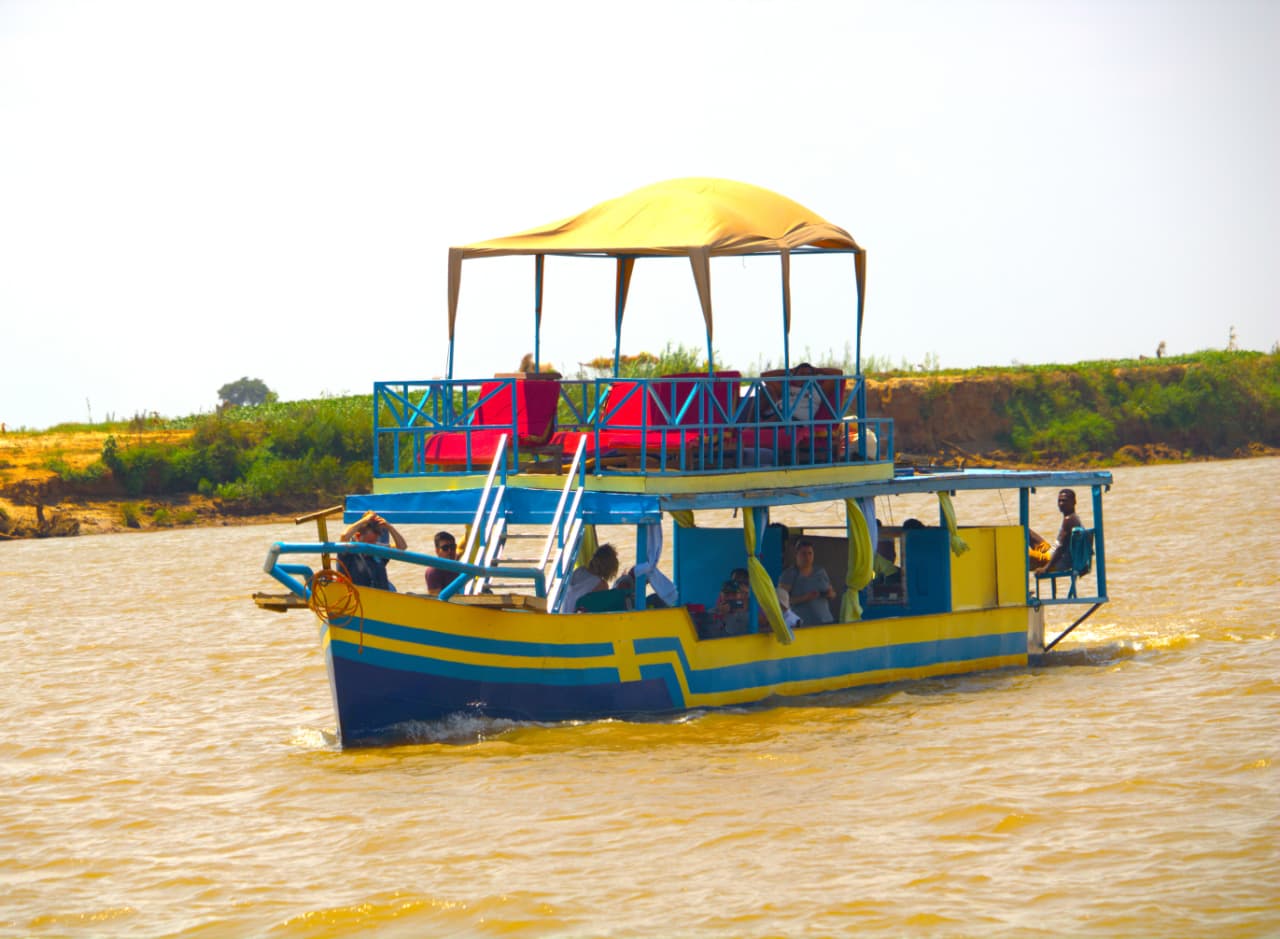
Four days drifting down the Tsiribihina with camps on the riverbank, then the Grand Tsingy, Kirindy's nocturnal forest and the baobabs.
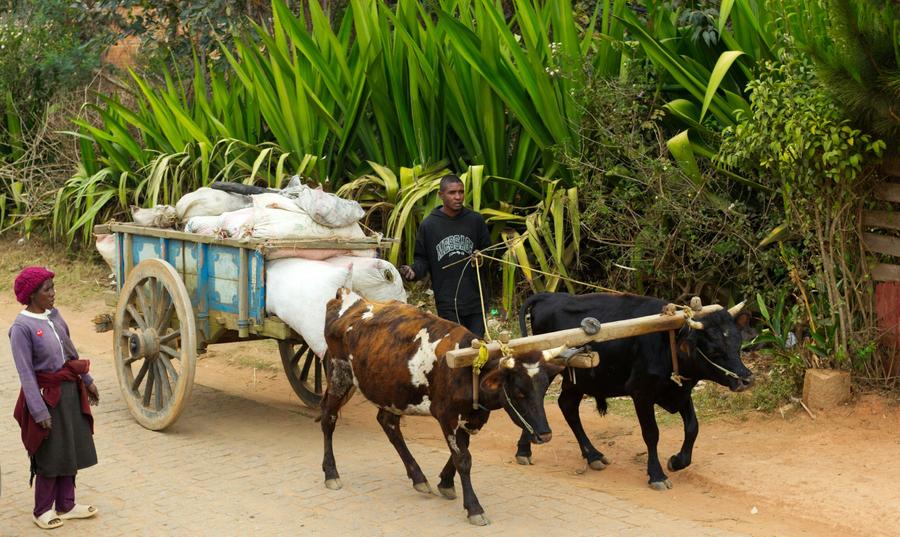
What the US, UK, Canadian and French advisories say (October 2026), and what to actually do about crime, night roads, malaria and cyclones.
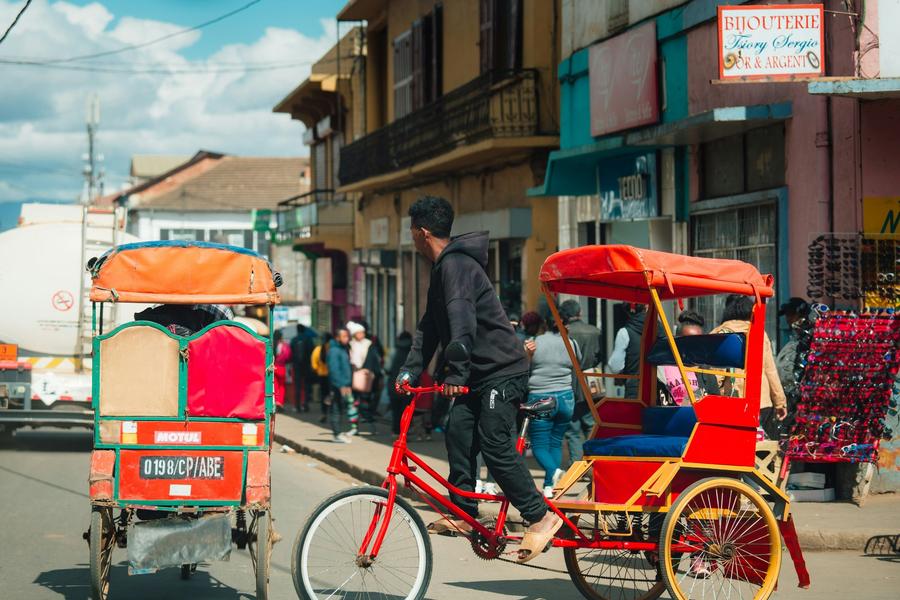
The ariary and its rate in October 2026, euros or dollars, cash machines and their limits, cards in hotels, what things cost, tipping, and how much cash to carry.
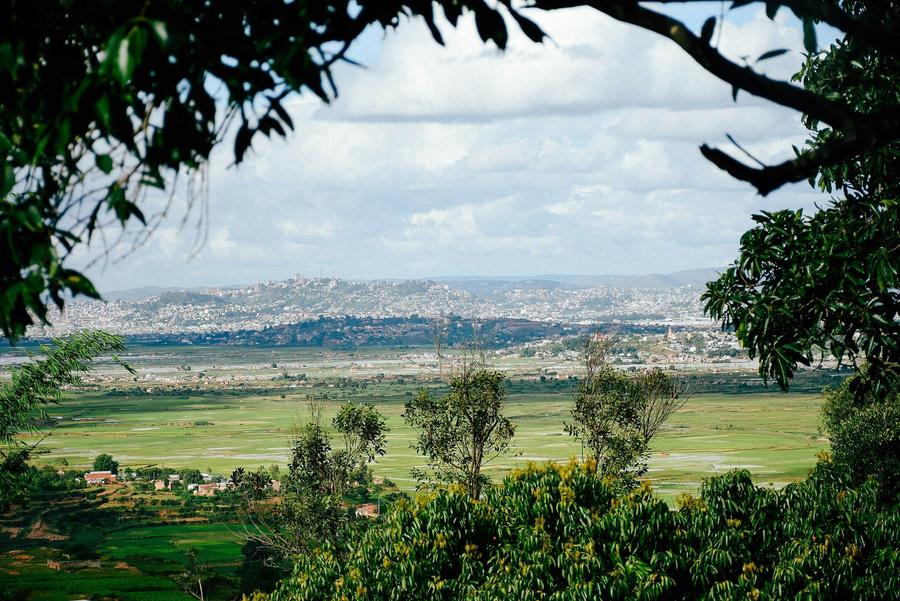
Who needs a Madagascar visa, what it costs in 2026, the official eVisa and the airport counters, passport rules, extensions and the look-alike visa sites to avoid.
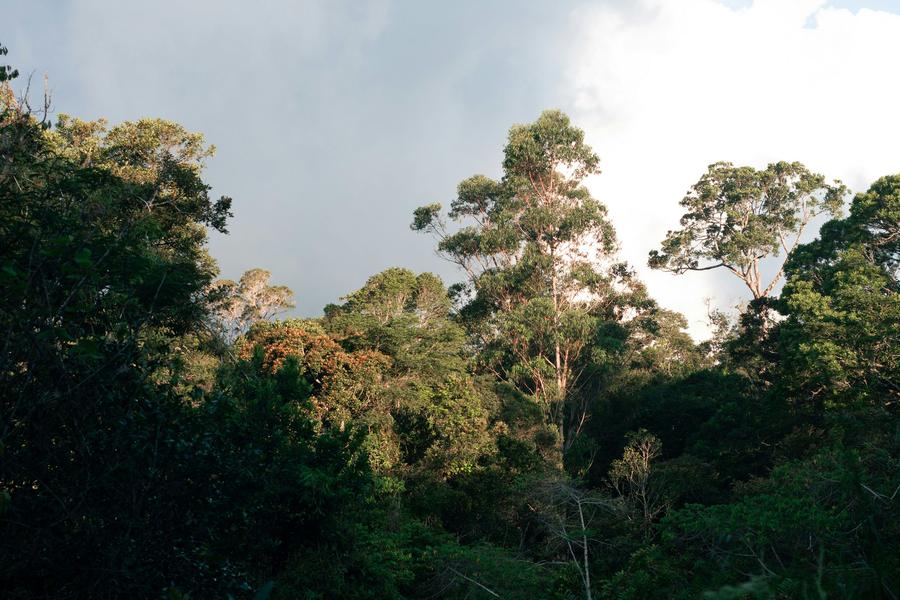
The jabs the CDC and the UK recommend, the yellow fever certificate rule, malaria by region and season, the tablets, rabies, bilharzia, plague and evacuation cover.

Send your dates and a rough idea. We reply within 24 hours with a written itinerary and a firm price. No deposit to ask a question.