
11 days · South

Classic South, Expanded Version
The classic route done properly: Andasibe, Ranomafana, Anja's ring-tailed lemurs, the canyons of Isalo and the reef at Ifaty.
The end of the dry season, and a favourite month with naturalists. What October is like in each region, what happens in it, what to confirm near the end of the western road season, and which of our trips suit it. Checked on 17 October 2026.
October can combine wildlife watching with the last part of the drier travel season in Madagascar. Conditions are warming up, and the first rains can affect western access, so the Tsingy needs more care in planning than it does in July or August. Many lemurs have young, the jacarandas flower in the capital, and forest birds are breeding and calling. The catches are the heat inland and a short last window for the Tsingy de Bemaraha before the rains close it.
It's quieter than July and August, too. Bradt names October and November as its favourite months, "when the weather is usually fine but not too hot". That holds for the highlands and the coasts, less so for Isalo at noon. If you're still choosing a month, our month-by-month guide covers the rest of the year.
October is a transition month. Météo Madagascar places it at the end of the cool, drier season, before the hot, wet season. The start of rain varies by place and year, so don't read an average as a promise about your dates.
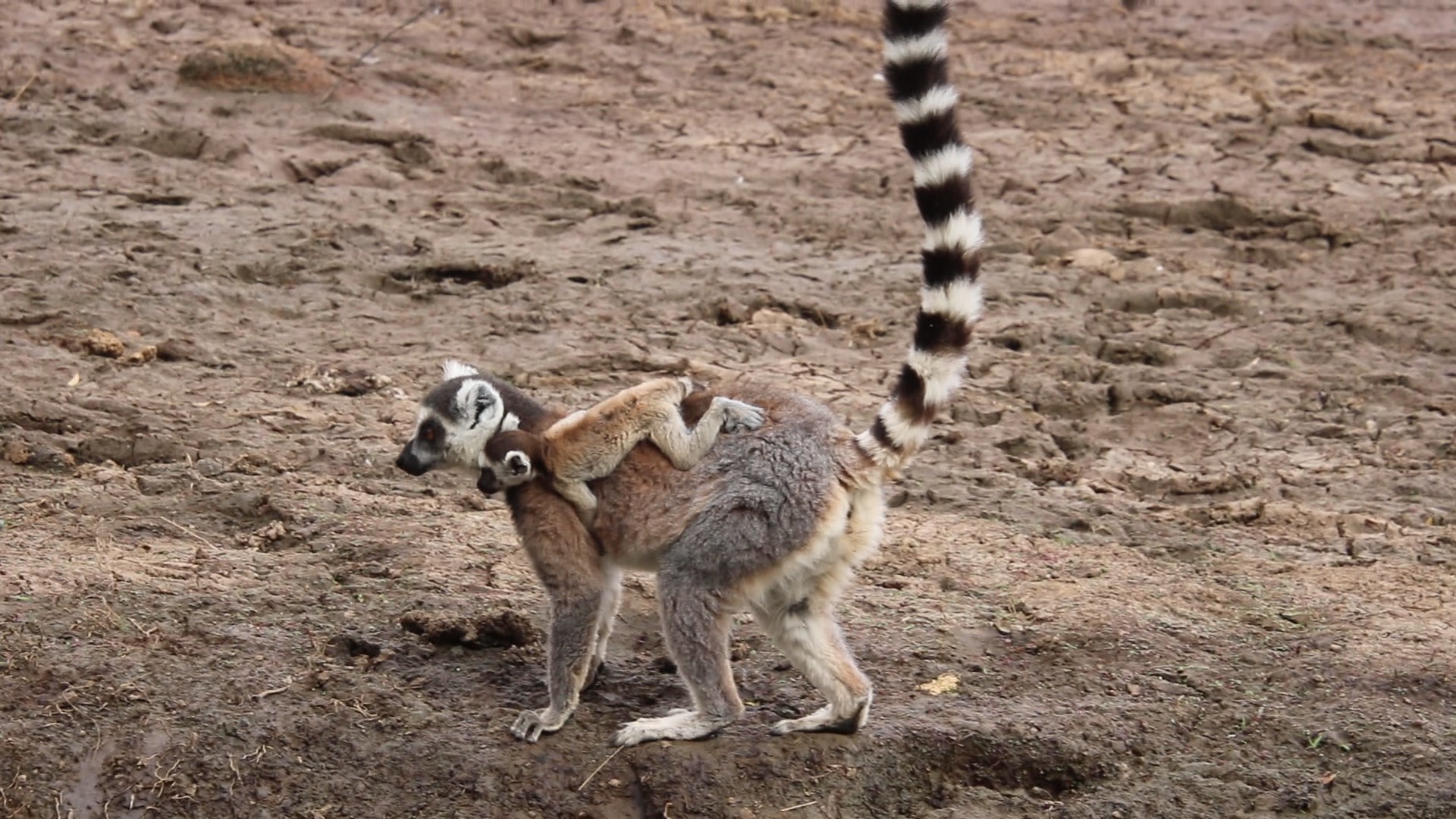
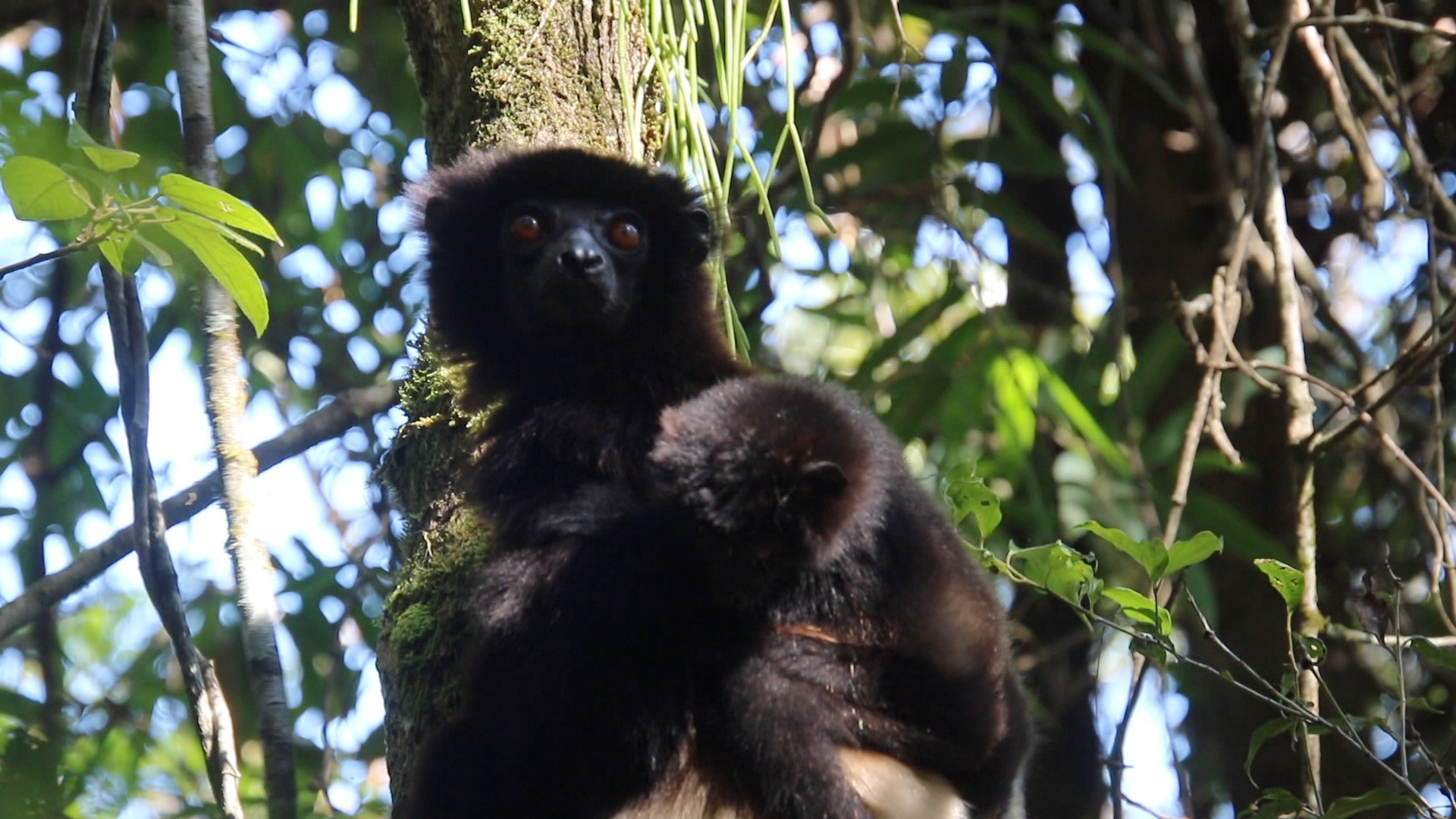
Lemur babies. Different species give birth at different times, and in October several seasons overlap:
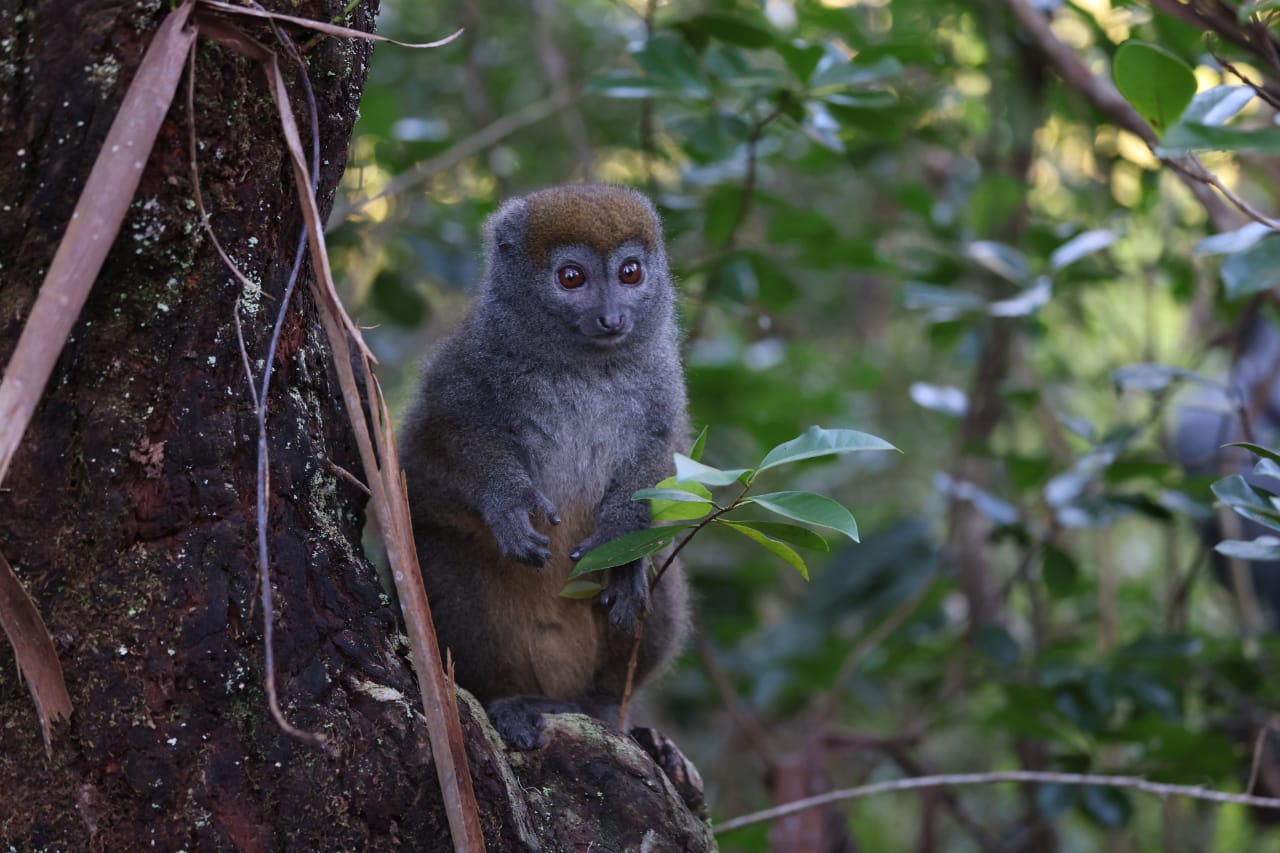
Our guide to where to see lemurs says which forest holds which species.
Jacarandas. In Antananarivo, the jacarandas planted around Lake Anosy in the colonial era flower violet in October, and Bradt has them in flower into November. Ask your driver-guide to go past the lake.
Birds. Our birdwatching page puts the season at September to November, when many forest birds start breeding and calling. The pitta-like ground-roller of the eastern rainforest breeds mostly from October to February, and the long-tailed ground-roller of the spiny forest from about October. More in our guide to the birds of Madagascar.
Reptiles and night walks. Bradt notes that some reptiles are less active and harder to see in the cool dry months of June to September. From about October the nights warm up, the dwarf lemurs come out of hibernation and night walks find more. Our reptiles and insects page puts the peak at November to March, so October is the warm-up. It's also the fossa's mating season, roughly September to December, and with luck you might see one on a night walk in Kirindy.
The whales are mostly gone. On our trips, whale watching off Sainte-Marie runs from July to September, and on the south-west coast in the southern winter. A 2018 survey off Nosy Be recorded humpbacks until 13 October, but we wouldn't plan October around whales.
Tell us your dates and what you would like to see. We reply within 24 hours with a written itinerary and a firm price.
A later-season trip. September to early November is generally quieter than July and August, though famous sites can still be busy. If space on a trail matters more than another attraction, ask about extra time at Mantadia rather than squeezing a third stop into the day.
October half-term. School dates vary between areas and years, so give us the actual dates before choosing a route. A week should concentrate on one region. Our 2-day Andasibe trip can fit a short stay, while a longer eastern route can add the Pangalanes. Don't make the Tsingy the fixed centre of a late-October week without checking access first.
Fees and availability. Ask for a dated written quote. Park charges, hotels and domestic transport can change, and an old entry-fee table isn't a price promise. On our set trips, park entry and local guides are included. We confirm the final trip price in writing before anything is booked.
The Tsingy de Bemaraha is usually open during at least part of October, subject to the rains and the road. The start of rain, the road and the river conditions decide the practical closing date. If the Grand Tsingy is the point of the trip, the first half of October is the safer half. For late October, ask us what's open before you book.
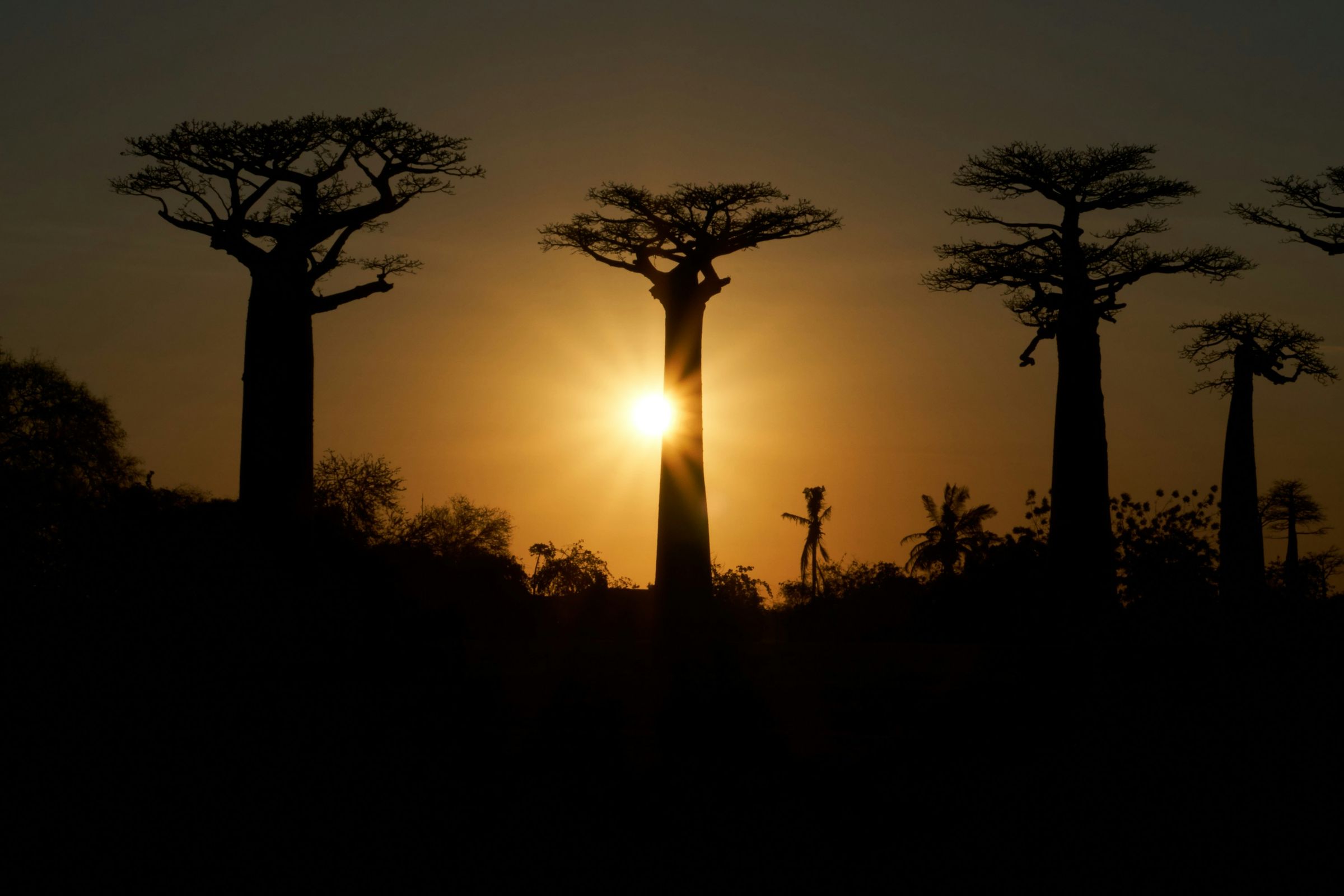
It's hot out there. On our 5-day West trip the Grand Tsingy day starts early to avoid the heat, and the walk usually lasts four to seven hours. In Kirindy the night walk looks for mouse lemurs, sportive lemurs and possibly the fossa. Grandidier's baobabs are bare in the dry months and usually in leaf from about October to May, so on the Avenue you may find them bare or just coming into leaf. More in our Tsingy de Bemaraha guide.
All four are private, with your own vehicle and driver-guide, and any of them can be reshaped.
Send your dates through the booking form or on WhatsApp. A real person in Antananarivo replies, usually within 24 hours.
Photo: Dmitrii Zhodzishskii on Unsplash.
Yes, for most trips. It's the end of the dry season, so most of the island is dry and warm, and it's quieter than July and August. Many lemurs have young, birds are breeding and calling, and the jacarandas flower in Antananarivo. The catches are the heat in the west and south-west, and the Tsingy de Bemaraha, which can close early if the rains come early.
October is a transition towards the hotter, wetter season. The west can still be dry, but early rain may affect dirt roads. Eastern rainfall is relatively lower in September and October, though rainforest can be wet in any month. Plan long walks around the heat and check current conditions before a crossing.
Often, yes. Ring-tailed lemurs are born in August and September and ride on their mothers' backs for weeks afterwards. Common brown lemurs give birth between September and November, crowned lemurs from mid-September to October, and sifaka young born earlier in the year still ride on their mothers. No one can promise a sighting, but September to November gives the best chance of babies of several species on one trip.
Usually, yes. The park opens in the dry season and closes when the rains set in, usually in November and some years not until December. The river and road conditions decide the practical closing date. For the Grand Tsingy, the first half of October is the safer half, and it's hot, so walks start early.
Rarely. The humpback season off Île Sainte-Marie runs from July to September, and October is outside the main southern-winter period on the south-west coast. Off Nosy Be, a 2018 survey recorded humpbacks until 13 October, so a late whale is possible early in the month.
Park entrance fees and local guides are included in our set-trip prices. Prices are indicative until we confirm a written quote. If you are travelling independently, check the current entry and guide charges with each park before you go.
Private trips with your own vehicle and driver-guide. Every one can be reshaped around your dates.
The classic route done properly: Andasibe, Ranomafana, Anja's ring-tailed lemurs, the canyons of Isalo and the reef at Ifaty.
Chameleons at Peyrieras, a walk among the lemurs at Vakona, a guided night walk, and an early start in Analamazaotra, where the indri call most mornings.
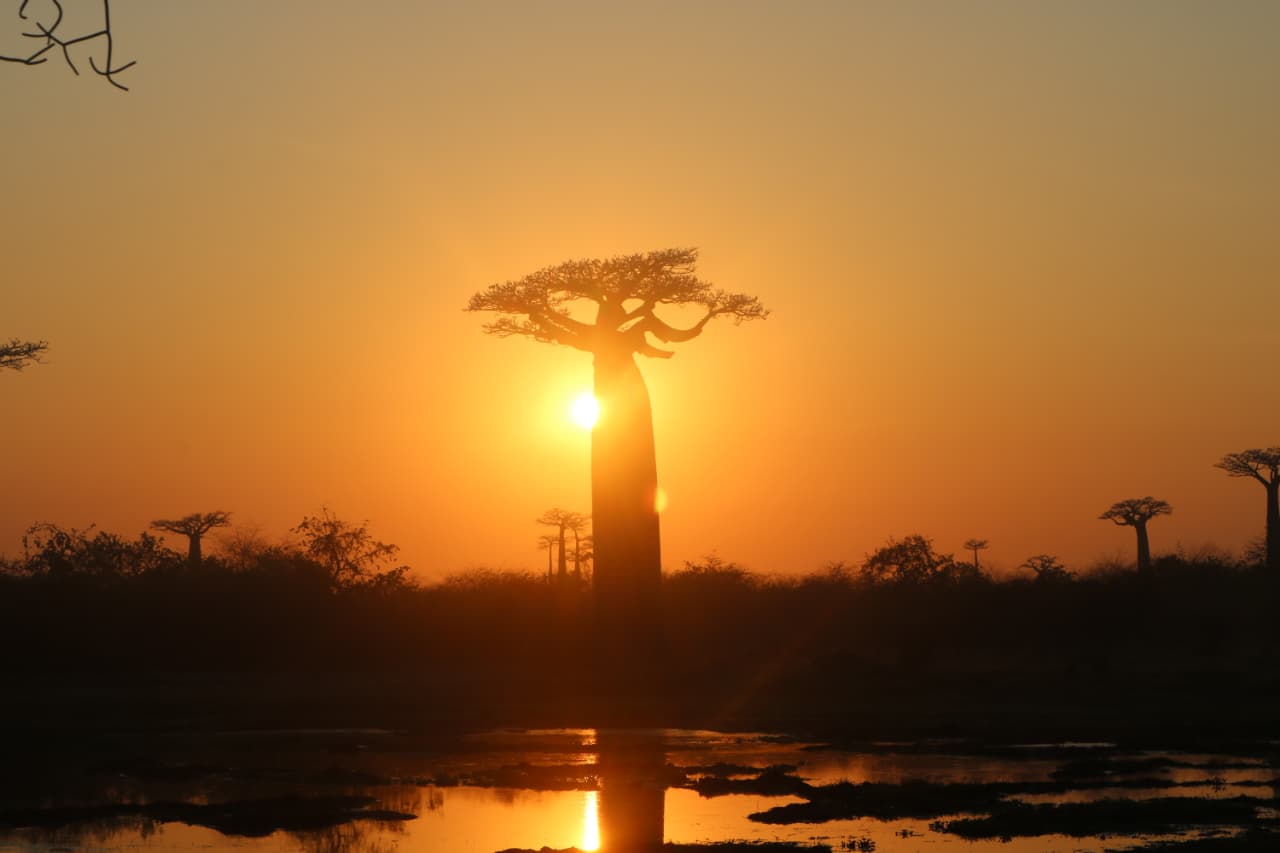
Sunset on the Avenue of the Baobabs, a night walk in Kirindy, the Grand Tsingy hike and a canoe on the Manambolo River.

Indri at Analamazaotra, the Palmarium's approachable lemurs, boat rides on the Pangalanes Canal, then island time on Sainte Marie.
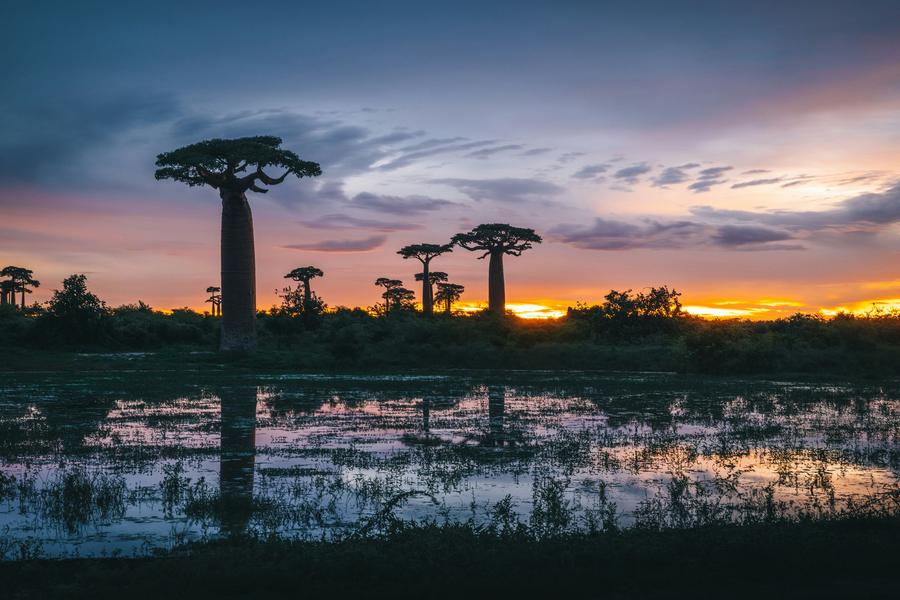
Month by month and region by region: dry roads, cyclones, the Tsingy's short season, whales, lemur babies, birds and chameleons.
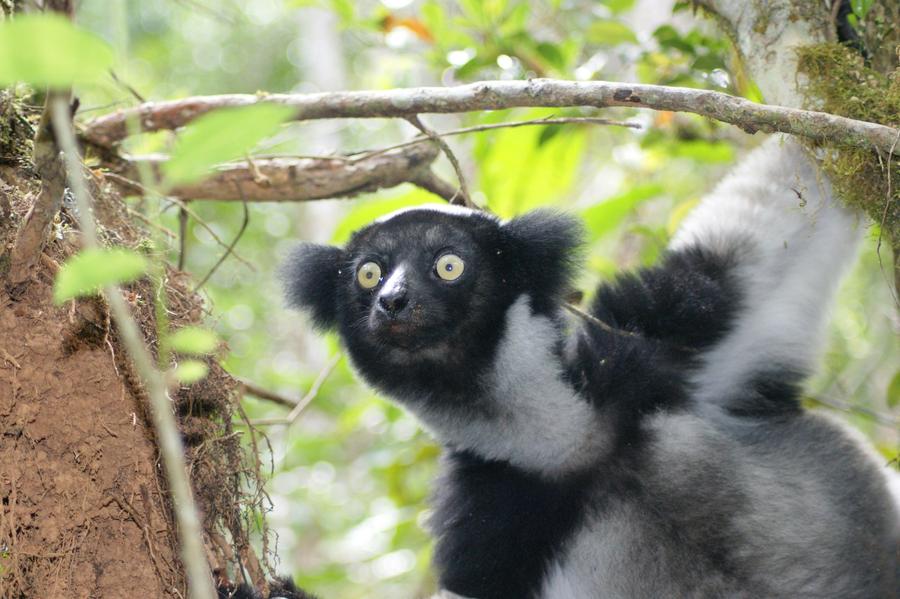
Indri, ring-tails, sifakas, the aye-aye and mouse lemurs: where each one lives, when to go, and how close you really get.
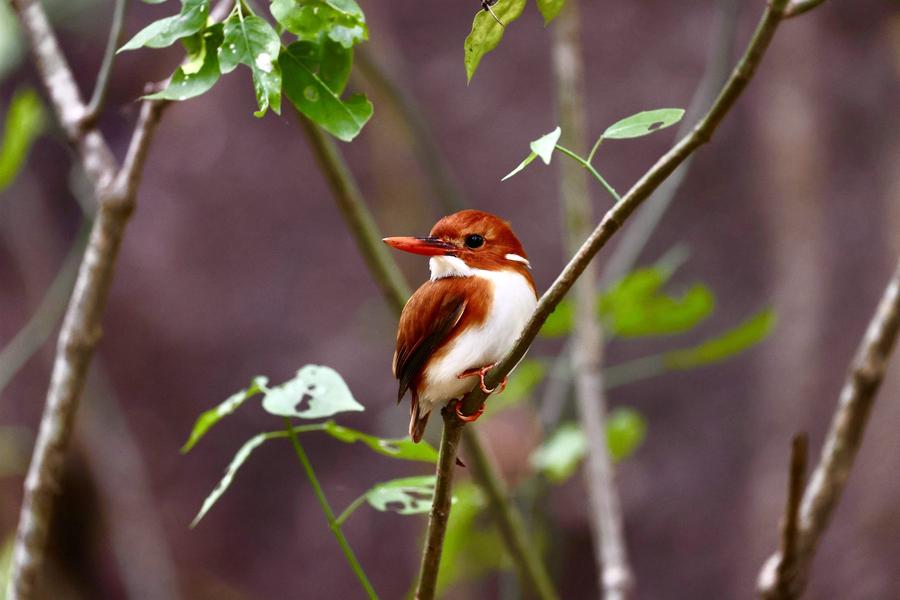
Ground-rollers, mesites, vangas and couas: how many birds Madagascar has, which ones live only here, where to look for them, and the best months for a birding trip.
December region by region: the first heavy rains, cyclone risk, the closed Tsingy, green forests and frogs, Christmas crowds and prices, and the trips that still work.

Send your dates and a rough idea. We reply within 24 hours with a written itinerary and a firm price. No deposit to ask a question.