
2 days · East
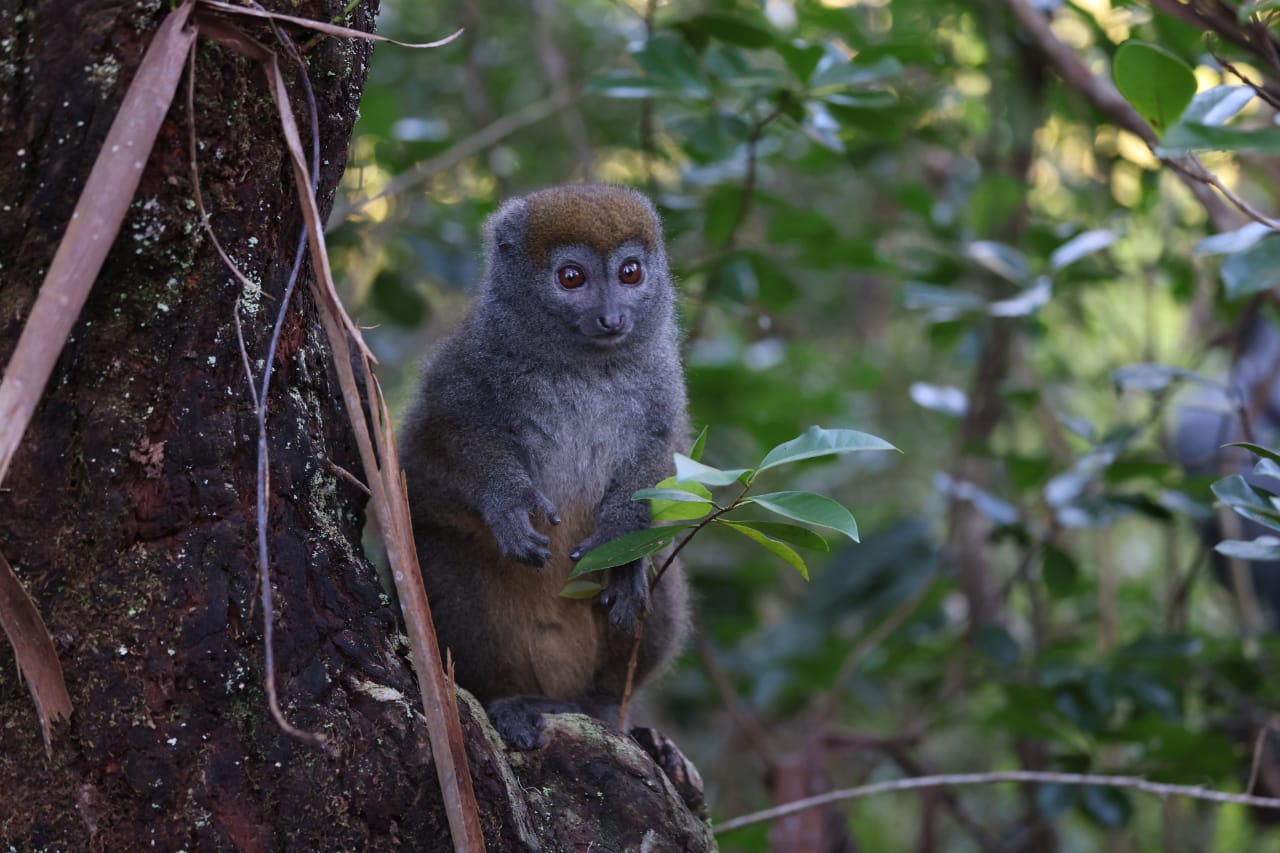
Andasibe: Lemurs & Rainforest Trails
Chameleons at Peyrieras, a walk among the lemurs at Vakona, a guided night walk, and an early start in Analamazaotra, where the indri call most mornings.
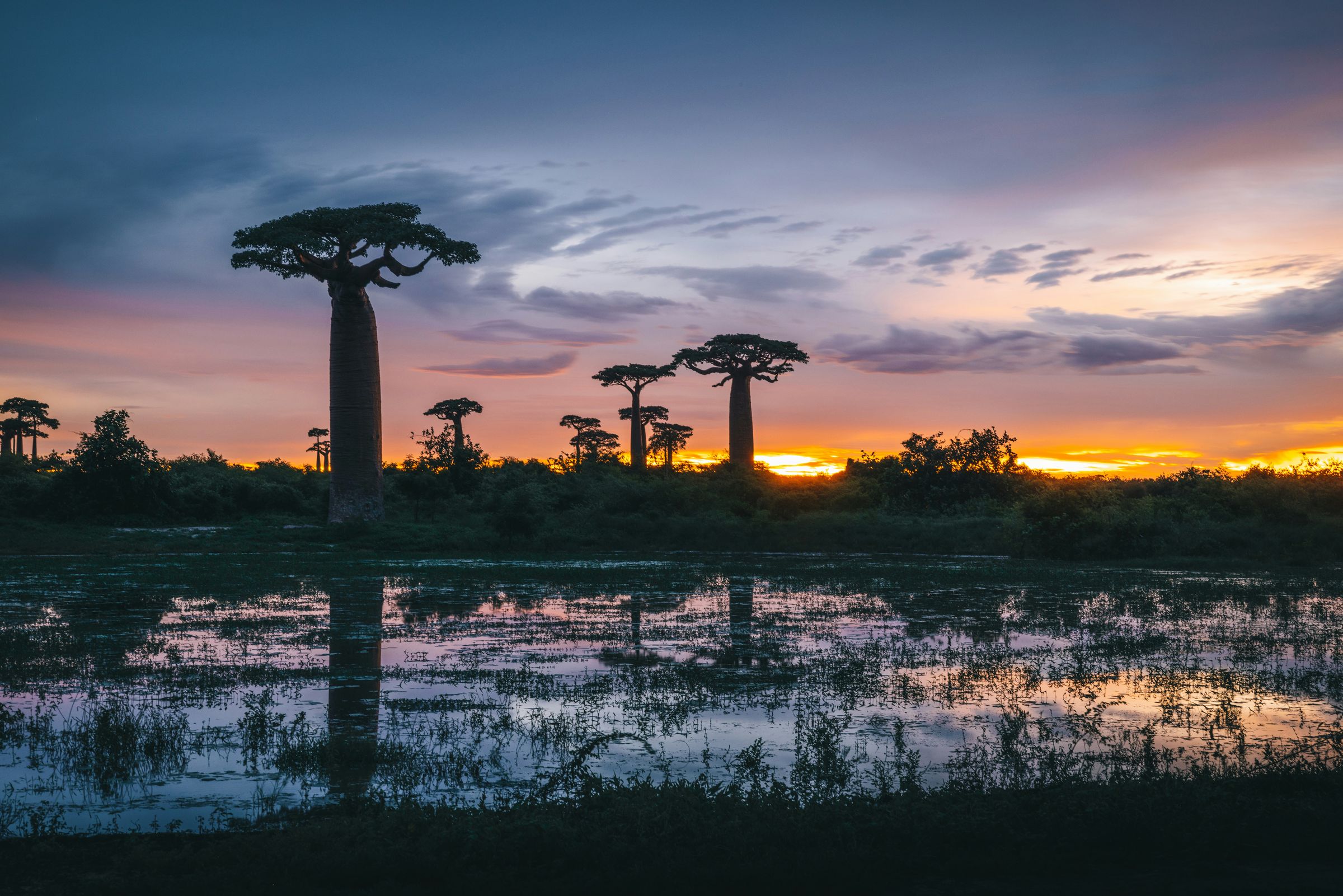
A wetter month within the cyclone season, with trips that need room to change. What December is like in each region, what it does well, Christmas and New Year, and which of our trips still work then. Checked on 17 October 2026.
December is when the rainy season really gets going in Madagascar. Antananarivo averages about 226 mm of rain on 14 days, nearly twice November's total, with highs around 27 °C. The cyclone season is under way, though the riskiest months are still January to March. Some places hold out: Diego Suarez in the far north and the dry south-west coast get far less rain, while the Tsingy de Bemaraha is usually closed and Nosy Be is already wet.
So December works if you pick the right corner of the island and keep the plan short or flexible. We'd go for the rainforest at Andasibe, the far north early in the month, or both, and leave the west for the dry season. The rest of the year is in our month-by-month guide.
These are long-term averages, the World Meteorological Organization's normals for 1991 to 2020, so any one December can start wetter or drier.
The UK Foreign Office says the cyclone season normally runs from November to April. Most storms come from January to March and hit the east and north coasts, but December isn't safe by definition: Cyclone Belna came ashore near Soalala, on the north-west coast, on 9 December 2019. Follow current Météo Madagascar warnings as the trip approaches; a seasonal outlook can't tell you whether your travel days will be affected.
The roads change too. From December to April, the Foreign Office warns, many secondary roads are impassable except in a 4x4, and bridges are often washed away. Leave a spare day before your flight home, and check your travel insurance for disruption, cancellation and evacuation cover before booking. Malaria cases rise with the rains, and the CDC recommends tablets everywhere outside Antananarivo in every month (see our vaccinations and malaria guide). More in our cyclone season guide.
Tell us your dates and what you would like to see. We reply within 24 hours with a written itinerary and a firm price.
Our reptiles and insects page puts November to March as the months when reptiles are most active, and conditions can favour searches for active reptiles, without promising a particular species or young animals. Night walks get livelier from about September to March, as the dwarf lemurs come out of hibernation. Our chameleon guide covers where to look.
December is outside the usual humpback-watching season. A 2018 survey off Nosy Be recorded whales only through mid-October; that observation isn't a fixed departure date for every year.

Most Malagasy are Christian, Protestant or Catholic, and Christmas Day and New Year's Day are both public holidays. Plan those two dates as short travel days or rest days.
For visitors, the fortnight around Christmas and New Year is one of the two busiest times of the year, with July and August. Bradt's advice is to avoid it if crowds bother you. School holiday dates vary by country and local authority, so check your own calendar before booking.
We'd ask about the first half of December before the Christmas rush. It may offer more choice of rooms and flights, but compare actual quotes. If it has to be Christmas, send us your dates early. Our prices are indicative, season is one of the things that moves the final quote, and we confirm it in writing before anything is booked.
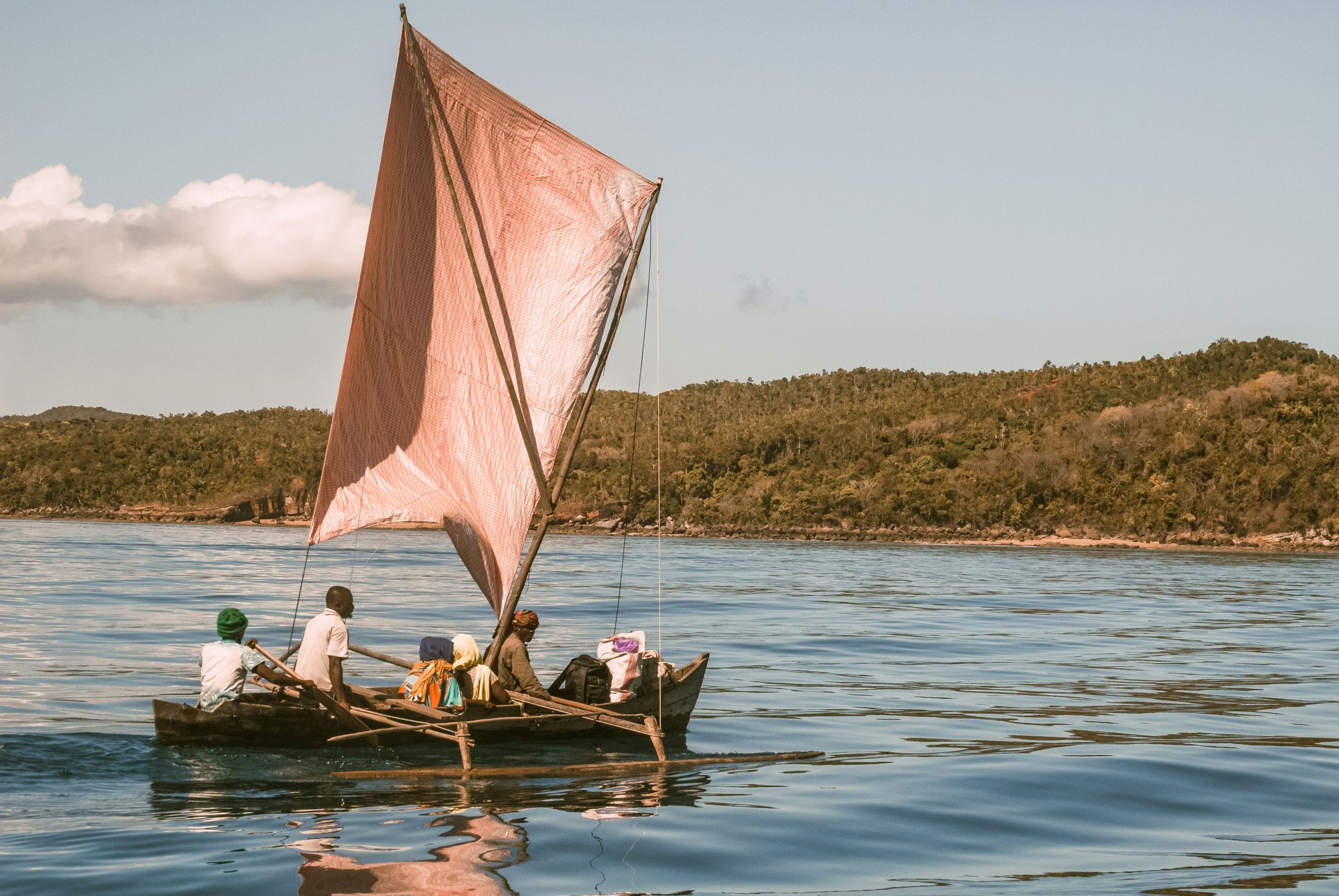
All three are private, with your own vehicle and driver-guide, and can be reshaped.
What we'd avoid in December:
Send your dates through the booking form or on WhatsApp, and a real person in Antananarivo replies, usually within 24 hours.
Photos: Nicolas Jehly, Ingeborg Korme and Alessandro Zanini on Unsplash.
Hot and getting wetter. In the highlands the main rains begin: Antananarivo averages about 226 mm on 14 days, with highs around 27 °C. The east coast gets about 230 to 250 mm, Nosy Be about 300 mm, and Diego Suarez about 130 mm. The south-west coast stays driest, with about 35 mm at Tulear and highs of 32 °C.
For some trips, yes. The rainforest at Andasibe works all year, the far north is best early in the month, and it's a good month for chameleons and night walks. It isn't good for the west, where the Tsingy de Bemaraha is usually closed, or for long road trips on a tight schedule. The first half of December generally avoids the Christmas holiday rush; compare actual availability and prices.
Yes. The UK Foreign Office gives the cyclone season as November to April, and storms are most likely from January to March, mostly on the east and north coasts. December cyclones do happen: Belna hit the north-west coast on 9 December 2019. Leave spare days, buy insurance when you book, and follow Météo Madagascar's forecasts.
Usually not. The park opens only in the dry season, from about April or May, and closes when the rains set in, usually in November and some years not until December. Our west trips run from April or May to November.
Yes. The fortnight around Christmas and New Year is one of the busiest of the year, with July and August. Flights and hotels can carry holiday supplements, and popular places may book well ahead. Check prices for your dates. Book early, or travel in the first half of December.
It's wet. Nosy Be averages about 300 mm of rain on 16 days in December, against 20 to 35 mm a month from May to October. Boat days depend on the sea, so keep a spare day. Whale sharks usually visit until about December, and December is outside the usual humpback-watching season.
Private trips with your own vehicle and driver-guide. Every one can be reshaped around your dates.
Chameleons at Peyrieras, a walk among the lemurs at Vakona, a guided night walk, and an early start in Analamazaotra, where the indri call most mornings.
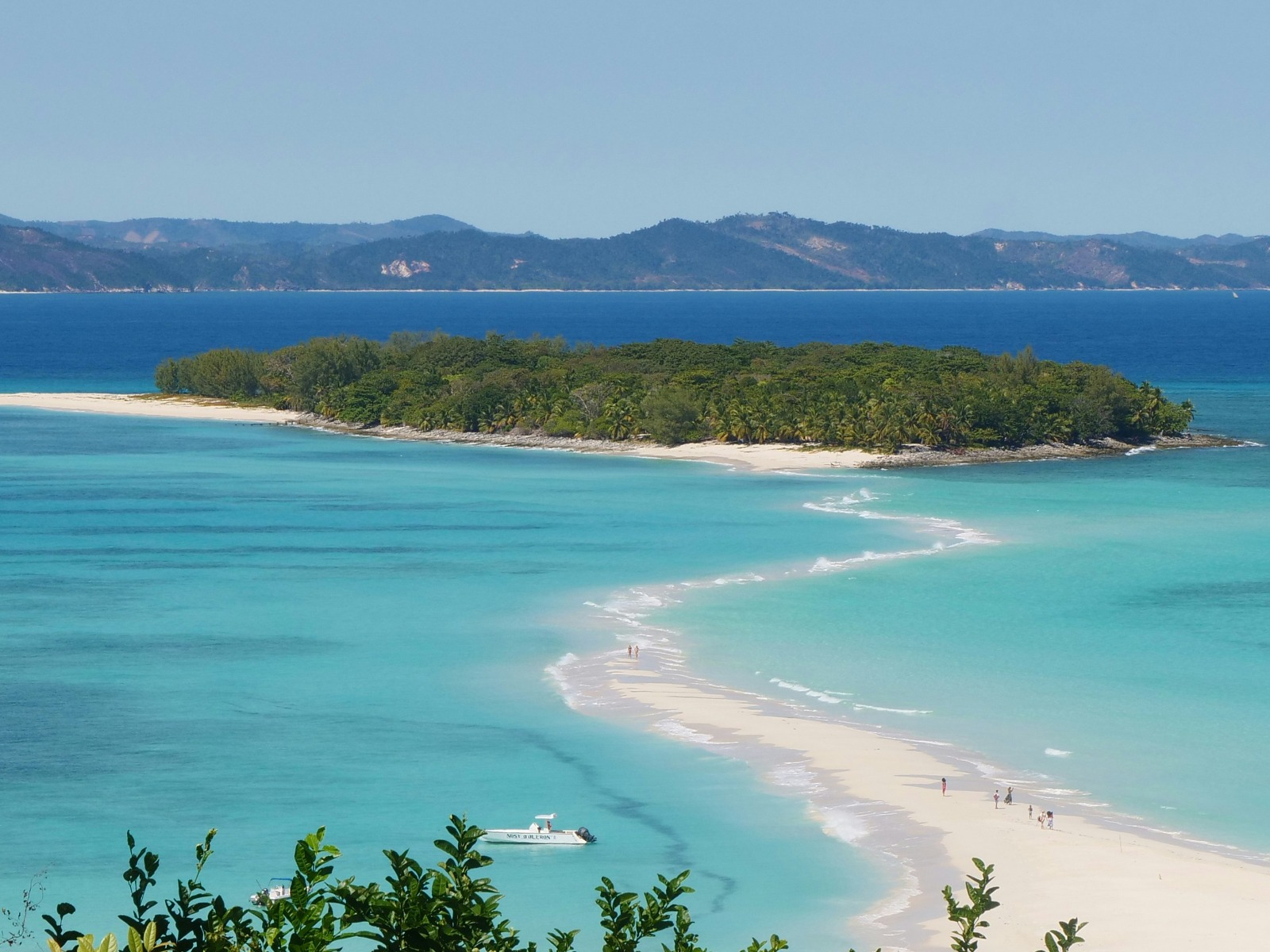
The Three Bays, Montagne d'Ambre, the red Tsingy and a full day in Ankarana's caves, then Lokobe and the sand of Nosy Iranja.
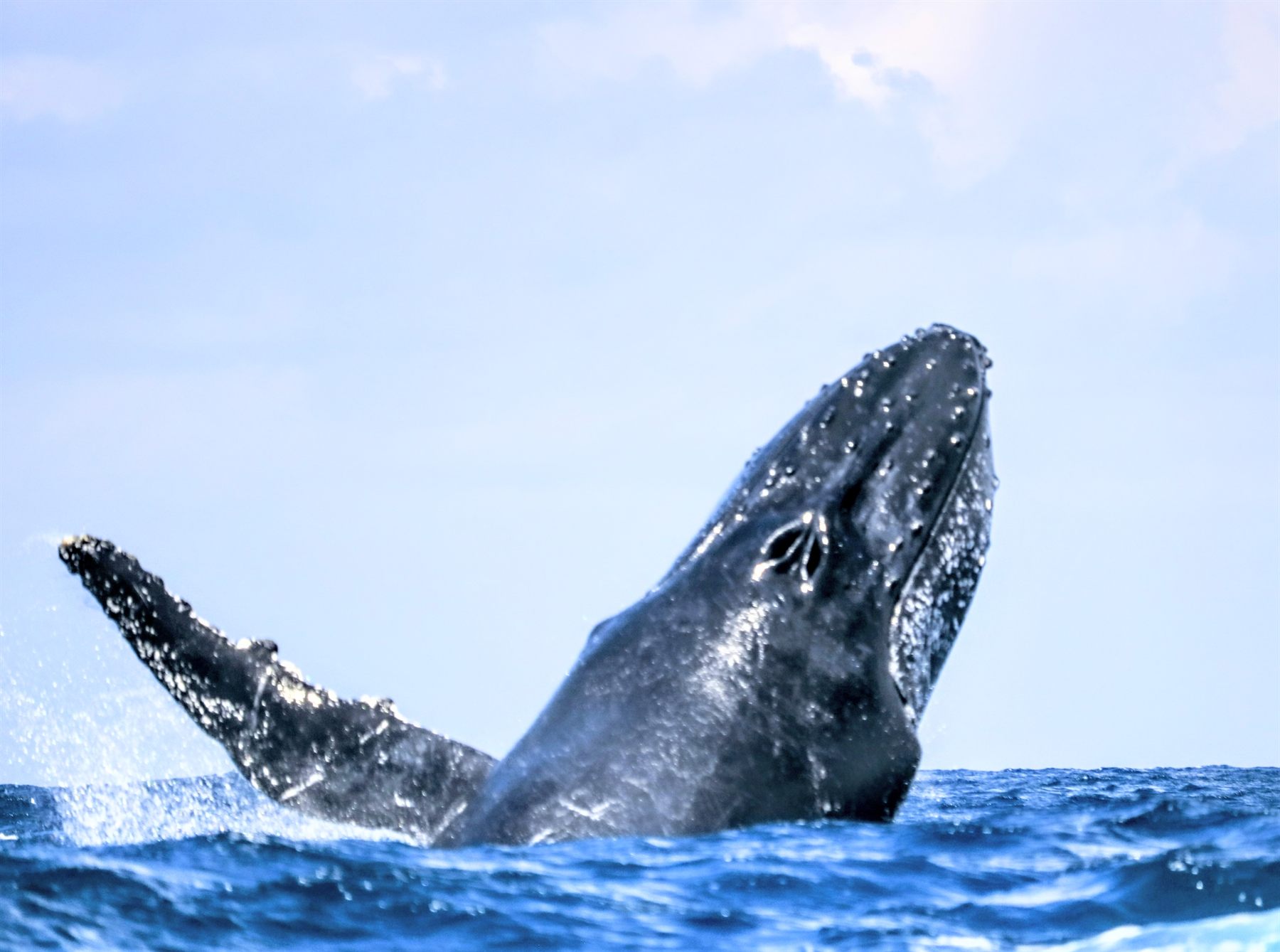
Everything the north has, plus the sea: Ankarana's caves, snorkelling at Sakatia, and a day out looking for humpback whales in migration season.
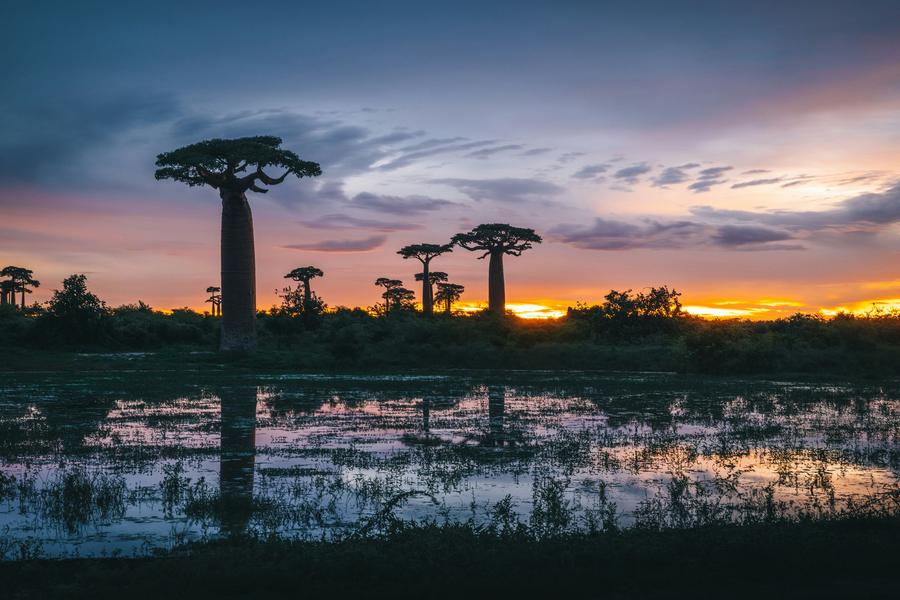
Month by month and region by region: dry roads, cyclones, the Tsingy's short season, whales, lemur babies, birds and chameleons.
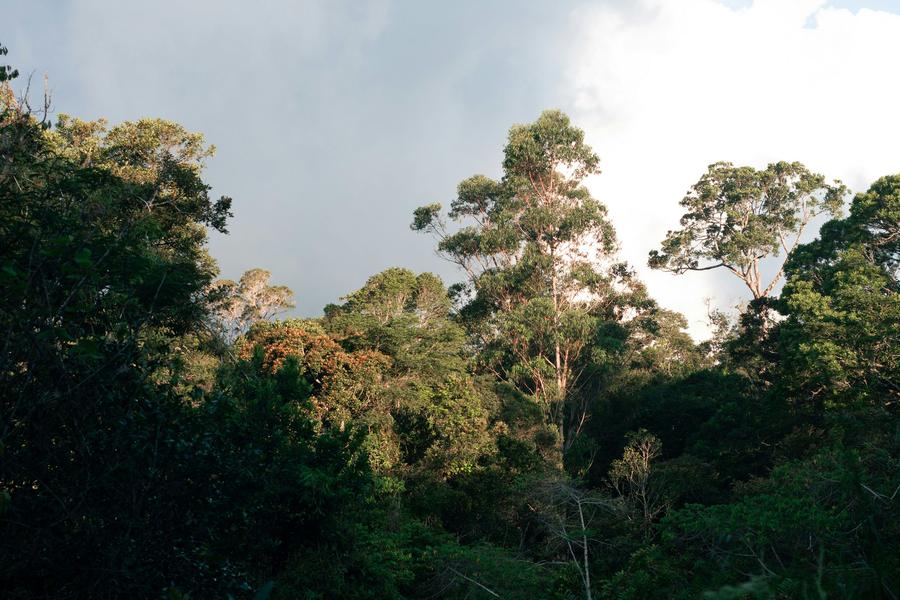
When cyclones come and which coasts they hit, what recent storms did to roads and towns, what the rains close, and how to plan a trip in the wet months.
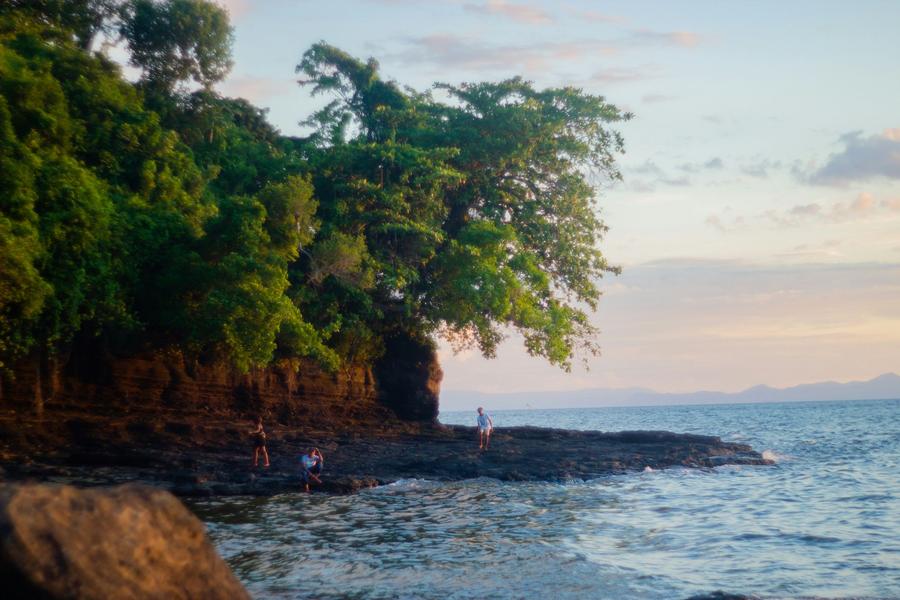
Lokobe, Nosy Komba, Tanikely and Iranja, when the rains and the whales come, flights and the Ankify boat, and how many nights to give Nosy Be.
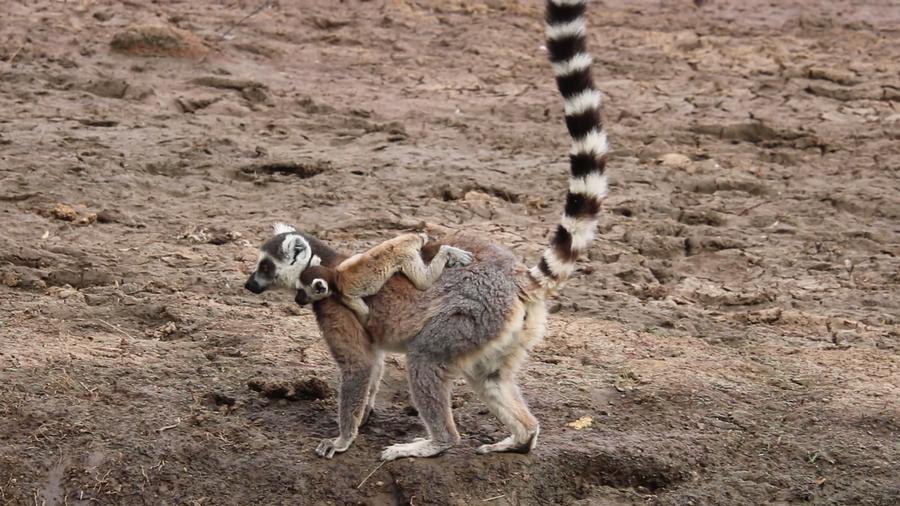
October region by region: warm dry days, heat in the west and south, lemur babies, jacarandas, birds breeding, the last weeks of the Tsingy, and the trips that fit.

Send your dates and a rough idea. We reply within 24 hours with a written itinerary and a firm price. No deposit to ask a question.