
2 days · East
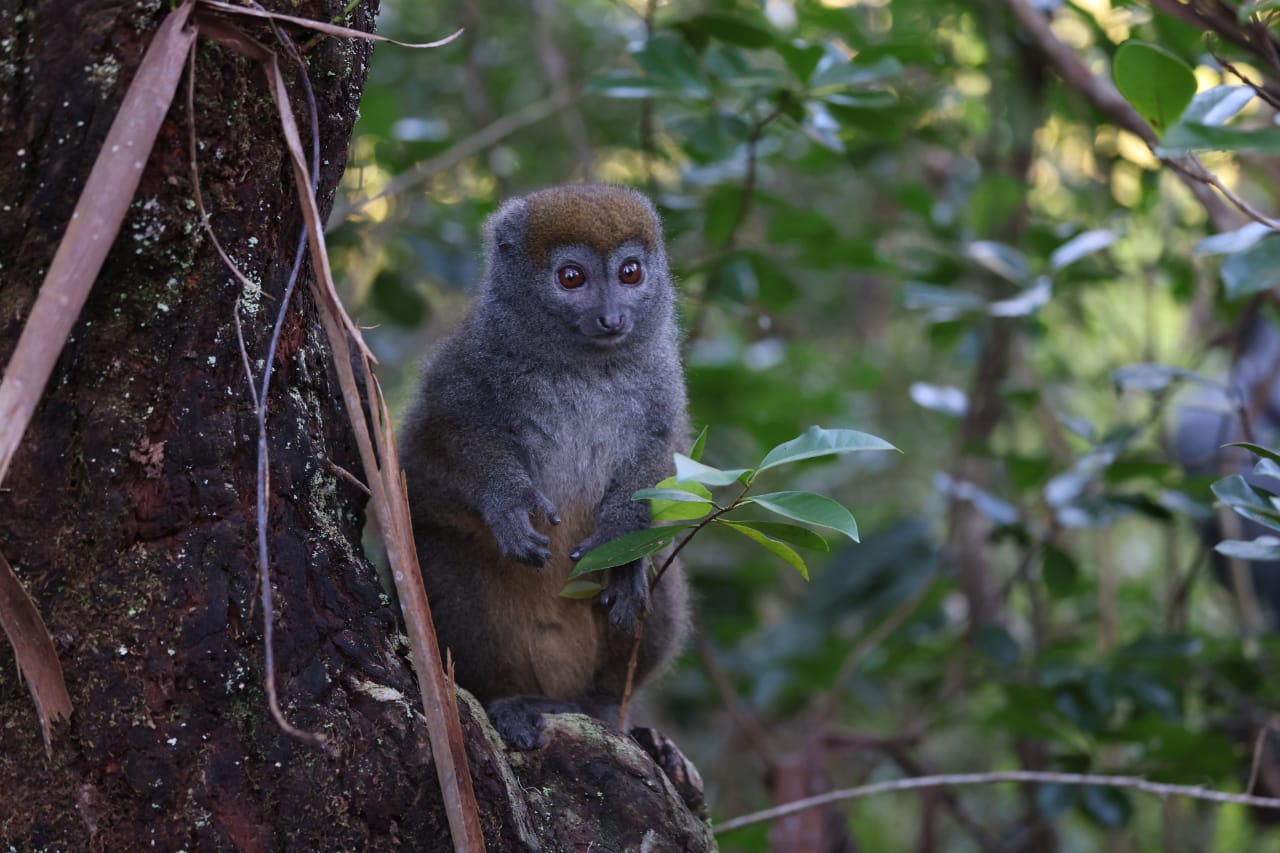
Andasibe: Lemurs & Rainforest Trails
Chameleons at Peyrieras, a walk among the lemurs at Vakona, a guided night walk, and an early start in Analamazaotra, where the indri call most mornings.
Which ages it suits, what children love and what they find hard, the school-holiday months, malaria tablets and repellent for children, and how to shape a private trip around shorter drives and a beach at the end.
Madagascar works well for a family holiday, best with children from about six or seven, on a trip built around short drives, two nights in most places and a beach at the end. Private reserves and short night walks can suit children who find a long forest hike harder. What's hard is the distance: parks are hours apart by road. The prescribed malaria tablets and some simple lodges need planning too. For school holidays, July and August are dry in the highlands, the west and the south, and the October half-term is quieter and usually dry.
Our trips are private, with your own vehicle and driver-guide, any start date and groups from two people. You set departure times. The 2-day Andasibe trip, from €320 per adult, is the easiest way to try it. For longer, the 10-day Eastern Madagascar trip suits most families best: rainforest and lemurs first, then boats on the Pangalanes Canal and three nights on Île Sainte-Marie.
Six or seven can be a useful starting point for planning a gentle route, but it isn't a medical or park-entry rule. Walking ability and tolerance for driving matter more than a birthday. Ask the clinic about the health decision and the park about any circuit restrictions.
In the national parks the lemurs are wild. Give them space and let the guide choose a place to watch.
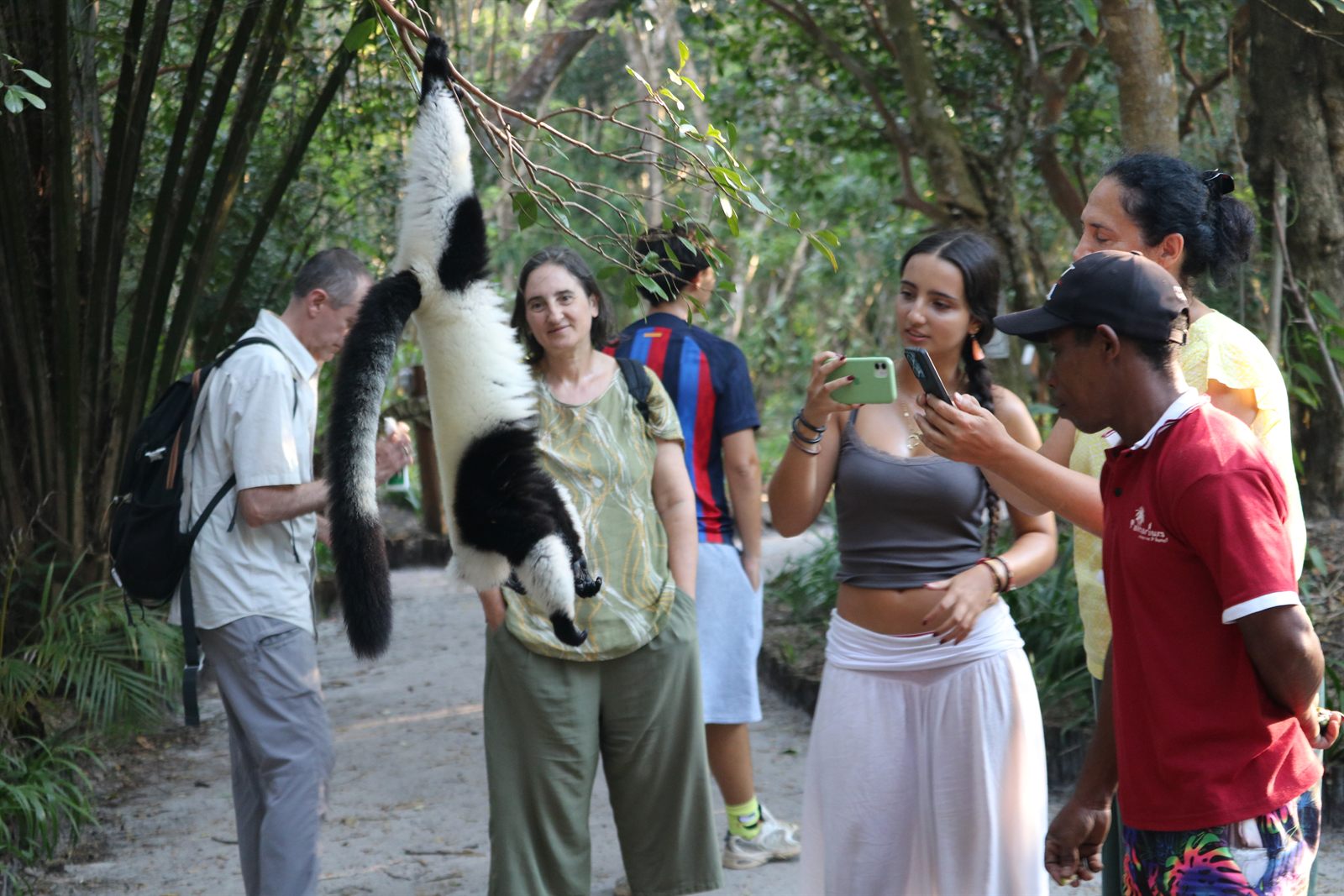
Younger children tend to remember the private reserves. At Vakona, near Andasibe, and the Palmarium, reached by boat on the Pangalanes Canal, generations of habituated lemurs come down to meet visitors, and that's where most of our guests get the photograph they take home. These are habituated encounters, which are different from watching wild lemurs in a national park. More in where to see lemurs.
Agree the rules before you go in:
Confirm reserve rules before promising a particular encounter.
Madagascar has many chameleon species, including tiny leaf chameleons. The easiest place to see lots is Peyrieras, a private reserve on the road to Andasibe that works as a breeding centre, with enclosures and aviaries, so the animals are close and easy to photograph. All three trips below stop there on the way.
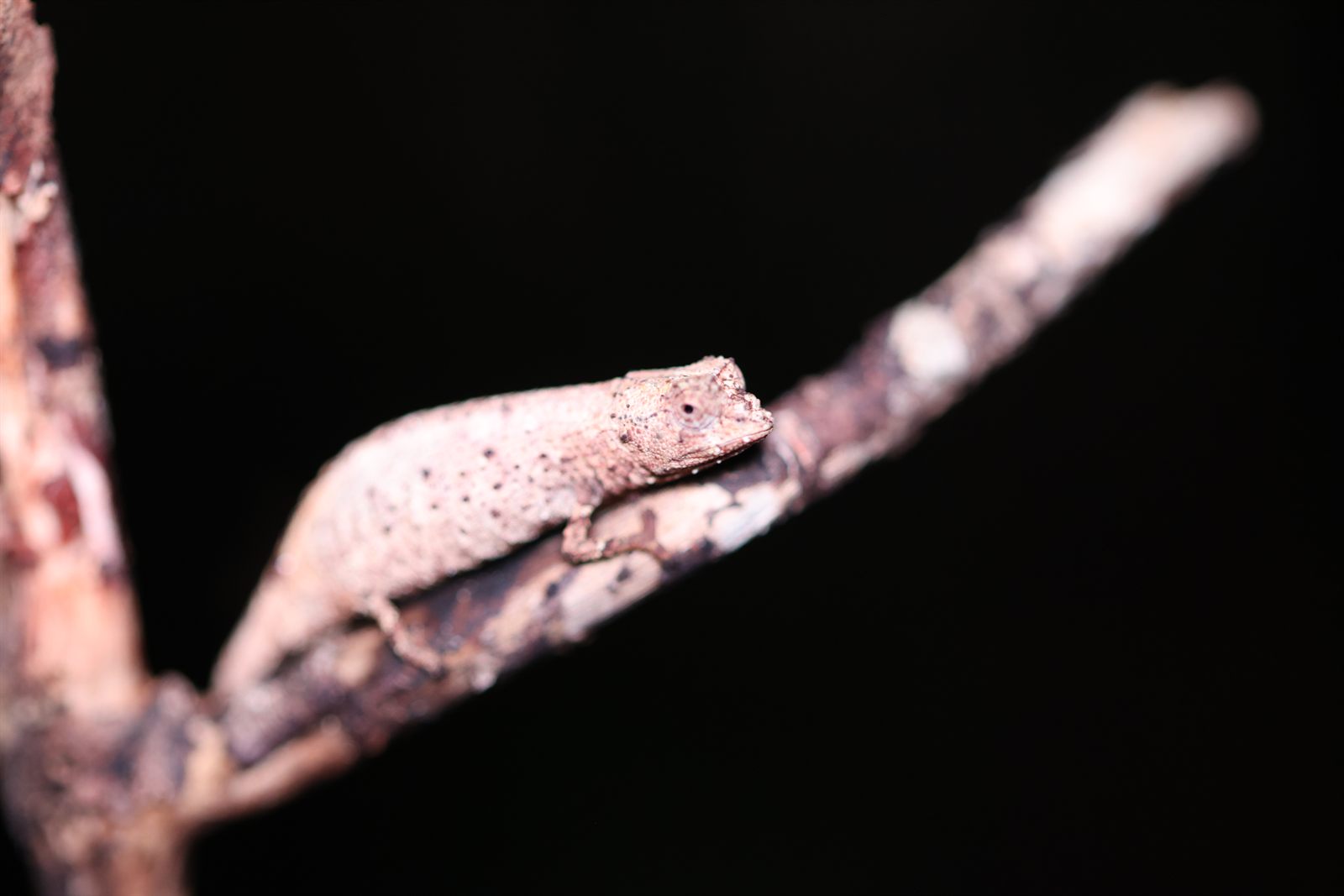
A guided night walk looks for mouse-lemur eyeshine, frogs and sleeping chameleons. The leaf chameleon in the photo was photographed on one. The 2-day Andasibe trip and the Classic South include one on the first evening. The Eastern trip has an optional one at Andasibe and another at Ankanin'ny Nofy that looks for the aye-aye.
In July and August it's dark at Andasibe by about six, so the walk fits in before dinner and a sensible bedtime. Bring a head torch for each child (with the brightness your guide recommends) and a warm layer. More in our Andasibe guide.
Madagascar is two hours ahead of the UK in summer, which keeps the time difference small.
Tell us your dates and what you would like to see. We reply within 24 hours with a written itinerary and a firm price.
A child who has spent seven hours in the car won't enjoy the best night walk on the island. What works:
More on fitting regions together in our itinerary guide.
Month by month, see the best time to visit Madagascar.
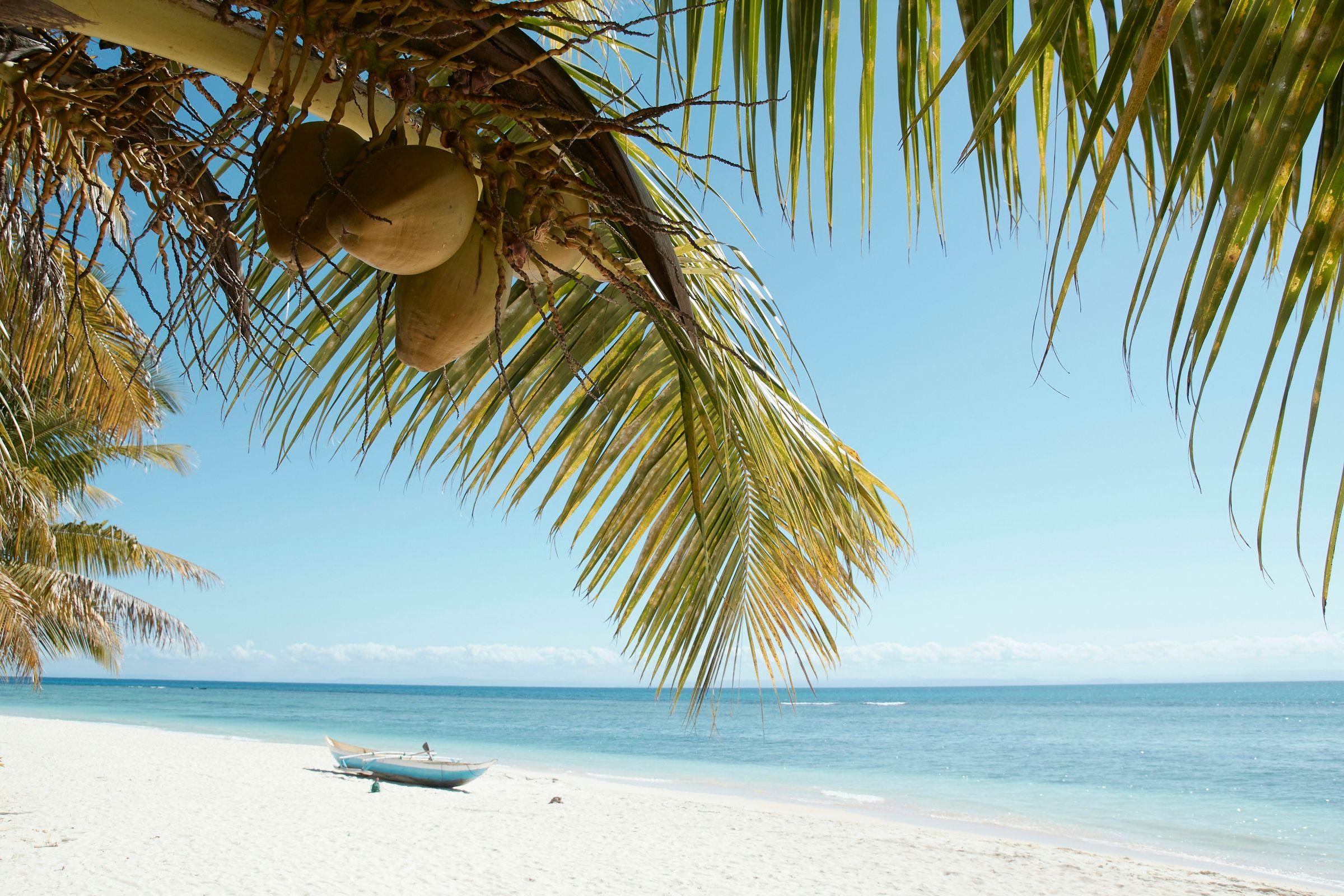
The Eastern trip finishes on Île Sainte-Marie, with island days for snorkelling and boat trips. The photo shows Île aux Nattes, just south of it. The Classic South finishes at Ifaty, with a free day for snorkelling or the spiny forest, and in July and August it's the drier choice. Nosy Be, in the north, can be added at the end of a trip.
Canada's travel advice says riptides are common and several people drown each year, so ask at the hotel where it's safe to swim. The CDC's advice: an adult within arm's reach of toddlers in the water, and a life jacket for children on every boat. Don't walk empty beaches on your own, even by day. Read the current advisories in Is Madagascar safe?
The CDC describes malaria transmission as rare in Antananarivo and present elsewhere in Madagascar, and the CDC recommends preventive tablets for the rest of the country, so even the 2-day Andasibe trip calls for them. See a travel clinic six to eight weeks before you fly, and take the children.
Use repellent too. The UK's travel health service says DEET at up to 50 percent is fine from two months old, put on after sun cream. The CDC adds: keep it off the hands of under-twos, and no lemon eucalyptus oil under three. Sleep under a net unless the room is screened or air-conditioned, with one over a baby's cot. The UK's insect bite advice has more, and so does our guide to vaccinations and malaria.
Tell us your children's ages, your dates and how much driving they'll take, on the booking page or WhatsApp. A real person in Antananarivo replies, usually within 24 hours, with a written itinerary and a firm price.
Photo: iAko Randrianarivelo on Unsplash.
Yes, if you plan it around the children. They remember the lemurs that come close at private reserves such as Vakona and the Palmarium, and the night walks. The hard parts are long drives between parks, prescribed malaria tablets and simple lodges in places. Short drives, two nights in most places and a beach at the end work best.
There isn't one age for every route. Six or seven can be a planning starting point for a gentle itinerary, but walking ability, health and tolerance for driving matter more. Check any park circuit restrictions separately. Under-fives are possible but hard: malaria tablets by weight, long drives and basic medical care outside Antananarivo. Choose walks for the child's ability and the park's current rules.
The CDC recommends preventive medicine outside Antananarivo. A clinician must choose a suitable medicine and dose for each child, taking weight, age and health into account. See a travel clinic six to eight weeks before you go, and use DEET repellent and a bed net as well.
No. Touching and feeding are forbidden on Vakona's Lemur Island, and the CDC advises against touching or feeding any animal you don't know. The habituated lemurs still come close. If a child is bitten or scratched, wash the wound with soap and water and seek medical care immediately.
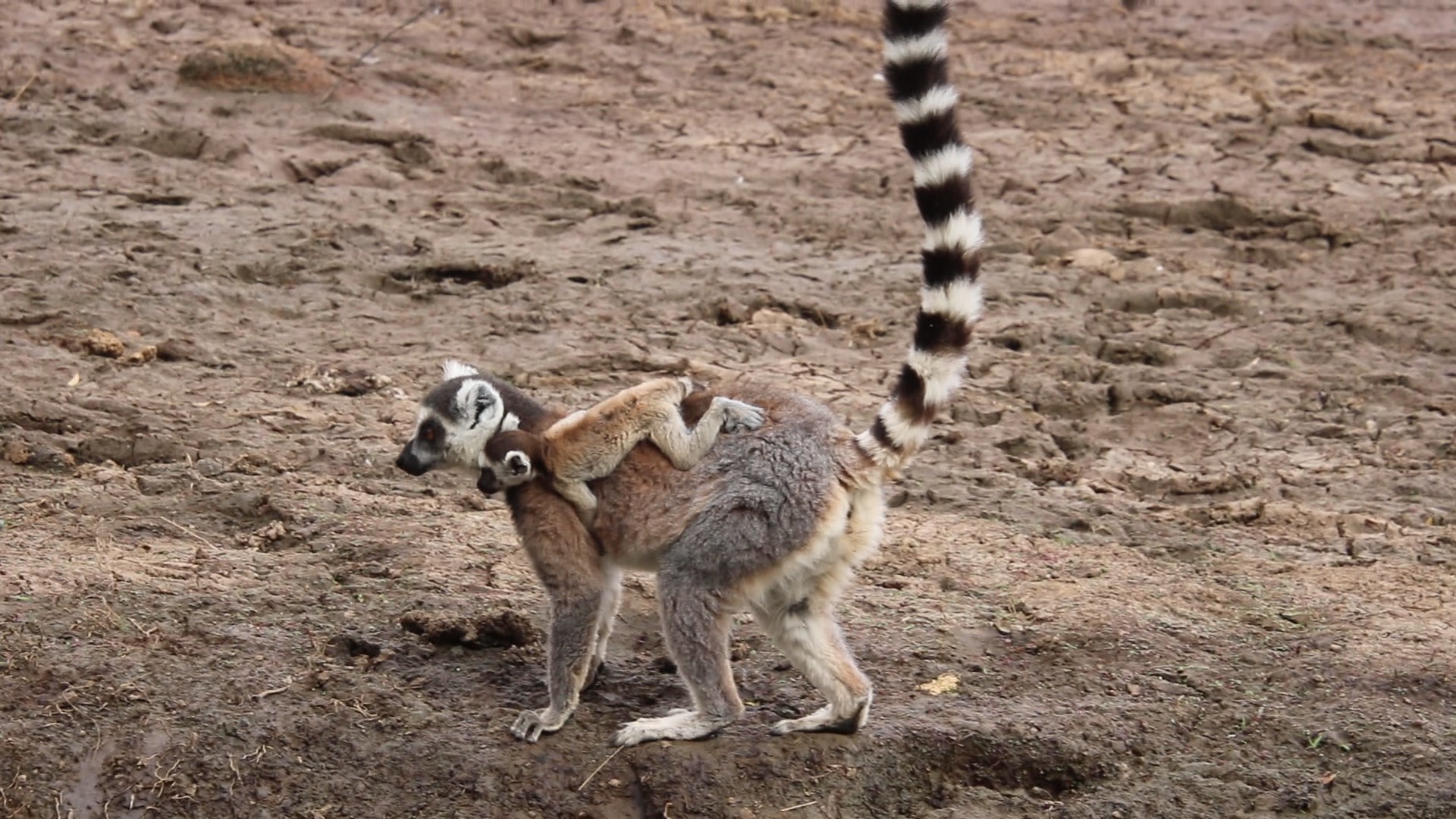
July and August are dry in the highlands, the west and the south, with cold nights, and they're the busiest months. The October half-term is quieter, usually dry, and brings a chance of ring-tailed lemur babies. Over Christmas the rains reach the highlands and the west and cyclones are possible, so keep the route short.
Our published prices are per adult, from two people, and the final price depends on group size, season and hotels. For children's prices, family rooms and child seats, send us your children's ages and dates. We reply within 24 hours with a written itinerary and a firm price.
Private trips with your own vehicle and driver-guide. Every one can be reshaped around your dates.
Chameleons at Peyrieras, a walk among the lemurs at Vakona, a guided night walk, and an early start in Analamazaotra, where the indri call most mornings.

Indri at Analamazaotra, the Palmarium's approachable lemurs, boat rides on the Pangalanes Canal, then island time on Sainte Marie.

The classic route done properly: Andasibe, Ranomafana, Anja's ring-tailed lemurs, the canyons of Isalo and the reef at Ifaty.
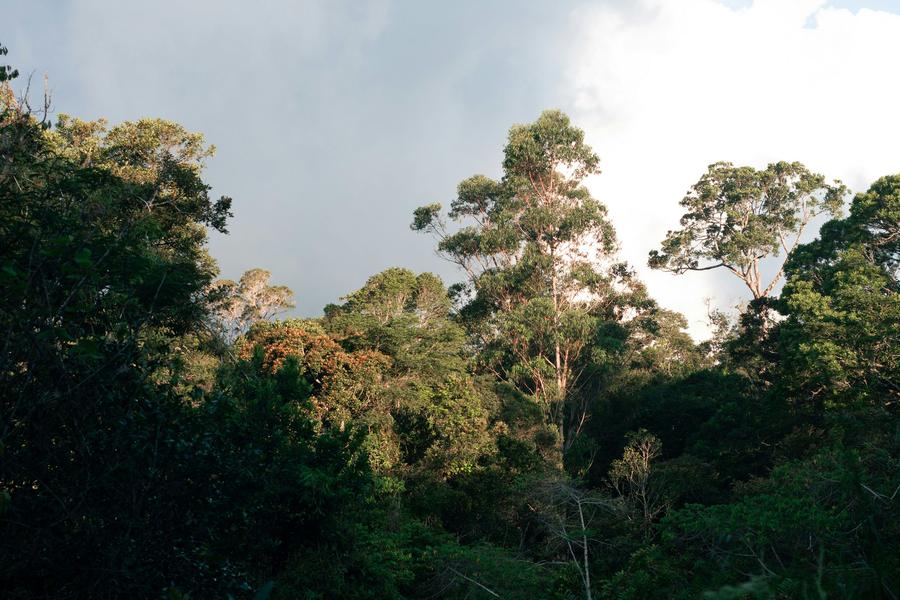
The jabs the CDC and the UK recommend, the yellow fever certificate rule, malaria by region and season, the tablets, rabies, bilharzia, plague and evacuation cover.
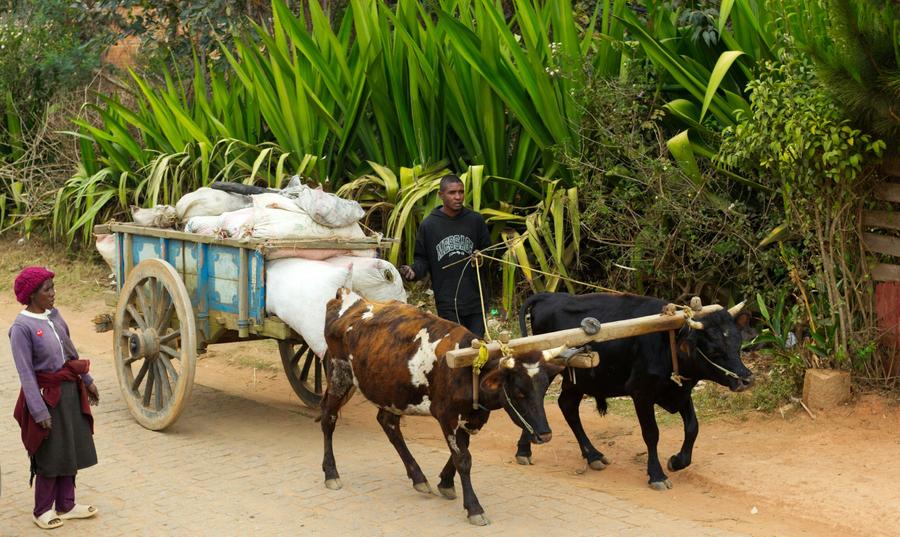
What the US, UK, Canadian and French advisories say (October 2026), and what to actually do about crime, night roads, malaria and cyclones.
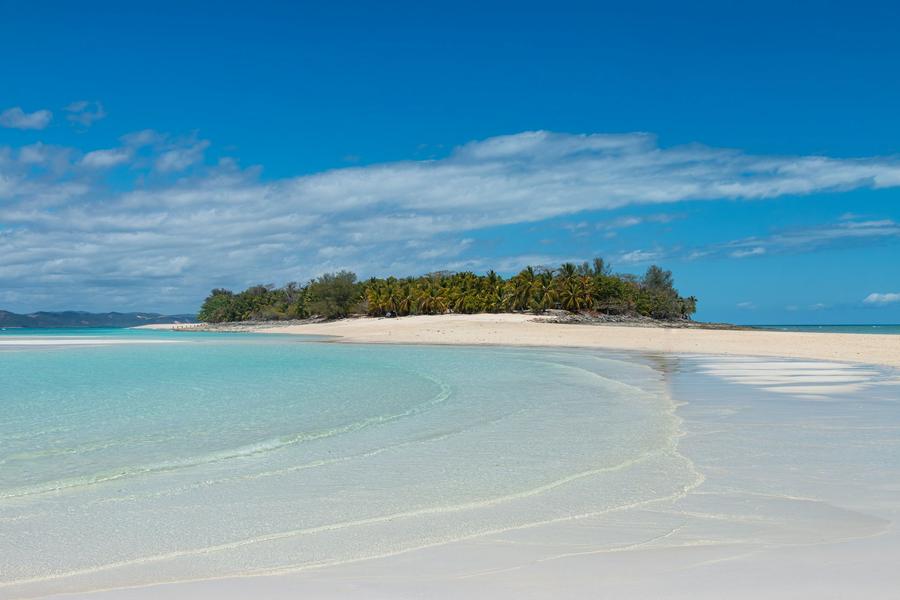
The beaches worth building a trip around, from the Nosy Iranja sandbar to Anakao, with the dry months for each coast, honest notes on swimming, and the trips that finish on the sand.
What fits in one, two or three weeks, with real drive times and the combinations that waste days on the road.

Send your dates and a rough idea. We reply within 24 hours with a written itinerary and a firm price. No deposit to ask a question.