
2 days · East
Andasibe: Lemurs & Rainforest Trails
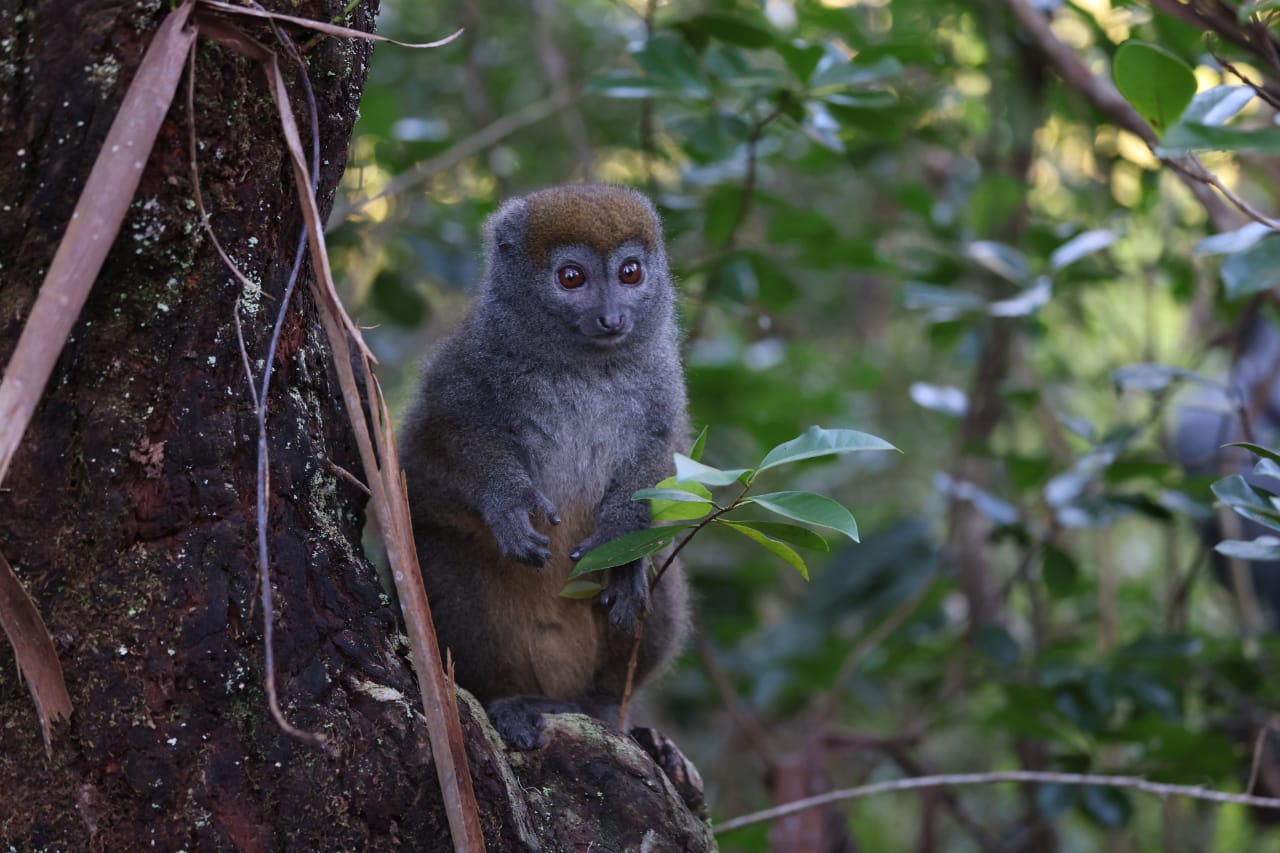
Chameleons at Peyrieras, a walk among the lemurs at Vakona, a guided night walk, and an early start in Analamazaotra, where the indri call most mornings.
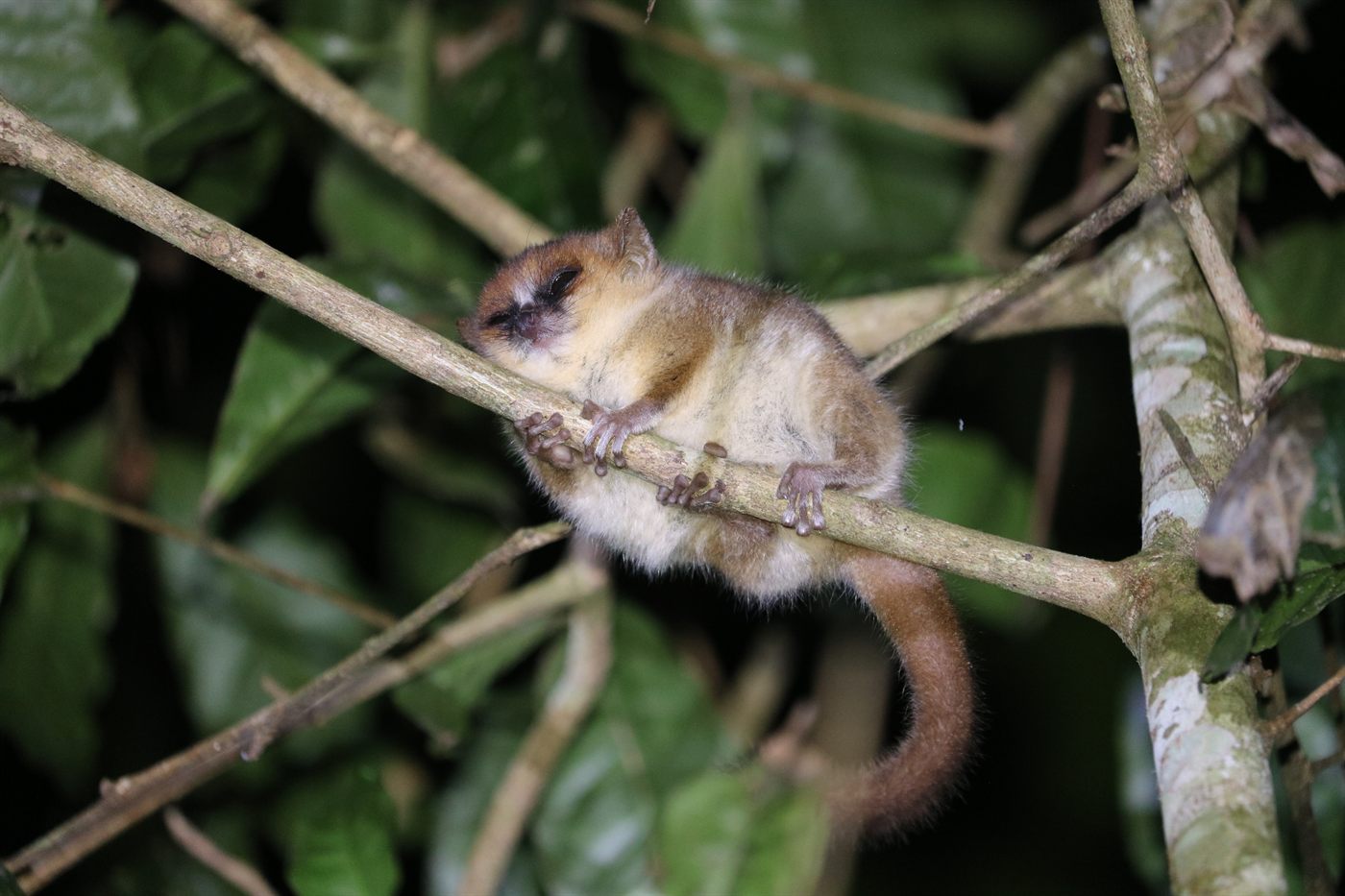
A slow walk with a guide can reveal mouse lemurs, frogs and sleeping chameleons. Where the walks happen, how access differs between reserves, what to bring and which of our private trips include one.
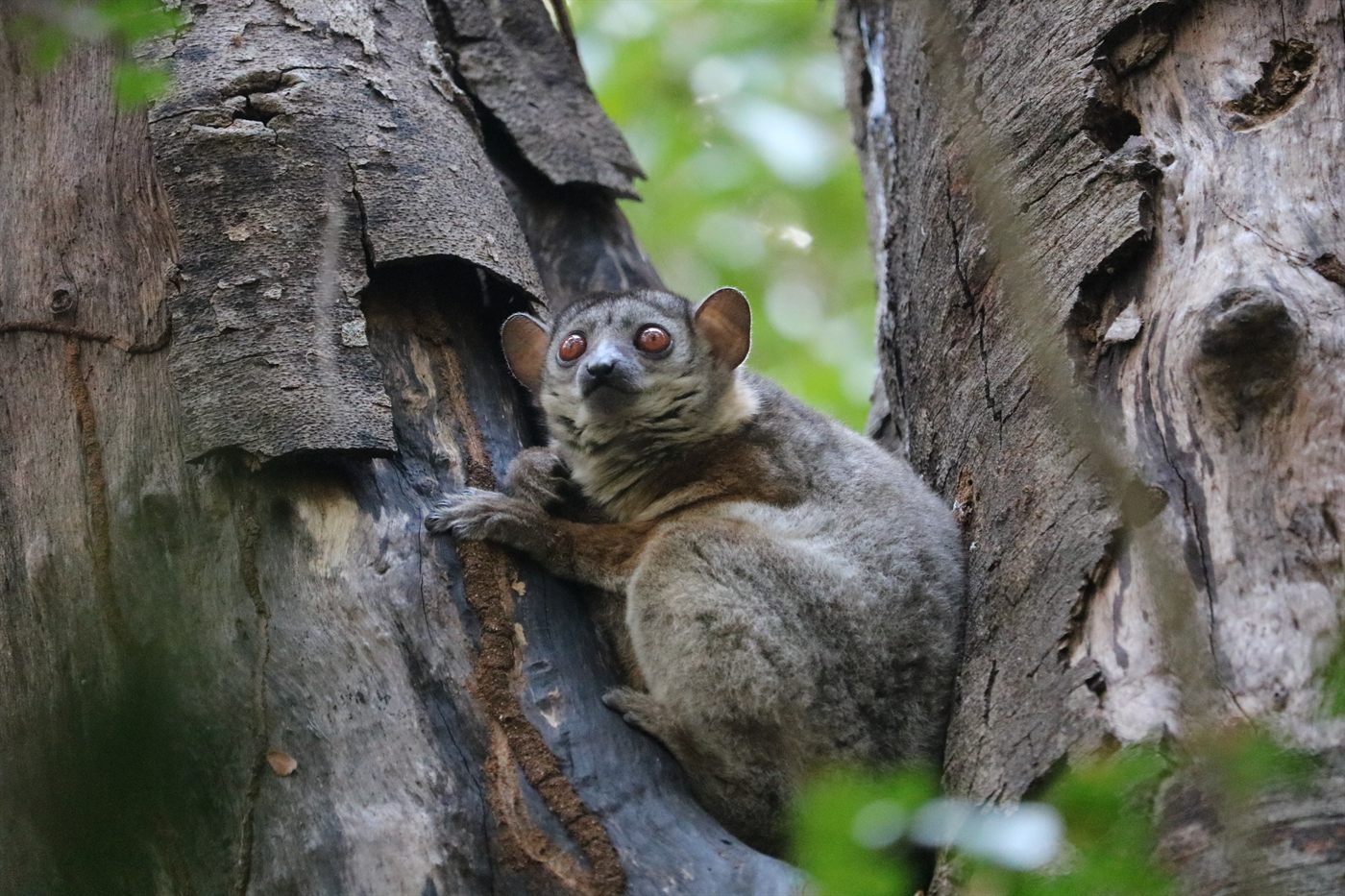
A night walk in Madagascar is a slow, guided walk with torches after dark, at the edge of a forest or on an official park circuit. It's a way to look for nocturnal lemurs: mouse lemurs, the smallest primates in the world, plus sportive lemurs, woolly lemurs and, at one reserve on the east coast, the aye-aye. You may also find chameleons asleep on the twigs, frogs, leaf-tailed geckos and, in the west, with luck, the fossa.
On our trips the walks happen at Andasibe, along the forest edge at Ranomafana, at Ankanin'ny Nofy on the Pangalanes Canal and at Kirindy in the west. The shortest way to try one is our 2-day Andasibe trip, from €320 per adult: private, with your own vehicle and driver-guide, a night walk on the first evening and the indri early the next morning. Nobody can promise you an animal after dark, and we won't either.
Many forest animals keep hours that a daytime visit misses. Mouse lemurs, dwarf lemurs, fork-marked lemurs, sportive lemurs, woolly lemurs and the aye-aye are nocturnal groups. As a rule the small lemurs work the night shift and the big ones, the indri, the sifakas and the ring-tails, are about by day.
That's why a night walk adds species a day on the trail can't. It also explains the first thing you'll notice: eyes. Most lemurs keep a reflective layer at the back of the eye, the tapetum lucidum, so a mouse lemur high in a tree shows as two bright points in the beam long before you can make out the animal.
Leaf-tailed geckos keep the same hours, and so do many frogs. And the chameleons, which hunt by day, do something useful for anyone with a torch: they sleep out at the tips of the twigs, far easier to find than in daylight.
None of them keeps an appointment. For the lemurs you see by day, see where to see lemurs.
Tell us your dates and what you would like to see. We reply within 24 hours with a written itinerary and a firm price.
Ask for the name of the reserve or circuit when you book. A night walk listed for Andasibe doesn't automatically mean a walk inside Analamazaotra or Mantadia. Community and private reserves around the village, including Mitsinjo, have their own arrangements.
Our Ranomafana itineraries describe a walk along the forest edge. Kirindy is a forest reserve rather than a Madagascar National Parks site, and the Palmarium at Ankanin'ny Nofy is private. Their visiting arrangements are separate from national-park rules.
Madagascar National Parks lists night visits among activities at Masoala and Nosy Mangabe. That establishes that some after-dark visits are possible, but hours, fees and the circuits actually operating need local confirmation. Don't rely on a blanket claim that all parks allow night walks, or that none do.
Keep to the authorised circuit and follow the guide's lighting instructions. Don't feed lemurs or ask for fruit to be put out to attract them. A brief view of an unbaited animal is enough.
Park fees and local guides are in the price. For an extra night walk, ask us when you book. Any national-park circuit depends on the park confirming that an authorised visit is operating.
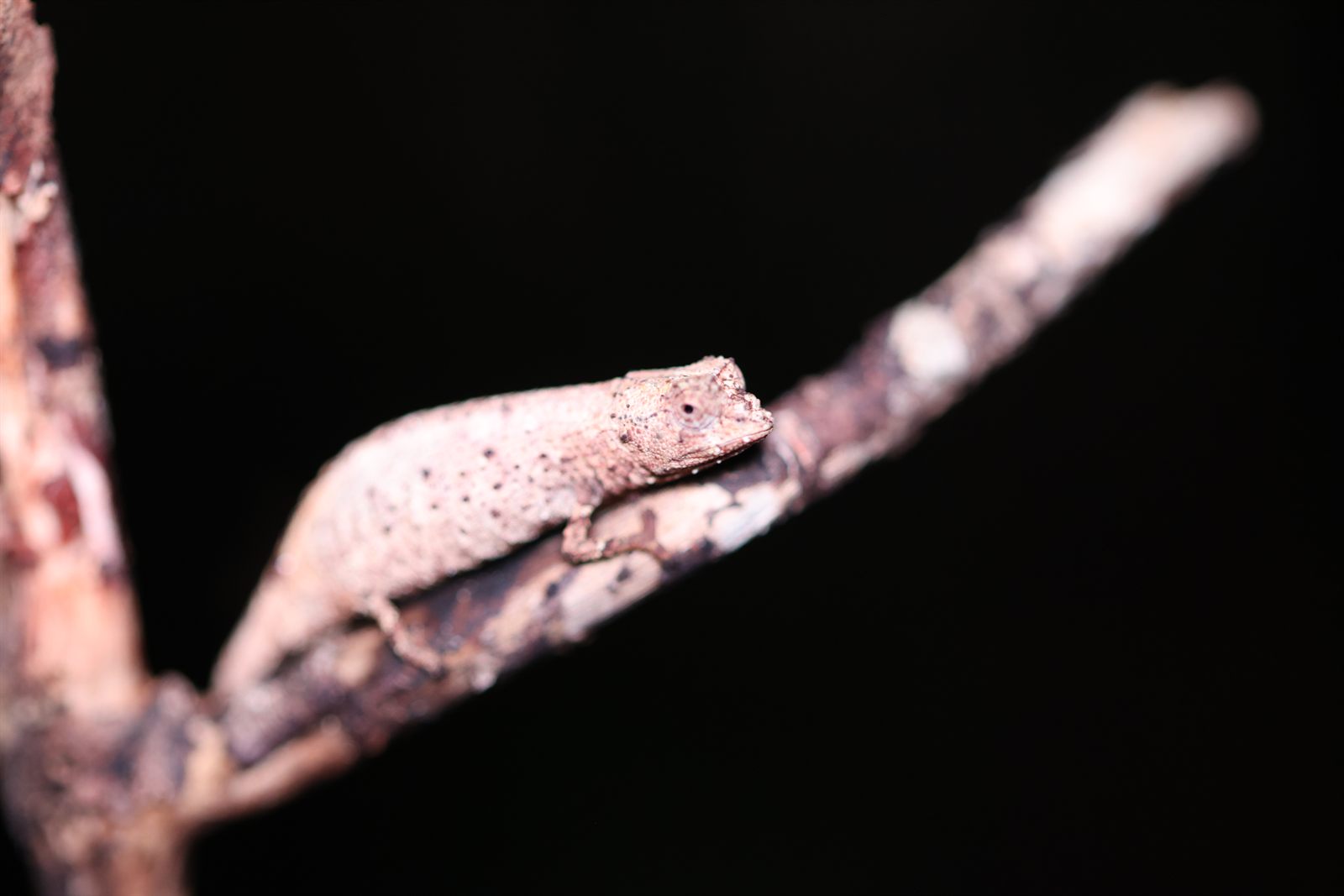
You set off after dark, before or after dinner. The guide walks in front with a torch, sweeping the branches, and you follow slowly with your own. Mostly you stand still and look where the guide's beam points: a pair of eyes, a chameleon curled on a twig, a frog the size of a thumbnail.
The pace is a shuffle. Ask how long the actual walk runs and what the ground is like. A short distance can still take time when everyone is stopping to look. The IUCN's primate specialists suggest groups of five at most, because small groups see more, and small groups also make it easier to hear the guide without raised voices.
Expect it to be cooler than you think. At Andasibe, around 1,000 m up, nights can drop to about 10 °C, and in the rainforest it can rain in any month. The mosquitoes that carry malaria bite mainly between dusk and dawn, which is exactly when you're out, and after rain the leeches come out too. Keep your beam on an animal only as long as a look and a photo take, and don't let anyone pick up a chameleon or move it to a better twig for your picture.
The full list for the trip is in what to pack for Madagascar.
You can do a night walk in any month at Andasibe, but some months find more than others. From about June to September, the cool dry season, there's less about: dwarf lemurs are hibernating, mouse lemurs slip into spells of torpor, tenrecs go quiet and some reptiles hide. From about October, as the nights warm up and the first rains come, the walks get livelier, and from November to March frogs and chameleons are at their most active.
The west runs on its own calendar. Kirindy is dry-season country, reached on dirt roads that turn to mud in the rains, and our western trips run from April or May to November. October and early November give you warmer nights, more animals and the fossa's mating season, when your chances to see one are at their best, though you still need luck. If you want the Tsingy on the same trip, aim for the first half of October.
For the eastern rainforest, we'd aim for October or November. Month by month, see the best time to visit Madagascar.
Tell us which animals you're hoping for, and when you can travel, on the booking page or WhatsApp. A real person in Antananarivo replies, usually within 24 hours, with a written itinerary and a firm price.
Photo: Ingeborg Korme on Unsplash.
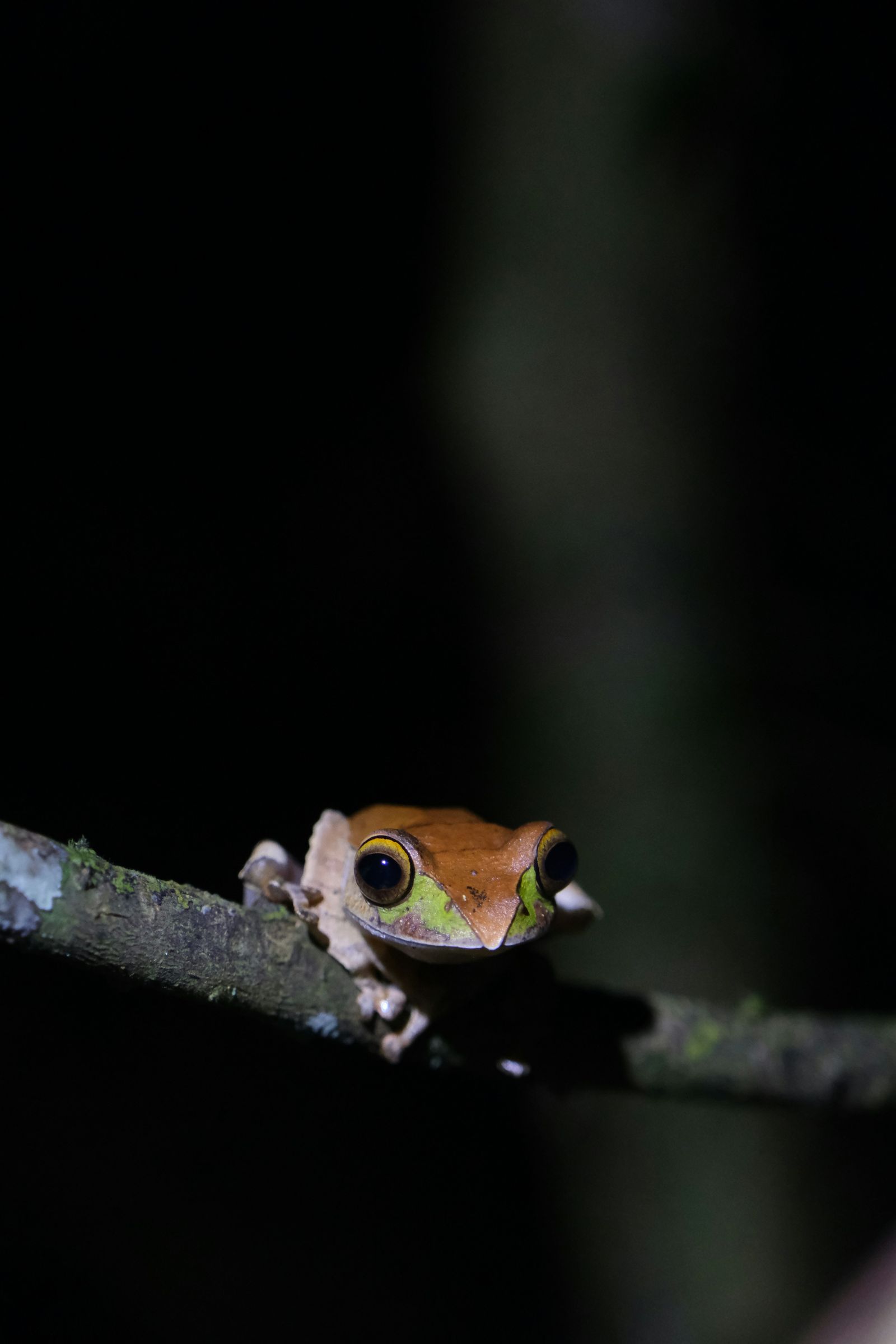
A guided walk after dark, with torches, at the edge of a forest, in a private or community reserve, or on an authorised national-park circuit where available. You walk slowly behind a local guide, looking for the eyes of mouse lemurs in the torchlight, chameleons asleep on twigs, frogs, leaf-tailed geckos and other nocturnal animals. Ask the guide how long your particular circuit takes.
At some sites, subject to the park's arrangements. Madagascar National Parks lists night visits at Masoala and Nosy Mangabe. Confirm the actual circuit, hours and fee before travelling. Many night walks in tour itineraries happen in private or community reserves or along the forest edge instead.
On night walks. Andasibe, three to four hours east of Antananarivo, is the easiest, and Ranomafana on the road south has them too. In the west, Kirindy Forest near Morondava is home to Madame Berthe's mouse lemur, which at about 30 g is the smallest primate in the world. They're wild and quick, so no one can promise a good look.
Rarely in the wild: the aye-aye is strictly nocturnal and Endangered. Your realistic chance is the Palmarium, a private reserve at Ankanin'ny Nofy on the Pangalanes Canal, which runs night visits to a small island with habituated aye-ayes. That's a managed sighting, not a wild one. Our 10-day Eastern Madagascar trip includes a night walk at Ankanin'ny Nofy that looks for the aye-aye.
From about October to March, as the nights warm up: dwarf lemurs and tenrecs come out of hibernation, and frogs and chameleons are at their most active. From about June to September there's less about, though Andasibe receives visitors throughout the year. In the west, Kirindy is a dry-season trip, so October, before the rains, is the month to aim for there.
Private trips with your own vehicle and driver-guide. Every one can be reshaped around your dates.
Chameleons at Peyrieras, a walk among the lemurs at Vakona, a guided night walk, and an early start in Analamazaotra, where the indri call most mornings.

Indri at Analamazaotra, the Palmarium's approachable lemurs, boat rides on the Pangalanes Canal, then island time on Sainte Marie.
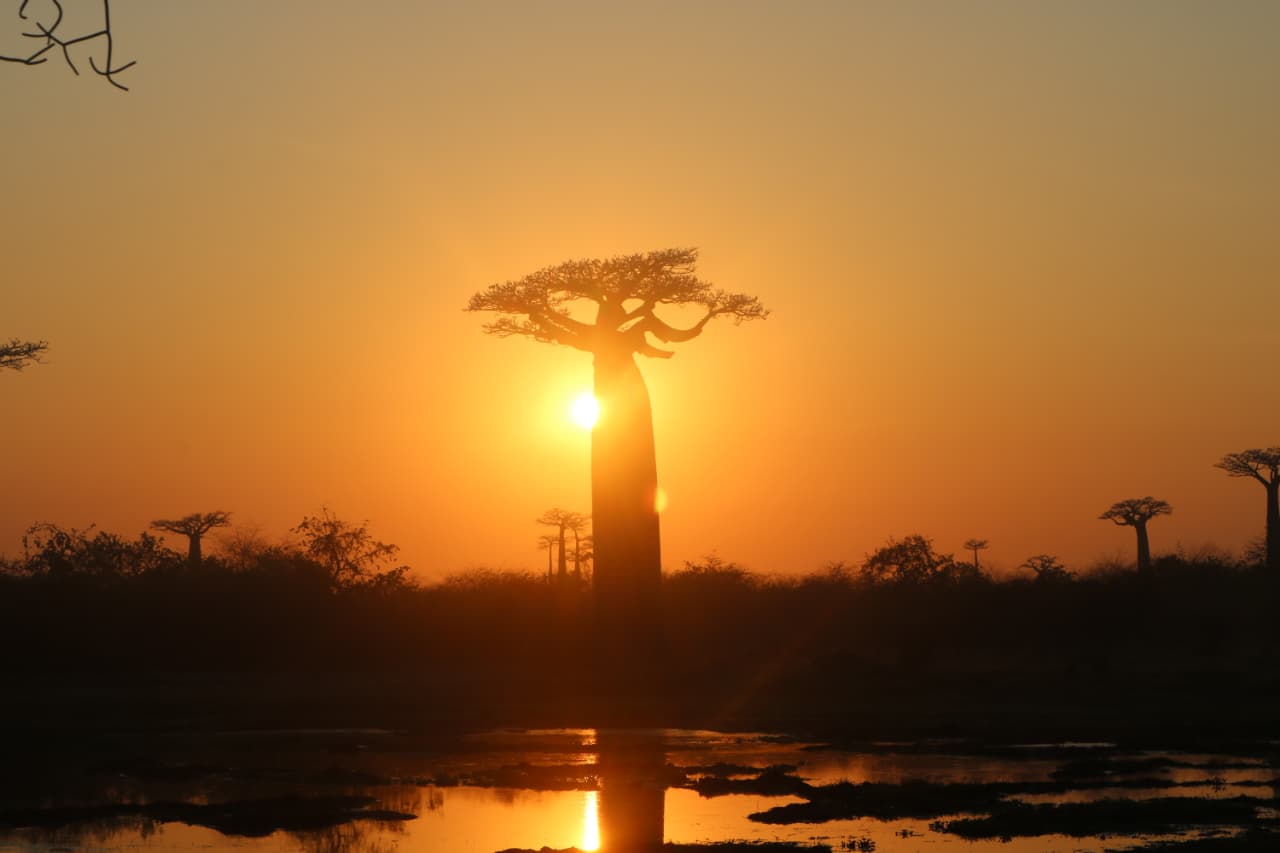
Sunset on the Avenue of the Baobabs, a night walk in Kirindy, the Grand Tsingy hike and a canoe on the Manambolo River.

The classic route done properly: Andasibe, Ranomafana, Anja's ring-tailed lemurs, the canyons of Isalo and the reef at Ifaty.
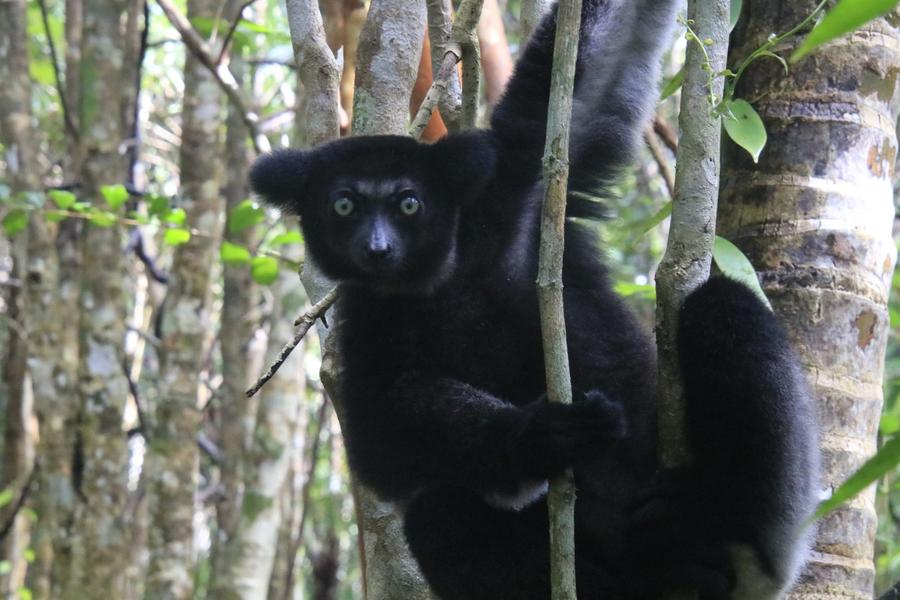
Lemurs, tenrecs, chameleons, frogs, birds, whales and, with luck, the fossa: what you can realistically see in Madagascar, where each lives, and how close you get.
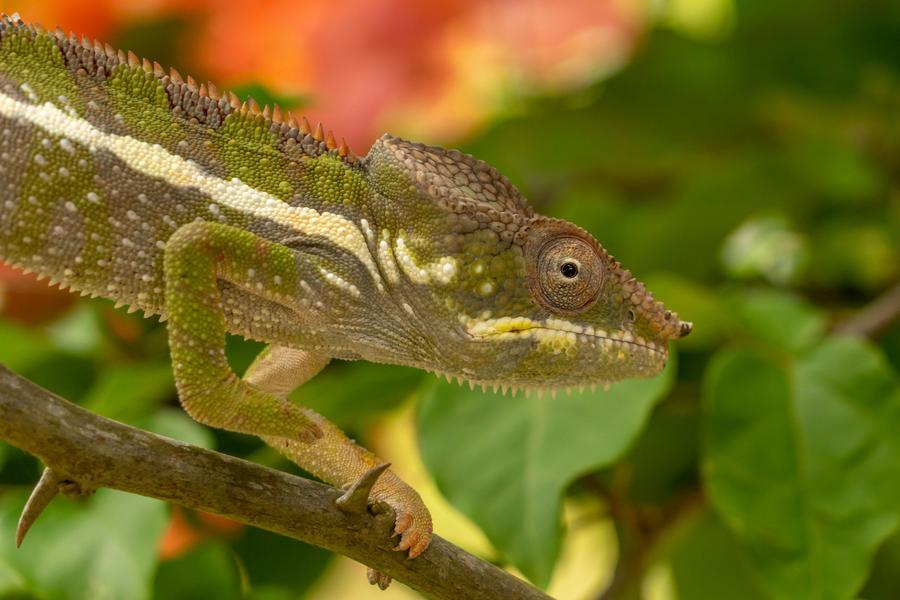
Panther, Parson's and leaf chameleons: where to find them, how the night walks work, what the colours really mean, and the months they're most active.
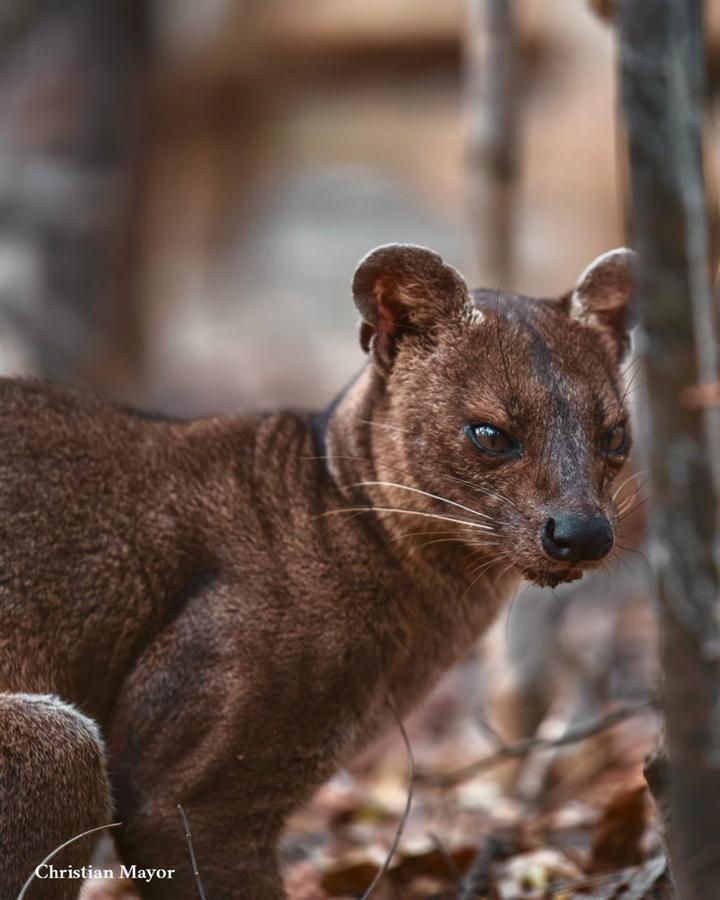
What the fossa is, where and when you have a real chance to see one, and how Kirindy Forest fits between the baobabs and the Tsingy.
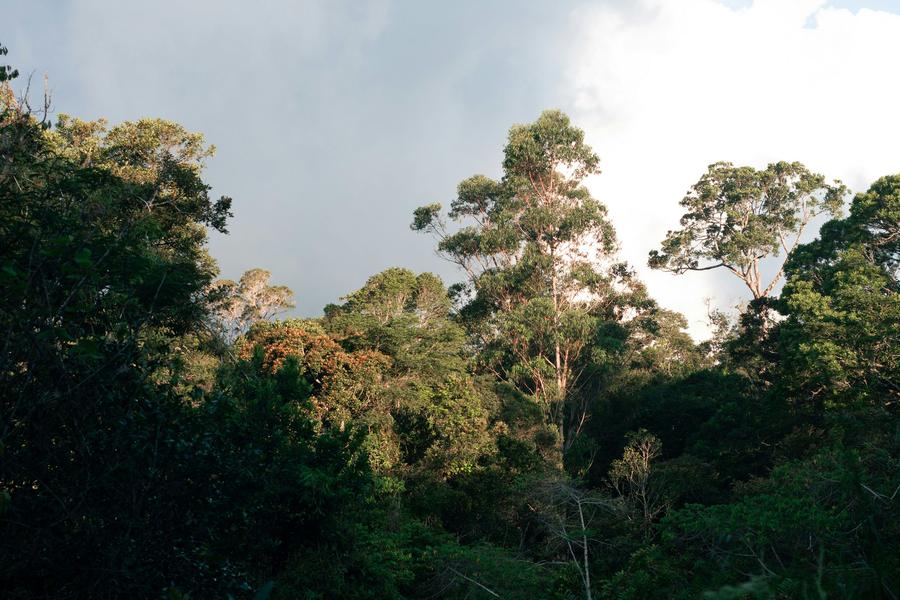
The indri, how to arrange a guided night walk, Mantadia, Vakona and Peyrieras, rain and leeches, and how many days to give Andasibe.

Send your dates and a rough idea. We reply within 24 hours with a written itinerary and a firm price. No deposit to ask a question.