
2 days · East
Andasibe: Lemurs & Rainforest Trails
Chameleons at Peyrieras, a walk among the lemurs at Vakona, a guided night walk, and an early start in Analamazaotra, where the indri call most mornings.
Madagascar has more than 100 lemur species, and most live in only one part of the island, so the route you choose decides which ones you meet. Where each one lives, the months that work, how close you'll get, and which of our private trips goes there.
The easiest place to start is Andasibe, three to four hours east of Antananarivo, where the indri sing most mornings. For ring-tailed lemurs, go south on the RN7 to Anja and Isalo. Go west to Kirindy for sifakas by day and mouse lemurs by night, and north to Montagne d'Ambre, Ankarana and Nosy Be for crowned and black lemurs. They're wild, so we can't promise any of them.
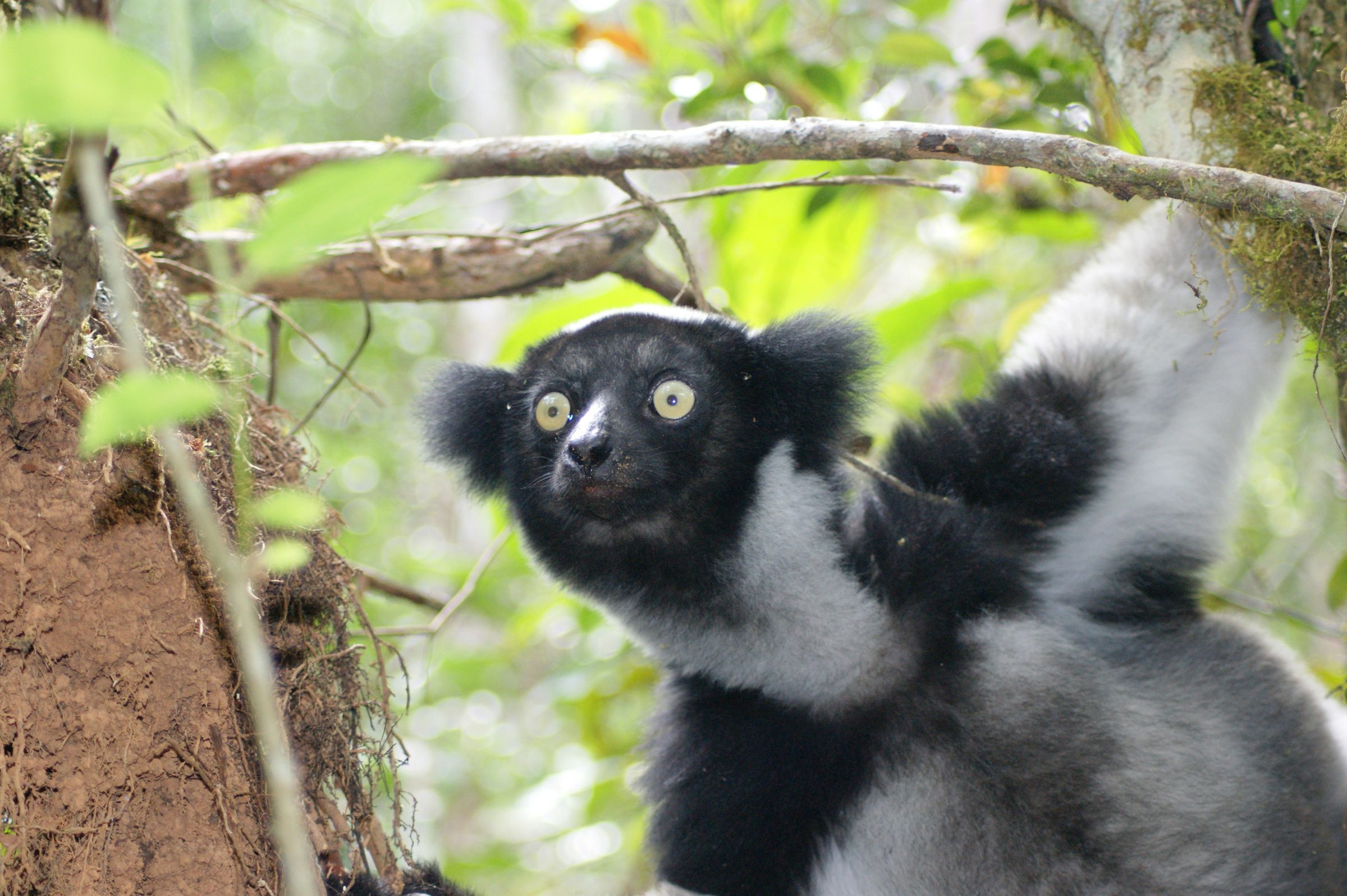
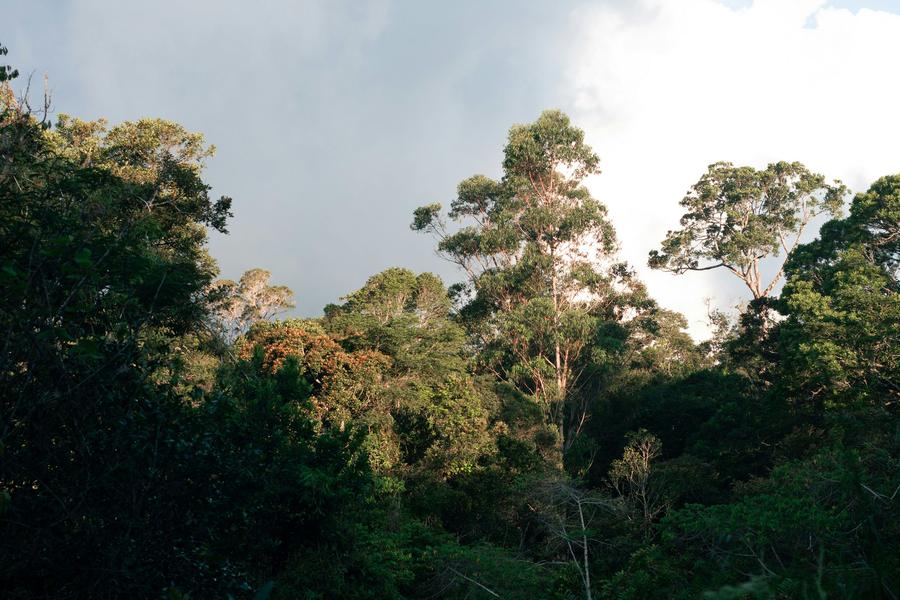
Analamazaotra, the small southern part of Andasibe-Mantadia National Park, is about 140 km east of Antananarivo. Its indri live in family groups that are used to people on the trails, and their song carries about 2 km. They sing mostly in the morning, so we go in early, and most mornings you hear them well before you see them.
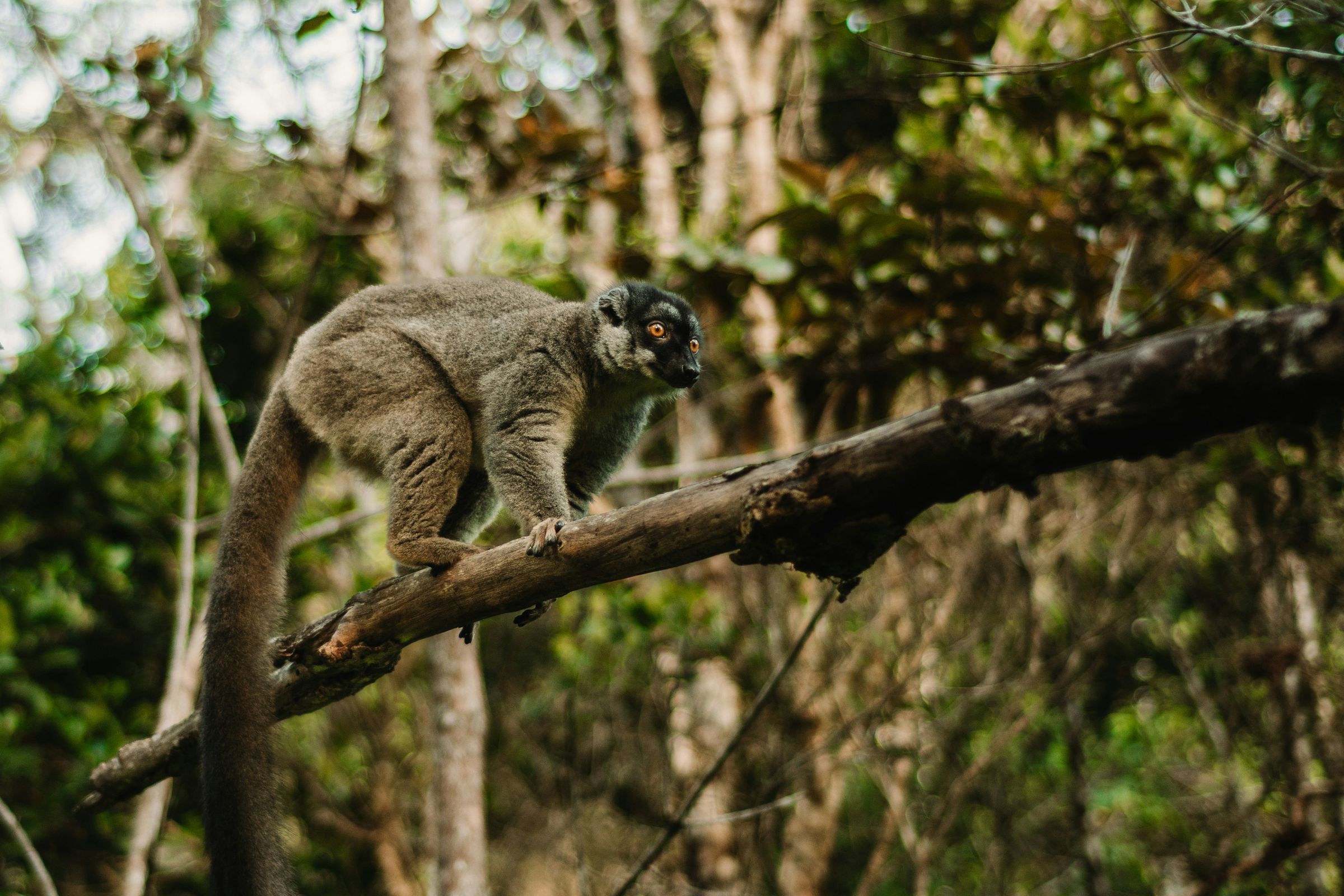
Diademed sifakas and common brown lemurs share the forest, and 14 lemur species have been recorded across the park. Mantadia, the much bigger northern part, is an hour or more up a muddy track. It's far quieter, and it's the better bet for black-and-white ruffed lemurs.
Our 2-day Andasibe trip (from €320 per adult) stops at Peyrieras for chameleons, visits the habituated lemurs at Vakona and ends the first day with a night walk, then spends the next morning in Analamazaotra. The Eastern and Classic South trips stop here too. The night walk rules and the leeches are in our Andasibe National Park guide.
The aye-aye finds grubs by tapping on wood with a long, thin middle finger and listening for hollow tunnels, then gnaws in and hooks the grub out with the same finger. It's Endangered and strictly nocturnal, and in some areas it's seen as a bad omen.
Your realistic chance of seeing one is at Ankanin'ny Nofy on the Pangalanes Canal, where the Palmarium, a private reserve, runs night visits to a small island with habituated aye-ayes. Lonely Planet counts seven lemur species there, two of them hybrids and some not native to the area, and calls the set-up "rather contrived". It isn't wild forest, and we won't pretend it is.
Our Eastern Madagascar trip (from €1,620 per adult) spends two nights at Ankanin'ny Nofy after two at Andasibe: a night walk that looks for the aye-aye on the first evening, the Palmarium the next morning.
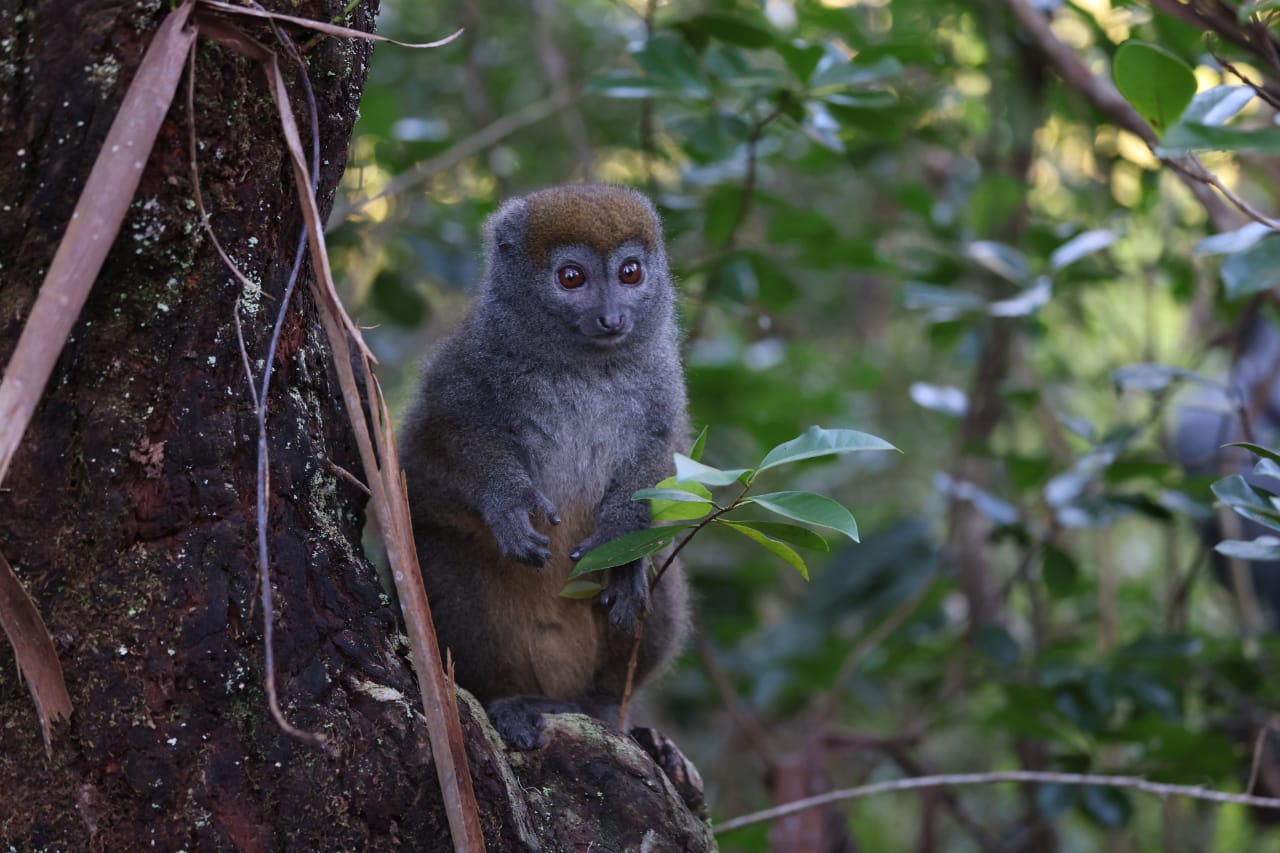
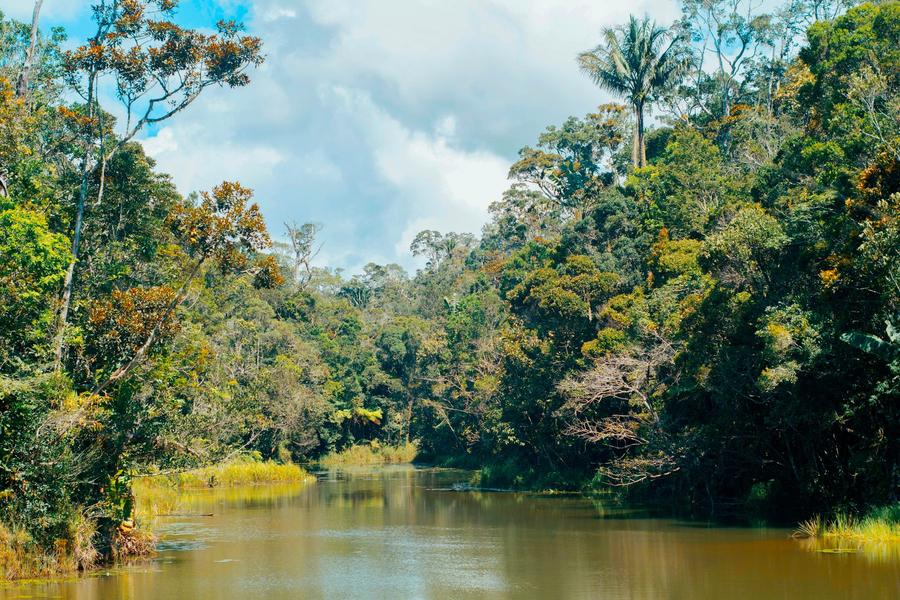
Ranomafana National Park is misty mountain rainforest with 14 lemur species. It was created after the golden bamboo lemur was discovered here in 1986. That lemur eats about half a kilo of bamboo a day, which holds roughly twelve times the dose of cyanide that should kill an animal its size. Greater bamboo lemurs and Milne-Edwards' sifakas live here too.
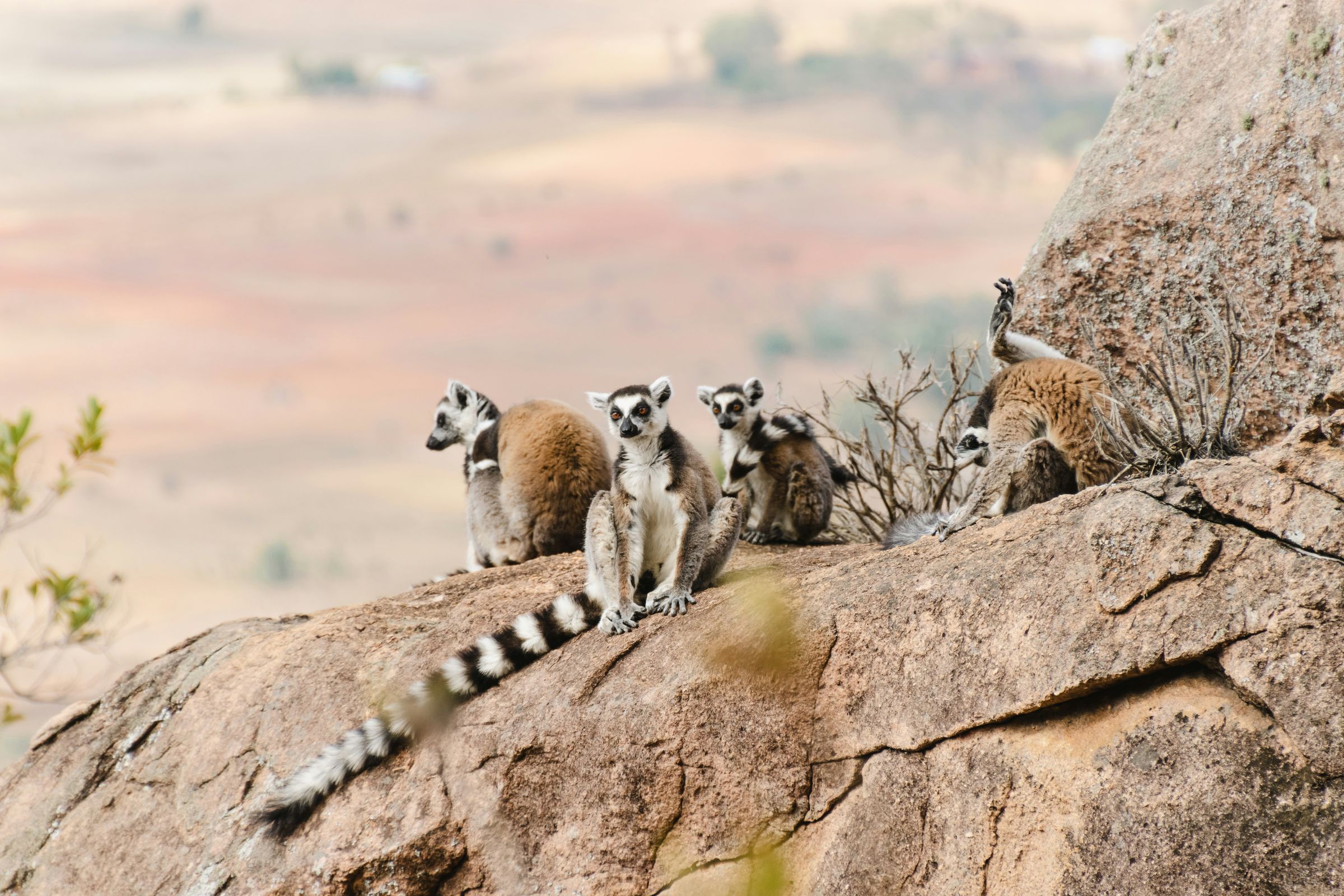
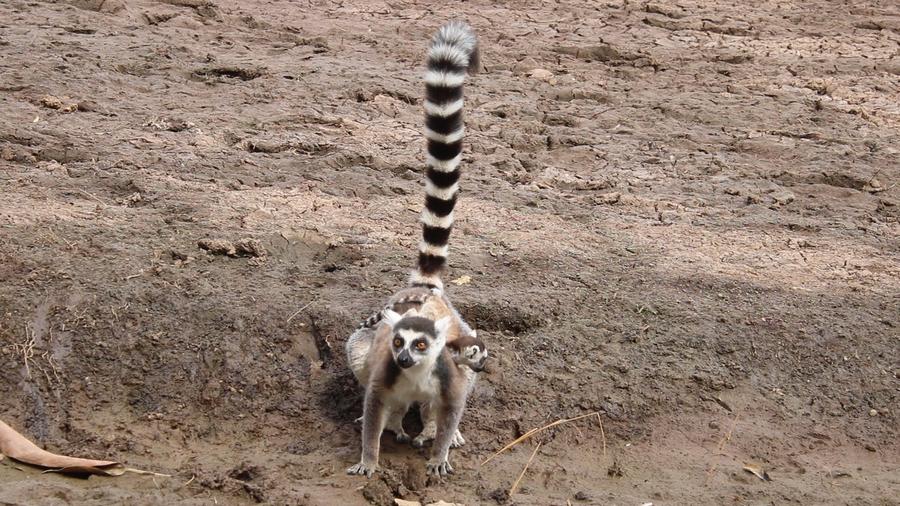
Anja Community Reserve, near Ambalavao, is about 30 hectares of forest and granite boulders, community-managed since 1999 and run by a local association. Its ring-tailed lemurs are used to visitors. Watch for the morning sunbathing, bellies turned to the sun, and the males' "stink fights": tails drawn through scent glands on their wrists, then waved at a rival. Isalo, usually four to six hours' drive further south, has ring-tails and Verreaux's sifakas, often seen along the trails.
Our Classic South trip (from €1,730 per adult) covers all three after two days at Andasibe, and the Ultimate Madagascar trip takes them in on its way back north.
Tell us your dates and what you would like to see. We reply within 24 hours with a written itinerary and a firm price.
Kirindy, a dry forest about 60 km northeast of Morondava, is where our trips go for Verreaux's sifakas: white, with black faces, able to leap 10 m between trunks. On open ground they hop sideways on two legs with their arms thrown up for balance. That's the famous "dance". Kirindy has eight lemur species in all.
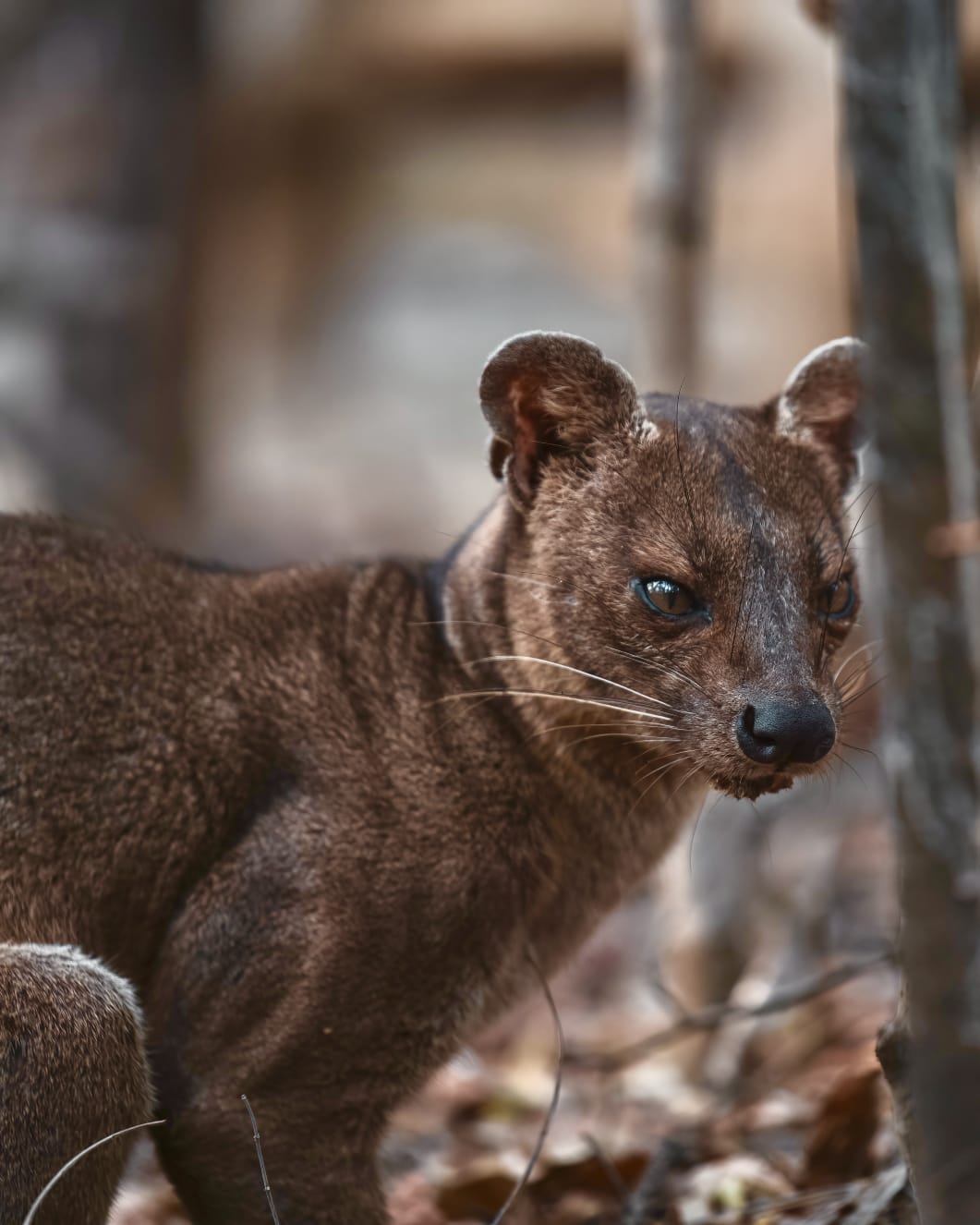
After dark, the night walk looks for mouse lemurs, Madame Berthe's among them (the world's smallest primate, at about 30 g), and for sportive lemurs. You might also see a fossa, which hunts lemurs, but only with luck. Further north, the Tsingy de Bemaraha has Decken's sifakas and red-fronted lemurs, and from a boat on the Tsiribihina you occasionally see lemurs in the riverside trees.
Our 5-day Baobabs and Tsingy trip (from €810 per adult) spends an evening and a morning in Kirindy before the drive north to the Grand Tsingy, and the 10-day West Adventure adds four days on the river. The west is dry-season country: the best season for our western trips is April or May to November.
At the time of writing, the UK Foreign Office says armed criminals have boarded boats on the Tsiribihina and robbed passengers, and advises seeking alternative routes. We can reshape the trip without the river, for example by flying to Morondava and starting there, as the 5-day trip does. The Foreign Office also advises using a recognised tour operator between Besalampy and Morombe, which takes in Morondava and the Tsingy road, because of highway robbery. Our Madagascar safety guide has the current advice.
Montagne d'Ambre, a rainforest on a volcano that Lonely Planet reckons is about 10°C cooler than Diego Suarez, has crowned lemurs and Sanford's brown lemurs. Ankarana's limestone Tsingy has crowned lemurs too, in dry forest.
On Nosy Be, Lokobe National Park is reached by pirogue through the mangroves, in the morning, for black lemurs. Only the males are black. The females are chestnut to golden brown, with white ear tufts.
Both north trips, the 11-day Northern Madagascar (from €1,790 per adult) and the 12-day Northern Madagascar Adventure, spend a day in each of the three.
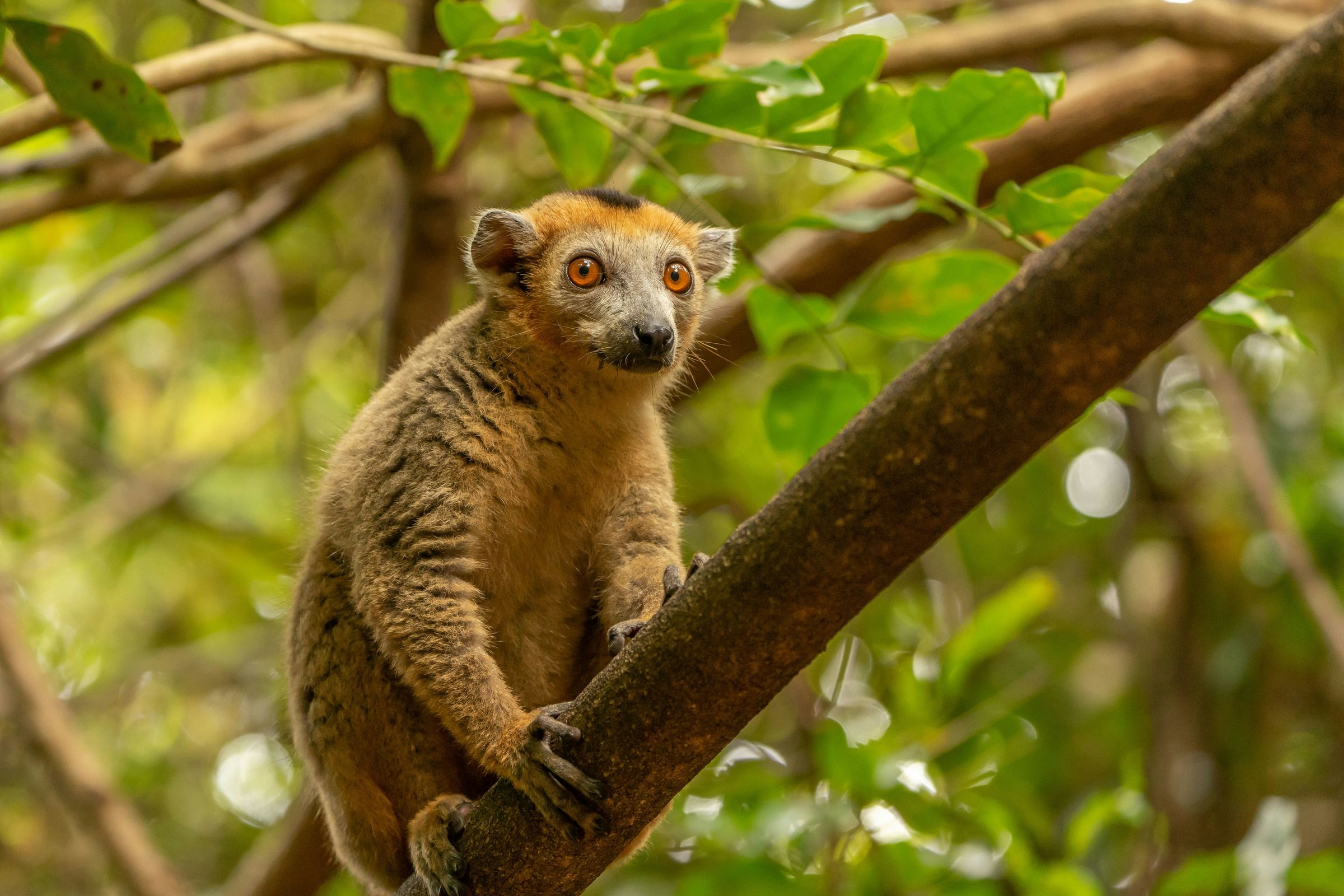
In the national parks the lemurs are wild and keep their distance. That's the point. You watch from the trail, and a long lens or a patient guide gets you the shot. "Habituated" in a park means a family has got used to guides and researchers walking beneath it, so it carries on feeding instead of moving off. It doesn't mean tame.
At the private reserves the word covers more. The lemurs on Vakona's Lemur Island and at the Palmarium have lived alongside people for generations and often come close. We build both kinds of encounter into a trip. Every trip can be reshaped, though, so if you'd rather keep to wild lemurs, tell us and we'll look at it.
Wherever you are:
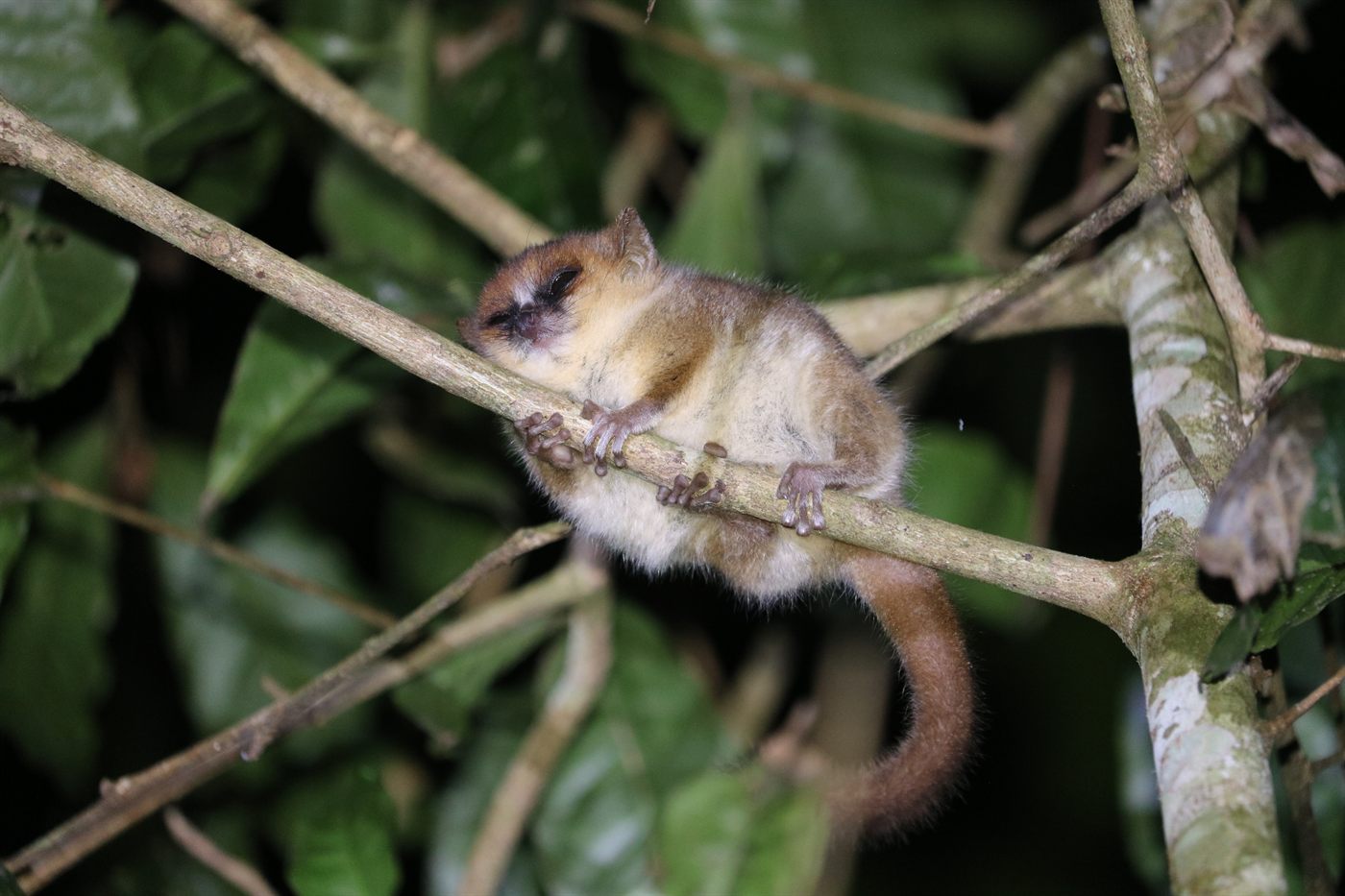
Many lemurs only come out after dark. Night access depends on the reserve and the current authorised circuits, so confirm the location and permissions when booking. Madagascar National Parks lists night visits at Nosy Mangabe, but that is not permission to enter another park after hours. Around Andasibe and Ranomafana, guided walks also take place outside the national park boundaries. Kirindy is a forest reserve, not a national park, and has its own guided night walks.
On our trips there's a guided night walk at Andasibe (optional on the Eastern trip), along the forest edge at Ranomafana, at Ankanin'ny Nofy for the aye-aye, and at Kirindy. Look for mouse lemurs' eyes in the torchlight and sportive lemurs at their tree holes. The chameleons will be asleep on twigs. Night walks are usually livelier from about October to March, when it's warmer and the dwarf lemurs are out of hibernation.
Lemurs don't migrate, so any month works. The dry season, May to mid-November, is the easiest: the walking is cooler, and the roads to Kirindy and the Tsingy are usually open. Ring-tails are born in August and September, and October and November are good months to see the young of many species. December to March is hot and wet: there are leeches in the eastern forests, and the Tsingy and much of the west are out of reach, but the forests are at their greenest and Andasibe works all year. The best time to visit Madagascar goes month by month.
Every trip we run is private, with your own vehicle and driver-guide, and can be reshaped around the lemurs you care about most. The IUCN's guidelines ask travellers to prefer Malagasy-owned operators. We are one, and we pay park guides and community reserves directly, which is how the reserves stay funded.
Tell us which lemurs matter to you and how many days you have. A real person in Antananarivo replies with a written itinerary and a firm price, usually within 24 hours. Start with our lemur safari page, or go straight to the request form.
Photos: Tracy Winn, Sandy Ravaloniaina, Guillermo Suarez and Hans-Jurgen Mager on Unsplash.
The easiest place is Andasibe-Mantadia National Park, in the eastern rainforest three to four hours from Antananarivo. Attempts to keep indri in captivity have failed, so a forest is the only place you'll see one. The families in Analamazaotra, the park's small southern part, are used to people and sing mostly in the morning. Our private 2-day Andasibe trip (from €320 per adult) spends its second morning there, after a night walk.
In the south and southwest. On our routes that means Anja Community Reserve near Ambalavao, where they live among granite boulders and are used to visitors, and Isalo National Park, where they're often seen along the trails. Babies are born in August and September. Our Classic South trip (from €1,730 per adult) stops at both, and so does the 20-day Ultimate Madagascar trip.
The "dance" is how sifakas cross open ground: sideways hops on two legs, arms up for balance. On our trips you look for Verreaux's sifakas at Kirindy in the west and at Isalo in the south. Berenty, a private reserve about 80 km west of Fort-Dauphin in the far south, is famous for them. None of our set trips goes there, but every trip can be reshaped, so if it matters to you, tell us and we'll look at it.
Rarely. The aye-aye is strictly nocturnal and Endangered. Your realistic chance is the Palmarium, a private reserve at Ankanin'ny Nofy on the Pangalanes Canal, which runs night visits to a small island with habituated aye-ayes. That's a managed sighting rather than a wild one, and we'd rather you knew before you book. Our 10-day Eastern Madagascar trip spends two nights at Ankanin'ny Nofy, with a night walk that looks for the aye-aye.
No. Feeding and touching lemurs is forbidden in the national parks and on Vakona's Lemur Island, and the IUCN's primate specialists advise against it everywhere: habituated lemurs can bite, and diseases pass both ways. If one comes close on its own, stay still and let it move on. Turn down any hotel or roadside stall offering a photo with a pet lemur, because most are kept illegally.
Yes. Lemurs don't migrate, and Andasibe works in every month. From December to March it's hot and wet, with leeches in the eastern forests, and the Tsingy and much of the west are out of reach. In return the forests are at their greenest, and night walks tend to be livelier from about October to March, when it's warmer and the dwarf lemurs are out of hibernation.
Private trips with your own vehicle and driver-guide. Every one can be reshaped around your dates.
Chameleons at Peyrieras, a walk among the lemurs at Vakona, a guided night walk, and an early start in Analamazaotra, where the indri call most mornings.

Indri at Analamazaotra, the Palmarium's approachable lemurs, boat rides on the Pangalanes Canal, then island time on Sainte Marie.

The classic route done properly: Andasibe, Ranomafana, Anja's ring-tailed lemurs, the canyons of Isalo and the reef at Ifaty.
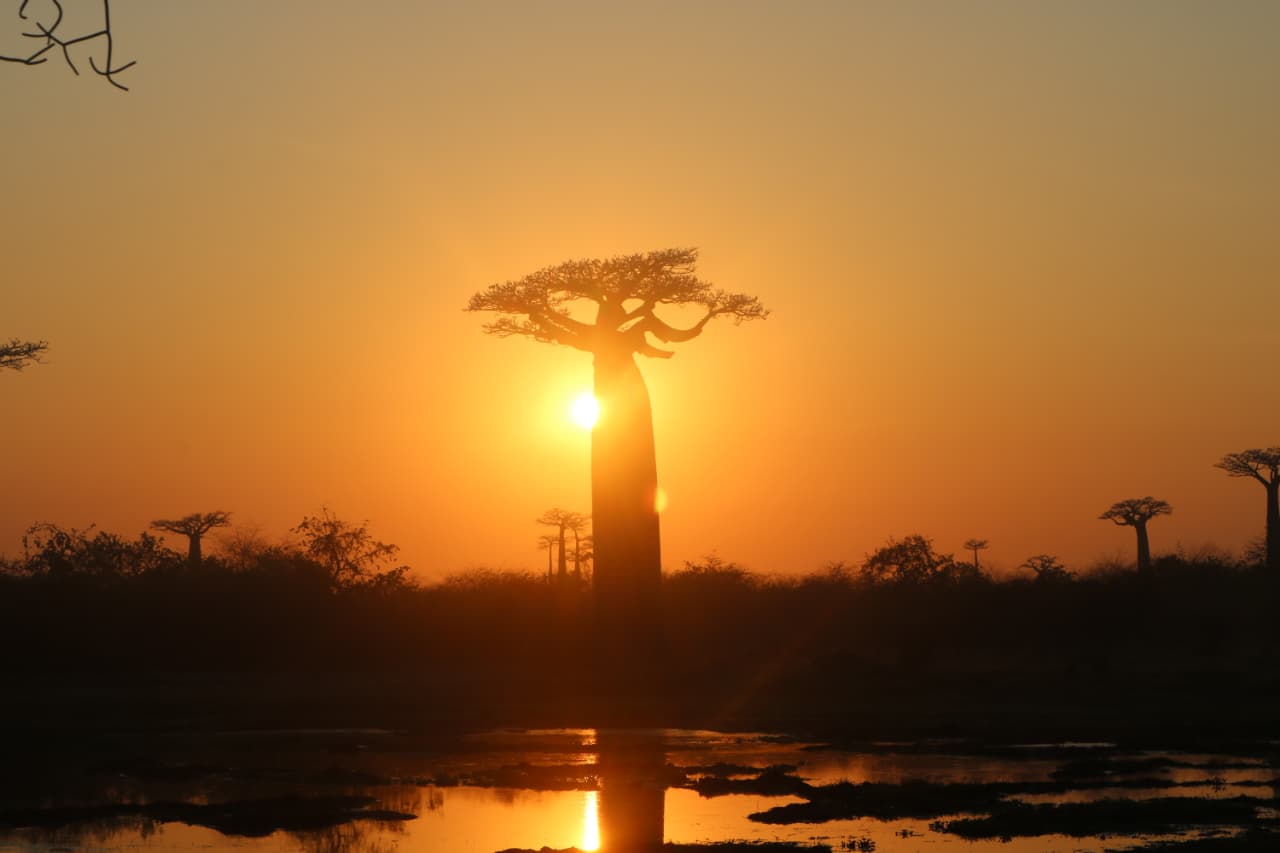
Sunset on the Avenue of the Baobabs, a night walk in Kirindy, the Grand Tsingy hike and a canoe on the Manambolo River.
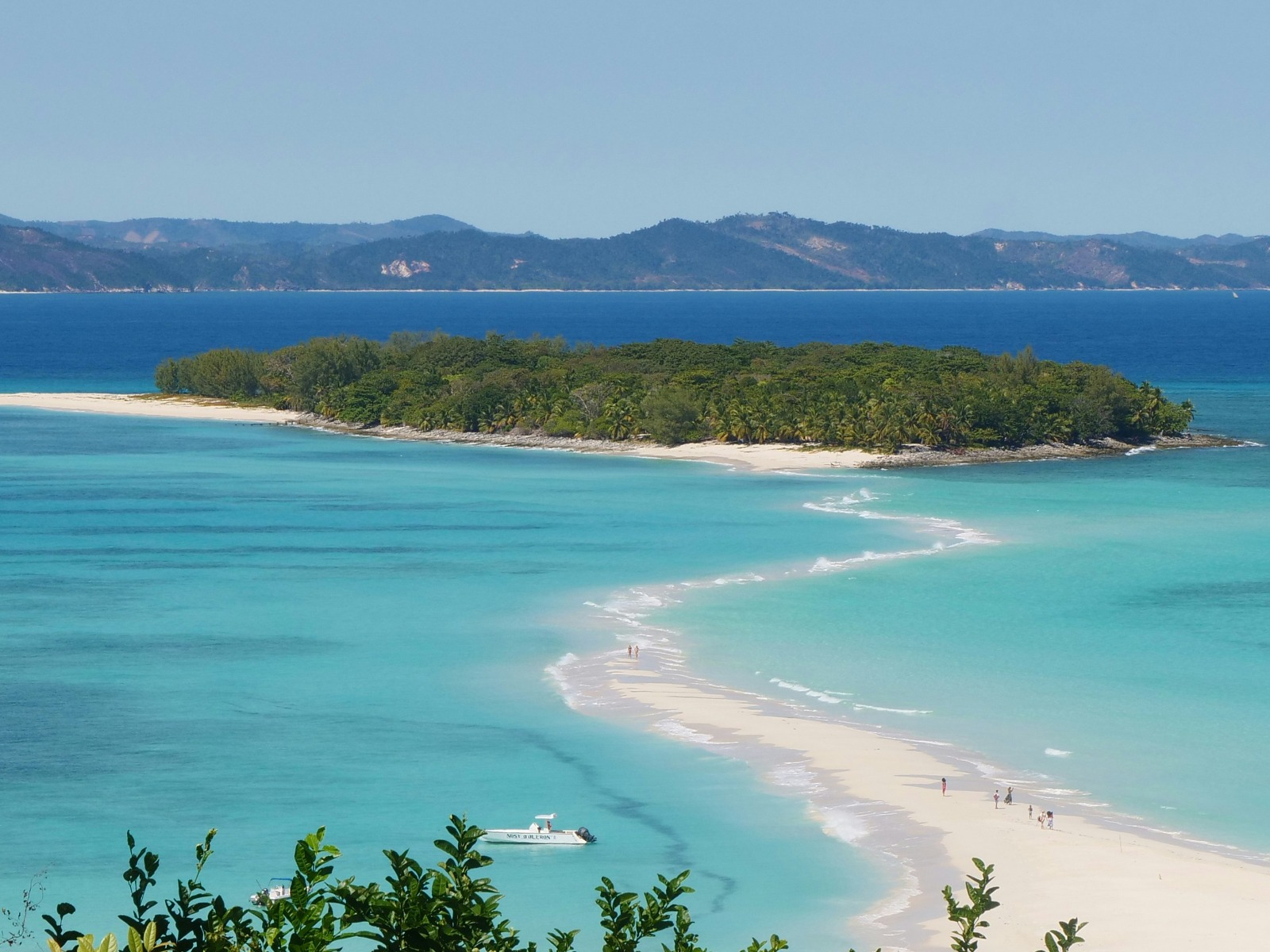
The Three Bays, Montagne d'Ambre, the red Tsingy and a full day in Ankarana's caves, then Lokobe and the sand of Nosy Iranja.
Three weeks and nearly every landscape the island has: river cruise, Tsingy, baobabs, remote Vezo coast and the southern parks.
The indri, how to arrange a guided night walk, Mantadia, Vakona and Peyrieras, rain and leeches, and how many days to give Andasibe.
The golden bamboo lemur and Ranomafana's other lemurs, how hard the trails are, guided night walks, the fees, Centre ValBio and how many nights to stay.
Where ring-tailed lemurs live, how a visit to Anja works, Isalo and the Tsaranoro valley, when babies ride on their mothers' backs, and how close you should get.
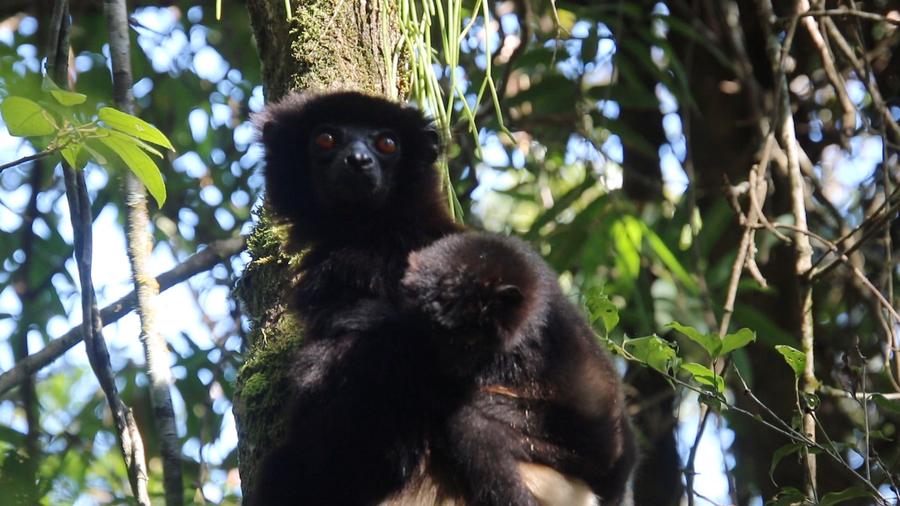
The nine sifakas, why they dance on two legs, which forest holds which species, the months for babies and how close you really get.

Send your dates and a rough idea. We reply within 24 hours with a written itinerary and a firm price. No deposit to ask a question.