
10 days · East

Eastern Madagascar: Forests, Lakes & Islands
Indri at Analamazaotra, the Palmarium's approachable lemurs, boat rides on the Pangalanes Canal, then island time on Sainte Marie.
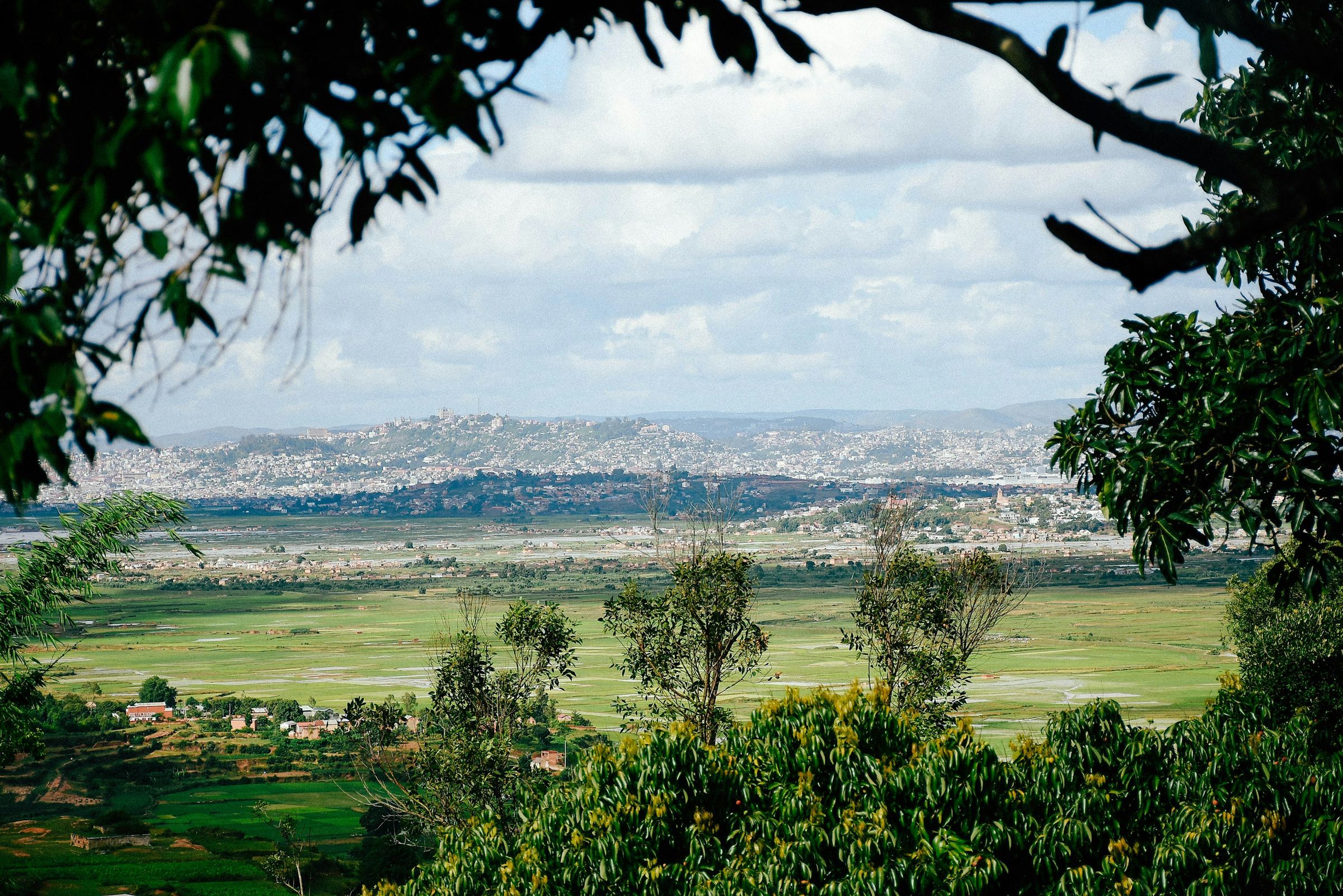
The Rova and the old town on the ridge, Analakely and the craft market, Ambohimanga and Lemurs' Park, the drive in from Ivato, where to sleep, and how much of your trip the capital deserves. Checked in October 2026.
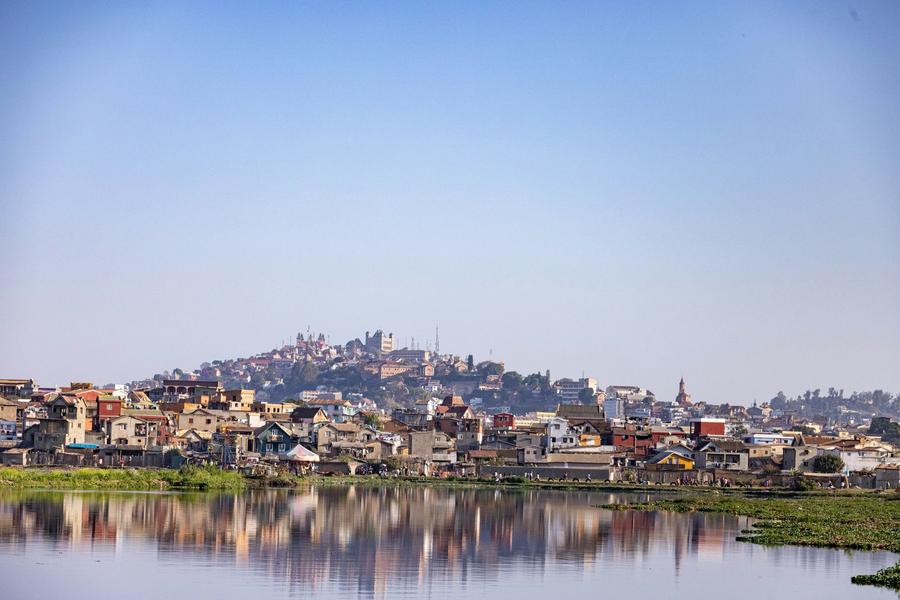
Antananarivo (say an-ta-na-na-REEV) is Madagascar's capital, a highland city of about 1.3 million people built over a ridge of hills, and almost every trip to the island starts or ends here. Give it a night when you land and, if your flights allow, half a day. That's time for the Rova, the old royal palace on the hilltop, the Prime Minister's palace beside it and a craft market. With a whole day spare, drive out to Ambohimanga, the royal hill 24 km north-east, which is a UNESCO World Heritage Site.
The Malagasy name means "the city of the thousand". For a first trip focused on wildlife, we'd usually give the capital a day or a day and a half. But the arrival night matters: it means your first morning in the rainforest isn't spent asleep in the car.
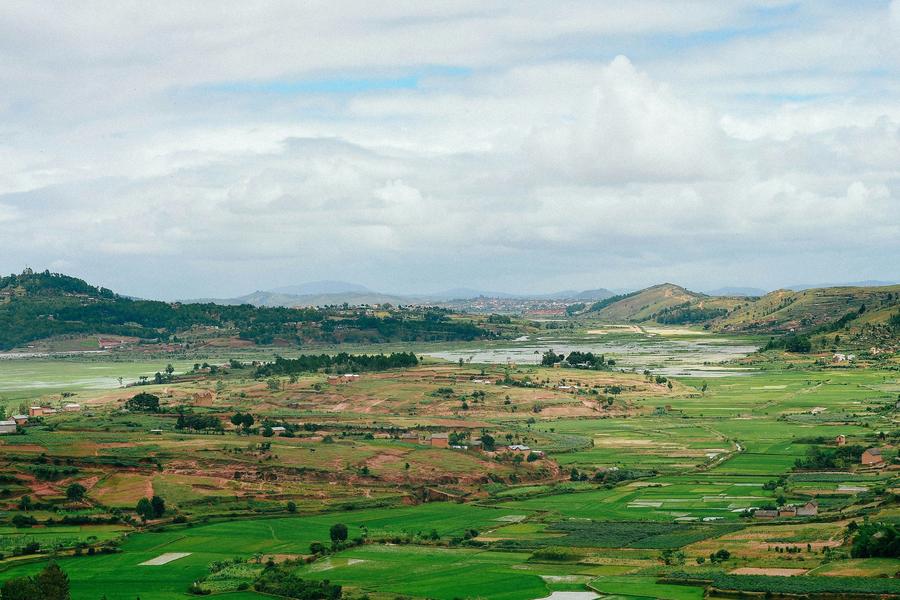
Ivato, the international airport, is about 16 km north-west of the centre. Late in the evening or early in the morning the drive takes about half an hour. In daytime traffic it's usually more than an hour. Rice paddies reach well into the city, around its lakes and canals, and then the houses climb the granite ridges, with church spires among them and the Rova on the top.
It's higher and cooler than people expect. The city sits at about 1,280 m, and the ridge of the old town rises to about 1,480 m at the Rova. Daily mean temperatures run from about 22 °C in December down to about 16 °C in July, and nearly all of the year's rain falls between November and April. From June to August, pack a fleece for the evenings.
Power cuts are common, so ask whether your hotel runs a generator. Malaria transmission is rare in Antananarivo itself, though the CDC recommends tablets for the rest of the country, which is where you're heading. Ivato's exchange counters and cash machines are covered in money in Madagascar.
One night on arrival, plus half a day if your flight lands early or leaves late. From London the journey usually takes 15 to 22 hours (flights to Madagascar has the routes), so a night here pays for itself. Add a full day for Ambohimanga or Lemurs' Park. Beyond that, the time is better spent in a forest.
How our trips use the capital:
The Rova is the walled royal compound on the summit of Analamanga, the hill the city grew from in the early 1600s. The kings and queens of Imerina lived here, and in the 19th century it was the seat of Madagascar's rulers. The big building you can see from all over town is Manjakamiadana, the Queen's Palace. Jean Laborde built it in wood for Queen Ranavalona I around 1840, and in 1867 the Scottish missionary James Cameron encased it in the stone shell that stands there now.
A fire in November 1995 devastated the compound. After years of restoration, the Queen's Palace reopened as a museum in June 2023. Older guidebooks that describe a shell still awaiting an interior are out of date. Check current opening hours and which parts of the compound are accessible before visiting.
It's worth the climb, for the history and the view over the rooftops to the rice fields. The steps up are a known spot for pickpockets, so keep your bag in front of you.
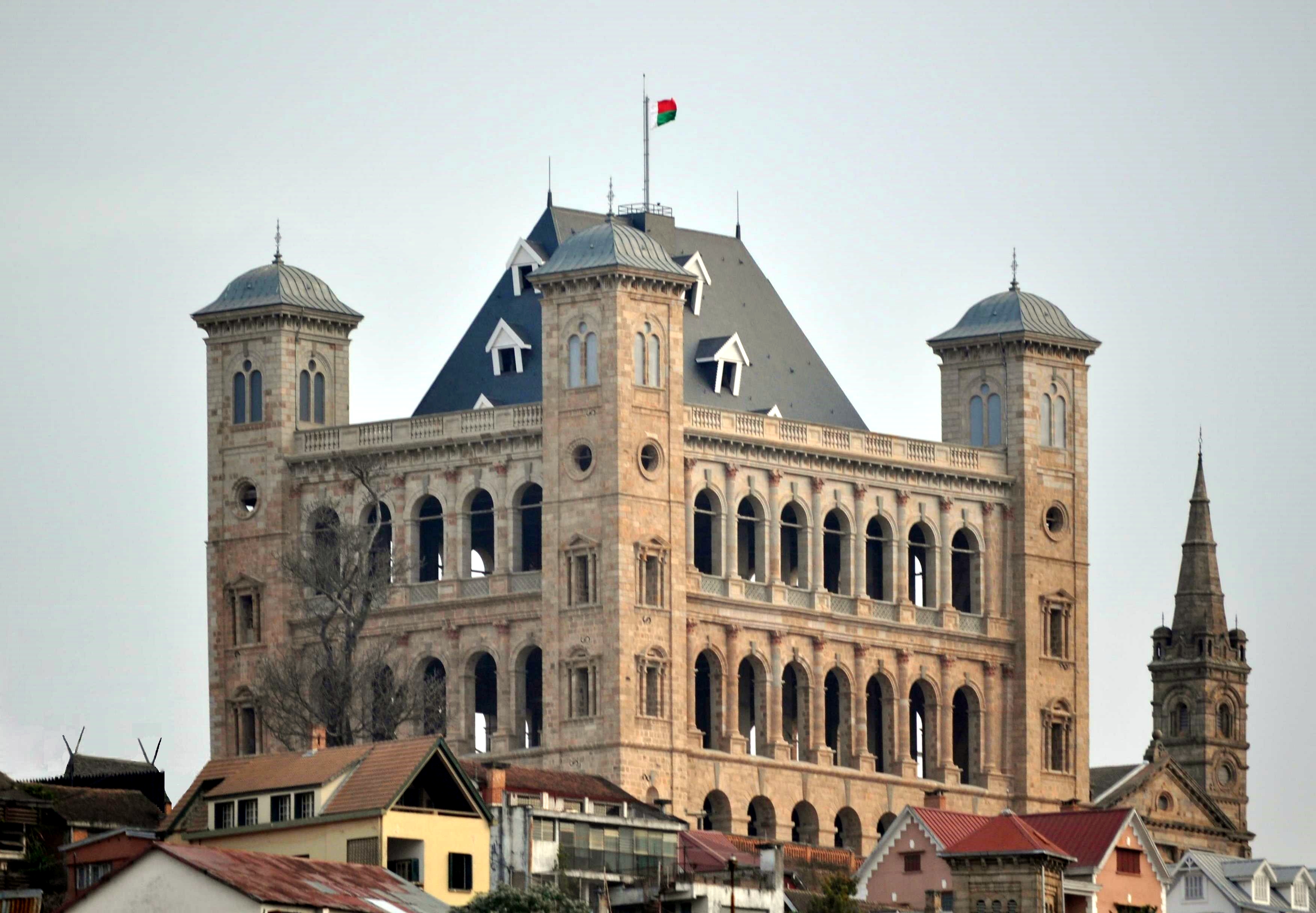
Just below the Rova, on the slope of the same hill, is Andafiavaratra, the palace of Rainilaiarivony, Madagascar's prime minister from 1864 to 1895. The British architect William Pool designed it in the early 1870s. It burned in 1976 and was restored, and it's now a museum. Rough Guides says the upper floors are closed, so the collection is on the ground floor: objects saved from the Rova when it burned. Check which rooms are open when you visit.
Around the two palaces is the Haute-Ville, the upper town. It's mostly residential now: 19th-century houses built for Merina nobles, steep lanes and churches, among them the cathedral at Andohalo, built in memory of the first Malagasy Christian martyrs. See it on foot, by day, with a guide.
Tell us your dates and what you would like to see. We reply within 24 hours with a written itinerary and a firm price.
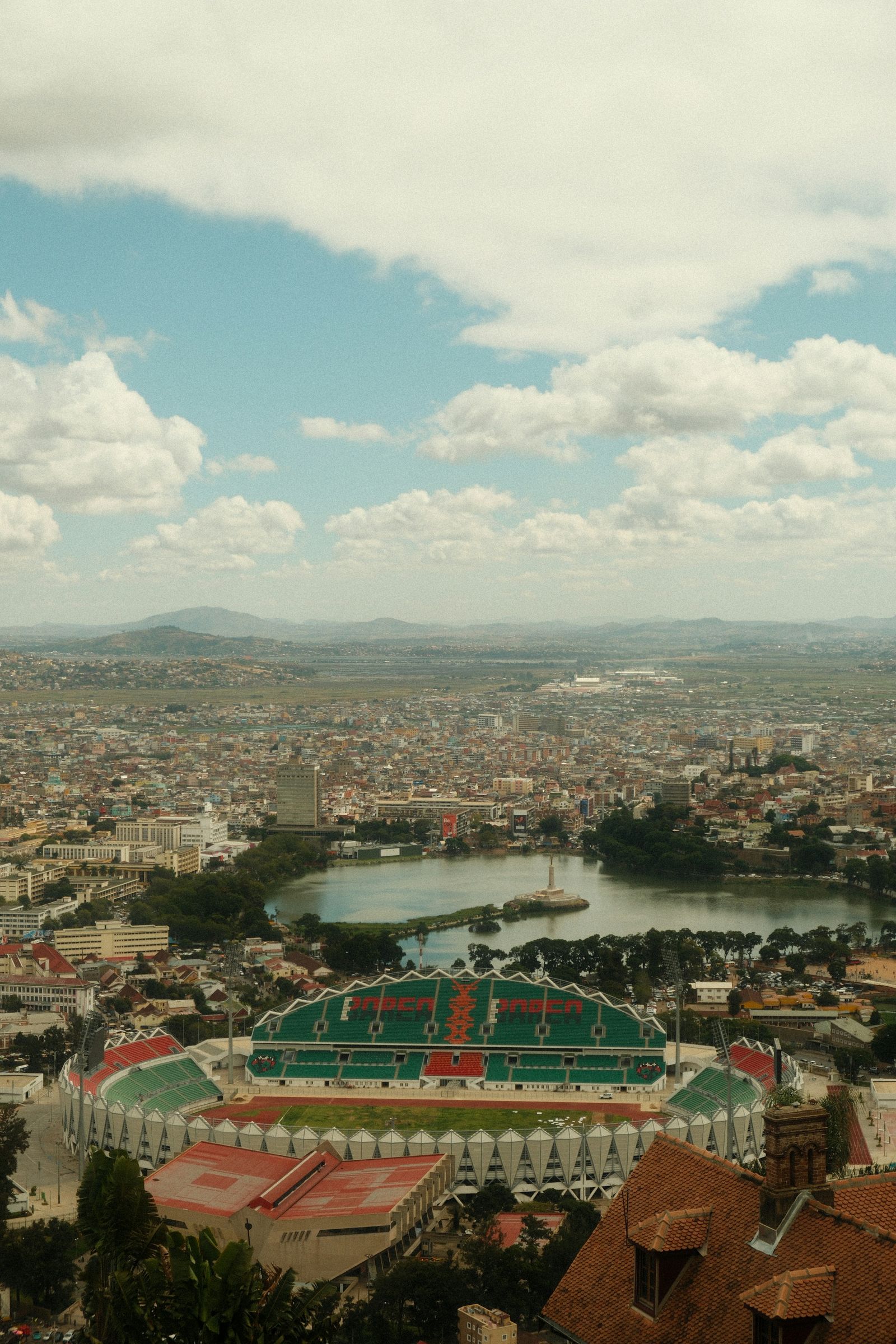
From above, the shape is obvious: Lake Anosy is a heart. It's artificial, dug in the 19th century under King Radama I, with James Cameron again running the works. On its island stands the Black Angel, a 1927 monument to the Malagasy soldiers who died fighting for France in the First World War. Mahamasina stadium is beside it.
For most of the year it's something you see from the car. October is different: the jacarandas planted around the shore in the colonial era flower violet, and it's worth asking your driver-guide to stop.
With a spare day, this is where we'd spend it. Ambohimanga is about 24 km north-east of the city, a steep hill topped by a fortified royal village. King Andrianampoinimerina reunified the Merina kingdom from here at the end of the 18th century and later made it the kingdom's spiritual capital, and UNESCO listed the Royal Hill of Ambohimanga as a World Heritage Site in 2001.
What you see is small and old:
Taboos (fady) still apply on the hill, and photography isn't allowed inside the historic buildings, so follow your guide's lead. Rough Guides calls it well worth a half-day trip. It isn't on our set trips, but every trip can be reshaped, and an arrival day is the easy place to add it.
Lemurs' Park is a botanical garden of about 5 hectares, roughly 22 km south-west of the city on the RN1, set up around 2000. Most of its lemurs were confiscated pets, handed over by the Ministry of Water and Forests, and they move about the garden freely rather than living in cages. There are eight or nine species, and the park breeds some of them for release into the wild. Visits are guided, it opens every day from 8:00 (last entry 16:00), and at the time of writing an adult ticket is about 75,000 ariary. Check the park's current tariff before going.
Is it worth it? For a spare morning, with children, or on a trip that never reaches a forest, yes. Just know what you're looking at: these lemurs aren't wild, and they're used to people. If Andasibe is on your route, the indri there are wild. Our lemur safari page explains how we mix wild and habituated encounters, and where to see lemurs goes species by species.
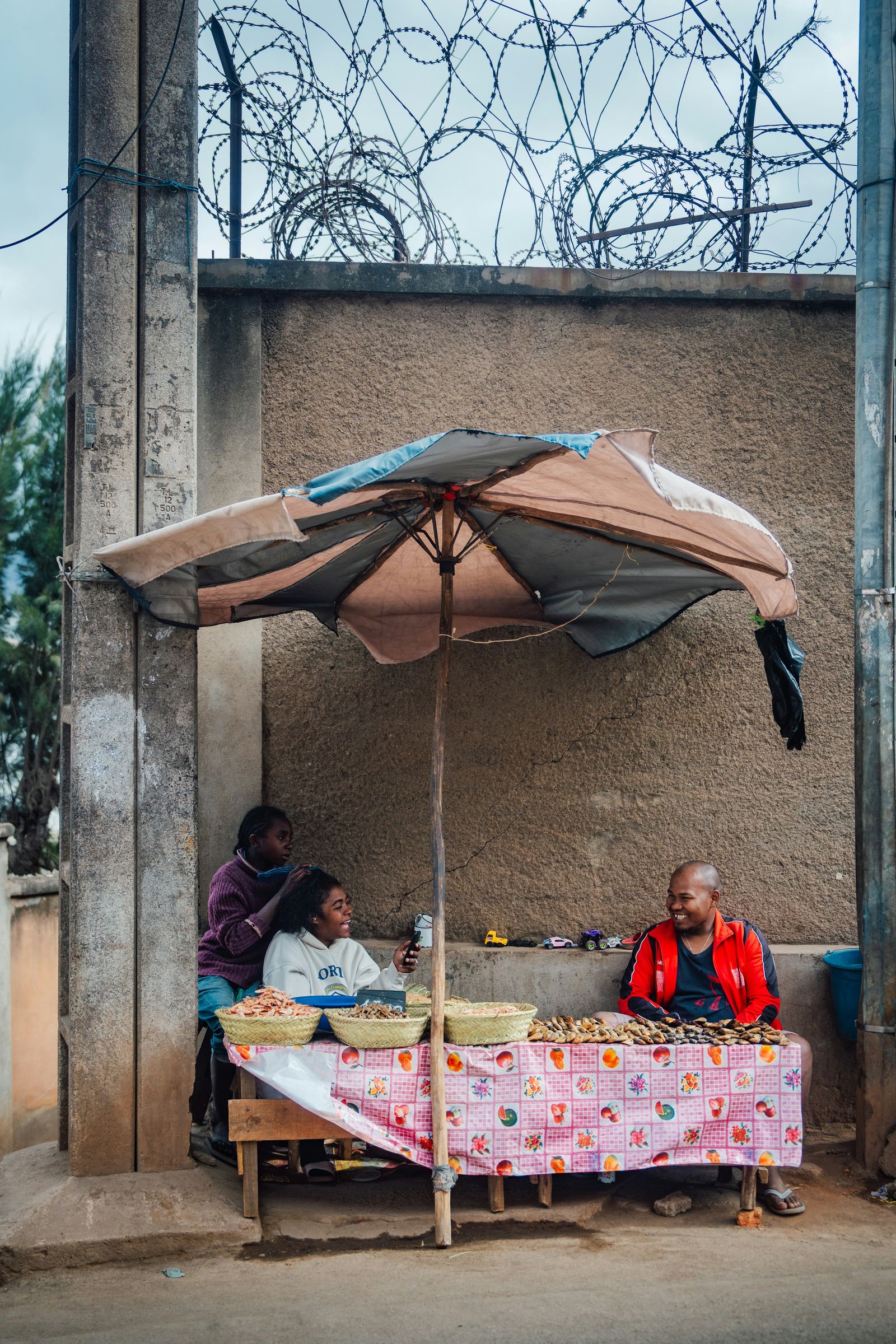
Analakely is the commercial heart of the city, on the valley floor below the ridge, around tile-roofed market pavilions built in the 1930s. This was the home of the Zoma, the Friday market King Andrianampoinimerina decreed, once called the biggest open-air market in the world. The city split it up in 1997 and moved its traders to other districts, but the streets around the pavilions are still packed with stalls, from food and dried fish to almost everything else.
It's also where the advisories warn about pickpockets, along with the Avenue de l'Indépendance nearby. Go by day, with your guide, carrying little.
For souvenirs, the La Digue craft market is the place for raffia baskets, hats and mats, often dyed in bright colours. Craft stalls also sell bowls, combs and spoons carved by hand from wood and zebu horn. Prices are there to be bargained over, in cash and in ariary.
Street crime is a risk, including by day. Thieves sometimes reach into cars stuck in traffic, so keep the doors locked and the windows up. Don't walk around after dark, which comes at about half past five in the southern winter: use hotel transport or a pre-booked car. The full picture is in Is Madagascar safe?
It depends on your flights. If you land late, on the evening flight from Paris for instance, or fly on early to Morondava, Diego Suarez or Nosy Be, sleep near Ivato and skip the traffic. With a day in the city, stay in town. Rough Guides points to Isoraka, about 2 km below the Rova, for boutique and mid-range hotels.
On our set trips the Antananarivo nights are booked with breakfast like every other night, and you can move the hotel up or down to suit your budget. Ask about the generator and hot water before you choose a room. Where to stay in Madagascar has more.
We're based in Antananarivo. Send us your flight times on the booking page or on WhatsApp, and we'll fit the first and last days around them. A real person replies, usually within 24 hours, with a written itinerary and a firm price.
Photos: Sandy Ravaloniaina, Manoa Angelo and Sitraka on Unsplash.
For a night and half a day, yes. The Rova, the old royal palace on the hilltop, and Andafiavaratra, the Prime Minister's palace beside it, tell the story of the Merina kingdom. With a full day, Ambohimanga, the royal hill 24 km north-east, is a UNESCO World Heritage Site. Most of what people come to Madagascar for is outside the city, so we wouldn't plan more than a day and a half here.
One night on arrival is enough for most trips, plus half a day if your flight lands early or leaves late. Add a full day if you want Ambohimanga or Lemurs' Park, or to recover from a 15 to 22 hour journey from London before the long drives start.
Ivato International Airport is about 16 km north-west of the city centre. The drive takes about half an hour late in the evening or early in the morning, and usually more than an hour in daytime traffic. If you land late or fly on early the next morning, it's simpler to sleep near the airport.
Roughly an-ta-na-na-REEV, with the stress on "ri" and the final o barely sounded. The name means "the city of the thousand". You'll also hear the short form of its former French name, Tananarive.
The Queen's Palace, Manjakamiadana, reopened as a museum in June 2023 after restoration following the 1995 fire. You can visit the hilltop royal compound, but check current opening hours and which buildings are accessible before going.
It's a good half day if you have a spare morning or your trip doesn't reach a forest. It's a 5-hectare botanical garden about 22 km south-west of the city, where lemurs, most of them confiscated pets, move about freely. They aren't wild, and they're used to people. At the time of writing an adult ticket is about 75,000 ariary; check the current tariff before going. If Andasibe is on your route, the indri there are wild, three to four hours east of the capital.
Private trips with your own vehicle and driver-guide. Every one can be reshaped around your dates.
Indri at Analamazaotra, the Palmarium's approachable lemurs, boat rides on the Pangalanes Canal, then island time on Sainte Marie.

The classic route done properly: Andasibe, Ranomafana, Anja's ring-tailed lemurs, the canyons of Isalo and the reef at Ifaty.
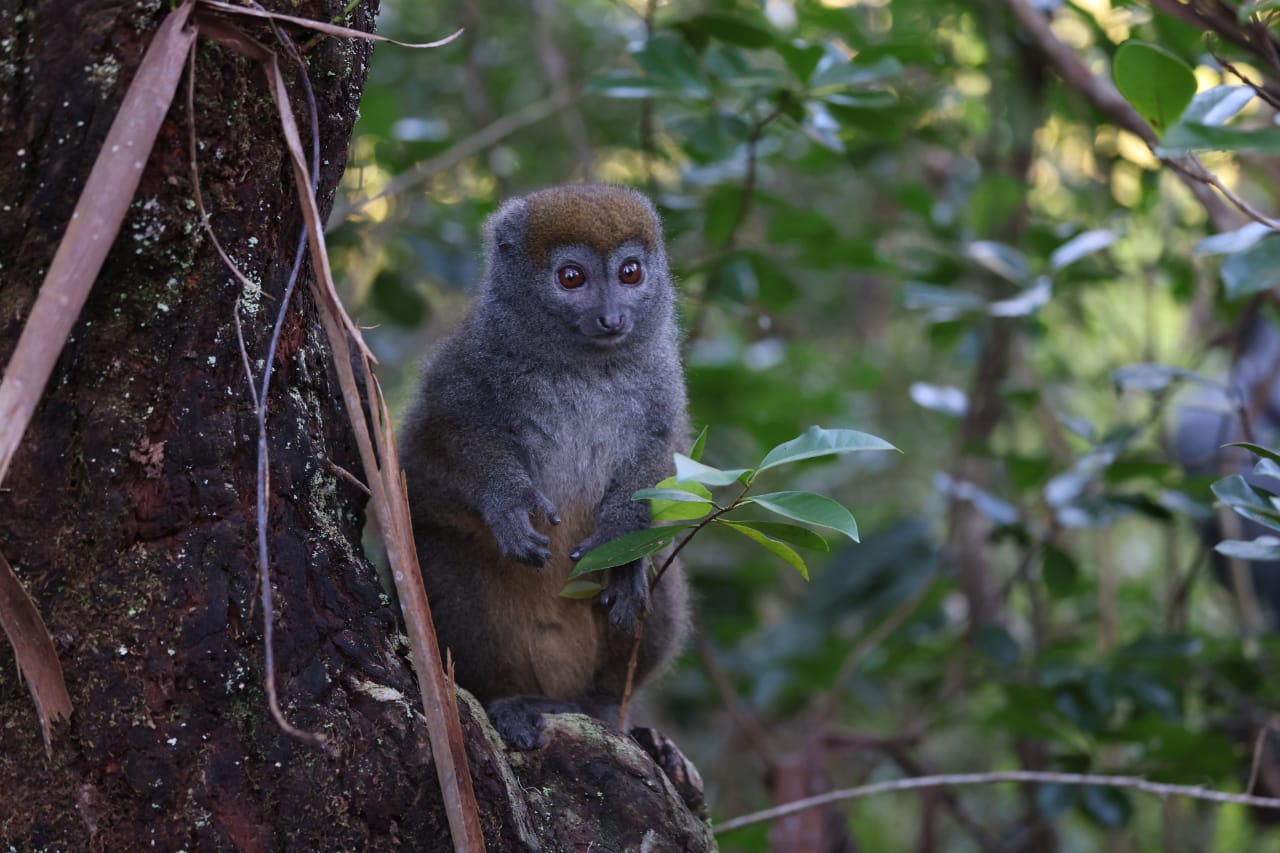
Chameleons at Peyrieras, a walk among the lemurs at Vakona, a guided night walk, and an early start in Analamazaotra, where the indri call most mornings.
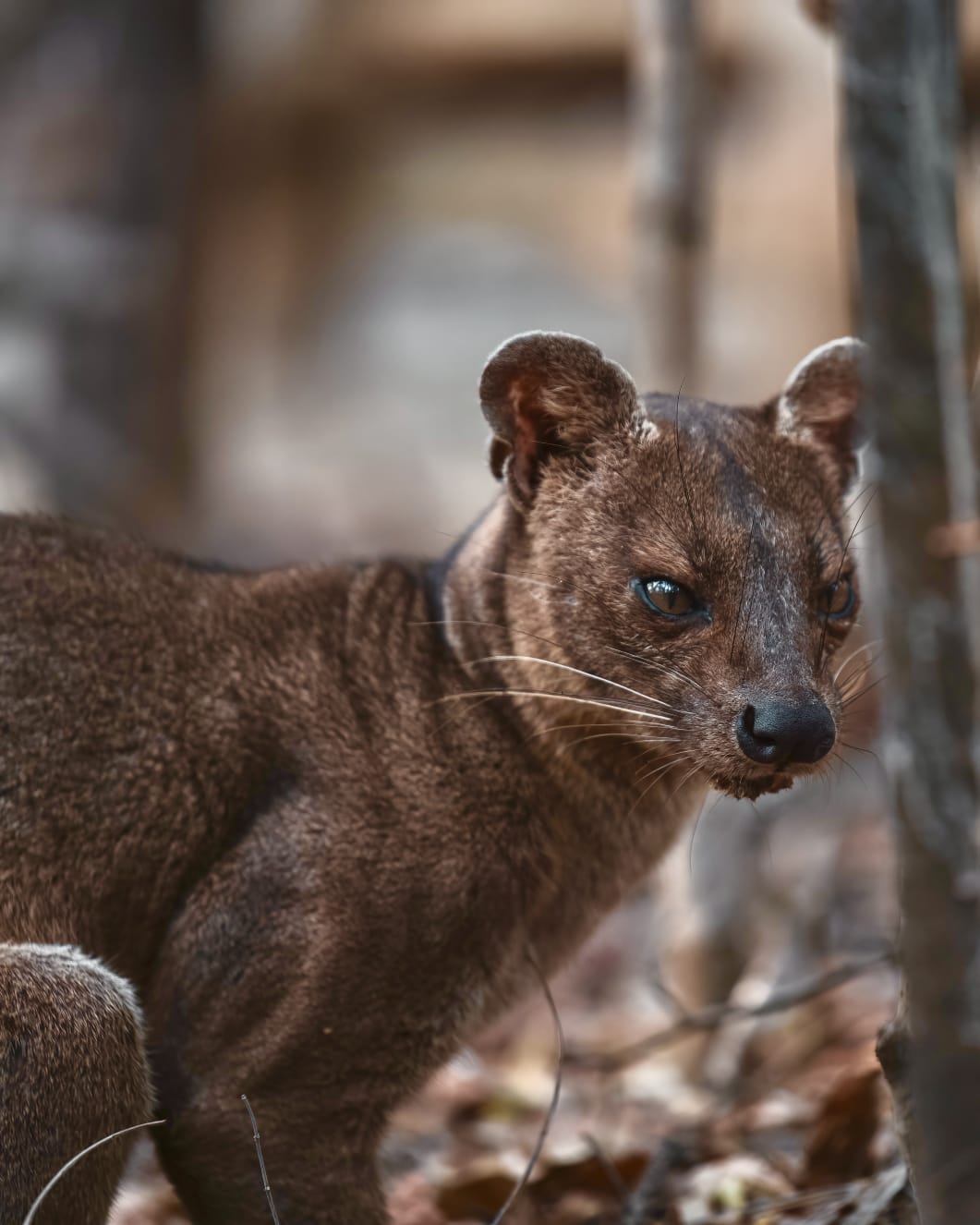
Three weeks and nearly every landscape the island has: river cruise, Tsingy, baobabs, remote Vezo coast and the southern parks.
The 2026 routes into Antananarivo and Nosy Be, flight times from London and New York, landing at Ivato, open-jaw tickets, and domestic flights whose times change.
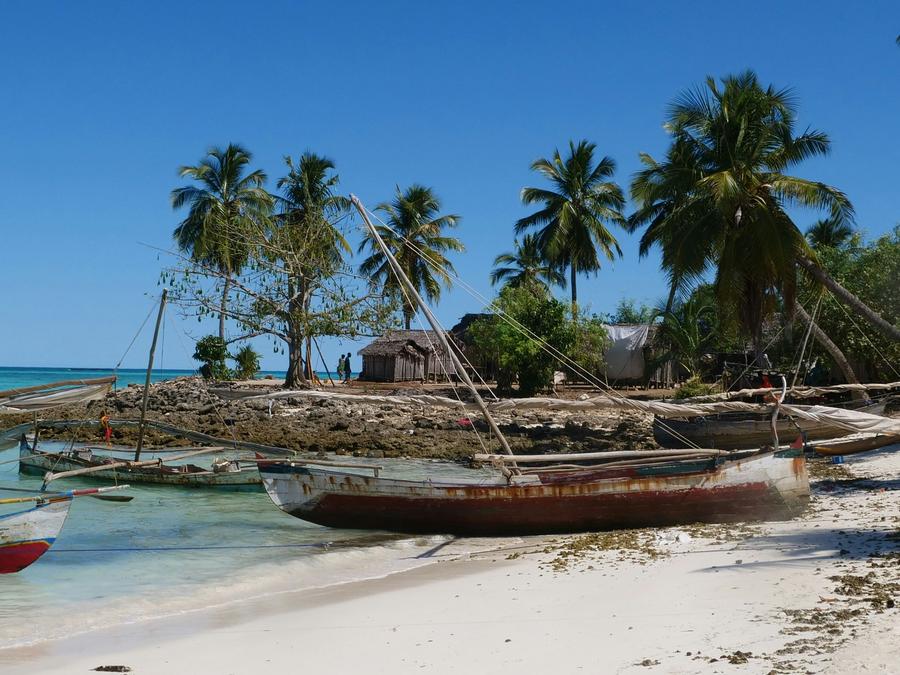
What hotels in Madagascar cost, what to expect from the hot water, power and wifi, and where you sleep at each stop, from Antananarivo and Andasibe to Bekopaka and Nosy Be.
What the US, UK, Canadian and French advisories say (October 2026), and what to actually do about crime, night roads, malaria and cyclones.
Malagasy, French and how much English you'll hear, the link to Borneo, the Malagasy words worth knowing, with rough pronunciation, and the place names visitors get wrong.

Send your dates and a rough idea. We reply within 24 hours with a written itinerary and a firm price. No deposit to ask a question.