
11 days · North
Northern Madagascar: Beaches, Tsingy & Wildlife
The Three Bays, Montagne d'Ambre, the red Tsingy and a full day in Ankarana's caves, then Lokobe and the sand of Nosy Iranja.
The town and its bay, the flight from Antananarivo, the Three Bays and the kitesurfers' wind, Ramena and the Emerald Sea, Montagne d'Ambre, the Tsingy Rouge and Ankarana, and the road south to the boat for Nosy Be.
Diego Suarez, officially Antsiranana, is the main town of Madagascar's far north, on a huge bay near the island's northern tip. It's about two hours by air from Antananarivo, and it's the base for four different days out: the windy Three Bays and the Emerald Sea on the coast, the rainforest of Montagne d'Ambre (Amber Mountain) about an hour inland, the red Tsingy Rouge, and the grey limestone of Ankarana, 108 km south. It's dry from about April to November and windy for most of that time. Give it three or four nights, two more at Ankarana, then drive south to Ankify for the boat to Nosy Be.
That's the shape of both our northern trips. The 11-day Northern Madagascar trip, from €1,790 per adult, starts with a morning flight to Diego, and the 12-day Northern Madagascar Adventure, priced on request, starts and ends in Antananarivo. Both are private, with your own vehicle and driver-guide, and both can be reshaped.
The bay shaped the town, which became a French naval base in the colonial period. Its older name, Diego Suarez, remains widely used alongside Antsiranana.
You see that history in the old colonial buildings in the centre and in the gun emplacements on the headlands. For a first visit we'd give the town half a day and spend more time on the excursions. Choose your hotel around the day trips, in town or at Ramena.
The 11-day trip flies up on the morning of day 1 and the 12-day trip on day 2. Neither price includes the domestic flights, but we can book them for you.
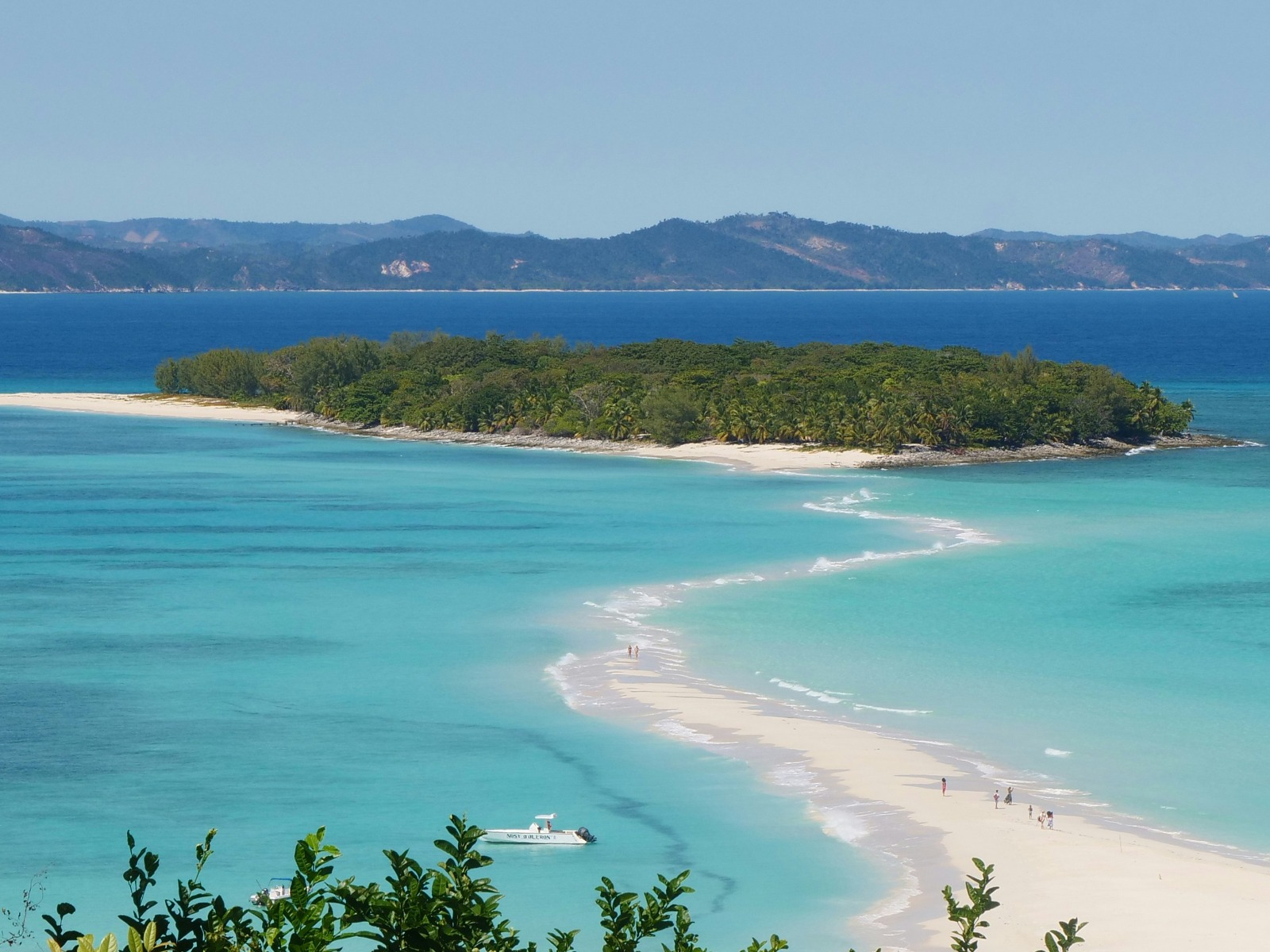
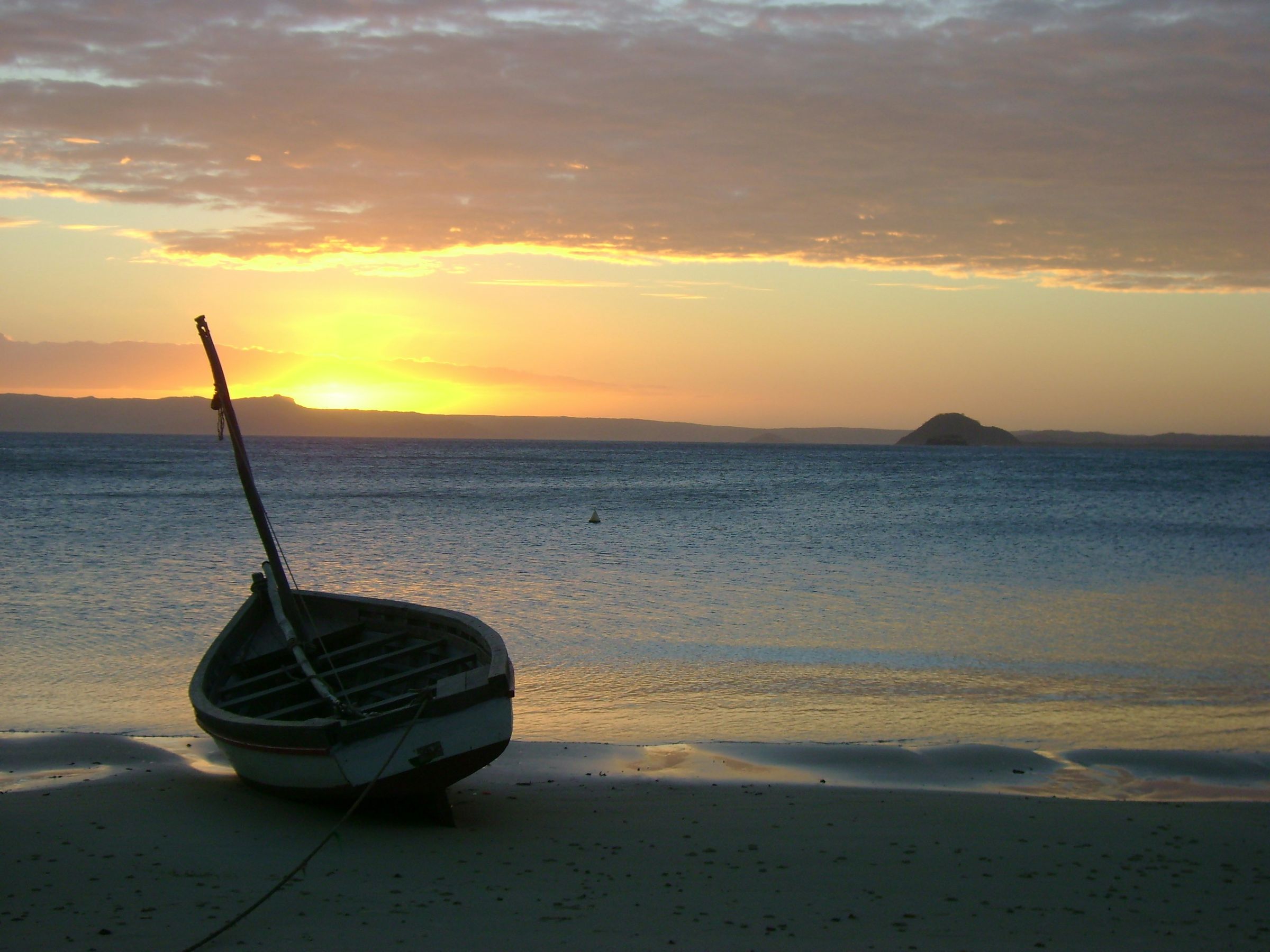
East of town, on the ocean side of the peninsula, are the Three Bays: the Baie des Pigeons, the Baie des Dunes and Sakalava Bay. They're quiet beaches of white sand with turquoise water, and you can walk the whole stretch from Ramena to Sakalava Bay in a long day, about 20 km and six or seven hours with stops to swim. Ask your guide which sections fit the day's conditions and what permissions are needed around the former military sites.
Then there's the wind. The tourism office counts 95% of days from April to November as windy in the north. From May to October the south-east trade wind blows almost without a break, and Sakalava Bay is a centre for kitesurfing and windsurfing. Take advice from a qualified instructor about the wind and water on the day. If you don't kite, a gusty beach is less restful than it looks in photos, so bring a windproof layer.
On our trips the Three Bays get two days on the 11-day trip and one on the 12-day. Watersports there are optional, and on the 12-day trip they aren't included, so ask us what they cost if you want a lesson. Our beaches guide compares them with the island's other coasts.
Ramena is a fishing village about 18 to 20 km from Diego, with some 3 km of white beach and hotels and restaurants.
Boats leave from the beach for the Emerald Sea, the shallow lagoon near the mouth of the bay, where a clear sandy bottom turns the water emerald and turquoise. Small islands ring it, and the boat trips usually bring snorkelling gear and lunch on one of them. Kitesurfers use the lagoon too, with a season there from about late March to late November, so a calm day is better for swimming.
Neither is a fixed day on our set trips. Both north trips leave the afternoon you arrive in Diego free, and depending on your hotel you can spend it on the sand. If you'd rather swap a Three Bays day for the Emerald Sea, tell us.
Tell us your dates and what you would like to see. We reply within 24 hours with a written itinerary and a firm price.
Montagne d'Ambre is a volcanic massif rising to 1,475 m, covered in rainforest, with crater lakes and waterfalls. Madagascar National Parks dates its creation to 1958, making it one of the country's earliest national parks. You enter from Joffreville, about 30 km from Diego, roughly an hour's drive. Pack a fleece for the cooler forest.
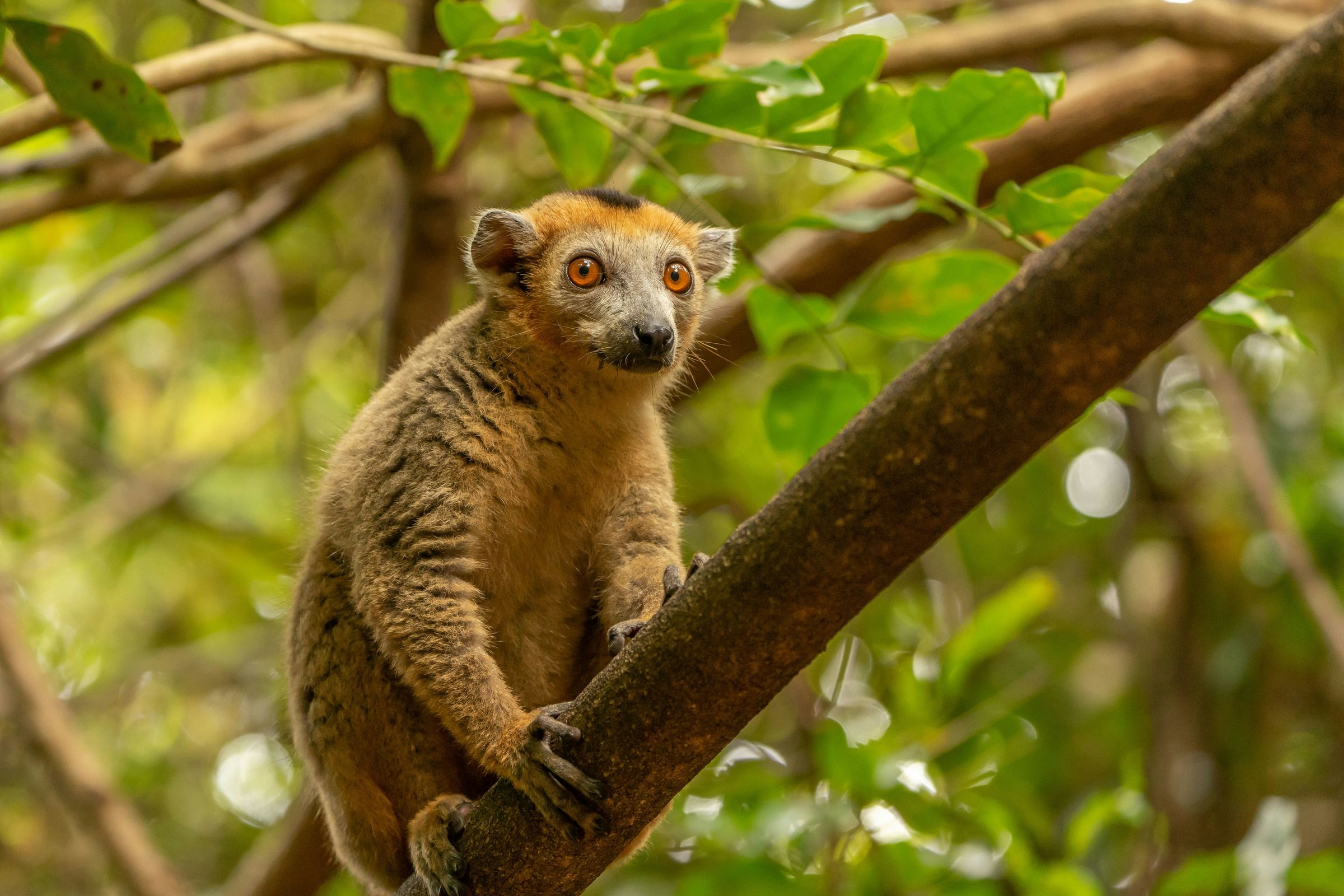
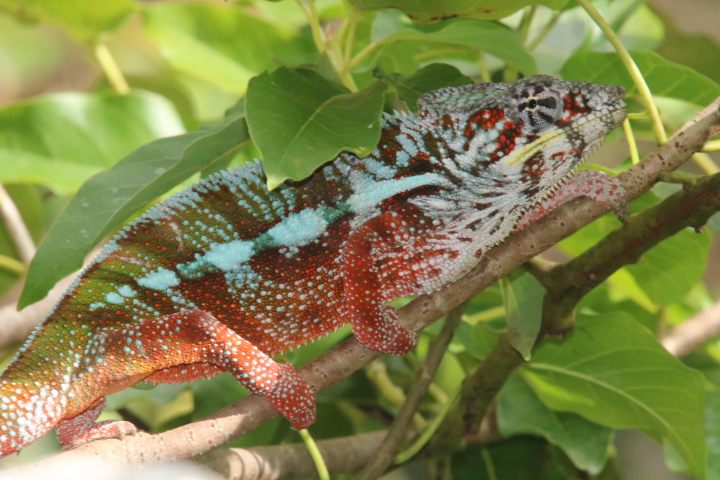
The lemurs here are the crowned lemur and Sanford's brown lemur, both Endangered. Crowned lemur females are grey with an orange "tiara" across the forehead, and the males are a darker reddish brown. For reptiles, Madagascar National Parks lists the panther chameleon, and tiny leaf chameleons. Our chameleon guide covers where else to look.
The park's trails come in sizes. Madagascar National Parks lists short waterfall walks and longer circuits around crater lakes. Choose with your local guide according to the weather and how far you want to walk.
On both north trips day 4 is a full day in the park, with a picnic lunch inside and the drive back to Diego in the afternoon. Park fees and the local guide are in the price. The lemurs are wild, so we can't promise them. More in where to see lemurs.
The Tsingy Rouge are red formations shaped by erosion, about 50 to 65 km south of Diego. They make a shorter visit than Ankarana's grey limestone tsingy.
Ask about the walking route and access conditions. Both north trips stop here on the morning of day 5, on the way to Ankarana.
Ankarana is a limestone massif on the RN6, 108 km south of Diego and 30 km north of Ambilobe. It's officially a special reserve, created in 1956, covering 18,225 ha. The rock is cut into sharp grey tsingy and riddled with caves and underground rivers, with dry forest in the canyons. Madagascar National Parks counts ten lemur species and seventeen kinds of bat.
Crowned lemurs live here too. The Duke Lemur Center describes them foraging on the tsingy and entering caves for water in dry areas. Reptile people come for leaf chameleons as well as larger species. The fossa lives here as well, though you'd be lucky to see one.
The reserve has two sides. The eastern zone, from the main office at Mahamasina, is open all year. The western zone, from Andrafiabe village, opens only from July to November. Circuits include caves and suspension bridges as well as the tsingy itself. Some need a full, strenuous day, so choose with your guide and check which areas are open for your dates.
On our trips you arrive for lunch on day 5, and day 6 is a full day in the reserve with a local guide, on trails with narrow passages and small suspension bridges. It's hot work, so carry plenty of water. Compared with the Tsingy de Bemaraha in the west, Ankarana is smaller and much easier to reach: it sits on a paved main road, where Bemaraha is at the end of a long dirt one. Our Bemaraha guide and national parks guide compare them.
On day 7 both trips leave Ankarana in the morning and drive south past Ambilobe and Ambanja, through cacao plantations, to the port of Ankify, about 20 km from Ambanja. From there the fast boats take 30 to 45 minutes to Hell-Ville on Nosy Be, and the afternoon is free.
The UK Foreign Office names Ankify port and Ambanja, with Nosy Be, among places where violent robberies on beaches have happened, even in daylight, and says to get local advice on ferries. In practice that means a booked transfer, a boat that isn't overloaded, and no wandering off on empty beaches. Our safety guide covers the rest.
Both trips then give Nosy Be four nights, with Lokobe and days out to Nosy Iranja: see our Nosy Be guide.
Diego is hot all year, with average highs of 29 to 32 °C. The rain is what changes (World Meteorological Organization averages, 1991 to 2020):
Our north trips list April to December as their season. For the whole route, Nosy Be included, we'd aim for May to October, when both ends are dry, the kitesurf wind is steady, and from July you can also walk Ankarana's western side. Chameleon fans might lean towards November and December, since our reptiles and insects page puts the most active months at November to March. Our month-by-month guide covers the rest of the island.
Three or four nights in Diego: an arrival afternoon, a day at the Three Bays, a day at Montagne d'Ambre, and a spare for the Emerald Sea or a second beach day. Then two nights near Ankarana, with the Tsingy Rouge on the way in and a full day in the reserve. Add three or four nights on Nosy Be and you're at ten to twelve days, which is what our trips do.
Short on time, ask which stops would fit a shorter route. Tell us your dates on the booking page or WhatsApp, and a real person in Antananarivo replies, usually within 24 hours, with a written itinerary and a firm price.
Photos: Marine Lacourie and Hans-Jurgen Mager on Unsplash.
Yes. Antsiranana is the official Malagasy name, and Diego Suarez, after two Portuguese sailors, Diogo Dias and Fernão Soares, is the older name that most people still use. It's the main town of Madagascar's far north, on a large bay near the island's northern tip.
Most people fly. The flight to Arrachart airport takes about two hours. The road follows the RN4 and RN6 and needs several days at a sensible pace; the UK Foreign Office advises against driving at night. Don't book a domestic flight on the same day as your flight home.
May to November is the dry season, with about 8 to 30 mm of rain a month. January to March is wet, at about 240 mm in January and February, and cyclones are possible. It's windy on most days from April to November, and the kitesurf season at Sakalava Bay runs from May to October. For a trip that includes Nosy Be, May to October suits both.
Montagne d'Ambre National Park is entered from Joffreville, about 30 km from Diego, roughly an hour's drive, and works as a day trip. Ankarana is 108 km south on the RN6, near Ambilobe, so most people sleep a night or two beside it. The red Tsingy Rouge, about 50 to 65 km south of Diego, makes a good stop on the way.
Yes, it's one of Madagascar's main kitesurfing areas. The tourism office describes frequent wind from April to November and the south-east trade-wind season at Sakalava Bay from May to October. Kite schools also use the Emerald Sea lagoon.
Three or four nights covers the Three Bays, a full day at Montagne d'Ambre and some beach time. Add two nights at Ankarana for the Tsingy Rouge and a full day in the reserve. Most people then go on to Nosy Be for three or four nights, so the far north fills ten to twelve days.
Private trips with your own vehicle and driver-guide. Every one can be reshaped around your dates.
The Three Bays, Montagne d'Ambre, the red Tsingy and a full day in Ankarana's caves, then Lokobe and the sand of Nosy Iranja.
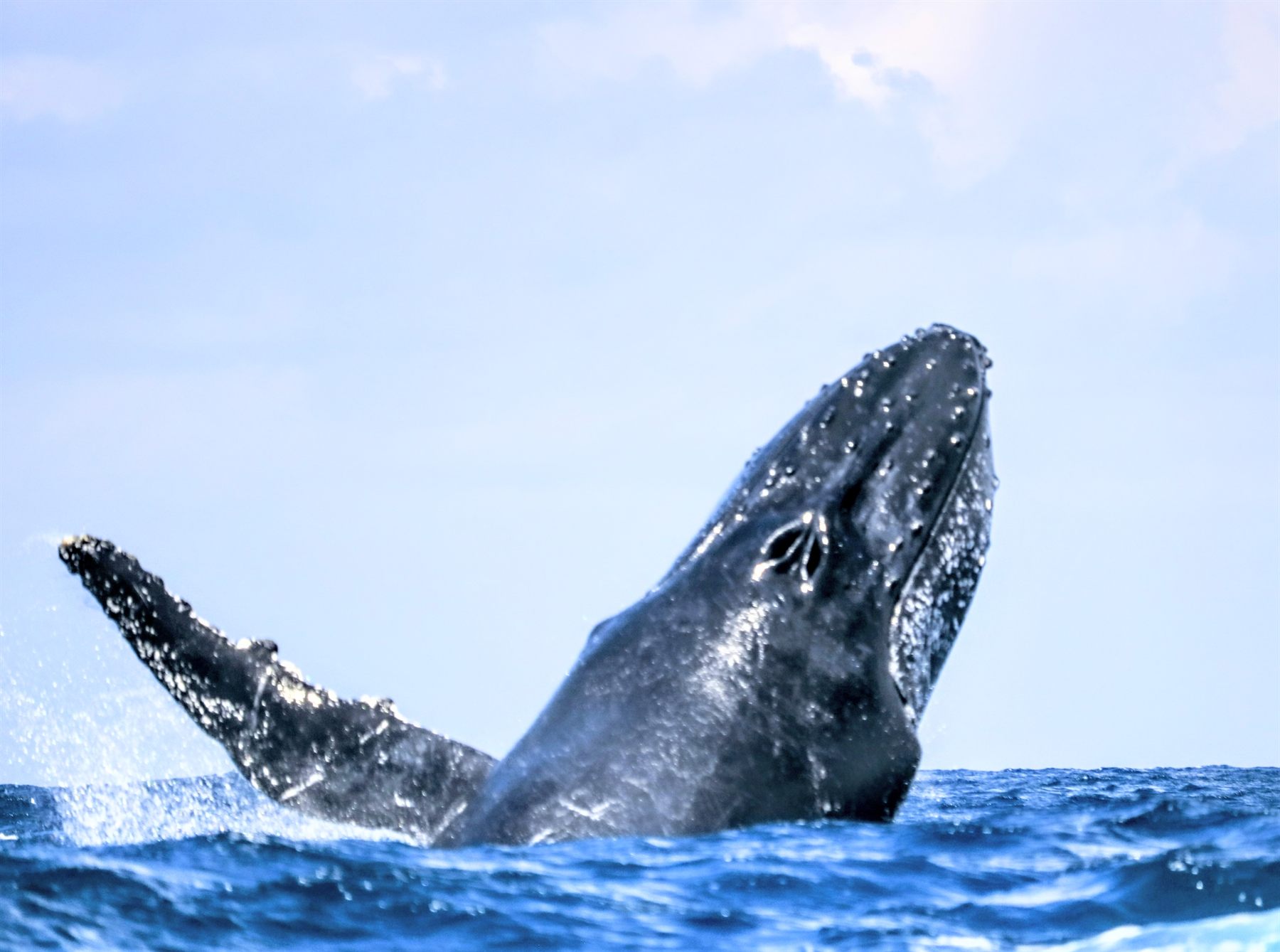
Everything the north has, plus the sea: Ankarana's caves, snorkelling at Sakatia, and a day out looking for humpback whales in migration season.
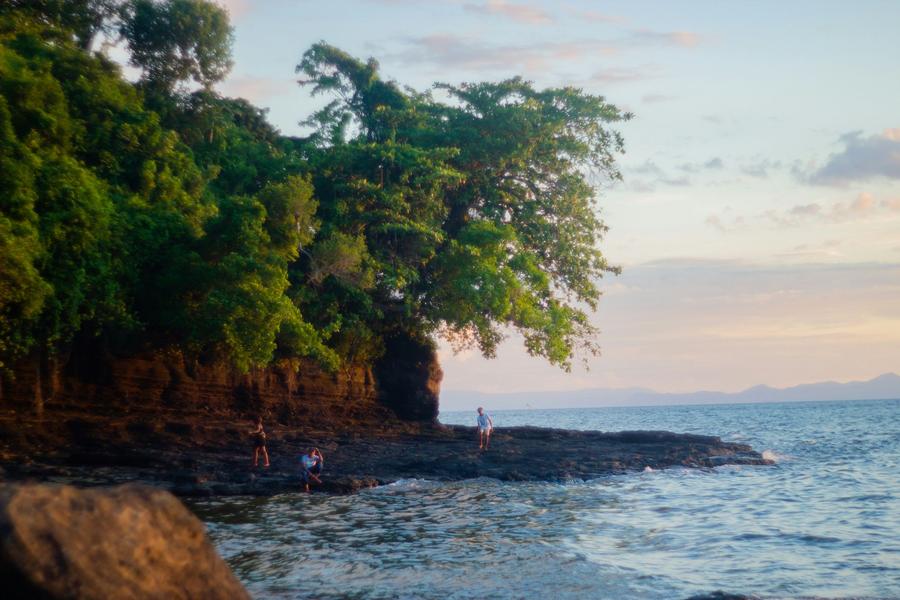
Lokobe, Nosy Komba, Tanikely and Iranja, when the rains and the whales come, flights and the Ankify boat, and how many nights to give Nosy Be.
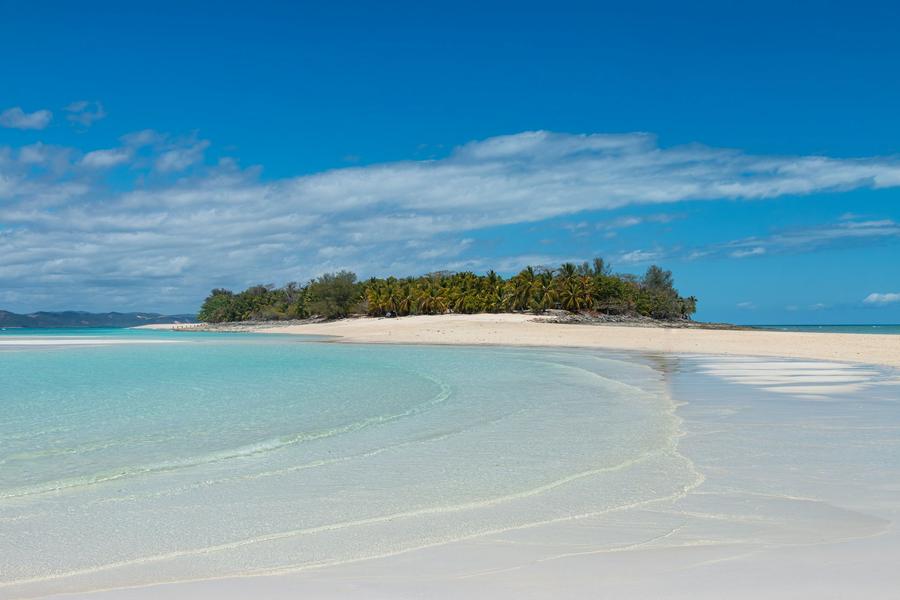
The beaches worth building a trip around, from the Nosy Iranja sandbar to Anakao, with the dry months for each coast, honest notes on swimming, and the trips that finish on the sand.
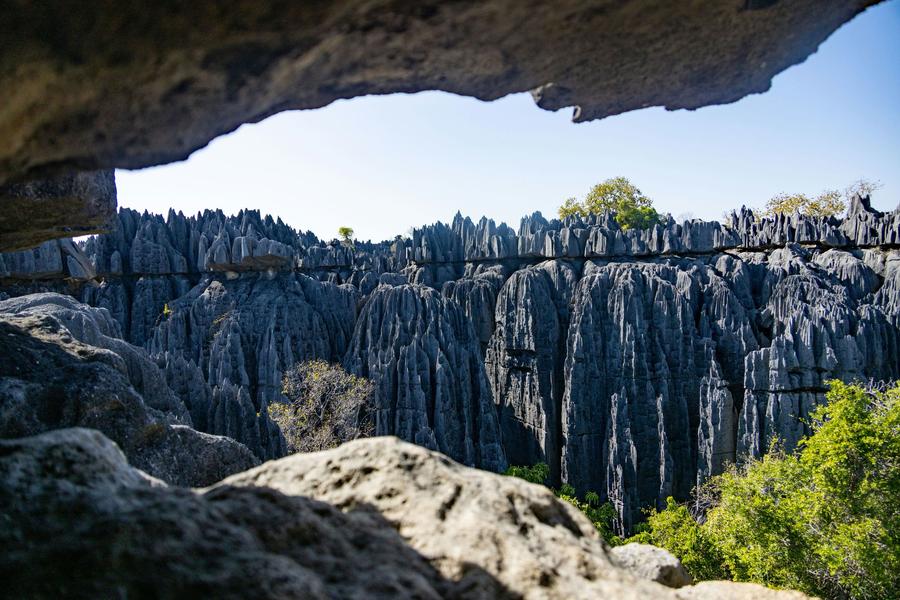
Andasibe-Mantadia, Ranomafana, Isalo, the Tsingy, the north and the remote parks: what each is for, how long to give it, the months that work and the trips that go there.
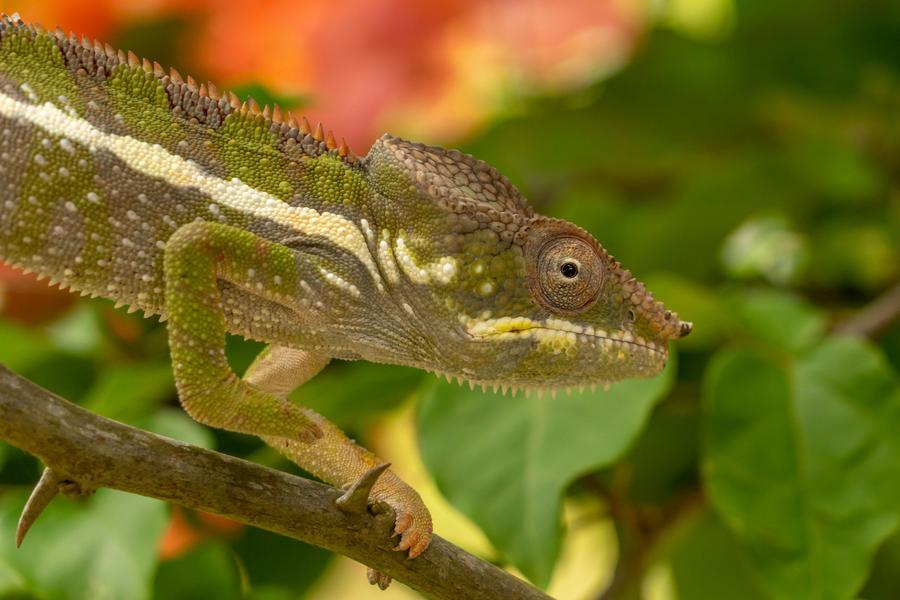
Panther, Parson's and leaf chameleons: where to find them, how the night walks work, what the colours really mean, and the months they're most active.

Send your dates and a rough idea. We reply within 24 hours with a written itinerary and a firm price. No deposit to ask a question.