
11 days · South

Classic South, Expanded Version
The classic route done properly: Andasibe, Ranomafana, Anja's ring-tailed lemurs, the canyons of Isalo and the reef at Ifaty.
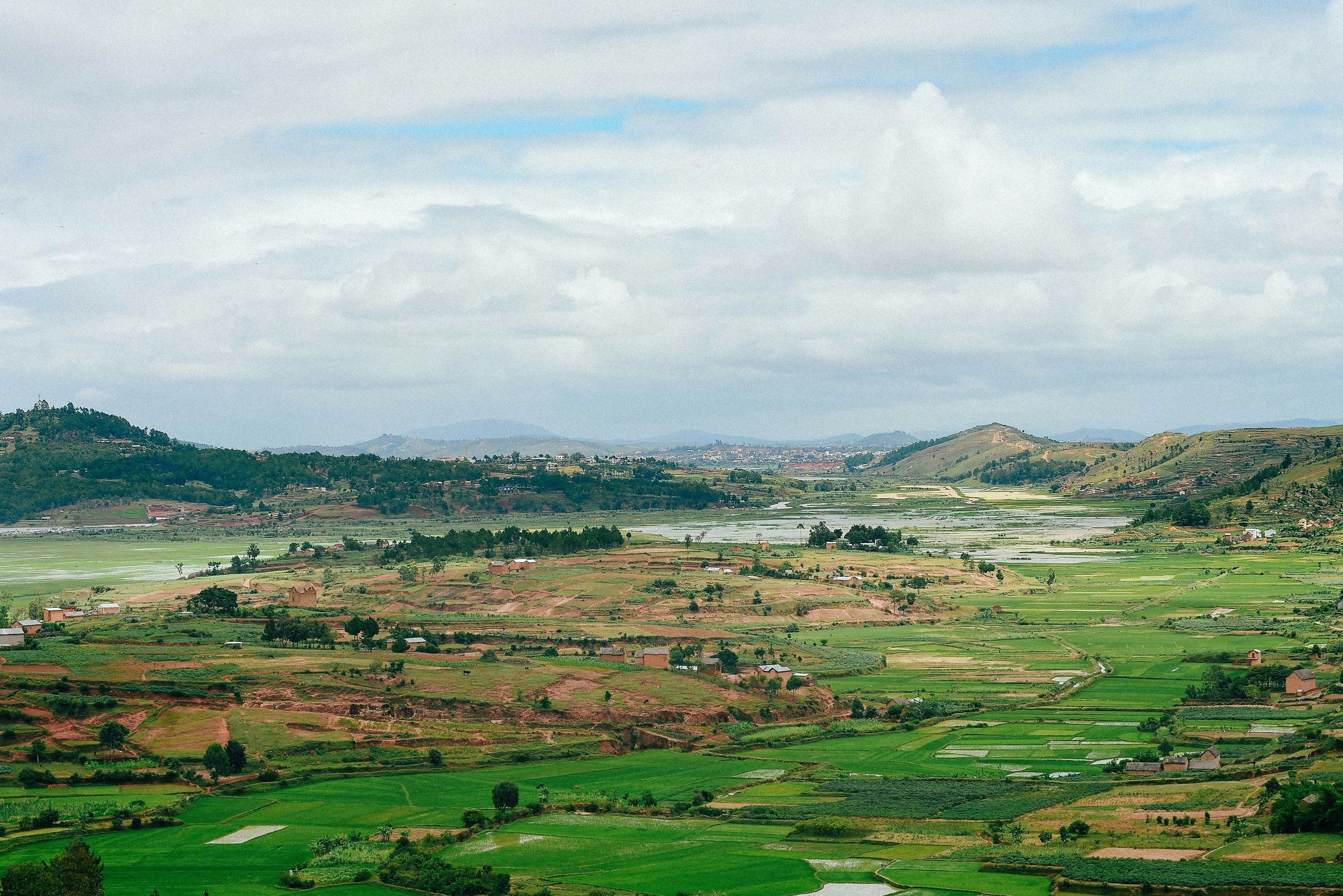
Malagasy, French and how far English gets you, why the island's language traces back to Borneo, the words worth learning before you land, and how to say Antananarivo without tripping over it.
Malagasy and French are Madagascar's official languages, and Malagasy is the national language. English isn't official and you shouldn't expect it everywhere. For visitors, French helps in towns, while an English-speaking guide matters most on a trip beyond them.
So on a trip you'll hear Malagasy all day and meet French in town, in offices and businesses. English you'll mostly need with the people looking after you, and on our trips that starts with your driver-guide, who speaks English. Before you come, you can plan the whole trip with Christian, who runs Tongasoa, in English, French or Spanish.
Madagascar sits off Africa, but its language came from the far side of the Indian Ocean. Malagasy is an Austronesian language with its roots in Indonesia, and its closest living relative is Ma'anyan, spoken along the Barito river in the south-east of Borneo. The Norwegian missionary and linguist Otto Christian Dahl set out that link in 1951, and later work has only firmed it up. The relationship is linguistic, rather than a claim that everyone in Madagascar has the same ancestry.
Genetics points the same way. A 2012 study (Cox et al.) suggests the island was settled about 1,200 years ago by a small founding group that included about 30 women, most of them of Indonesian descent. The tie to Borneo is in the words more than the blood, though: a 2015 study found the Ma'anyan themselves have only subtle genetic connections to the Malagasy.
Other words came later, with the people who sailed in. Arab and Persian traders were reaching the island by the 7th century, and migrants from Africa arrived around AD 1000. The older borrowings seem to come from Swahili and its forerunners, and the everyday hello, salama, is the Arabic salam. French and English words followed much later. Sekoly, school, is borrowed from English.
The alphabet dates from the 1820s. In 1823 King Radama I settled on Latin letters instead of the Arabic characters that had been used to write Malagasy before, and David Jones of the London Missionary Society worked out the spelling. Most of the Malagasy Bible the society printed in 1835 was the work of Jones and his colleague David Griffiths. The spelling doesn't tell you everything, though: the stress usually isn't marked, and the ends of words get swallowed. More on that below.
Malagasy changes as you travel. Two researchers at the University of L'Aquila, who compared 60 word lists from around the island, describe it as "a constellation of dialects", in two broad families: one in the south-west, the other across the centre, north and east. Ethnologue counts about a dozen main varieties.
The official standard grew out of Merina, the dialect of the highlands around Antananarivo, and it's the Malagasy you'll find in phrasebooks and in the list below. Elsewhere you'll hear the same words said differently. In the north, for instance, the letter o is usually a plain "o", where the highlands say "oo".
French came with colonial rule. France conquered the island in 1896, and Madagascar became independent again in 1960. French stayed. The constitution approved by referendum in November 2010 names Malagasy and French as the official languages, and Malagasy alone as the national language.
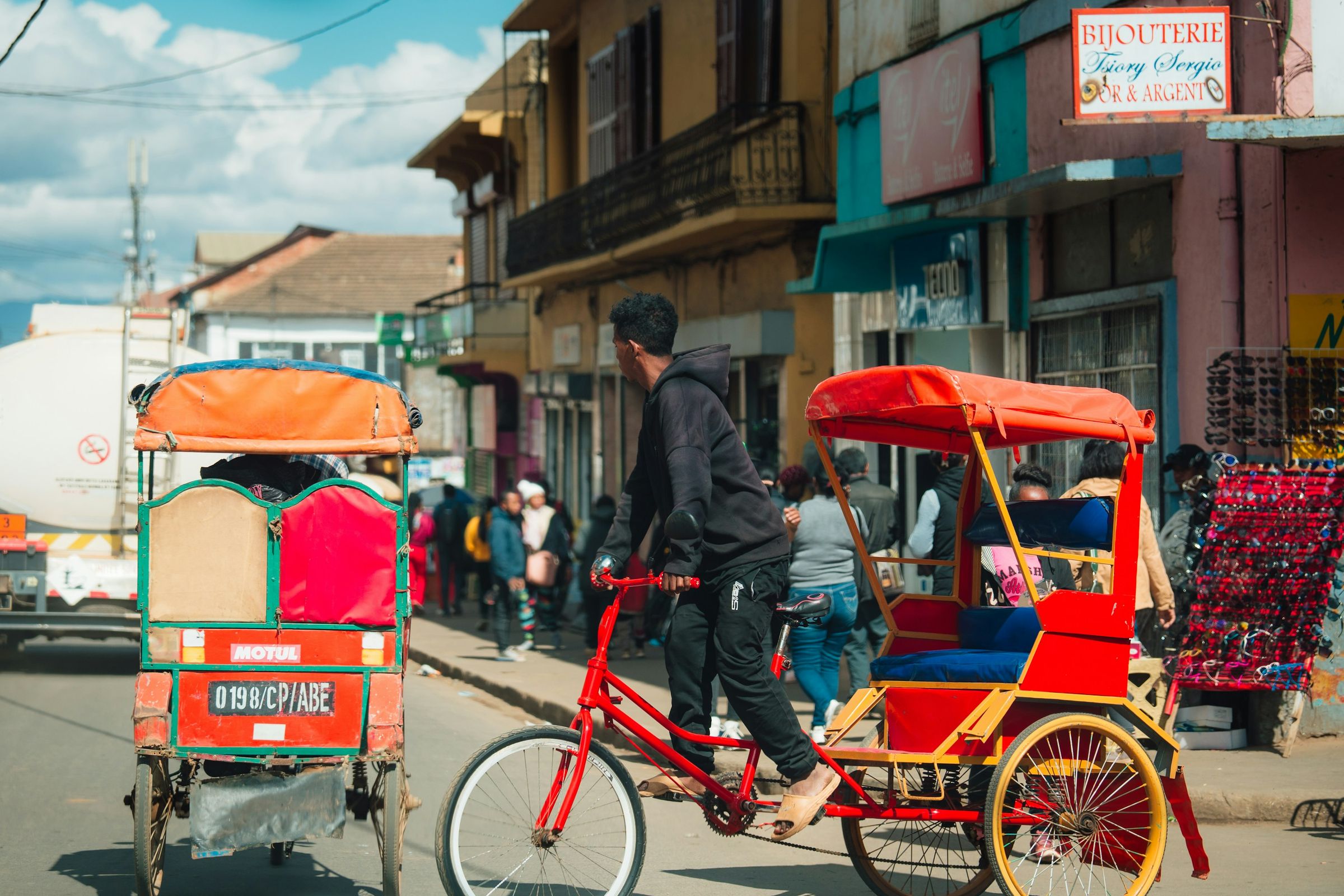
French is widely used in administration and business. The US government's trade guide for Madagascar calls it "the administrative and business language", and advises visitors that English isn't widely spoken. Even Antsirabe's bicycle rickshaws go by a French name, pousse-pousse.
Many towns also have two names, a Malagasy one and one used in colonial times, and you'll see both on maps and timetables:
If you speak some French, use it: in any town it goes further than English. If you don't, a guided trip won't leave you stuck.
In April 2007 voters approved a set of changes to the constitution that, among other things, made English a third official language. About 75 per cent voted yes. It didn't last: the new constitution of 2010 lists only Malagasy and French.
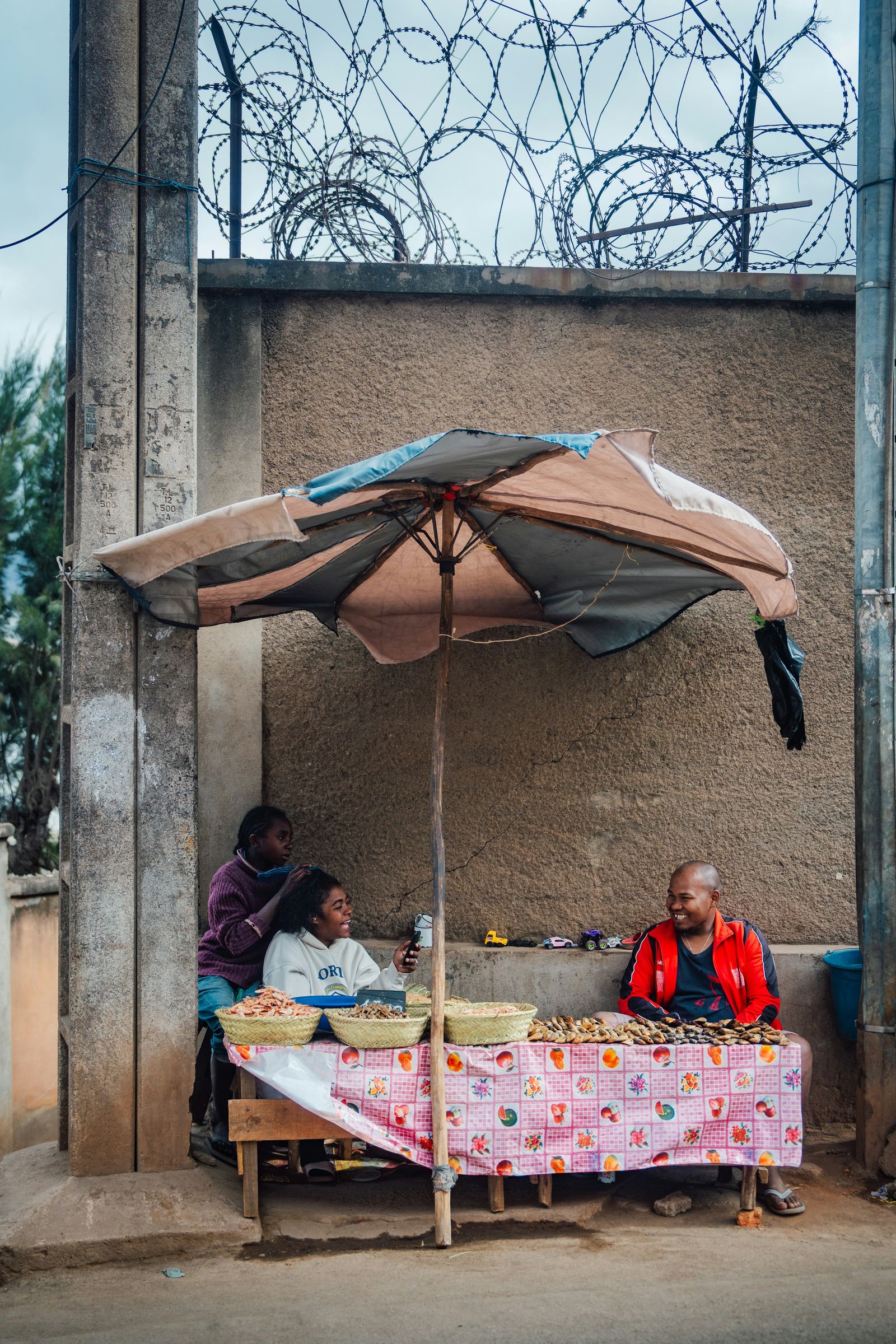
Don't plan an independent trip on the assumption that everyone speaks English. The US trade guide is blunt about it. English is rarely spoken, and outside the capital and the major towns you shouldn't expect even minimal English from ordinary people or officials. You'll find it most easily where visitors go, in hotels and lodges that see foreign guests and in Antananarivo. In villages and small market towns, plan on none.
Tell us your dates and what you would like to see. We reply within 24 hours with a written itinerary and a firm price.
Every one of our trips runs with your own vehicle and English-speaking driver-guide. In villages where English runs out, they do the talking, in Malagasy or French. Inside the national parks you also walk with a local park guide, because Madagascar National Parks makes one compulsory on every visit.
Planning works in three languages. Christian speaks French, Spanish and English, so you can shape the route and the pace with him in whichever suits you, on WhatsApp if you like. Messages land with the small team in Antananarivo who will actually run your trip.
A few words of Malagasy still change how a day goes. Rough Guides advises greeting people with manao ahoana and asking how they are before you ask for anything, especially in villages and small towns, because going straight to a request can come across as rude. The greeting and thank you take ten minutes to learn on the flight. Our travel tips cover the rest of what first-timers ask, from cash to fady, the local taboos.
The capitals show the stressed syllable. These are rough English spellings, and the last vowel of most Malagasy words is barely spoken, which is why so many of them end here on a consonant.
Long names get easier once you see the words inside them. Ranomafana is rano mafana, "hot water". Nosy Be is "big island", Antsirabe means "where there is much salt", and tsingy, as in the Tsingy de Bemaraha, means "where one cannot walk barefoot".
Both of the trips below give you plenty of practice. The Classic South runs down the RN7 through Antsirabe, Ambositra, Ranomafana, Fianarantsoa and Ambalavao before the reef at Ifaty. The Eastern trip goes from Andasibe to Ankanin'ny Nofy ("nest for dreams") on the Pangalanes canal, then by boat to Toamasina on the way to Sainte-Marie. Send your dates on the booking page, in English, French or Spanish, and a real person in Antananarivo replies, usually within 24 hours.
Photos: Sandy Ravaloniaina and Sitraka on Unsplash.
Madagascar has two official languages, Malagasy and French, under the constitution approved by referendum in 2010, which also makes Malagasy the national language. English was a third official language from 2007, after a referendum that April, until the 2010 constitution dropped it. Malagasy is the everyday language, and French is used in administration and business.
Not widely. The US government's trade guide says English is rarely spoken, especially outside the capital and major towns. You'll find English in hotels used to foreign guests and in the capital, and rarely beyond them. On our trips your driver-guide speaks English, and you can plan the trip with Christian in English, French or Spanish.
Malagasy belongs to the Austronesian language family with its roots in Indonesia, and its closest living relative is Ma'anyan, spoken in the south-east of Borneo. Over the centuries it has borrowed words from Swahili, Arabic, French and English, but it belongs to a different family from the languages of mainland Africa.
Hello is manao ahoana (roughly ma-NOW a-OON), often run together as manahoana, or the shorter salama (sa-LAM). Thank you is misaotra (mi-SOTR), and thank you very much is misaotra betsaka. Goodbye is veloma (ve-LOOM), and azafady (a-za-FAD) does for both please and excuse me.
Roughly an-ta-na-na-REEV, with the stress on "ri" and the final o barely sounded. The name means "the city of the thousand". The French called it Tananarive, and the short form Tana dates from then.
No, though it helps. French is the language of offices and business, and in towns it goes further than English. On a guided trip your English-speaking driver-guide covers the gaps, and a greeting in Malagasy goes down well wherever you are.
Private trips with your own vehicle and driver-guide. Every one can be reshaped around your dates.
The classic route done properly: Andasibe, Ranomafana, Anja's ring-tailed lemurs, the canyons of Isalo and the reef at Ifaty.

Indri at Analamazaotra, the Palmarium's approachable lemurs, boat rides on the Pangalanes Canal, then island time on Sainte Marie.
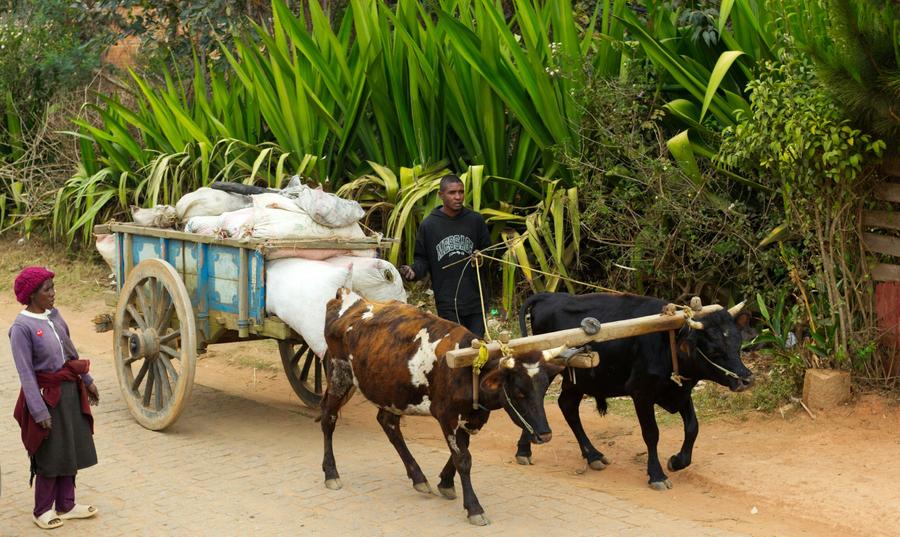
The ancestors and famadihana, fady, the lamba and other dress, savika and the zebu, religion, crafts to bring home, and the manners that matter on a trip.
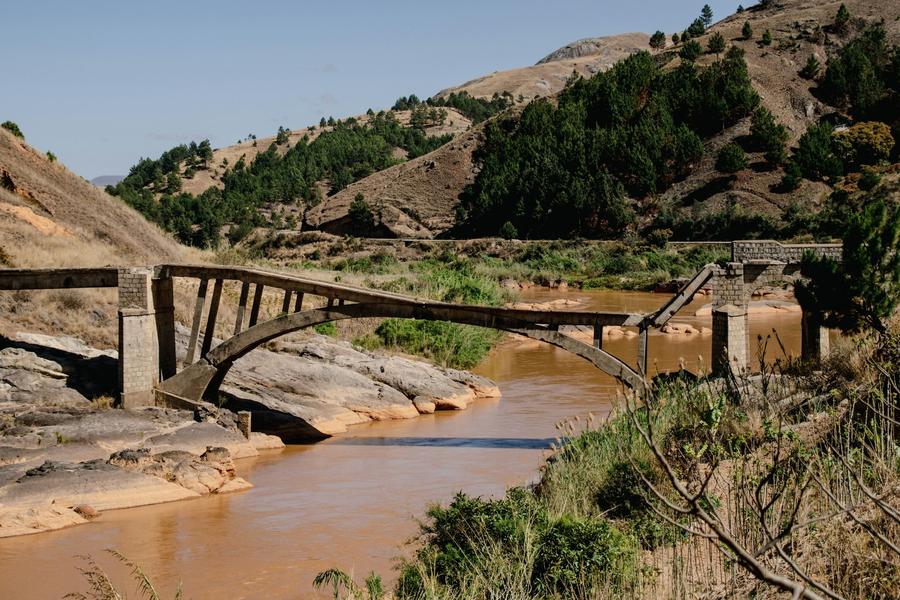
The visa, cash and the ariary, malaria and water, slow roads, power cuts and SIM cards, fady and photos, packing, tipping and the seasons: what to know before a first trip.
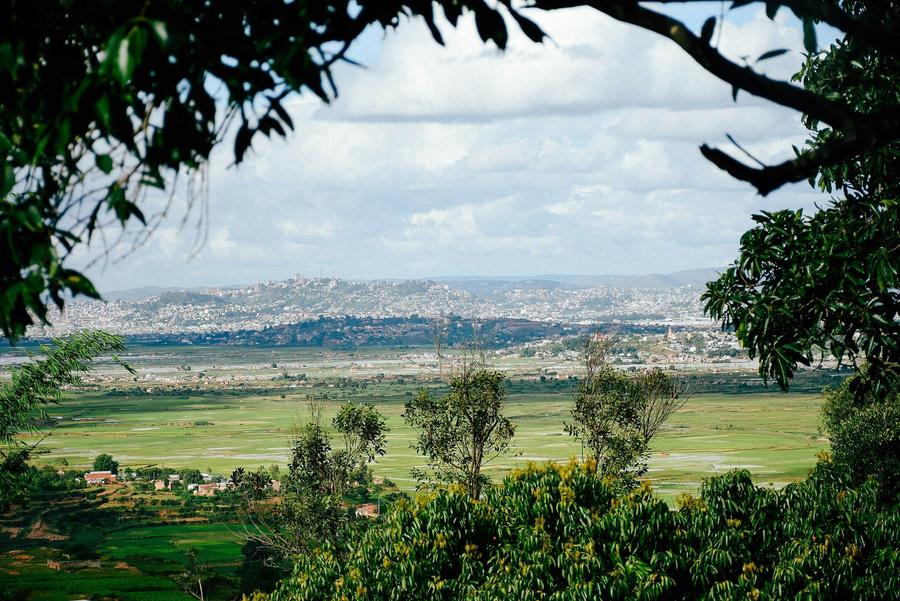
What to see in Antananarivo, from the Rova to the craft market, the half-day trips out of town, the airport drive, where to stay, and why one night is usually enough.

Send your dates and a rough idea. We reply within 24 hours with a written itinerary and a firm price. No deposit to ask a question.