
11 days · South

Classic South, Expanded Version
The classic route done properly: Andasibe, Ranomafana, Anja's ring-tailed lemurs, the canyons of Isalo and the reef at Ifaty.
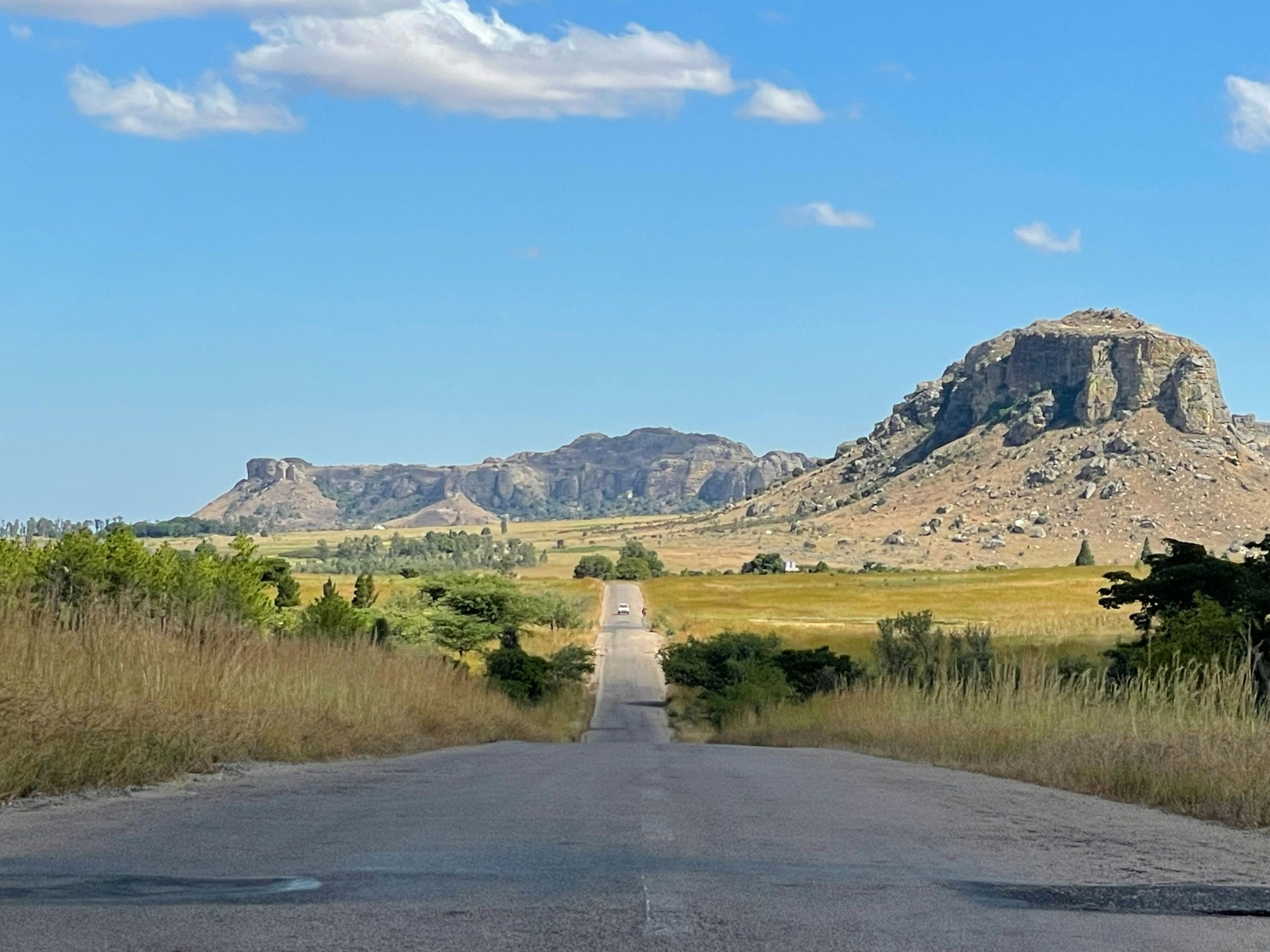
The coolest month of the year and the heart of the dry season. What July is really like in each region, what happens in it, which of our trips suit it, and why it pays to book early. Checked on 17 October 2026.
July falls in Madagascar's cool, drier season. It usually suits the west and the southern road routes, but the eastern forests and coast can still be wet, and highland nights need warm clothes. Humpbacks are in season off Sainte-Marie, while July's holiday demand makes early booking useful.
For most routes it's a very good month. Dry-season road access usually makes the west and the Tsingy de Bemaraha practical, subject to local conditions. You pay for it with jumpers at breakfast and dearer flights. If you're still choosing a month, our month-by-month guide covers the rest of the year.
July belongs to the cool season, rather than a year-round tropical summer. These are planning patterns, not a forecast for your dates. Météo Madagascar describes May to October as the cooler, drier season, while the east remains exposed to moist south-east trade winds.
A route from Antsirabe to Morondava or Tulear can need warm clothes and sun protection in the same bag.
Humpback whales. Humpbacks feed in Antarctic waters in the southern summer and come north to Madagascar to breed and calve in the winter. On our Eastern trip, whale watching off Sainte-Marie is an option from July to September, with the first whales from June. Early in the season groups without calves dominate, and mothers with calves become more common later, so if calves are what you want, August or early September is a better bet, as our Sainte-Marie guide explains. Humpbacks also occur off the south-west coast, but an outing from a particular beach needs local confirmation. Off Nosy Be, researchers have logged humpbacks from late July. Nobody can promise a whale. Under Madagascar's 2023 whale-watching rules, boats keep at least 100 m away, and swimming with whales isn't allowed.
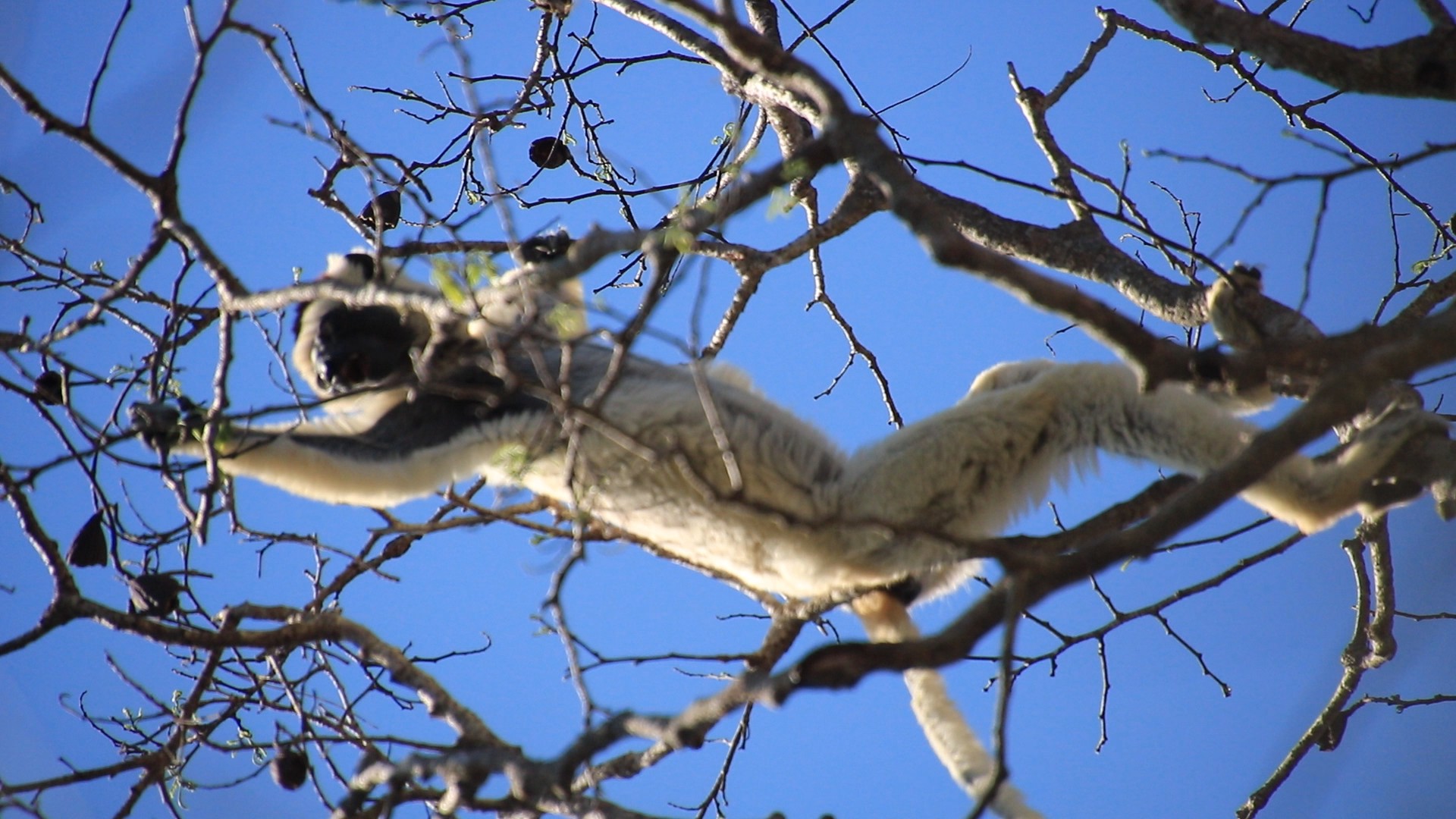
Lemurs. Lemurs don't migrate, but our Lemur Safari page puts the best window at May to mid-November, when the lemurs are at their most active and visible. In the western dry forest, Verreaux's sifakas give birth between June and September, so in Kirindy in July a mother may be carrying a newborn. Ring-tailed lemur babies come later, in August and September. Night walks are a little quieter: Bradt notes that dwarf lemurs, tenrecs and some reptiles are less active from June to September. At Kirindy, the night walk on our trips looks for mouse lemurs, sportive lemurs and possibly the fossa.
Famadihana. In the highlands, July falls in the season of famadihana, the "turning of the bones". Merina and Betsileo families take their ancestors' remains from the family tomb and rewrap them in new shrouds, and Bradt calls it a joyful occasion. Timing is decided by the family and local custom; there is no public tourist timetable. It's a private family event with no timetable, so you'd go only if a family invites you. An invitation is essential, and photography needs the family's permission.
Tell us your dates and what you would like to see. We reply within 24 hours with a written itinerary and a firm price.
July and August are Madagascar's busiest months, and Bradt's advice is to avoid them if crowds bother you. Blame Europe's summer holidays. Exact school dates vary by country, area and year, so check your own calendar before asking for a route.
So send us your dates early, ideally before you book the flight. Our prices are indicative, season is one of the things that moves the final quote, and we confirm it in writing before anything is booked. If you can be flexible, June is quieter.
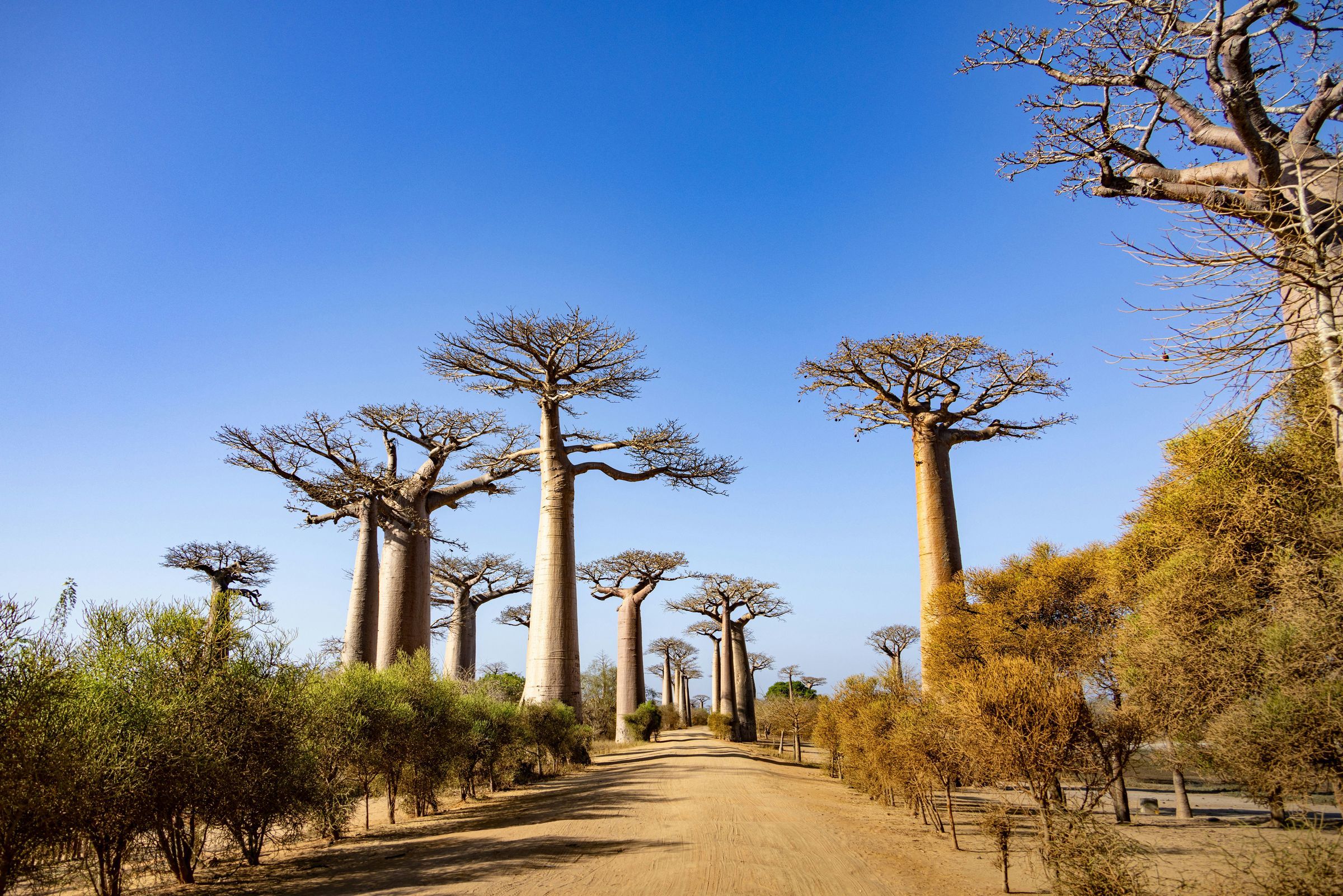
All four are private, with your own vehicle and driver-guide, and any of them can be reshaped.
For a different island finish, our Nosy Be guide explains the north-west. Compare the actual boat plans and weather exposure before choosing between the coasts.
Pack for winter mornings and summer afternoons. The things July adds to the usual list:
Check the baggage allowance on each ticket, particularly if you use domestic flights. Our packing guide has the full list.
Send your dates through the booking form or on WhatsApp, and we'll tell you what's still open in July. A real person in Antananarivo replies, usually within 24 hours.
Photos: Marcelo Delgado and Rafael Peier on Unsplash.
Yes, for most trips. It's in the cool, drier season and usually suits the western and southern routes. The Tsingy's access still needs local confirmation, and humpbacks are in season off Sainte-Marie. The catches are cold highland nights and rain on the east coast. It's busy too, so book early.
July falls in the cool, drier season. The highlands can be cold at night, while the west and south-west are usually much drier than the eastern coast. Andasibe can have rain in any month. Pack a warm layer as well as rain protection if your route includes the east.
Highland evenings and early mornings can feel cold, particularly in Antsirabe and on rainforest walks. Coastal stops feel different, so use layers rather than packing only winter clothes. Ask about the accommodation if warm bedrooms and reliable hot water matter to you.
Yes, in season. Humpback whales are in the channel off Île Sainte-Marie from July to September, and the first usually arrive in June. off Nosy Be humpbacks have been recorded from late July. Mothers with calves are more common later in the season, so August is usually better for calves. Whales are wild animals, so no one can promise a sighting.
Yes. July and August are the busiest months, because of the European summer holidays. Flights cost more, accommodation can cost more, and places of every kind book out months ahead. Book as early as you can, or go in June, which is quieter.
Private trips with your own vehicle and driver-guide. Every one can be reshaped around your dates.
The classic route done properly: Andasibe, Ranomafana, Anja's ring-tailed lemurs, the canyons of Isalo and the reef at Ifaty.
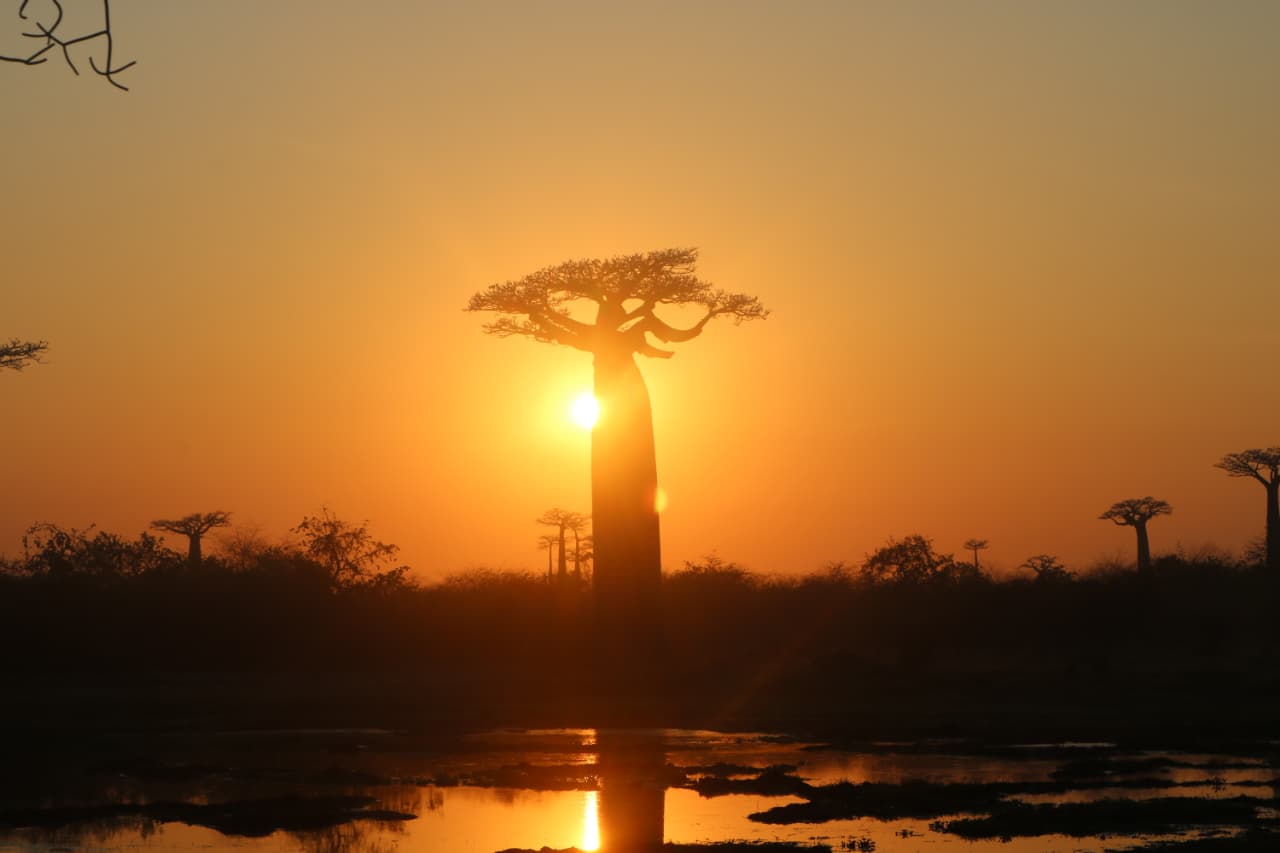
Sunset on the Avenue of the Baobabs, a night walk in Kirindy, the Grand Tsingy hike and a canoe on the Manambolo River.

Indri at Analamazaotra, the Palmarium's approachable lemurs, boat rides on the Pangalanes Canal, then island time on Sainte Marie.
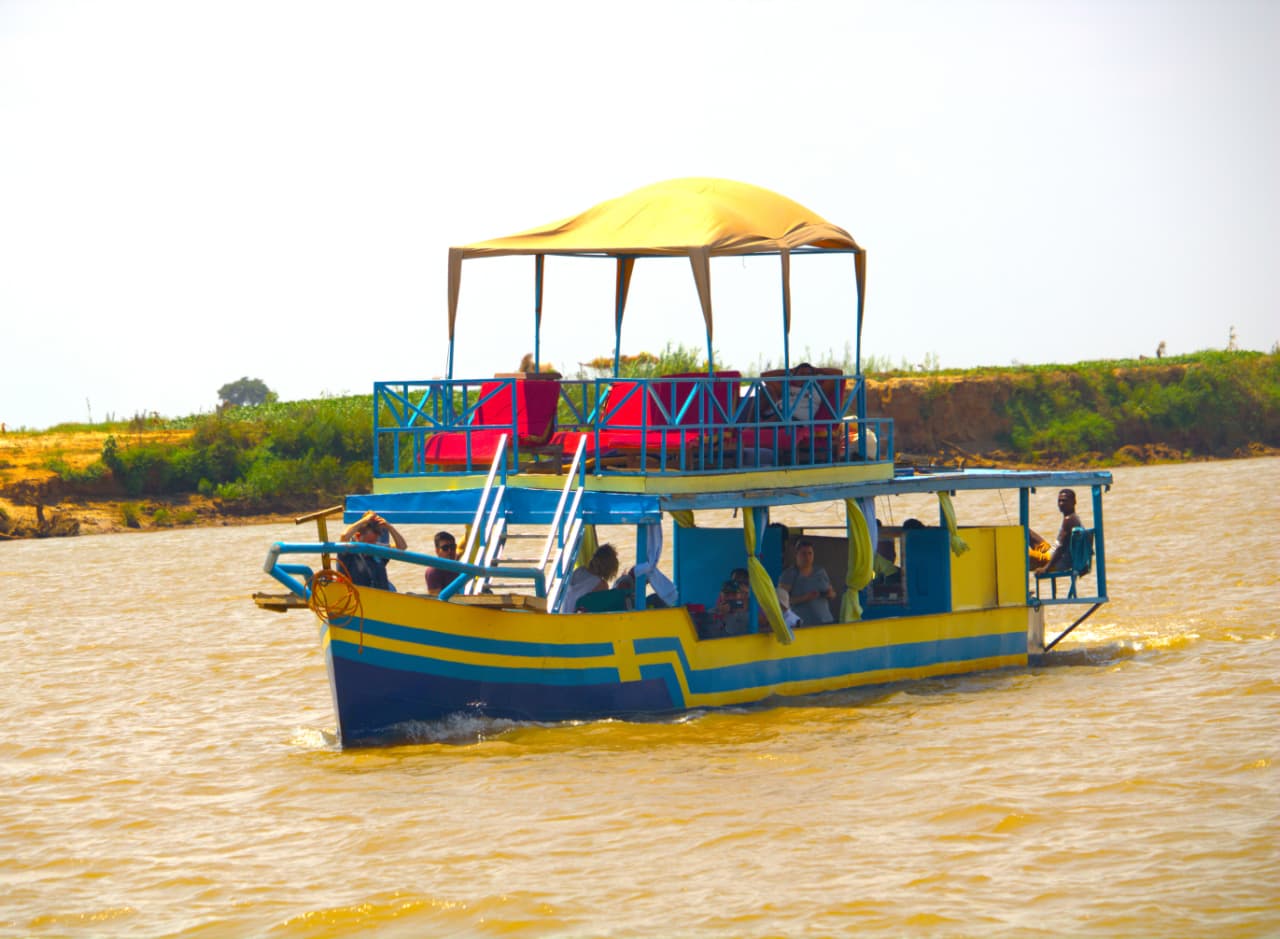
Four days drifting down the Tsiribihina with camps on the riverbank, then the Grand Tsingy, Kirindy's nocturnal forest and the baobabs.
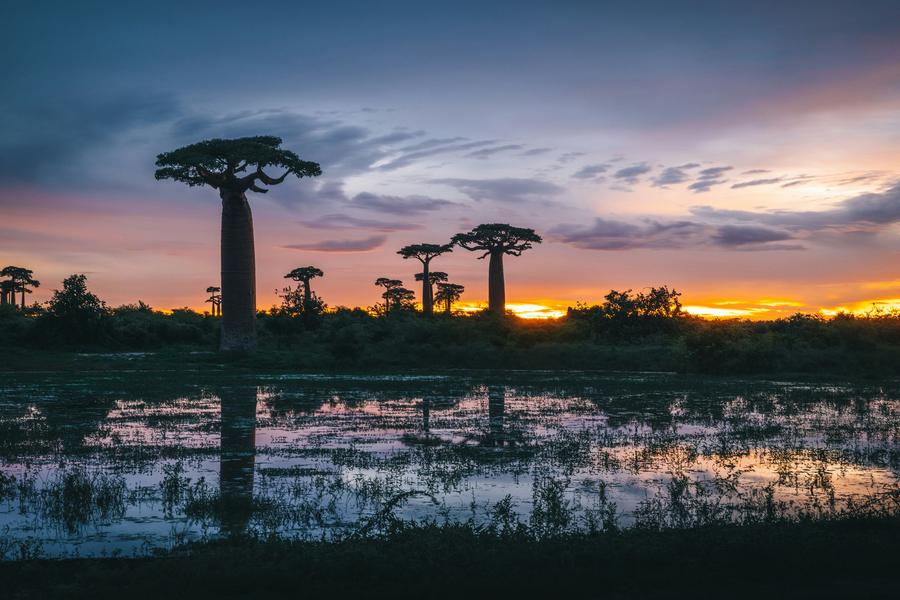
Month by month and region by region: dry roads, cyclones, the Tsingy's short season, whales, lemur babies, birds and chameleons.
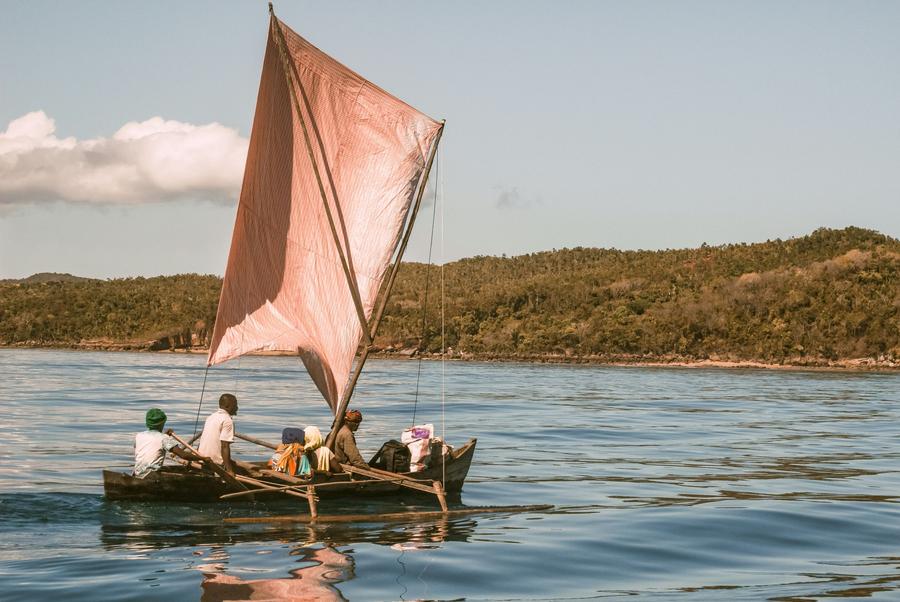
August region by region: dry roads and open parks, whale calves off Sainte-Marie, the wind at Diego's bays, lemur babies, peak-season prices and what to book first.
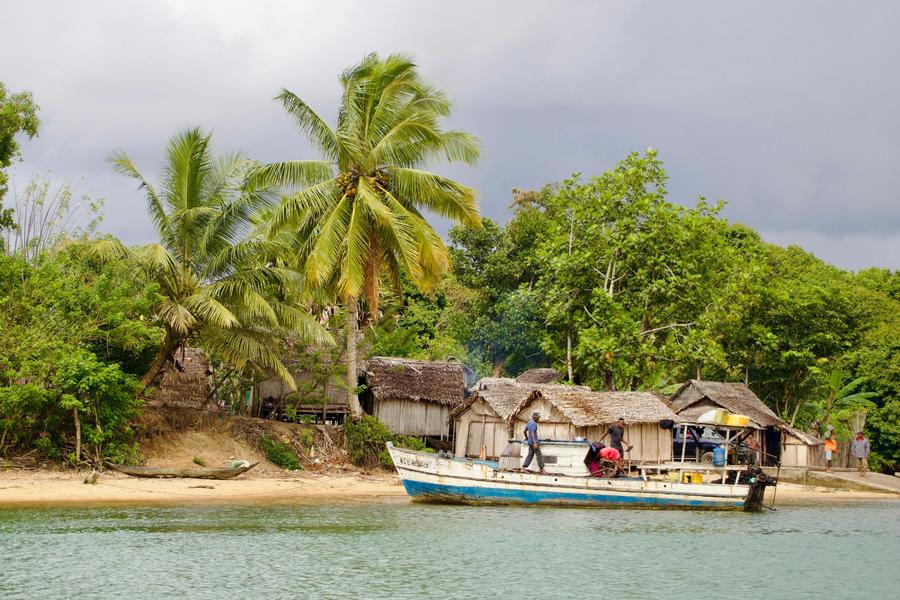
Whale season and the rules boats follow, Île aux Nattes and the pirate cemetery, the rain and cyclones, the flight or the boat, and how many nights to give Sainte-Marie.

Clothes for each region and month, shoes for the Tsingy and Isalo, night walks, malaria, boats, plugs and power cuts, the domestic flight limit, and what to leave at home.

Send your dates and a rough idea. We reply within 24 hours with a written itinerary and a firm price. No deposit to ask a question.