
11 days · South

Classic South, Expanded Version
The classic route done properly: Andasibe, Ranomafana, Anja's ring-tailed lemurs, the canyons of Isalo and the reef at Ifaty.
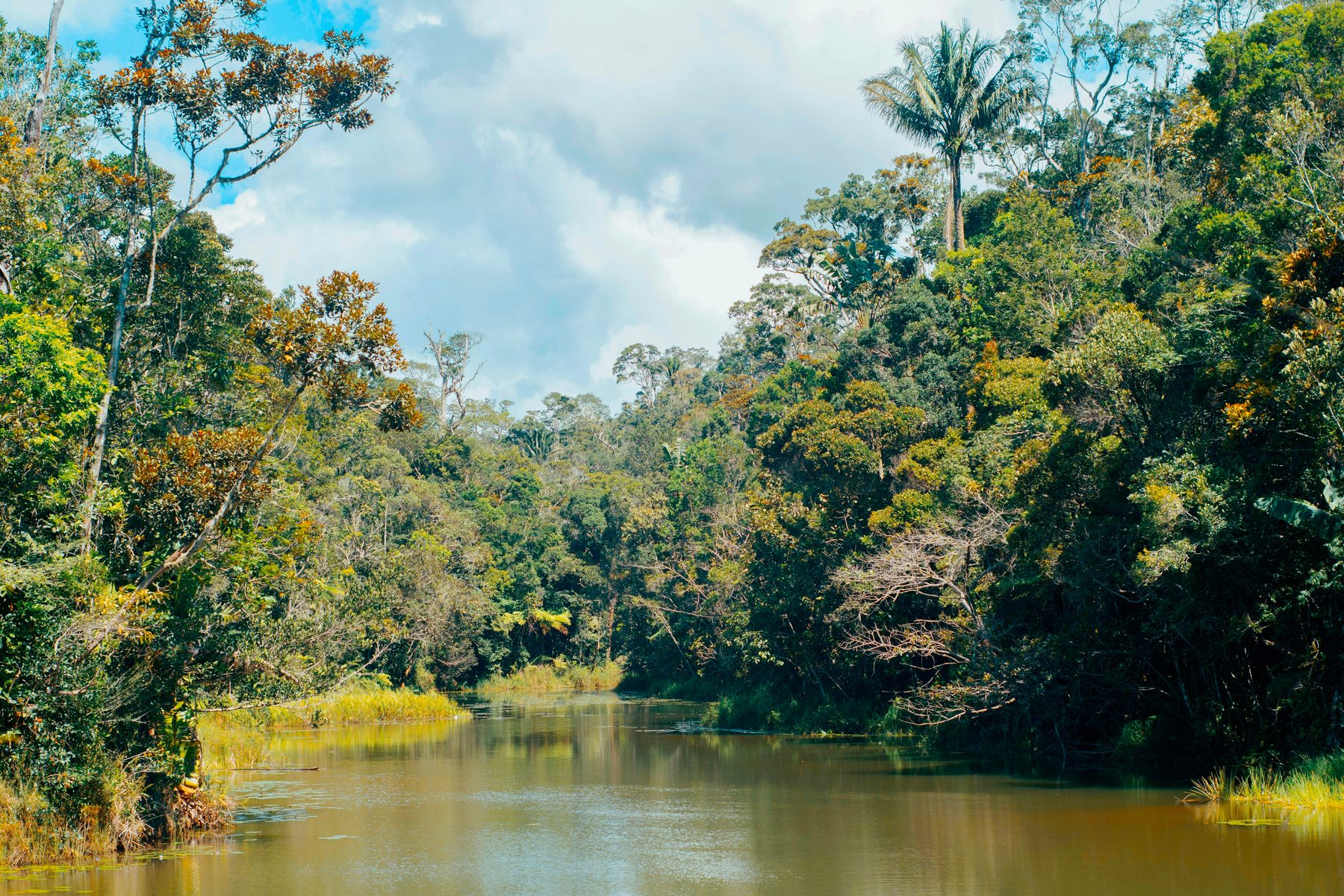
Ranomafana is the rainforest on the road south. Which lemurs live there, how steep and wet the trails are, where guided night walks run, what the park costs, Centre ValBio and the hot springs, and how many nights to give it.
Ranomafana National Park is a steep, misty rainforest in south-east Madagascar, about 65 km by road from Fianarantsoa and east of the RN7. The golden bamboo lemur was discovered here in 1986, and the park has 14 lemur species in all, Milne-Edwards' sifaka and two more kinds of bamboo lemur among them. Give it two nights: a night walk on the evening you arrive, then a full morning in the forest with a local guide.
That's how our two set trips here do it. The Classic South stops here on days 4 and 5 on its way down the RN7, and the Ultimate Madagascar Adventure on days 17 and 18, coming back north. Both are private, with your own vehicle and driver-guide.
On a trip down the RN7, yes. It's the one big rainforest on the way south, and two of its three kinds of bamboo lemur live in very few other forests. It's much further from Antananarivo than Andasibe and the walking is steeper, but if you're driving south anyway, it's a side trip, not a separate journey.
The park exists because of a lemur. In 1986 the primatologist Patricia Wright came here looking for the greater bamboo lemur, one of the rarest lemurs. Her team found it, and also found a bamboo lemur no scientist had described: the golden bamboo lemur. She worked with the Malagasy government to protect the forest, and Ranomafana opened as Madagascar's fourth national park on 31 May 1991.
It covers 43,550 hectares of mountain rainforest, roughly 500 to 1,500 m up, with the Namorona river running through it. It's one of six parks that make up the Rainforests of the Atsinanana, a UNESCO World Heritage Site since 2007. In 2010 the site went on the List of World Heritage in Danger, mainly over illegal logging of precious woods and the hunting of lemurs. The World Heritage Committee took it off that list on 9 July 2025.
Madagascar National Parks counts 14 lemur species in Ranomafana. These are the ones people come for:
Black-and-white ruffed lemurs and the aye-aye live here as well, but don't count on either.
Park guides usually know where the bamboo lemur groups have been feeding, so with an early start you have a good chance of the golden bamboo lemur. No one can promise it. For the rest of the island, see where to see lemurs in Madagascar or our lemur safari page.
The park's bird list runs to 125 species, among them the shy brown mesite. If birds matter to you, ask about a birding guide.
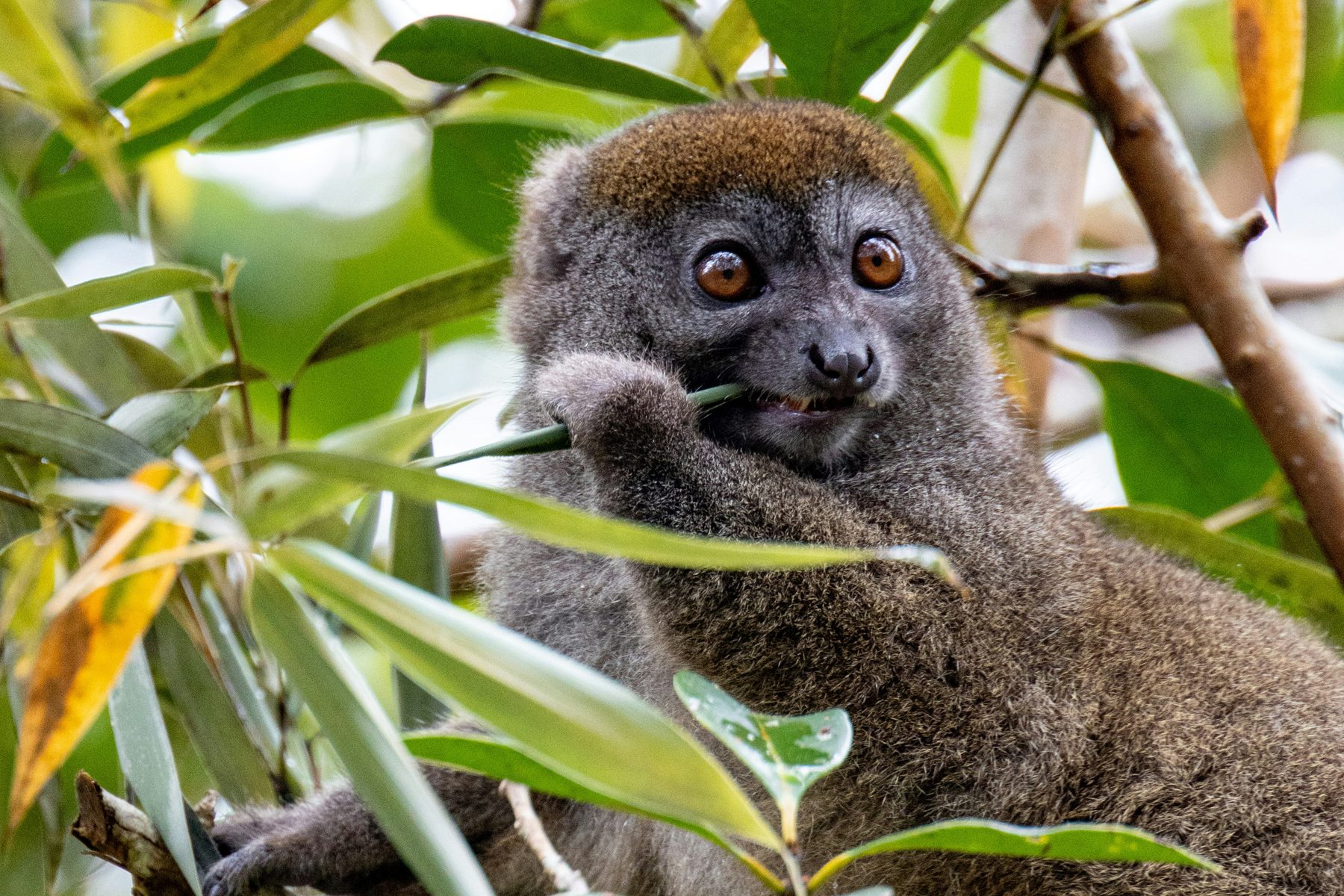
You can only walk in the park with a local guide, hired at the park office and included on our trips. Most visits start near Centre ValBio on the Talatakely trails, where the first research camp was. The paths there are well made, with a lot of steps, and the Belle Vue viewpoint is the place to stop for breath and look out over the forest.
Most people walk a circuit of three to four hours. Longer ones take a full day, and a few treks run two or three days, with campsites in the park.
The park is mountainous, and most trails climb and drop along long slopes, some of them steep. Rain is possible in any month, so the steps and the clay get slippery, and after rain the leeches come out. Their bites are harmless, but they itch.
What to bring:
If steep, wet steps worry you, ask your guide at the start for a shorter loop around Talatakely.
Tell us your dates and what you would like to see. We reply within 24 hours with a written itinerary and a firm price.
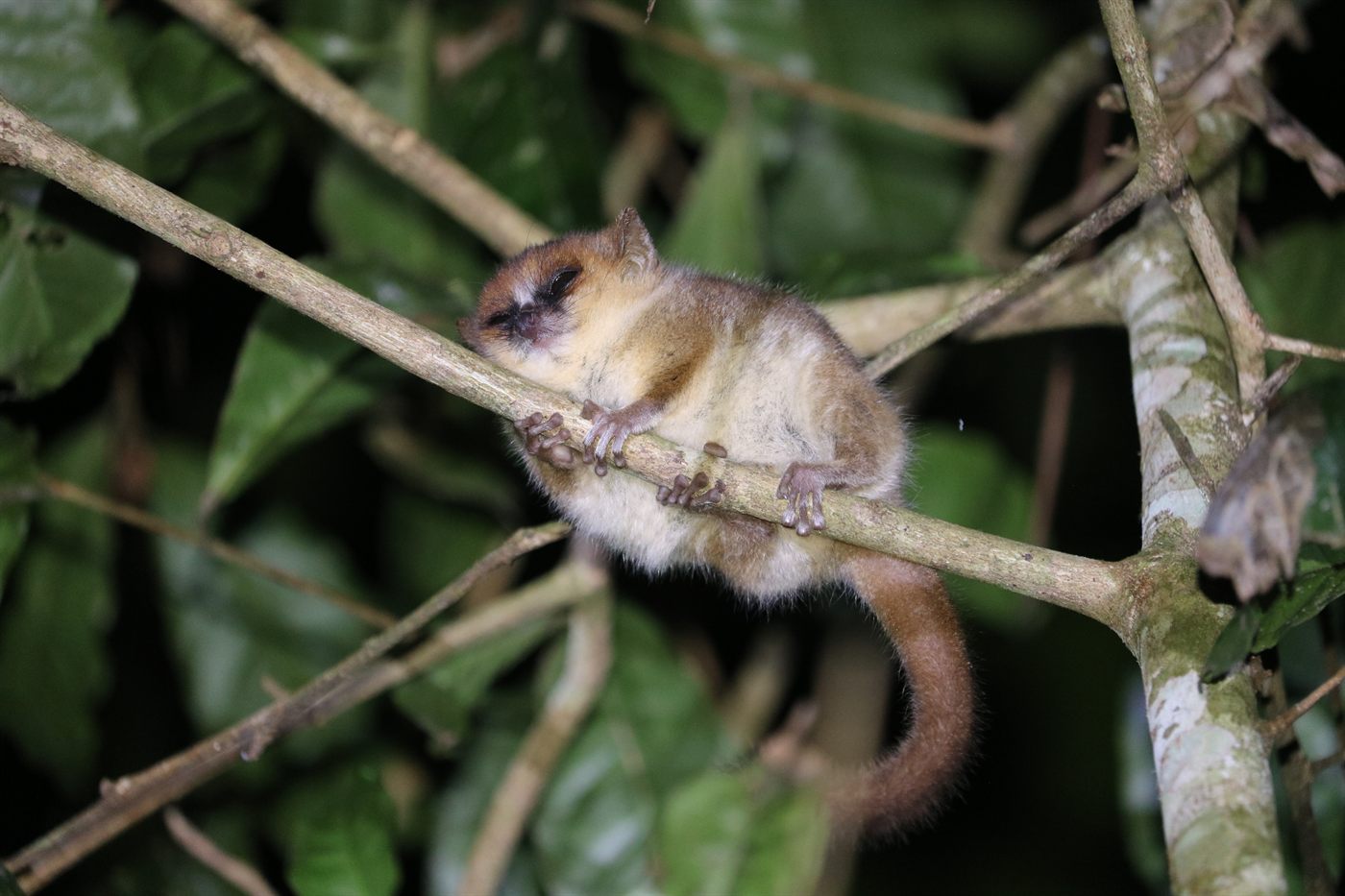
Night walks around Ranomafana often follow the forest edge outside the park. Our Classic South includes one on the evening you arrive, and the Ultimate starts its stay with a night walk too. Ask for the exact route when booking. Any visit inside the park after dark needs current authorisation from Madagascar National Parks; confirm the circuit, guide and fee rather than relying on an old timetable. Follow the guide's advice on lights and photography.
Look for brown mouse lemurs, whose eyes shine back in the torchlight, and chameleons asleep at the ends of twigs. Madagascar National Parks lists 101 amphibian species here, so there are frogs everywhere. With luck there's a leaf-tailed gecko. Mouse lemurs slip into spells of torpor from about May to September, so the walks are usually livelier from about September or October.
On the roadside walks, mouse lemurs are sometimes drawn in with a smear of banana on a branch, so if you'd rather see them without it, you can ask your guide not to put fruit out.
Centre ValBio is the research station Patricia Wright founded, a short walk from the park entrance. Its scientists work in the park, and it runs health and reforestation projects in the villages around it. On the full day of both our trips, lunch is there, and you hear about that work from the people doing it.
The village is named after its springs: rano mafana means "hot water" in Malagasy. The French built a spa around them, and the village still has an outdoor pool filled from the springs. Madagascar National Parks lists repairs to the old spa among its local projects, so ask your guide whether the pool is open. After a wet morning on the trails, it's an easy way to spend an hour.
In the afternoon both trips visit a vanilla plantation nearby. Each vanilla flower lasts about a day and has to be pollinated by hand, and the visit shows how that's done. Madagascar grows most of the world's natural vanilla, much of it in the north-east.
Ranomafana isn't on the RN7 itself. You turn east off it north of Fianarantsoa, and the village is on the RN25. The park entrance and Centre ValBio come first, about 7 km before the village.
The RN7 is paved, but a 2026 review of the main roads still found big potholes between Ambositra and Fianarantsoa, so allow for slow days. Road times for the rest of the island are in getting around Madagascar.
On the Classic South, day 4 stops in Ambositra, the capital of Malagasy woodcarving, for workshops in Zafimaniry carving, a craft on UNESCO's intangible heritage list. On day 6 you stop in the old upper town of Fianarantsoa on the way to Ambalavao and the ring-tails at Anja, then go on to Isalo. The Ultimate comes the other way, from Ambalavao through Fianarantsoa, and heads north to Antsirabe afterwards.
None of the UK, US, French or Canadian travel advice names Ranomafana itself, and all four warn about crime on the main roads, especially after dark. The UK advice reports gangs attacking vehicles travelling in convoy on the RN7 between Antananarivo and Toliara. Canada's reports armed attacks on the RN7 between Fianarantsoa and Toliara, especially at night, and says not to visit national parks alone. Ranomafana is north of that stretch, and both our trips drive it by day, over three days. In the park, a guide is compulsory anyway. More in Is Madagascar safe?
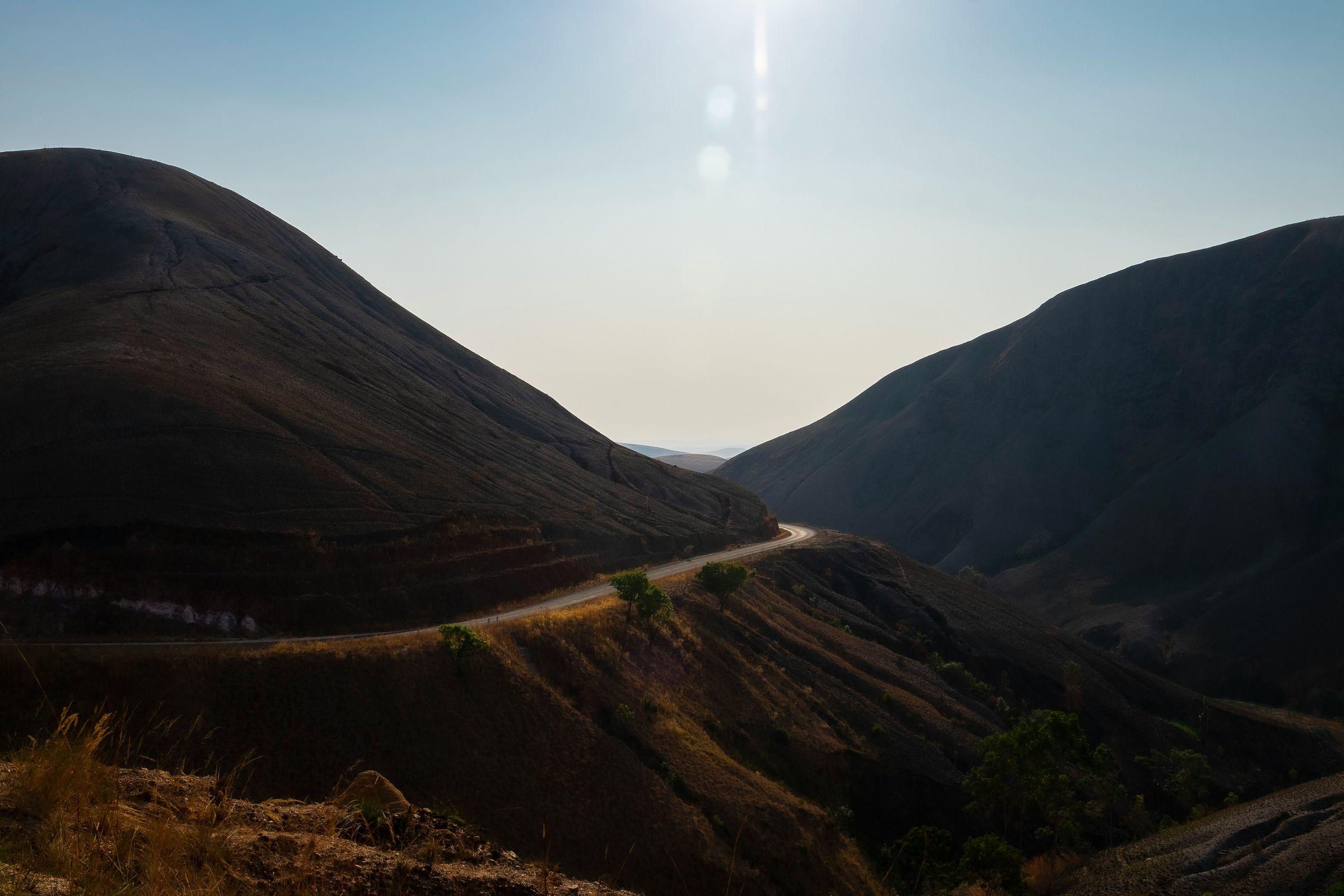
The park is open all year. Madagascar National Parks calls April to November the ideal time, and about 80% of the rain falls from November to April, with the heaviest downpours and the chance of a cyclone from January to March. June to August is cooler, with cold nights, and the end of July to early September is high season, when the hotels fill up. We'd aim for September to early November, when it's warming up and the main rains haven't arrived. More in the best time to visit Madagascar.
The Classic South, from €1,730 per adult for two or more, runs from Andasibe's indri down the RN7 to the reef at Ifaty, with Ranomafana on days 4 and 5. The Ultimate Madagascar Adventure, from €3,070, reaches it near the end of three weeks, after the west, the coast and Isalo. Both give Ranomafana two nights, with park fees and local guides in the price. For a third night, say so on the booking form or WhatsApp. A real person in Antananarivo replies, usually within 24 hours.
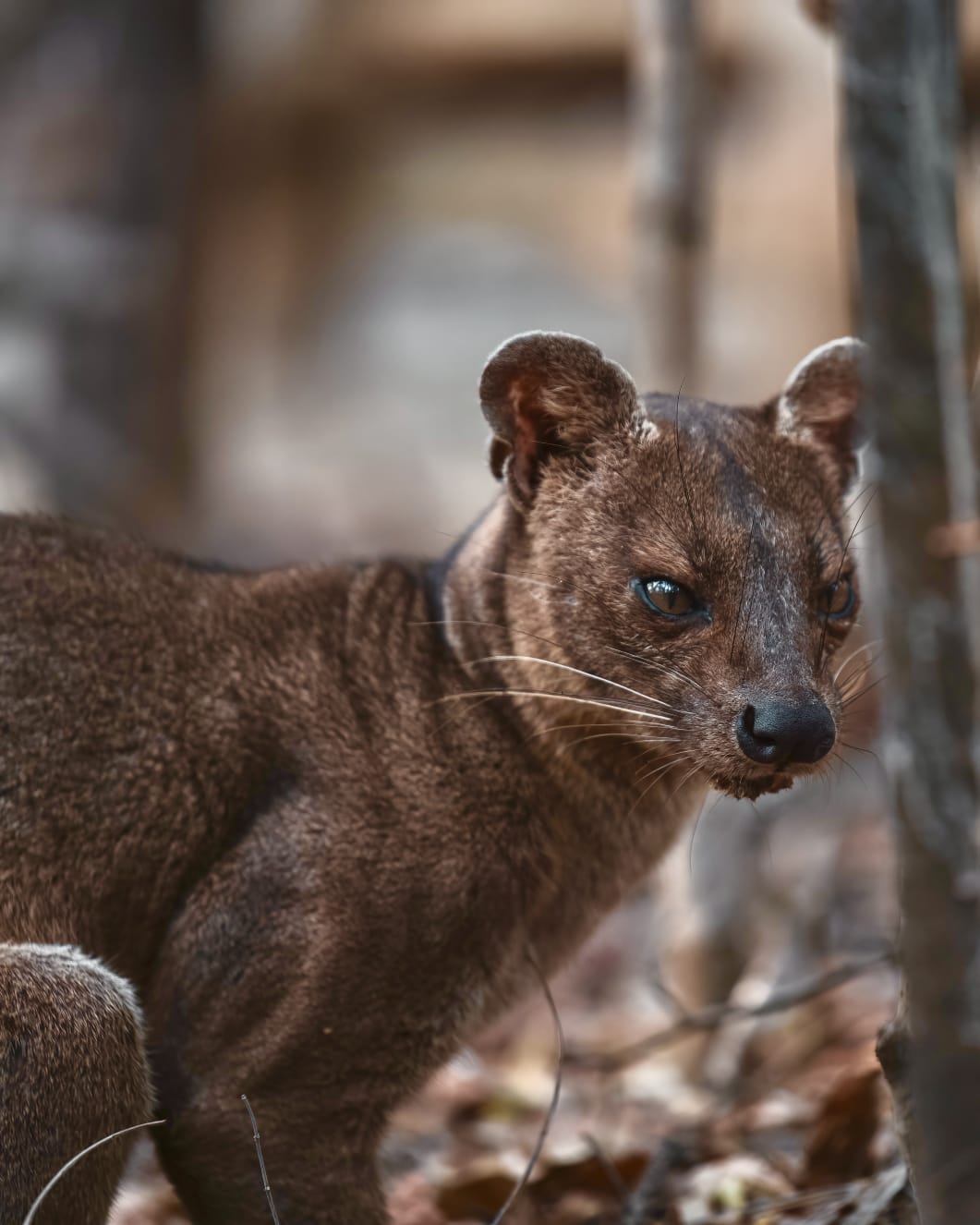
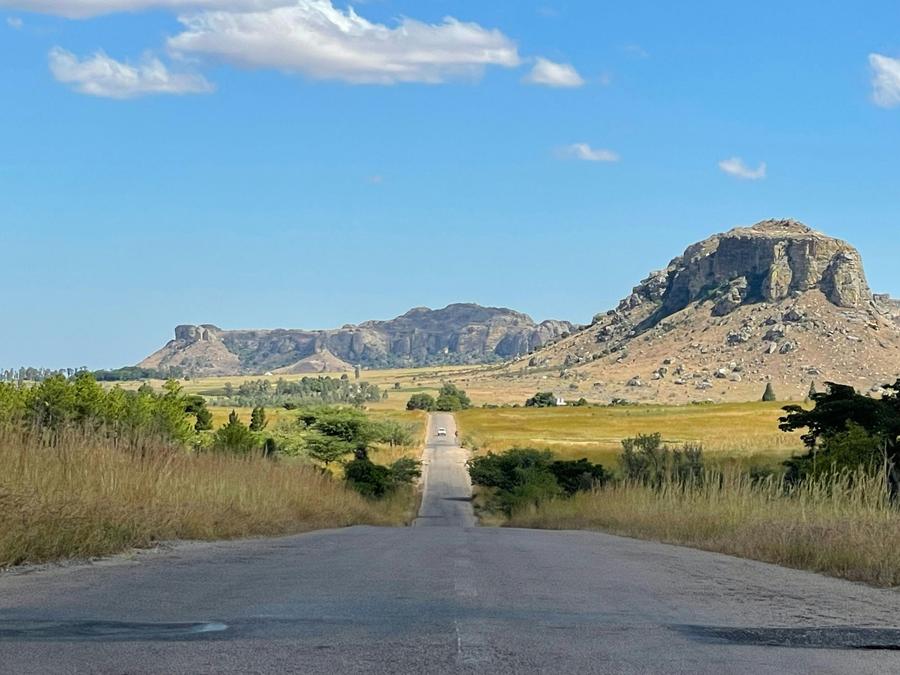
Photo: iAko Randrianarivelo on Unsplash.
Two nights suits most people: a night walk on the evening you arrive, then a full morning in the park and an afternoon for Centre ValBio, a vanilla plantation or the hot springs. One night is possible but rushed, because the drive from Antsirabe takes five to seven hours. Birders and keen walkers can use a third night for a longer circuit. Our Classic South and Ultimate Madagascar trips both stay two nights.
You have a good chance, but nobody can promise it. The golden bamboo lemur lives in very few forests, Ranomafana among them, and the park guides usually know where the groups have been feeding, so go out early with a local guide. Red-fronted brown lemurs and grey bamboo lemurs are the ones you're most likely to see. The far rarer greater bamboo lemur takes real luck.
Confirm current authorised circuits with Madagascar National Parks before booking a walk inside the park. Guided night walks also run along the forest edge outside the park, and our Classic South includes one on the evening you arrive. Ask where the walk takes place and which permissions and fees apply.
Harder than most people expect. The park is mountainous, and most trails climb and drop along long slopes, some of them steep. Rain is possible in any month, so the paths get slippery, and leeches come out after rain. If you can walk for three or four hours on steep, uneven ground, the main circuits are fine. Bring shoes with grip and a rain jacket.
Ranomafana is 410 to 430 km from Antananarivo, which is 10 to 12 hours of driving, so break the trip at Antsirabe. From Fianarantsoa it's about 65 km, two to three hours on a narrow, winding road. The park isn't on the RN7 itself but on the RN25, east of it.
At the time of writing, in October 2026, a foreign adult pays 55,000 ariary a day, about 11 euros, plus a park guide and a 5,000-ariary commune tax. Treat these as dated figures and confirm the current tariff for your visit. On our trips, park entrance fees and local guides are in the price.
Private trips with your own vehicle and driver-guide. Every one can be reshaped around your dates.
The classic route done properly: Andasibe, Ranomafana, Anja's ring-tailed lemurs, the canyons of Isalo and the reef at Ifaty.
Three weeks and nearly every landscape the island has: river cruise, Tsingy, baobabs, remote Vezo coast and the southern parks.
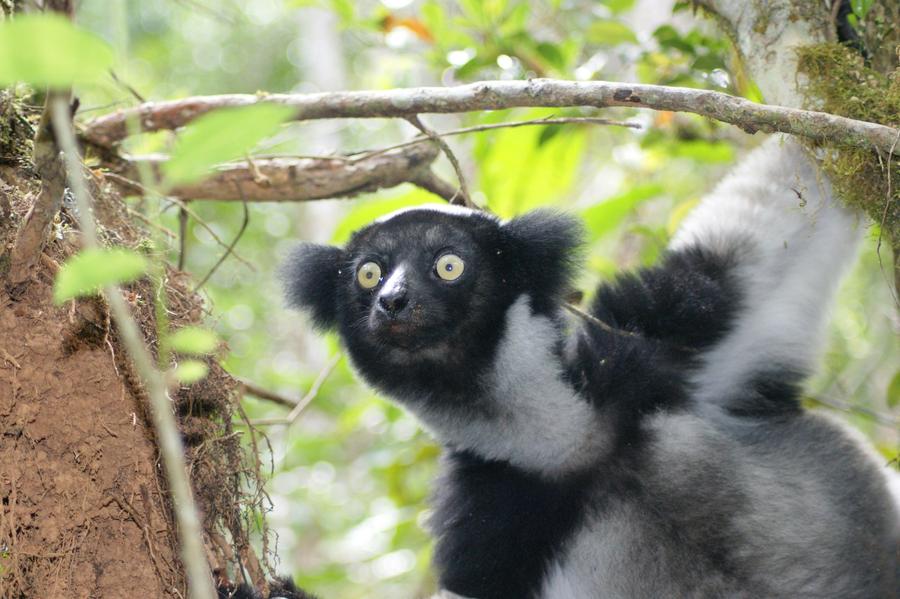
Indri, ring-tails, sifakas, the aye-aye and mouse lemurs: where each one lives, when to go, and how close you really get.
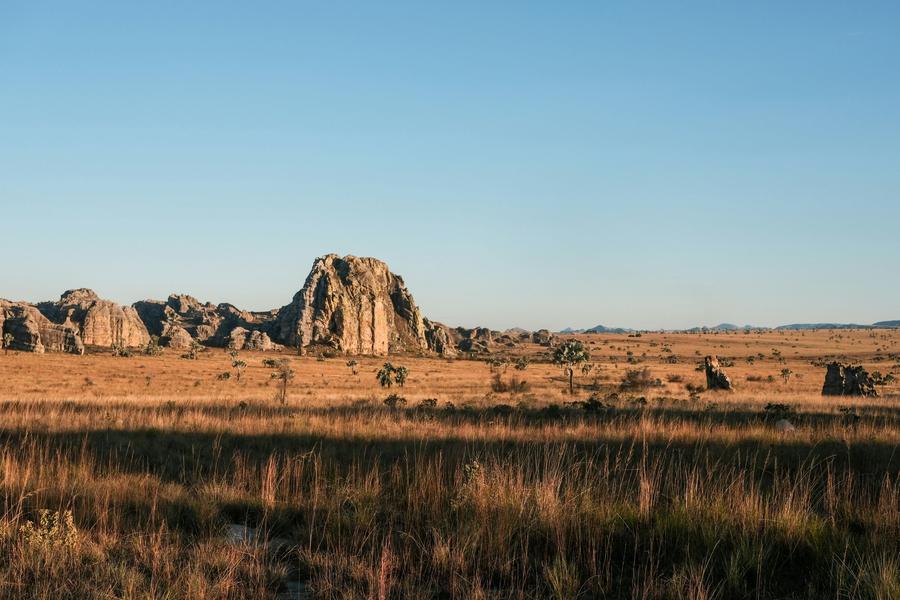
How the Isalo walks compare, how many days to give it, when the heat bites, the 2026 park fees and where it fits between Anja and the coast.
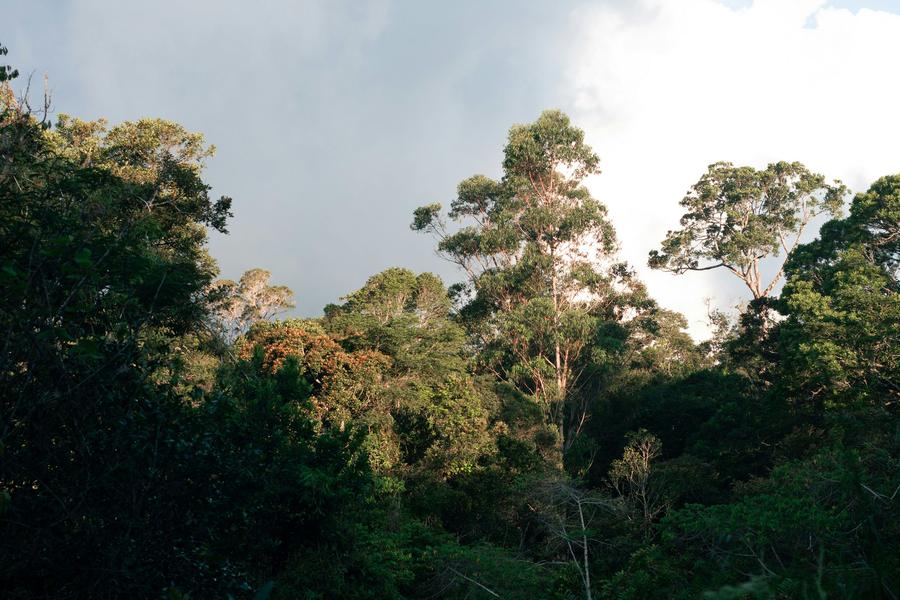
Where Madagascar's rainforest grows, how much is left, what lives in it, the forests you can walk in and how hard each one is, plus the leeches and the best months.
Antsirabe to Ifaty stop by stop: road-day allowances, optional visits, the flight back and how to fit the Classic South into your total calendar days.

Send your dates and a rough idea. We reply within 24 hours with a written itinerary and a firm price. No deposit to ask a question.