
10 days · West
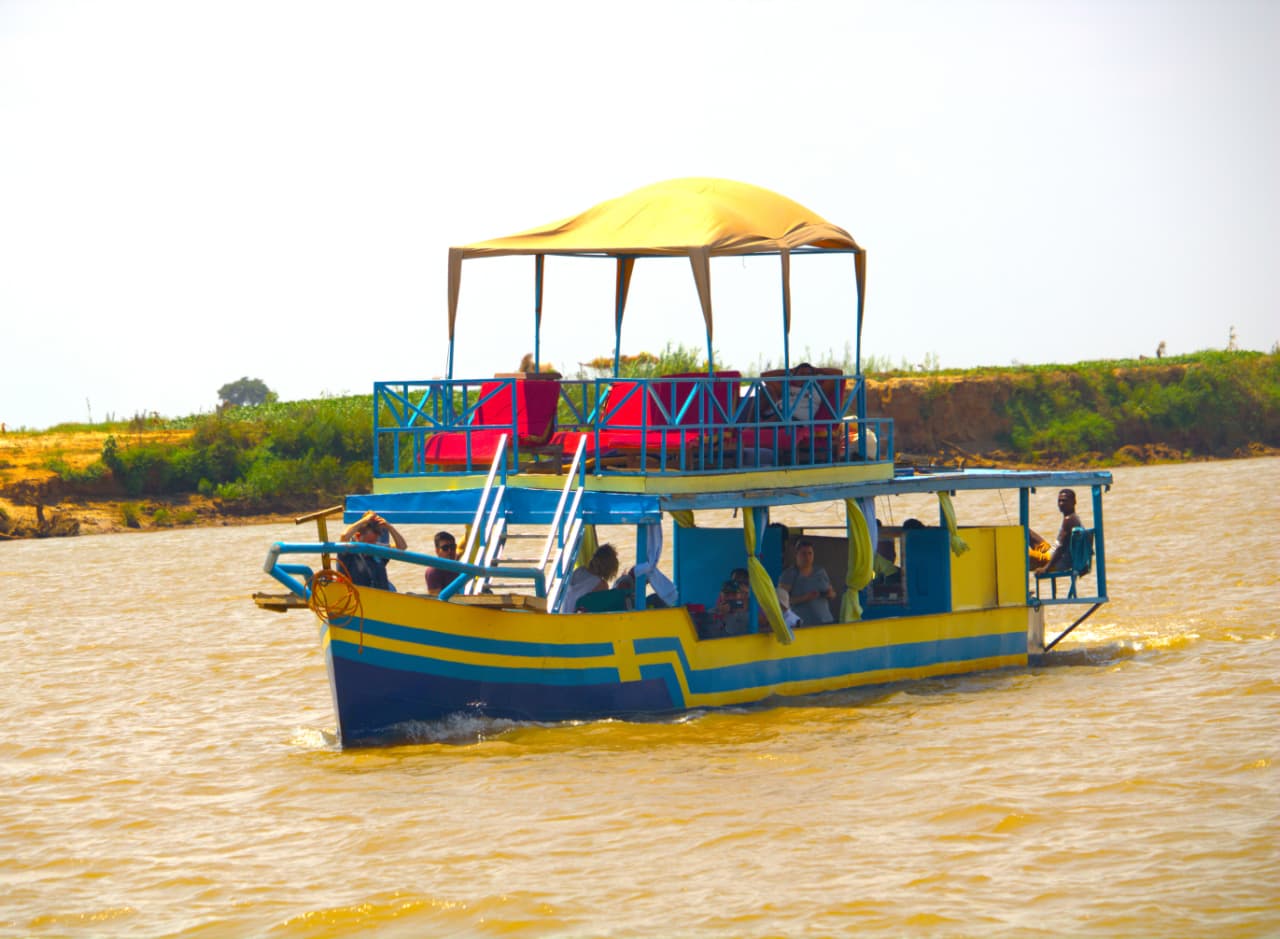
West Adventure: Tsiribihina River, Tsingy & Baobabs
Four days drifting down the Tsiribihina with camps on the riverbank, then the Grand Tsingy, Kirindy's nocturnal forest and the baobabs.
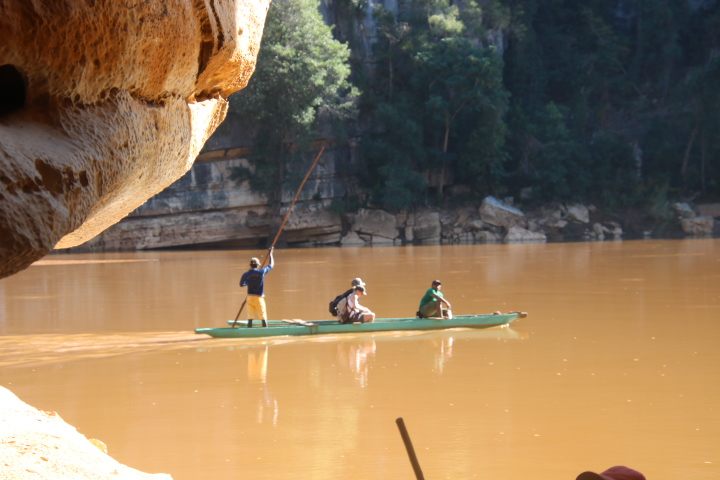
The river route west involves several days by boat and nights in camp. The UK Foreign Office currently advises seeking alternative routes after armed robberies on tourist boats. Read that advice before considering the published itineraries.
The Tsiribihina descent is a multi-day boat journey in western Madagascar, but the UK Foreign Office currently advises seeking alternative routes after armed robberies on tourist boats. The published river route runs roughly 140 to 150 km from near Miandrivazo towards Belo-sur-Tsiribihina. It usually takes three to five days. You sleep in a tent on the sandbanks, with a river crew and the camping gear arranged, and the days run at the speed of the current.
For most people the river is the scenic way to reach the Tsingy de Bemaraha. From Belo the route continues north by road to Bekopaka, the village at the park. Our 10-day West Adventure spends four days on the river and the 20-day Ultimate Madagascar three.
Check the current advice before considering this route. At the time of writing, the UK Foreign Office says armed criminals have boarded boats on the Tsiribihina and robbed the passengers, and it advises seeking alternative routes. Canada says to avoid the area. There's more on that below, and we can run either trip without the river.
The Tsiribihina forms where two rivers off the highlands, the Mahajilo and the Mania, meet on the plains to the west, and it runs about 150 km to the Mozambique Channel. Miandrivazo, the town where the trips start, sits on the Mahajilo at about 100 m above sea level. Antsirabe, where you'll have slept the night before, is at 1,500 m, and you feel the difference the moment you open the car door.
Most boats put in at Masiakampy, a landing about 35 km south of Miandrivazo. From there to Belo-sur-Tsiribihina is roughly 140 to 150 km, depending on the sandbanks and the channel the crew picks between them. Rough Guides gives three to five days for the trip, and Madagascar's tourism office describes a cruise of three days and two nights.
The river changes as it goes. In its middle stretch it cuts a gorge through the southern edge of the Bemaraha plateau, the same block of limestone that further north becomes the Tsingy. Below the gorge it spreads out, splits round sandbanks and wanders across the plain to a delta of mangroves and marshes near Belo.
Boat type changes the pace and comfort.
If the heat worries you, the barge is the easier choice. The 10-day page describes a boat descent with a river crew, so ask us which kind of boat your dates would use.
Mostly the banks, going by slowly. That's the appeal. The gorge is the dramatic stretch, where rock walls close in and side streams come down to the river, some of them over waterfalls. The tourism office names one, Nosy Ampela, reached on a short walk from the bank. Published itineraries also list natural pools and village visits. The CDC advises against swimming in untreated fresh water in Madagascar.
Wildlife is a bonus here rather than the reason to come. Our trip pages list herons, kingfishers and raptors, and occasionally lemurs in the riverside trees, and the 20-day page adds chameleons. None of it is promised. If lemurs are high on your list, Kirindy Forest, which both published itineraries visit after the Tsingy, is the better place to focus a forest visit, and our guide to where to see lemurs covers the rest of the island.
The river is also a working place. Around Miandrivazo most people farm, rice first and tobacco as the cash crop the area is known for, and you'll pass fields, villages and zebu on the banks all the way down. When the boat stops at a village, let the crew lead, and ask before you photograph anyone.
Tell us your dates and what you would like to see. We reply within 24 hours with a written itinerary and a firm price.
You sleep in tents pitched on the sand. On most organised descents, Rough Guides says, meals and bottled water are included and other drinks are extra. On our 10-day trip the camping equipment and river crew are arranged, and the page describes "simple meals and the relaxed rhythm of river life", but lunches and dinners are listed as not included, so ask us how meals on the river work. On the Ultimate, the cruise includes camping and meals.
There's no shower on a sandbank, and by the third day you'll feel it. Bring wet wipes, a quick-drying towel and clothes you don't mind getting grubby. Our trip pages list natural pools, but the CDC advises against swimming in lakes and rivers in Madagascar because of schistosomiasis, a parasite that gets in through the skin.
Then there's the heat, with the sand throwing the glare back up at you. A wide hat, long sleeves, high-factor sun cream and a refillable bottle matter more than anything else in your bag, along with a headtorch, because camp goes dark fast. Malaria is present along the river, as almost everywhere outside Antananarivo, so read our vaccinations and malaria guide before you go, and keep repellent by the tent. At night, keep the tent zipped and your bags closed, and shake out your shoes in the morning. Our guide to dangerous animals in Madagascar explains why.
River descents are described as dry-season trips. Rough Guides says trips are normally feasible from May to September, and that they get slower and harder as the water drops towards the end of the dry season. Once the rains start in November, flash floods and rising water end the season until the next year.
Our trip pages give May to November as the season for both river trips. Early in that window there's more water under the boat. Later the river is lower, so if you're looking at October or November, ask us how the river is running that year before you book. Don't plan the combined river and Tsingy route during the wet months from December to April: rising water and road access can make it impractical. Our best time to visit guide goes through the rest of the year.
Here is where the advice stands in October 2026.
We won't tell you that advice is wrong. If your government says to avoid the river, take it seriously, and check that your travel insurance covers the trip before you book. If you'd rather skip it, the west works perfectly well without it: fly from Antananarivo to Morondava and join the route there, which is how our 5-day West trip runs. You keep the Tsingy, Kirindy and the baobabs. For a new booking, we'd discuss an alternative to the river while that advice remains in force. Our safety guide has the wider picture.
The river ends at Belo-sur-Tsiribihina, a town near its mouth, and both trips carry straight on by road. On the Ultimate you reach Belo for lunch on day 5 and continue by 4x4 to Bekopaka. The road is the second half of the dirt track north from Morondava, the RN8, with a ferry over the Manambolo near Bekopaka. It's slow and dusty, and it ends at a hotel bed, which after a few nights on the sand feels like luxury.
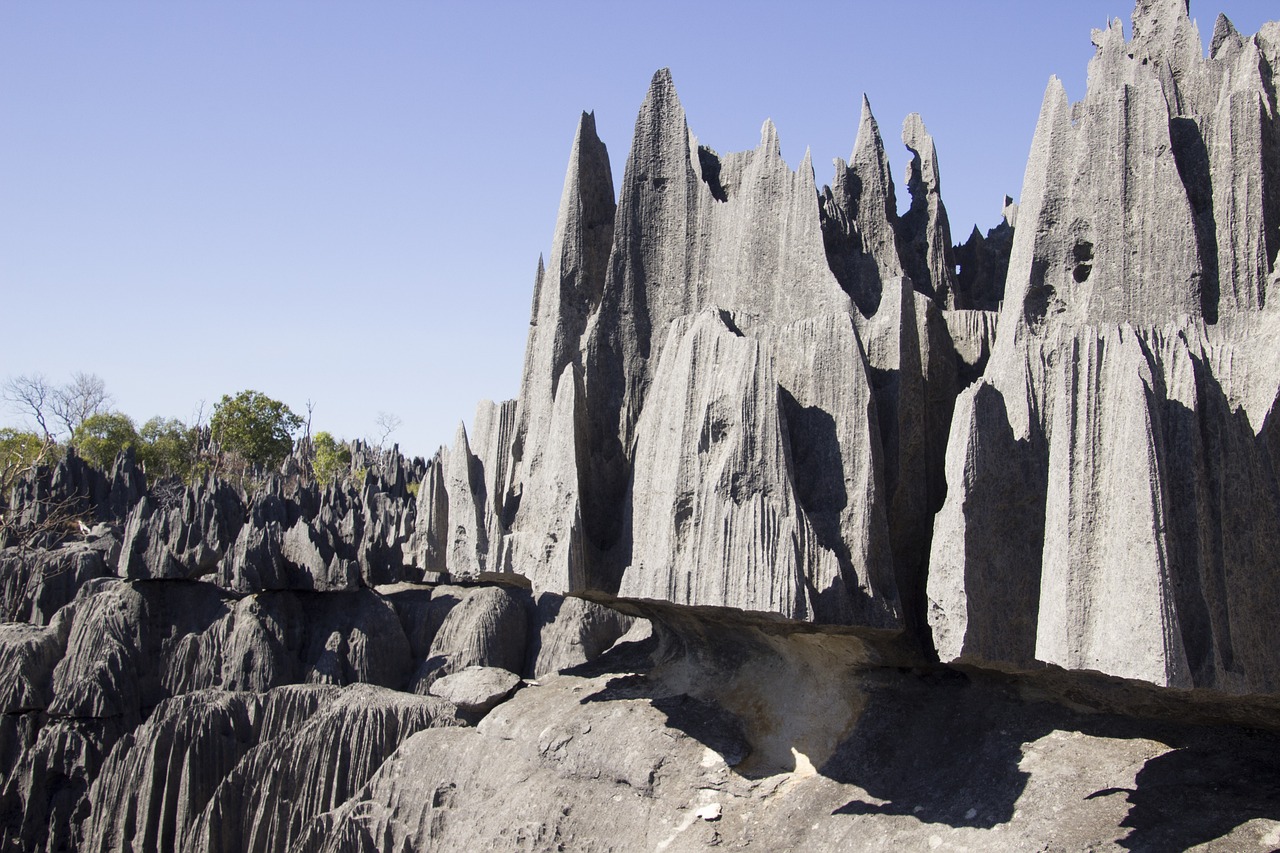
Next morning is the Grand Tsingy, started early to beat the heat: ladders, narrow passages and suspension bridges through blades of limestone. It's the most physical day of either trip, and our Tsingy de Bemaraha guide explains what the circuits involve.
Then both trips drive back south, over the Tsiribihina by ferry at Belo, to Kirindy Forest. The night walk there looks for mouse lemurs, sportive lemurs and, possibly, the fossa, and our fossa guide explains why Kirindy is one of the better places to try. Then comes Morondava and the Avenue of the Baobabs.
The river suits people who like camping and slow days, and who are happy to trade a few nights of comfort for a stretch of the country you can't see from a road. It's a different pace from a road journey, with long hours to read or watch the banks.
Skip it if you need a shower and a bed every night, if you struggle in strong heat, or if getting in and out of a boat onto soft sand would be hard for you. Skip it if the travel advice puts you off, which is a sensible reaction. And with only a week or so, the river's days are better spent elsewhere.
Both are private, with your own vehicle and driver-guide, and the price includes park entrance fees and local guides.
Either can be reshaped, with or without the river. Send your dates on the booking page or on WhatsApp, and a real person in Antananarivo replies, usually within 24 hours, with a written itinerary and a firm price.
Photo: Elle Leontiev on Unsplash.
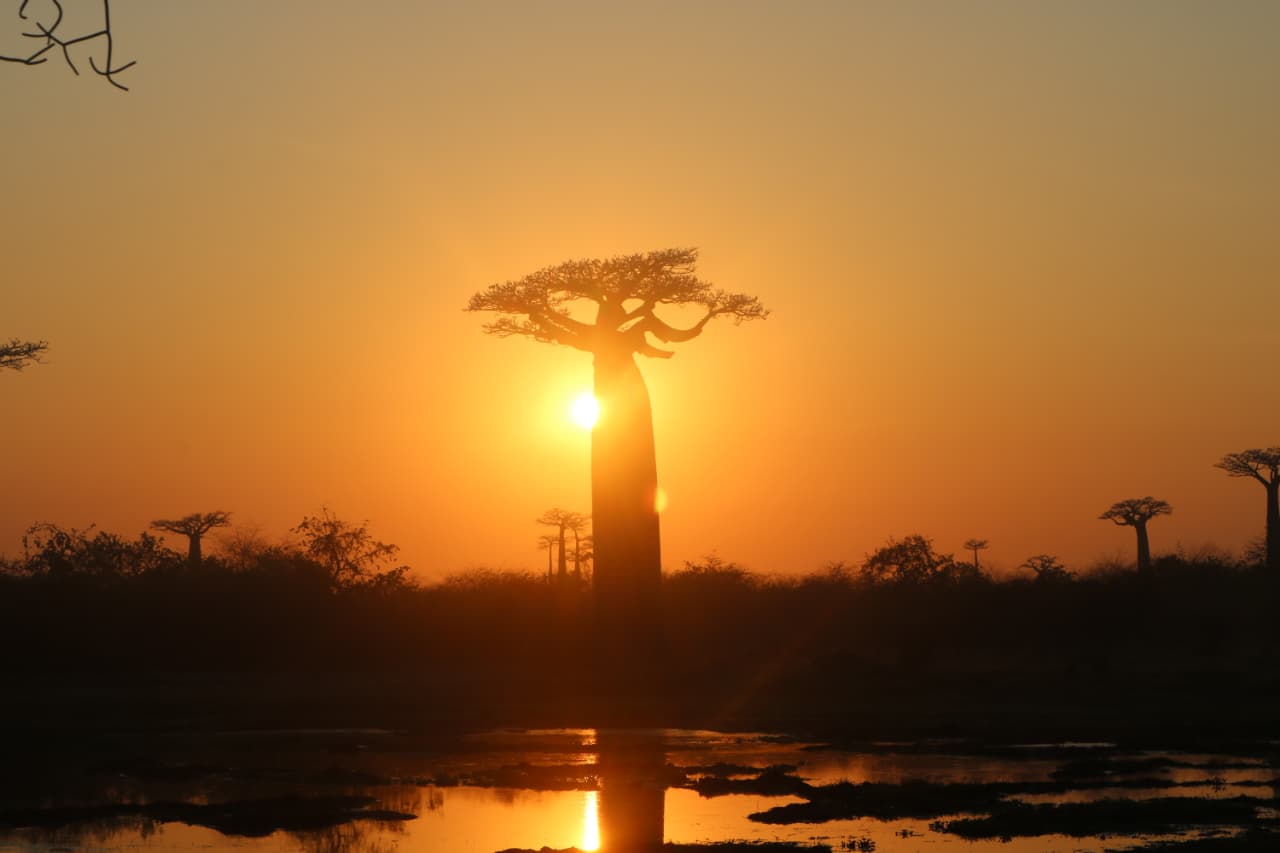
Usually three to five days on the water, covering roughly 140 to 150 km from Masiakampy, a landing about 35 km south of Miandrivazo, to Belo-sur-Tsiribihina near the coast. Our 10-day West Adventure spends four days on the river and the 20-day Ultimate Madagascar three, both carrying on by road to Bekopaka for the Tsingy de Bemaraha.
At the time of writing (October 2026), the UK Foreign Office says armed criminals have boarded boats on the Tsiribihina and robbed passengers, and advises seeking alternative routes. Canada says armed robberies have occurred against tourist boats there and advises avoiding the area. Check your own government's advice and your insurance before you book. If you'd rather leave the river out, you can fly to Morondava and join the western route there, as our 5-day West trip does.
In the dry season. Rough Guides says river trips normally run from May to September, getting slower as the water drops late in the season, and the rains from November bring floods that end the season. Our river trips are offered from May to November, so if you're looking at October or November, ask how the river is running that year.
In tents on the sandbanks along the river. There are no showers, and meals are simple. On our 10-day West Adventure the camping equipment and river crew are arranged for you, and on the 20-day Ultimate Madagascar the river cruise includes camping and meals.
Occasionally, in the trees along the bank, but they aren't the reason to go. Our trip pages list herons, kingfishers and birds of prey, and nothing is guaranteed. For lemurs, Kirindy Forest, which both our river trips visit after the Tsingy, is a far better bet: the day walk there looks for Verreaux's sifakas, and the night walk for mouse lemurs.
Private trips with your own vehicle and driver-guide. Every one can be reshaped around your dates.
Four days drifting down the Tsiribihina with camps on the riverbank, then the Grand Tsingy, Kirindy's nocturnal forest and the baobabs.

Three weeks and nearly every landscape the island has: river cruise, Tsingy, baobabs, remote Vezo coast and the southern parks.
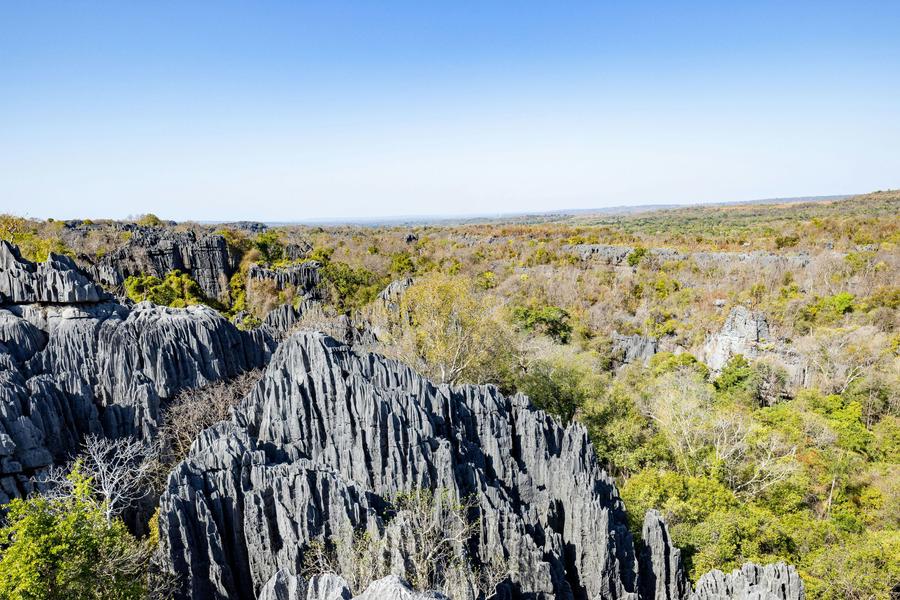
Grand or Petit Tsingy, the road from Morondava, the opening season, what the climbing involves and how many days to allow.
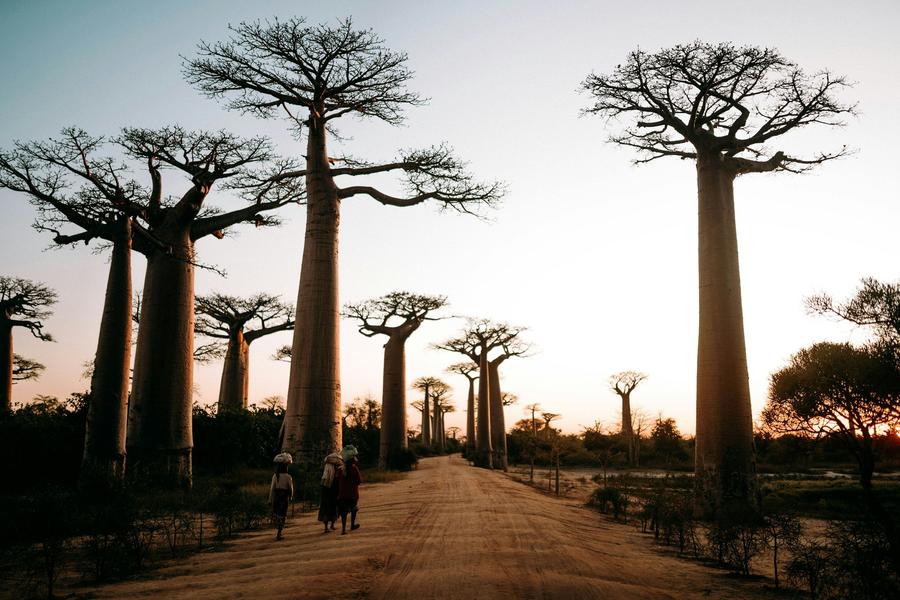
The flight or the long road in, Kirindy to the north, Belo-sur-Mer to the south, the beach the sea is eating, the dry months and how many nights to stay.
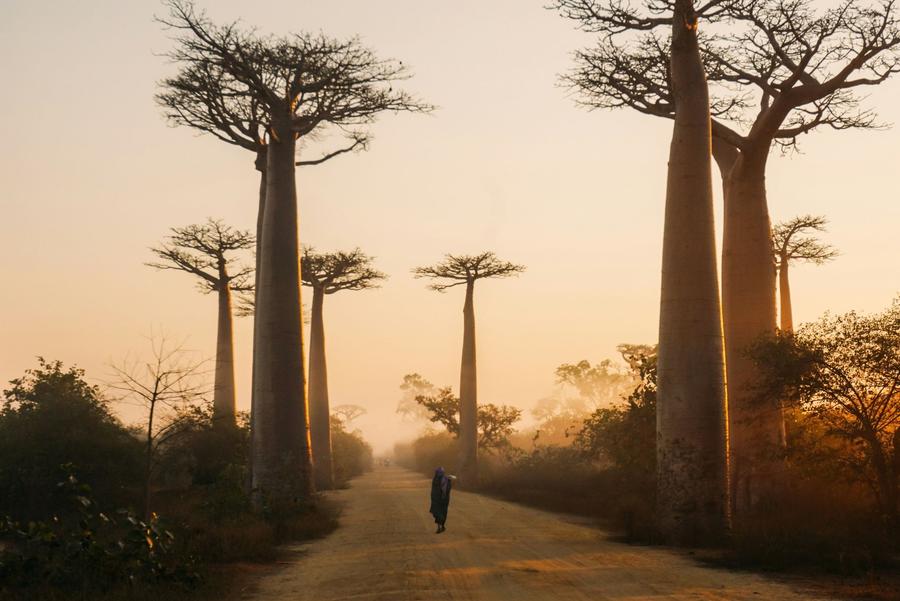
When to go, how to get to Morondava, what the rains change, and how to fit the Avenue in with Kirindy and the Tsingy.

What the fossa is, where and when you have a real chance to see one, and how Kirindy Forest fits between the baobabs and the Tsingy.

Send your dates and a rough idea. We reply within 24 hours with a written itinerary and a firm price. No deposit to ask a question.