
11 days · South

Classic South, Expanded Version
The classic route done properly: Andasibe, Ranomafana, Anja's ring-tailed lemurs, the canyons of Isalo and the reef at Ifaty.
How the park system works, then the parks visitors actually use, from Andasibe-Mantadia to Marojejy: what each one is for, where it is, how many days to give it, the months that suit it and which of our private trips goes there.
For a first trip, consider Andasibe-Mantadia for the indri, Ranomafana and Isalo on the road south, the Tsingy de Bemaraha in the west, and Montagne d'Ambre with the Ankarana reserve in the far north. Choose a region before individual parks. The network is run by Madagascar National Parks, which says it manages 49 protected areas, and every visit has to be made with a local guide.
Madagascar National Parks (MNP) manages national parks, special reserves and strict nature reserves. Ankarana is officially a special reserve.
A few rules hold in all of them:
Some wildlife visits happen in reserves MNP doesn't run. Vakona near Andasibe and the Palmarium on the Pangalanes are private reserves where habituated lemurs come close. Anja, near Ambalavao, is a 30-hectare community reserve run by a local association. They charge separately, and park fees and local guides are included in our trip prices.
Andasibe-Mantadia is the easiest rainforest park to reach from the capital: about 140 km from Antananarivo on the RN2, three to four hours by road. Analamazaotra has habituated indri families and shorter circuits. Mantadia, about 20 km north up a rough track, has steeper forest trails, diademed sifakas and black-and-white ruffed lemurs.
One night is the minimum, for a night walk and an early start with the indri. Two let you add Mantadia. It's open all year, and MNP calls May to October the ideal time for wildlife.
Our 2-day Andasibe trip (from €320 per adult) is built around it, the Eastern trip spends two nights here, and the Classic South starts here. All three use Analamazaotra, so for Mantadia, ask for the extra night. More in our Andasibe guide.
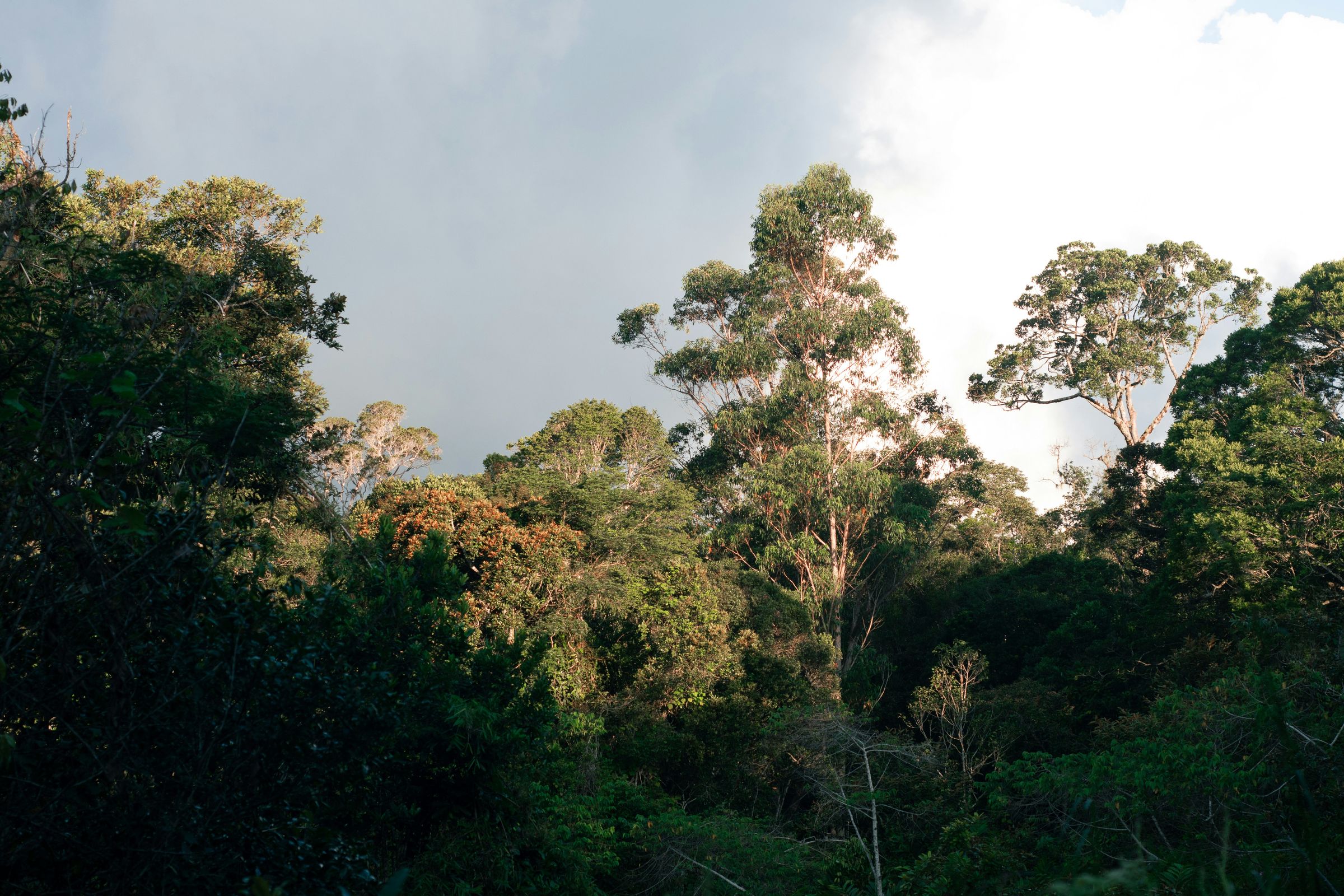
Ranomafana is steep, misty rainforest in the south-east, about 65 km from Fianarantsoa and 10 to 12 hours' drive from Antananarivo. The park was established in 1991, after the golden bamboo lemur was found here in 1986. Milne-Edwards' sifaka lives here too. The trails climb and drop on slippery slopes, so it's harder walking than Andasibe.
Give it two nights: a night walk when you arrive, then a morning in the forest. It's open all year, and we'd aim for September to early November, before the main rains. The Classic South spends days 4 and 5 here, the Ultimate Madagascar Adventure days 17 and 18. More in our Ranomafana guide.
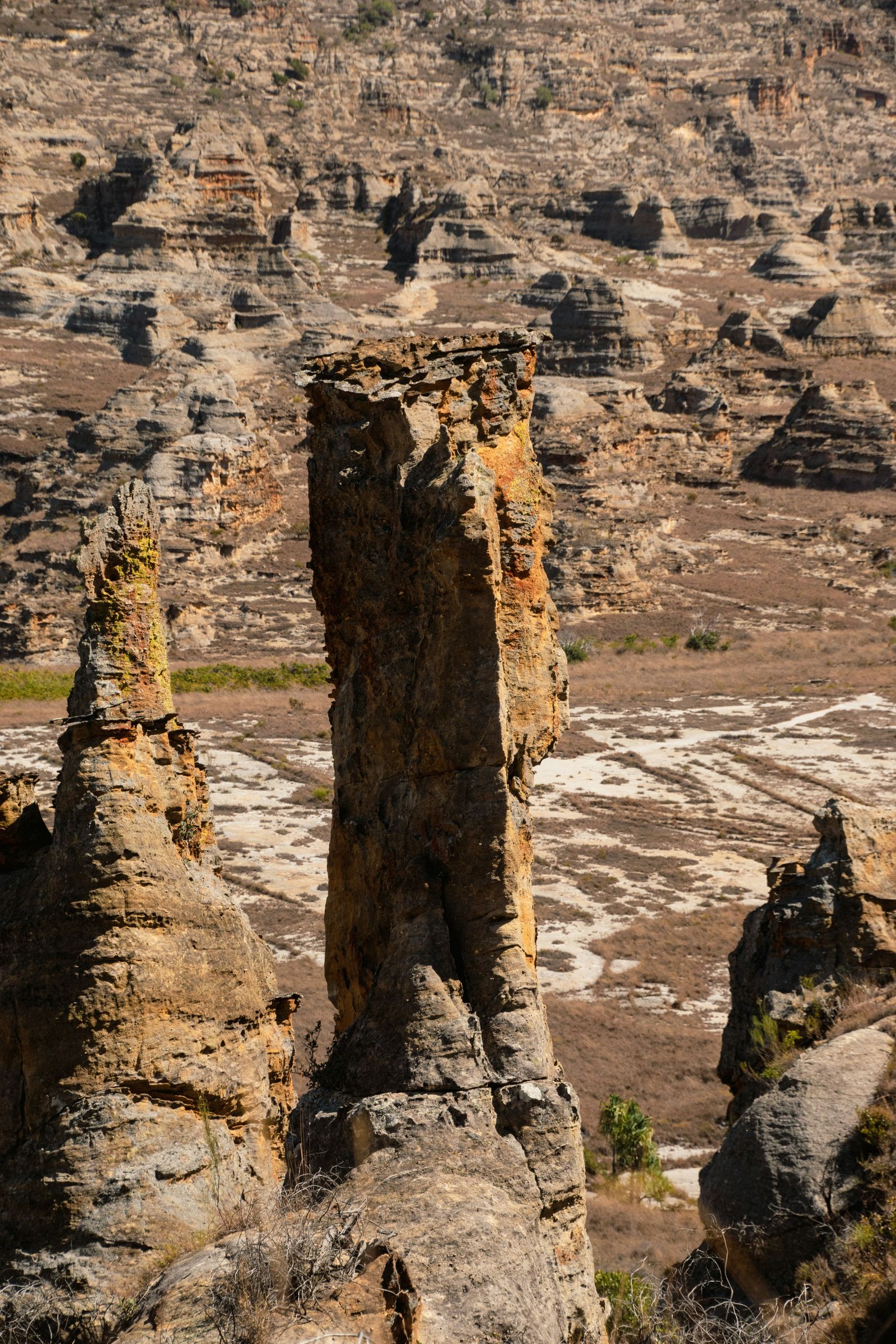
Isalo is a sandstone massif in the south, reached from Ranohira on the RN7, about 700 km from Antananarivo. It's a park for walking: canyons lead to palm-lined pools, and the Window of Isalo is a rock arch the sun sets through. MNP counts seven lemur species, and ring-tails and Verreaux's sifakas are often seen on the trails.
Two nights suit most people: the Window on the first evening, then a full day on the trails. It's open all year. May to September is the most comfortable, October and November the hottest, and in the rains France's travel advice warns against the canyons, especially in the afternoon, because of sudden floods.
The Classic South (from €1,730 per adult) gives it two nights, and so does the Ultimate. Which walk to pick is in our Isalo guide.
Between Isalo and the coast, the RN7 runs past this dry forest, 17 km north-east of Sakaraha. The draw is birds, Appert's tetraka above all, and the trails take half an hour to two and a half hours, best at dawn. It isn't a planned stop on our trips, but the Classic South drives this stretch on day 9, so ask whether a walk fits the driving day.
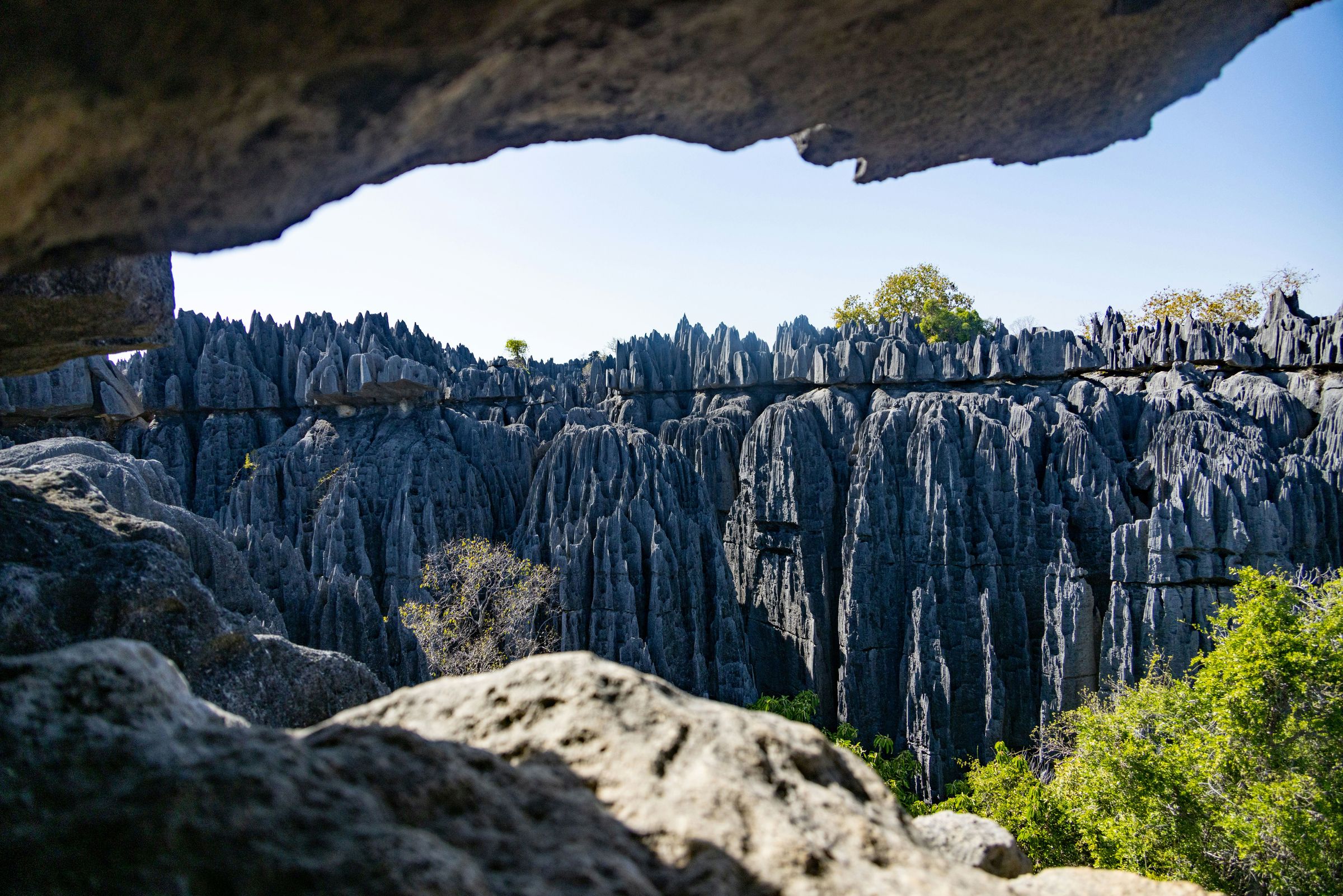
The Tsingy is a block of limestone weathered into knife-edged pinnacles, a UNESCO World Heritage Site since 1990. You stay in Bekopaka, about 200 km and 8 to 10 hours of dirt road north of Morondava, with two river ferries. The Grand Tsingy takes four to seven hours of ladders, fixed cables, narrow gaps and suspension bridges. The Petit Tsingy, by the village, is gentler. Decken's sifaka is the park's flagship.
Give it two full days, which makes four or five days from Morondava. It usually opens around mid-April, once the road has dried, and closes when the rains set in, usually in November. If the Grand Tsingy is the point, aim for June to mid-October, because parts of it often stay shut until about June.
All three of our western trips go: the 5-day loop from Morondava, the 10-day West Adventure (from €1,540 per adult) and the 20-day Ultimate. The two longer ones arrive by the Tsiribihina river, where at the time of writing the UK Foreign Office reports armed robberies on boats and advises seeking alternative routes. We can reshape either trip without the river (see our safety guide). The climbing and the road are in our Tsingy guide.
Tell us your dates and what you would like to see. We reply within 24 hours with a written itinerary and a firm price.
Kirindy Forest, about 60 km north-east of Morondava, isn't an MNP park. The German Primate Center has a research station there. By day you look for Verreaux's sifakas, at night for mouse lemurs, Madame Berthe's among them, the world's smallest primate at about 30 g. With luck, a fossa may also appear. All three western trips spend a night here, in the dry season.
Kirindy Mitea National Park is a different protected area between Morondava and Belo-sur-Mer, with mangroves and baobab forest. None of our set trips goes in. Check its access separately rather than booking it under the assumption that it is Kirindy Forest.
About an hour's drive south of Diego Suarez, Montagne d'Ambre is rainforest on an old volcano, with crater lakes and waterfalls. The forest feels cooler than the coast, so bring a layer. Look for crowned lemurs, Sanford's brown lemurs, chameleons and frogs.
A full day is enough, and MNP gives the whole year as a good time. Both north trips spend day 4 here: the 11-day Northern Madagascar trip (from €1,790 per adult) and the 12-day Northern Madagascar Adventure, priced on request.
Ankarana is 108 km south of Diego on the RN6: limestone tsingy riddled with caves and underground rivers, in dry forest, with ten lemur species, crowned lemurs among them. It's officially a special reserve, created in 1956. The eastern entrance is at Mahamasina, while the western entrance at Andrafiabe has seasonal access. Give it a full day.
Lokobe is a national park in south-eastern Nosy Be, protecting lowland humid forest. You go in by pirogue through the mangroves in the morning, then walk to look for black lemurs: only the males are black, and the females are chestnut to golden brown. May to October, Nosy Be's dry season, suits it best. Half a day is enough, on day 8 of both north trips. More in our Nosy Be guide.
These four need a separate extension to our set routes. Ask about the forest or walk that matters to you.
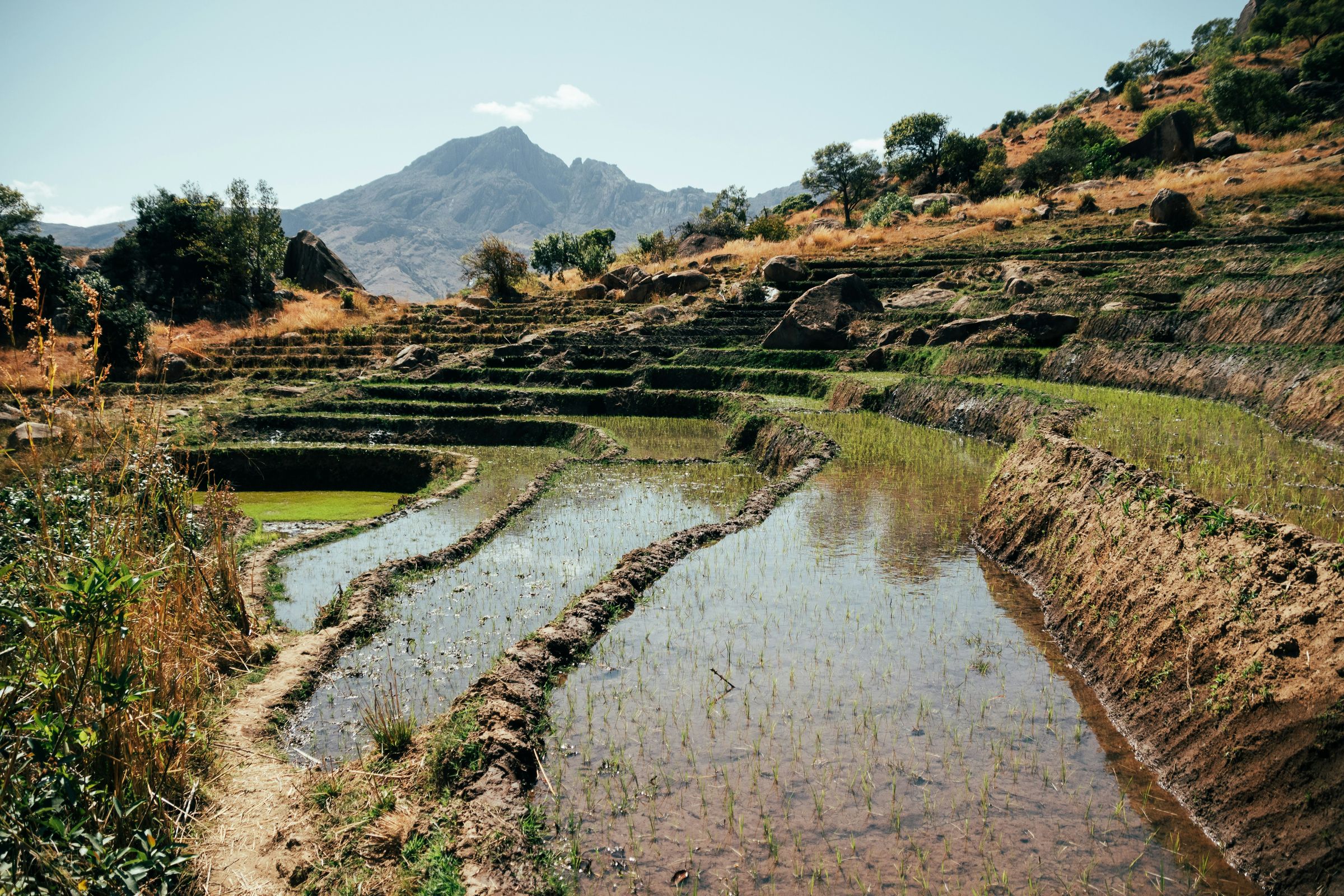
Andringitra is a granite massif reached from Ambalavao. Pic Boby (Imarivolanitra), at 2,658 m, needs a separate mountain plan with overnight camping. Nights at altitude can fall below freezing, and rain can complicate the approach.
The Classic South stops in nearby Ambalavao. Ask about adding trekking days.
Ankarafantsika is dry forest on the RN4, the road from Antananarivo to Mahajanga, about 115 km short of Mahajanga. Coquerel's sifaka is one of its main draws. Lake Ravelobe adds bird habitat, and the park has marked forest circuits. It's open all year, best from June to November for lemurs and August to November for birds, with bungalows and campsites for a night or two. Our trips don't use the RN4, so it means a separate leg north-west.
Masoala protects rainforest and marine habitat in the north-east, with red ruffed lemurs among its animals. Reaching it takes planning: access commonly involves Maroantsetra and a boat transfer, and sea conditions can change the journey. Don't build an itinerary around the flight frequency on an old park page. Confirm flights and the boat connection together. Allow several days rather than treating it as an overnight extension.
Marojejy rises to 2,132 m in the north-east and provides habitat for the Critically Endangered silky sifaka. Walk in from Manantenina and sleep at park camps. Allow several days for the steep trail, usually in the relatively drier August to November period.
Opening and access are separate questions. A park may receive visitors while an approach road, canyon or specific circuit is closed.
The UK Foreign Office says cyclone season normally runs from November to April, with coastal areas most at risk. More in our cyclone season guide and the best time to visit Madagascar.
Plan around one region before adding more parks. The Classic South links Andasibe, Ranomafana and Isalo in 11 days. The 5-day west loop covers Kirindy and the Tsingy, the north trips Montagne d'Ambre, Ankarana and Lokobe, and the 20-day Ultimate joins the west to the south. Distant regions in two weeks can require a domestic flight between them.
Our itinerary guide lays out the options, or send your dates and the parks you care about on the booking form. A real person in Antananarivo replies, usually within 24 hours.
Photos: Rafael Peier, Sandy Ravaloniaina and Guillermo Suarez on Unsplash.
Madagascar National Parks, the association that runs the network, says it manages 49 protected areas: national parks, special reserves and strict nature reserves. Some well-known wildlife sites, such as Kirindy Forest and the Palmarium, sit outside that network.
Andasibe-Mantadia for the indri, three to four hours from Antananarivo. Ranomafana for mountain rainforest and Isalo for canyon walks, both on the road south. The Tsingy de Bemaraha in the dry season, and Montagne d'Ambre and the Ankarana reserve in the far north. They're in different regions, so pick a region first.
Yes. Madagascar National Parks requires every visit to be accompanied by a guide. Guides wait at the park entrance, and each park sets their fees. On our private trips the park guides and entrance fees are in the price.
Most are. The Tsingy de Bemaraha closes in the rains, usually from November to around mid-April, and Ankarana's western side opens only from July to November. Andasibe-Mantadia, Ranomafana, Isalo, Montagne d'Ambre and Ankarafantsika stay open all year, though from about December to March the trails are wetter and cyclones are possible.
No. Kirindy Forest, about 60 km north-east of Morondava, sits in a forest concession held by CNFEREF, where the German Primate Center has run a research station since 1993. It's known for Verreaux's sifakas, mouse lemurs at night and, with luck, the fossa. Kirindy Mitea National Park is a separate, much bigger park between Morondava and Belo-sur-Mer.
By road on the RN4 between Antananarivo and Mahajanga. It needs its own north-western leg rather than a quick detour from Andasibe or the RN7. Ask about an extension if Coquerel's sifaka or the park's birds are priorities.
Private trips with your own vehicle and driver-guide. Every one can be reshaped around your dates.
The classic route done properly: Andasibe, Ranomafana, Anja's ring-tailed lemurs, the canyons of Isalo and the reef at Ifaty.
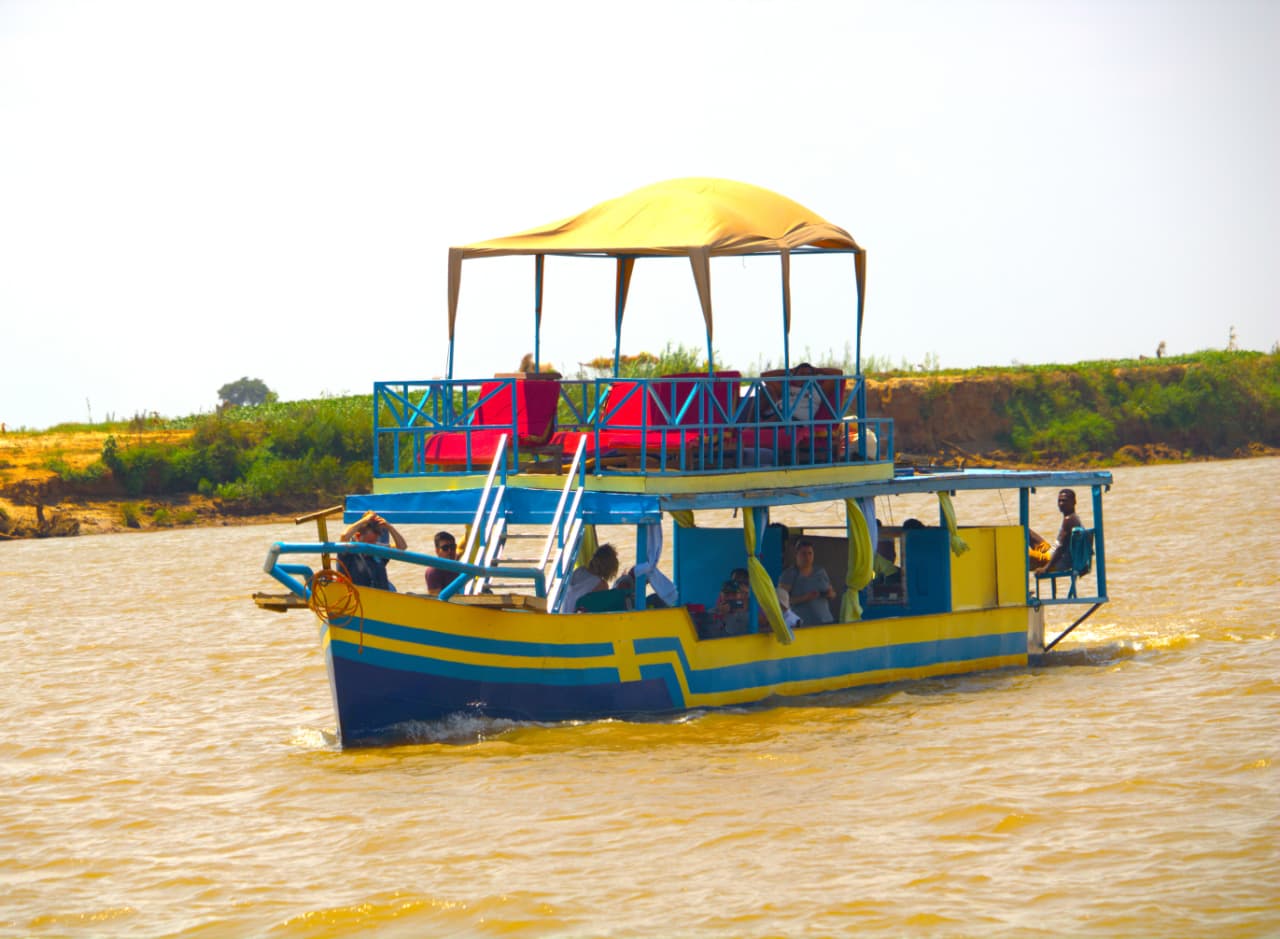
Four days drifting down the Tsiribihina with camps on the riverbank, then the Grand Tsingy, Kirindy's nocturnal forest and the baobabs.
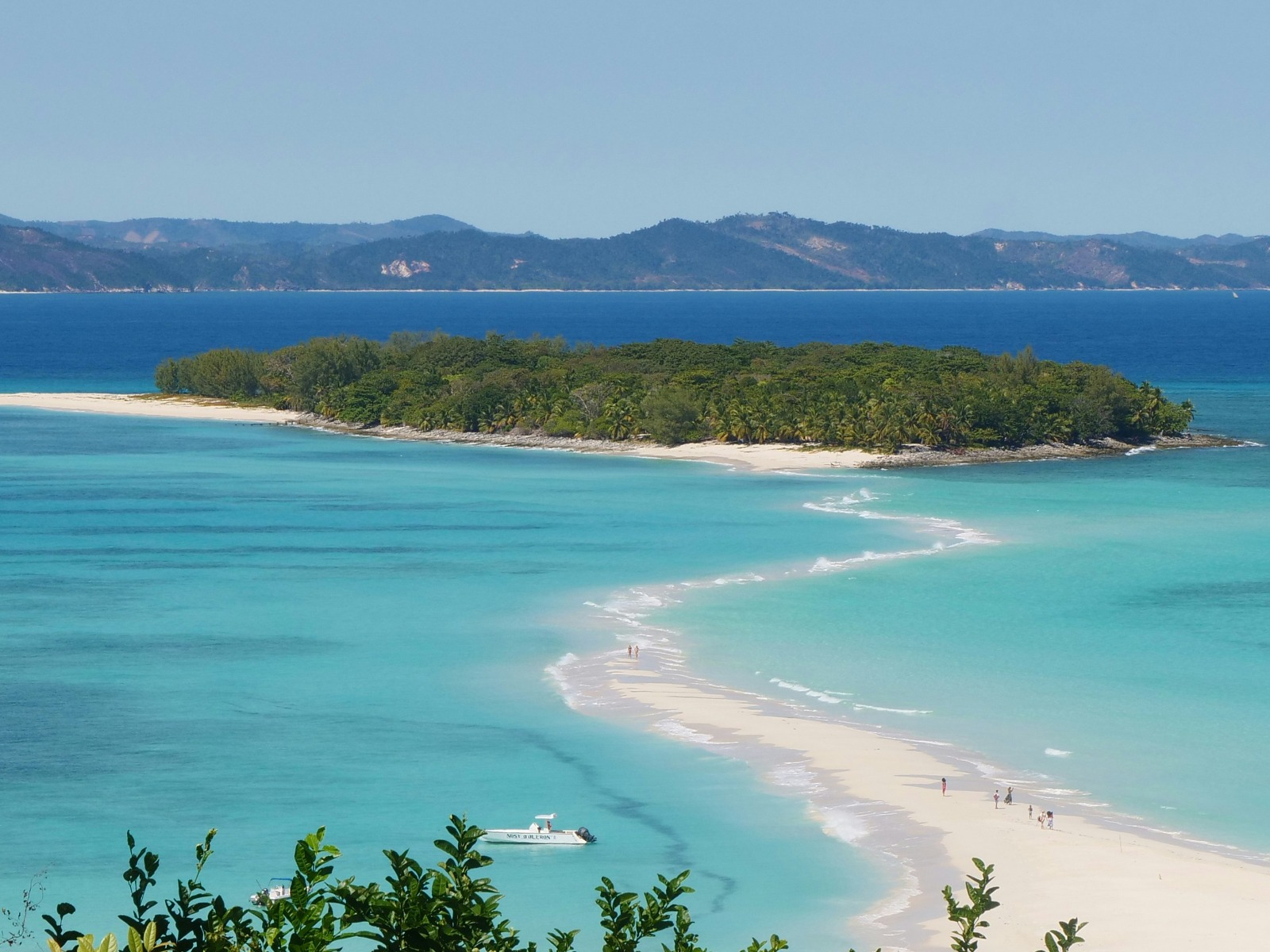
The Three Bays, Montagne d'Ambre, the red Tsingy and a full day in Ankarana's caves, then Lokobe and the sand of Nosy Iranja.

Indri at Analamazaotra, the Palmarium's approachable lemurs, boat rides on the Pangalanes Canal, then island time on Sainte Marie.
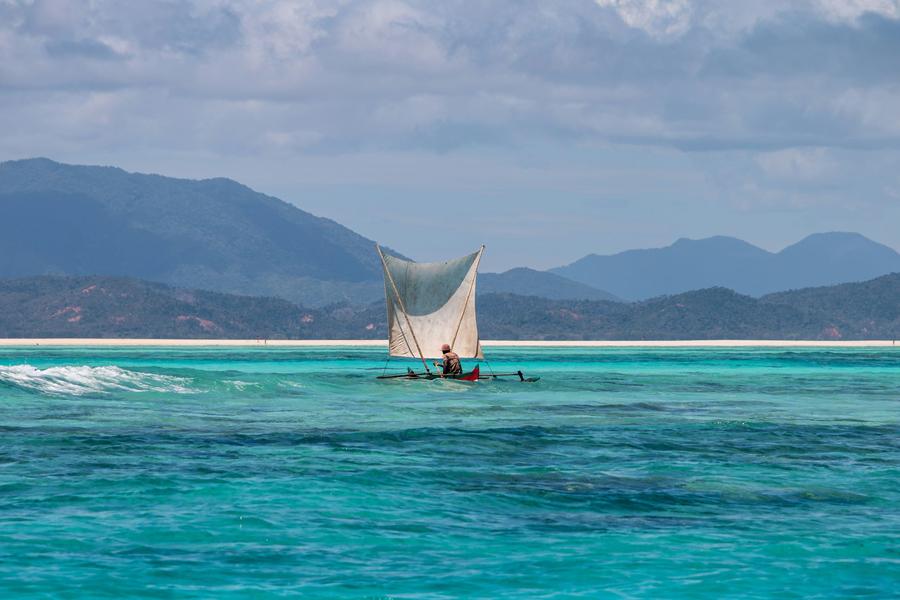
Andasibe, the Tsingy, Isalo, Nosy Be and the rest, region by region: what each place is like and how long it needs.
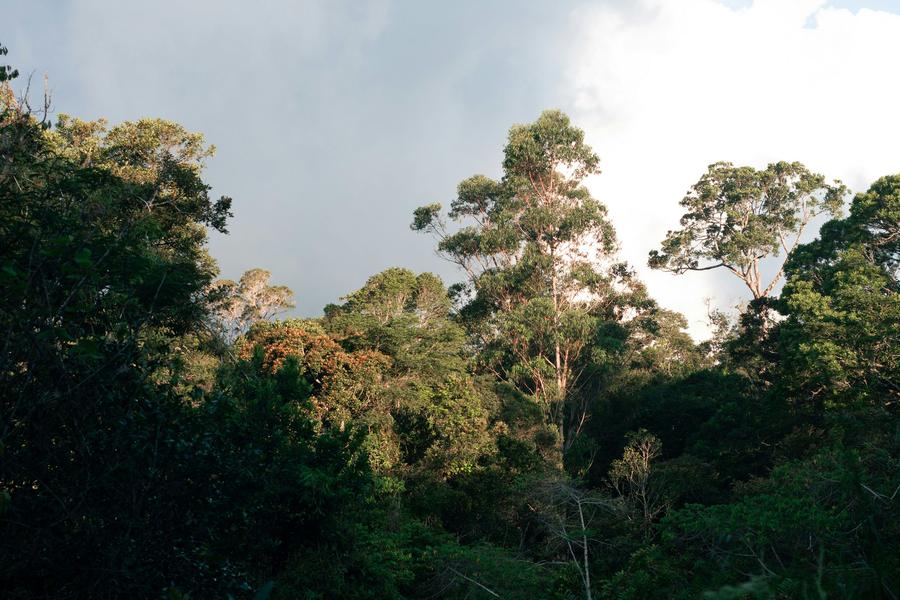
The indri, how to arrange a guided night walk, Mantadia, Vakona and Peyrieras, rain and leeches, and how many days to give Andasibe.
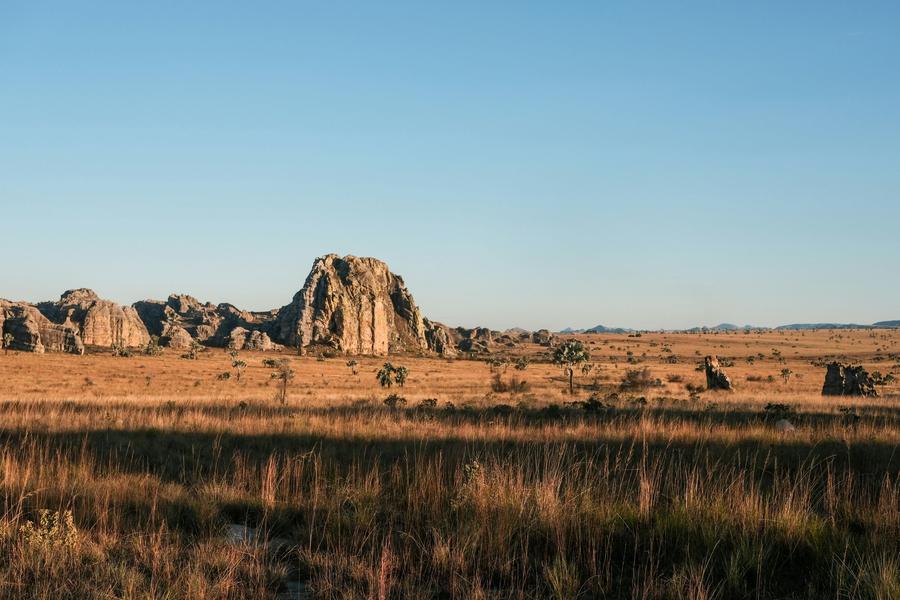
How the Isalo walks compare, how many days to give it, when the heat bites, the 2026 park fees and where it fits between Anja and the coast.
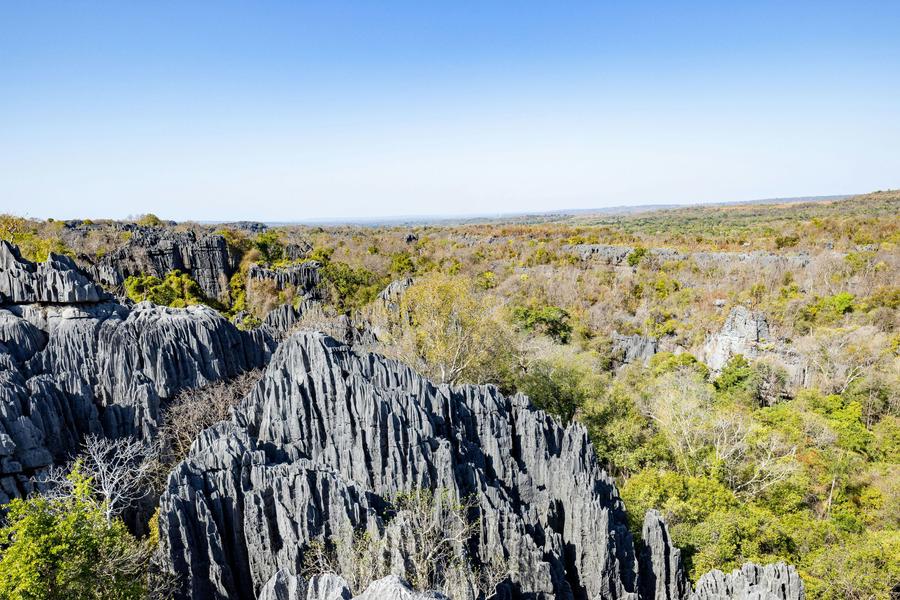
Grand or Petit Tsingy, the road from Morondava, the opening season, what the climbing involves and how many days to allow.

Send your dates and a rough idea. We reply within 24 hours with a written itinerary and a firm price. No deposit to ask a question.