
11 days · North
Northern Madagascar: Beaches, Tsingy & Wildlife
The Three Bays, Montagne d'Ambre, the red Tsingy and a full day in Ankarana's caves, then Lokobe and the sand of Nosy Iranja.
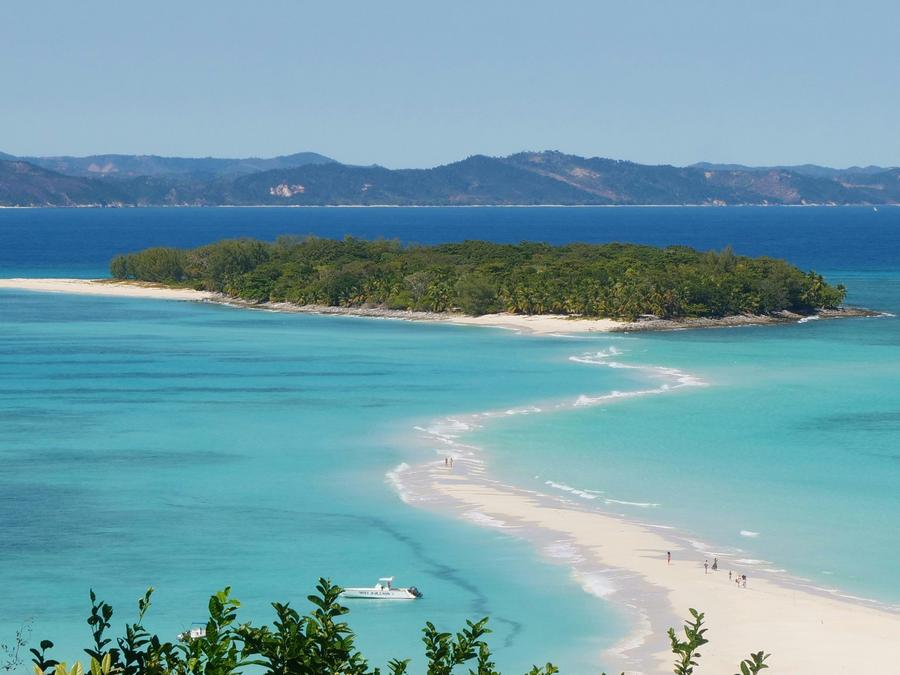
Two small islands off Nosy Be and a sandbar that comes and goes with the tide. How to get there, how to time the tide, the turtles, a day or a night, and how Nosy Iranja fits on our north trips.
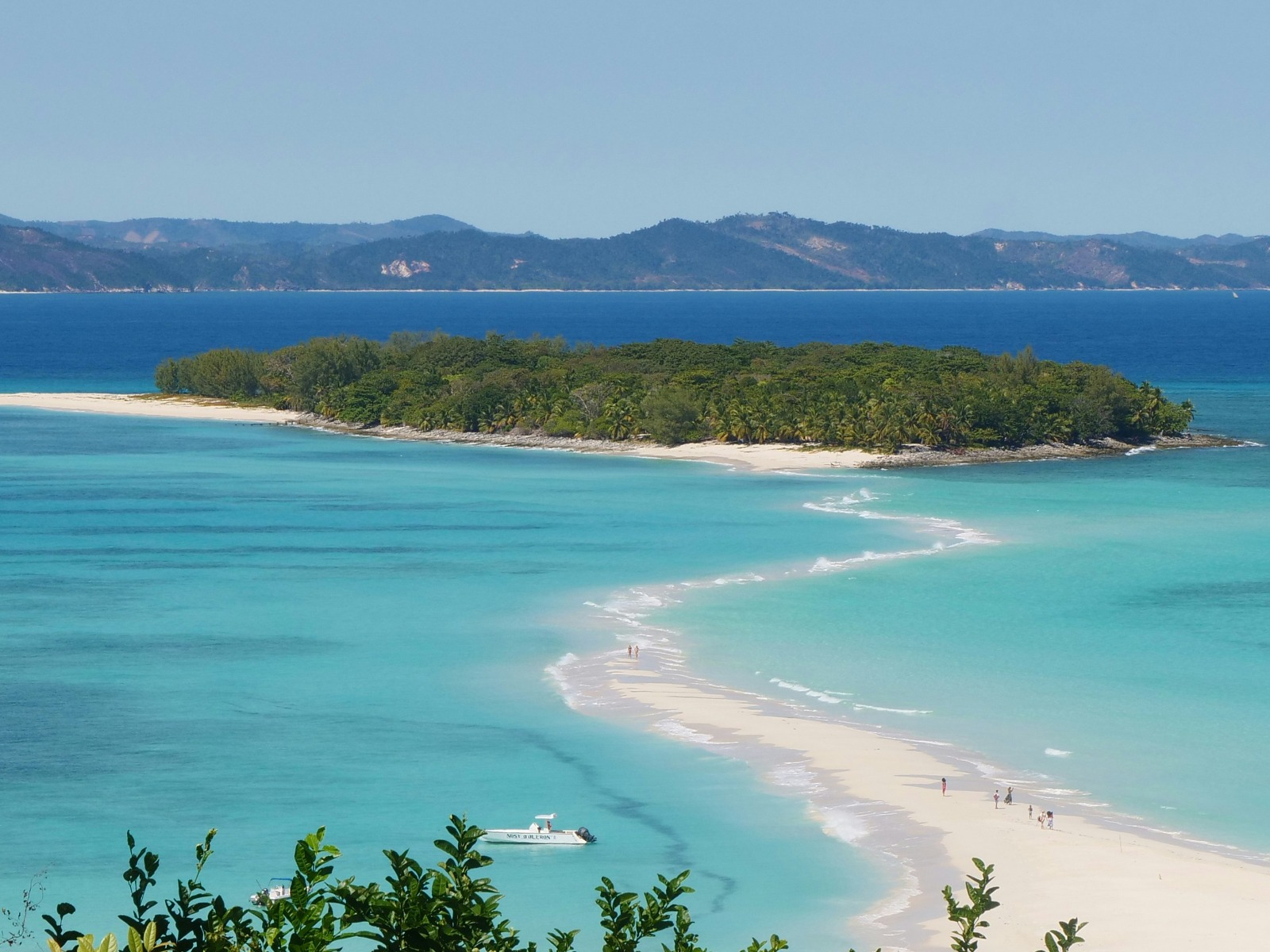
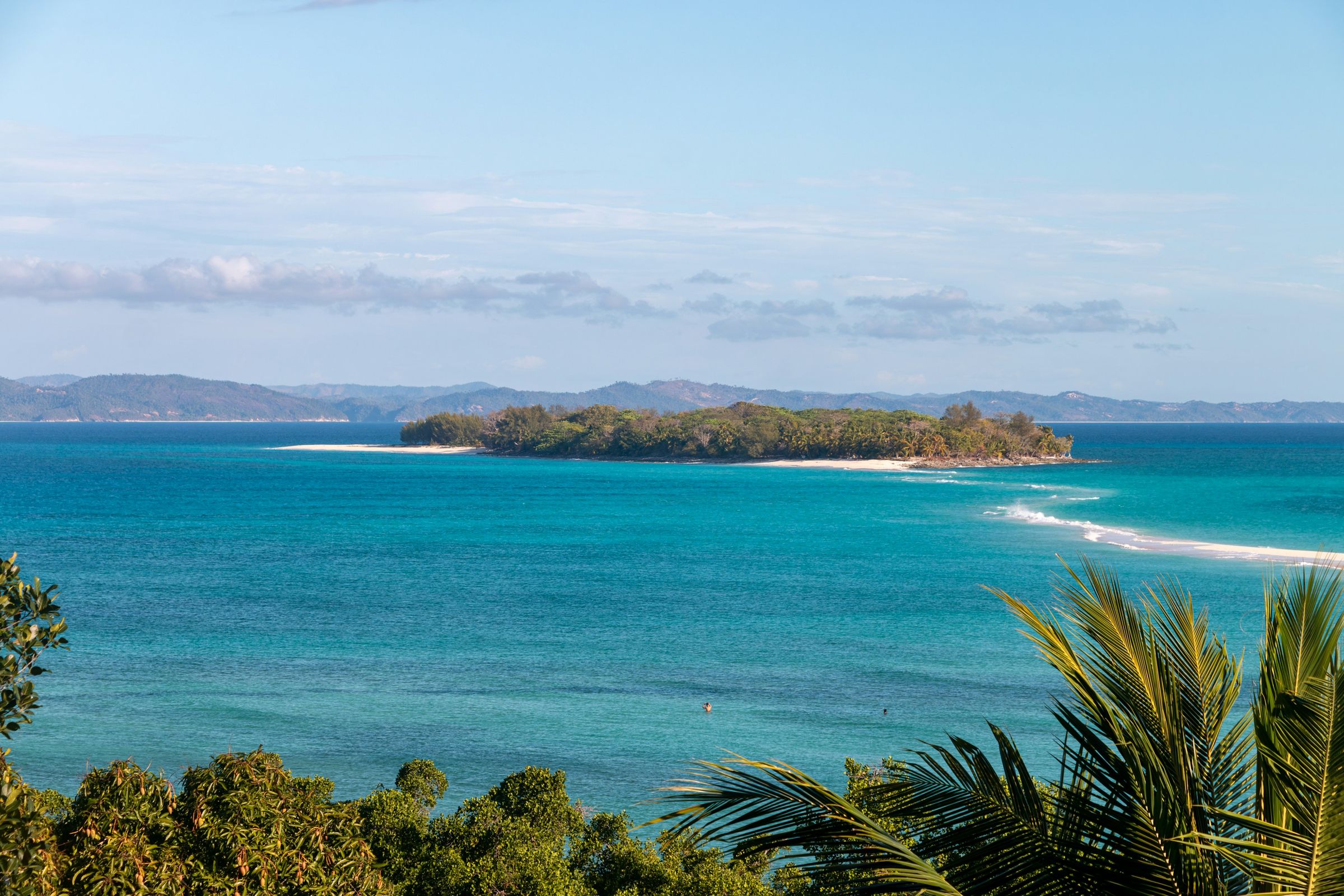
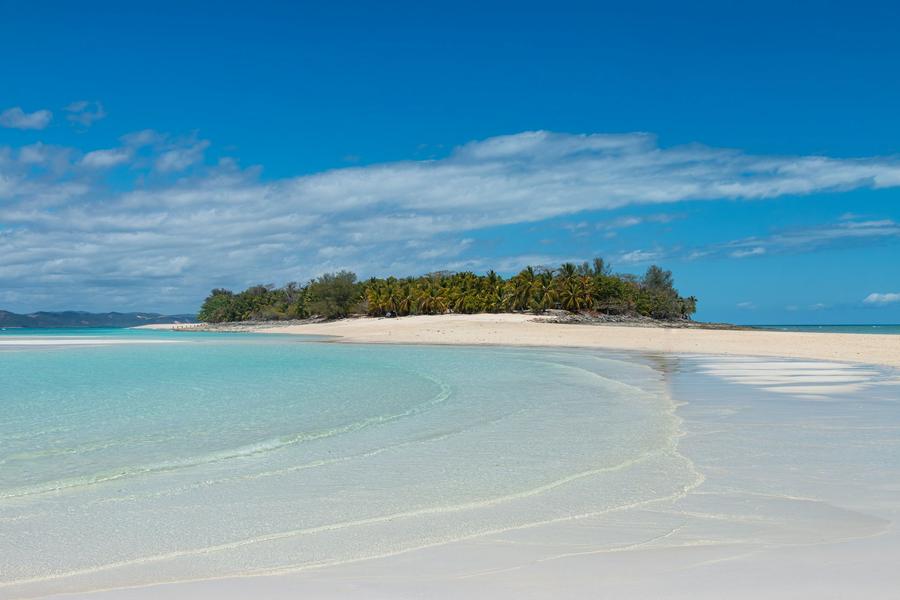
Nosy Iranja is a pair of small islands about 40 to 50 km south-west of Nosy Be, off Madagascar's north-west coast. At low tide a sandbar about 1.5 km long comes up between them and you can walk from one to the other. At high tide it's under water. The speedboat from Nosy Be takes roughly an hour to an hour and a half, so most people come for the day. Sea turtles nest on the smaller island, and May to October, the dry season, is the time to go.
Both of our north trips come here from a hotel on Nosy Be. The 11-day Northern Madagascar trip, from €1,790 per adult, gives it two full days. The 12-day Northern Madagascar Adventure, priced on request, gives it one. We wouldn't choose Iranja specifically for whales; studies of humpbacks around Nosy Be don't establish Iranja itself as a viewing site.
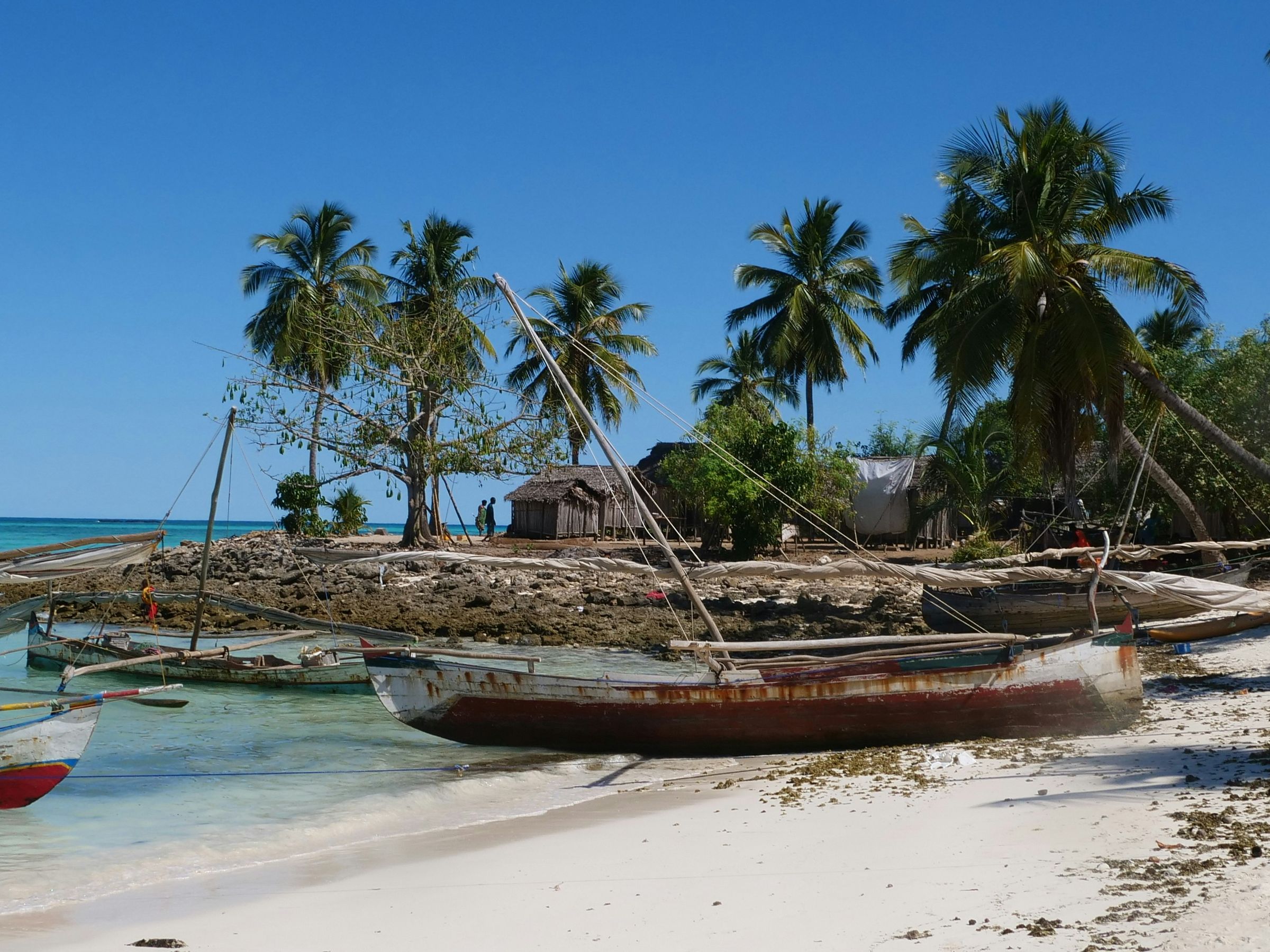
The bigger island, Nosy Iranja Be, has a fishing village and a lighthouse on its high point. Nosy Iranja Kely (kely means "little" in Malagasy) is the small, wooded one, where researchers began counting turtle nests in 2000. Both are part of Ankivonjy, a marine protected area run with the local communities and recognised by the government in 2015.
Lonely Planet puts the sandbar at about 1.5 km, and some sources make it nearer 2 km. It's the reason most people make the trip, and it runs on the tide, not on the boat's timetable.
The walkable hours change with the tide, and the crossing may be covered during a day boat's visit. Ask the crew for the current local tide times and its cut-off for returning across the sandbar.
Spring tides around new and full moon generally have a greater tidal range than neap tides around the quarter moons. That helps explain why photographs show very different widths of sand. It doesn't give you a walking timetable: use a current local tide table and the crew's advice, rather than a general rule about the moon.
Only cross when your guide says conditions and the return window allow it. There's no shade on the sand, and Nosy Be's average daily high is about 30 °C even in July, so take a hat and plenty of water. Sandals or reef shoes help on the rocky edges of the islands.
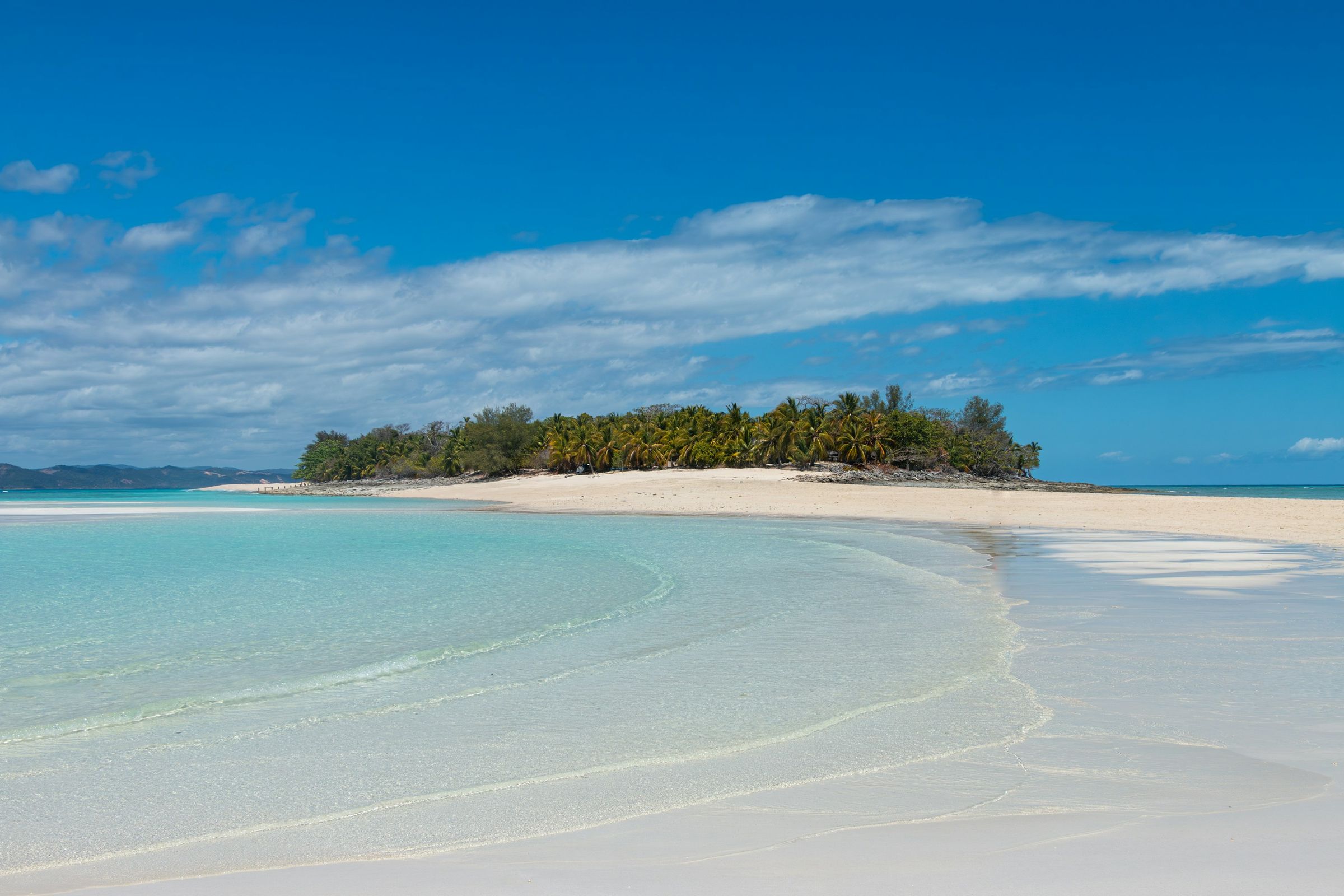
A day trip is how almost everyone sees Nosy Iranja, and for most people it's enough. Boats leave Nosy Be in the morning and are usually back by late afternoon. Speedboats take roughly an hour to an hour and a half each way, and a slower boat or a choppy sea can stretch that towards two hours. Lunch is normally included. If you book one yourself on Nosy Be, check what's in the price: lunch, drinks, snorkel gear and any landing fee. The catch is the clock: you get whatever the tide is doing in those few hours, and you leave before the evening light.
A night changes that. The island is quieter once the day boats have gone, and the turtles nest after dark. There are a few places to stay, from simple beach bungalows to a lodge, but what's open changes from year to year. Neither of our set trips sleeps there, so if you'd like a night on the island, ask us and we'll look at what's open for your dates.
Our view: one well-timed day is plenty for most people. A night may suit a honeymoon (see our honeymoon guide). For turtle watching, ask first whether an authorised guided visit is available; staying overnight doesn't give permission to approach nesting beaches.
Tell us your dates and what you would like to see. We reply within 24 hours with a written itinerary and a firm price.
Green turtles and hawksbills both nest here. Researchers counted 345 green turtle nests and 76 hawksbill nests on Nosy Iranja Kely between August 2000 and December 2004 (Bourjea and colleagues, 2007). The hawksbills matter because they rarely nest in this part of the Indian Ocean, and the Wildlife Conservation Society calls Nosy Iranja the most important green turtle nesting site in Madagascar.
Green turtles nest most from May to August, hawksbills from December to March. Both usually nest at night, so a day visitor is very unlikely to see one nesting. An authorised night visit may offer a chance, but access needs confirming with the local conservation team. If you do, stay well back, keep torches and flash off, and do what the local guide says. Snorkellers sometimes meet a turtle in the water, but nobody can promise one.
Off the beaches the water stays shallow for a long way, but shallow water still needs caution about currents and the tide. If the reef matters most to you, Nosy Tanikely, a marine national park south of Nosy Be, records 154 fish species and 110 kinds of coral. For other beaches, see the best beaches in Madagascar.
The lighthouse stands on the high point of Nosy Iranja Be, and the path up goes through the village, paved with stones in places and plain earth in others. It isn't a hard walk, but at midday it feels long, so go in the morning or late afternoon if you can. From the top you look down over the sandbar to the small island. Lighthouse lists date it to 1909. Don't rely on the often-repeated Eiffel attribution, which we couldn't verify.
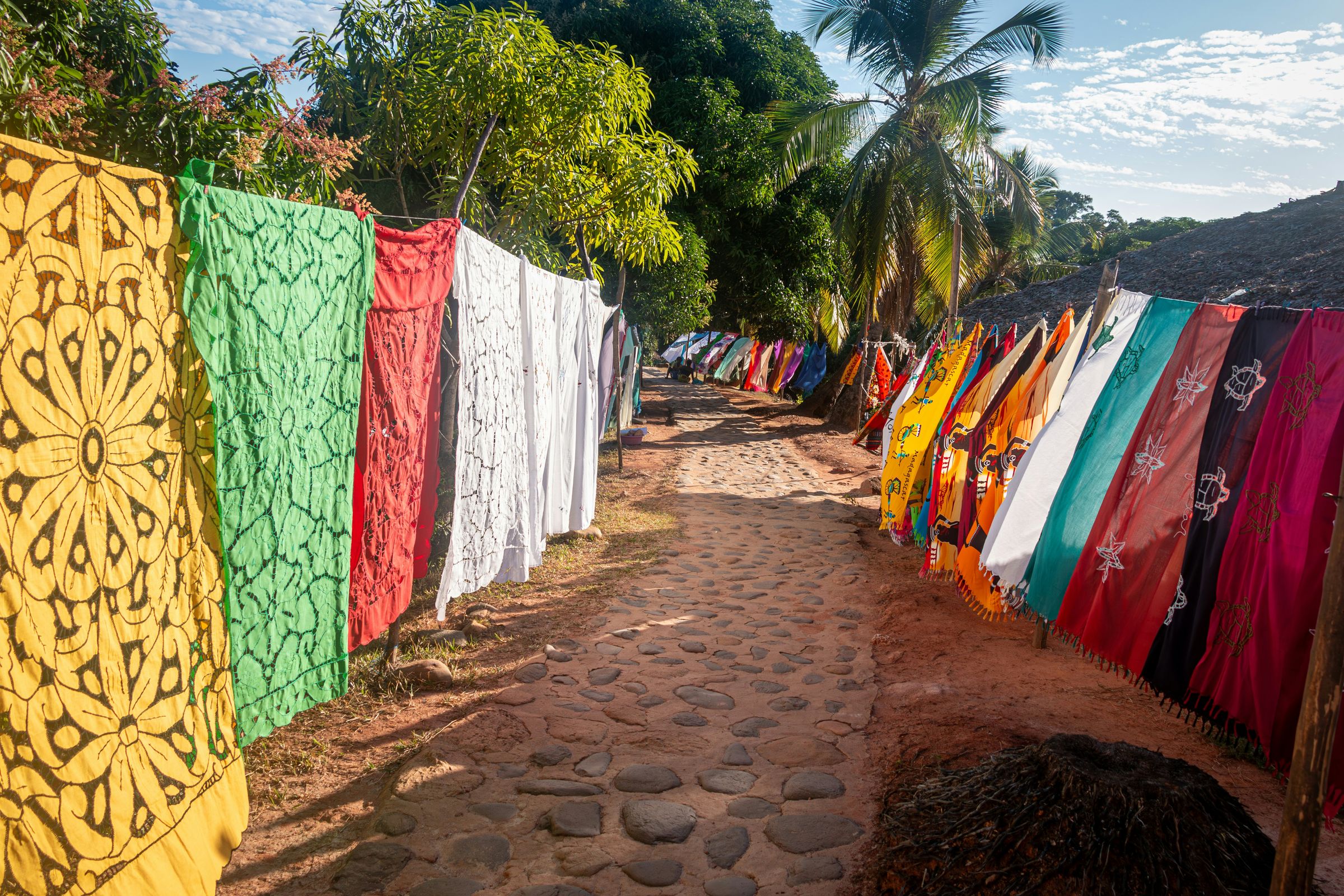
Lunch on a day trip is usually grilled fish or other seafood with rice, in the village or on the beach. Pareos hang along the paths for sale, with paintings and crafts too. Bring small notes in ariary, and ask before you photograph anyone.
From May to October, Nosy Be gets only 21 to 35 mm of rain a month, on three to five days (World Meteorological Organization averages, 1991 to 2020). That's the season we'd plan an Iranja day around. April and November get about 105 to 135 mm on nine or ten days: showery, but workable. December to March is properly wet, with nearly 400 mm in January, and the UK Foreign Office says cyclone season normally runs from November to April (more in our cyclone season guide).
The crossing is open water. The Foreign Office notes boat accidents in Madagascar caused by overcrowding, poor maintenance, poor crew training and unexpected squalls. Canada's advice adds: check there are life jackets for everyone, and don't board a boat that looks overloaded. A spare day on Nosy Be lets a boat day move if the sea is up.
For the rest of the island month by month, see the best time to visit Madagascar.
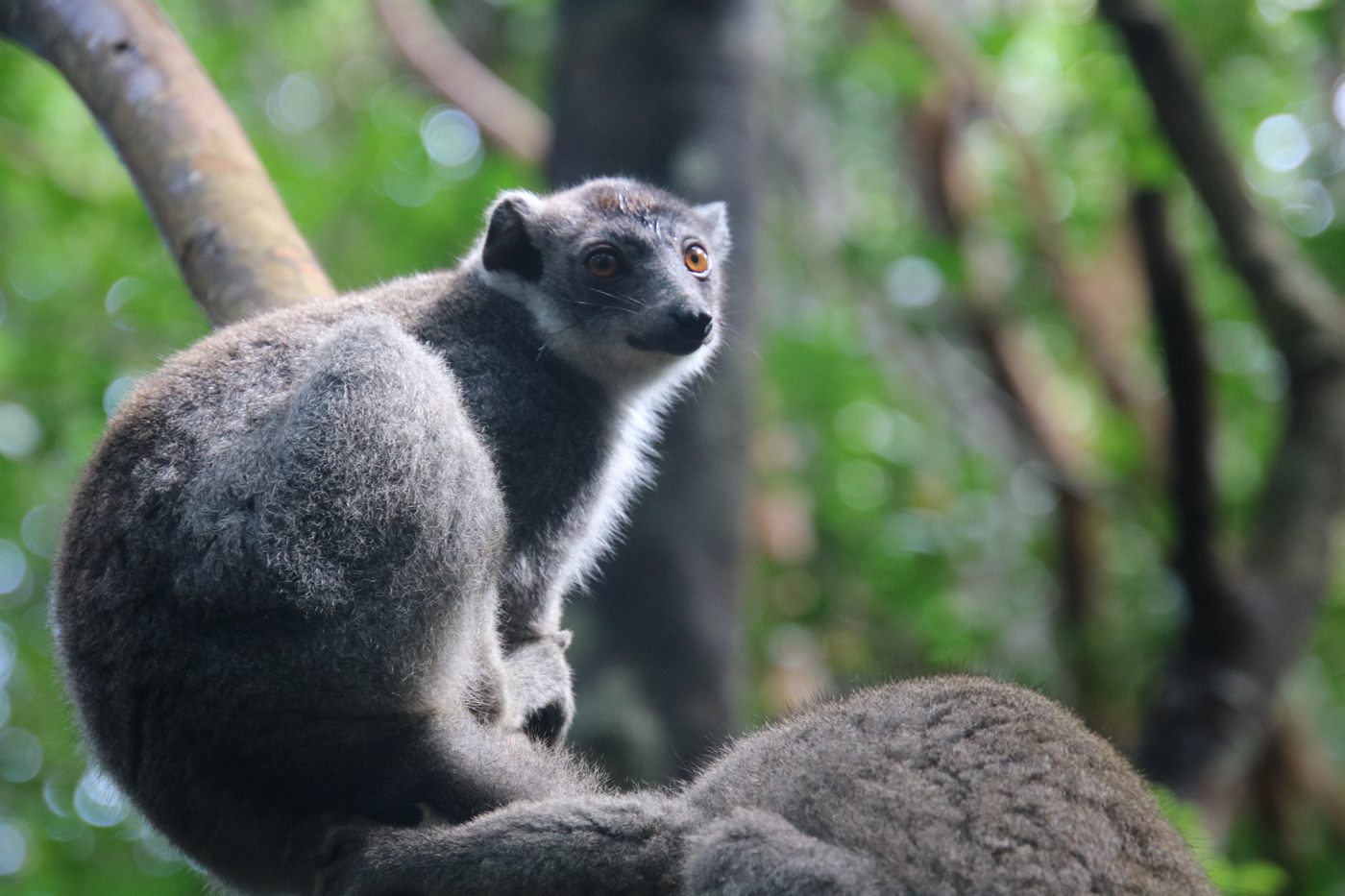
Both trips start with the far north (the Three Bays near Diego Suarez, Montagne d'Ambre, the Tsingy Rouge and Ankarana), then give Nosy Be four nights, with day 8 in Lokobe looking for black lemurs.
Both are private and can be reshaped. For hotels on Nosy Be, see where to stay in Madagascar.
Tell us your dates on the booking form or WhatsApp, and say that you'd like the sandbar walk timed to a suitable tide. A real person in Antananarivo replies, usually within 24 hours, with a written itinerary and a firm price.
Photos: David Bruyndonckx and Stefano Intintoli on Unsplash.
By boat from Nosy Be, which is about 40 to 50 km away. A speedboat takes roughly an hour to an hour and a half each way, longer in a slower boat or a rough sea. Nosy Be itself is under two hours by air from Antananarivo, or 30 to 45 minutes by fast boat from Ankify on the mainland.
Yes, at low tide, along a sandbar about 1.5 km long. At high tide it's covered. The width of exposed sand varies with the tide and conditions. Use current local tide times, cross only on your guide's advice and follow the crew's return cut-off.
Sometimes, but no one can promise it. Green turtles and hawksbills both nest there. Greens nest most from May to August, hawksbills from December to March. They usually nest at night, so day visitors see tracks at most. Snorkellers now and then meet one in the water.
May to October, the dry season, when Nosy Be gets only about 20 to 35 mm of rain a month. December to March is wet, and cyclone season normally runs from November to April. Leave a spare day on Nosy Be so a boat trip can move if conditions are poor.
Yes, in a few places, from beach bungalows to a lodge, but what's open changes, so check for your dates. For most people one well-timed day trip is enough. Neither of our set north trips stays there: both go back to a hotel on Nosy Be each evening. If you'd like a night on Nosy Iranja, ask us and we'll look at it.
Private trips with your own vehicle and driver-guide. Every one can be reshaped around your dates.
The Three Bays, Montagne d'Ambre, the red Tsingy and a full day in Ankarana's caves, then Lokobe and the sand of Nosy Iranja.
Twelve days from Antananarivo: Amber Mountain, Ankarana, Lokobe, Sakatia snorkelling, Mont Passot and an Iranja day trip. Flights extra.
Lokobe, Nosy Komba, Tanikely and Iranja, when the rains and the whales come, flights and the Ankify boat, and how many nights to give Nosy Be.
The beaches worth building a trip around, from the Nosy Iranja sandbar to Anakao, with the dry months for each coast, honest notes on swimming, and the trips that finish on the sand.
Nosy Be and its neighbours, Nosy Iranja, Mitsio, Sainte-Marie, Nosy Hara and Nosy Ve: what each island is for, the boats, the best months, and Mauritius or Réunion next door.
Three private routes that end on a beach, the months to pick and avoid, how long, rough costs, and an honest comparison with Mauritius and the Seychelles.

Send your dates and a rough idea. We reply within 24 hours with a written itinerary and a firm price. No deposit to ask a question.