
11 days · South

Classic South, Expanded Version
The classic route done properly: Andasibe, Ranomafana, Anja's ring-tailed lemurs, the canyons of Isalo and the reef at Ifaty.
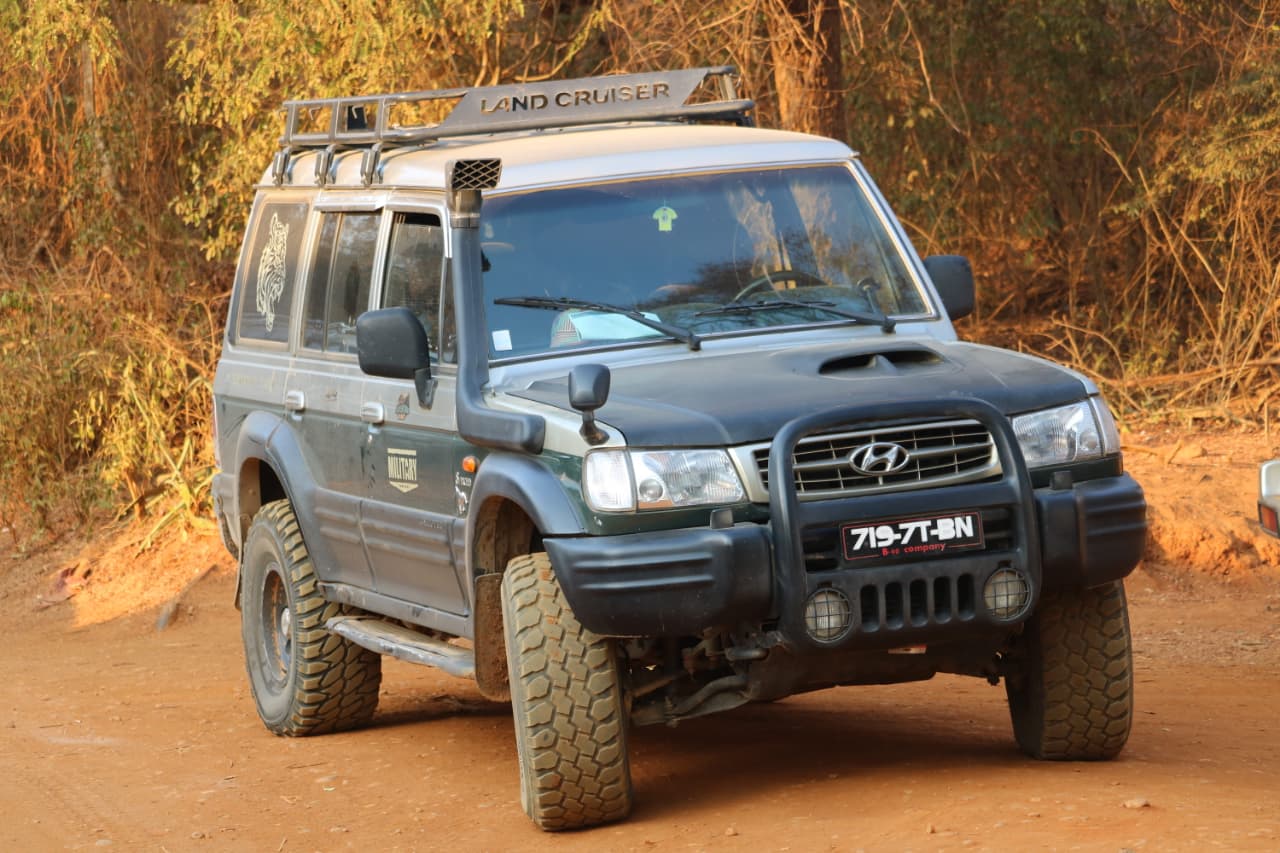
A packing list built around the trip itself: cold highland nights, hot days in the west, rain in the east, sharp rock in the Tsingy, boats, night walks and a 20 kg limit on domestic flights. Checked on 17 October 2026.
Pack for three climates and one weight limit. From June to August the highlands are cold at night (Antsirabe averages lows of about 7 °C in July), the west and south stay close to 30 °C by day, and in the eastern rainforest it can rain in any month. So bring layers and a rain jacket, light long sleeves and a sun hat, shoes with real grip, a head torch, insect repellent and your malaria tablets, a dry bag, a European two-pin adaptor, a power bank and some euros in cash. Then fit it into one soft bag of 20 kg or less, plus 5 kg in the cabin, which is the domestic economy allowance on Madagascar Airlines. Through-tickets can have different rules, so check yours.
Match the bag to the route, especially if it includes a domestic flight.
Madagascar Airlines' domestic economy allowance in October 2026 was one checked bag up to 20 kg and one cabin bag up to 5 kg. A partner airline's through-ticket can carry a different checked allowance. Use the limit printed on your ticket and pack to the smallest allowance across the journey. Extra weight can only be bought at the airport on the day, and only if the plane has room.
Each of the three trips featured below has a domestic flight in it. None includes the ticket, but we can book it for you:
A soft bag or a rucksack copes with dirt tracks and small planes better than a hard case on wheels. Power banks and spare batteries go in the cabin, never the hold, under IATA's rules, and so should your medicines. Five kilos fills fast, and the airline's FAQ lists an additional small accessory of up to 2 kg. Check your own ticket before treating camera gear as extra. Fly in your boots anyway.
In the forest, neutral colours beat white and bright ones. Leave camouflage at home: wearing it is an offence in Madagascar, Canada's travel advice says, and you risk detention and a fine. Pack for a week, not the whole trip, and wash as you go. Our month-by-month guide has the weather for each region.
Canada's advice is to dress modestly, on some beaches too, and Rough Guides suggests long trousers and sleeves for visiting rural villages. In practice that means shoulders and knees covered in villages, markets and churches, and swimwear kept for the beach and the hotel pool.
A sarong or pareo works as a village cover-up, a beach towel or another layer on a cold morning. Ask before you photograph anyone, and keep your distance from tombs unless your guide says otherwise. Our travel tips explain fady, the local taboos.
One pair of good walking shoes and a pair of sandals covers nearly every trip. Break new boots in before you fly.
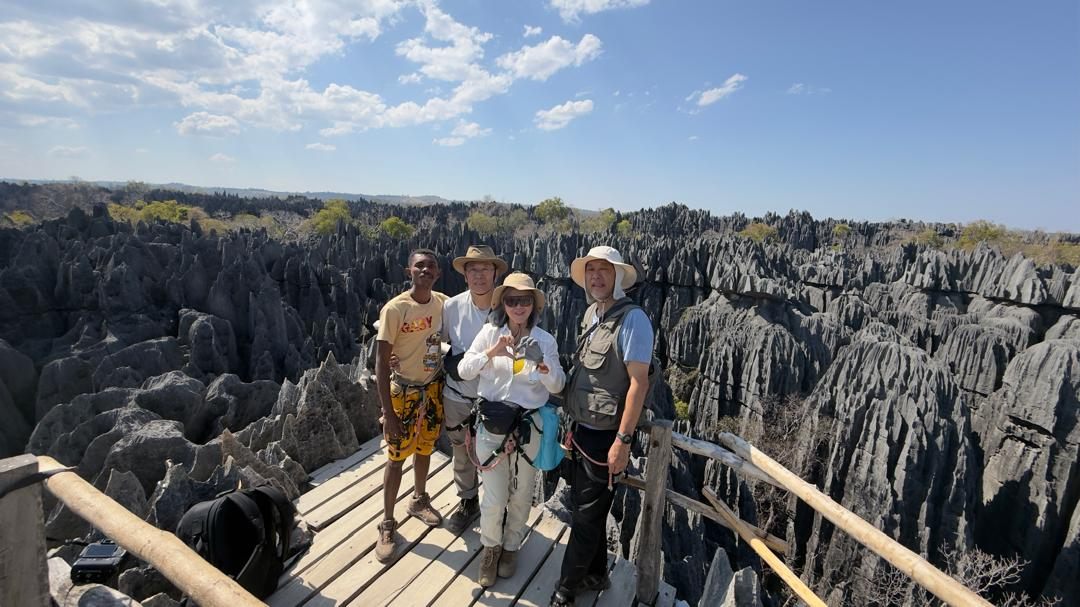
Tell us your dates and what you would like to see. We reply within 24 hours with a written itinerary and a firm price.
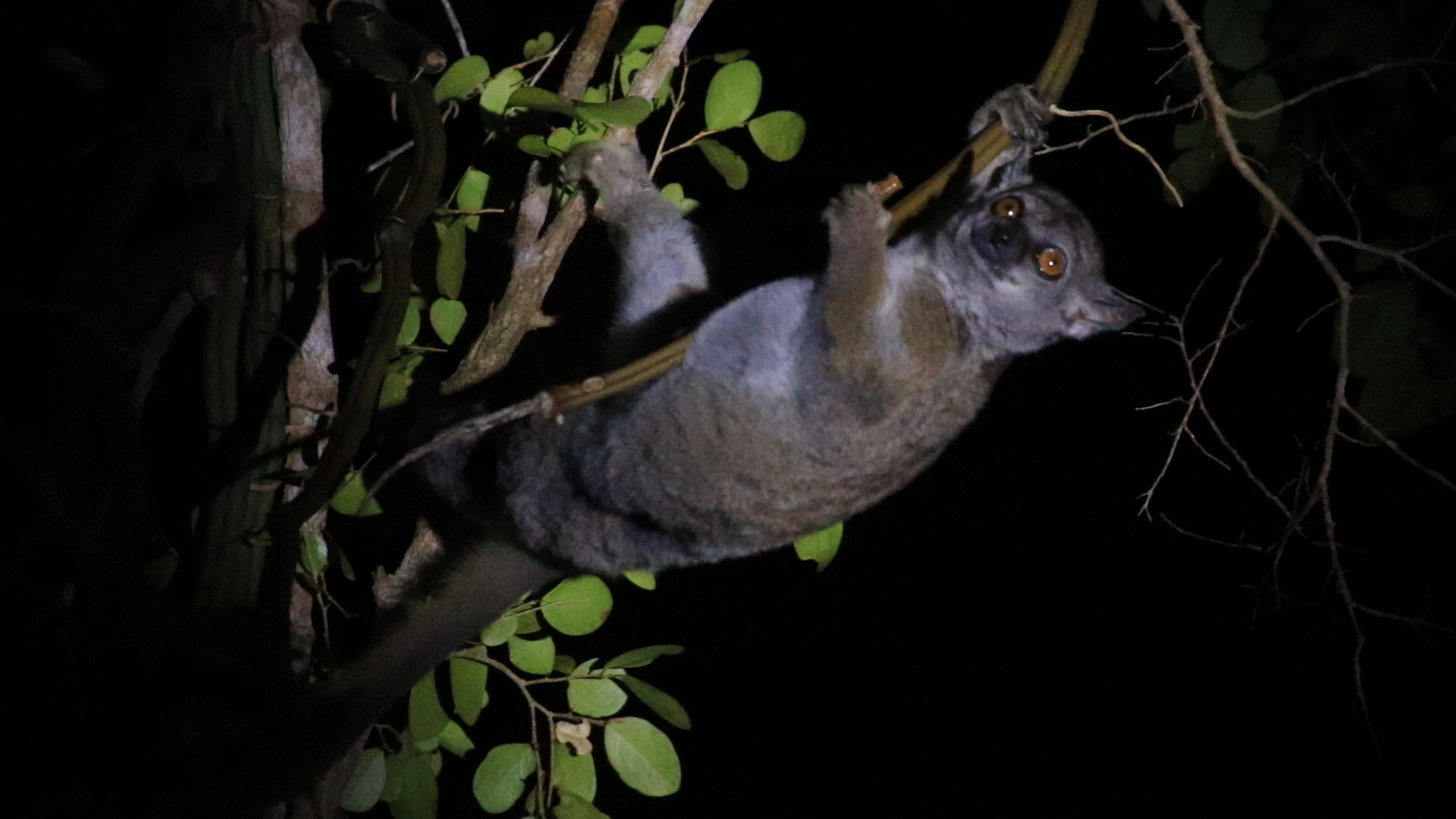
Our itineraries include guided night walks in several regions. Bring a head torch and follow the guide's instructions on brightness. Use low light and avoid flash around wildlife, and confirm the rules for the particular night circuit. The Andasibe guide has more.
Wear closed shoes and cover your arms and legs. The forest is cool after dark, and it's when the mosquitoes that carry malaria mainly bite. The torch earns its keep in the lodge too, when the power goes off.
The CDC says malaria transmission is rare in Antananarivo and occurs throughout the rest of the country, and recommends preventive tablets for the rest of the country. Pack the whole course your clinic gives you. The CDC also advises a repellent with at least 20% DEET, clothes that cover you between dusk and dawn, when malaria mosquitoes mainly feed, and permethrin on clothes, never on skin. The mosquitoes that spread dengue bite by day, so keep the repellent on at noon too.
For the sun, bring a hat, sunglasses and high-factor sun cream. It's fiercest on the boats and on Isalo's plateau, where there's little shade. Our guide to vaccinations and malaria covers the jabs and the tablets.
Some prescription drugs may not be available in Madagascar, Canada's advice says, so bring enough of yours for the whole trip, in their original packaging, with copies of the prescriptions. The CDC suggests a spare supply in case of delays, and warns that medicines bought abroad can be substandard or fake. Add:
Take travel insurance that covers medical evacuation. Our safety guide explains why.
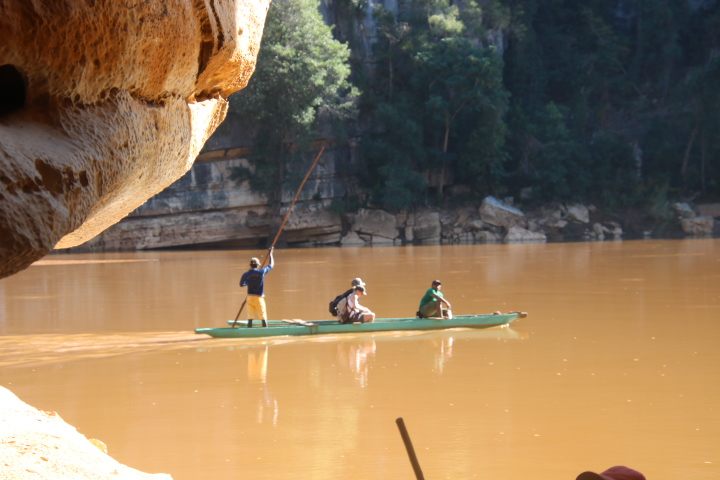
Several of our trips spend days on the water, in pirogues and open boats where spray comes with the ride. A 10 to 20 litre dry bag for the camera, phone, passport and a warm layer is worth its weight.
Canada's advice applies to every boat: check there are life jackets for everyone, and don't board one that looks overloaded.
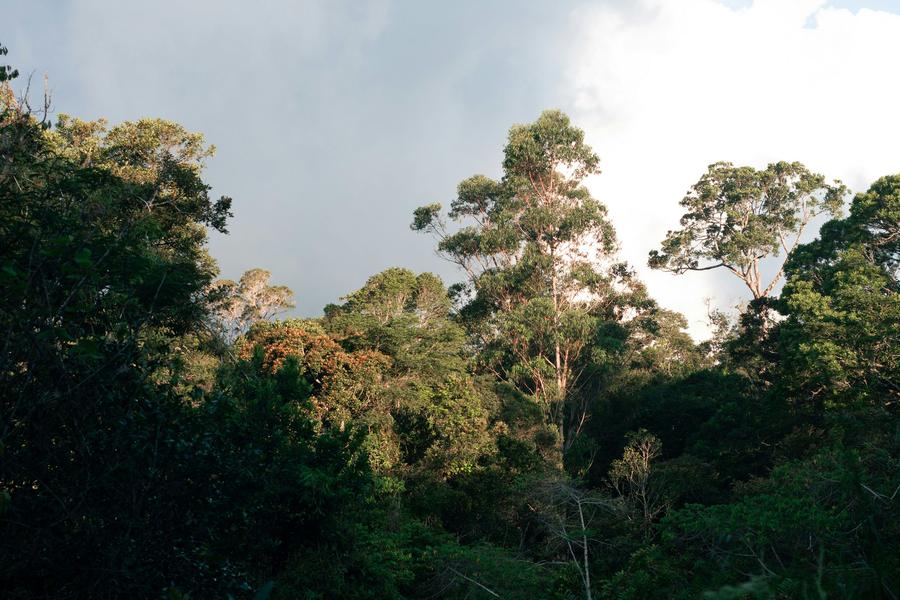
Binoculars are on Madagascar National Parks' own list for Andasibe, for watching animals at a distance. Lemurs often sit high in the canopy, and many birds never come close. Birders should see our birdwatching page.
In the national parks the lemurs are wild and keep their distance. That's the point, and a long lens or a patient guide is what gets you the shot. Bring spare batteries and memory cards, keep the camera sealed on the dusty western tracks, and never photograph military or government sites, which is banned.
Not sure what the nights will be like on your route in your month? Send your dates on the booking page or ask us on WhatsApp, and a real person in Antananarivo replies, usually within 24 hours.
Light, loose clothes that cover you, in layers. Long trousers and sleeves help against sun and mosquitoes and suit village visits, where Canada's advice is to dress modestly. Add a fleece or light down jacket for highland nights from June to August (Antsirabe averages about 7 °C at night in July) and a waterproof for the eastern rainforest, which has no true dry season. Keep swimwear for the beach, and don't wear camouflage, which is an offence in Madagascar.
Hiking shoes or light boots with a firm, grippy sole, broken in before you go, plus sandals. The Grand Tsingy has ladders, fixed cables and sharp-edged limestone, and the rainforest trails at Andasibe and Ranomafana get muddy after rain.
Yes, from the UK, Ireland or North America. Sockets take round two-pin European plugs, types C and E, at about 220 to 230 volts and 50 Hz. Chargers marked 100 to 240 V need only the adaptor. Power cuts are common, so bring a power bank too, and carry it in your cabin bag when you fly.
In October 2026, economy fares on Madagascar Airlines' domestic routes allow one checked bag of up to 20 kg and one cabin bag of up to 5 kg. Extra weight can only be bought at the airport on the day, if the plane has room. A through-ticket issued by a partner airline can have a different checked allowance. Read your ticket and use the lowest allowance on the journey.
Only with permission. Aviation Civile de Madagascar publishes drone registration and authorisation procedures. Check the current requirements for the aircraft and flight you plan. Inside a national park, ask the park too. Without a written permit, we'd leave it at home.
Private trips with your own vehicle and driver-guide. Every one can be reshaped around your dates.
The classic route done properly: Andasibe, Ranomafana, Anja's ring-tailed lemurs, the canyons of Isalo and the reef at Ifaty.
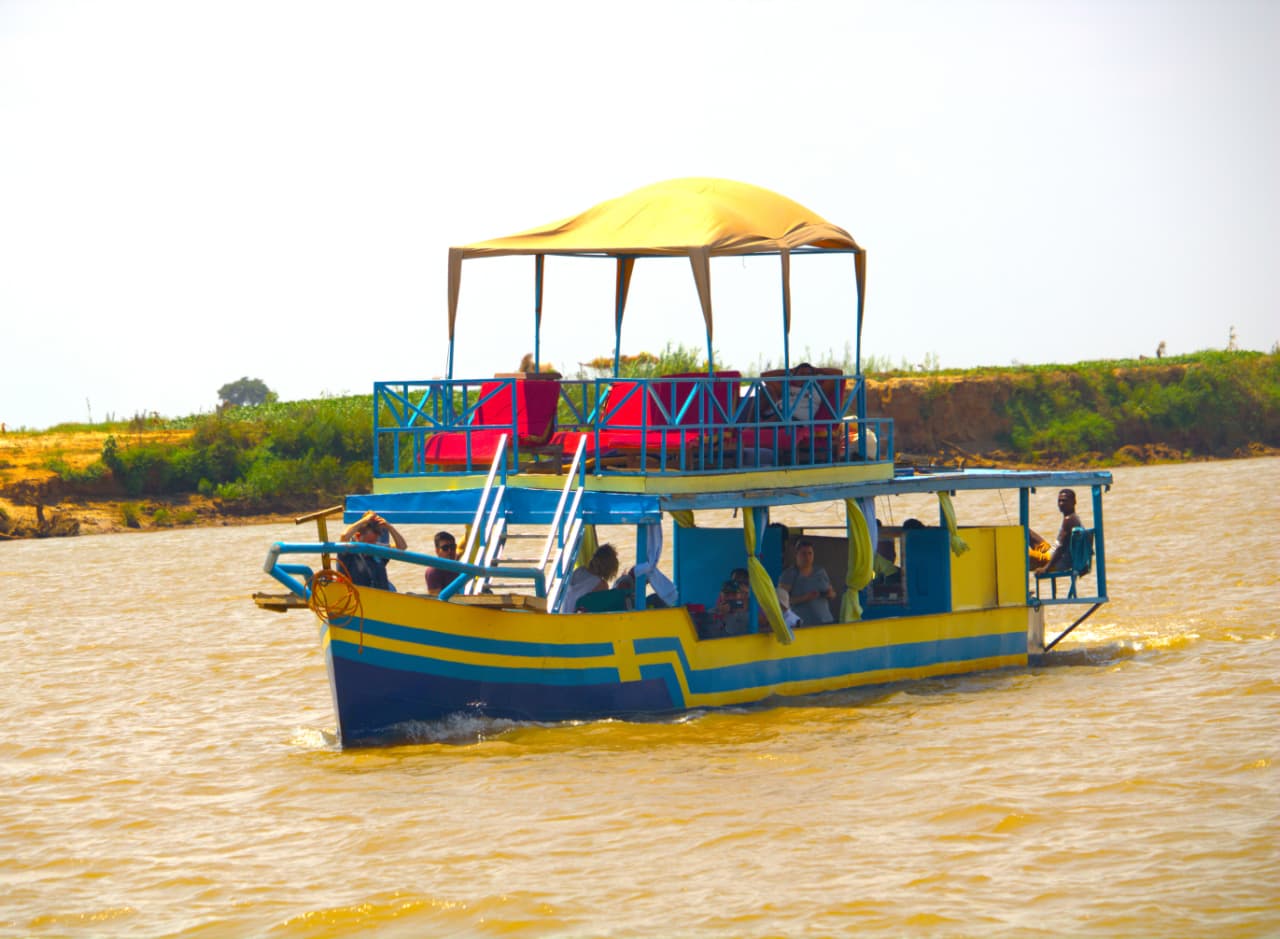
Four days drifting down the Tsiribihina with camps on the riverbank, then the Grand Tsingy, Kirindy's nocturnal forest and the baobabs.
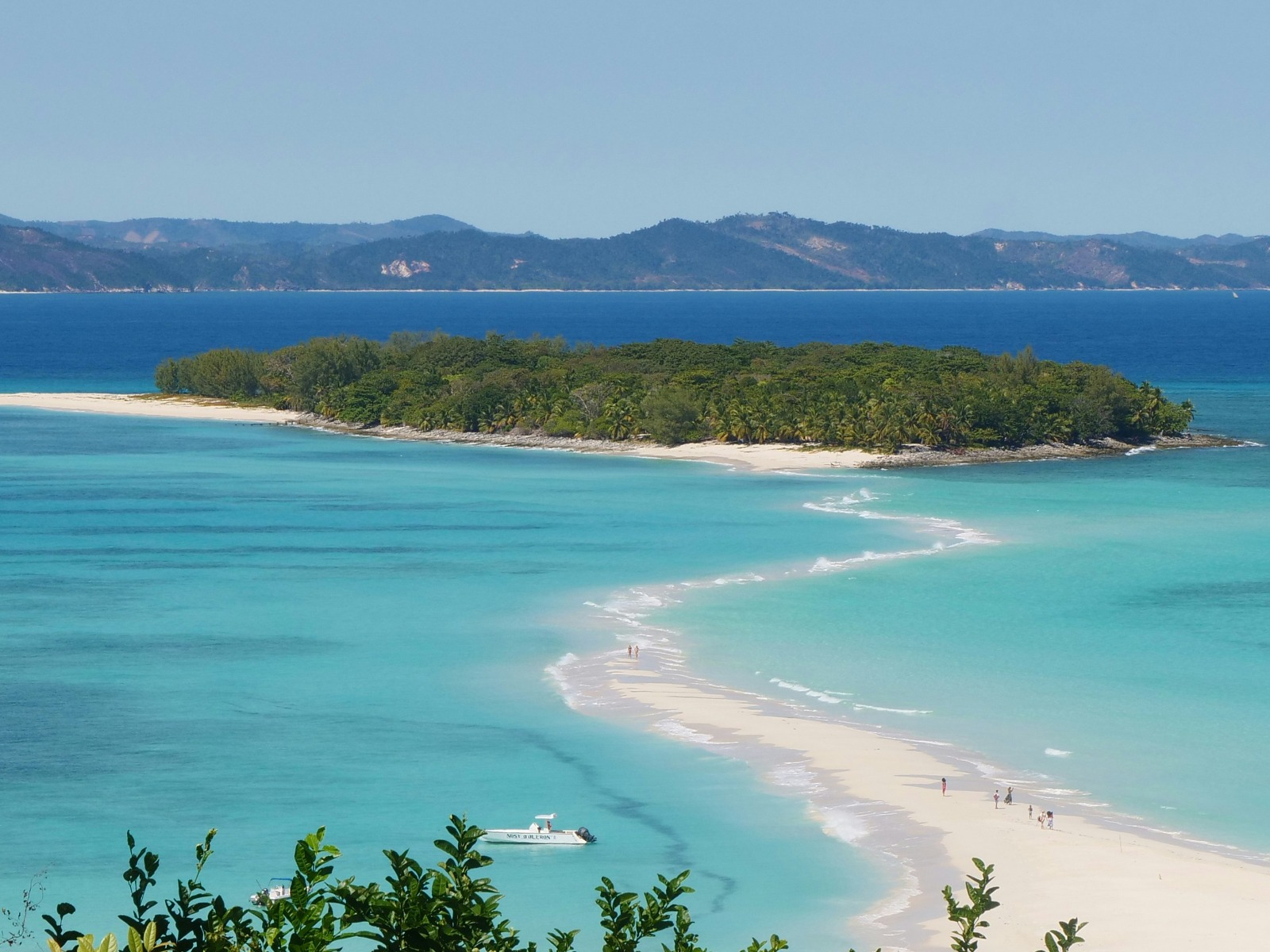
The Three Bays, Montagne d'Ambre, the red Tsingy and a full day in Ankarana's caves, then Lokobe and the sand of Nosy Iranja.
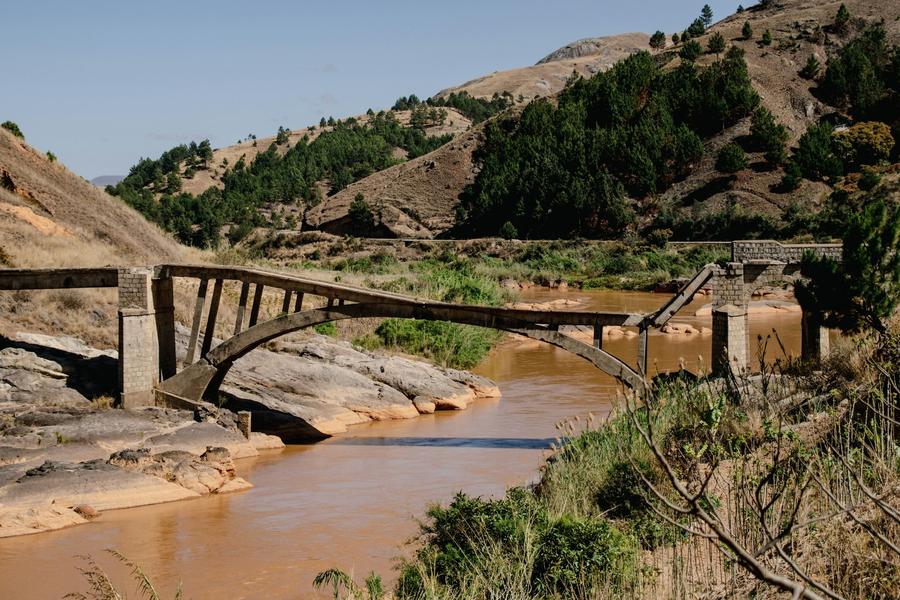
The visa, cash and the ariary, malaria and water, slow roads, power cuts and SIM cards, fady and photos, packing, tipping and the seasons: what to know before a first trip.
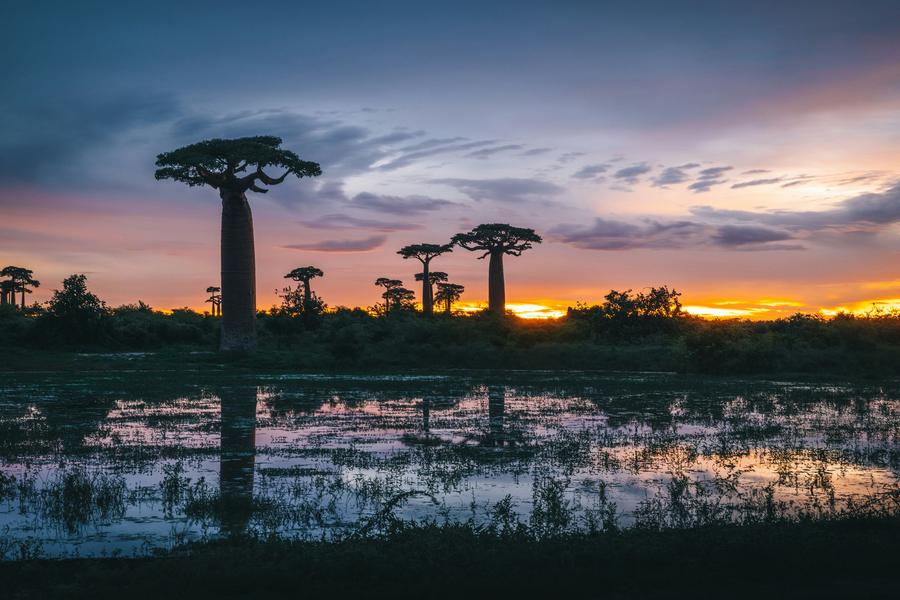
Month by month and region by region: dry roads, cyclones, the Tsingy's short season, whales, lemur babies, birds and chameleons.
The jabs the CDC and the UK recommend, the yellow fever certificate rule, malaria by region and season, the tablets, rabies, bilharzia, plague and evacuation cover.
The ariary and its rate in October 2026, euros or dollars, cash machines and their limits, cards in hotels, what things cost, tipping, and how much cash to carry.

Send your dates and a rough idea. We reply within 24 hours with a written itinerary and a firm price. No deposit to ask a question.