
10 days · East

Eastern Madagascar: Forests, Lakes & Islands
Indri at Analamazaotra, the Palmarium's approachable lemurs, boat rides on the Pangalanes Canal, then island time on Sainte Marie.
For most trips, May to October. But Madagascar runs several climates at once, and whales, lemur babies and chameleons each keep their own calendar. Here's the whole year, region by region.
The best time to visit Madagascar is usually May to October, the dry season. The roads are firm, the highland days mild, and the Tsingy de Bemaraha, which closes for the rains, is usually open. September to November adds lemur babies and birdsong, with fewer people about. From December to March the rains close much of the west and can bring cyclones, though it's also when the chameleons are at their most active.
The right month depends on where you're going and what you most want to see, and a route that's perfect in October can be a slog in February. We're Malagasy and we drive these roads every season. This is the year as we plan around it.
Roughly, the rainy season runs from November to March and the dry season from April to October. But the trade winds drop most of their rain on the eastern escarpment and reach the west dry, so the same month can feel completely different on the two sides of the island. The figures below are long-term averages, the World Meteorological Organization's normals for 1991 to 2020, so any single year can be wetter or drier.
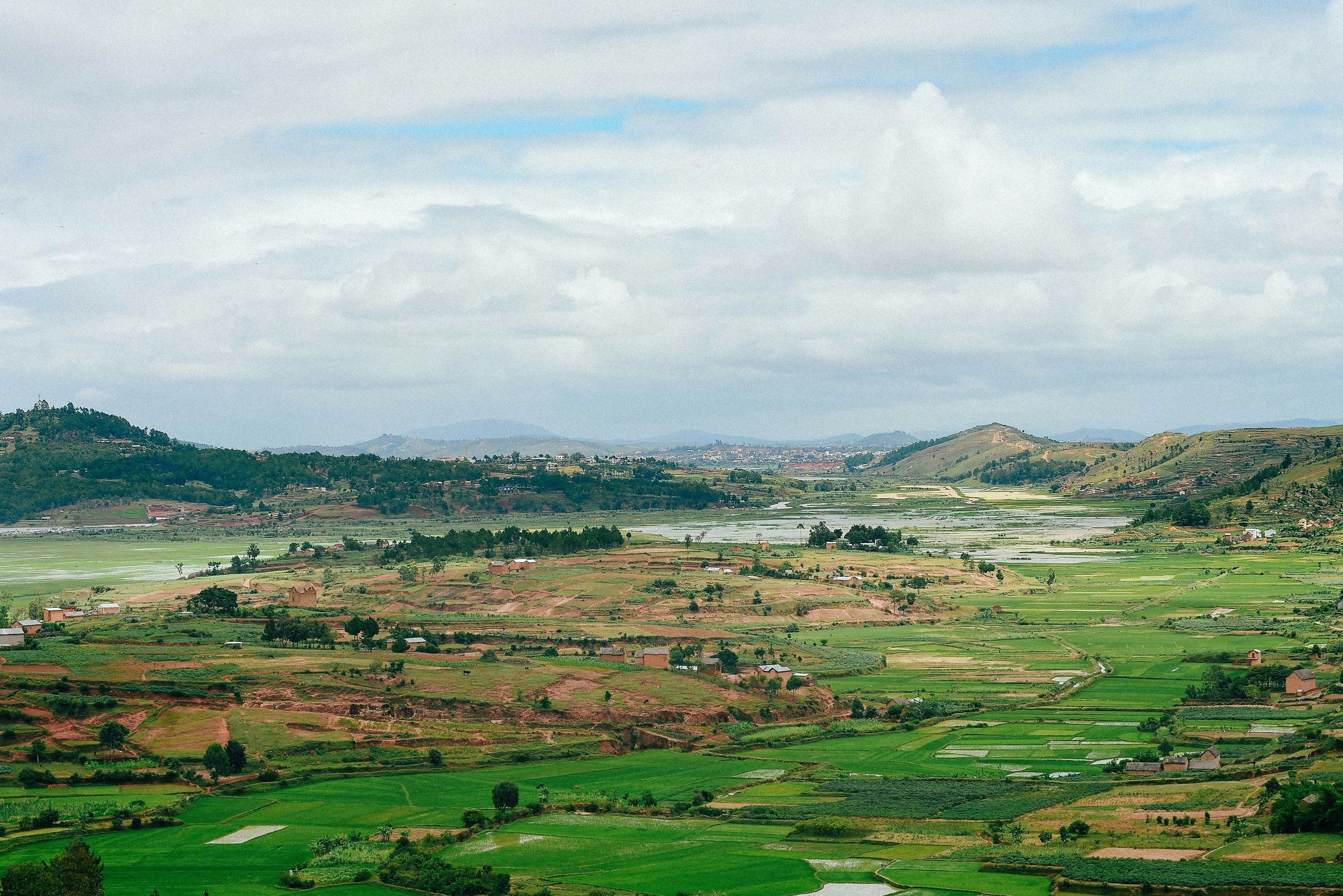
Lonely Planet's caution applies to every line below: the rains sometimes start in October and sometimes not until December, and in a damp year they run on into April.
Tell us your dates and what you would like to see. We reply within 24 hours with a written itinerary and a firm price.
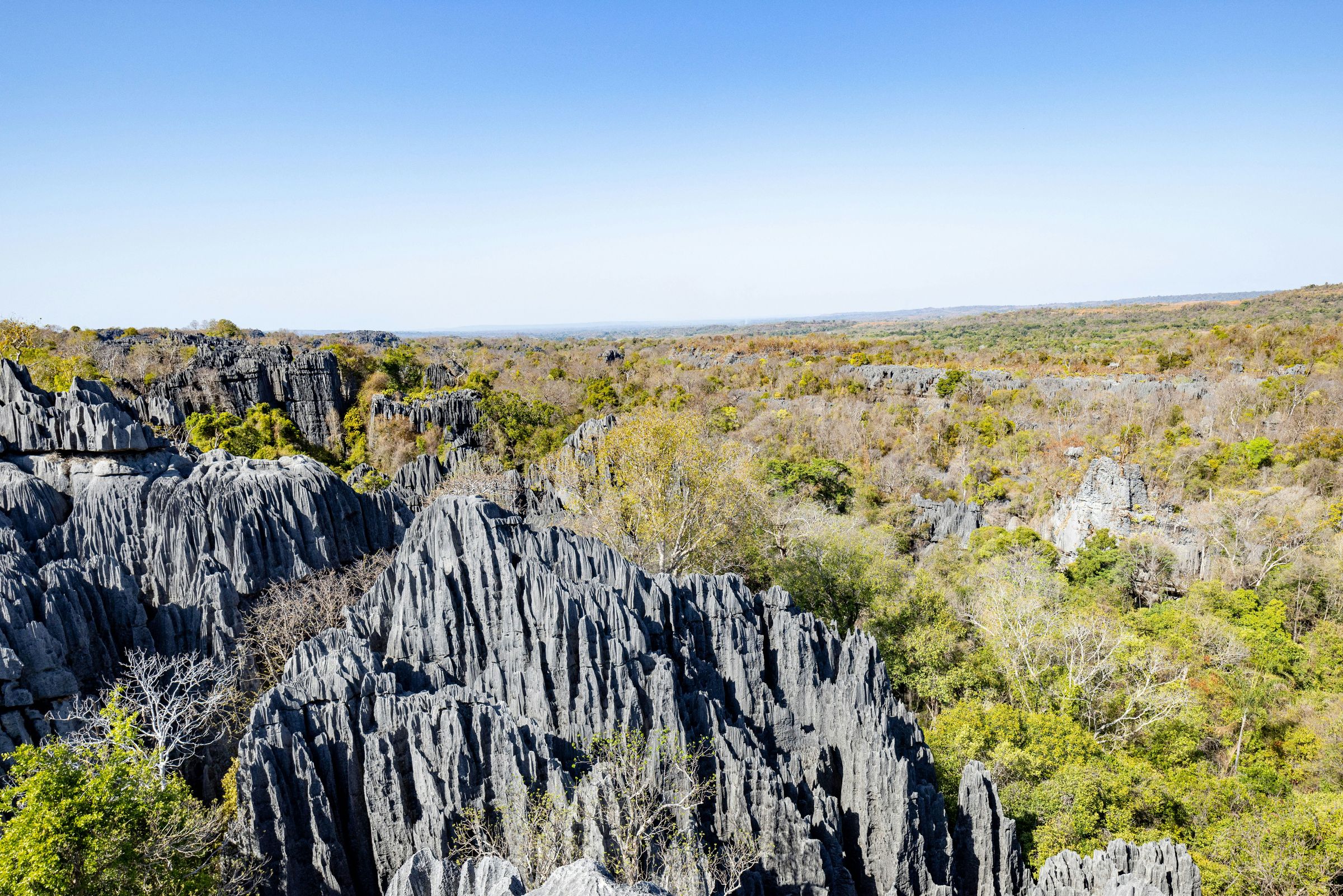
The west is a dry-season trip. Bekopaka, the village by Tsingy de Bemaraha, sits about 200 km from Morondava on a mostly unpaved road with river crossings, and the rains turn it to mud. Madagascar National Parks says that from mid-January to May the way in from Belo-sur-Tsiribihina is best done by motorbike. Even in the dry season it's 4x4 country, and at the time of writing the UK Foreign Office advises using a recognised tour operator in the west, Morondava and the Tsingy road included, because of the risk of violent highway robbery, particularly at night.
The park usually opens around mid-April and closes when the rains set in, usually in November (some years not until December). Parts of the Grand Tsingy often stay shut until about June, so if the Grand Tsingy is the point of the trip, aim for June to mid-October. Our trip pages give April to November for the 5-day West trip and May to November for the 10-day West Adventure. If you're thinking of April, May or late October and November, ask us what's open before you book.
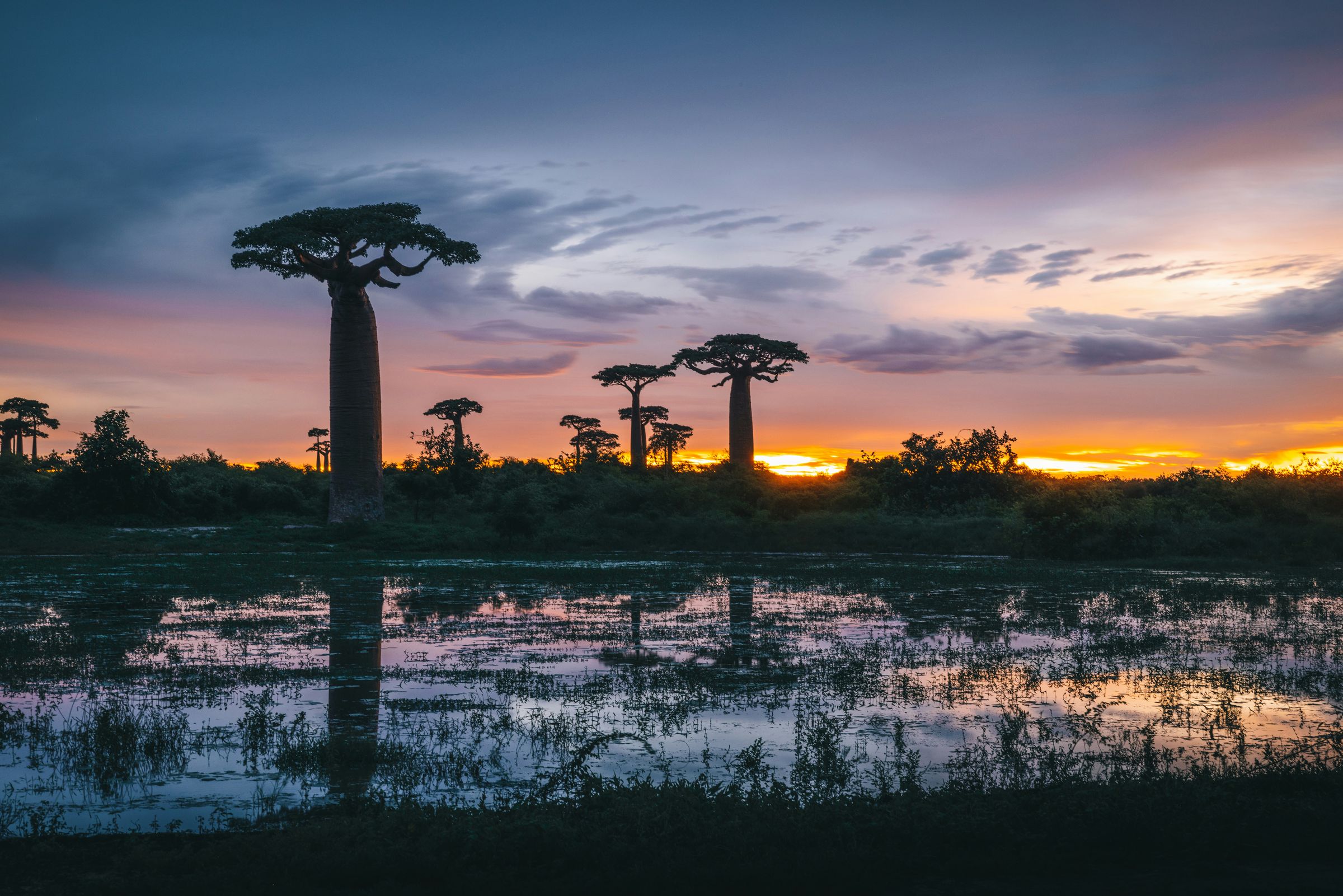
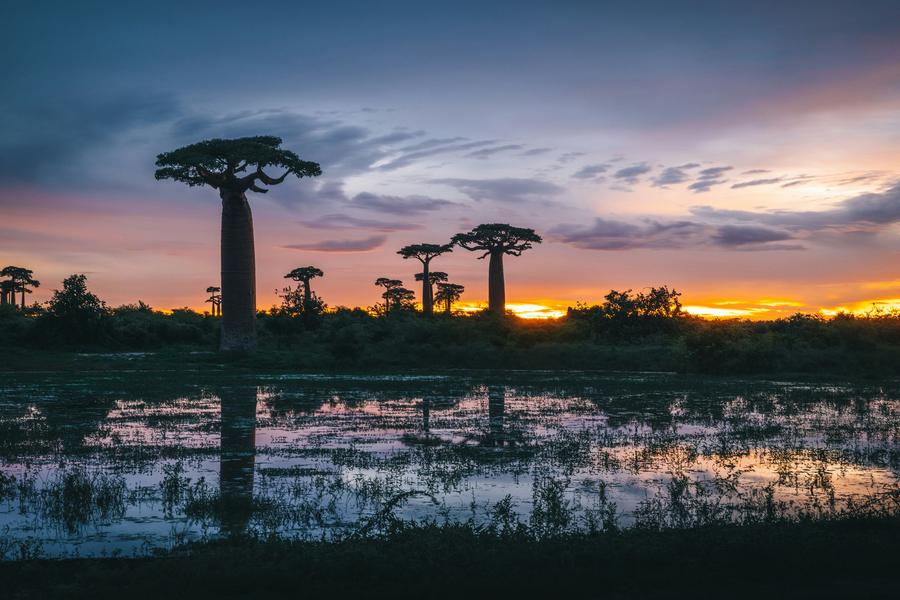
The Avenue of the Baobabs changes with the seasons too. Grandidier's baobabs are bare through the dry months and usually in leaf from about October to May. The classic picture of grey trunks against a blue sky is a dry-season one, and leafy crowns over flooded rice fields, like the photo at the top of this page, mean the rains. More in our guides to Tsingy de Bemaraha and the Avenue of the Baobabs.
All eight are private, with your own vehicle and driver-guide, and we're happy to reshape any of them around your dates.
Send us your dates through the booking form and we'll tell you what works then. We reply within 24 hours.
Photos: Nicolas Jehly, Sandy Ravaloniaina, Rafael Peier and Falco Negenman on Unsplash.
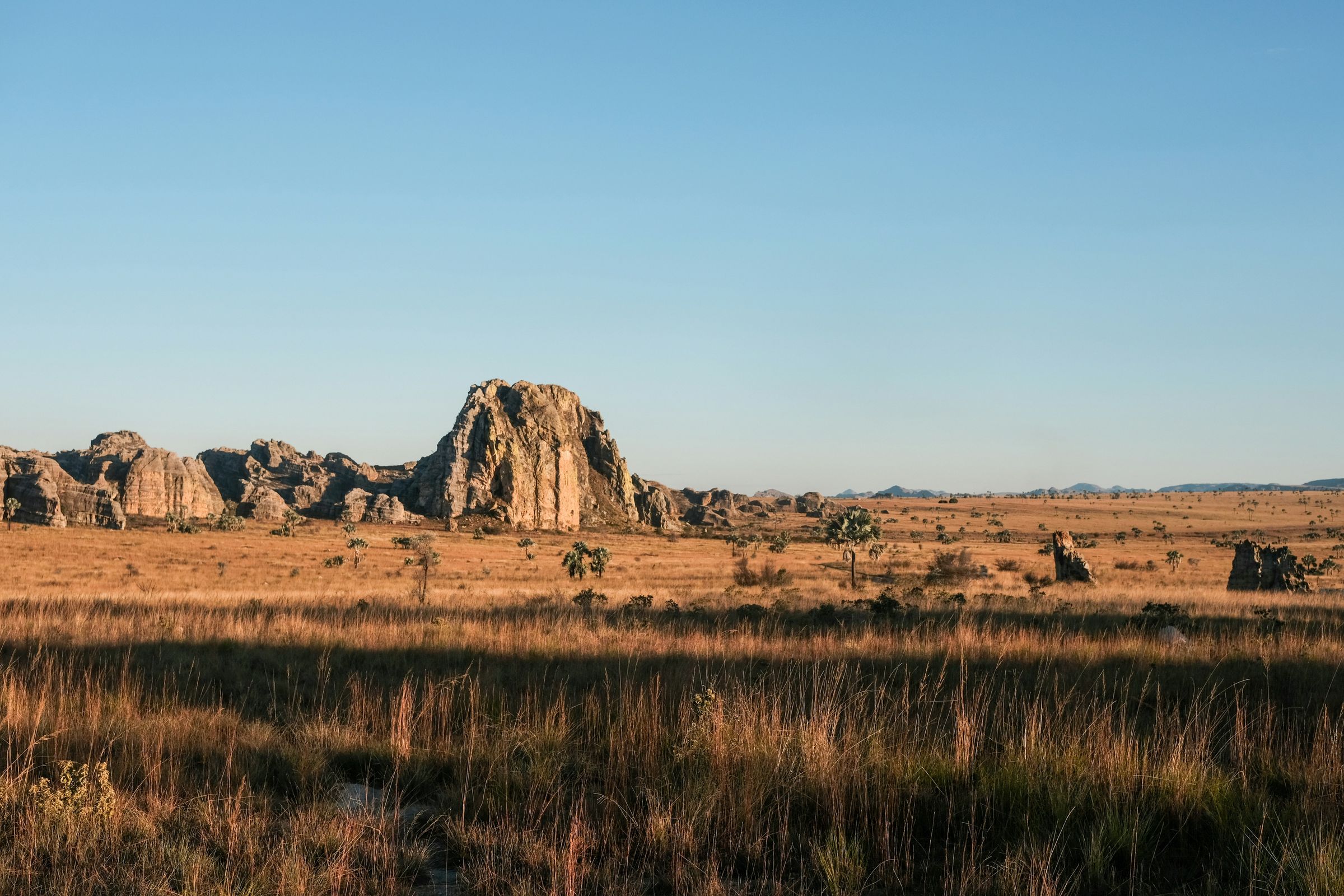
There's no single best month for the whole island, but May to October suits most trips: dry and mild, with the roads to the west usually open. October is a favourite with naturalists, with lemur babies, nesting birds and jacarandas in flower, while May and September are quieter. July and August are the busiest months.
Yes, for most routes, but they're the busiest months of the year, so book early. The highlands and the west are dry, with clear days and cold nights: average lows are about 11 °C in Antananarivo and 7 °C in Antsirabe. The east coast is the exception, wet even in July, but it's whale season off Sainte-Marie, and whales pass the south-west coast too.
The rainy season runs roughly from November to March and is heaviest from January to March, though the east coast gets rain in every month and the south-west very little. Cyclone season normally runs from November to April, and storms are most likely from January to March, mostly on the east coast. In 2026, Cyclone Fytia hit the west coast on 31 January and Cyclone Gezani hit Toamasina on 10 February.
Yes, within limits. The rainforest at Andasibe can be visited all year, the rains are the best time for chameleons and frogs, and flights and hotels are cheaper. But the Tsingy de Bemaraha is usually closed, many other remote tracks flood, and a cyclone can disrupt plans for days. Keep the route short or flexible, leave spare days, and check that your insurance covers disruption.
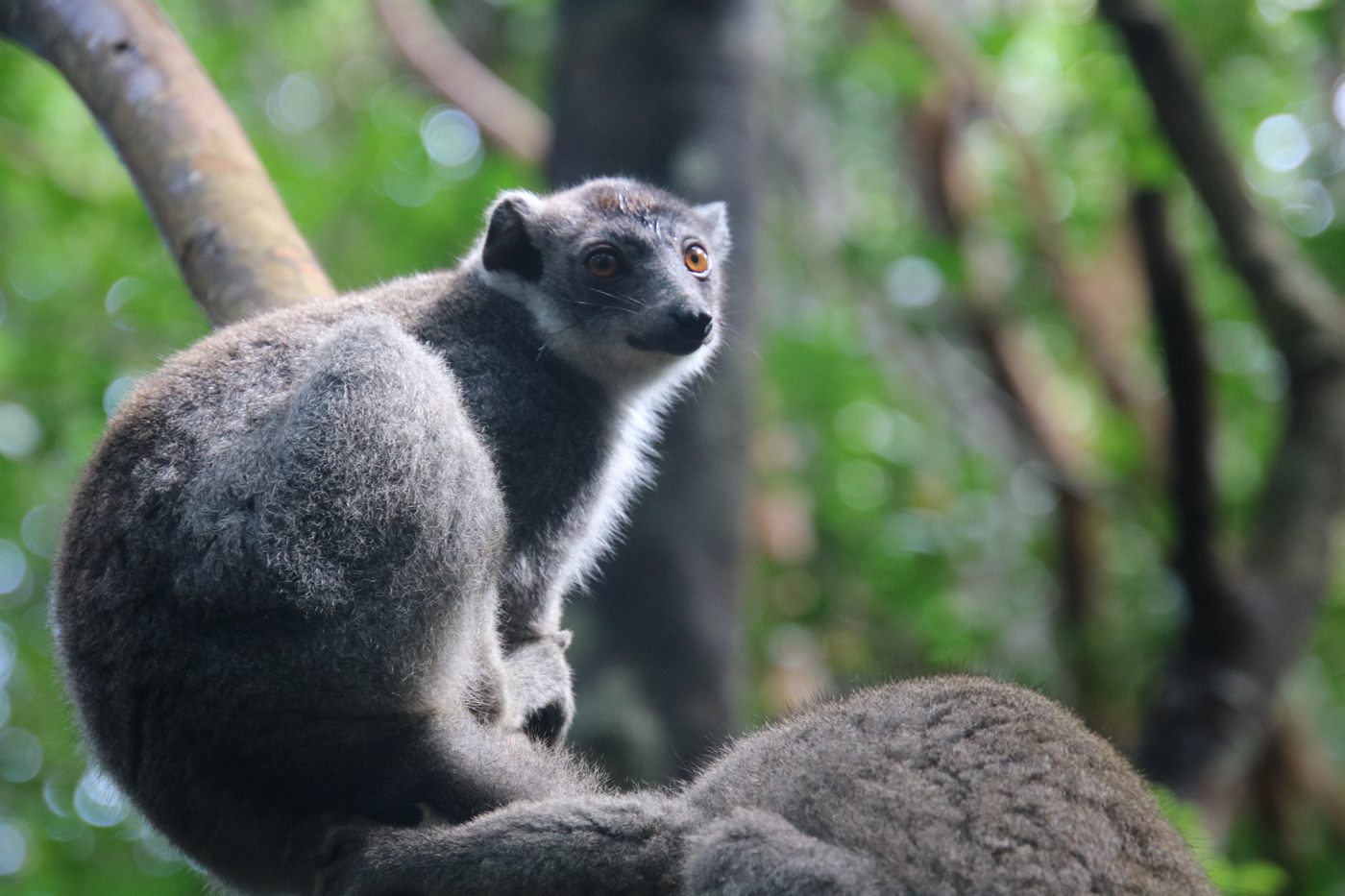
Mostly from August to November, depending on the species. Verreaux's sifakas are born mostly in July, ring-tailed lemurs in August and September, black lemurs from late August and common brown lemurs from September, both until November, crowned lemurs from mid-September to October and golden bamboo lemurs in December. September to November gives the best chance of seeing several kinds on one trip.
Humpback whales are off Madagascar from about June to October. Around Île Sainte-Marie the season is July to September, with the first whales from June and more mothers with calves later in the season. Along the south-west coast near Tulear whales pass from about June to October, and off Nosy Be they have been recorded from late July to mid-October.
Private trips with your own vehicle and driver-guide. Every one can be reshaped around your dates.
Indri at Analamazaotra, the Palmarium's approachable lemurs, boat rides on the Pangalanes Canal, then island time on Sainte Marie.
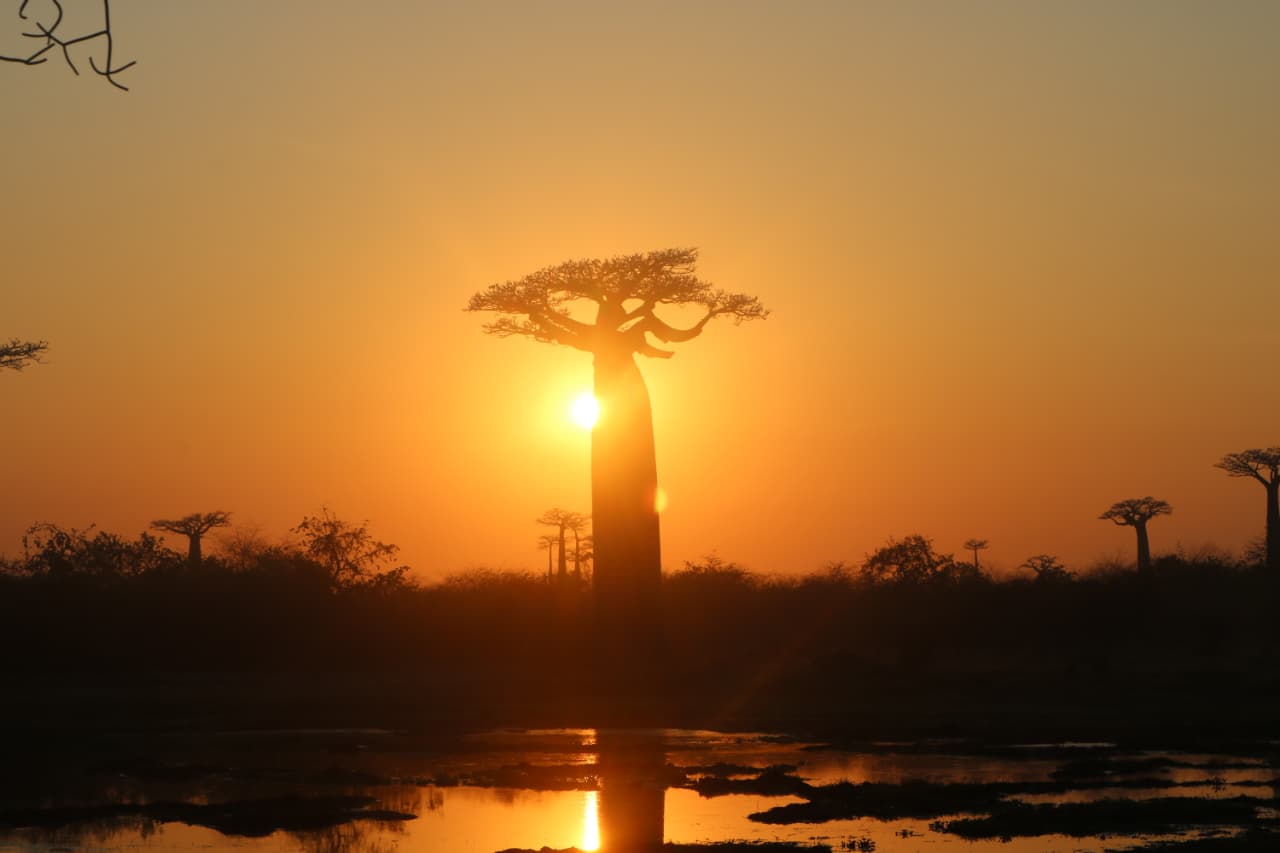
Sunset on the Avenue of the Baobabs, a night walk in Kirindy, the Grand Tsingy hike and a canoe on the Manambolo River.
Twelve days from Antananarivo: Amber Mountain, Ankarana, Lokobe, Sakatia snorkelling, Mont Passot and an Iranja day trip. Flights extra.
What fits in one, two or three weeks, with real drive times and the combinations that waste days on the road.
July region by region: cold highland nights, dry roads in the west and south, rain and whales on the east coast, the busy season, and the trips that fit it.
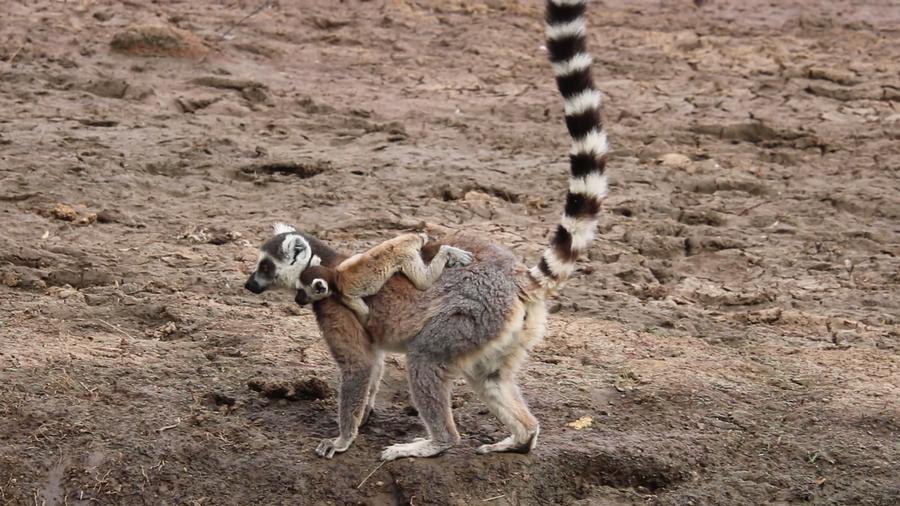
October region by region: warm dry days, heat in the west and south, lemur babies, jacarandas, birds breeding, the last weeks of the Tsingy, and the trips that fit.
December region by region: the first heavy rains, cyclone risk, the closed Tsingy, green forests and frogs, Christmas crowds and prices, and the trips that still work.

Send your dates and a rough idea. We reply within 24 hours with a written itinerary and a firm price. No deposit to ask a question.