
2 days · East
Andasibe: Lemurs & Rainforest Trails
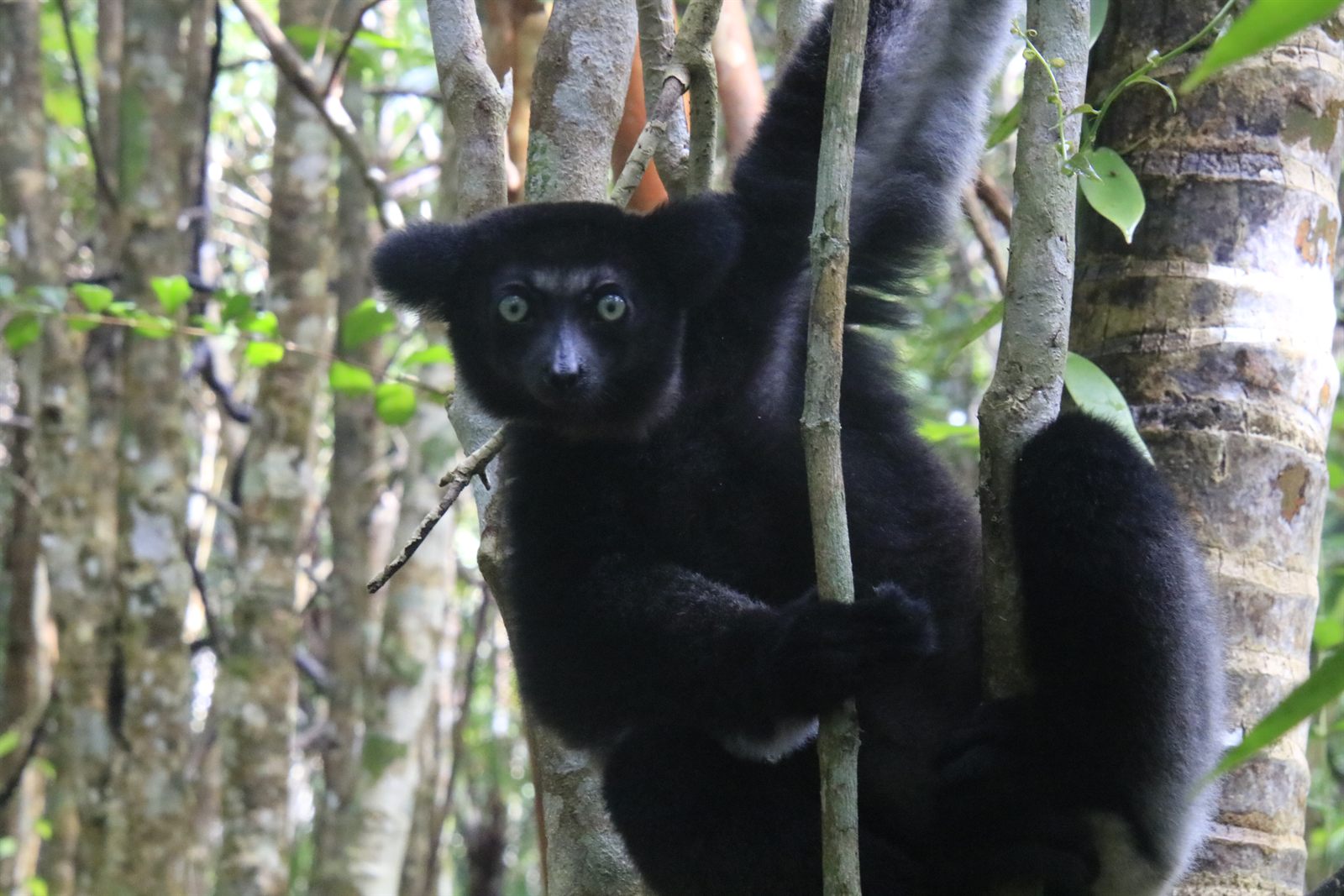
Chameleons at Peyrieras, a walk among the lemurs at Vakona, a guided night walk, and an early start in Analamazaotra, where the indri call most mornings.
More than 100 kinds of lemur, nearly half the world's chameleons, the tenrecs and the fossa. Which animals you can realistically expect, which forest holds which, what comes out on a night walk, and when the whales reach each coast. Checked in October 2026.
Many of Madagascar's native animals live nowhere else on Earth: more than 100 kinds of lemur, nearly half the world's chameleon species, hundreds of frogs, the tenrecs, some of them hedgehog look-alikes, and the fossa, a slim hunter of lemurs. Ten days gives you a fair chance at several lemur species, chameleons, geckos, frogs and birds found only here. The fossa and a wild aye-aye you'd see only with luck.
Where you go decides what you meet. Andasibe, three to four hours east of Antananarivo, has the indri. The RN7 south adds bamboo lemurs at Ranomafana and ring-tails at Anja and Isalo. Kirindy, in the west, has sifakas by day and, with luck, the fossa at night, and the far north has crowned lemurs and panther chameleons, usually blue or blue-green around Nosy Be. Every trip we run is private, with park fees and local guides included, and we never promise an animal.
Madagascar's long isolation helped produce a distinctive fauna. Habitats range from eastern rainforest to dry western forest:
Madagascar has no native monkeys, apes, big cats, elephants, giraffes, zebras or antelope. Its native land mammals are lemurs, tenrecs, small rodents, a few carnivores and bats, and its largest native carnivore is the fossa.
On our wildlife trips you walk forest trails with a local guide, compulsory in the national parks. If lions are the picture in your head, read Madagascar or Tanzania first. Leave snakes alone and keep away from crocodile habitat. The CDC also advises avoiding fresh, unchlorinated water because of schistosomiasis. Our dangerous animals guide covers these precautions.
Lemurs stay in their forests, but each species has its own range:
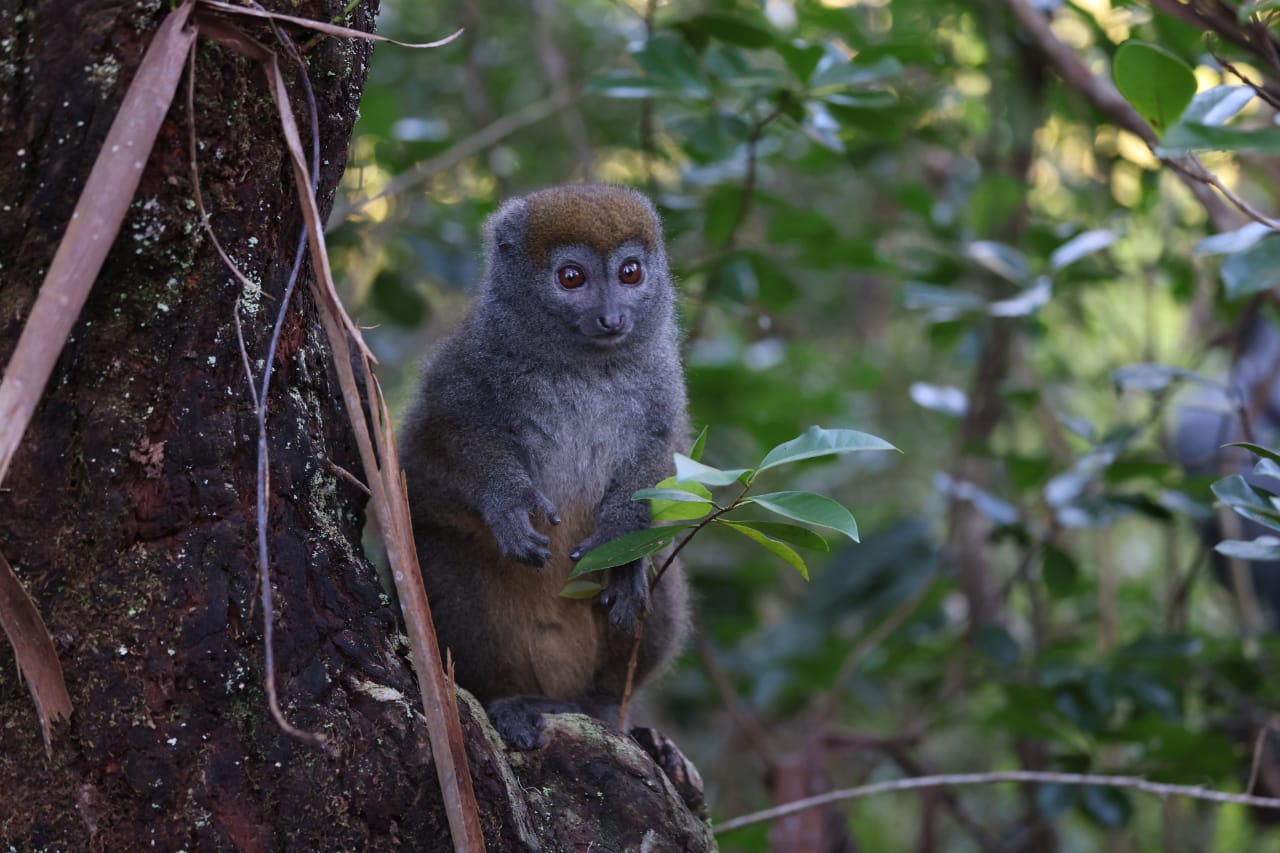
In the parks they're wild and often high in the canopy. Our guide to where to see lemurs goes park by park.
Many lemurs are active only at night:
Night access depends on the park or reserve, so confirm the actual walk when you book. Our trips have night walks at Andasibe (optional on the Eastern trip), along the forest edge at Ranomafana, at Ankanin'ny Nofy and at Kirindy. You may find eyeshine, sleeping chameleons or frogs, and possibly a leaf-tailed gecko. Bring a head torch with a red setting. Cooler months can be quieter.
Tell us your dates and what you would like to see. We reply within 24 hours with a written itinerary and a firm price.
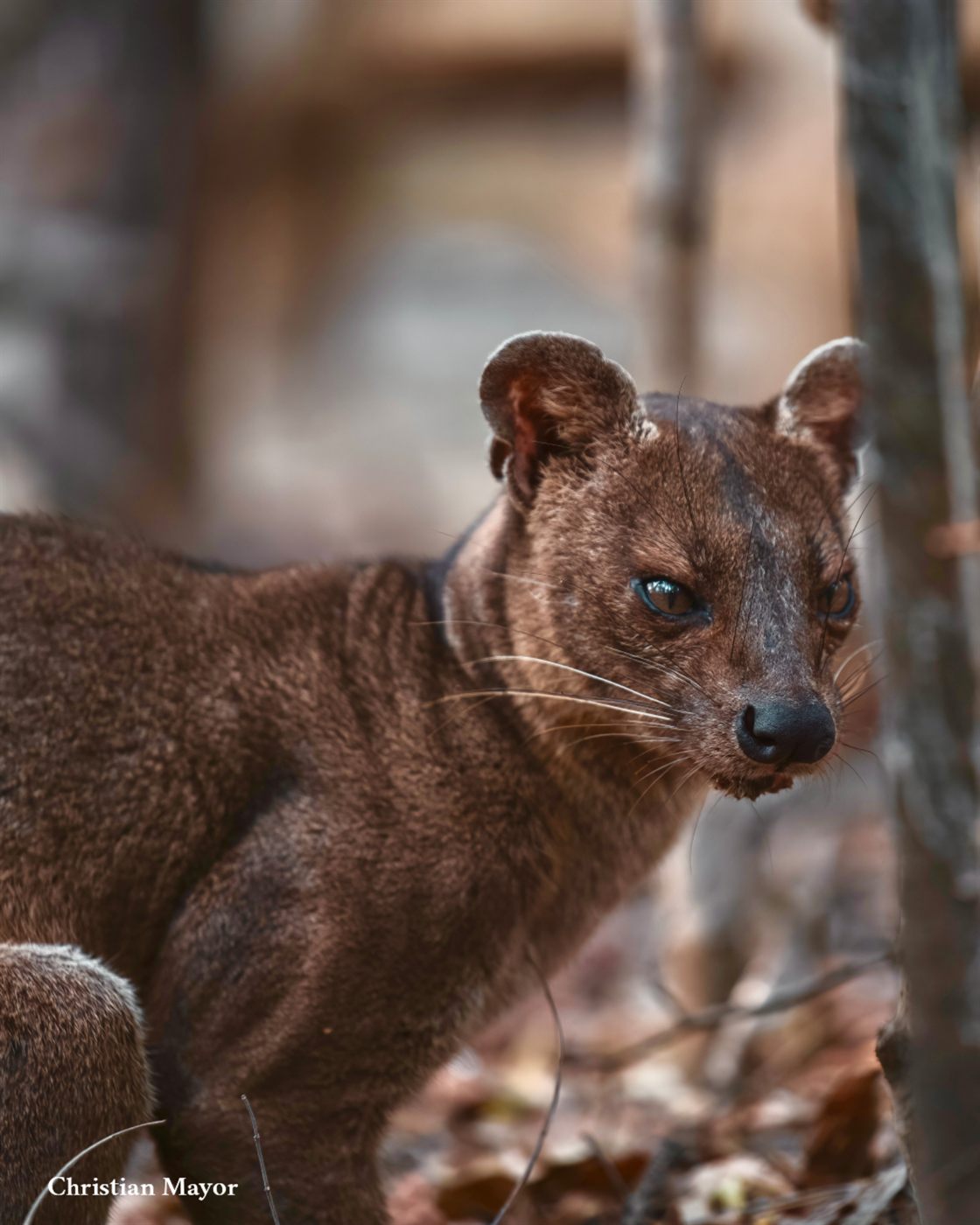
The fossa is Madagascar's largest native carnivore, an agile climber that hunts lemurs and other animals. It's listed as Vulnerable.
The place to try is Kirindy, a dry forest about 60 km north-east of Morondava, where a sighting is possible with luck. We still treat it as luck: our Kirindy night walk looks for nocturnal lemurs and, with luck, the fossa. The mating season runs roughly September to December. Our 5-day Baobabs and Tsingy trip, from €810 per adult, spends an evening and a morning there. Our fossa guide explains the chances.
Tenrecs are small mammals found mostly on Madagascar, and here they've evolved into look-alikes of hedgehogs and shrews. The lowland streaked tenrec of the eastern rainforest uses specialised quills to make a high-pitched sound. Some tenrecs become less active in the cooler months.
The giant jumping rat lives in a small area north of Morondava. Our 20-day trip's Kirindy walk looks for it.
A sleeping chameleon can give a photographer more time than a moving lemur.
At night chameleons sleep at the ends of twigs, so night walks often find more than a day on the trail. Reptiles are most active in the rains, November to March, when newborn chameleons cling to the leaves.
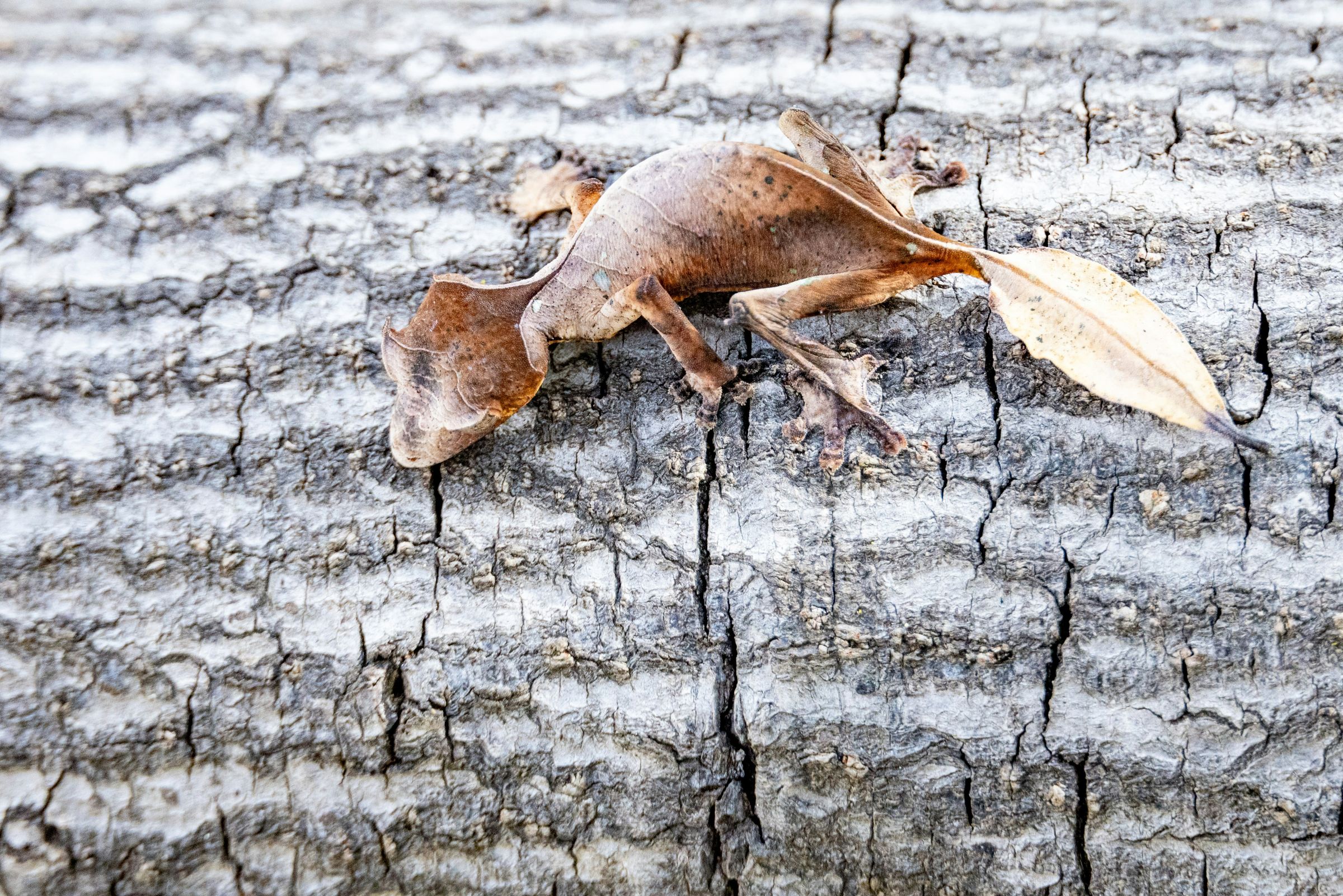
Day geckos are bright green, often marked with red, and sit on trunks in the sun. Leaf-tailed geckos spend the day pressed flat against bark. The satanic leaf-tailed gecko, at Andasibe among other eastern forests, is about 9 cm long, with a tail like a dead leaf "complete with apparent decay and missing pieces", as the Smithsonian's zoo puts it. A guide may spot one that you would walk straight past. Our chameleon guide and reptiles and insects page have more.
Nearly all of Madagascar's native frogs are endemic, and Analamazaotra records 84 amphibian species. Warm, wet evenings can bring more calling frogs, though a night walk still needs patience.
Madagascar has tree boas and ground boas, which are non-venomous constrictors. A guide may spot one among branches or on the forest floor. Keep your hands away.
The small animals deserve time too. Our reptiles and insects experience is a starting point if you'd rather spend an hour looking closely at a forest edge than hurry on to the next large mammal.
Of about 300 bird species recorded here, more than 100 live nowhere else. A few groups worth knowing:
Analamazaotra alone counts 108 bird species. September to November is the best window, and a specialist guide makes a big difference: see our birdwatching page.
Humpbacks migrate to Madagascar's waters to breed and calve. Sightings depend on sea conditions as well as the animals.
Choose a responsible operator and follow its distance rules. Nobody can promise a whale.
Our national parks guide compares the walking and access. Choose the region before adding individual species to a list.
The 2-day Andasibe trip, from €320 per adult, is the short rainforest option. The Eastern trip adds the Pangalanes and the Palmarium's managed lemur visits.
For bamboo lemurs and ring-tails, the Classic South combines Ranomafana, Anja and Isalo. The 5-day West trip instead visits Kirindy and the Tsingy, with different sifakas and a chance of a fossa sighting. The far north has crowned lemurs and Lokobe's black lemurs. Tell us the animals that matter most before trying to join all those regions.
In the national parks the animals are wild and keep their distance. That's the point, and a long lens or a patient guide gets you the shot. At the private reserves of Vakona and the Palmarium, generations of habituated lemurs come down to meet you, and that makes the experience different from watching a wild troop at a distance. Some of the Palmarium's species aren't native to that forest, though, and Peyrieras, our chameleon stop on the road to Andasibe, gives you close-ups rather than wild forest. If you'd rather keep to wild animals, tell us and we'll reshape the trip.
The IUCN's primate specialists publish recommendations for responsible lemur watching. Their advice includes:
We'd add: don't pick up a chameleon or a frog for a photo. Tell us which animals matter most on the booking page or WhatsApp, and a real person in Antananarivo replies within 24 hours.
Photo: Rafael Peier on Unsplash.
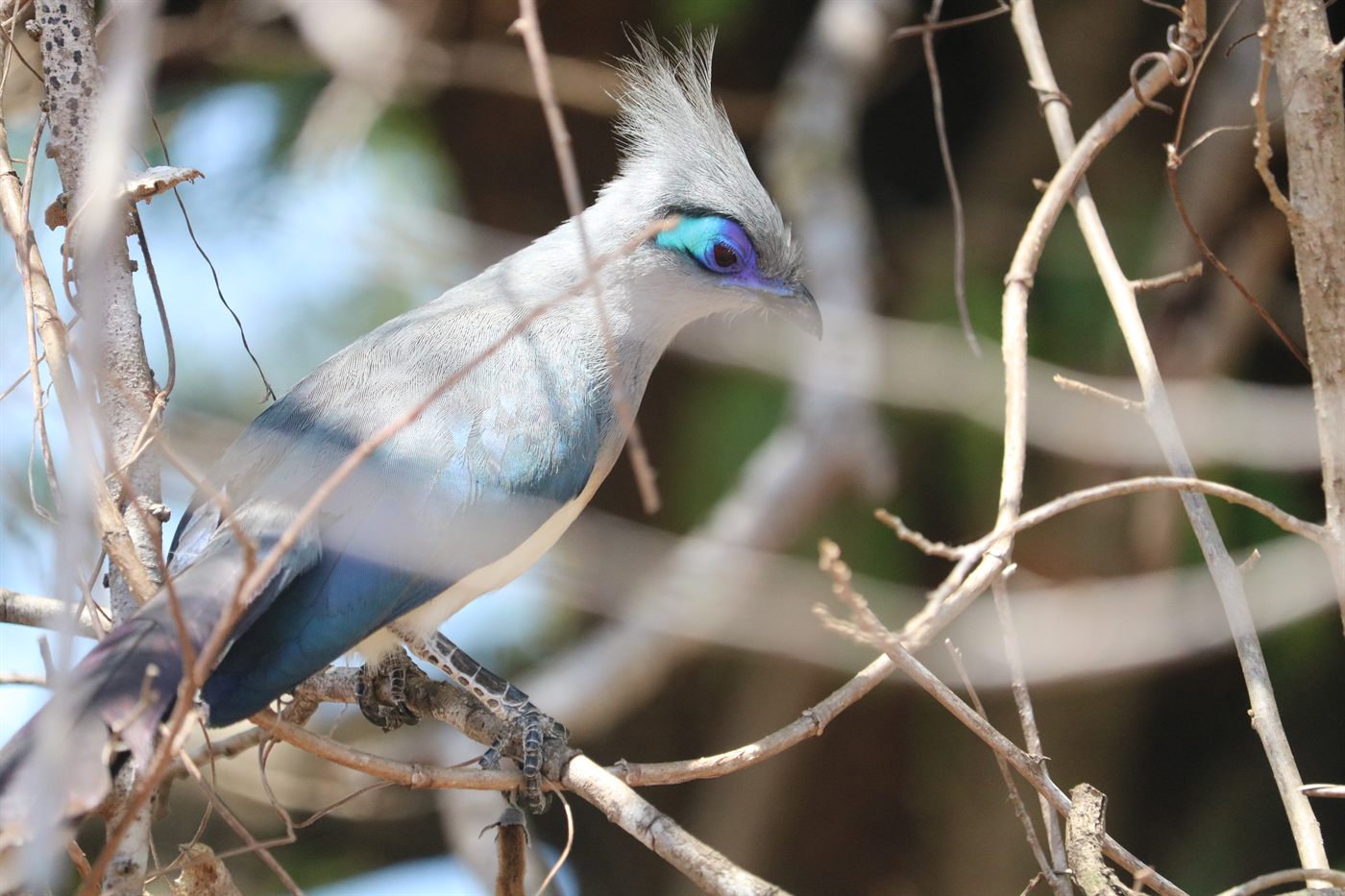
All of Madagascar's lemurs, more than 100 species, live naturally nowhere else, and so does the fossa, its largest predator. Most of its tenrecs, chameleons and frogs are endemic too, and nearly half of the world's chameleon species occur here. Of about 300 bird species, more than 100 are found only here, the couas among them.
Madagascar has no native monkeys, apes, big cats, elephants, giraffes, zebras or antelope. The native land mammals are lemurs, tenrecs, small rodents, a few carnivores and bats. Wildlife watching here means walking forest trails with a guide, not game drives.
For a short trip, Andasibe-Mantadia National Park, three to four hours east of Antananarivo: the indri, other lemurs, chameleons, frogs and a night walk in two days. Our private 2-day Andasibe trip costs from €320 per adult. With more time, add the RN7 south for bamboo lemurs and ring-tails, or Kirindy in the west for sifakas.
Quite lucky. A chance of a fossa sighting is never a promise. Your best chance is Kirindy, a dry forest about 60 km north-east of Morondava, where a sighting is possible with luck. The mating season runs roughly September to December. Our private 5-day Baobabs and Tsingy trip spends an evening and a morning at Kirindy.
There are Nile crocodiles in some rivers and lakes, and mosquitoes can transmit malaria. Don't handle snakes or other wildlife. The CDC advises avoiding fresh, unchlorinated water because of schistosomiasis. Ask a travel clinic about malaria prevention for your route.
Lemurs are there all year, and May to mid-November is the easiest window. Reptiles, frogs and insects are most active in the rains, November to March, and birding is best from September to November. Humpbacks arrive from about June or July off Sainte-Marie and the south-west, and from late July around Nosy Be. The west, Kirindy included, is best in the dry season.
Private trips with your own vehicle and driver-guide. Every one can be reshaped around your dates.
Chameleons at Peyrieras, a walk among the lemurs at Vakona, a guided night walk, and an early start in Analamazaotra, where the indri call most mornings.

Indri at Analamazaotra, the Palmarium's approachable lemurs, boat rides on the Pangalanes Canal, then island time on Sainte Marie.

The classic route done properly: Andasibe, Ranomafana, Anja's ring-tailed lemurs, the canyons of Isalo and the reef at Ifaty.
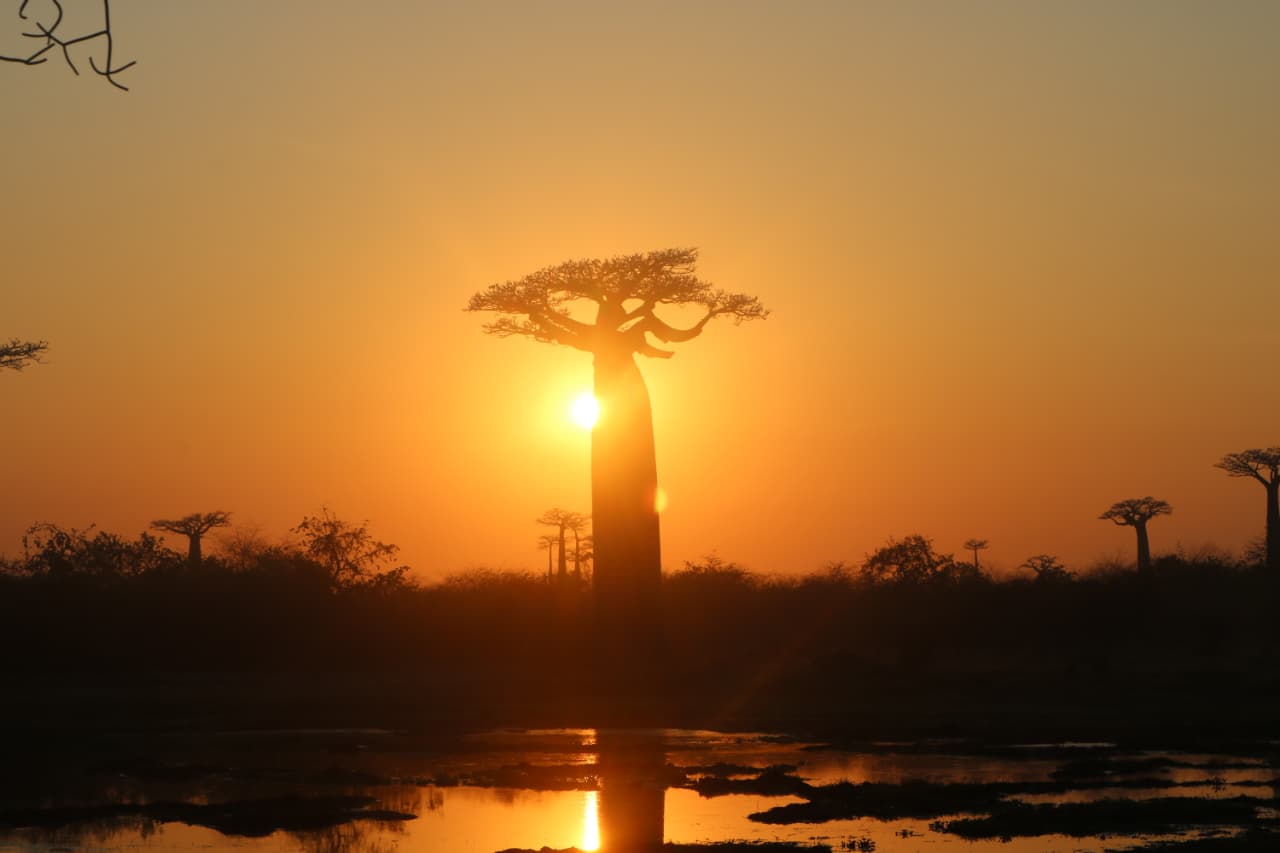
Sunset on the Avenue of the Baobabs, a night walk in Kirindy, the Grand Tsingy hike and a canoe on the Manambolo River.
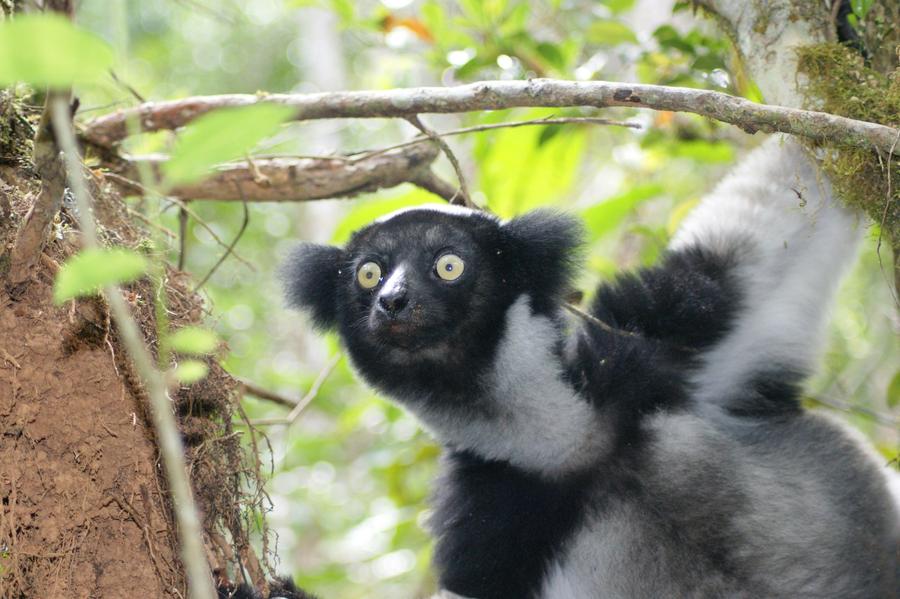
Indri, ring-tails, sifakas, the aye-aye and mouse lemurs: where each one lives, when to go, and how close you really get.
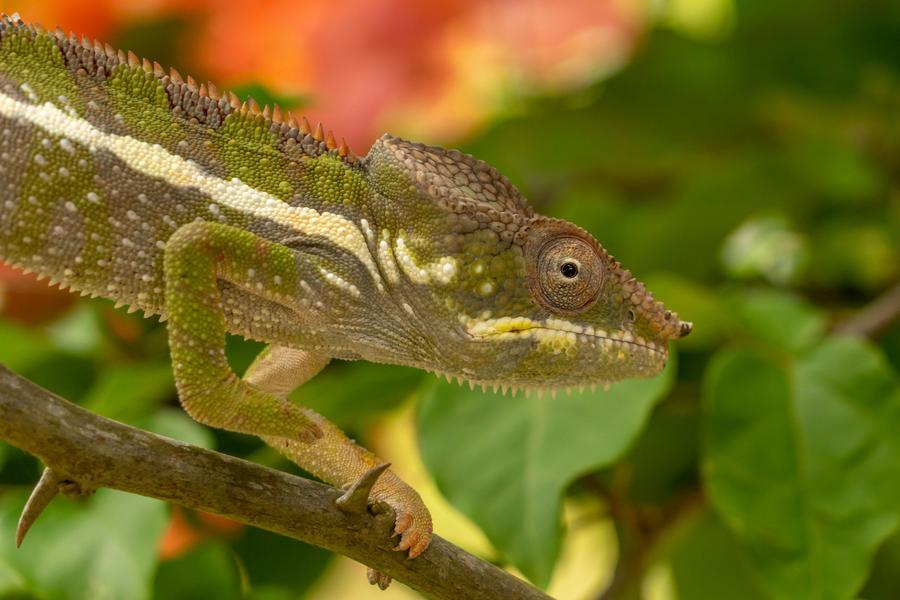
Panther, Parson's and leaf chameleons: where to find them, how the night walks work, what the colours really mean, and the months they're most active.
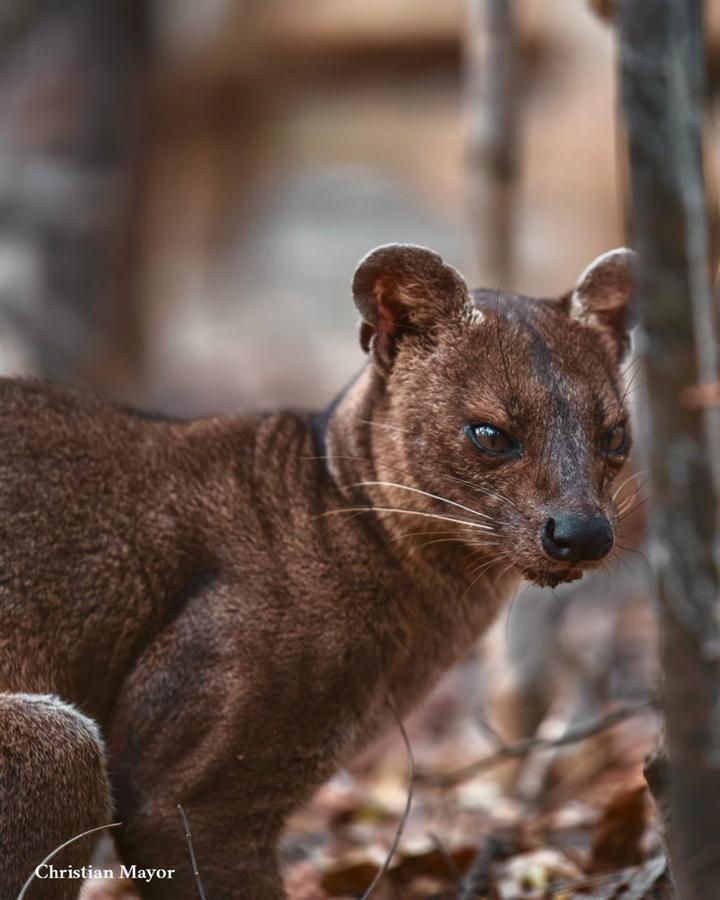
What the fossa is, where and when you have a real chance to see one, and how Kirindy Forest fits between the baobabs and the Tsingy.
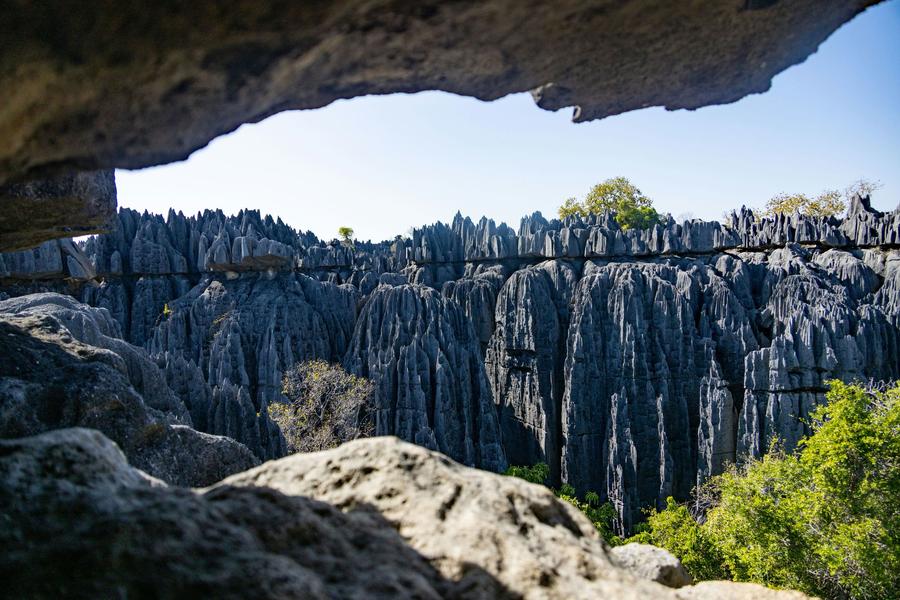
Andasibe-Mantadia, Ranomafana, Isalo, the Tsingy, the north and the remote parks: what each is for, how long to give it, the months that work and the trips that go there.

Send your dates and a rough idea. We reply within 24 hours with a written itinerary and a firm price. No deposit to ask a question.