
11 days · South

Classic South, Expanded Version
The classic route done properly: Andasibe, Ranomafana, Anja's ring-tailed lemurs, the canyons of Isalo and the reef at Ifaty.
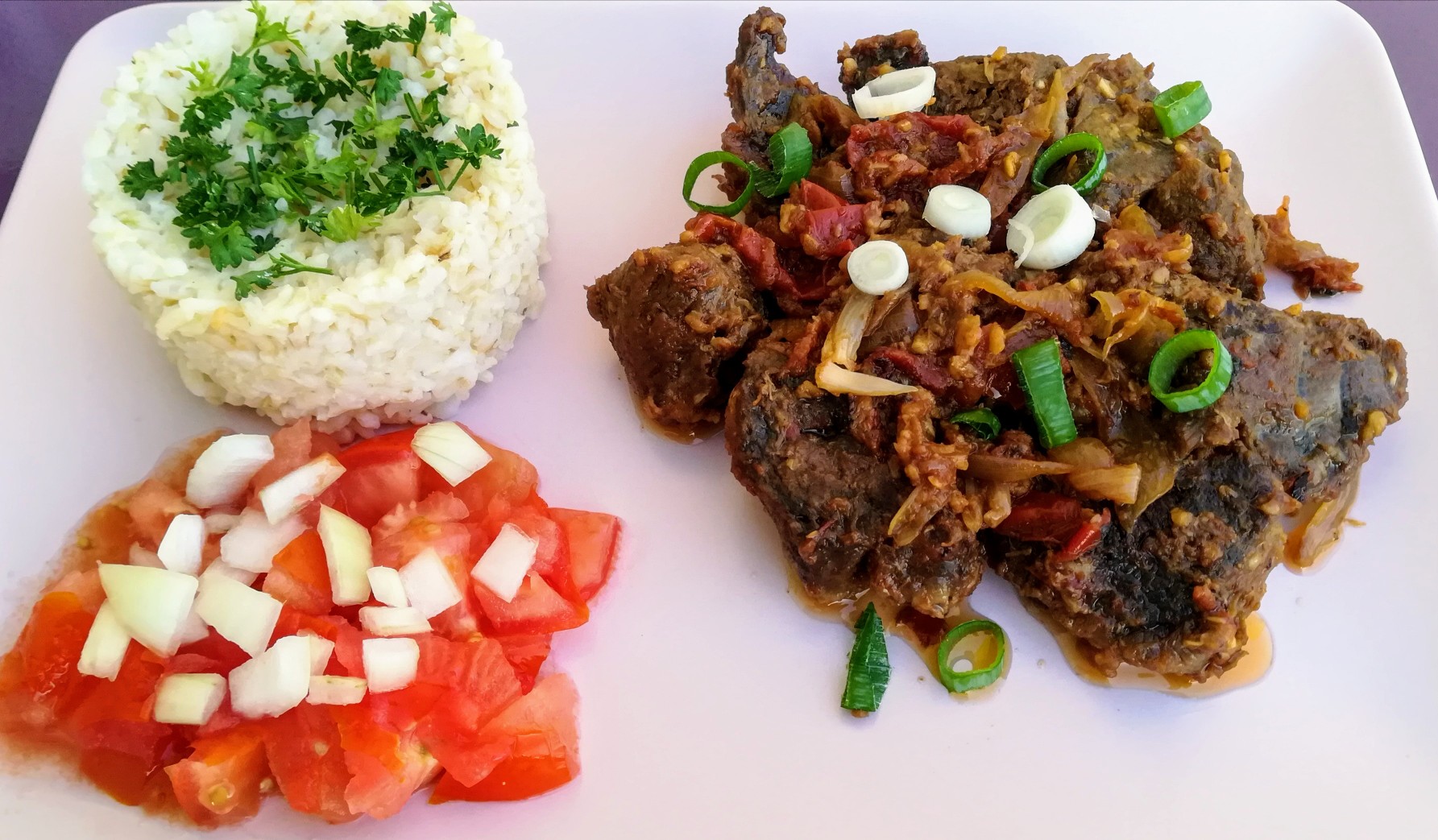
The rice, the dishes that go with it, what to buy from a street stall and what to leave, the fruit by season, the beer and the rum, and what a meal costs in October 2026. From our Malagasy team in Antananarivo.
Malagasy food is built on rice. It's eaten three times a day, and a meal is a big plate of it, called vary, with a laoka on the side: a stew, a broth or something grilled. The dishes to look for are romazava, a broth of beef and leafy greens often called the national dish, ravitoto with pork, chicken in coconut on the east coast, zebu in every form, and fish and seafood wherever there's a coast.
It's mild, filling and cheap. A plate of rice and laoka at a hotely, the simple eateries found in most towns, costs roughly 1 to 4 euros in 2026. You can mix Malagasy lunches with the lodge menu at night. We'd make room for the local lunches.
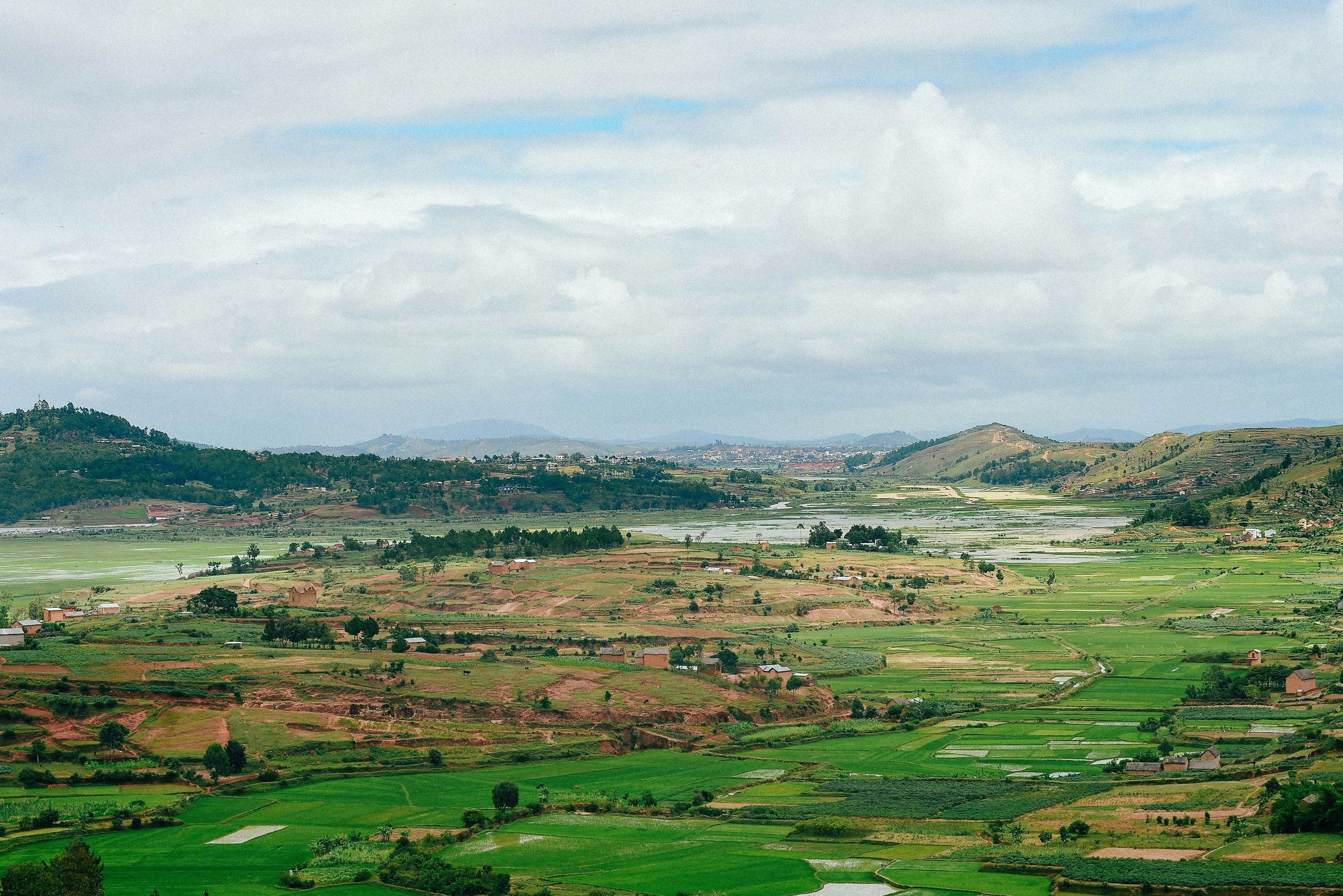
Rice gives Malagasy people somewhere between half and four-fifths of their daily calories, according to World Food Programme figures cited in a 2024 study. You'll see where it comes from on the first drive out of Antananarivo: paddies in the valleys around the capital, and rice terraces along the highland stretch of the RN7.
In a hotely, lunch is usually rice with laoka alongside. The laoka is the part you choose.
Malagasy cooking isn't hot. The heat comes on the side.
Two things sit on most tables. Lasary is a relish or pickle, usually of lemon, mango or papaya, and in the highlands often a simple salad of green beans or other vegetables. Sakay is the chilli paste, red or green, made with chilli, ginger and garlic. Try a little first. It can be very strong.
Then there's the drink. Ranovola (also called ranon'ampango) is the water boiled in the rice pot after the rice is cooked, so it picks up the toasted rice stuck to the bottom and tastes faintly of it. It comes with meals in homes and hotelys, and it should be served freshly boiled, in a clean cup. Some visitors love it. Others politely ask for a bottle of water.
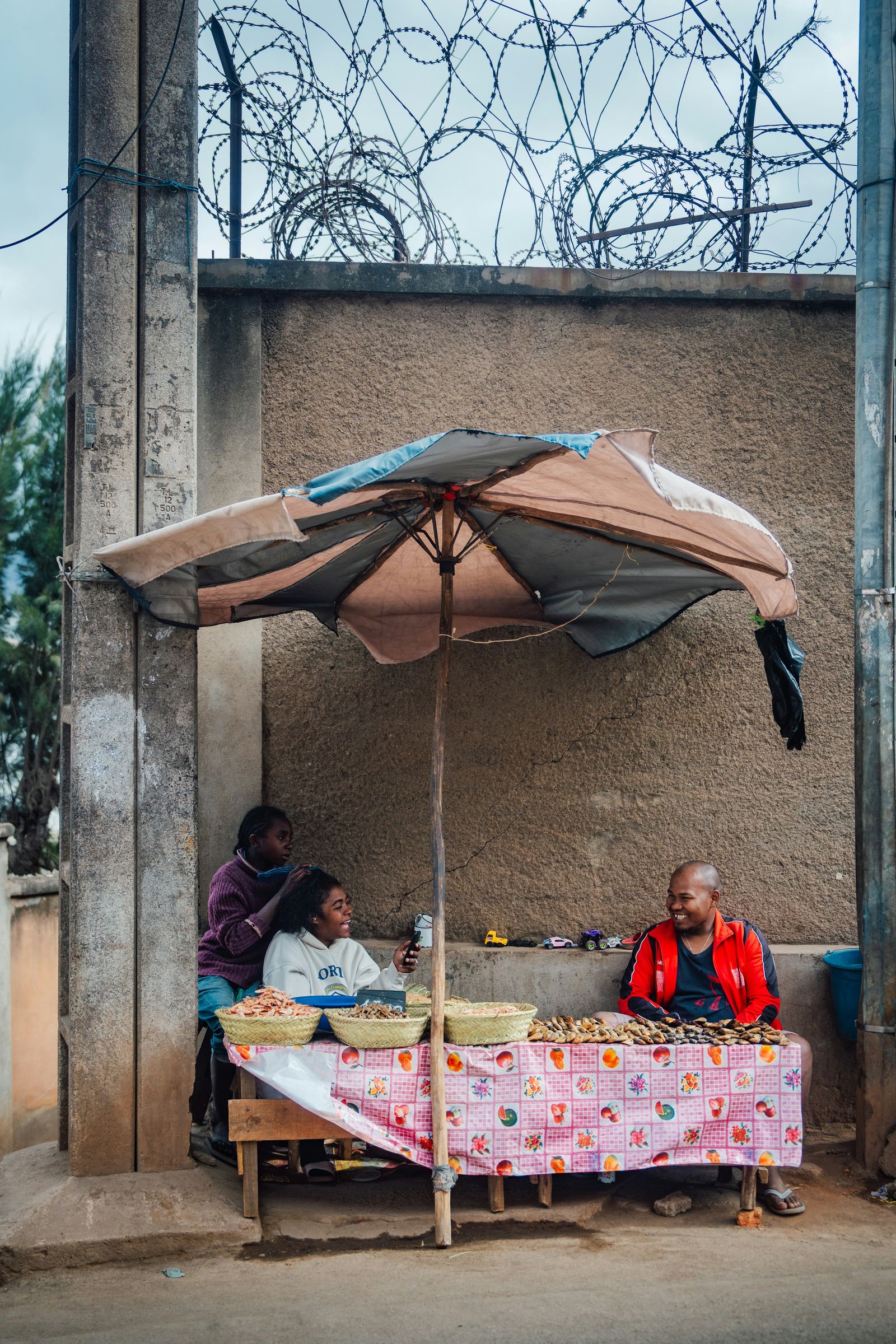
What you'll find on the stalls:
The markets are worth a walk even if you buy nothing, for the stalls of dried fish and shrimp, the greens for the laoka and the rice. Our guide to Antsirabe covers its big daily market.
Care with preparation and storage matters. Rough Guides' rule for street food is a useful starting point: buy what's cooked in front of you at a busy stall, and prefer something grilled or fried over a stew that's been sitting out. Canada's travel advice puts it as boil it, cook it, peel it or leave it, which rules out raw salads and fruit you haven't peeled yourself.
Water is the bigger risk. The UK Foreign Office says tap water is unsafe, so drink and use only boiled or bottled water and avoid ice in drinks. Choose an unopened coconut that's opened in front of you, or ranovola served freshly boiled in a clean cup. Neither drink is safe simply because of its name.
The CDC recommends hepatitis A and typhoid jabs for most travellers, and adds that the typhoid jab isn't 100% effective, so care with food and water still matters. Our guide to vaccinations and malaria has the rest.
Tell us your dates and what you would like to see. We reply within 24 hours with a written itinerary and a firm price.
Grilled fish or prawns with rice and a little salad is a common lunch, and on the coast lobster, crayfish and other shellfish take over the menus.
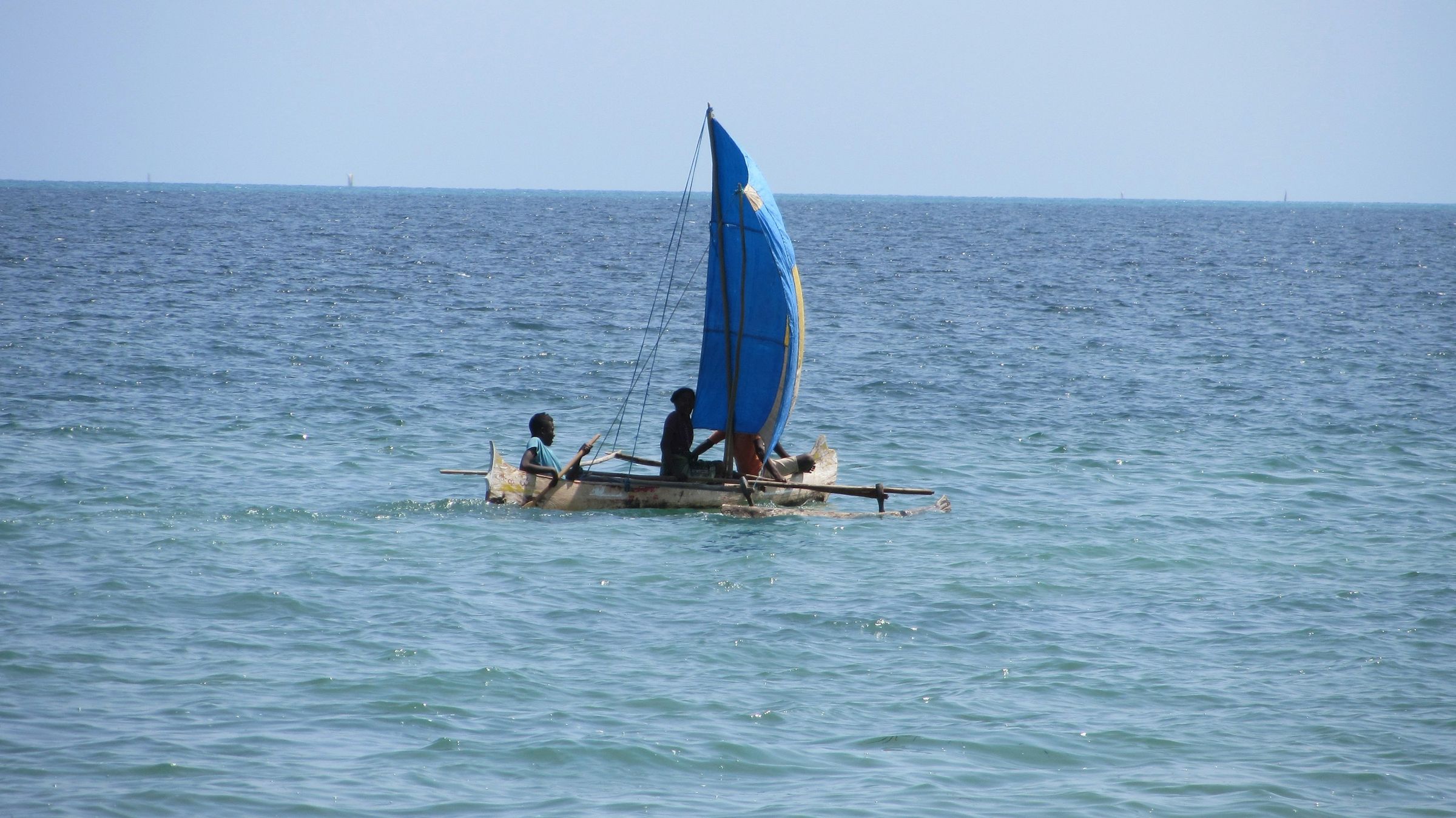
On the south-west coast, between Morondava and Toliara (Tulear), the Vezo are fishing people who go out in dugout canoes with a single outrigger, and Ifaty is on that stretch of coast. In the north, a day out to Nosy Iranja usually includes grilled fish or other seafood with rice in the village or on the beach. On the east coast, at Sainte-Marie and along the Pangalanes, coconut goes into the sauce.
Our Classic South, from €1,730 per adult, ends with two nights by the reef at Ifaty, and the Eastern trip, from €1,620, ends with three on Île Sainte-Marie. Both are good places to stop ordering zebu.
From June to August, Bradt says, fruit is mostly citrus and bananas. From September come mangoes, pineapples and strawberries, and in October and November lychees are sold from roadside stalls in the east. The lychee harvest runs from about November into February, and much of it is shipped to France.
The beer is THB, Three Horses Beer, a lager brewed in Madagascar, including at the Star brewery in Antsirabe. Shop and hotel-bar prices differ, so check the menu.
The rum is more interesting. Rhum arrangé, rum steeped with fruit or spices, is found in most locally run hotels, and it's the drink to try. Dzama is a widely available bottled rum brand. On the coast, punch coco mixes rum with coconut milk.
You may also be offered betsabetsa, fermented sugarcane juice, on the east coast. Rum is also made locally all over the island, as toaka gasy, and what's in the bottle varies. Ask your guide before you accept a second glass.
Hotels and lodges mostly cook international menus with a French accent, which goes back to the colonial years along with the baguettes and pastries. Expect zebu steak, fish and a dessert, with three courses usually costing about 10 to 20 euros a head. Smaller, locally run hotels often cook Malagasy food, and Bradt says it's almost always excellent. In remote places there's usually one set menu, so tell the hotel early if you don't eat something.
Madagascar makes its own wine, which Bradt calls not world class but sometimes very pleasant. Try the Malagasy yoghurt too, sold in even the smallest shops.
Tell us before the trip if you're vegetarian or vegan. Beans and greens can form a meal, but ask explicitly about stock and other ingredients as well as pieces of meat. Bradt notes that communication is often the difficulty when ordering meatless dishes. Your driver-guide can explain in Malagasy what you do and don't eat.
Use these as rough planning allowances in October 2026, rather than fixed menu prices. For conversion, about 5,000 ariary to a euro is a working approximation; check the current exchange rate:
All in, with lunch, dinner, drinks and tips, budget roughly 25 to 45 euros a day each. Pay in ariary cash, since cards work in few places, and tip about 5% in restaurants, 10% if it was very good. More in money in Madagascar and what a trip costs.
Breakfast is included every day on our set trips. Lunches and dinners mostly aren't, except where a trip lists them, so you choose where to eat, and your driver-guide can point you to a good hotely on the road. On the Classic South, the lunch stop in Ranomafana is Centre ValBio, a research and conservation centre. On the Eastern trip, day 5's lunch is inside the Palmarium reserve.
If you'd like to cook as well as eat, Malagasy cooking classes are among the extras on our services page. Tell us when you send your dates and we'll see where one fits. For the customs around the table, see Malagasy culture, and for the rest of a first trip, our travel tips.
Photos: Sandy Ravaloniaina, Sitraka and Antonio Sánchez on Unsplash.
Romazava, a broth of beef or zebu with leafy greens, garlic and ginger, served with rice. The greens usually include anamalao, whose flower buds leave a tingling feeling on the tongue. Ravitoto, pork with pounded cassava leaves, is another favourite.
Rice, three times a day. It gives somewhere between half and four-fifths of daily calories. Each meal is a plate of rice (vary) with a laoka on the side: a stew, a broth, beans, greens, fish or meat, often with lasary, a relish, and sakay, a chilli paste. In the morning, street stalls sell mofo gasy, small rice cakes, warm.
Not usually. The cooking itself is mild, flavoured with garlic and ginger, and on the coast with coconut. The heat comes separately as sakay, a red or green paste of chilli, ginger and garlic, so you add as much as you like.
You can reduce the risk, but careful choices don't remove it. Buy food cooked in front of you at a busy stall, and prefer grilled or fried food over stews that have been sitting out. Avoid raw salads, peel your own fruit, and never drink tap water or take ice: the UK Foreign Office says drink only boiled or bottled water.
In October 2026, a plate of rice and laoka at a hotely, a simple local eatery, costs about 6,000 to 20,000 ariary, roughly 1 to 4 euros. Allow roughly 10 to 20 euros a head for three courses at a lodge, then check menus for your chosen hotels. With drinks and tips, budget roughly 25 to 45 euros a day each.
Often, with advance notice. Many laoka are made from beans or greens, and Bradt says you can usually order a meatless dish anywhere, even at a small hotely. Vegans find it harder. A guide who can explain what you eat in Malagasy helps a lot.
The harvest runs from about November into February. In October and November, lychees are sold from roadside stalls in the east. Mangoes, pineapples and strawberries come in from September.
Private trips with your own vehicle and driver-guide. Every one can be reshaped around your dates.
The classic route done properly: Andasibe, Ranomafana, Anja's ring-tailed lemurs, the canyons of Isalo and the reef at Ifaty.

Indri at Analamazaotra, the Palmarium's approachable lemurs, boat rides on the Pangalanes Canal, then island time on Sainte Marie.
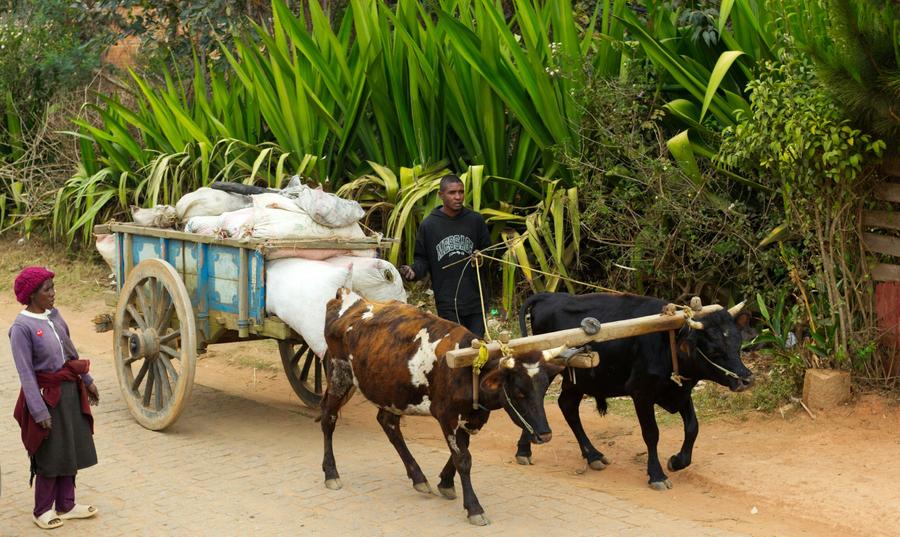
The ancestors and famadihana, fady, the lamba and other dress, savika and the zebu, religion, crafts to bring home, and the manners that matter on a trip.
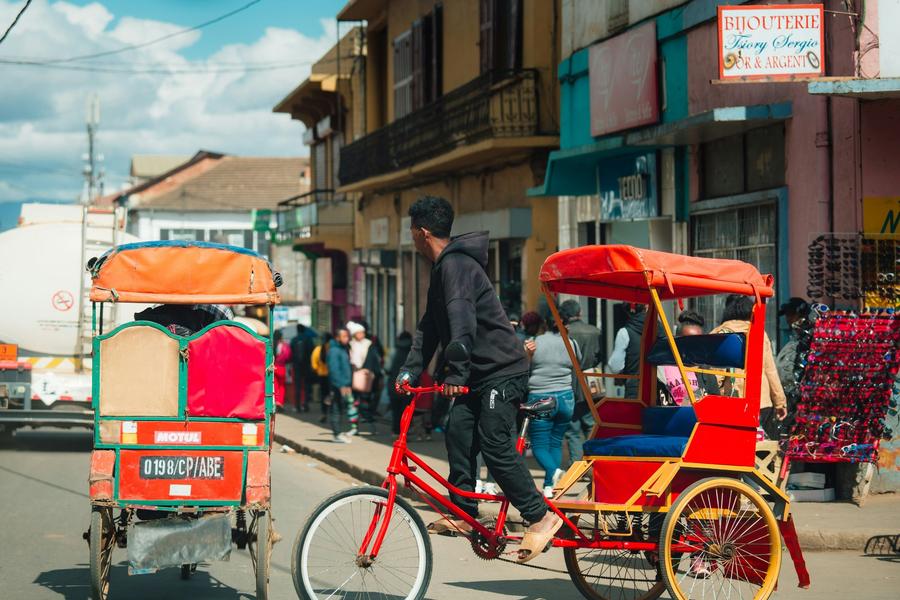
The ariary and its rate in October 2026, euros or dollars, cash machines and their limits, cards in hotels, what things cost, tipping, and how much cash to carry.
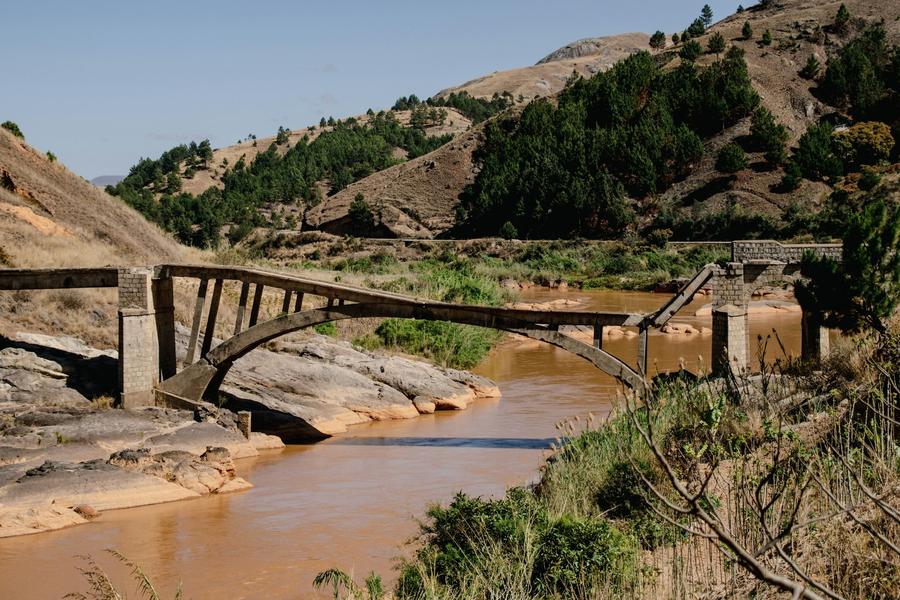
The visa, cash and the ariary, malaria and water, slow roads, power cuts and SIM cards, fady and photos, packing, tipping and the seasons: what to know before a first trip.

Send your dates and a rough idea. We reply within 24 hours with a written itinerary and a firm price. No deposit to ask a question.