
11 days · South

Classic South, Expanded Version
The classic route done properly: Andasibe, Ranomafana, Anja's ring-tailed lemurs, the canyons of Isalo and the reef at Ifaty.
The fishing villages, the reef and the spiny forest north of Tulear, what the town itself is like, whale season on the south-west coast, the boat to Anakao, the heat, and how Ifaty ends our Classic South.
Ifaty is a stretch of Vezo fishing villages on Madagascar's south-west coast, about 25 km north of Tulear (Toliara), with Mangily 3 km further on. It sits on a long lagoon behind a barrier reef, so people come to snorkel and dive, and behind the beach is spiny forest full of baobabs, best seen at dawn in the Reniala reserve. It's also the driest coast on the island, and where our RN7 trip ends before the flight back to Antananarivo.
Our Classic South, 11 days from €1,730 per adult, finishes here with two nights by the sea. The Ultimate Madagascar Adventure arrives from the other direction, down the coast from Morombe, and spends a night here before turning inland to Isalo. Both are private, with your own vehicle and driver-guide.
Tulear is where the RN7 ends, by the seafront, a little over 920 km from Antananarivo. Ifaty is up the coast on the RN9, the road north towards Morombe. Its first hundred kilometres or so out of Tulear have been tarred, so older descriptions of a sandy track can be misleading. Allow time for the transfer and ask about current road conditions.
Most people come one of two ways:
"Ifaty" is used loosely for the whole stretch. Ifaty village comes first and Mangily 3 km on, where most of the bars and the entrance to Reniala are, with the beach hotels along the shore. Tracks run from the road across dry fields and dunes to the beach, about 500 m away.
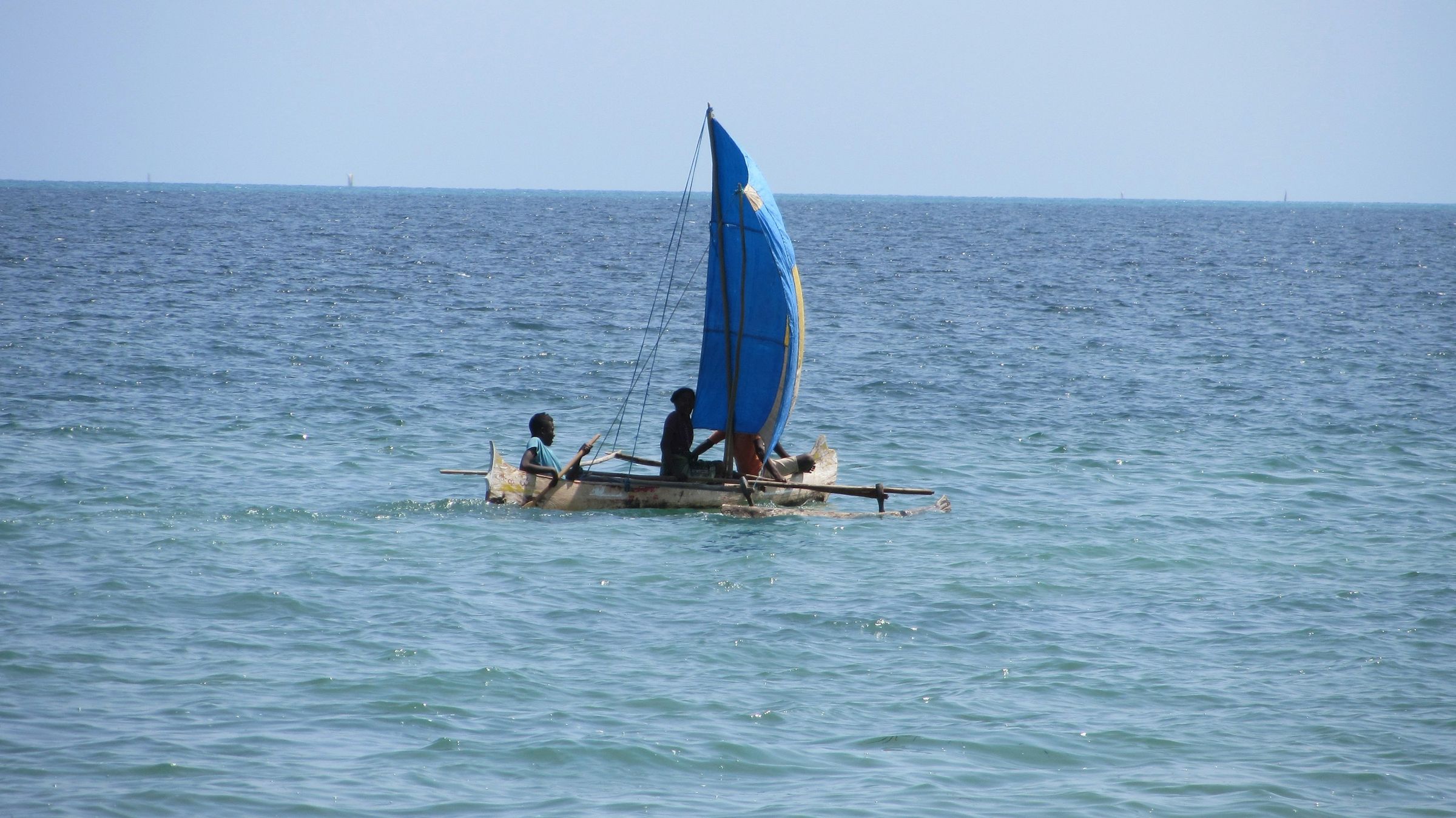
The lagoon here, the Baie de Ranobe, runs for about 26 km behind the reef, from Ifaty up to Manombo. The Vezo fishermen work it from outrigger pirogues like the one at the top of this page. The Vezo live along this coast, mostly between Morondava and Tulear, and fishing is central to Vezo identity.
Rough Guides calls the snorkelling and diving good. Keep your expectations in check, though. A 2012 study of the Grand Récif off Tulear found it had lost most of its coral since the 1960s, largely to fishing pressure on a coast where fishing is the main source of food and income. Ifaty's reef wasn't part of that survey. ReefDoctor, a conservation group based at Ifaty, works with the villages on small community marine reserves, among them Massif des Roses, which visitors can dive. Those are the spots to ask for.
On the Classic South, day 10 is free. Snorkelling is the usual choice, and your hotel can arrange a boat or a dive. Bring reef shoes: sea urchins are common on reef flats, and standing on coral damages it.
Behind the beach is the spiny forest, the dry thicket of the far south-west. Its strangest plants are the octopus trees of the Didierea family, spiny stems that look like cacti but are only distantly related to them. Most of its plant species grow nowhere else, and it's still being cleared for farming and grazing and cut for charcoal and firewood.
Reniala, at Mangily, protects a patch of under 1 km², about 0.6 km² by Lonely Planet's figure. Rough Guides counts roughly a thousand fony baobabs in it (Adansonia rubrostipa), the smaller, often bottle-shaped species of the south-west, bare in the dry months and in leaf from about November to April. Our baobab guide compares it with the giants near Morondava. There are two circuits, one of 45 minutes to an hour and one of an hour and a half to two hours.
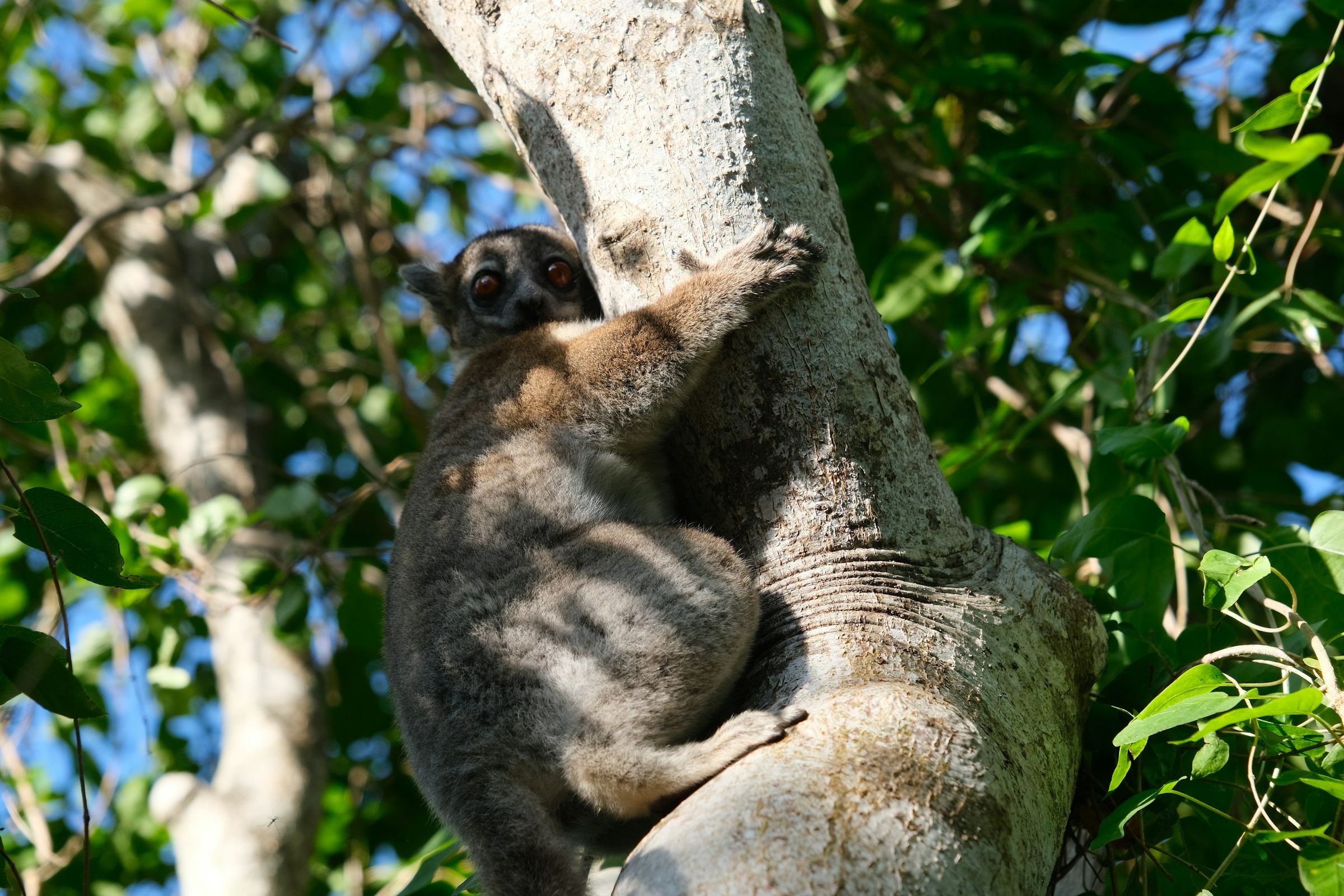
Ask for an early guided walk, when it's cooler, and confirm the reserve's opening time for your visit. Rough Guides names the birds that bring birders here: the sub-desert mesite, the red-shouldered vanga, the Madagascar plover and the long-tailed ground roller, which is getting harder to find. Grey-brown mouse lemurs live here too, though they're nocturnal, and in the daytime you may find a sportive lemur clinging to a trunk, like the one in the photo above, or a day gecko pressed against the bark. None of that is promised. For a specialist guide, see our birdwatching page.
Tell us your dates and what you would like to see. We reply within 24 hours with a written itinerary and a firm price.
Humpback whales come up from Antarctic waters to breed and calve off Madagascar in the southern winter. Our Classic South page puts whale watching on this coast at June to September. For Anakao, south of Tulear, Lonely Planet gives mid-June to September and Rough Guides calls July to September good. These are regional records, so we wouldn't book Ifaty specifically for whale watching. Ask about a suitable departure point on the coast if whales matter to your trip.
Whales are wild, and no one can promise you one. Madagascar's whale-watching rules keep boats at least 100 m away and limit the time spent with them, and swimming with whales isn't allowed.
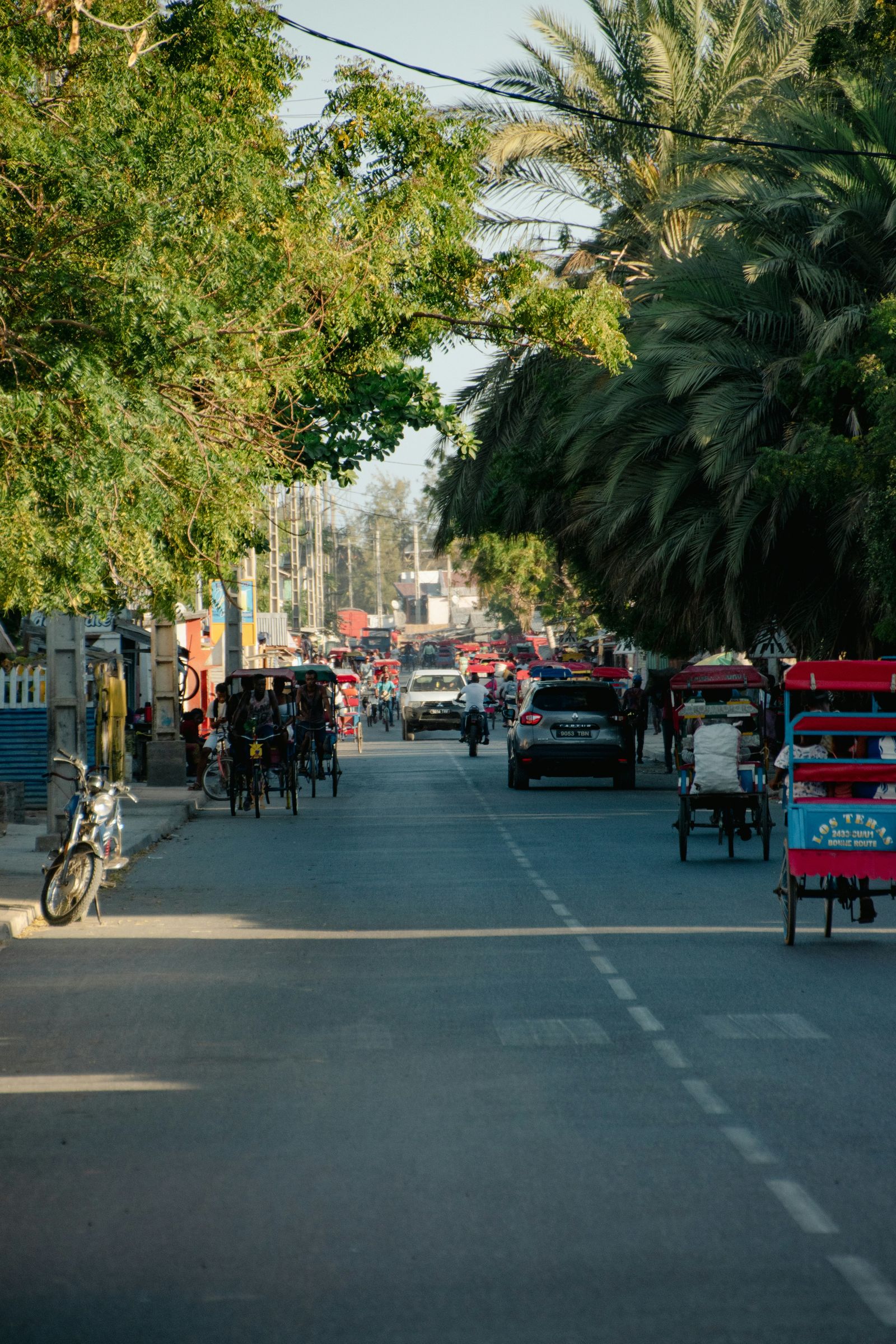
Tulear, Toliara in Malagasy, is the big town of the south-west, with about 169,000 people at the 2018 census, a port and the airport. It's hot and busy, with pousse-pousses and zebu carts on the main streets. Rough Guides calls it "not the most prepossessing place in Madagascar", and it has no real beach of its own: the town grew up on mud and sand flats behind the mangroves.
If you have a few hours, the Arboretum d'Antsokay is the thing to see. Founded by a Swiss botanist, it's a managed patch of spiny forest with about 900 plant species, most of them found only in the south-west, an hour-long guided tour and a small museum with a giant Aepyornis egg, the extinct elephant bird's.
The flight back is the other reason to be in Tulear. On the Classic South we drive you to the airport on day 11. The flight isn't in the trip price, but we can book it, never on the same day as your flight home, since domestic schedules change. Our flights guide has the rest.
Anakao is a Vezo fishing village about 30 km south of Tulear, across Saint Augustin Bay. It's more or less cut off by road, so you go by boat from Tulear, one to two hours depending on the boat, and at low tide the trip can start with an ox cart out across the shallows. Rough Guides likes the painted cement tombs of the Vezo near the point, and Nosy Ve, an uninhabited island offshore, is visited by day.
As a beach, Anakao is usually reckoned the better of the two. Ifaty is easier to reach, with the forest on the doorstep. Anakao isn't on our set trips, but it's reached from the same town, so if you'd rather end there, or add two nights after Ifaty, tell us. More on both in the best beaches in Madagascar.
This is the dry south. Tulear gets about 360 mm of rain in a whole year, the lowest total among the 23 Madagascar stations in these WMO normals, and most of it falls from December to March. In July it averages about 4 mm. The trade-off is heat: average highs run from about 28 °C in July to 33 °C from January to March.
Sun is the bigger risk than rain. Walk Reniala early, drink more water than you think you need, and bring a hat. The CDC recommends malaria prevention medicine for this area, so discuss your route with a travel clinician and see our vaccinations and malaria guide before you go.
Beach crime is a risk on this coast. At the time of writing the UK Foreign Office warns of violent robberies on isolated beaches, even in daytime, and names the beaches north and south of Tulear among the places where this could happen. It also calls the triangle between Ihosy, Tulear and Fort Dauphin tense, and advises a recognised tour operator there. Rough Guides says to avoid Batterie Plage, on the north-west side of town.
In practice: keep to the beach in front of your hotel, don't walk empty stretches alone, take a car after dark, and book boats through your hotel. The beach sellers can be a nuisance, Rough Guides adds, which is annoying rather than dangerous. Our safety guide covers the rest of the country.
Two nights is right for most people, and it's what the Classic South gives you. You arrive on the afternoon of day 9 after the drive from Isalo, with time for a swim. Day 10 is free: Reniala at dawn, the reef later in the morning, and an afternoon doing nothing at all. Day 11 is the drive to Tulear airport.
Give it three or four nights if you dive, if you want a boat day to Anakao, or if after a week on the road you'd like a real rest. Any of our trips can be lengthened, and the price follows.
The Ultimate does it the other way round. After two nights at Ambatomilo, a quiet beach further north, it spends one night at Ifaty on day 13, then drives inland to Ranohira for Isalo and takes the RN7 north. For how either fits into two or three weeks, see our Madagascar itineraries.
Send your dates, and whether you'd like an extra night by the sea, on the booking form or WhatsApp. A real person in Antananarivo replies, usually within 24 hours, with a written itinerary and a firm price.
Photos: Antonio Sánchez, Ingeborg Korme and Guillermo Suarez on Unsplash.
On the south-west coast, about 25 km north of Tulear (Toliara), reached by road on the RN9. Ifaty village and Mangily, 3 km further on, sit beside a lagoon of about 26 km behind a barrier reef, with spiny forest and baobabs behind the beach. Tulear has flights from Antananarivo of about 1 hour 45 minutes, and it's where the RN7 ends.
Yes, as the end of an RN7 trip. It has a lagoon on the driest coast of the island, with the spiny forest and its baobabs in the Reniala reserve nearby. ReefDoctor works on community marine reserves around Ifaty; ask about current conditions for snorkelling or diving. A study of coral loss off Tulear did not survey Ifaty, so it doesn't describe the condition of this reef. As a beach, Anakao, south of Tulear by boat, is usually reckoned the nicer.
Humpbacks visit the wider south-west coast in the southern winter, but that doesn't establish Ifaty itself as a viewing site. Our Classic South page gives June to September for the coast; Lonely Planet names Anakao, south of Tulear, from mid-June to September. Ask about a suitable departure point rather than booking Ifaty for whales alone. Whales are wild, so no one can promise one. Madagascar's rules keep boats at least 100 m away, and swimming with whales isn't allowed.
May to October, when highs are about 28 to 31 °C and it barely rains. Tulear gets only about 360 mm of rain a year, most of it from December to February, so the coast works almost all year, but January to March is hot, at about 33 °C, and cyclones are possible. Whale season on this coast is about June to September.
Two nights suits most people: an afternoon on arrival, then a full day for the Reniala spiny forest at dawn and the reef. Stay three or four if you dive or want a boat day to Anakao. Our Classic South gives Ifaty two nights, and the 20-day Ultimate one.
Private trips with your own vehicle and driver-guide. Every one can be reshaped around your dates.
The classic route done properly: Andasibe, Ranomafana, Anja's ring-tailed lemurs, the canyons of Isalo and the reef at Ifaty.

Three weeks and nearly every landscape the island has: river cruise, Tsingy, baobabs, remote Vezo coast and the southern parks.
Antsirabe to Ifaty stop by stop: road-day allowances, optional visits, the flight back and how to fit the Classic South into your total calendar days.
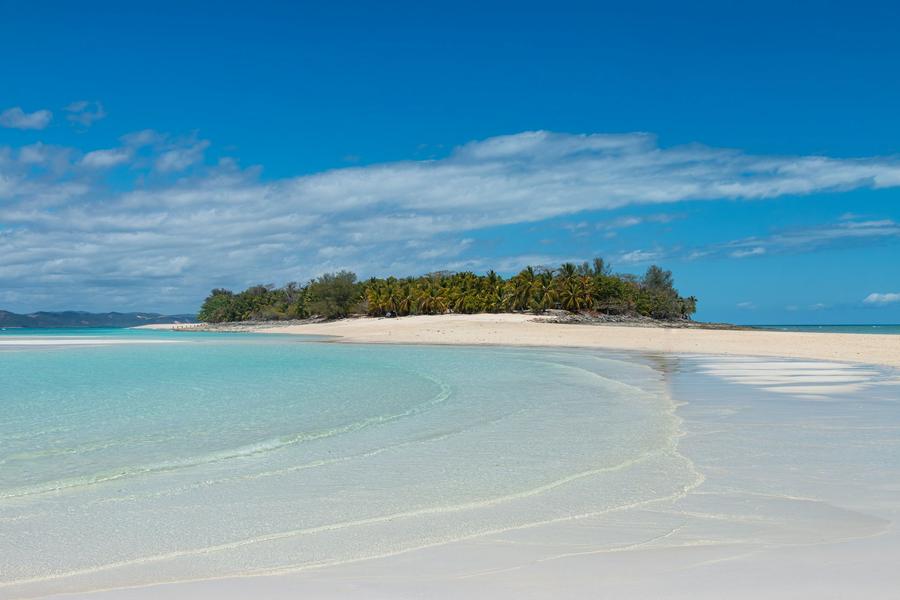
The beaches worth building a trip around, from the Nosy Iranja sandbar to Anakao, with the dry months for each coast, honest notes on swimming, and the trips that finish on the sand.
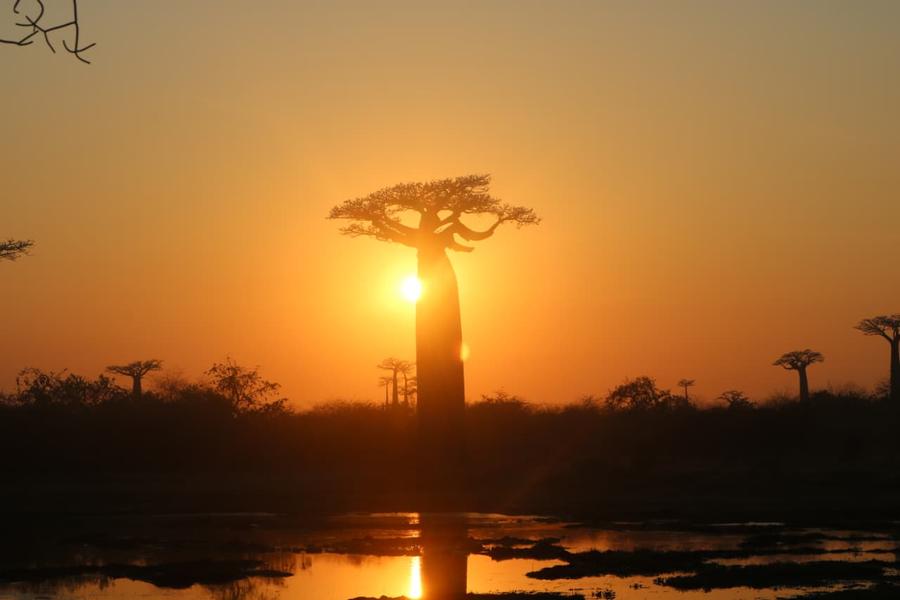
The six baobabs found only in Madagascar, where each one grows, when they flower and drop their leaves, how threatened they are, and the trips that reach them.
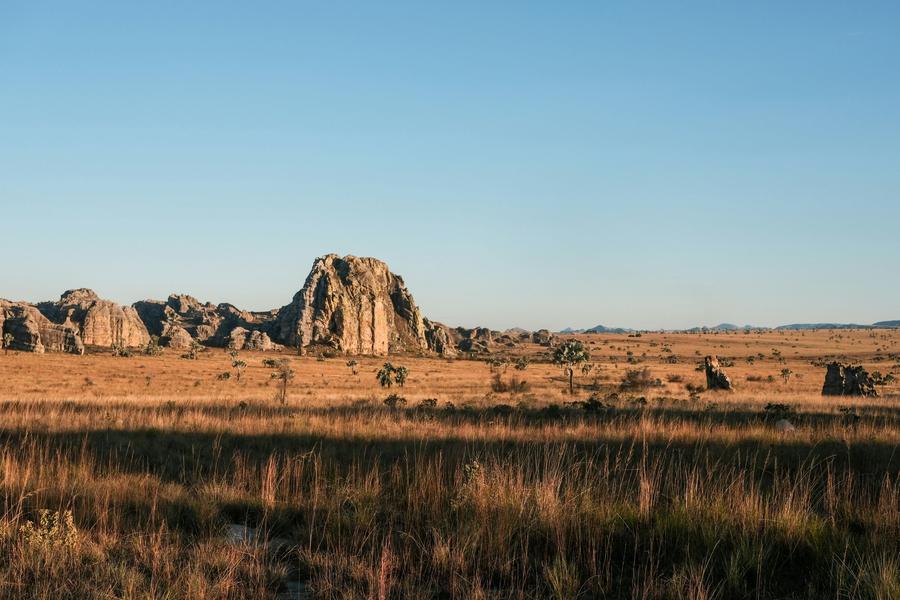
How the Isalo walks compare, how many days to give it, when the heat bites, the 2026 park fees and where it fits between Anja and the coast.

Send your dates and a rough idea. We reply within 24 hours with a written itinerary and a firm price. No deposit to ask a question.